The Ultimate Guide to Essential Gardening Tools: Must-Haves for Every Gardener
Embarking on a gardening journey, whether tending to vibrant flower beds, productive vegetable patches, or simply maintaining a beautiful yard, requires the right equipment. This comprehensive guide introduces you to tried-and-true tools for gardening – from fundamental items every gardener should own to innovative aids that simplify your routine, and even a few unconventional favorites that might surprise you. Investing in the proper gardening equipment not only makes your tasks easier and more enjoyable but also contributes significantly to the health and success of your garden.
Some links in this article are affiliate links, and if you click on them and make a purchase, I will receive a small commission at no extra cost to you.
With decades of experience cultivating both vegetable and flower gardens, I’ve gained invaluable insights into the world of gardening tools. It’s not just about having a tool for every job; it’s about discerning which tools are genuinely essential, which ones offer exceptional value, and which might seem unconventional but prove incredibly effective.
There are certain pieces of gardening equipment you absolutely need – items on which you shouldn’t compromise quality. Then there are those delightful extras that, while not strictly necessary, undeniably enhance your gardening experience. Moreover, some of the most useful items in my arsenal aren’t traditional garden tools at all, yet they consistently make my time in the garden far more productive and comfortable.
This list compiles my absolute favorite, must-have “tools” – a term I use broadly, as you’ll find everything from specialized implements to everyday household items like shoes and chopsticks. My aim is to provide practical recommendations that will benefit both novice gardeners just starting their green thumb journey and seasoned veterans looking for new ways to optimize their routines.
The selection includes both widely recognized gardening staples and a few unexpected additions. The sole criterion for inclusion on this list is that each item must be something I rely on consistently, season after season, often daily. These are the workhorses that make my gardening life manageable and successful, helping me achieve bountiful harvests and beautiful landscapes.
Note: This list focuses on general gardening essentials. If you’re interested in the rewarding process of starting your own seeds (which I highly recommend!), you can discover my simple and inexpensive seed-starting methods here, utilizing basic materials and a shop light setup.
Additionally, for those seeking guidance on establishing or maintaining a low-maintenance garden, explore my tips for an easy-care garden here.
Top 15 Essential Gardening Tools for a Thriving Garden
(Presented in no particular order, each tool plays a crucial role in my gardening success.)
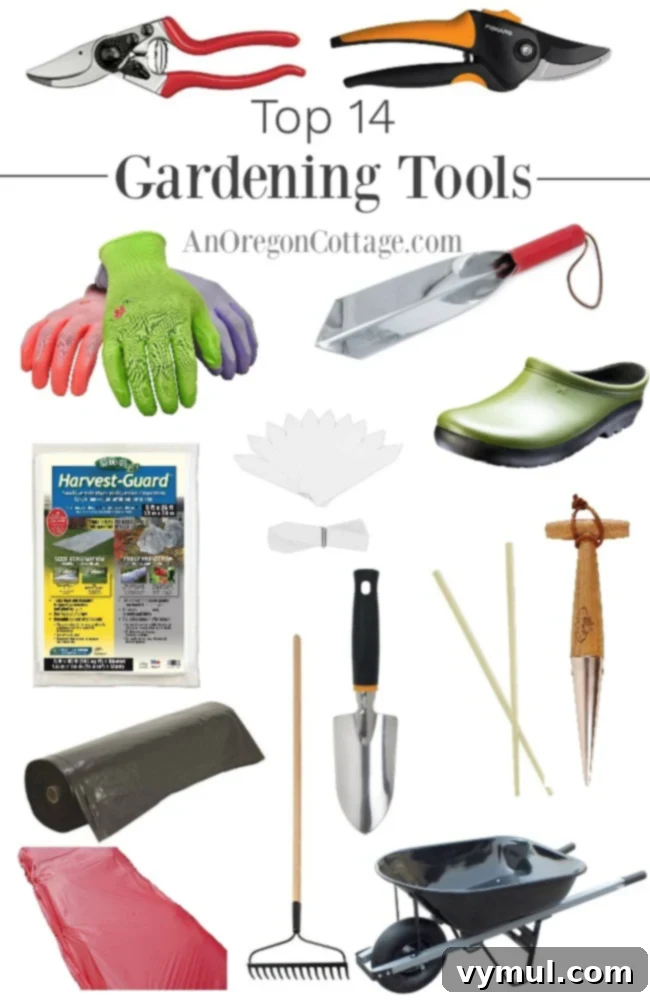
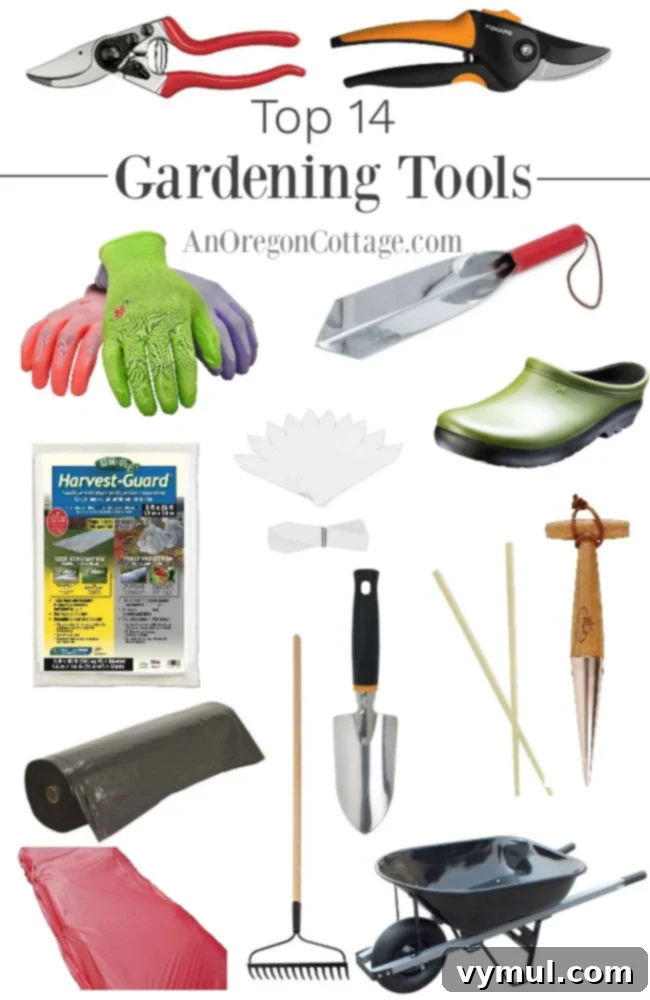
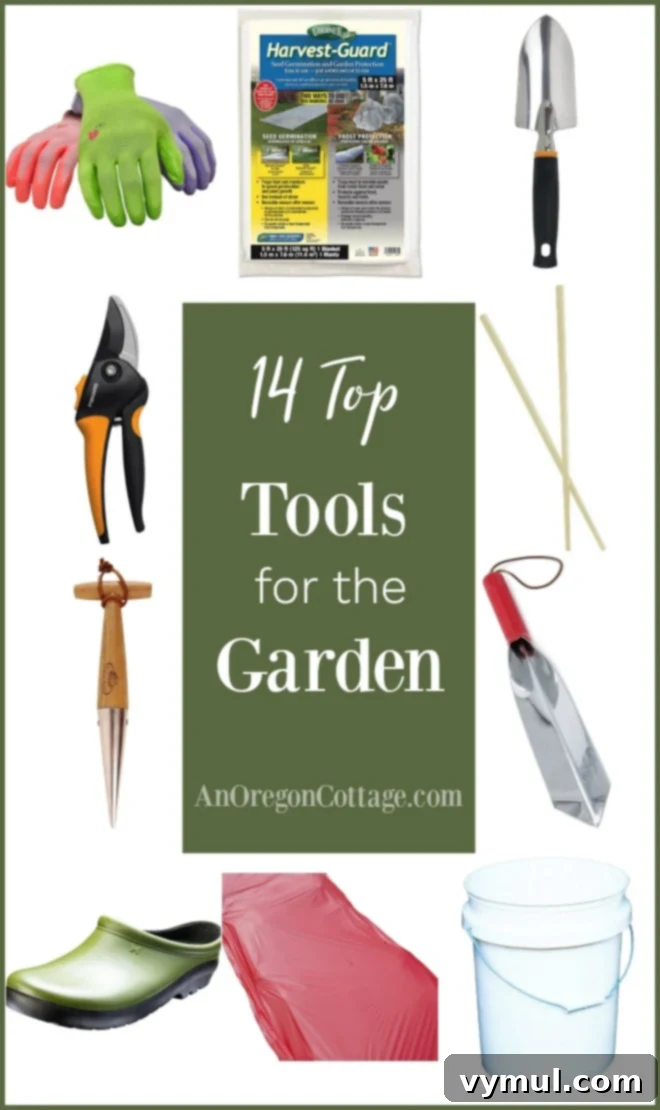
1. Nitrile Garden Gloves. While some gardeners prefer the tactile sensation of bare hands in the soil, I wholeheartedly advocate for a good pair of gloves. My personal experience has taught me that even a brief gloveless session can result in irritating splinters from compost or debris, not to mention the less appealing aspects of handling manure or thorny plants. Nitrile-coated gloves are a game-changer. They offer excellent dexterity, allowing you to handle delicate seedlings, while providing a protective barrier against moisture, dirt, and minor punctures. The breathable back ensures comfort, even during extended use. A multi-pack ensures you always have a clean pair on hand and extras for any eager helpers you might recruit. Investing in quality gloves is a small price to pay for comfort, hygiene, and protection from thorns, irritating plants, and soil-borne microbes.
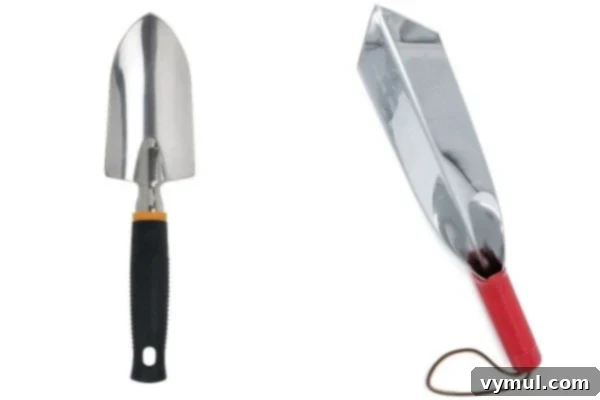
2. Trowel(s). A reliable hand trowel is arguably the most fundamental of all gardening tools, indispensable for planting, weeding, and transplanting small seedlings. My preference leans towards sturdy, well-constructed models. I’ve depended on this heavy-duty trowel from Fiskars for many years, and it continues to perform exceptionally well (shown on the left). For our current garden, which features increasingly rocky soil, the Wilcox All Pro 102S 12″ Digging Trowel (on the right) has proven invaluable. The key is to avoid cheap alternatives with thin metal necks or flimsy blades, which are prone to bending and breaking, often after just a few uses. Look for trowels made from forged steel or high-quality stainless steel, featuring a comfortable, ergonomic handle. A well-designed trowel will glide through soil effortlessly, making light work of repetitive tasks and preventing hand fatigue.
3. Shovel. A robust shovel is an absolute necessity for any gardener or homeowner with a yard. From digging new beds and planting trees to turning compost and moving soil, its utility is endless. We’ve used various types over the years, including wooden and fiberglass handled shovels, but none compared to the revelation of acquiring a Fiskars Steel D-Handle Digging Shovel. The difference in quality and performance was astounding. This shovel is incredibly sturdy; its blade resists bending even in tough soil, and the handle feels exceptionally durable. The D-handle design, which I initially didn’t think much about, significantly improves grip and leverage, making digging much less strenuous. It’s become so favored that it’s often a point of contention with my husband, Brian, who now prefers it over all our other shovels. When choosing a shovel, prioritize a strong blade material (like tempered steel) and a well-attached, comfortable handle for longevity and efficiency.
4. Metal Garden Rake. A sturdy metal garden rake is indispensable for numerous tasks that require moving, leveling, or clearing larger quantities of material. This is my go-to tool for spreading compost over newspaper layers in flower beds and distributing it evenly in our no-till raised vegetable beds. Unlike flimsy leaf rakes, a heavy-duty metal garden rake can withstand the rigors of spreading dense materials, breaking up clods, and generally shaping soil or gravel. Its robust tines are designed to tackle tough jobs, making it an essential tool for preparing planting areas, incorporating amendments, and maintaining clean garden paths. Always opt for a rake with a strong head and a securely attached handle to ensure it stands up to years of hard work in the garden.
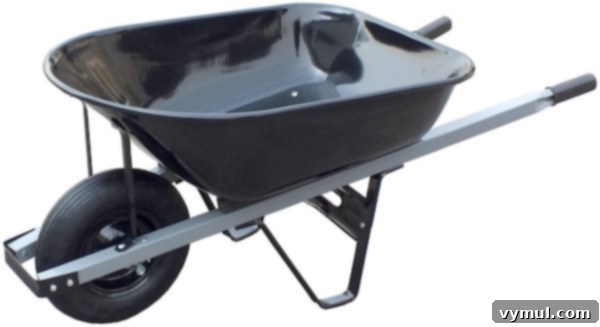
5. Wheelbarrow (the one pictured is no longer available, this is a sturdy option). Every gardener with even a small yard will quickly realize the profound utility of a good wheelbarrow. It transforms back-breaking labor into manageable tasks, making it effortless to transport bulky materials like soil, compost, mulch, or harvested produce across your property. When selecting a wheelbarrow, prioritize one with a metal bed of at least 6 cubic feet for ample capacity, and crucially, ensure it has sturdy attachments to the handles. This robust construction prevents buckling under heavy loads and ensures longevity. You’ll rely on it constantly for moving significant volumes of soil and compost to your raised beds, delivering mulch to flower borders, and clearing garden debris. A quality wheelbarrow is an investment that pays dividends in saved effort and time.
6. Plastic Chopsticks. You might raise an eyebrow at this one, but trust me, plastic chopsticks are surprisingly versatile and incredibly useful for delicate gardening tasks. After experimenting with various small tools, I’ve found nothing better for precise seed handling. They are perfect for making tiny, uniform holes for seeds, gently covering them with a thin layer of soil, and then meticulously assisting in the transplanting of delicate seedlings, whether grown indoors or out. Unlike wooden varieties that often break or degrade quickly in moist soil, plastic chopsticks are durable, easy to clean, and hold up season after season, making them a sustainable and unexpectedly effective addition to your garden tool kit.
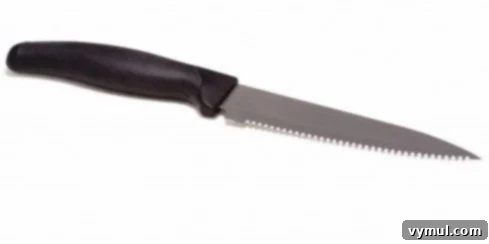
7. Old Cheap Steak Knives. Years ago, the idea of a steak knife on a list of essential garden tools would have been laughable to me. Yet today, I stash several old, repurposed steak knives strategically around my garden: one in my garden bag, one near my seed-starting area, and a couple out in the beds. These humble knives are incredibly versatile. They effortlessly cut through soil to help transplant small seedlings, cleanly sever twine for vertical gardening support, and prove invaluable for harvesting everything from crisp lettuce heads to sturdy broccoli stalks. Don’t toss those old, cracked-handle, rust-spotted knives – give them a second life in the garden. They are fantastic for small digging jobs, cutting through roots, or even opening bags of soil or fertilizer when your hands are full. Just remember to keep them sharp enough to be effective and always practice safe handling.
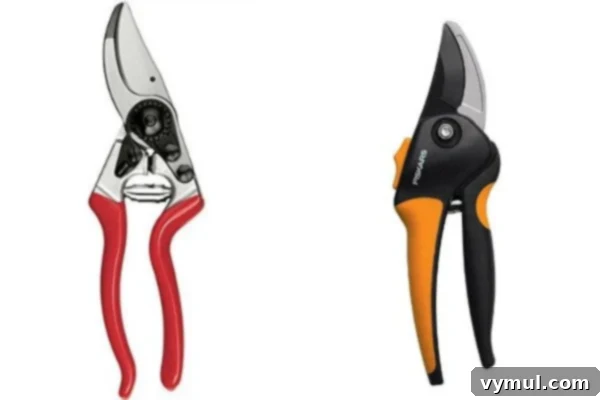
8. Bypass Pruner(s). Regardless of your gardening focus, pruning and cutting are constant requirements. Investing in a high-quality bypass pruner is crucial. After years of replacing cheaper brands that barely lasted a season, I finally “splurged” on a Felco bypass pruner (left above). This tool proved its worth by surviving weeks of spring rain, only to be revived with a new blade, cleaning, and oiling. While not “as good as new,” it’s still functional and a testament to quality. More recently, I’ve also adopted the more affordable but equally durable Fiskars Softgrip pruners (right above). These are exceptionally comfortable, perform admirably, and feature an easy-to-locate lock button – a feature I often wish my Felcos had. Bypass pruners offer clean cuts that promote plant health, making them essential for trimming, deadheading, and shaping. Always clean and sharpen your pruners regularly to ensure their longevity and efficiency. For more detailed guidance, see my post on How to Prune with Confidence.
9. Floating Row Cover. This lightweight, permeable fabric is one of my secret weapons for extending the growing season and protecting vulnerable plants from pests and harsh weather. I use it to shield lettuce seedlings from heavy early spring rains, ensuring they don’t drown. It’s also invaluable for covering broccoli almost all season long, effectively preventing aphid infestations that can devastate the crop. In the fall, I drape it over spinach to prolong its harvest into colder weather. Even my tomatoes get a head start under row covers to help them thrive all season long, loving the initial warmth and protection. While you can find similar products on Amazon like this one, I frequently purchase it by the foot from reputable suppliers like Pinetree Garden Seeds (search “floating row cover”). It’s a versatile, non-chemical solution for many common gardening challenges.
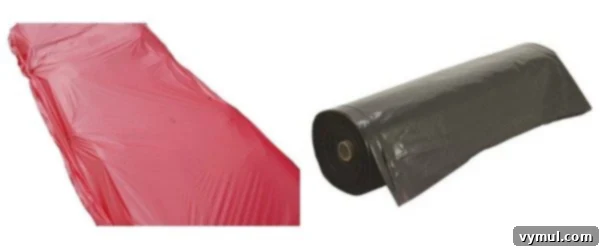
10. Red Plastic Mulch & Black Plastic Mulch. While not a traditional “tool” in the sense of something you wield, plastic mulches are powerful implements in garden management. I’ve consistently used red plastic mulch under my tomatoes and peppers for years. Research indicates that this specific color can lead to a 20%+ improvement in fruiting by reflecting beneficial light wavelengths back onto the plants (learn more about thriving tomatoes here). Beyond color-specific benefits, all plastic mulches excel at regulating soil moisture, reducing the need for frequent watering, and suppressing weed growth. I also employ thick, 6-mil black plastic to inhibit weeds, pre-emptively kill early spring weeds before bed preparation, and as a moisture-regulating mulch around heat-loving plants like peppers. Pinetree Garden Seeds also offers red plastic mulch by the foot, a convenient option for smaller projects.
11. Dibber. I initially considered this classic English gardening tool a luxury, but after purchasing one on sale, it quickly became an indispensable part of my gardening routine. A dibber is a pointed tool used to create holes in the soil for seeds, seedlings, and small bulbs, and its precision is unparalleled. It excels at quickly forming uniform rows in raised beds for tiny seeds like carrots and lettuce, ensuring proper spacing and depth. For small transplants and bulbs, it creates perfectly sized planting holes, minimizing root disturbance and promoting better establishment. The ergonomic design typically makes it comfortable to use, and a good quality dibber, often made of durable wood or stainless steel, will last for many gardening seasons, making it a valuable addition for detailed planting tasks.
12. 5-Gallon Buckets. These humble, inexpensive containers are arguably the most versatile “tools” in my entire garden. They are in constant use throughout the gardening season. Just when I think we have too many and consider decluttering, a new task arises: the apple harvest demands numerous buckets, beds need weeding, onions require curing, or a million other unexpected chores. Their utility extends beyond simple carrying – they serve as temporary storage for weeds, hold water or compost tea, assist in mixing small batches of soil, and perhaps most importantly, function as impromptu garden stools when a quick rest is needed during a laborious task. Durable and easy to clean, a collection of 5-gallon buckets is an absolute must-have for any active gardener.
13. Garden Clogs. While not a traditional “garden tool,” specialized garden footwear is something I use almost every day. My basic Sloggers clogs, similar to those pictured, are vastly superior to the tennis shoes I once gardened in. Their primary advantage is their complete water resistance, meaning muddy conditions or accidental splashes are no concern. This feature alone saves countless pairs of regular shoes from ruin. Furthermore, the slip-on, slip-off design is incredibly convenient for quickly stepping in and out of the house for harvesting, fetching supplies, or completing quick chores without tracking dirt indoors. They offer adequate support and protection for most light to moderate gardening tasks, making them a practical and comfortable choice for active gardeners.
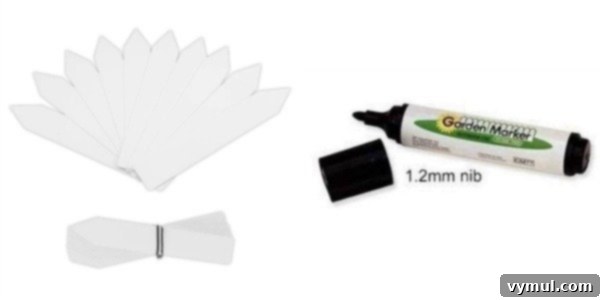
14. Plastic Plant Markers and Garden Marking Pen. Accurate plant identification is crucial, especially when growing multiple varieties or starting seeds. Over the years, I’ve experimented with various plant markers – wood, homemade from milk jugs, metal, and even decorative ones. My definitive conclusion is that only basic, white, plastic plant markers consistently last more than a single season without degrading or becoming illegible. The challenge then becomes finding a writing instrument that can withstand the elements. While Sharpie permanent markers are ubiquitous, I can testify they are not truly “permanent” outdoors; they fade significantly within a season, rendering variety labels useless by harvest time (and even oil-based Sharpies have disappointed). A specialized garden marking pen generally performs much better, with the one linked proving to be the most resilient I’ve tried. Investing in reliable markers and pens prevents confusion and ensures you can track your successful (or unsuccessful) varieties year after year.
BONUS #15: Garden Tool Bag. Keeping your essential gardening tools organized and easily accessible saves an incredible amount of time and frustration. While a 5-gallon bucket can serve a dual purpose, I much prefer a dedicated gardening bag for its superior organization and portability. For many years, I used a portable garden tool bag similar to this one. However, once it wore out, I discovered the immense benefits of heavy-duty tool and garden bags. My current favorite is the Bucket Boss Tool Tote, which I absolutely love. It accompanies me everywhere in the garden. Its robust construction and stable design mean it never tips over, even when fully loaded with tools, a common issue with lighter garden totes. External pockets keep frequently used items like pruners and gloves within easy reach, while the main compartment holds larger items, ensuring everything stays tidy and protected. This dedicated bag protects your investment in quality tools and streamlines your gardening process.
These are the core tools and essential items that form the backbone of my gardening practice. While every gardener accumulates a diverse collection of implements over time, I genuinely couldn’t imagine successfully maintaining my garden without the majority of these trusted companions. Investing in durable, high-quality gardening tools not only makes the work more efficient but also significantly enhances the joy and satisfaction derived from nurturing your green spaces.
What are some of your own essential tools for gardening – or any unconventional items, for that matter – that you simply couldn’t garden without? Share your insights!
More Helpful Gardening Tips:
- Five Ways to Save Water (and Time) in Your Garden
- 21 Organic Gardening Tips to Make Your Life Easier
- How to Start Gardening – 10 Simple Steps To A Vegetable Garden
- Organic Vegetable Gardening 101
- Gardening to Save Money – 10 Plants to Grow

This article has been updated – it was originally published in February 2013, with ongoing additions and refinements based on continued gardening experience.
Disclosure: Affiliate links within this article may generate a commission based on sales, but this will not affect your purchase price. Click here to read my full disclaimer and advertising disclosure for more information.