
Simple Time Management Strategies: 5 Essential Habits for Your Dream Handmade Life
Unlock the potential of your days with these five simple yet powerful time management strategies and habits. They are designed to empower you to plan the fulfilling, simple handmade life you envision for yourself and your family, rather than passively letting life dictate your path.

For many years, through various surveys and direct email conversations, I’ve consistently posed a question in different forms, all aiming to understand the core struggles of our community:
What’s your biggest challenge to living the simple homemade life you desire?
The response has been remarkably consistent and, at times, quite surprising to me. An overwhelming majority of people point to TIME as their primary obstacle. Initially, I expected answers to be more centered around cooking or crafting skills. However, upon reflection, this widespread struggle with time makes perfect sense, as it’s a challenge we all encounter in our busy modern lives.
Even now, I often find myself wrestling with managing my time effectively. Through countless interactions and years of writing on this blog, one profound truth has emerged: we share a common set of struggles, aspirations, and dreams. Understanding this shared experience forms the foundation for finding collective solutions to these universal challenges.
Defining Our Shared Goals
Within our vibrant community, a recurring theme is the deep desire to embrace a simpler way of life. This often involves creating beautifully imperfect things with our own hands – be it delicious homemade food, vibrant garden flowers, cherished pieces of furniture, or any other craft that brings joy and purpose. It’s about moving beyond the relentless pursuit of material possessions and instead finding fulfillment in creation and contribution. We crave meaningful experiences over endless consumption.
Furthermore, we yearn to dedicate sweet, quality time to our families, fostering stronger bonds and creating lasting memories. We strive to provide healthy, nurturing, and inspiring environments for both ourselves and our loved ones, believing that a well-ordered home supports a peaceful mind. Ultimately, the goal is to cultivate a life where we can discover profound joy and contentment in the everyday moments, transforming routine tasks into opportunities for connection and mindfulness.
Navigating the Modern Life Challenge
The inherent challenge lies in actively pursuing these meaningful goals – cultivating our homes, nurturing our families, and engaging in creative pursuits – all while expertly juggling the myriad of demands that modern life constantly throws our way. These demands can range from demanding jobs and extensive commitments related to children’s school and extracurricular activities, to inevitable family obligations and even the pervasive distractions presented by social media and endless entertainment options. It’s a delicate balancing act that often feels impossible.
I’ve personally observed and learned that when we merely allow life to unfold without intentional direction, these external pressures and distractions quickly consume our most valuable and finite asset: time. This leaves us with a profound sense of feeling unaccomplished and drained at the end of each day, week, or even month. The cumulative effect is a feeling of being adrift, losing precious moments to chaos rather than channeling them toward our deepest desires.
Embracing the Power of a Plan
This feeling of being overwhelmed and unproductive is one I’ve intimately known many, many times throughout the years. It was through these experiences that I discovered a fundamental truth: the one surefire way to cultivate a life you genuinely enjoy and feel proud of is through intentional planning. Without a plan, we are merely reacting to the world around us, rather than actively shaping our own experiences.
Implementing a clear plan has been the singular method by which I’ve been able to achieve the things that truly matter to me. When I simply “go with the flow,” days and weeks have a tendency to slip by, leaving me with a nagging sense that nothing truly meaningful or aligned with my values has occurred. Sure, the basics might be covered – my family was fed, laundry piles were managed, and we arrived at all our mandatory appointments – but the aspirations that bring deep personal satisfaction often remain untouched and unrealized.
“Ugh, plan – really?” I hear you thinking.
Please don’t worry! When I speak of “planning,” I’m absolutely not referring to the creation of huge, overwhelming, lifelong, meticulously detailed lists of every single thing you wish to accomplish. (While there’s nothing inherently wrong with that approach for some, I personally find it paralyzing!) Instead, I’m talking about something far more accessible and empowering: establishing a few simple strategies and building effective habits that you integrate throughout your daily life. These aren’t rigid rules, but rather flexible frameworks designed to support you.
It’s these thoughtfully chosen strategies that will ultimately liberate your time, allowing you to either carve out moments for what you genuinely want to do, or subtly guide you along the path toward the purposeful life you envision. Essentially, it’s about taking a moment to clearly envision what a fulfilling life looks like for you and your family, and then proactively planning the small, consistent steps needed to bring that vision to fruition. Even if it takes years, the crucial point is that you are consciously moving along the path you’ve chosen, making progress every day.
Below, I’m sharing the five time management strategies and habits that have consistently yielded the most significant positive impact in my own life and in the lives of my family. I invite you to explore them and see if they can similarly transform your approach to time and help you achieve the life you desire!
5 Transformative Time Management Strategies

1. Master Your Meals: Menu Plan!
I use an exclamation mark here because, for me, menu planning was undoubtedly the single biggest game-changer in regaining control of my time and reducing daily stress. The beauty of meal planning is its inherent flexibility – it can be as simple or as comprehensive as your life demands. In my experience, even just planning our dinners, whether on a weekly or monthly basis depending on our current family season, made an enormous difference.
For some, meal planning might involve a more elaborate approach, encompassing all meals and snacks, dedicating time to meal prep, or batch cooking once a week. The most crucial aspect is to discover what system resonates best with you and fits seamlessly into your current season of life. There’s no one-size-fits-all solution, but the act of planning itself is key. If you’re looking for a practical starting point, this comprehensive meal planning guide outlines the five easy steps I personally use for simple yet effective menu planning, designed to get you started without feeling overwhelmed.
Here’s my most crucial advice for anyone embarking on their meal planning journey:
If you’re new to menu planning, it might not immediately feel like it’s making a significant difference, or you might even doubt its effectiveness. I personally stopped and restarted the process many times before it truly “clicked” for me and became an indispensable part of our family’s routine. So, my strongest recommendation is: don’t give up! Persist in trying different methods and approaches until you find the system that genuinely works for you. Once you successfully integrate meal planning into your life, the time saved, the reduction in decision fatigue, and the improved consistency of healthy meals will be so profound, you’ll likely wonder how you ever managed without it. It’s a habit that truly transforms daily life.

2. Utilize a Planner & Intentionally Set Goals
For a long time, I believed that a simple calendar was sufficient for organizing my life. However, I quickly realized that a calendar primarily serves as a repository for obligations – sports schedules, doctor’s appointments, birthday parties, and other “must-do” items. It rarely provides the space or motivation to consider the things I truly wanted to do, or, more importantly, how I would realistically carve out time to achieve them. This is precisely where the power of setting simple, attainable goals comes into play, and a dedicated planner proves to be the ultimate tool for both motivating you and meticulously tracking your progress toward those aspirations.
Recognizing this critical gap, I developed The Flexible Planner. It’s designed to go beyond mere appointments, providing dedicated sections for both our essential “have-to-dos” and our inspiring “want-to-dos” (our goals). To enhance its utility even further, I incorporated space for important notes and lists, including a convenient area for my menu plans. This integrated approach ensures that all key elements of life organization are housed in one accessible place.
TIP: Maintaining a record of your previous menu plans is incredibly efficient! It makes future planning remarkably easy – simply browse through past successes, select your favorite meals, and effortlessly plug them into your upcoming schedule!
Embrace Simple Goals for Big Impact
Whether you opt for a basic notepad, invest in a specialized planner like my Flexible Planner, or leverage digital tools such as Google Calendar, the key is to establish dedicated areas where you can thoughtfully set and consistently track your goals. The medium is less important than the intentional act of planning itself.
Your goals can be broad, year-long visions broken down into monthly action steps, or quarterly objectives that you revisit and refine every three months. Alternatively, they can be simple, focused goals for each month – perhaps learning to bake a new type of bread, or finally setting up that raised vegetable garden bed you’ve always dreamed of. The crucial first step is to start small. Choose just one or two goals that hold the most significance for you right now, and then diligently track your progress. The act of seeing your achievements accumulate is incredibly motivating and fuels further success! For a dose of inspiration, you can explore the diverse goals I’ve shared over the years here.
For those seeking additional guidance on goal setting, Brian and I have delved into this topic on our podcast. Here are two episodes that offer further insights and actionable advice:
- Podcast Ep.19: How Setting Goals Can Make This Year Your Best
- Podcast Ep. 50: How to Set and Achieve Goals
3. Establish and Adhere to Set Work Hours
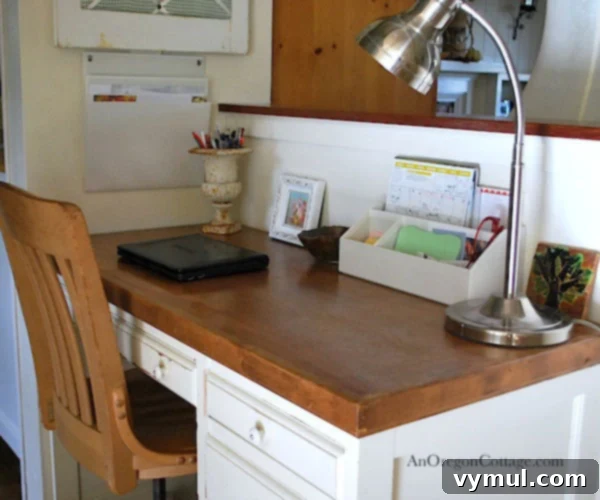
For those who work outside the home, this strategy might seem pre-defined by your employer’s schedule. However, with the increasing prevalence of remote and hybrid work models, it’s becoming imperative for more and more individuals, even those working part-time from home, to be incredibly intentional about setting clear work boundaries. I’ve learned, and continue to refine this understanding, that it is absolutely key to establish specific work hours that you meticulously record in your planner and then diligently stick to. This disciplined approach prevents work from bleeding into every aspect of your life.
Of course, there’s still room for flexibility. If an opportunity arises to enjoy coffee with a friend, that’s perfectly fine – simply plan it into your schedule and adjust your work hours elsewhere to make up the time. The goal isn’t rigidity, but intentionality. When I fail to plan for distinct work hours, I inevitably fall into one of two unproductive patterns:
- I feel like I am working incessantly, all the time, leading to burnout and resentment.
- OR, conversely, I struggle to complete my essential tasks, leaving important work undone.
Neither outcome is conducive to productivity or well-being. By proactively planning and dedicating specific blocks of time for focused work, we can achieve that desirable happy balance. This ensures that you accomplish your tasks efficiently while also protecting your personal time and energy for other meaningful pursuits. It’s about working smarter, not just longer.

4. Develop a Collaborative Household Management Plan
Now, this might sound like a daunting or overly complicated task, but I assure you, it’s far simpler and more straightforward than it appears – just bear with me for a moment! What I mean by a “household management plan” is fundamentally simple: it’s about collaboratively working with your family to clearly define who does what tasks, and when these tasks should be completed. It’s a shared roadmap for maintaining your home.
The cornerstone of an effective household plan is ensuring everyone is involved and contributes.
Household responsibilities should never be the sole burden of one individual. Even during my years as a stay-at-home mother, I quickly realized the impossibility of doing everything myself and still remaining a pleasant, engaged person anyone would want to be around. It was in this realization that our family cleaning night emerged as a true savior. Amen and amen to shared responsibilities!
Our family’s approach was largely informal; we didn’t rely on a meticulously written binder or complex paper system (though I do think that’s an excellent idea for some!). Instead, we established our weekly cleaning night as a consistent routine, and then systematically divided other daily and weekly tasks. For instance, I took charge of cooking, Brian handled the dishes, and the children were responsible for setting and clearing the table. Outdoor chores were also fairly divvied up, ensuring a balanced distribution of labor.
The key is to proactively determine how you and your household will collectively manage everyday and weekly tasks, making sure the system genuinely works for everyone involved. For example, as soon as our children reached an age where they could competently operate the washing machine (around 4th grade), I taught them the process. Subsequently, a laundry basket was placed in each of their rooms, and managing their own laundry became their responsibility. You can find more specific details about our streamlined laundry system here.
Your household management plan can take any form that suits your family’s unique dynamics and preferences. The absolute imperative, however, is to actively DO it. Because if these responsibilities are not explicitly planned and distributed, they will almost certainly fall disproportionately onto one person. #beenthere, done that, and it’s exhausting!

5. Prioritize Rest: Take Breaks (and Schedule Them!)
This fifth strategy remains a personal challenge for me, as I am inherently a “get-it-done” kind of person, often driven by a strong desire for productivity. However, I’ve learned through experience just how quickly mental fatigue sets in when I don’t consciously step away from the relentless demands of the clock, my planner, and my computer screen. The truth is, habits 1 through 4 become significantly more sustainable and enjoyable when you intentionally build breaks into your schedule.
My typical breaks often involve a mix of activities: I usually start my mornings with dedicated time for exercise and reading (you can explore my typical morning routine here). In the late afternoon, around 4:00, I make sure to take a refreshing walk with my dog or spend some time checking on the garden. My evenings include a consistent routine that prioritizes reading time. Beyond daily rituals, regular date nights, coffee-fueled work dates with friends, leisurely Sunday afternoon hikes or kayaking adventures, and even occasional weekend getaways are integral to my well-being.
Are these activities meticulously scheduled in my planner? You can absolutely bet on it! If they weren’t explicitly written down, it’s highly probable that many of them simply wouldn’t happen (with the exception of my morning and evening routines, which have now solidified into deeply ingrained habits, though they too began as scheduled appointments). The act of scheduling leisure and rest makes them just as important as any other task.
Your ideal “time breaks” might look entirely different from mine, and that’s perfectly normal. Perhaps for you, relaxation comes from the focused creativity of cooking, the meditative process of crafting something beautiful, the engaging challenge of playing a game, or the grounding sensation of gardening. The most important thing is to identify whatever activities genuinely bring you peace, recharge your mental and emotional batteries, and fill you back up. These moments of intentional rest are not a luxury; they are a vital component of sustainable productivity and a joyful life.
Reflecting on my journey, I can clearly see how I was merely drifting through life, constantly reacting to external circumstances, before I consciously adopted these simple yet profound habits. It wasn’t until I began consistently implementing these easy-to-integrate concepts that I truly gained the freedom and capacity to dedicate more time to the pursuits that genuinely nourish my soul and align with my deepest values. This includes meaningful activities like preparing wholesome, real foods, thoughtfully remodeling our home to create a more functional and beautiful space, diligently growing our own food, and indulging in the enriching experience of reading inspiring books.