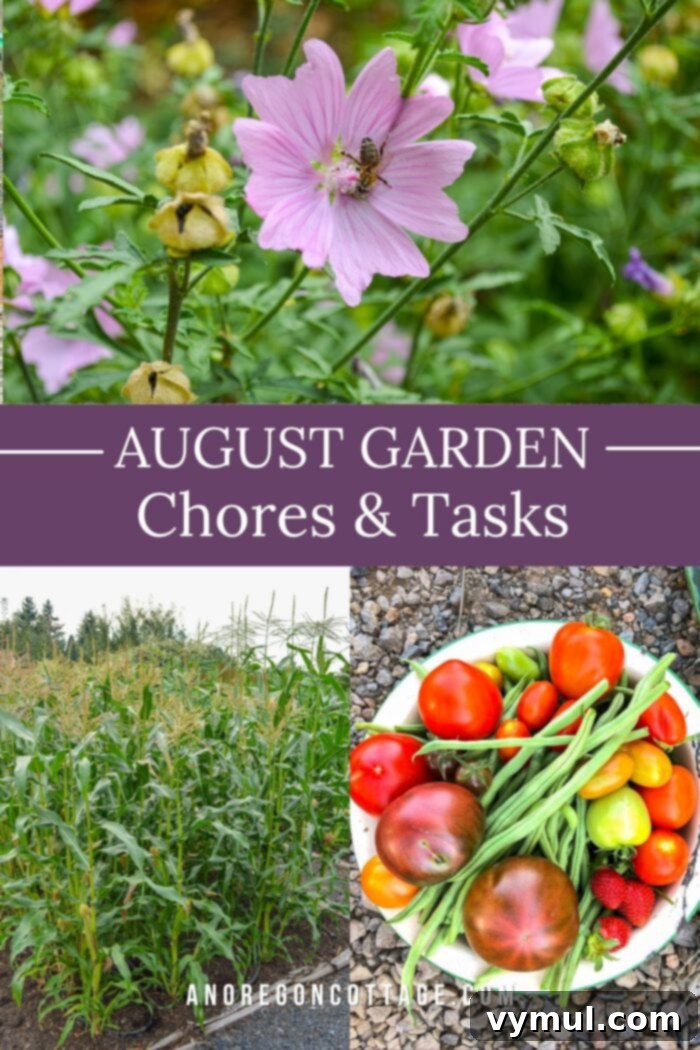
August Garden Chores: Your Essential Monthly Checklist for a Thriving Late-Summer Garden
Welcome to August, a pivotal month for gardeners! This guide offers a comprehensive, SEO-friendly monthly checklist for your August garden chores, covering the vegetable and fruit garden, vibrant flower beds, and fundamental lawn and yard care. While this provides a robust framework, remember to adapt these tasks to your unique climate, specific garden needs, and personal schedule. You can also download a printable version to keep your gardening efforts organized throughout the season.
As August arrives, many gardeners find themselves in the thick of summer, often battling the heat while enjoying the peak of their harvest. Are you finding yourself tethered to the garden hose, diligently watering your thirsty plants day after day? This is a common scene for gardeners, especially in warmer climates where August frequently brings scorching temperatures and relentless sun. I usually spend countless hours dragging hoses, adjusting soakers, and setting timers multiple times a week to ensure every plant receives adequate hydration. It’s a demanding cycle, but one that yields incredible rewards.
UPDATE: The endless watering struggle is a thing of the past for me! Discover how we transformed our watering routine with this simple PVC DIY automatic watering system – it’s a game-changer and has drastically simplified my summer garden care, freeing up valuable time to enjoy the fruits (and vegetables!) of my labor.
So, why do we embrace these strenuous August garden chores, enduring the heat and the constant demand for water? The answer is simple, yet profound: the bountiful harvest. Imagine the succulent, sun-ripened tomatoes, crisp cucumbers, vibrant peppers, tender green beans, and abundant zucchini. These are the treasures that make every drop of water and every moment of effort worthwhile. In fact, for many, including myself, August meals are predominantly crafted from fresh garden produce. There’s an unparalleled joy in dining al fresco, surrounded by beautiful bouquets of garden flowers, with the gentle hum of bees visiting your blooming beds. This idyllic scene, fueled by a little dedication to watering and maintenance, truly captures the essence of summer gardening.
Ready to simplify your vegetable gardening experience with proven tips and techniques? (Yes, a manageable, thriving garden is absolutely within reach!)
Compared to some of our other monthly garden checklists, the list of August garden chores might appear somewhat lighter, which is often a welcome relief given the intense heat of late summer. The primary focus for August garden care, beyond the crucial tasks of consistent harvesting and diligent watering, revolves around essential basic maintenance. This includes practices like deadheading spent flowers to encourage further blooms and vigilant monitoring for any early signs of disease or pest infestations.
In summary, for most gardeners, key August garden tasks involve maximizing the current harvest, ensuring plants are well-hydrated, and maintaining general plant health through simple but effective routines like deadheading and proactive pest/disease checks.
One significant proactive step to undertake in August, particularly if your region typically experiences its first frost later in the year (around October or even November), is to begin planning and planting for a fall garden. This window of opportunity allows you to extend your harvest season well beyond summer, providing fresh produce into the cooler months. For those of us in areas with a generous growing season, getting these fall crops established in August is crucial for a successful second harvest. Time to get busy!
Looking for an organized way to manage your garden throughout the year?
Grab your free printable of garden tasks for every month by clicking the form below! This comprehensive resource allows you to mix and match tasks, customizing them perfectly for your garden’s unique needs and your regional climate.
Don’t forget to integrate these valuable pages into your free Gardening Notebook Journal!
August Garden Tasks: A Detailed Breakdown
To help you navigate the late-summer gardening season effectively, here’s a detailed list of essential August garden tasks, categorized for clarity. Following these guidelines will ensure your garden remains productive and beautiful as it transitions from summer’s peak into the promise of autumn harvests.
Vegetable & Fruit Garden Care in August
The vegetable and fruit garden is often the busiest part of the landscape in August. With abundant harvests and the last chance for fall planting, staying on top of these tasks is crucial for sustained success.
- Consistent and Deep Watering: This is arguably the most critical task in August. Your plants are actively producing and consuming significant amounts of water, especially during hot spells. Water deeply and consistently. Instead of light, daily sprinkles, aim to water thoroughly once every 4-7 days. In extreme heat, you may need to increase frequency. Deep watering encourages roots to grow deeper, making plants more resilient to drought and heat stress. To achieve deep watering, run a soaker hose for 2-4 hours, or continue watering with sprinklers until the soil is moist at least an inch down. Remember, mulching around your plants dramatically helps retain soil moisture, reducing the need for frequent watering. Check soil moisture by sticking your finger into the ground; if it feels dry an inch or two down, it’s time to water.
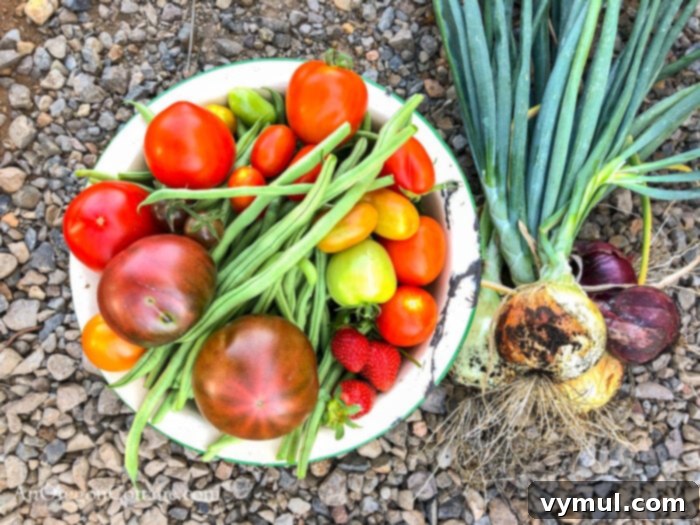
- Harvesting at Peak Ripeness: Regularly check your plants and harvest fruits and vegetables as they ripen. This encourages the plant to produce more and prevents spoilage. For example, pick tomatoes when fully colored but still firm, cucumbers when they are of good size but before seeds harden, and green beans frequently to keep production flowing. Promptly gather any fallen fruit from the ground. This simple act is vital for limiting the spread of diseases and deterring pests like wasps, slugs, and fruit flies, which can quickly multiply and damage healthy crops.
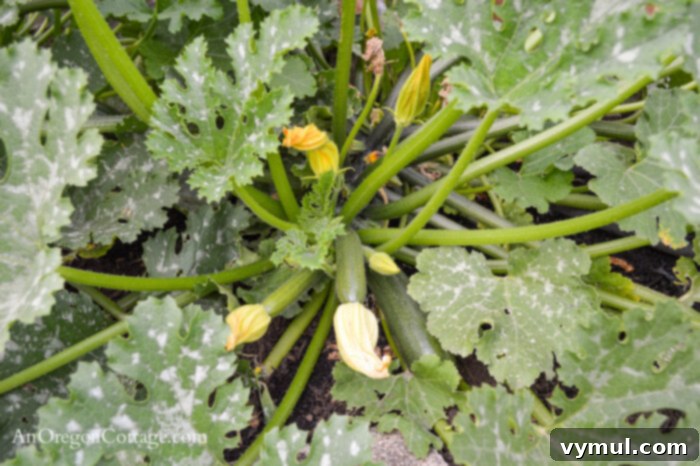
- Post-Harvest Cleanup and Fall Replanting: As certain vegetable plants finish their production cycle (e.g., spent bush beans, early summer squash), remove them from the garden beds. Don’t leave them to become havens for pests or diseases. Once removed, enrich the soil by amending it with fresh compost or other organic matter. This replenishes nutrients depleted by the summer’s harvest. If your climate permits, consider replanting with quick-growing, cool-season crops. Excellent choices include spinach, mâche, lettuce, radishes, or arugula. These can mature before the first hard frost, providing a bonus fall harvest.
- Direct Sowing for Fall: Depending on your specific growing zone and the expected first frost date, August can be an ideal time to direct sow seeds for a variety of fall vegetables. Beyond lettuce, kale, Swiss chard, beets, and certain bush bean varieties can thrive. Even short carrot varieties like “Thumbelina” can be sown. For a head start, plant transplants of broccoli, cauliflower, and cabbage. Ensure you choose varieties with shorter maturity dates for your fall garden planning.
- Drying Herbs for Winter Storage: August is an excellent time to preserve the flavor of your herbs for winter use. Harvest herbs in the morning after the dew has dried but before the sun is too strong, as this is when their essential oils are most concentrated, ensuring maximum flavor. Bundle them and hang them in a cool, dry, well-ventilated area, or use a food dehydrator for faster results. Popular herbs for drying include oregano, thyme, rosemary, sage, and mint.
- Pruning Berry Plants: Give your berry patches some attention. Lightly prune blueberry bushes to improve air circulation and encourage fruit production next year. For blackberries and raspberries, cut back any canes that have already produced fruit this season (floricanes). These canes will not bear fruit again and should be removed to make way for new growth (primocanes) that will produce next year. Clean up around strawberry beds by removing runners you don’t want to propagate and fertilize lightly to support healthy growth for next season.
- Pest and Disease Monitoring: Remain vigilant in monitoring all your plants – vegetables, fruits, shrubs, and trees – for signs of pests like spider mites, aphids, squash bugs, and various moths, or diseases such as powdery mildew or blight. Early detection is key to effective organic treatment. Address issues promptly to prevent widespread damage. The homemade garlic-mint garden insect spray mentioned in the original text is highly effective and has proven successful on various garden pests, including those attacking basil, trumpet vine, marigolds, and beans in my garden. Regularly inspecting the undersides of leaves is particularly important.
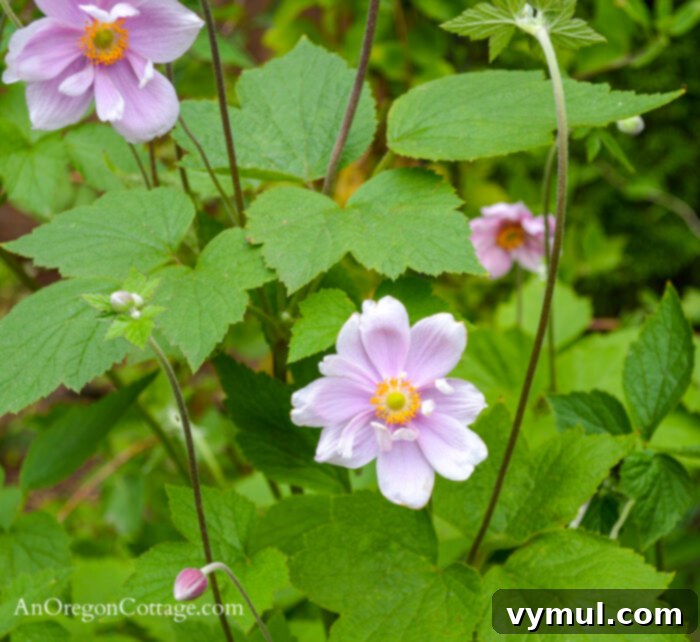
Flower Garden Maintenance for August Blooms
Maintaining your flower garden in August ensures a continuous display of color and beauty well into the fall. These tasks focus on prolonging bloom times and preparing for the cooler months.
- Deadheading for Continued Blooms: Continue the essential task of deadheading spent flowers. This process is crucial for plants you don’t want to self-seed excessively, as it redirects the plant’s energy from seed production back into creating more flowers. This is particularly important for aggressive self-sowers like rose campion, lemon balm, cleome, oregano, and Joe-Pye Weed. Ensure you dispose of these spent flowers appropriately, ideally not in your compost pile if you wish to prevent them from popping up unexpectedly throughout your garden next season. For desired self-sowers, you can leave some seed heads.
- Encourage Fall Flowering: Consistent deadheading will keep most annuals and many perennials producing new blossoms, extending their vibrant display into the autumn months. The more you deadhead, the more flowers your plants will produce. This maintenance helps maintain the garden’s aesthetic appeal and provides nectar for late-season pollinators.
- Adding Late Summer/Fall Color: To refresh your flower beds and ensure a beautiful transition into fall, consider adding new plantings. Sunflowers, zinnias, and marigolds are excellent choices for providing cheerful, late-season color. These can be planted from starts or direct-sown early in August in many climates. They also make wonderful cut flowers to bring the garden’s beauty indoors.
- Mid-Season Fertilizer Boost: Long-blooming perennials and container plants that have been working hard all summer can benefit significantly from a mid-season fertilizer boost. A balanced liquid fertilizer can provide the necessary nutrients to sustain their vigor and encourage a final flush of blooms, carrying their beauty into the cooler days of fall. Pay close attention to plants in containers, as they tend to deplete nutrients more quickly due to frequent watering.
Other Essential August Garden and Yard Tasks
Beyond the beds, August also calls for general upkeep of your entire yard, ensuring everything is ready for the transition to autumn.
- Initiate Fall Lawn Repair: As summer’s harshest heat begins to recede and the first autumn rains return, August is an excellent time to start fall lawn repair. Reseeding bare patches in your lawn now allows the new grass to establish strong roots before winter sets in. Scarify the soil, apply fresh topsoil, and sow quality grass seed. Keeping the newly seeded areas consistently moist is crucial for germination and growth.
- Repotting Houseplants for Winter: If your houseplants have enjoyed a summer vacation outdoors, August is the ideal time to bring them back inside and prepare them for the coming winter. Inspect them thoroughly for pests before bringing them indoors. This is also a good opportunity to repot any houseplants that have outgrown their current containers or need fresh soil. Providing them with new potting mix and a slightly larger pot can give them a fresh start and promote healthy growth through the indoor months.
- Ordering Fall Bulbs and Plants: Take advantage of good selection now! Begin placing orders for spring-flowering bulbs (like tulips, daffodils, and crocuses) and fall-planted perennials. Ordering early ensures you get your desired varieties before they sell out. Planning ahead for your spring display and ensuring these items arrive in time for optimal fall planting will lead to a more vibrant garden next year.
Curious about what other gardening tasks need doing? Explore all our month-by-month garden chore lists here.
Seeking more guidance for effortless gardening?
Delve into these valuable resources to make your gardening journey even more rewarding:
- Organic Vegetable Gardening 101: A Beginner’s Guide
- How to Plant a Garden the Easy Care Way: Sustainable Practices
- 5 Steps to Take Now For Your Best Garden Ever (with Free Printables!): Plan for Future Success