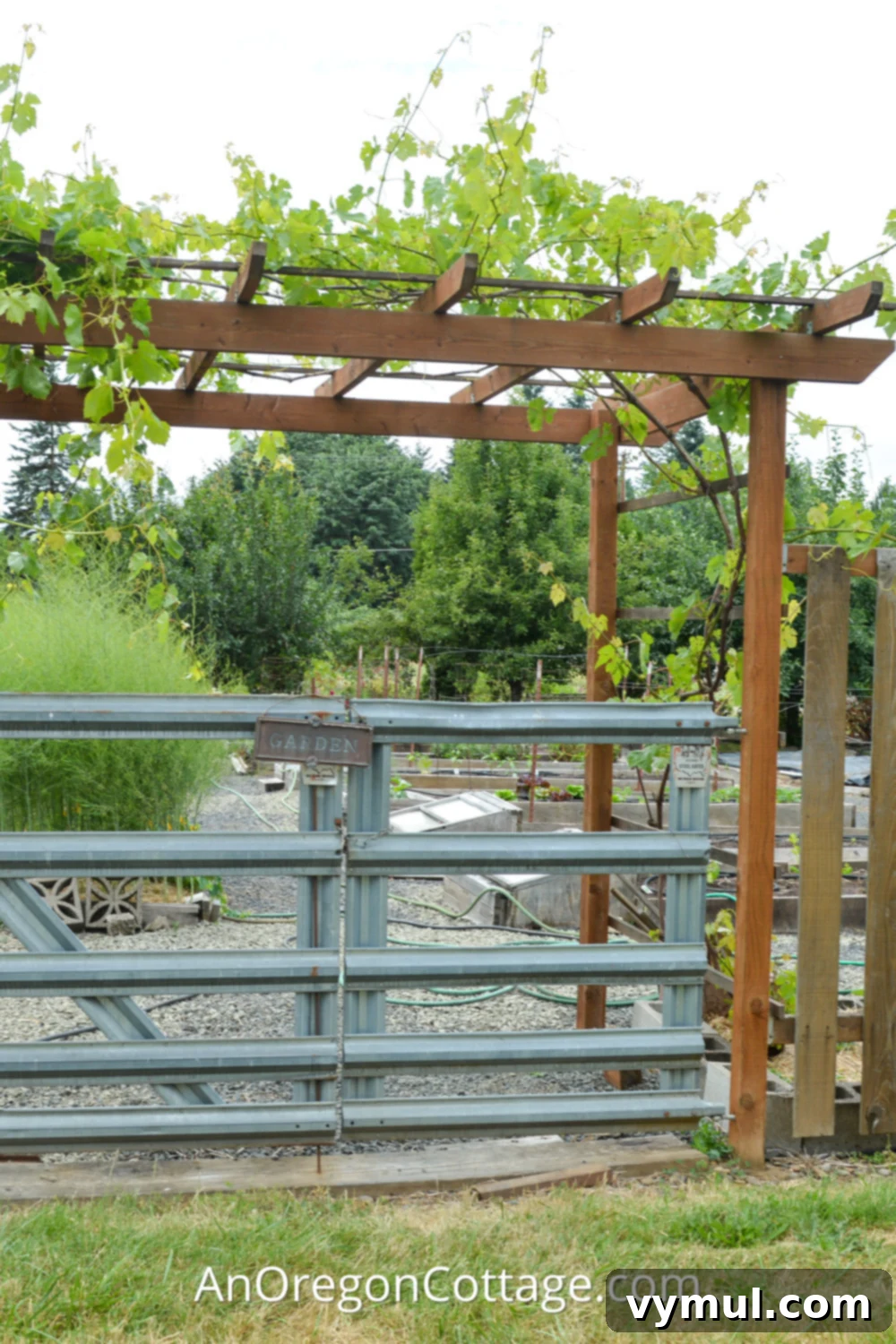
The Ultimate Guide to Easy-Care Vegetable Garden Design: 5 Steps to Grow More, Weed Less
Imagine a flourishing vegetable garden that provides abundant, organic produce without demanding countless hours of back-breaking labor. Sounds like a dream? It doesn’t have to be! By strategically designing your vegetable garden for easy care, you can significantly reduce weeding, watering, and overall maintenance, leaving you more time to enjoy your harvests. This guide reveals five simple yet powerful steps to create a low-maintenance garden that remains productive and beautiful throughout the season.
Why is it crucial to meticulously plan your vegetable garden design *before* planting a single seed? The answer is simple: thoughtful pre-planning, which considers your family’s desires, needs, and long-term goals, is the single most important action you can take to cultivate a garden that truly thrives without becoming an overwhelming burden. Far too often, aspiring gardeners embark on their journey with enthusiasm, only to abandon their efforts by mid-summer when relentless weeds and scorching heat make maintenance seem insurmountable.
Let me assure you, your gardening experience doesn’t have to follow that frustrating path – I promise!
In this comprehensive article, I will share my five proven tips for designing a vegetable garden that minimizes effort and maximizes yield. These are the very same techniques I have successfully employed for years, allowing me to savor the immense satisfaction that comes from nurturing plants from seed to harvest. My goal is for you to experience the joy of growing your own beautiful, organic produce, free from the common frustrations and disappointments that often deter new gardeners.
Traditional Gardening Pitfalls: How NOT to Garden (if you seek easy care)
My earliest memories of gardening are steeped in dread. As a child, our family’s small, tilled garden patch meant mandatory weeding sessions. All my sisters and I could perceive was an endless sea of weeds, despite being told that delicate lettuce seedlings were hidden somewhere within. To say these tasks filled me with apprehension would be a massive understatement.
Consequently, the notion of growing vegetables in the “traditional” manner—involving the arduous process of tilling a large plot of land and planting in long, straight rows—instilled a sense of fear when I considered starting a garden at our first home. My concerns were numerous:
- I had absolutely no experience with a tiller, nor could I afford to purchase one.
- I was reluctant to wait until late spring (mid-May or even later in Oregon) to plant, as conventional wisdom suggested waiting for the soil to dry out – an often-prolonged process in our region.
- And, perhaps most critically, I desperately wanted to avoid the incessant battle with weeds.
If you resonate with these sentiments and are eager to discover a more straightforward, less labor-intensive approach to cultivating your own food, then the following five steps are your essential blueprint for creating a genuinely lower-maintenance garden.
5 Essential Steps To Design A Vegetable Garden For Easy Care
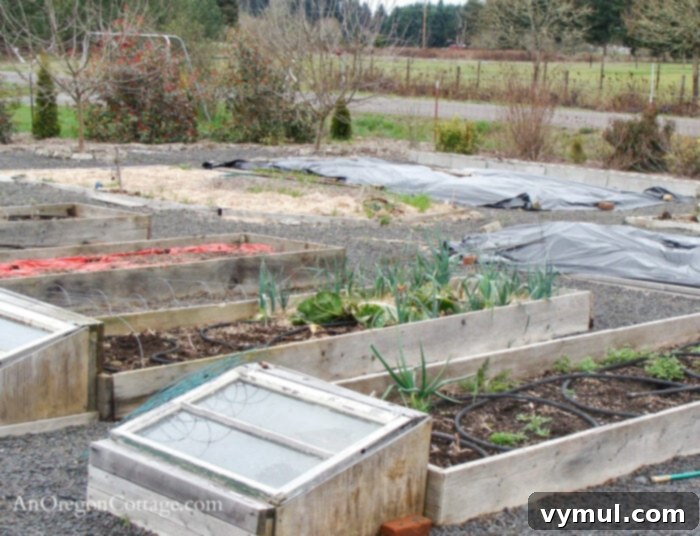
1. Embrace the Power of Raised Beds
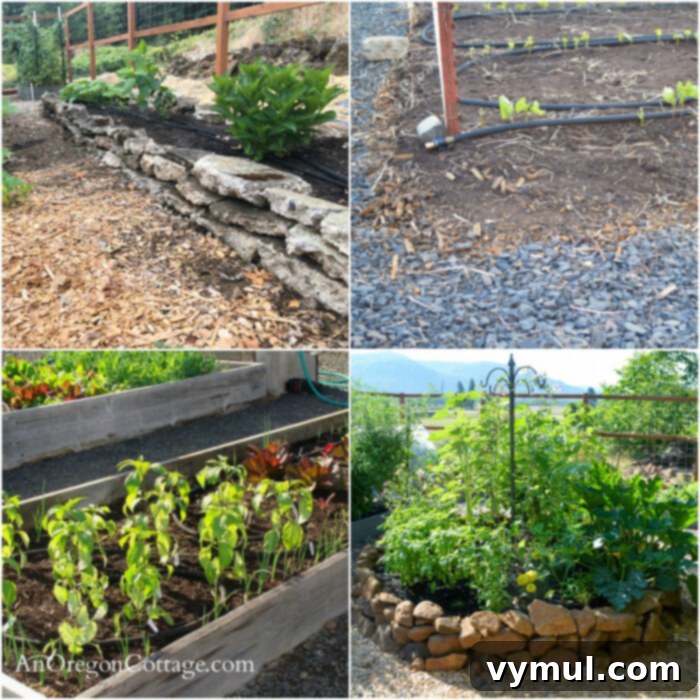
The moment I first read about raised garden beds in Organic Gardening magazine and learned how they could dramatically reduce weeds and simplify gardening tasks, I knew I had found my solution. Raised beds offer a multitude of advantages that make them an indispensable component of an easy-care garden design. Even if you appreciate the benefits of tilling, I strongly advocate for integrating at least a couple of raised beds into your gardening space. Here’s why:
- Optimized Growth for Root Crops: Vegetables like carrots, parsnips, and potatoes thrive in the loose, uncompacted soil of raised beds. This environment allows their roots to grow deep and straight, resulting in healthier plants and significantly easier harvesting. No more struggling to pull up stunted or misshapen root vegetables from dense ground!
- Extended Growing Season: Raised beds warm up faster in the spring, allowing you to start cool-season crops such as lettuce, spinach, peas, and other greens much earlier. This extension of your growing season can lead to multiple harvests and a more productive garden overall.
- Ergonomic Gardening: The elevated height of raised beds reduces the need for constant bending and kneeling, making essential gardening tasks like planting, weeding, and harvesting far more comfortable, especially for those with physical limitations or back issues.
- Superior Weed Control: This is perhaps the most compelling advantage for easy-care gardening. By confining your planting area, raised beds naturally limit weed infiltration. Furthermore, the permanent paths between beds can be covered with gravel, wood chips, pavers, or even straw, creating a barrier against weeds. Any stray weeds that do sprout are usually isolated and remarkably easy to pull from the loose soil.
- Uncompacted, Healthier Soil: Since you never walk on the soil within a raised bed, it remains consistently loose and aerated. This not only discourages weeds but also promotes a robust root system for your plants and fosters beneficial microbial activity, leading to richer, more fertile soil over time.
- Enhanced Crop Protection and Early Starts: Raised beds seamlessly integrate with gardening aids like row covers, which are invaluable for protecting early crops such as cabbage and broccoli from pests. They also provide an ideal environment for jump-starting summer crops like tomatoes in cooler spring climates, giving them a vital head start. (For more details, explore resources on using row covers and how to plant and thrive with tomatoes.)
In the spring, before planting begins, I can efficiently weed a 4′ x 12′ raised bed in a mere 10 to 15 minutes using only hand tools, precisely because the soil is so much looser and easier to work with than in traditional tilled gardens. After this initial clearing, an incredible benefit emerges: only a handful of weeds typically appear for the entire remainder of the growing season. These infrequent intruders are effortlessly removed as I tend to my plants or harvest produce. The days of spending grueling hours battling a weed-infested garden after planting are a distant memory.
Have I persuaded you of the raised bed advantage yet?
Exploring Types of Raised Beds
The beauty of raised beds lies in their versatility. You can construct them from a variety of readily available and often recycled materials. Common choices include untreated wood (like cedar or redwood for longevity), sturdy cinder blocks, ingeniously stacked broken concrete, or natural stones. Even simply mounding up dirt to create raised sides can work, though these may require more maintenance to keep their shape. An additional aesthetic benefit, particularly for gardens visible from your home, is that raised beds with permanent sides maintain a neat and tidy appearance even at the end of the growing season.
Complementing your raised beds, I highly recommend implementing efficient watering systems such as soaker hoses or drip irrigation. These systems deliver water directly to the plant roots, minimizing evaporation and discouraging weed growth by keeping pathways dry. This approach ensures the most efficient water usage and promotes the healthiest plants.
2. Sketch Out A Thoughtful Garden Plan
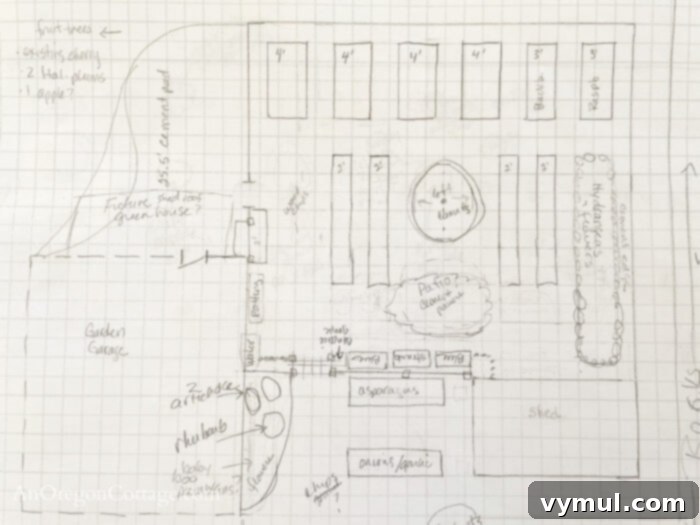
As illustrated by my basic sketch above, your garden plan doesn’t need to be an artistic masterpiece or perfectly rendered. However, it should be as true to scale as possible (for instance, each square on graph paper could represent two feet). This visual blueprint is invaluable for optimizing your space and ensuring long-term success. Here are the most critical factors to consider as you sketch your plan for a low-maintenance vegetable garden:
- Assess Your Time & Family Needs: Be realistic about the amount of time you can genuinely dedicate to gardening. My paramount advice here is to START SMALL. It’s always easier to expand your garden later as your skills and confidence grow. For context, it took my family 3-4 years to fully implement the comprehensive plan depicted above, starting initially with just six long raised beds and gradually adding more. Beginning with a manageable size prevents overwhelm and ensures a positive experience.
- Define Your Inclusions: Beyond seasonal vegetables, what else do you envision for your garden space? Will it solely feature raised beds for annuals, or do you intend to incorporate more permanent elements? Consider integrating fruiting trees and shrubs (like berries) or perennial vegetables such as asparagus, rhubarb, or artichokes, which offer harvests year after year with minimal intervention once established.
- Analyze Sun Direction: Sunlight is the lifeblood of your garden. Carefully observe how the sun moves across your chosen plot throughout the day and across seasons. Ideally, align your raised beds or planting rows in a north-south orientation. This configuration helps to minimize shadowing from rising and setting sun patterns, ensuring all your plants receive adequate light exposure throughout the day. South-facing slopes, if available, are often ideal.
Pro Tip: For detailed planning and effective record-keeping, leverage the pages in the complimentary Garden Success Notebook. It’s an excellent tool for documenting your layout, planting dates, and observations!
3. Implement Crop Rotation & Diligently Track Successes and Failures
Beyond your initial overall garden design, dedicating a small amount of time each season to plan your specific crop placements is invaluable. Utilize a garden planner (like the Garden Success Notebook) to rotate crops from bed to bed. This simple annual task is a cornerstone of organic and low-maintenance gardening, significantly impacting the health and productivity of your plants.
Crop rotation is a fundamental pillar of sustainable and organic gardening practices. Its primary benefit is to significantly lessen the chance of losing plants to soil-borne diseases and pests that can accumulate in one spot over time. By moving plant families to different beds each year, you disrupt the life cycles of these pathogens and insects, naturally promoting a healthier garden ecosystem without chemical intervention. It also helps to balance nutrient uptake, as different plants draw different nutrients from the soil.
Equally important is keeping detailed track of what performed well and what didn’t, along with your family’s preferences. This simple act of record-keeping prevents you from wasting precious time, energy, and money growing something again that proved unsuitable for your garden’s microclimate or your family’s taste buds. A straightforward list noting what you planted in each bed, accompanied by brief observations or notes on yield and success, is perfectly sufficient.
Rotating crops becomes remarkably straightforward when you have a clear visual map of your garden and a plan for each bed:
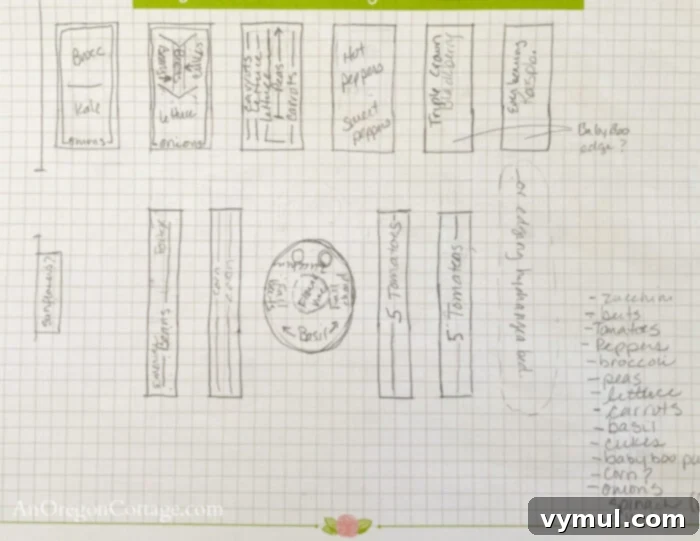
This annual planning process typically takes me about 20 minutes on paper. I simply refer to the previous year’s notes and strategically rotate crops through the beds, ensuring different plant families follow each other to mitigate disease build-up and to group plants with similar needs (e.g., tomatoes together in one bed, and brassicas like broccoli and cabbage in another). This small investment of time yields enormous returns in garden health and productivity. You can delve deeper into my personal vegetable garden planning methods here.
4. Absolutely Do Not Use A Tiller
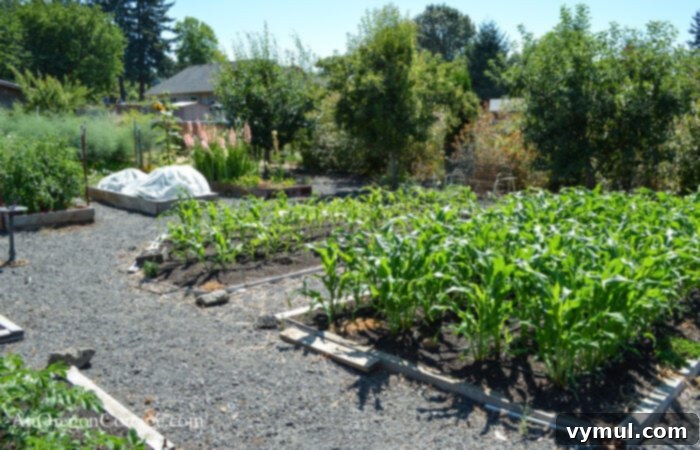
At our previous cottage, we had four expansive 9′ x 20′ garden beds. While not strictly “raised” in the traditional sense, they were bordered by 4″x4″ pieces of wood that eventually broke down into mounded soil edges. These larger beds were excellent for growing crops that thrive in shallower, broader plots, such as weed-free corn, potatoes, dry beans, squash, and pumpkins. Although I did have to walk on the soil in these larger beds for planting and harvesting, I still avoided deep tillage.
To be entirely transparent, when we first converted a rough pasture into these garden beds, I was initially tempted to use a tiller. However, every piece of research I encountered regarding tilling convinced me to abandon the idea permanently. The fundamental lesson I learned, and one I cannot emphasize enough, is that tilling actually PROMOTES and INCREASES weed growth!
Here’s why tilling creates more work for gardeners:
- Propagation of Perennial Weeds: Many tenacious perennial weeds, such as dandelions and bindweed, possess deep root systems. When a tiller’s blades chop up these roots, even the smallest fragment can regenerate into an entirely new plant. Instead of eradicating them, tilling effectively propagates these weeds, often leading to a tenfold increase in their numbers.
- Activation of Dormant Weed Seeds: Garden soil harbors a vast “seed bank” of dormant weed seeds, some of which can remain viable for decades. Many of these seeds require light to germinate. Tilling brings these deeply buried seeds to the surface, exposing them to light and ideal germination conditions. This explains why a freshly tilled plot often seems to explode with new weed growth – because you’ve inadvertently created the perfect environment for them to sprout anew.
Furthermore, aggressive tilling can significantly damage the delicate structure, or “tilth,” of the soil. If tilled when too wet, it can create large, intractable clumps of sod that never properly break down, leading to poor drainage and aeration. Maintaining healthy soil structure through minimal disturbance is key to a thriving, low-maintenance garden.
But what do you do with large, seemingly intractable beds that look like this in early spring?
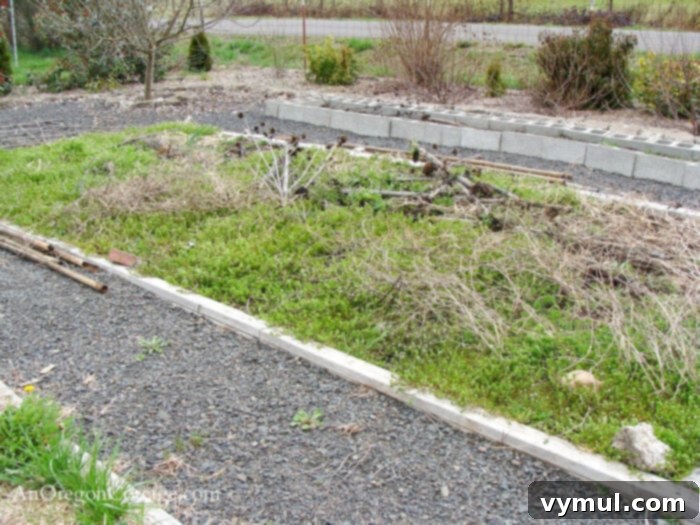
Honestly, if I thought I had to manually clear a bed this overgrown, I would probably flee screaming… straight to the farmers market for my produce, ha! Fortunately, the solution is remarkably simple and effective:
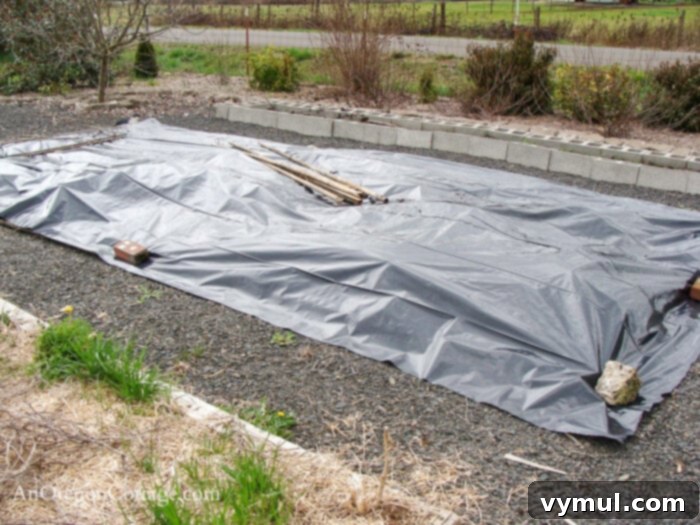
5. Leverage Plastic for Effective Weed Suppression (Solarization)
This ingenious method, often referred to as solarization, is a game-changer for preparing large, weedy beds without tilling or herbicides. Typically in February or March (adjust the timing according to your specific climate and growing zone), cover your larger garden beds with sheets of black plastic. Secure the plastic firmly in place using rocks, bricks, wood, or any heavy objects you have available. Ensure the edges are well-anchored to prevent wind from lifting it.
The combination of the black plastic and the sun’s radiant energy creates an intensely hot environment underneath. This heat effectively “cooks” and kills all the weeds, weed seeds, and even some soil-borne pathogens in the top layers of the soil over a period of one to two months, before your anticipated planting time. This passive, natural process eliminates the need for any manual weeding or chemical treatments.
Once the designated period has passed and the weeds are thoroughly suppressed, simply remove the plastic and rake away the dried debris. You may encounter a few persistent perennial weed roots, like those of dandelions, that require individual removal, but their numbers will be drastically reduced. After clearing, add a fresh layer of compost, rake it smooth, and you’re ready to plant! It’s truly that simple and efficient.
For a deeper dive, you can read more details about my Easy No-Till Planting Method here and discover how we’ve successfully used plastic for weed control, alongside other natural weed suppression methods we’ve explored.
And the most rewarding part of this approach?
The garden beds showcased in this article were never subjected to tilling, nor were any herbicides ever applied to them. This demonstrates that a thriving, productive, and weed-free garden can be achieved through organic, low-impact methods.
Establishing Large, Permanent No-Till Beds
To establish similar large, permanent no-till beds, begin by defining your bed outlines with edging material. Mow any existing grass in the area as short as possible. Lay down large pieces of cardboard directly over the mowed grass, ensuring good overlap to prevent weeds from growing through the seams. Place your chosen edging material (wood, stone, etc.) on top of the cardboard. Then, fill these newly defined areas with approximately 6 inches of rich organic matter. A great starting point is a 1-inch layer of well-rotted manure, topped with a purchased soil/compost mix. You can plant directly into this enriched soil. If your manure or compost mix is particularly “hot” (meaning it’s still actively decomposing and can burn roots), you might need to wait a couple of weeks for it to settle before planting. I even planted corn directly into shallow soil above cardboard in the first year, and it flourished, remaining upright as the cardboard naturally composted beneath.
By diligently applying these five transformative tips to design a vegetable garden for easy care, I can confidently say I absolutely DO NOT spend endless hours weeding my vegetable beds – and neither will you!
If I could broadcast this message from every rooftop, I would! Since that’s not practically feasible, I’ve dedicated extensive writing to my low-weeding gardening philosophy, which you can explore further here (including valuable tips for maintaining beautiful flower beds, too).
Designing a vegetable garden for easy care requires a bit of upfront planning and an initial investment in materials for your beds. However, this foundational effort will reward you exponentially by saving hundreds of hours of arduous weeding, eliminating wasteful watering of paths common in “traditional” methods, and giving you the freedom to plant on your own schedule. No longer will you be at the mercy of unpredictable wet or dry spring weather dictating when you can till and plant. Embrace these strategies, and cultivate a garden that works *for* you, not against you.
Ready to Plan Your Ultimate Easy-Care Vegetable Garden Design?
Continue your journey towards a thriving garden by exploring the rest of our comprehensive Vegetable Gardening 101 series:
- Get Started Gardening: 10 Basic Steps to Start Your Vegetable Garden
- How to Start Seeds – A Step-by-Step Tutorial
- Caring for Your Seedlings at Week 1
- Caring for Your Seedlings at Week 6
- How to Plant Seedlings
- Monthly Checklist of Vegetable Garden Chores
- Planning for a Fall Garden
Throughout this entire series, our unwavering emphasis is on Easy Gardening. You’ll uncover the invaluable tricks and techniques I’ve personally honed to simplify gardening from the ground up. I firmly believe that gardening should be a source of joy, not endless toil. Therefore, I’ve meticulously adopted and refined methods that minimize those dreaded tasks like weeding and extensive digging, and I am absolutely thrilled to share these insights with you!
Thoughtful design is a pivotal step in controlling weeds throughout your entire yard and garden. Explore even more simple, organic techniques to keep weeds out of your garden here.

MORE HELPFUL GARDENING TIPS:
- Five Ways to Save Water (and Time) in Your Garden
- 21 Organic Gardening Tips to Make Your Life Easier
- 14 Must-Have Tools for Gardening Success
- Gardening to Save Money – 10 High-Yield, Low-Cost Plants to Grow
This article was originally published in 2009, thoughtfully updated in 2016, and further revised and expanded in 2022 to provide the most current and relevant easy-care gardening advice.