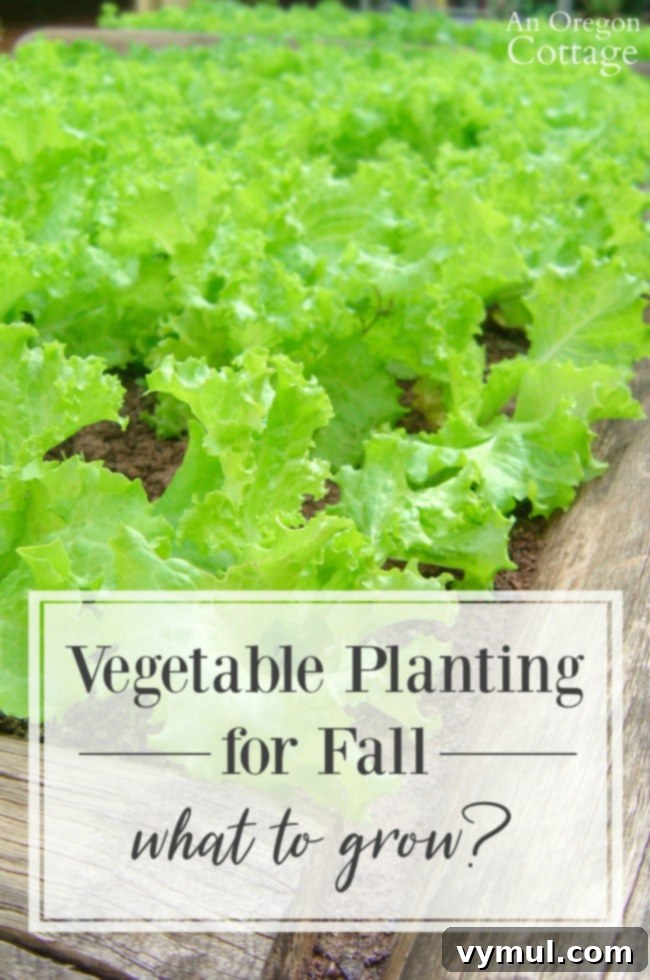
Ultimate Guide to Planting a Thriving Fall & Winter Vegetable Garden
Transform your garden into a year-round producer! This comprehensive guide reveals how to plant and harvest a magnificent fall and winter vegetable garden, from crisp carrots to hardy cabbage and fresh lettuce. Discover expert tips for cultivating a successful second crop and overwintering vegetables, ensuring you reap abundant benefits throughout the cooler months. By taking the time to plan in summer, you can enjoy a continuous supply of fresh, homegrown produce long after the main growing season ends.
Please note: Some links in this article are affiliate links. If you click on them and make a purchase, I may receive a small commission at no extra cost to you. This helps support my work and allows me to continue providing valuable gardening content.
Have you ever considered extending your gardening season beyond the traditional spring and summer months? The concept of planting specifically for fall and winter harvests is a rewarding way to ensure a continuous supply of fresh, homegrown vegetables. Essentially, fall planting involves sowing a second crop of many beloved spring vegetables, along with cultivating specific varieties expertly bred for cooler temperatures and overwintering capabilities. This strategic approach allows you to enjoy fresh produce when most conventional gardens are dormant.
For gardeners in USDA Hardiness Zones 8 and above, the possibilities for fall and early winter harvests are surprisingly extensive. Even those in zones 5-7 can achieve significant success with the right plant choices and a bit of protection. Beyond just harvesting in autumn, you can even overwinter certain plants, allowing them to establish robust root systems during the cold months and begin producing vibrant yields in early spring. Imagine harvesting your own fresh greens when others are just starting to plant their spring gardens! Resources like Territorial Seed’s winter catalog are invaluable for their wealth of tips, precise timing guidance, and specific variety recommendations tailored for cold-season success.
Even if you reside in colder regions (below zone 8), the dream of a year-round vegetable harvest is still attainable. While these areas demand a more proactive approach, with proper planning and the use of season extension tools like cloches, low tunnels, and other protective coverings, you can significantly prolong your growing season. Renowned organic gardening expert Eliot Coleman, through his insightful books, demonstrates how he successfully grows vegetables throughout the entire year, even in challenging climates like Maine. His methods offer inspiration and practical strategies for gardeners seeking to defy seasonal limitations.
Why Embrace Fall and Winter Gardening?
Cultivating a fall and winter garden offers a unique set of benefits that go beyond simply extending your harvest season. Many cold-hardy vegetables, especially leafy greens and root crops, develop a sweeter flavor after experiencing a light frost. This natural sugar conversion enhances their taste, making them a gourmet treat often superior to their summer-grown counterparts. Furthermore, the cooler temperatures of fall often bring a welcome reduction in common summer pests, leading to less intensive pest management and healthier plants.
Beyond taste and ease of care, a fall garden provides fresh, nutritious produce during months when store-bought options can be less flavorful and more expensive. It’s incredibly satisfying to step outside on a crisp autumn or mild winter day and harvest ingredients for your meals. This practice not only boosts food security but also connects you more deeply with the natural cycles of your environment. It’s a testament to sustainable living and a truly rewarding endeavor for any passionate gardener.
Navigating the Challenges: Can You Really Have a Fall Garden?
While the rewards are plentiful, it’s important to approach fall gardening with a realistic perspective. I’ve often viewed it as a delightful gamble, and experience has taught me that success isn’t always guaranteed. Some seasons bring bountiful harvests, while others present unforeseen challenges. For instance, spinach might bolt prematurely due to unexpected heat spells, overwintered cauliflower may fail to produce heads, or slugs could decimate a promising bed of lettuce before I get a chance to harvest.
Key factors influencing success include the precise timing of planting seeds and transplants, the unpredictable nature of local weather patterns, and, quite frankly, my own energy levels. Getting seeds and starts into the ground when summer temperatures are still soaring, or when I’m feeling “gardened out” after a busy spring and summer, can be a hurdle. I know it might be shocking to hear a dedicated gardener admit to feeling “gardened out,” but it happens to the best of us! However, recognizing these challenges allows us to prepare better, perhaps by setting reminders, employing shade cloths, or simplifying our approach to ensure a more consistent outcome.
Essential Planning & Preparation for Fall Vegetable Planting
The secret to a successful fall and winter vegetable garden often begins in the summer. Strategic planning in July and August is crucial for maximizing your chances of a great harvest. This involves more than just picking out seeds; it’s about understanding your growing season, soil conditions, and the specific needs of your chosen crops.
- Know Your Dates: Research your average first and last frost dates. This information is vital for calculating when to sow seeds or transplant seedlings, ensuring they have enough time to mature before hard freezes arrive.
- Soil Enrichment: Prepare your garden beds by amending the soil with plenty of organic matter, such as compost. Fall crops thrive in nutrient-rich, well-draining soil. Good soil preparation now will pay dividends in plant health and yield.
- Succession Planting: To ensure a continuous harvest, consider succession planting. Sow small batches of seeds every few weeks rather than planting everything at once. This strategy is particularly effective for fast-growing greens like lettuce and spinach.
- Seed Starting: As discussed in my article about how to plan and plant a fall vegetable garden, starting seeds indoors or in a shaded, cool spot during the heat of summer can significantly improve germination rates. Techniques like pre-chilling seeds or using damp paper towel methods can encourage sprouting even when outdoor temperatures are high.
- Transplants vs. Seeds: If you miss the optimal window for starting seeds, don’t despair! Garden centers typically stock a good selection of fall and winter vegetable transplants. I often combine both approaches, starting some varieties from seed and filling in gaps or late starts with robust nursery transplants. This flexibility ensures you still get a substantial harvest.
Top Vegetables to Grow For Fall & Winter Harvests
Through years of experimentation, I’ve discovered a reliable selection of vegetables that consistently thrive in my garden during the cooler months, significantly extending the harvest season. These are my go-to fall vegetables for dependable yields and delightful flavors.

1. Carrots (Seed-Sown Only)
Carrots are a prime candidate for fall planting, renowned for their naturally sweetened flavor after a touch of frost. Since carrots do not transplant well, direct seeding is essential. Depending on your specific variety and your region’s last expected frost date, you should aim to plant carrot seeds typically in July and August. Even if you miss this optimal window by a week or so, it’s usually still worthwhile; your carrots might just mature a little smaller, but they’ll still be delicious. Ensure your soil is loose, free of rocks, and deeply worked to allow for proper root development. Consistent moisture is also crucial during germination and early growth.
Recommended Varieties for Fall/Winter:
- Merida: An excellent overwintering carrot, maturing in approximately 80 days. Known for its strong performance in cooler temperatures.
- Sugarsnax: A wonderfully sweet and early-maturing carrot, ready in about 68 days. Great for a quick fall harvest.
- Caracas: A fantastic baby carrot variety, reaching maturity in a mere 58 days, perfect for succession planting.

2. Lettuce (Seed-Sown or Transplanted Seedlings)
Lettuce is a fall garden staple, providing crisp, fresh greens well into the colder months. To achieve successful germination during the heat of summer for a fall or winter harvest, I often find it best to start lettuce seeds indoors in a cooler environment. Alternatively, purchasing nursery transplants is a highly convenient and effective method for establishing a fall crop, especially if you’re short on space, time, or simply forgot to start your own seeds (a common gardening confession!).
When planting lettuce transplants during warmer periods, don’t be alarmed if the outer leaves show some temporary wilting or browning. As long as the central growth point remains healthy and consistent watering is provided, new growth should emerge robustly within a week. For optimal and effortless watering, consider utilizing soaker hoses or drip systems, which deliver moisture directly to the root zone, minimizing evaporation and ensuring even hydration.
Reliable Lettuce Varieties for Cooler Weather:
- Merveille des 4 Saisons: A beautiful butterhead variety, ready in 56 days, known for its cold tolerance and reddish-bronze leaves.
- Winterwunder: A vigorous loose-leaf type, maturing in about 60 days, bred for resilience in cooler conditions.
- French Lettuce Winter Mix: A delightful mesclun mix, providing a quick harvest in just 32 days, perfect for cut-and-come-again harvesting.
- Winter Density Romaine: A hardy loose-head romaine with a compact growth habit, ready in 54 days, offering excellent flavor and texture.

3. Kale (Transplants)
Kale is an absolute powerhouse for the fall and winter garden. In my experience, summer-planted kale consistently performs exceptionally well, producing abundant, nutritious leaves until temperatures drop significantly around late December. What’s even better is that it often regrows vigorously in early spring, providing an extended harvest window. Its remarkable cold hardiness makes it an indispensable vegetable in any cool-season garden. Kale’s versatility in the kitchen, from salads to smoothies to stir-fries, further cements its status as a must-grow crop.
Hardy Kale Varieties for Extended Harvests:
- Red Russian: A vibrant, tender kale variety, ready in 55 days, known for its beautiful purple stems and sweet flavor.
- Winterbor: An incredibly cold-hardy curly kale, maturing in 60 days, capable of withstanding severe frosts and still producing.
- Nero Di Tocana: Also known as “Dinosaur kale” or “Lacinato kale,” this Italian heirloom is ready in 50 days and prized for its deeply savoyed, dark green leaves and robust flavor.

4. Broccoli, Cauliflower, Cabbage (Transplants Recommended)
While spring-planted broccoli continues to offer flavorful side shoots well into the fall (as seen in the background of the image above), cultivating dedicated fall varieties ensures a more consistent and robust harvest. Sprouting broccoli, in particular, is an excellent choice, as it’s bred to produce numerous smaller florets throughout the winter months, offering a steady supply rather than a single large head.
Similarly, fall and overwintering varieties of cauliflower and cabbage (visible in the foreground) are ideal for summer planting. These brassicas thrive in the diminishing heat of late summer and early fall, developing strong root systems before the cold truly sets in. The reward for this foresight is early spring harvests of delicious, tender heads – imagine fresh cabbage or cauliflower in February and March when most gardens are still slumbering! Ensure ample space and rich, well-draining soil for these nutrient-hungry crops.
Cold-Hardy Brassica Varieties:
- Purple Sprouting Broccoli: An impressive variety taking 220 days to mature, but offers a continuous harvest of tender, purple spears from late winter through spring.
- Goodman Cauliflower: A reliable choice for fall, maturing in 90-100 days, known for its dense, white heads.
- January King Cabbage: A stunning, exceptionally cold-tolerant cabbage variety, maturing in 160-210 days. Its crinkled, purple-green leaves are not only beautiful but also incredibly flavorful, especially after frost.
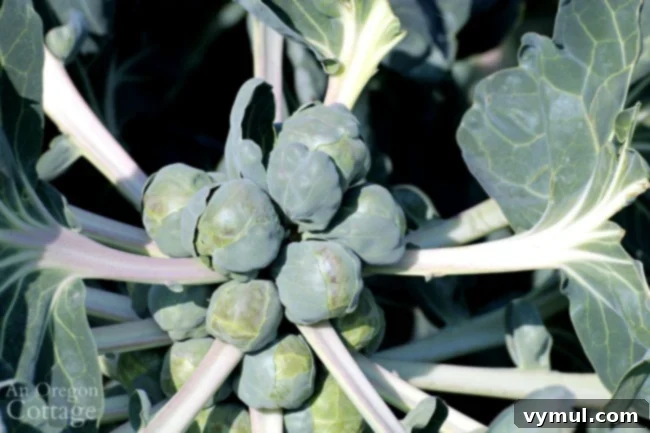
5. Brussels Sprouts (Transplants Recommended)
Brussels sprouts are another fantastic cool-season crop that rewards patient gardeners. Depending on the chosen variety, you can plant these in the summer, and while they might not produce until later in the fall, the wait is absolutely worth it. The sprouts undergo a remarkable transformation, becoming significantly sweeter and more flavorful after the first few frosts. This makes them perfectly timed for savory roasted sprouts to grace your Thanksgiving table and holiday meals!
One common challenge with Brussels sprouts as the weather cools is an increased susceptibility to aphids. To mitigate this, consider protecting your plants with a floating row cover from the time of planting. This physical barrier can effectively deter pests while still allowing light and water to reach your plants. Ensure proper spacing to allow for good airflow and maximize yield.
Sweet & Hardy Brussels Sprout Varieties:
- Franklin: A reliable early-maturing variety, ready in approximately 80 days, known for its consistent production.
- Dimitri: A longer-season variety, maturing in 137 days, often praised for its excellent flavor development after cold exposure.
- Kalettes: A unique hybrid (kale + Brussels sprout), ready in 110-140 days, offering tender, nutty rosettes that are both decorative and delicious.

6. Spinach (Seed or Transplants), Parsnips, Beets, Turnips (All Seed-Sown)
These root crops and leafy greens are excellent choices for direct sowing in late summer for a fall harvest. The key to successful germination during warmer periods is maintaining consistent soil moisture and providing some shade to protect delicate seedlings from intense sun. Directly sow rows of spinach, parsnips, beets, and turnips. After sowing, keep the ground as moist as possible. You can provide temporary shade to the rows using simple methods like an old fence board, burlap, or dedicated garden shade cloth. This combination of moisture and shade typically encourages germination, though it might take a little longer than in the cooler conditions of spring.
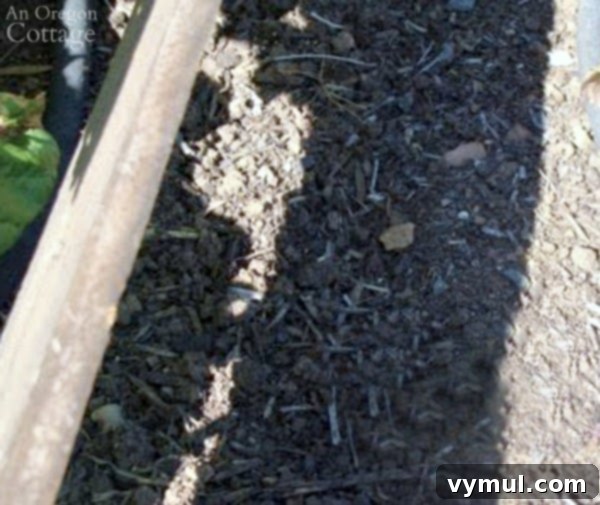
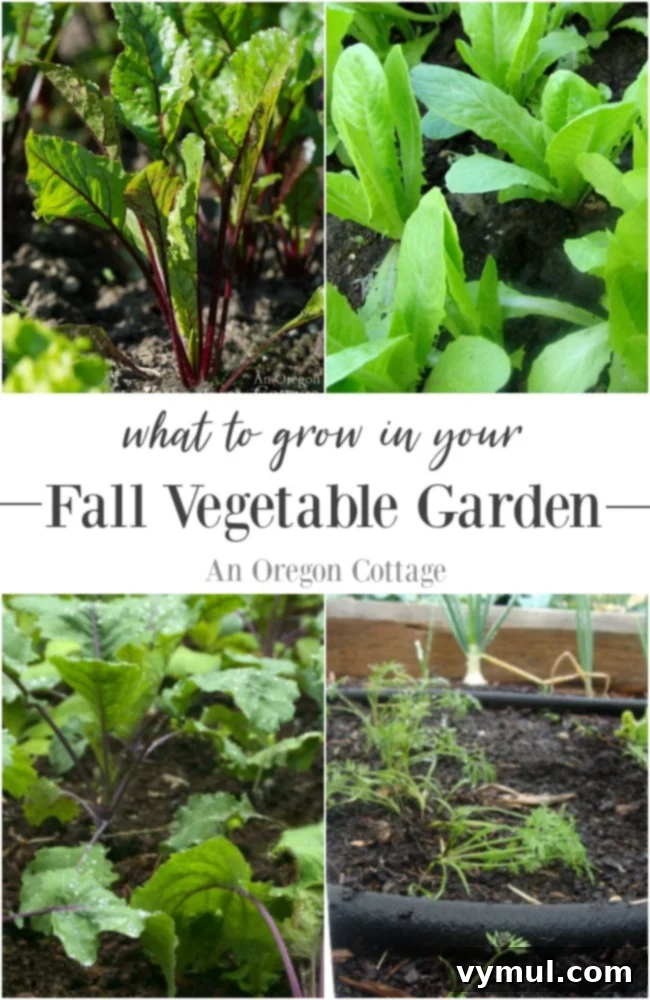
However, it’s worth noting that some crops are more temperamental than others. Spinach, in particular, can be notoriously difficult to germinate in the lingering heat of summer. For instance, in the photo above, despite my efforts with a shading board, you’ll notice a conspicuous absence of spinach seedlings. It figures, doesn’t it? I adore spinach, but it often plays hard to get in August!
Conversely, a row of turnips sown simultaneously often comes up like gangbusters (a bit frustrating when I only tolerate turnips, but love spinach!). My advice here is persistence. Keep trying, especially with spinach, given its rapid maturity rate. If nothing sprouts within a couple of weeks, replant. There’s usually still ample time to produce a healthy crop as the cool, crisp air of fall approaches. For parsnips, remember they need a long growing season, so earlier planting is key, and their flavor also deepens after frost.
Top Root & Leafy Green Varieties for Fall:
- Winter Bloomsdale Spinach: A very cold-hardy and productive spinach, ready in 45 days, excellent for overwintering.
- Gladiator Parsnip: A robust variety, maturing in 110 days, known for its smooth, white roots and sweet flavor.
- Lutz Green Leaf Beet: A versatile beet that provides both delicious greens and sizable roots, ready in 65 days.
- Purple Top White Globe Turnip: A classic, fast-growing turnip, maturing in 55 days, great for both roots and greens.
General Tips for a Successful Fall & Winter Garden
Beyond choosing the right plants, a few essential practices will significantly boost your fall garden’s success:
- Consistent Watering: While temperatures are cooler, plants still need consistent moisture, especially during dry spells or if you’re trying to germinate seeds in late summer heat. Drip irrigation or soaker hoses are ideal.
- Mulching for Protection: Apply a thick layer of organic mulch (straw, shredded leaves, wood chips) around your fall crops. Mulch helps retain soil moisture, suppresses weeds, and crucially, insulates the soil, protecting roots from harsh freezes and temperature fluctuations.
- Pest and Disease Management: Although fall often sees fewer pests, keep an eye out for common culprits like slugs, aphids, and cabbage worms. Early detection and organic solutions are key. Floating row covers are excellent for physical exclusion.
- Timely Harvesting: Harvest outer leaves of greens like lettuce and kale to encourage continuous production. For root vegetables, harvest before the ground freezes solid to avoid damage. Many crops can be left in the ground and harvested as needed until deep freezes prevent access.
- Consider Season Extenders: For colder zones or to push the season even further, invest in simple season extenders. Cloches can protect individual plants, while low tunnels or cold frames can shelter entire beds, offering insulation and creating a microclimate for your plants to thrive even under snow.
What About Planting for Fall in Containers?
Container gardening offers an incredibly flexible and accessible way to enjoy a fall and winter harvest, especially for those with limited space or in areas with harsh winter conditions. The mobility of containers is a huge advantage; you can easily move them to more sheltered locations, closer to the house, or even indoors during severe weather events.
Among the tried-and-true fall vegetables mentioned, lettuce and spinach are particularly well-suited for pots and grow bags. Their relatively shallow root systems and compact growth habits make them ideal for container life. If your containers are deep enough (at least 8-12 inches), you can successfully grow a few carrots and beets, ensuring you select shorter or rounder varieties for best results. For a more substantial plant, a single Brussels sprout plant can thrive in a large container, perhaps with a few lettuce plants edged around its base for a productive and attractive arrangement.
In fact, having a few strategically placed pots close to your house in the fall and winter can be a game-changer. It’s often much easier and more inviting to step out a back door to snip fresh greens than to trudge out to a distant garden bed through rain, ice, or snow. This convenience significantly increases the likelihood of actually harvesting and enjoying your efforts. Moreover, container gardening allows for better control over soil quality and drainage, which can be crucial for overwintering success. Whatever your method, I sincerely hope you feel encouraged and excited about the possibilities of planting for fall!
Disclosure: Affiliate links in this article will earn commission based on sales, but it doesn’t change your price. Click here to read my full disclaimer and advertising disclosure.