
Mastering Natural Weed Control & Crafting Flavorful Homemade Spice Rubs for a Thriving Homestead
Welcome to a special edition of the An Oregon Cottage journey, where we delve into the triumphs and tribulations of country living, focusing on two seemingly disparate yet equally vital aspects of a self-sufficient lifestyle: effective weed management and the art of elevating everyday meals with homemade spice rubs. In this comprehensive guide, adapted from our insightful podcast episode four, we tackle the infamous struggle against pervasive weeds and share our hard-won, long-term, non-toxic solutions that finally brought us peace. Additionally, we’ll explore the vibrant world of spice rubs, revealing how these simple mixtures can transform your cooking and become indispensable tools in your kitchen.
Our move to the countryside brought with it a host of new challenges, not least of which was the overwhelming task of keeping weeds at bay. We experienced numerous setbacks and frustrating failures in our quest for a sustainable solution, but through perseverance, we discovered methods that are both highly effective and environmentally friendly, eliminating the need for toxic chemical sprays. This detailed account will walk you through our learning process, highlighting the strategies that truly made a difference in maintaining our paths, garden beds, and remote corners.
Beyond the garden, our passion for simple, real foods shines through in our discussion on spice rubs. We’ll explore what makes a great rub, how to best utilize them across a variety of ingredients, and share insights into crafting your own signature blends, including some of Jami’s personal favorites. Get ready to add a burst of flavor to your meats, vegetables, and more!
You can immerse yourself in the original audio experience of this episode and many others from the An Oregon Cottage Podcast. Find us on popular platforms like iTunes, Google Play, Stitcher, and TuneIn Radio. Alternatively, simply listen to the episode directly from your computer using the player below. This page serves as your comprehensive resource for all the links, notes, and visual aids mentioned in our discussion. Note: If you’re accessing this content through a feed reader, you might need to click through to the original post to view the embedded player and images.
Our Journey Through Weed Killing Fails: Lessons Learned in Natural Weed Control

(Affiliate links are included below for your convenience, which help support the site and the podcast at no cost to you – thank you for your support!)
Our initial attempts at weed and grass eradication upon moving to the country were, to put it mildly, a series of spectacular failures. We tried various conventional and unconventional methods, each promising a solution, but none delivering the long-term results we desperately needed. Unfortunately, in those early days, before the advent of constant blogging and digital documentation, we didn’t capture images of these botanical battlegrounds. Who would think to photograph their weed-infested paths for a family album, right? It truly highlights how much our perception of documentation has changed – imagine all the everyday struggles and triumphs our parents and grandparents experienced without a single photo to mark the occasion!
One common piece of advice we encountered, and caution strongly against, is the use of old carpet as a weed barrier in gardens. While some sources, like this article from Mother Earth News, might still suggest it (though their photos do look quite dated!), our experience, and that of many others, indicates that carpet can introduce synthetic fibers, chemicals, and even dyes into your soil as it breaks down, not to mention becoming a soggy, unwieldy mess that fails to suppress persistent weeds effectively in the long run. Consider yourselves warned: there are far better, healthier, and more sustainable methods for organic weed control.
Our disdain for weeds, particularly the aggressive varieties that thrive in our Oregon climate, has been a recurring theme on our blog. We’ve previously shared successful strategies for managing weeds in other parts of the yard and garden, always with an emphasis on natural and organic methods:
- Explore our guide on using newspaper and mulch in flower beds for an effective, chemical-free weed barrier that also enriches the soil.
- Discover the benefits of easy vegetable gardening with the no-till technique, a method designed to significantly lessen weed growth by disturbing the soil minimally.
These posts illustrate our commitment to finding practical, earth-friendly gardening solutions, and they laid the groundwork for the more robust weed-killing project we’re about to share.
The Breakthrough Project: Long-Term, Non-Toxic Weed Eradication with Plastic Sheeting
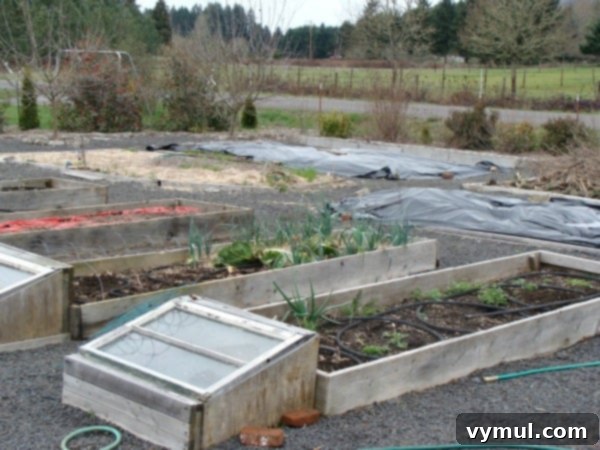
After numerous trials and errors, we finally stumbled upon a long-term solution for grass and weed killing that proved to be remarkably effective, low-maintenance, and entirely non-toxic: the strategic use of thick black plastic sheeting. This method works on the principle of solarization and smothering, depriving weeds of light and heat, effectively cooking and killing them, along with their seeds, without the need for harsh chemicals.
The image above showcases the paths within our raised bed vegetable garden. Here, you can clearly see how we’ve implemented this system: a durable layer of black plastic sheeting beneath a generous layer of gravel. This combination creates an impenetrable barrier against weeds and grass, ensuring our garden pathways remain pristine and easy to navigate year after year. The gravel not only holds the plastic in place and protects it from UV degradation but also provides an aesthetic and functional walking surface. We’ve found this approach drastically reduces the time and effort spent on path maintenance, allowing us to focus more on cultivating our vegetables.
Beyond permanent pathways, we also employ temporary plastic sheeting in our larger raised garden beds during early spring. This is a crucial component of our no-till gardening method. By covering the beds with plastic for several weeks before planting, we effectively kill off overwintering weeds and dormant seeds, leaving us with a clean, weed-free canvas for planting without disturbing the beneficial soil structure. This temporary solarization is an organic gardener’s secret weapon for reducing early-season weed pressure and promoting healthy soil life.
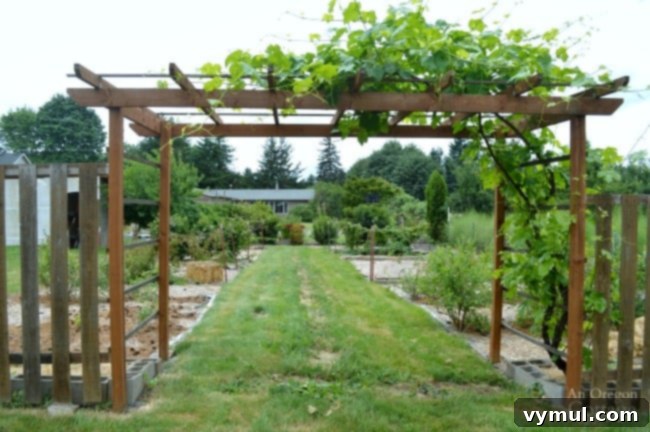
Our berry patch also greatly benefits from this plastic-based weed suppression technique. As you can see in this photograph, the berry rows are covered with the same thick black plastic, which is then topped with a layer of coarse straw. The plastic prevents weeds from sprouting directly around the berry bushes, minimizing competition for nutrients and water, and ensuring healthier, more prolific plants. The straw layer serves multiple purposes: it protects the plastic from sunlight, provides an insulating mulch that helps retain soil moisture and regulate soil temperature, and keeps the ripening berries clean by preventing them from direct contact with the soil. We specifically opt for coarse straw because it generally contains fewer weed seeds compared to finer straw varieties, and its slower decomposition rate means it needs to be replenished less frequently, further reducing maintenance.
For those interested in replicating this successful weed control method, we recommend using a heavy-duty, minimum 6MM thick black plastic sheeting. This thickness is crucial for durability and effectiveness. Here’s a link to a product similar to what we’ve successfully used:
Weatherall 6 Mil Black Poly Plastic Sheet, 1 Box of 100 Feet Long by 10 Feet Wide
Seeing is believing, and we’ve created a video that visually demonstrates our process for tackling tenacious country weeds using this simple yet powerful plastic method. This video offers practical tips and shows the application in real-time, providing an even clearer understanding of how to implement this long-term, non-toxic weed solution:
What’s Cooking: Elevating Your Meals with Homemade Spice Rubs
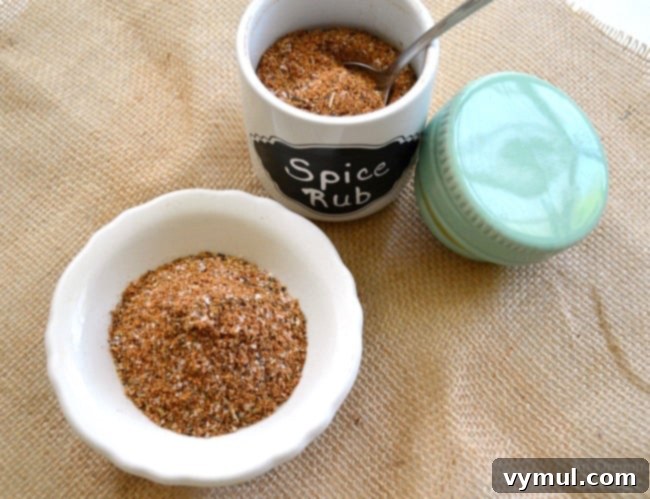
Transitioning from the garden to the kitchen, let’s talk about another passion that truly enhances our simple, real food philosophy: homemade spice rubs. These versatile blends of dried herbs and spices are a game-changer for anyone looking to infuse deep, complex flavors into their cooking with minimal effort. Spice rubs aren’t just for grilling; they’re fantastic for roasting, baking, slow cooking, and even pan-frying, adding a delicious crust and incredible aroma to various ingredients.
The beauty of making your own spice rubs lies in the control you have over the ingredients. You can customize the flavor profile to your exact liking, avoid unwanted additives, preservatives, and excessive salt often found in commercial blends, and ensure the freshest, most potent spices are used. Plus, it’s often more cost-effective in the long run! My love for creating these flavor powerhouses has led to a collection of go-to varieties, each designed to complement different cuisines and ingredients:
- Our All-Purpose Spice Rub is a foundational blend that works wonders on almost anything, from chicken and pork to roasted vegetables. It’s a balanced mix that you’ll reach for constantly.
- For a taste of the Mediterranean, our Mediterranean Rub infuses dishes with classic flavors like oregano, basil, and garlic, perfect for lamb, fish, or vegetable skewers.
- Craving bold, zesty flavors? The Tex-Mex Rub brings the vibrant tastes of the Southwest to your table, ideal for beef, chicken, tacos, or chili.
- And for those who enjoy a smoky kick, the Chipotle Spice Rub is an absolute must-try, especially with grilled chicken or in a hearty salad.
These rubs are not just for meats; consider dusting them on potatoes before roasting, sprinkling them into soups or stews for an extra layer of flavor, or even mixing them into homemade bread dough. The possibilities are endless, and they consistently elevate simple ingredients into memorable meals.
Speaking of memorable meals, Brian’s absolute favorite dinner illustrates just how well these components come together. It features a refreshing Spicy Asian Slaw, perfectly grilled pork tenderloin marinated in our homemade Teriyaki sauce, and a simple green salad. The combination offers a delightful balance of sweet, savory, tangy, and spicy notes, making it a perennial hit at our cottage. Crafting these dishes from scratch, with the help of homemade sauces and rubs, truly embodies the spirit of simple, real food that we cherish.
To help you stock your pantry with the finest ingredients for your own homemade spice rubs, we’ve curated a selection of recommended spices available on Amazon. Building a well-equipped spice cabinet is the first step to unlocking a world of flavor in your kitchen. Whether you’re experimenting with new blends or perfecting your go-to favorites, quality spices make all the difference. Shop with confidence using our affiliate links:
Thank you for tuning into our insights on tackling tough weeds and mastering the art of homemade spice rubs. We truly hope these shared experiences and practical tips empower you in your own gardening and cooking endeavors. If you found this podcast episode and guide helpful, please consider sharing it with your friends, subscribing to the podcast on iTunes, and leaving us a review. Your support helps other passionate homesteaders and food enthusiasts discover our community and learn alongside us!
For more inspiration, recipes, and glimpses into life at An Oregon Cottage, make sure to follow us on Instagram @AnOregonCottage, connect with us on Facebook, explore our curated boards on Pinterest, and don’t forget to subscribe to the AOC newsletter for exclusive updates and content delivered straight to your inbox.
Disclosure: Affiliate links featured in this post may earn a commission based on sales, but rest assured, this does not affect the price you pay. For a complete understanding of our full disclaimer and advertising disclosure, please click here.