Maximize Your Summer Garden Harvests: A Guide to Flowers, Fruits, and Vegetables
The vibrant heart of summer beats strongest in our gardens, offering a dazzling array of blooms and a bounty of fresh produce. As the days lengthen and the sun warms the soil, both flower and edible gardens reach their peak, ready to share their gifts. This comprehensive guide will help you embrace the incredible abundance of your summer garden harvests, transforming them into beautiful decor and delicious meals. Discover simple, creative ways to utilize everything your garden yields, from fragrant bouquets that brighten your home to fresh, nutritious ingredients that elevate your culinary adventures.
As July unfolds, garden enthusiasts everywhere find themselves captivated by the same exciting question: What wonderful harvests can I expect from my flower and edible gardens this month? Perhaps you’re seeking innovative ideas for using your fresh bounty, or maybe you’re simply curious about what other passionate gardeners are cultivating during this peak season. This time of year is truly magical, as weeks of diligent planning, planting, and nurturing culminate in a spectacular display of nature’s generosity.
I’m always eager to explore new possibilities and maximize my garden’s yield, which is why I’m thrilled to share some of my recent garden treasures. Alongside these insights, I’ve compiled a collection of practical tips and mouth-watering recipes specifically designed to help you make the absolute most of your own summer harvest, whether you’re decorating your home or preparing delicious meals for your family.
Summer Garden Harvests: Embracing the Beauty of Flowers
Beyond their visual appeal in the garden beds, summer flowers offer an incredible opportunity to bring vibrant life and natural elegance indoors. Have you encountered the growing phenomenon known as the slow flower movement? Much like the slow food philosophy, this movement advocates for the use of in-season, locally grown flowers. By choosing blooms cultivated within your region, you not only support local farmers who uphold fair labor practices but also significantly reduce the carbon footprint associated with international flower imports, which often originate from distant South American growers. This conscious choice fosters a more sustainable and ethical approach to floral decor, connecting you directly to the source of your beautiful blooms.
An integral part of the slow flower ethos is the practice of growing and utilizing blossoms and greenery directly from your own garden. Imagine crafting stunning, personalized bouquets composed entirely of what’s currently thriving in your backyard – a truly unique and seasonal expression of nature’s artistry. This approach encourages creativity, promotes sustainability, and builds a deeper connection to the rhythm of the seasons. For endless inspiration and to see a wide array of wonderfully artistic and authentic arrangements made from local harvests, consider following #slowflower on Instagram.
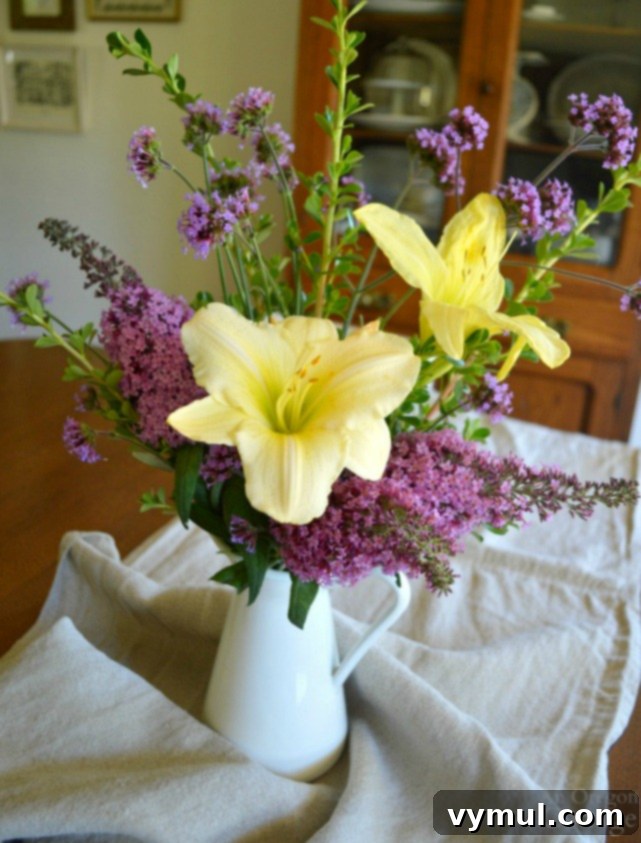
There’s immense joy and satisfaction in creating simple, yet captivating, backyard flower arrangements. Whether you prefer the stately beauty of a single type of blossom, such as voluminous hydrangeas or cheerful sunflowers, or delight in combining a medley of blooms with lush greenery, the possibilities are boundless. The beauty of gardening is that almost anything can be fair game for these impromptu creations. During winter, bare twigs can add structural interest; in spring, fragrant herbs lend a delicate touch; and in summer, even unexpected elements like vibrant celery leaves or delicate pea tendrils can provide intriguing texture and form, making each arrangement a reflection of your garden’s current personality and bounty.
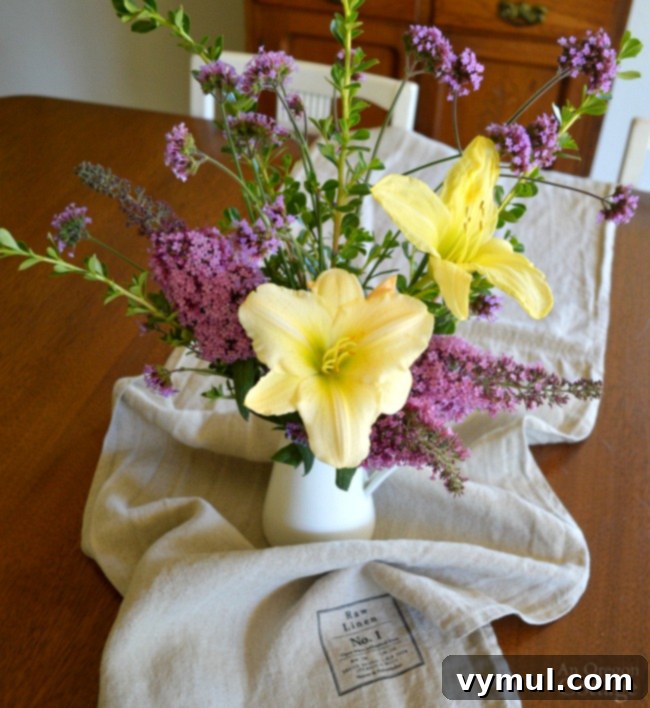
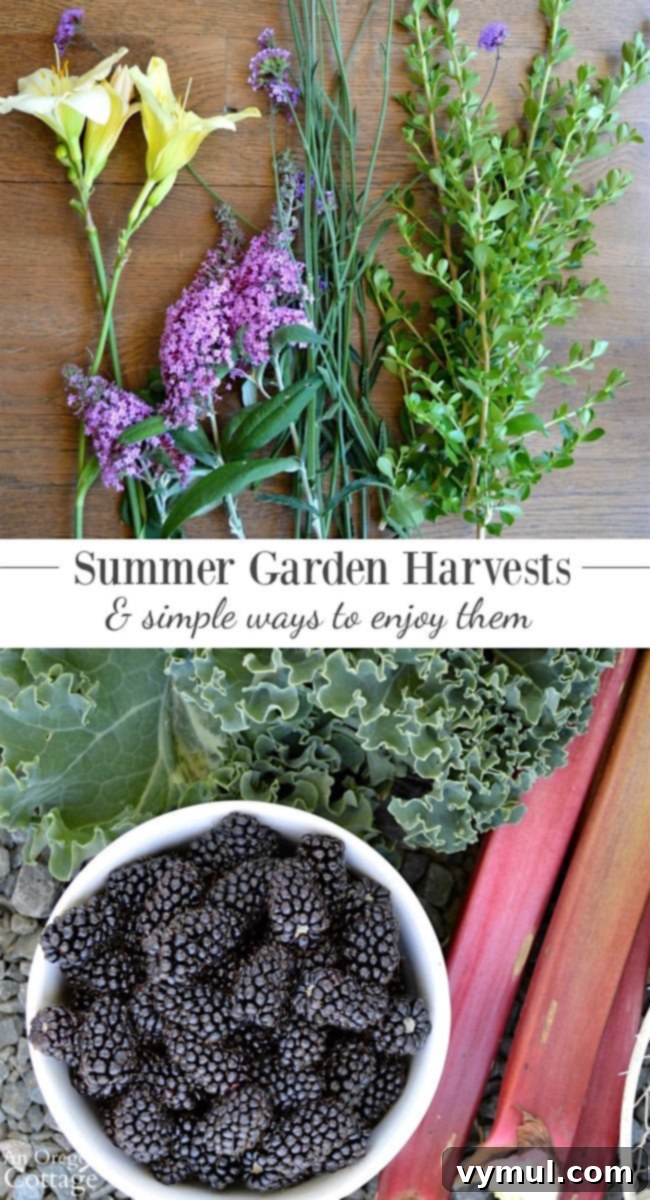
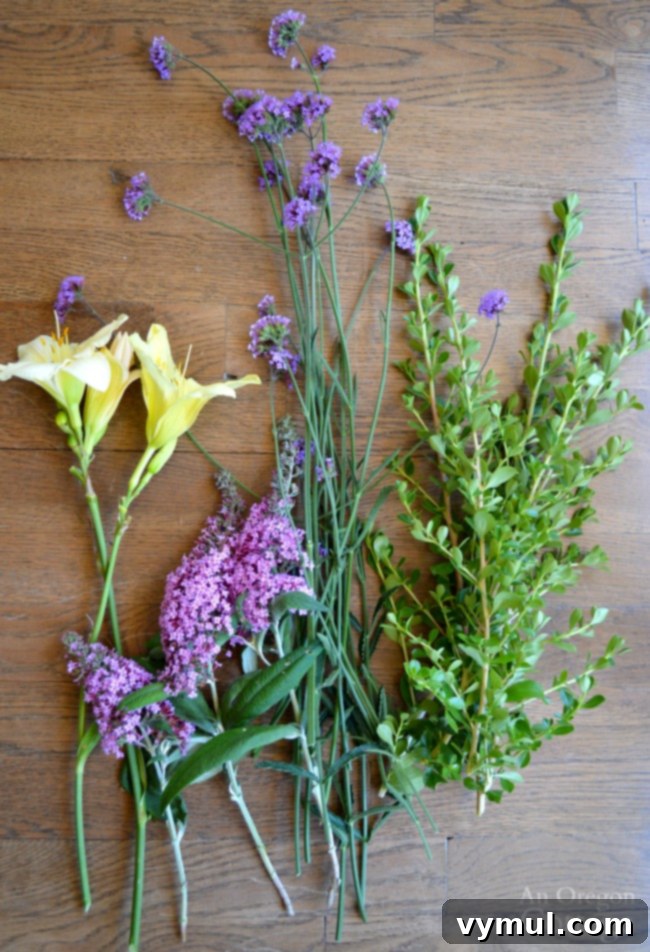
For example, a recent early July bouquet I assembled showcased the ephemeral beauty of yellow daylilies, which, though they last only a day, provide a vibrant splash of color and can continue to charm as unopened buds gradually unfurl. These were elegantly complemented by the soft pink hues of buddleia (also known as butterfly bush), known for attracting pollinators and adding a lovely cone shape, and the airy, architectural grace of purple verbena bonariensis, which adds height and delicate texture. To provide a lush base and contrasting greenery, I incorporated fresh foliage from escallonia branches. The blend of textures, colors, and forms creates a harmonious arrangement that feels both sophisticated and utterly natural, highlighting the best of summer’s blooms.
My simple, non-professional tips for creating beautiful arrangements:
- Prepare Your Stems: Always clean all lower stems of leaves that would fall below the waterline in your vase. This prevents bacterial growth and keeps your water cleaner, significantly prolonging the life of your flowers. Recut stems at an angle to maximize water absorption. Varying stem heights adds dynamic interest and visual flow to your arrangement.
- Build Your Base with Greenery: Start by adding your chosen greenery stems. This provides a structural foundation and a lush backdrop for your flowers. Don’t be afraid to experiment with different shades and textures of leaves to add depth and complexity.
- Introduce ‘Base’ Flowers: Place your larger or more substantial “base” flowers next. These typically anchor the arrangement and provide primary color blocks. If you have several of one type, like the three buddleia stems in my example, distribute them evenly to create balance and a sense of fullness.
- Position ‘Focal Point’ Flowers: Now, strategically place your most striking or unique blooms – your “focal point” flowers, like the daylilies. Positioning them slightly off-center often creates a more artistic and less rigid, formal look, drawing the eye naturally.
- Fill with Airy Elements: Use delicate, airy fillers like verbena to bridge gaps, add softness, and provide a sense of movement. These fillers help to tie the arrangement together without overwhelming the main blooms, giving it a natural, organic feel.
- Adjust and Refine: Don’t be afraid to gently fluff, move, and rearrange until you achieve an arrangement that perfectly pleases your eye. Step back and view it from different angles to ensure balance, harmony, and an appealing silhouette.
Bonus Tip for Wide Vases:
If you’re struggling with a vase that has too wide an opening, causing your stems to splay out and your arrangement to look floppy and unkempt, here’s a clever trick. Create a grid across the mouth of the container using clear scotch tape. This grid will act as a sturdy support system, allowing you to insert stems into specific squares, forcing them to stand upright and creating a more controlled, cohesive, and forward-facing arrangement. It’s a discreet solution that makes a huge difference in the presentation, and no one will ever know your secret!
Summer Garden Harvests: The Bounty of Fruits & Vegetables
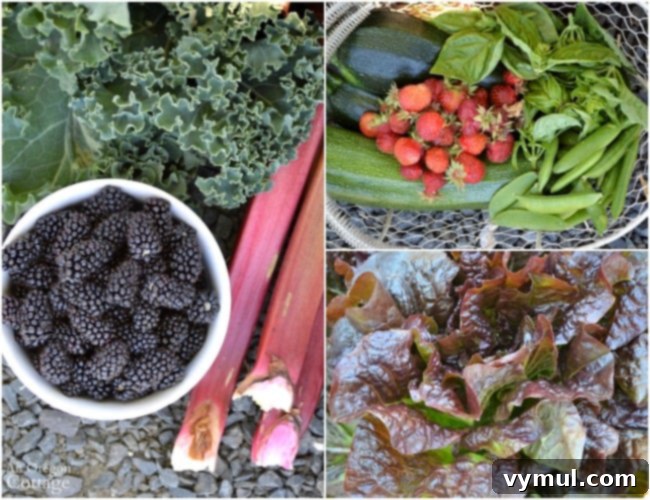
For the edible gardener, July is the month when the true rewards of your spring efforts truly begin to pour in. The meticulous planning, thoughtful planting, and consistent care you invested earlier in the season are now culminating in a glorious display of fresh produce. You can still expect to be harvesting earlier crops like crisp snap peas, succulent, later spring-planted lettuce, highly nutritious kale, and a variety of other leafy greens. Alongside these enduring spring favorites, July marks the exciting arrival of classic summer delights: the first tender zucchini, fragrant basil, and a plethora of other aromatic herbs that are essential for elevating your summer cooking. This overlapping harvest period is truly a testament to a well-planned garden, offering both continuity and new beginnings.
The harvest season also extends to delicious fruits. There are typically still a few precious weeks to enjoy the unique tartness of rhubarb, perfect for pies, crumbles, and jams, or even savory dishes. Soon, the berry bushes will be bursting with color and flavor, especially abundant blackberries and blueberries, which are quintessential summer staples for desserts, breakfasts, and snacks. If you wisely planted everbearing strawberries, you’ll be delighted to continue picking their sweet, juicy fruits throughout the summer months, providing a continuous treat straight from the garden to your table. The sheer volume and variety of produce available in July makes it one of the most exciting times for any home cook or preserver.
Here are just a few versatile ideas to utilize these fantastic summer harvests, perfect for both fresh eating and smart preserving:
- Spiced Lemon Skillet Chicken with Kale & Beans: A hearty and healthy meal that beautifully incorporates fresh greens and tender beans from your garden.
- Healthy, Whole Wheat No Fail Zucchini Bread: An excellent way to use up abundant zucchini, transforming it into a moist, delicious, and relatively healthy treat.
- Sausage and Corn Stuffed Zucchini: A creative and flavorful main dish that turns larger zucchini into perfect vessels for a savory filling.
- How to Freeze Snap Peas without Blanching {and Snow Peas, too!}: Preserve the vibrant flavor and satisfying crunch of your pea harvest for enjoyment long after summer ends, with this incredibly easy no-blanch method.
- Three Pea Salad with Feta & Walnuts: A refreshing and vibrant salad that highlights the sweetness of fresh peas, enhanced by tangy feta cheese and crunchy walnuts.
- Simple, Refreshing Berry Parfaits: A delightful dessert or breakfast option that showcases the natural sweetness of summer berries layered with creamy goodness.
- Classic Chef’s Salad: An ideal way to use various fresh greens, tomatoes, and other garden vegetables for a satisfying, customizable, and light meal.
- Freezing Strawberries For Smoothies & Easy Berry Smoothie Recipe: Ensure you have a supply of delicious, homegrown strawberries for smoothies all year round with these simple freezing tips.
- Frugal Homemade Pesto {with a Secret Ingredient}: Turn your abundant basil harvest into a flavorful pesto that can be used fresh or frozen for later, with a clever, cost-saving twist.
- The Ultimate Rhubarb Guide: Grow, Harvest, Cook & Preserve: An invaluable resource for anyone growing rhubarb, covering everything from cultivation to diverse culinary uses and essential preservation methods.
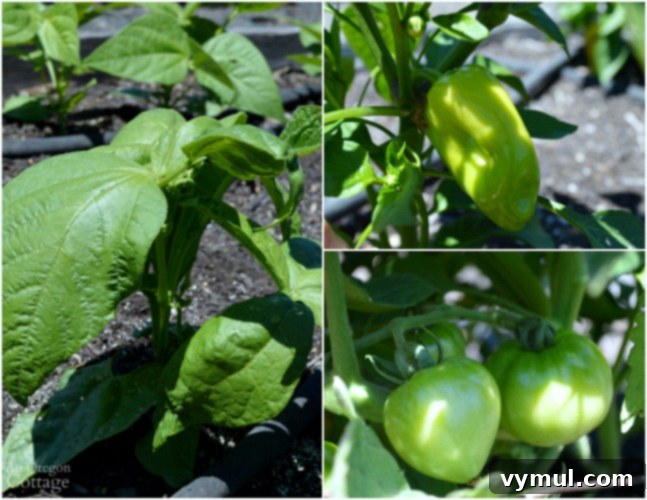
As July transitions seamlessly into August, the garden continues its generous output. We eagerly anticipate the arrival of even more cornerstone summer vegetables. Soon, our efforts will be rewarded with robust harvests of crisp beans, sun-ripened tomatoes bursting with unparalleled flavor, and vibrant peppers in an array of colors and heat levels. There’s truly nothing quite like picking that very first ripe tomato, still warm from the sun, or snapping a freshly grown bean straight from the vine. That initial taste of a long-awaited crop is undeniably the sweetest, a moment of pure, unadulterated satisfaction that makes all the work worthwhile.
Of course, as September approaches, the narrative often shifts from eager anticipation to the exhilarating, albeit sometimes overwhelming, task of managing an abundance of produce. Many seasoned gardeners find themselves wondering how to “deal with all the produce,” balancing fresh eating with various preservation methods like canning, freezing, and drying. But that’s truly a wonderful problem to have, isn’t it? It’s a clear sign of a successful growing season and an incredible opportunity to share, preserve, and savor the unforgettable flavors of summer well into the colder months.
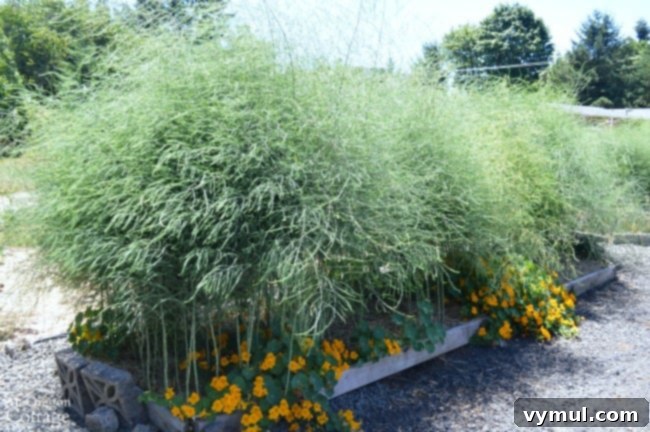
Indeed, embracing the practice of eating seasonally brings its own profound rewards, enriching our lives in countless ways. When we align our diets with nature’s rhythm, we develop a deeper appreciation for each piece of produce. The flavors seem richer, more intense, and truly representative of their peak freshness, far surpassing anything found off-season. This seasonal approach also encourages culinary creativity, prompting us to experiment with ingredients as they become available, learning new techniques and recipes. By the time the spring asparagus beds have finished producing and the lush ferns begin to stretch skyward (my fully grown asparagus, reaching impressive heights of up to six feet in some areas, is a testament to its vigor!), we’re naturally ready to transition to the next delightful gifts from the garden. Each season brings new treasures, creating a continuous, exciting cycle of discovery and enjoyment.
And that cyclical nature of gardening, the constant renewal and changing bounty, is truly what makes it so rewarding. It’s all good, a continuous journey of growth, harvest, and appreciation that nourishes both body and soul. What incredible treasures are your gardens revealing this season? Share your insights and inspiring garden moments with us!