Unearthing Charm: The Art of Upcycling Vintage Linens for Unique Home Decor

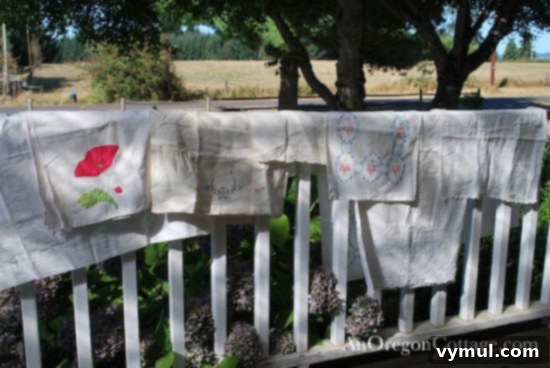
There’s an undeniable allure in sifting through the forgotten treasures of a thrift store. Among the myriad items, one category consistently captures my imagination and pulls at my heartstrings: vintage linens. Over the years, I’ve amassed a charming collection ranging from delicately embroidered pillowcases and intricate small tablecloths to an array of napkins, doilies, and other exquisite textile pieces whose original purpose often remains a delightful mystery. Each find feels like unearthing a piece of history, a whispered story from a bygone era that’s just waiting to be told anew.
My shelves and baskets are filled with these beautiful fragments of the past, many acquired without a precise plan for their future. Often, I had no immediate idea how I would incorporate them into my home decor or craft projects. Yet, the thought of leaving these beautiful handmade creations, brimming with character and history, to languish in a dusty pile of discarded goods was simply unbearable. The sheer artistry involved, especially in pieces featuring intricate hand embroidery or the nearly forgotten craft of drawn-thread work, is truly awe-inspiring. I know firsthand the painstaking hours that go into even simple hand embroidery; imagining the dedication required for more complex techniques like drawn-thread work, where threads are painstakingly removed and re-stitched, truly boggles the mind.
Beyond Savings: Honoring Craftsmanship and Sustaining History
This deep appreciation for exceptional craftsmanship leads me to a profound reason why I find myself continually drawn to purchasing items from thrift stores – a reason that, for me, stands just slightly above the undeniable savings factor. It’s an impulse rooted in respect, a desire to honor the invaluable time, love, and immense talent invested in these handmade, or even quality-manufactured, vintage items. They are relics from a time when the world wasn’t dominated by mass production and outsourcing, when quality and durability were paramount, and a personal touch was a hallmark of everyday goods. Buying vintage isn’t just about finding a bargain; it’s a conscious act of sustainability, reducing waste, and celebrating an era of lasting quality.
Each stitch, each meticulously woven thread, speaks volumes about the artisan who created it. These vintage linens carry the legacy of hands that carefully selected threads, planned designs, and spent countless hours perfecting their craft. By bringing these pieces into our modern homes, we not only give them a new life but also pay homage to a rich heritage of textile artistry. It’s a small but significant act of preservation, ensuring that the skills and dedication of past generations are not forgotten but continue to inspire and beautify our present, offering a unique charm that contemporary items often lack.
The Enduring Appeal and Variety of Vintage Textiles
What makes vintage linens so captivating? Beyond their inherent beauty and the unique character they add to any space, it’s the tangible connection they offer to history. Imagine a delicate lace doily that once adorned a Victorian tea table, a crisp, white linen tablecloth that hosted countless family dinners, or a hand-embroidered tray cloth used for serving morning coffee decades ago. These aren’t just decorative objects; they are tangible links to lives lived, stories untold, and traditions upheld. They bring a unique warmth, character, and a sense of soul that mass-produced items simply cannot replicate.
The variety of vintage textiles is endless, offering something for every taste and decor style. You might find exquisite Irish linen, rustic French country weaves, or intricately embroidered pieces from Eastern Europe. Discovering crisp cotton pillowcases embellished with elaborate monograms, delicate cutwork lace, or vibrant cross-stitch patterns depicting pastoral scenes or intricate florals is truly a treasure. The quality of materials often surpasses modern equivalents, designed to last for generations. Pieces with perfect hand-rolled hems or complex drawn-thread designs, where threads are painstakingly removed and the remaining ones are embroidered to create open, airy patterns, exemplify a level of patience and skill that is increasingly rare in our fast-paced world. These textiles represent a bygone era of dedication to craft and quality.

Transforming Vintage Linens: Creative Upcycling Ideas for Your Home
One of the most rewarding aspects of collecting vintage linens is finding creative ways to repurpose them, giving them a new lease on life within a contemporary setting. This not only breathes fresh air into old textiles but also promotes sustainable living by reducing waste and celebrating unique, handmade artistry. It allows you to infuse your home with one-of-a-kind pieces that tell a story, standing out from generic store-bought items.
For day 2 of Thrift Store Transformations, I’m excited to highlight a wonderfully simple and effective method I’ve discovered for utilizing some of these cherished vintage linens: turning them into charming cafe curtains. This project is incredibly straightforward, requiring minimal sewing, making it accessible even for novice crafters. You can find the complete, step-by-step tutorial I originally wrote on this topic over at The Happy Housewife:
Create one-of-a-kind, simple cafe curtains from vintage linens
Cafe Curtains: A Perfect Repurposing Project for Timeless Elegance
Why are vintage linens ideal for cafe curtains? They offer the perfect balance of privacy and light, allowing natural brightness to filter into your space while adding an instant touch of classic charm and visual interest. Imagine a pair of plain kitchen or bathroom windows suddenly adorned with a beautiful, hand-embroidered linen panel, instantly elevating the room’s aesthetic. The intricate details of the original textile – be it a delicate border, a meticulously stitched monogram, or an all-over floral pattern – become a focal point, a unique piece of art hanging in your window. Because they only cover the lower half of the window, you often don’t need large, perfectly intact pieces, making them an excellent use for those smaller, sometimes imperfect, thrift store finds that might otherwise seem unusable.
The beauty of this project lies in its simplicity. With just a few basic supplies (often just a curtain rod, clip rings, and your chosen linen) and minimal effort, you can transform a vintage pillowcase, a small tablecloth, or a large napkin into a set of custom, elegant cafe curtains. This liberation of sweet, old linens allows them to live again, not hidden away in a drawer or forgotten in a closet, but proudly displayed as functional and beautiful home decor. It’s a wonderful way to infuse your home with character, telling a unique story through your window treatments that modern mass-produced options simply cannot match.
More Inspiring Ways to Repurpose Vintage Linens for Home Decor
While cafe curtains are a fantastic starting point for upcycling vintage linens, the versatility of these beautiful textiles extends far beyond window treatments. Here are several other creative ideas to inspire your next DIY project and bring the charm of vintage into every corner of your home:
- Decorative Throw Pillow Covers: Transform larger, beautifully embroidered pillowcases or sections of tablecloths into unique throw pillow covers. These instantly add a touch of shabby chic elegance, farmhouse charm, or vintage sophistication to any sofa, armchair, or bed, making a statement with their intricate designs.
- Framed Textile Art: For particularly intricate or delicate pieces like doilies, sections of lace, or detailed embroidered motifs, framing them as art is an exquisite option. Mounted against a contrasting background in a simple frame, these become stunning, one-of-a-kind wall art pieces, preserving their beauty and showcasing their delicate craftsmanship.
- Table Runners and Placemats: A large, damaged vintage tablecloth can be cut down into smaller, perfectly usable table runners or individual placemats. This allows you to salvage the best parts, highlighting exquisite embroidery or unique patterns, and continue to enjoy their textures and designs during meals, adding a touch of vintage flair to your dining experience.
- Reusable Gift Wrapping (Furoshiki Style): Embrace sustainability by using larger vintage napkins, tea towels, or small tablecloths as beautiful, reusable gift wraps. The Japanese art of Furoshiki makes for an elegant, eco-friendly, and memorable presentation that can be reused by the recipient.
- Sachets and Potpourri Bags: Smaller pieces of lace or embroidered fabric can be sewn into tiny pouches, filled with fragrant lavender, cedar shavings, or potpourri. These charming sachets can be placed in drawers, closets, or hung on hangers to impart a lovely, natural fragrance and deter pests.
- Clothing Embellishments or Patches: Cut out interesting motifs from linens to appliqué onto plain garments, denim jackets, or bags, adding a unique, personalized, and often romantic touch. This is also a fantastic way to mend and reinforce clothing with style, transforming wear and tear into a design feature.
- Quilting or Patchwork Projects: For those who love to sew, vintage linen scraps, even smaller ones, can be incorporated into quilts, creating rich textural contrasts and historical depth within new textile creations. Imagine a quilt made from fragments of family heirlooms.
- Bread Basket Liners or Bowl Covers: Use square or round linen pieces, perhaps with an elastic edge, to create charming, breathable covers for food bowls or liners for bread baskets. This is a delightful and practical alternative to plastic wrap and adds a rustic touch to your kitchen.
- Book Covers: Custom-sew elegant covers for your favorite journals, photo albums, or treasured books using sturdy linen pieces, adding a personalized and vintage flair to your reading nook or bookshelf.
Caring for Your Cherished Vintage Treasures
Once you’ve acquired these beautiful vintage linens, proper care is essential to ensure they last for many more years and maintain their delicate beauty. Most can be gently hand-washed in cool water or machine-washed on a delicate cycle with a mild, pH-neutral detergent specifically formulated for delicate fabrics. Always avoid harsh bleaches, especially on colored embroidery or older fibers, as these can cause irreparable damage. Air drying is often best, laid flat on a clean towel or hung, or a very low heat tumble dry if absolutely necessary. For stubborn stains, research specific vintage textile cleaning methods, as aggressive treatment can damage delicate fibers or dyes. Storing them flat or gently rolled in acid-free tissue paper, rather than folded tightly, can also help prevent creases and wear over time, preserving their integrity.
Embracing the Legacy: Connect with the Past Through Vintage Linens
Ultimately, collecting and repurposing vintage linens is more than just a hobby; it’s an act of connection. It connects us to the artisans of the past, to a slower way of life, and to the enduring beauty of handcrafted items. Each piece becomes a conversation starter, a unique element in your home that reflects a conscious choice to value history, quality, and sustainability over fleeting trends. It’s about recognizing the inherent value in something handmade and giving it a second chance to shine. So next time you’re browsing a thrift store, antique shop, or flea market, keep an eye out for those exquisite linens. You might just find the next cherished heirloom waiting to be given a new chapter in your home, bringing warmth and character that only true vintage can provide.
How do you like to use old linens that you’ve collected or that have been handed down to you? Share your ingenious ideas and beautiful transformations in the comments below – let’s inspire each other to give these historical textiles the renewed life they deserve!