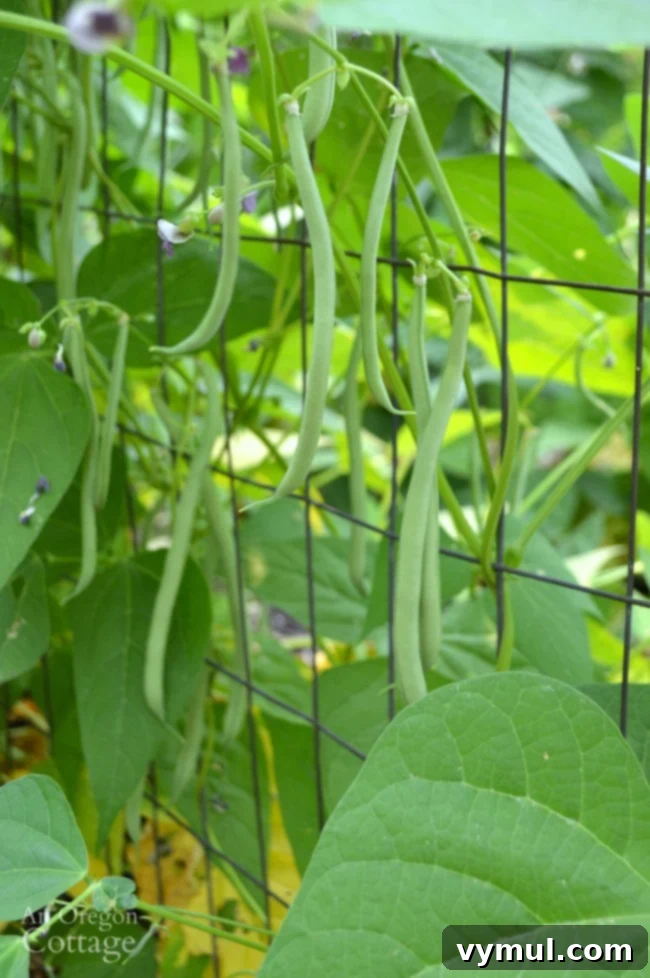
Unlock Your Best Harvest: Why Filet-Style Pole Beans, Especially Emerite and Fortex, Outshine Bush Varieties
Embarking on a gardening journey, many of us start with the familiar – often, that means bush green beans. They seem like the obvious choice, widely available and seemingly straightforward. However, a delightful discovery awaits those willing to explore beyond the conventional. I too began my gardening adventures cultivating bush beans, a path well-trodden by countless home growers. But one year, driven by a desire for a picturesque bean tee-pee, I introduced pole beans into my garden. Little did I know, this simple decision would unveil a world of superior taste, abundant yields, and effortless harvesting, particularly with the tender, exquisite filet green bean varieties. What I learned from this unplanned experiment completely transformed my approach to growing beans, revealing why pole beans, especially those like Emerite and Fortex, are truly a cut above the rest.
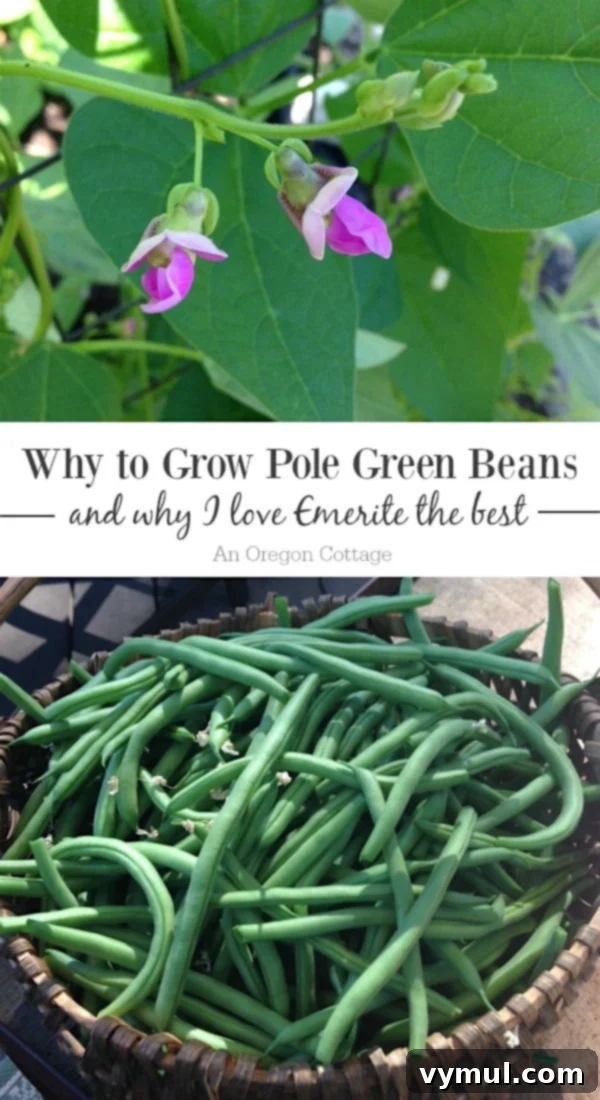
Some links in this article are affiliate links. If you click on them and make a purchase, I may receive a small commission at no additional cost to you.
The Undeniable Advantages: Why Choose Pole Green Beans Over Bush Varieties
The perennial debate among gardeners – pole green beans versus bush green beans – often comes down to personal preference or habit. Yet, from my extensive experience, the benefits of pole beans are so compelling that they consistently earn the top spot in my garden. Here’s a closer look at why pole beans offer a vastly superior gardening experience:
- Effortless Harvesting for a Healthier Back: One of the most significant drawbacks of bush beans is the labor-intensive harvesting process. You spend considerable time bending, stooping, and often wrestling with the plants, sometimes even inadvertently uprooting them, all in the quest to locate those elusive beans nestled among the foliage. Pole beans, on the other hand, boast a vertical growth habit. Once established and climbing their support structure, they present their bounty at a much more ergonomic height – typically from waist to head level. This means you can stand upright, comfortably picking handfuls of beans without the strain on your back and knees, transforming harvest time from a chore into a leisurely stroll through the garden.
- Extended and Consistent Production Throughout the Season: Many varieties of bush beans are determinate, meaning they produce their crop in a concentrated burst over a short period, usually a couple of weeks. To ensure a continuous supply of beans, gardeners must resort to succession planting, sowing new seeds every few weeks. Pole beans, however, are indeterminate growers. While they may take a little longer to start producing, once they do, they continue to yield beans prolifically over a much longer duration, often throughout the entire growing season until the first hard frost. This means less planning, less frequent planting, and a steady supply of fresh beans from a single sowing.
- Cleaner Beans, Less Prep Time: Bush beans, growing close to the ground, are more susceptible to splashes of soil, mud, and pest activity. This often results in a dirtier harvest requiring thorough washing before consumption or preservation. Pole beans, by virtue of their climbing nature, keep their pods elevated and off the ground. This separation from the soil means they stay significantly cleaner, often requiring little more than a quick rinse, or sometimes, no washing at all, especially before methods like freezing without blanching. This simple advantage saves precious time in the kitchen and ensures a more pristine product.
- Space Efficiency Through Vertical Growth: For gardeners with limited space, pole beans are an absolute game-changer. By growing vertically on trellises, stakes, or tee-pees, they maximize your garden’s productivity per square foot. A small footprint at the base can yield an impressive harvest as the plants climb upwards, making them an ideal choice for urban gardens, raised beds, or any situation where horizontal space is at a premium. Bush beans, in contrast, demand more ground area for their sprawling growth habit.
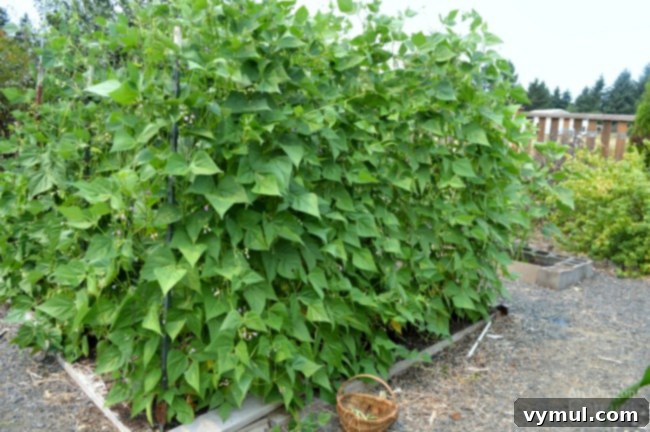
Given these compelling advantages, I now predominantly plant pole beans. I typically reserve just 3-5 bush bean plants for an early harvest, a fleeting luxury before the true stars of the garden take over. Among the myriad of pole bean varieties, my absolute favorite is, without a doubt, Emerite. I’ve been growing them for years since their initial discovery, and despite the increasing challenge of finding seed companies that stock them each season – a mystery in itself – I remain dedicated. I’ve even attempted to save seeds, though our enthusiastic consumption into the fall often means I forget to let enough mature for seed collection!
It truly puzzles me: why aren’t more people growing these exceptional beans? I’ve experimented with numerous other varieties, including the widely popular Kentucky Wonder and Blue Lake (and their crosses), but in my experience, they consistently proved to be stringy, tough, and offered inconsistent production, at least in my specific climate and soil conditions.
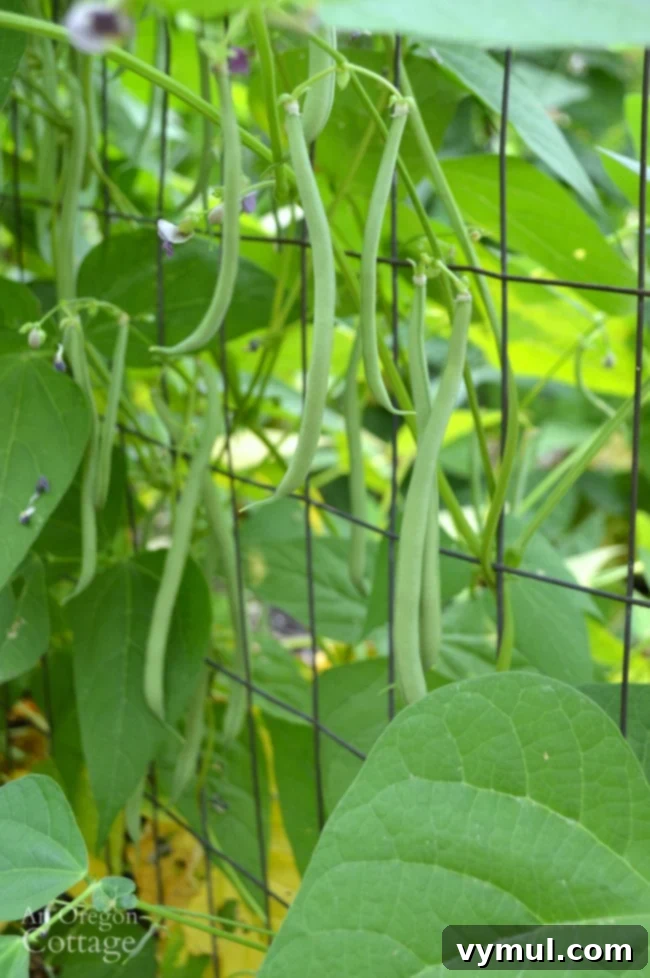
I feel a strong desire to share this wonderful bean with as many gardeners as possible. It would be a disservice to keep its virtues a secret! Therefore, I’m delighted to share the precise reasons why Emerite pole beans have earned my unwavering loyalty and where you can acquire their seeds if you’re inspired to try them. An important update: Since the original publication of this article, I’ve discovered another outstanding filet-type pole bean, Fortex, which perfectly complements Emerite. Fortex excels in warmer weather, filling Emerite’s ‘downtime’ during peak summer heat. While it grows much longer than Emerite, its quality is equally superb. I’ll also provide sourcing information for Fortex.
6 Irresistible Reasons to Plant Emerite (& Fortex!) Pole Green Beans in Your Garden
Here’s an in-depth look at what makes Emerite and Fortex pole beans truly exceptional:
- They are a “filet” type bean, renowned for their fine, tender texture. However, unlike some smaller bush filet types you might be accustomed to, these particular pole beans offer incredible versatility: they can be picked at all stages of their growth. You can harvest them as delicate, thin 4-inch “filet” beans, which are perfect for a gourmet touch, especially at the beginning of the season when anticipation for fresh beans is high. Alternatively, you can allow them to mature into robust 7 to 8-inch round beans, and they will still retain their exquisite tenderness.
- Because of their inherent filet quality, these beans are practically guaranteed to be never stringy or tough. This remarkable characteristic holds true even when they’ve been left on the vine to mature to a larger size. Unlike many other green bean varieties that develop tough strings or a chewy texture as they age, Emerite and Fortex consistently deliver a tender, delightful eating experience every single time. This is a game-changer for culinary applications and ensures a consistently high-quality harvest.
- They produce an astonishing abundance during the main season. A single 10-foot row in my garden this year provided enough beans for our family to enjoy fresh meals countless times, and still allowed me to stash away 10 quart-sized bags in the freezer for winter consumption. This prolific yield makes them ideal for gardeners who wish to preserve a significant portion of their harvest, ensuring a taste of summer long after the growing season has ended.
- Emerite demonstrates incredible resilience and a prolonged production period. While its yield may slow down after the initial large main harvest, and it might even lose a considerable number of leaves during the hot, late days of August, do not abandon hope! As soon as the weather transitions to more “fall-ish” conditions, bringing cooler temperatures and welcome rain, these plants will rejuvenate. They will start leafing out again, producing a fresh flush of flowers and beans that continues all the way until the first hard frost. The bountiful harvest pictured above was collected at the beginning of October, a testament to their endurance. Fortex, on the other hand, excels during warmer weather, producing steadily through the summer heat, but typically doesn’t extend as long into the fall as Emerite. This complementary growth pattern makes them perfect companions to grow together, ensuring a continuous supply of delicious beans from early summer through late fall!
And let me tell you, there’s nothing quite like savoring fresh green beans in October – a true autumn delight!
As for the bush beans planted for early harvest? By this time, they are long gone. Finished. Out of the picture entirely, having completed their brief, intense production cycle.
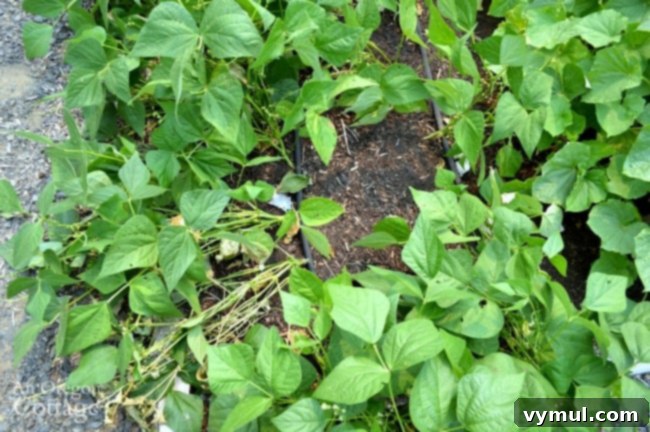
Observing the flopped-over bush beans in the image above perfectly underscores another crucial point, one not exclusive to a particular variety, but inherent to all pole beans:
- They are so much easier to pick than bush beans! Let’s be honest: do you truly enjoy hunching over, straining your back, and struggling to locate ripe beans on a sprawling, low-growing, 2-foot tall plant – often risking damage to the plant in the process? Or would you prefer to stand upright, effortlessly plucking perfectly ripe beans that are clearly visible and hanging conveniently at eye level or higher? For me, with my perpetually creaky back, this is an absolute no-brainer. The ease of harvesting pole beans significantly enhances the enjoyment of gardening.
- You only have to plant pole beans once per season. This eliminates the need for succession planting, a common practice with bush beans to maintain a continuous harvest. While it’s true that pole beans take a little longer to begin producing, which is why I still plant a small number of bush beans for the earliest harvest, their longevity and consistent production are unparalleled. Once your pole beans are established with their support structure, you can essentially “set it and forget it,” enjoying a season-long yield without the repeated effort of sowing new seeds. This long-term convenience and sustained productivity make them incredibly rewarding.
Have I convinced you to try these incredible beans yet?
If you’re ready to experience the superior flavor and ease of cultivation that Emerite beans offer, here are a few reputable sources where I’ve successfully found their seeds:
- Renee’s Garden Seeds on Amazon
- Vermont Bean Seeds
- Pinetree Garden Seeds
And for those looking to extend their harvest through the warmer months with another exceptional filet-type, Fortex, you can find seeds here:
- Territorial Seed Company
- Pinetree Garden Seeds
- Johnny’s Selected Seeds
Let me know what you think! Are you a bush bean devotee or have you discovered the joy of pole beans? Share your favorite varieties and gardening tips in the comments below!
Note: This article was originally published in October of 2011. It has since been thoroughly updated with new photos, a pinnable image to help you easily locate this information again, enhanced formatting, and additional valuable information to provide the most current and comprehensive guide to growing pole beans.
Discover more valuable information on making gardening easy and rewarding here:
Steps to Starting a Vegetable Garden

Organic Vegetable Gardening 101
Disclosure: Affiliate links in this article may earn a commission based on sales, but this will not affect your purchase price. Click here to read my full disclaimer and advertising disclosure policy for more details.