DIY Ikea Butcher Block Counters: A Comprehensive 2-Year Review, Maintenance, and Durability Guide
Thinking about installing wood butcher block counters in your kitchen? Join us as we dive deep into our experience with DIY Ikea wood butcher block countertops, over two years after their installation. This article covers how they’ve held up, why we continue to love them, and the straightforward care tips we’ve adopted to maintain their beauty and functionality. We aim to provide a detailed, real-world perspective for anyone considering this popular and budget-friendly kitchen upgrade.
Our Journey to DIY Ikea Butcher Block: Initial Installation & Selection
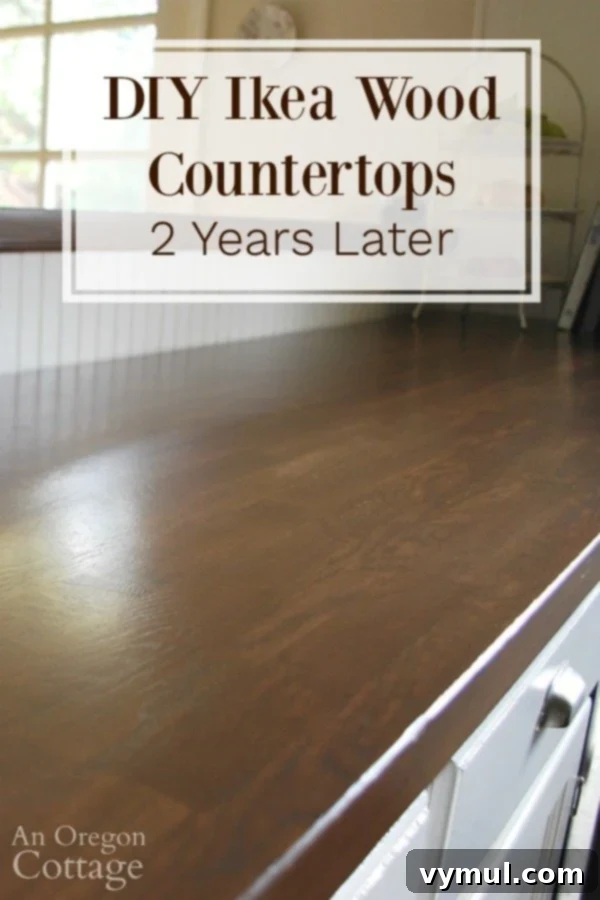
In the autumn of 2012, we embarked on a significant phase of our budget-friendly farmhouse kitchen remodel. A crucial element of this transformation was the installation of Ikea wood butcher block countertops. Our choice was the oak variety, which, regrettably, Ikea no longer offers. This discontinuation is somewhat understandable, as we found the oak to be more expensive and, surprisingly, less resilient over time compared to the beech counters we later installed in our bathroom. This early observation provided valuable insight into the differing wear characteristics of various wood types for countertops.
Since their installation, both my husband and I have been immensely pleased with our decision. Having had wood counters in our previous kitchen, I was already a firm believer in their aesthetic appeal and warmth, so my satisfaction was largely anticipated. Over the years, we’ve received numerous inquiries and comments about our counters, particularly concerning their wear patterns and the finishing process we employed. These recurring questions often spark a desire to share our experiences more broadly, especially through visual mediums.
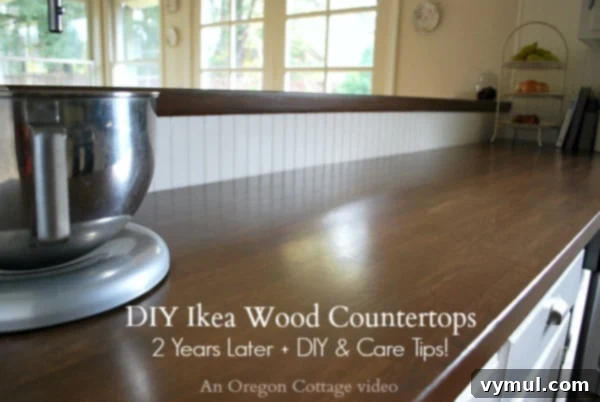
When questions about our DIY projects arise, our immediate thought often turns to video. A visual medium allows us to convey a wealth of information in a dynamic and engaging format that might otherwise translate into an excessively long and potentially overwhelming blog post. Our accompanying video provides a direct, unfiltered look at our counters after more than two years of daily, rigorous use – this is not a show kitchen; these counters genuinely endure heavy-duty cooking and family life!
In the video, we not only showcase the current state of our counters but also share invaluable installation tips we learned along the way, along with the precise care routine we follow. These maintenance practices have been instrumental in keeping our countertops looking almost as pristine as the day they were first installed. For those who prefer to read or are accessing content on devices where video viewing might be challenging, we’ve summarized the main points and key takeaways below.
Clarifying Our Finishing Process: Stain vs. Polyurethane
Before diving into the specifics of care, it’s important to clarify a couple of points that might have caused confusion in our initial video presentation, particularly regarding the finishing products. Crafting videos isn’t always my forte, and sometimes nuances get lost in translation!
One common point of confusion arises when I discuss being unhappy with how I initially finished the counters, only to then express my satisfaction with the polyurethane coating. Let me set the record straight: my dissatisfaction was specifically with the wood stain I chose, not the top coat. For the first time, I opted for a water-based stain, departing from years of successful experiences with oil-based stains. My usual practice, however, has always been to top everything with a water-based polyurethane, which I absolutely adore.
Given the significant investment these counters represented, I was overly cautious. I decided to meticulously follow the directions on the water-based polyurethane, which, to my surprise, recommended using a water-based stain beforehand. This was a crucial mistake. My experience with water-based wood stain was dreadful: it applied thickly like paint, failed to penetrate the wood grain properly, and dried so rapidly that wiping it off evenly became a frantic and frustrating race against time. I would unequivocally advise against using water-based wood stains; they simply don’t deliver the natural, rich finish I seek.
However, my opinion on the water-based polyurethane top coat remains overwhelmingly positive! It’s an entirely different product with superior performance. I love it for multiple reasons: its excellent durability, quick drying time, and ease of application, which together provide a robust and long-lasting protective layer. This distinction between the stain and the poly is vital for understanding our counter’s longevity and appearance.
Living with Wood Counters: Key Learnings and Daily Life
After more than two years of daily interaction with our Ikea wood butcher block counters, we’ve gathered a wealth of experience that highlights their strengths and quirks. Here are the main points summarizing our journey:
- Unwavering Affection: Our overarching sentiment remains one of deep satisfaction. We genuinely love our wood counters for their warmth, character, and the natural beauty they bring to our kitchen.
- Minimal Maintenance with the Right Finish: A significant advantage of our chosen finishing method is the remarkably low maintenance it requires. Thanks to the durable water-based polyurethane coating, we do not need to perform any monthly upkeep or reapply top coats. This saves considerable time and effort, making them a practical choice for a busy household.
- “Not Food-Grade” – A Practical Approach: It’s important to acknowledge that our polyurethane finish is not considered “food-grade.” However, this has presented no practical issues for us. We do not place food directly onto the counters for extended periods, nor do we eat directly off them. Instead, we rely on various cutting boards for all food preparation.
- Proactive Water Management: Managing water exposure is key to preserving any wood counter. We diligently use dish mats for drying dishes, fruits, and vegetables, and always employ a variety of cutting boards to protect the surface during food prep. For wiping up spills, we prefer a microfiber or foam-type dishcloth, which absorbs water effectively. Our habit is to wipe up any standing water promptly, ensuring it doesn’t sit unnoticed.
- Addressing Minor Water Marks: Despite our best efforts, sometimes water does sit for a while. If you ever notice a white film after wiping up standing water, there’s no need for alarm. This is a common occurrence with wood and moisture, and it typically dissipates on its own within a relatively short period. It disappears much quicker than the 90 minutes mentioned in the video – that was just the specific time my husband, Brian, checked on it!
- Minor Warping: We have observed two small areas of buckling or warping, both located around the stove. These are minor imperfections, not significant structural issues, and we honestly feel they add a bit of rustic character to the overall look. It’s a natural characteristic of wood reacting to heat and moisture over time.
- Crucial Installation Insight: Brian’s installation tips are particularly valuable. He stresses the importance of leaving ample room at the front edge when cutting the hole for the sink. Butcher block is constructed from smaller pieces of wood glued together, and cutting a too-narrow strip near the edge can significantly weaken these joints. We learned this the hard way, as our desire for the sink to be as close to the edge as possible resulted in some minor weakening in that area. Learning from our experience can save others potential issues.
- Effortless Knife Mark Repair: Accidents happen, and we’ve had one notable knife mark on our counter. The good news is that repairing or camouflaging it was quick and straightforward, requiring only a little more stain and polyurethane. This is a massive advantage over laminate counters, where such damage would typically be permanent and far more noticeable. The ability to easily touch up minor damage is a huge plus for wood.
The Enduring Appeal of Butcher Block: Our Continued Satisfaction
Reflecting on over two years with our DIY Ikea butcher block counters, our satisfaction remains high. They have proven to be a durable, aesthetically pleasing, and surprisingly manageable choice for our active kitchen. The warmth and natural texture of the wood consistently draw compliments and create a welcoming atmosphere that synthetic materials simply cannot replicate.
The key to their success, as we’ve discovered, lies in the intelligent application of a high-quality water-based polyurethane finish and a consistent approach to basic care, especially regarding water management. This combination has allowed us to enjoy the beauty of wood without the burden of constant reapplication or specialized treatments often associated with other wood finishes like oiling.
While minor issues like slight warping near the stove exist, these are easily viewed as part of the material’s character and do not detract from the overall functionality or appeal. The ease with which minor blemishes, such as knife marks, can be repaired is another significant advantage, giving us peace of mind that our investment will continue to look good for many years to come.
In conclusion, if you’re seeking a cost-effective, beautiful, and resilient countertop option that adds undeniable charm to your kitchen, DIY Ikea butcher block, when properly finished and cared for, comes highly recommended by us. It’s a choice that offers a blend of farmhouse aesthetics and practical durability.