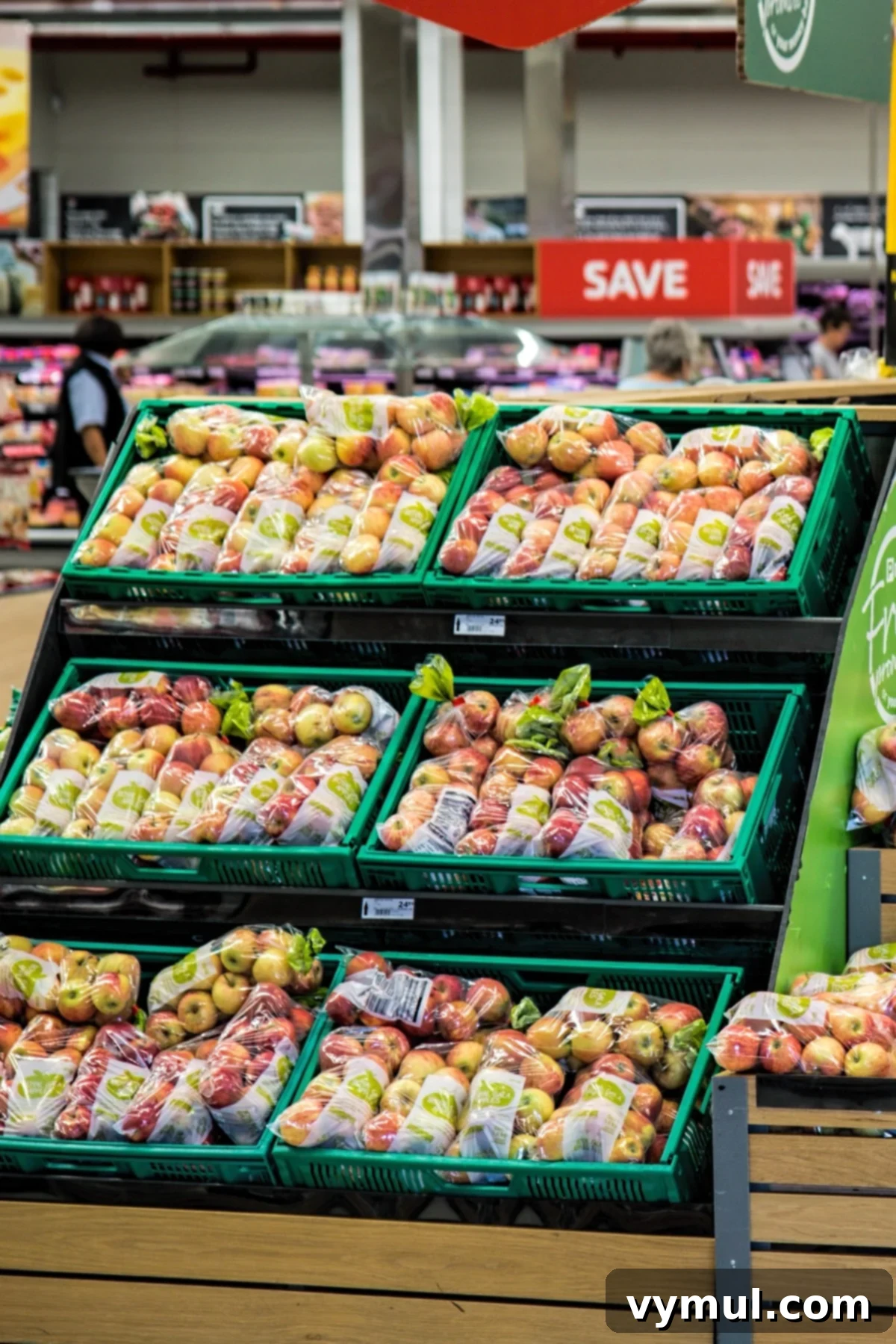
Smart & Healthy Grocery Shopping: Your Ultimate Guide to Saving Money and Eating Well
Are you tired of coming home with bags of unnecessary items, an overloaded cart, and a grocery bill that far exceeds your budget? It’s time to revolutionize your food shopping routine. This comprehensive guide offers essential grocery shopping tips designed to help you shop smarter, make health-conscious choices, and consistently keep your budget in check. Transform your approach to food and enjoy the benefits of a healthier, more financially responsible lifestyle.
Some links in this article are affiliate links, meaning if you click on them and make a purchase, I may receive a small commission at no additional cost to you.
How are you progressing on your journey toward healthy eating? From what I’ve heard from many of you, we’re all at different stages – some are just embarking on this path, while others have been embracing healthy eating for years. Regardless of where you are on this journey, one thing remains constant: the universal desire to maintain a healthy lifestyle.
This pursuit can often be challenging. Daily temptations, demanding schedules, and sheer exhaustion constantly threaten to derail our well-intentioned goals. It’s a common struggle that many face. So, how about we tackle this challenge head-on with some practical shopping tips and a dose of encouragement?
In this healthy eating series, we’ve already explored fundamental topics such as what constitutes healthy eating, and I’ve shared a variety of recipes for nutritious soups, stews, and slow cooker meals, as well as healthy family favorite main dishes. (You can scroll down to find all the articles in this series.)
For this particular article, our focus shifts to empowering you with actionable strategies for grocery shopping. We’ll delve into how to approach your shopping trips with a sharp eye toward healthiness, all while ensuring you don’t bust your budget. Our discussion will specifically cover:
- Effective methods to reduce your food bill without compromising on healthy eating.
- Smart shopping techniques to navigate the grocery store efficiently and mindfully.
- Specific recommendations for stocking your pantry with wholesome, beneficial foods.
Several years ago, I wrote a couple of articles titled, Can Healthy Food Be Frugal? In those pieces, I detailed my experience with extensive couponing, which, while saving money, often led to purchasing items I hadn’t used in years – all in the relentless pursuit of “the deal.” I reflected on the many food issues being raised at that time and the crucial importance of balance in our eating habits. Essentially, my insights led me to a clear conclusion:
The most effective and healthiest way to eat on a budget is to prepare as many meals and ingredients from scratch as possible, prioritize buying organic produce and products when feasible, and consciously steer clear of processed junk foods.
This philosophy aligns remarkably well with Michael Pollan’s (author of In Defense of Food) widely recognized and influential phrase:
“Don’t eat anything your great-grandmother wouldn’t recognize as food.”
Since those initial reflections, I have continued to refine my shopping habits and strategies. This is a perpetual process of discovery, learning how to enjoy the foods we love, identifying where it’s truly important to splurge for quality, and consistently managing our food budget effectively. This ongoing journey has equipped me with valuable insights that I am eager to share with you. I sincerely hope that some of these tips will prove beneficial in your own quest for healthier, more economical eating.
Check out my tried-and-true tips below – I hope some of them will help you on your path to smarter grocery shopping.
Shopping Tips to Keep Your Food Bill Low AND Healthy

- Plan ahead with Menu Planning. Menu planning stands as my number one strategy for both saving money and consistently eating healthy! By planning your meals in advance, you eliminate last-minute unhealthy choices and unnecessary purchases. Start by checking your pantry and fridge for existing ingredients, then browse weekly sales flyers from your local stores. Build your menu around what you already have and what’s on sale, then create a detailed shopping list and commit to sticking to it as much as possible. This proactive approach ensures you buy only what you need, reducing waste and maximizing your budget.
- Embrace Smart Compromise. It’s important to understand that perfect eating habits aren’t always achievable or affordable. For instance, we don’t live in an area where buying meat directly from a farmer is cheaper. So, we’ve occasionally purchased part of a cow for bulk savings and then bought the best quality meat we can afford at the grocery store for our regular needs. Compromise might mean choosing conventional produce over organic for certain items that are less prone to pesticide absorption, or opting for frozen vegetables when fresh ones are out of season and expensive. Smart compromises allow you to maintain a healthy diet without breaking the bank.
- Buy in Bulk Strategically. Purchasing non-perishable staples in larger quantities can lead to significant savings over time. Items like oats, flour, rice, dried beans, pasta, and even certain snacks like chips or ingredients for homemade treats like peanut butter, are excellent candidates for bulk buying. Always consider your storage capacity and how quickly your family consumes these items to avoid spoilage. Proper storage in airtight containers is key to maintaining freshness and preventing pests.
- Cultivate Your Own Food. Even if you don’t have a large garden, growing some of your own produce can significantly impact your health and budget. Most of our summer produce, along with frozen beans, corn, and berries, and canned tomatoes for the year, comes from our organic garden. Even a small 3×6-foot raised bed can yield fresh lettuce, tomatoes, and herbs. These homegrown items offer unparalleled freshness, taste, and allow you to control exactly what goes into your food. If you have the space for chickens or other farm animals, you can take self-sufficiency even further by having fresh eggs or dairy.
- Make More From Scratch. Many packaged “pantry basics” can be easily and more healthily made at home, often for a fraction of the cost. I’ve discovered the ease of replacing store-bought items with homemade alternatives like salad dressings, granola bars, breads, ketchup – and even crackers sometimes. Making these items yourself gives you complete control over ingredients, allowing you to avoid artificial additives, excessive sugar, and unhealthy fats commonly found in processed foods.
- Strategize Where to Shop. While some real food advocates suggest avoiding regular supermarkets entirely, this isn’t always practical or affordable for everyone. I choose to shop at a variety of stores and markets that offer reasonably priced, quality food. This includes stores like Trader Joe’s for unique organic items, Costco for bulk purchases, and Fred Meyer (our Kroger-affiliated store) for everyday basics and a decent rewards program. Grocery Outlet is great for opportunistic buys like vitamins, produce, cheeses, and organic items. Diversifying your shopping locations allows you to cherry-pick the best deals and highest quality for specific products.
- Factor in Your Time Availability. Initially, shopping weekly was my go-to strategy for saving money, as it allowed me to take advantage of sales and buy fresh produce more frequently. However, with less time available now that my kids are older, I’ve adapted my approach. I now shop just 2-3 times a month, hitting different stores on each trip. I also leverage online subscription services like Amazon Subscribe and Save (you can read about how to save with it here) and Grove for non-perishable essentials. This balanced approach saves time while still optimizing for savings and healthy choices.
For a practical example, here’s what my typical monthly shopping schedule often looks like now:
- 1st Week: A trip to Costco for bulk items and household essentials. Additionally, my Amazon Subscribe and Save items, like non-perishable pantry staples, arrive.
- 2nd Week: A visit to Fred Meyer (our local Kroger store) for fresh produce and weekly basics, taking advantage of their sales and reward program.
- 3rd & 4th Weeks: These weeks are dedicated to targeted shopping. I’ll visit Grocery Outlet for great deals on vitamins, seasonal produce, specialty cheeses, and organic items. Trader Joe’s is included when I’m already in town for other errands, as we only buy a few specific items there. DariMarket, our small local store, is for quick pickups like milk or items we unexpectedly run out of. Occasionally, Rite Aid is visited for personal items not covered by my online subscriptions.
- Every Other Month: Grove items, primarily laundry and kitchen supplies, arrive. This is also when I make a dedicated trip to the bulk bins at WinCo for spices, dry beans, and various baking ingredients.
I generally don’t visit farmer’s markets regularly because I’m able to grow a significant portion of our produce, and the other items tend to be quite expensive. Furthermore, the time commitment involved in frequent market visits is a factor I consider.
How to Shop Smart at Grocery Stores and Avoid Temptations
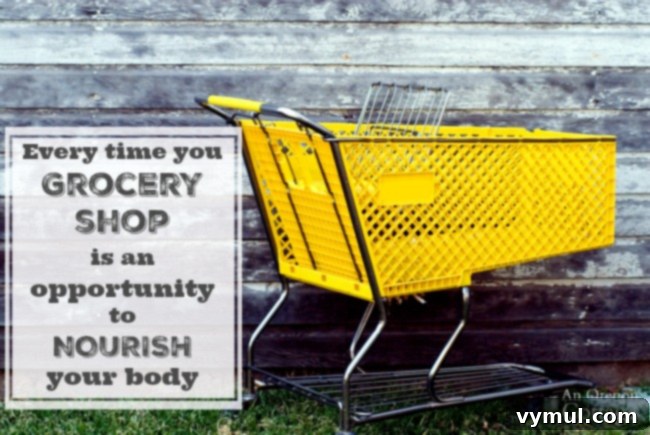
Every time you step into a grocery store, you have an opportunity to make choices that nourish your body and support your health goals. Here’s how to navigate the aisles wisely:
- Focus on the Store’s Perimeter. Make it a habit to stick mainly to the edges of the store. This is where you typically find fresh produce, dairy products, eggs, and lean meats – the core components of a healthy diet. Leave the center aisles alone, except for specific items on your meticulously planned list. Avoiding aimless wandering through every aisle helps you bypass processed foods, sugary snacks, and other impulse buys strategically placed in the store’s interior.
- Splurge Wisely in Healthy Aisles. If your budget allows for a splurge, direct that extra money towards quality items in the produce or meat aisles. This might mean opting for organic berries, wild-caught salmon, or grass-fed beef. Investing in nutrient-dense, high-quality ingredients contributes significantly more to your health than indulging in processed treats. It’s about prioritizing where your food dollars have the most impact.
- Align Choices with Family Preferences. When shopping, consider your family’s actual eating habits, their likes, and dislikes. Choose healthy items they genuinely enjoy, rather than strictly what you think they “should” eat. This might mean sticking to their favorite vegetables while slowly introducing new ones. This pragmatic approach reduces food waste and lessens the temptation to resort to unhealthy takeout or quick-fix frozen pizzas when healthy options aren’t appealing.
- Master Ingredient Label Reading. Become a savvy label reader. Avoid foods that contain more than five ingredients, artificial ingredients (like artificial colors, flavors, or sweeteners), or ingredients you can’t pronounce. These are often indicators of highly processed foods with little nutritional value. Opt for products with short, recognizable ingredient lists, focusing on whole, unprocessed components.
- Visualize a Balanced Cart. Think about your grocery cart as a reflection of your dinner plate. Aim for a cart composition that mirrors healthy meal proportions: roughly 50% vegetables and fruits, 25% whole grains, and 25% lean proteins. This visual guide helps ensure you’re purchasing a balanced array of nutrients, making it easier to prepare wholesome meals once you get home.
- Be Wary of the “Natural” Label. Don’t be swayed by the term “natural” on food packaging. This label is largely unregulated and doesn’t genuinely signify anything about the health or quality of the product. Many “natural” products still contain highly processed ingredients, added sugars, or unhealthy fats. Always refer to the ingredient list and nutritional information rather than relying on marketing claims.
Here’s my biggest contention with modern grocery stores: the sheer volume of food – especially cheap, questionable-quality food – is mind-boggling. It’s a deliberate strategy designed to overwhelm and entice shoppers.
- You encounter massive bags of candy (now often unwrapped for easier impulse grabbing) or snack mixes for a mere dollar, seemingly too good to pass up.
- There are so many flavors of chips, each vying for your attention, convincing you that you simply *must* try them.
- Your favorite holiday treat, which once appeared seasonally, now seems to surface monthly, keeping the temptation alive year-round.
As long as the number of items and new products continues to expand so vastly (a significant shift since the 1970s), we will inevitably struggle with issues like obesity and various health problems, regardless of weight. The environment is engineered to encourage overconsumption and poor choices.
Therefore, vigilance is paramount. Stay out of the stores unless you are fully armed with a solid plan, a precise list, and your most resolute mindset.
I’ve come to view grocery shopping as a mini-war. We must always be on guard, keeping our main objective firmly in mind: to live healthy, simplified lives. This allows us to truly enjoy our existence without the burden and stress of extra weight or preventable medical conditions. It’s about making conscious choices that support our long-term well-being.
What are your thoughts – do you ever feel bombarded when shopping? What valuable tips can you share to save money while consistently shopping healthy? Share your insights in the comments below!
Read All of the Healthy Eating Series
- What Is Healthy Eating
- Healthy Eating Tips: Making Time to Cook
- Healthy Grocery Shopping Tips: Shop Smart & Stay On Budget (you are here!)
- 17 Essential Cooking Tools for Healthy Eating: Cookware & Small Appliances
- 18 Essential Tools, Knives & Gadgets for Healthy Kitchens {+ 7 Nice-to-Haves}
- 25 Healthy Family Favorite Main Dishes
- 19 Healthy Soups, Stews & Slow Cooker Dishes
- 22 Healthy Bread and Breakfast Recipes
- 19 Healthy Snacks and Desserts
Disclosure: Affiliate links in this article will earn a commission based on sales, but it doesn’t change your price. Click here to read our full disclaimer and advertising disclosure.