Essential November Garden Chores: Preparing Your Garden for a Flourishing Spring and Beyond
Welcome to November in the garden! This month offers a crucial window for a range of straightforward, yet impactful, gardening chores and tasks. Whether you’re tending to fruits and vegetables, nurturing vibrant flowers, or simply tidying up your general yard, these activities are key to safeguarding your plants through winter and setting the stage for a thriving spring. This guide, complete with practical tips, will help you navigate your November garden tasks effectively.
As the days grow shorter and the air turns crisp, many gardeners might be tempted to put their tools away for the season. However, November is far from a dormant month in the garden. In fact, it’s a pivotal time for foundational work that pays dividends come spring. While I, like many, often find myself longing for a break from intense gardening and preserving, I’ve learned that a little effort now can prevent a lot of headaches later. This isn’t about rigid rules, though; it’s about smart choices and making the most of those rare, pleasant late-autumn days.
One valuable lesson I’ve embraced is that leaving certain elements untouched throughout winter offers significant benefits. Particularly for flowers and perennials, their dried stalks and foliage can act as a natural blanket, providing insulation and protection against harsh winter cold. Beyond that, these remnants create vital shelter and food sources for beneficial insects and local bird populations, contributing to a healthier garden ecosystem. Likewise, in the vegetable patch, if there are no signs of mildew or blight, I often leave spent vines and plant material. They offer a protective layer and, honestly, are much easier to clear away when they’re dry and brittle in late winter than when they’re green and stubborn in the fall.
Therefore, consider this list of November garden tasks as a flexible guide. Tackle what you can on those unexpectedly mild days, and don’t stress if you can’t get to everything. The goal is to set yourself up for success without burning out. Rest assured, your garden will still be there in the spring, and a few undone tasks won’t spell disaster. Every little bit of effort you invest now contributes to a more vibrant and manageable garden next season.
Ready to simplify your vegetable gardening routine and ensure abundant harvests? (Yes, it’s entirely achievable!)
The one area where I consistently make an effort is to clean and store my porch pots and hanging baskets. This simple chore instantly spruces up the entryway, making it ready for festive Christmas decorations, and ensures these containers are protected from winter damage. Plus, if I haven’t gotten around to it yet, planting a few more tulip bulbs is always a priority to guarantee that burst of spring color.
What are your absolute must-do tasks for preparing your garden in November?
Looking for a structured approach to your garden tasks throughout the year?
Download your free printable checklist of monthly garden tasks to personalize for your unique garden!
Don’t forget to add these pages to your free Gardening Notebook Journal!
Comprehensive November Garden Chores Checklist
November is a time for winding down some gardening activities, but also an important period for proactive preparation. By tackling these key chores, you’ll ensure your garden is resilient through winter and poised for explosive growth next spring. Let’s dive into the specifics for different areas of your outdoor space.
Vegetable & Fruit Garden Tasks in November
The vegetable and fruit garden often feels finished by November, but there are still essential tasks to perform that impact next year’s bounty.
- Cut back fruited raspberry canes and mulch all berries: For raspberries, cut the canes that produced fruit this season down to the ground. These canes won’t produce again and removing them improves air circulation, reduces disease risk, and encourages new growth for next year. For all berry plants (raspberries, blueberries, blackberries), apply a generous layer of composted manure and straw or wood chips as mulch. This insulates the roots from freezing temperatures, suppresses weeds, and slowly releases nutrients into the soil.
- Cover perennial vegetables with protective layers: Perennial vegetables like rhubarb, asparagus, and artichokes benefit greatly from winter protection. Once they’ve died back, cover the crowns with a thick layer (4-6 inches) of composted manure, followed by straw or shredded leaves. This insulates them from deep freezes, enriches the soil, and helps retain moisture, ensuring a vigorous start in spring.
- Protect fall/winter vegetables with cold frames or row covers: If you’re extending your harvest into the colder months, now is the time to ensure proper protection for cool-season crops. Use cold frames, plastic tunnels, or floating row covers for vegetables like spinach, lettuce, carrots, and hardy greens. These structures trap solar heat, creating a microclimate that allows plants to continue growing or at least survive light frosts, thus extending your fresh produce supply.
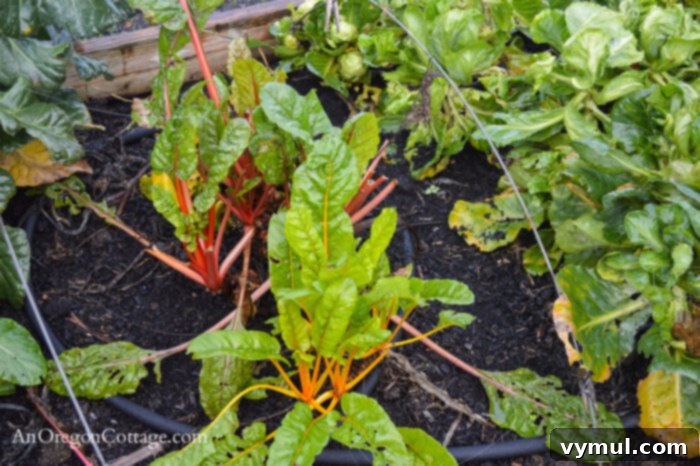
- Continue harvesting cool-weather greens: Don’t forget to keep an eye on your cold-hardy vegetables. Kale, chard, turnip greens, and collards can often withstand several frosts and continue to provide delicious harvests well into November, and sometimes even longer with protection. Harvest the outer leaves as needed, allowing the inner leaves to continue developing.
- Check stored potatoes, onions, and carrots: If you have a root cellar or other storage area for harvested vegetables, November is a good time to inspect your stored crops. Remove any potatoes, onions, or carrots that show signs of sprouting, rot, or mold to prevent these issues from spreading to healthy produce. Ensure good ventilation and appropriate humidity levels to maximize storage life.
- Apply organic amendments to dormant beds: For garden beds that are now empty or dormant, November is an excellent time to apply amendments. Spread a layer of composted chicken manure or other rich organic compost over the soil surface. This allows the nutrients to slowly leach into the soil over winter, improving soil structure and providing a nutrient-dense environment ready for spring planting.
- Remove diseased or mildewed spent vegetables: While some plant material can be left for winter interest or protection, it’s crucial to remove any spent vegetables that exhibit signs of disease or mildew. Plants like blighted tomato vines or powdery mildew-covered squash leaves should be disposed of in the trash or burned, rather than composted. This prevents disease pathogens from overwintering in your garden and infecting next year’s crops. Healthy, dry plant material can often be left until late winter for easier removal.
November Flower Garden Essentials
Even as blooms fade, the flower garden still demands attention to ensure a spectacular display next season.
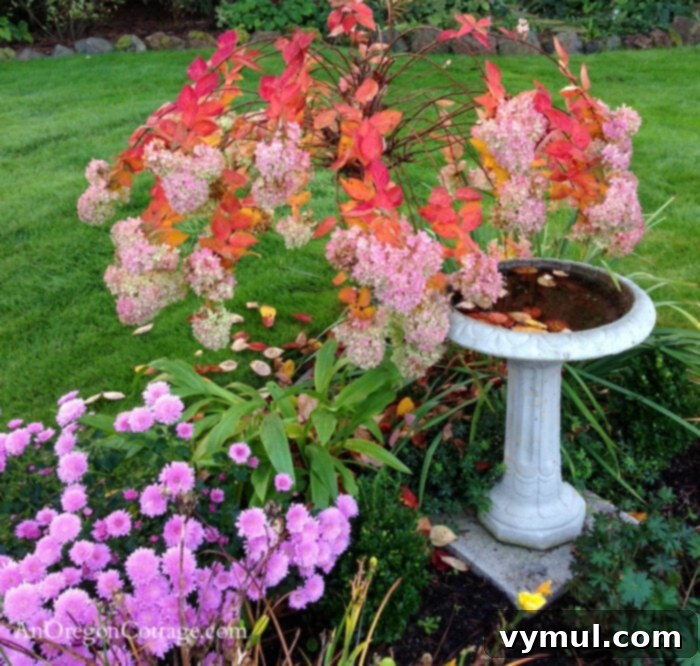
- Lightly prune roses for winter protection: Perform a light pruning on your roses to reduce their height and prevent damage from strong winter winds. Remove any dead, damaged, or crossing branches. Save the heavy, shaping prune for late winter or early spring when the plant is fully dormant and you can clearly see the framework for new growth. For very tender roses, consider mounding soil or mulch around the base for extra root protection.
- Last chance weeding and mulching around perennials: Before the ground freezes solid, pull any remaining weeds. These late-season weeds, if left unchecked, can drop seeds that will create a much larger problem in spring. After weeding, apply a fresh layer of mulch around your perennial plants. This insulates roots, conserves moisture, and helps regulate soil temperature, preventing the freeze-thaw cycles that can heave plants out of the ground.
- Plant spring-flowering bulbs: If you haven’t already, November is often your last opportunity to plant spring-blooming bulbs like tulips, daffodils, crocuses, and hyacinths in many regions, especially in northern gardens. Ensure the ground is not yet frozen solid. Planting bulbs now gives them the necessary cold dormancy period to produce stunning flowers when spring arrives. Dig holes to the appropriate depth (usually 2-3 times the bulb’s height) and consider adding some bone meal for nutrient boost.
- Cut back spent chrysanthemums: Once your chrysanthemums have finished blooming and the foliage begins to brown, cut them back to about 4-6 inches from the ground. This helps to tidy up the garden, removes potential overwintering pest habitats, and encourages a bushier, healthier plant next season. Leaving some foliage, however, can provide a bit of winter insulation for the crown.
- Plant new trees and shrubs or divide perennials: Fall, and particularly November if the ground is workable, is an excellent time to plant new trees and shrubs. The cooler temperatures and increased rainfall help plants establish their root systems without the stress of summer heat. It’s also a good time to divide and transplant hardy perennial plants that may have outgrown their space, allowing them to settle in before winter sets in.
- Wrap tender plants in burlap: For marginally hardy plants or those susceptible to windburn and heavy snow damage, consider wrapping them in burlap. This provides a protective barrier against harsh winter elements. Ensure the burlap isn’t too tight, allowing for some air circulation, and secure it with twine or stakes.
- Clean and store hanging baskets and containers: Empty and thoroughly clean all your outdoor pots, hanging baskets, and decorative containers. Remove any soil and plant debris, then wash them with a mild bleach solution to kill off any lingering diseases or pests. Store them upside down in a shed or garage to prevent water accumulation and cracking during freezing temperatures.
- Force bulbs for indoor holiday blooms: Bring some cheer indoors by forcing bulbs like paperwhites, amaryllis, or hyacinths. Follow specific instructions for chilling periods (if required) and then plant them in decorative pots to enjoy fragrant blooms throughout the holiday season and into winter.
General Yard Tasks & Other Important Chores
Beyond the garden beds, November is a good time to take care of the broader landscape and prepare your tools and systems for winter.
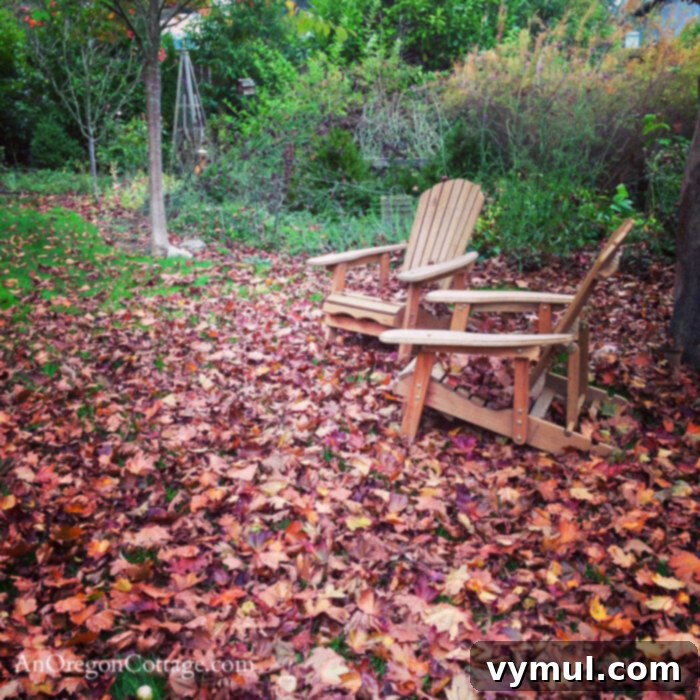
- Bring in houseplants and tender outdoor plants: Before the first hard frost hits, ensure all your houseplants that enjoyed a summer outdoors are brought back inside. Check them carefully for pests and treat as necessary before introducing them to your indoor environment. Similarly, any tender outdoor plants that won’t survive freezing temperatures should be brought indoors or into a protected garage or greenhouse.
- Clean and store garden tools: Proper tool maintenance extends their lifespan and saves you money. Clean all soil and debris from shovels, rakes, hoes, and pruners. Sharpen any cutting tools, and apply a light coat of oil to metal parts to prevent rust. Store them in a dry, protected area. Here are the simple steps I take for garden tool care, which can be done in fall or spring.
- Drain irrigation systems and water features: To prevent costly damage from freezing pipes, thoroughly drain your irrigation systems, including sprinklers and drip lines. Disconnect and coil garden hoses, storing them indoors. Insulate outdoor spigots and valves. For water features and fountains, drain them completely, clean out any debris, and store pumps indoors. Cover the empty basin if necessary to protect it from harsh weather.
- Apply lime to lawns: If your soil pH is low (acidic), November can be a good time to apply lime to your lawn. A soil test will confirm if liming is necessary and how much to apply. Lime helps to raise the soil pH, making nutrients more available to grass roots and improving overall lawn health, leading to a greener, lusher lawn in spring.
- Rake and compost leaves: While leaving some leaves can be beneficial, excessive layers can smother lawns. Rake fallen leaves and consider composting them to create nutrient-rich leaf mold, a fantastic soil amendment. For a quick mulch or compost accelerator, run a lawnmower over the leaves a couple of times before collecting them. Shredded leaves also make excellent insulation for tender plants or winter vegetable beds.
- Clean and store patio furniture and cushions: Protect your outdoor living investment by cleaning patio furniture and cushions before winter. Wash furniture with mild soap and water, allowing it to dry completely. Store cushions in airtight containers in a dry place to prevent mold, mildew, and rodent damage. Covering furniture or storing it indoors will significantly extend its life.
Explore all our month-by-month garden chores lists here for year-round guidance.
Seeking additional simple gardening tips to make your life easier?
- Organic Vegetable Gardening 101: Your Beginner’s Guide
- How to Plant a Garden the Easy Care Way: Less Work, More Harvest
- 5 Essential Steps to Take Now For Your Best Garden Ever (Includes Free Printables!)
By diligently working through these November garden chores, you’re not just preparing your outdoor space for winter; you’re laying the groundwork for a more robust, beautiful, and productive garden next spring. Embrace the cooler weather as an opportunity for thoughtful care, and you’ll be rewarded with a garden that thrives year after year.