Budget-Friendly Elegance: Transform Thrift Store Trophies into Chic Home Decor with Spray Paint
There’s an undeniable thrill in discovering design inspiration, whether it springs from glossy magazine pages, captivating catalogs, or clever advertisements. My eyes aren’t just scanning for items to buy; they’re constantly searching for those “Aha!” moments that spark a DIY project. The satisfaction of spotting a high-end decorative piece and thinking, “I can absolutely make that myself for a fraction of the cost!” is truly one of the greatest joys of creative living.
This feeling is amplified when you frequently explore the hidden treasures within thrift stores, garage sales, and bustling flea markets. Over time, you develop a keen eye for the types of forgotten items that can be easily transformed. This familiarity makes it incredibly simple to envision how a discarded trinket can be reimagined to replicate an expensive design trend, all while keeping your budget happily intact.
The Inspiration: High-End Look, Low-Cost Vision
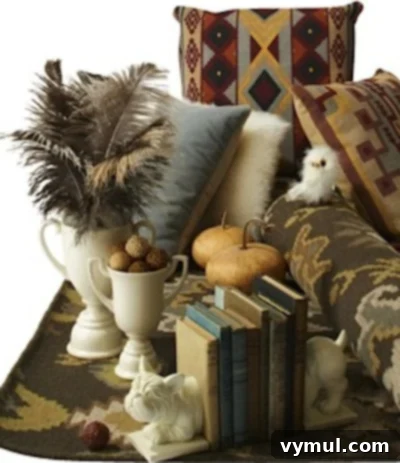
The catalyst for this particular project was a stylish collection of white trophy-shaped vases I spotted in a Target advertisement about a month ago. Their clean lines and modern aesthetic immediately caught my attention. I’ve always been a fan of classic trophy shapes, and seeing them presented in a crisp, monochromatic white felt fresh and sophisticated. However, my immediate thought wasn’t to rush to Target; instead, it was to recall the countless plastic trophies I’d seen gathering dust on shelves in various second-hand shops. A lightbulb moment occurred: these humble, often brightly colored plastic relics could be easily transformed into elegant decor pieces with just a simple coat of spray paint.
Ah, yes… paint again. It truly is a miracle worker in the world of DIY. It possesses an incredible ability to completely revitalize an object, masking its past imperfections and giving it a brand-new identity. From furniture to small decorative accents, a well-chosen spray paint can drastically alter the perception and value of an item.
While it’s true that a single small trophy vase from Target might not break the bank at $14.99, and it boasts a ceramic construction, there’s a certain fleeting quality to trendy decor items. Investing significantly in something that might feel dated in a year or two isn’t always the most practical approach for budget-conscious decorators. Recreating the look for less offers a smart way to stay current with design trends without financial commitment. Furthermore, if you desire a cohesive grouping of several pieces, as often seen in styled vignettes, those individual costs quickly accumulate, making the DIY approach even more appealing.
The Hunt: Sourcing Your DIY Trophies
The journey to creating these elegant white trophies began, as many of my best projects do, with a treasure hunt. I dedicated an afternoon to exploring my favorite local thrift stores, keeping an open mind but specifically searching for items with a classic trophy silhouette. The beauty of thrift store shopping lies in its unpredictability; you never know what gems you might uncover. Within a couple of hours and two different store stops, I struck gold.
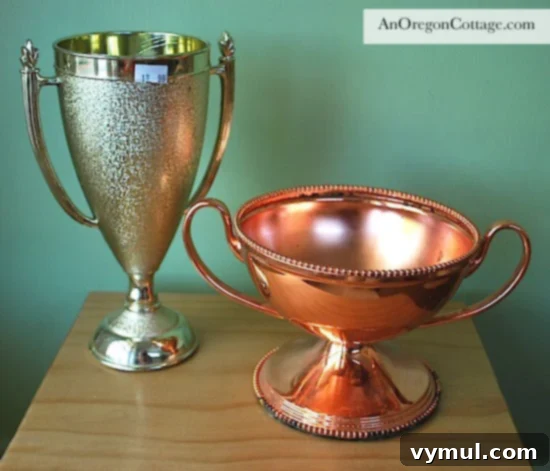
I proudly returned home with two distinct plastic trophies, each a testament to a bygone achievement, now poised for a stylish second act. The cost? A mere 99 cents each! This immediate cost savings is a huge motivator for DIY projects. For less than $2, I had the foundational pieces for my transformation. As I prepared my finds for their makeover, another unexpected treasure materialized. A small, charming metal sugar bowl, with its graceful curves and handles, possessed an unmistakable trophy-like appeal. It was an instant decision to add it to the collection, ensuring a varied and interesting grouping of shapes.
The Transformation Process: Mastering the Art of Spray Painting
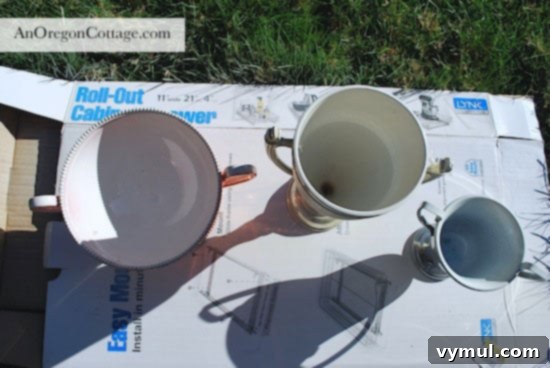
Now, for the most crucial step: the paint. I opted for Rustoleum’s Heirloom White spray paint, a color known for its soft, elegant finish that perfectly mimics the ceramic look I was aiming for. Before even thinking about paint, proper preparation is key. I thoroughly cleaned each trophy, ensuring they were free of dust, grime, and any residual stickers. For plastic items, a light scuff sanding can sometimes help the paint adhere better, though it wasn’t strictly necessary for these particular pieces. For the metal sugar bowl, a quick wipe-down with rubbing alcohol helped remove any oils.
I have to be honest – achieving that perfectly smooth, streak-free finish required a fair amount of patience. These pieces took quite a few light coats of spray paint, meticulously applied over a couple of days. Interestingly, the tall, super lightweight plastic trophy was a pleasant surprise; it took to the paint like a duck to water, requiring fewer coats and adhering beautifully right from the start.
However, the copper-colored plastic trophy and the darker silver sugar bowl presented a bit more of a challenge. Their original hues were quite stubborn and required more coats to achieve full, opaque coverage. But this longer process, spread out over several days, is absolutely vital. The secret to a flawless, professional-looking spray paint finish lies in applying numerous **light, even coats**, allowing adequate drying time between each application. This technique is paramount for preventing dreaded runs, drips, and unsightly globby patches that can ruin an otherwise perfect project.
The Golden Rule of Spray Painting: Light Coats are Key
My journey into the world of spray painting wasn’t always so smooth. In my earlier DIY days, I was often too eager to “get this baby done!” and would attempt to cover items in just one or two heavy coats. The results were predictably disappointing: tacky surfaces, visible drips, and an amateurish finish that left much to be desired. It was a classic case of live and learn. Through trial and error, I fully embraced the concept of patience and precision, understanding that a superior finish is built layer by meticulous layer.
Here’s why light coats are so crucial:
- **Prevents Drips and Runs:** Applying too much paint at once saturates the surface, causing excess liquid to pool and run down the item. Light coats allow the paint to adhere and dry evenly without gravity working against you.
- **Better Adhesion:** Thin layers bond more effectively to the surface, creating a stronger, more durable finish that is less prone to chipping or peeling.
- **Even Coverage:** Multiple thin coats build up color gradually, ensuring a uniform appearance without patchy areas or visible brushstrokes (which aren’t an issue with spray paint, but uneven application still is).
- **Faster Drying Times:** Each light coat dries much quicker than a thick, heavy coat, reducing the risk of dust or debris settling into wet paint and allowing you to apply subsequent layers sooner.
- **Smoother Finish:** The cumulative effect of several light coats is a much smoother, more professional-looking surface that mimics factory finishes.
I generally recommend holding the spray can about 8-12 inches away from the object and using a steady, sweeping motion. Overlap each pass slightly, and always keep the can moving to avoid concentrating too much paint in one spot. And remember, ambient temperature and humidity can affect drying times, so always check the manufacturer’s instructions on the can.
The Grand Reveal: Styling Your Upcycled Treasures
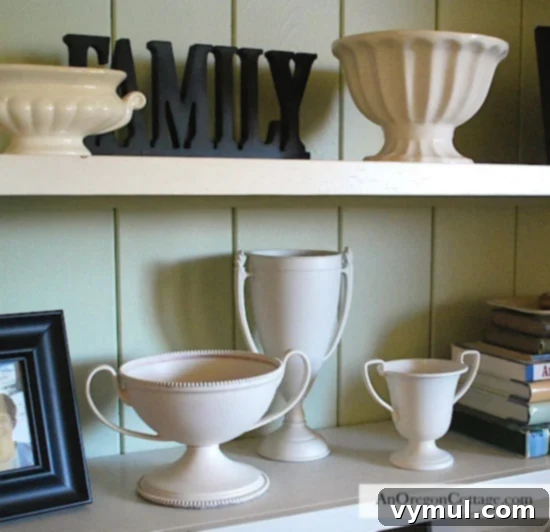
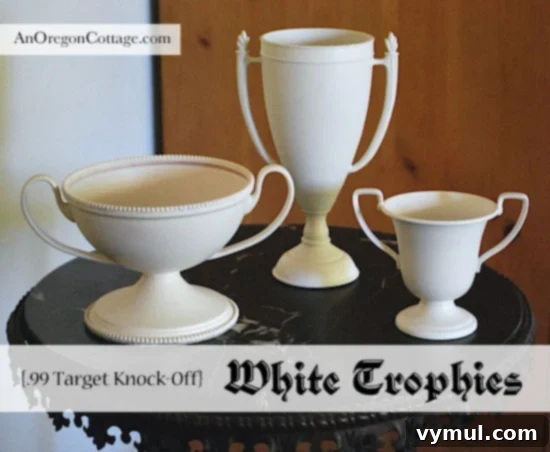
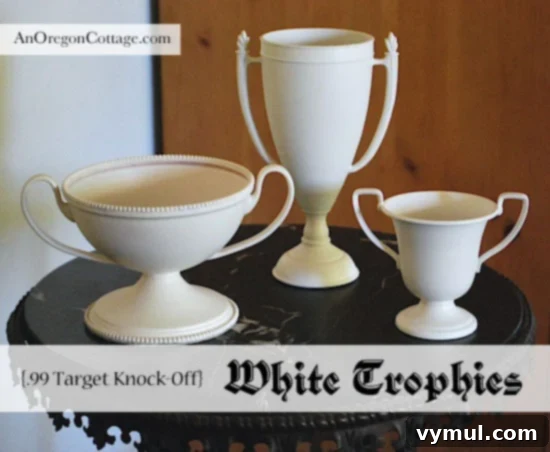
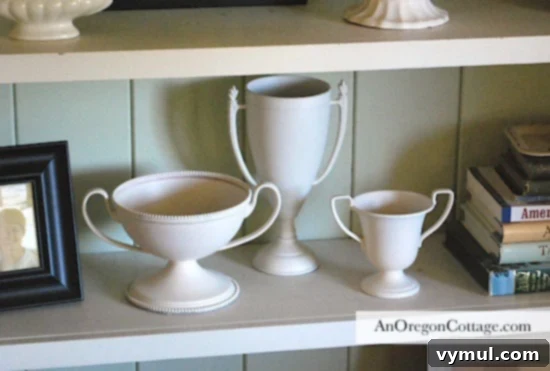
When the final coats had dried and cured completely, I was genuinely delighted with the outcome. The once-gaudy plastic and utilitarian metal pieces had been transformed into sophisticated, cohesive decorative accents. Their new Heirloom White finish gives them a refined, almost ceramic appearance that perfectly complements my existing decor. They now reside proudly on our living room shelves, adding a touch of understated elegance. They coordinate beautifully with the other white ceramic pieces I’ve collected over time, creating a harmonious and layered display.
The Unbeatable Value of DIY Decor
Let’s talk numbers, because the cost savings here are truly remarkable. The total expenditure for these three transformed pieces amounted to just $3.00 (or, to be precise, $2.97 for the trophies themselves), plus approximately a quarter of a can of spray paint, which I’ll estimate at another dollar. So, for a grand total of around $4, I achieved a current, stylish look that would have cost nearly $45 if I had purchased three comparable items new. This substantial difference highlights the incredible value of embracing DIY projects and upcycling.
Of course, I acknowledge that my recreated trophies aren’t identical to the Target originals; they vary in size and material. However, when viewed as a collection and integrated into a styled space, don’t you agree they do an exceptional job of replicating the desired aesthetic? Especially when considering the budget-friendly price point of just four bucks, the transformation is nothing short of triumphant. Cha-ching!
Join the Thrift Store Transformation Journey
 This trophy upcycle marks day 10 in our ongoing series dedicated to the art of thrift store transformations. You can easily click on the button provided to explore all the inspiring posts within this category. If you’re new to our series and curious about what it entails, I encourage you to read the introduction to 31 Days of Thrift Store Transformations here. For the purpose of this series, I’m taking a bit of creative liberty with the term “thrift store,” using it as a broad umbrella for anything you acquire used and affordably – be it from a traditional thrift shop, a bustling garage sale, an estate sale filled with forgotten treasures, or a vibrant flea market. The core idea remains the same: finding potential in pre-loved items and giving them a new life with a touch of creativity and effort. Happy hunting and happy transforming!