Revitalizing Our Outdoor Space: A Comprehensive Backyard Deck Transformation
Our backyard deck makeover has been a journey of patience and persistent effort, but we are thrilled to report significant progress! This isn’t one of those quick weekend projects, but the steady transformation is incredibly rewarding, proving that even the most daunting home improvement tasks can be tackled one step at a time. It’s a testament to the power of a clear vision and dedicated work.
For those who are new to our story, or as a refresher, let’s cast our minds back to what we inherited when we first moved into this home six years ago. The existing structure was, to put it mildly, an outdoor behemoth with little charm or functionality.
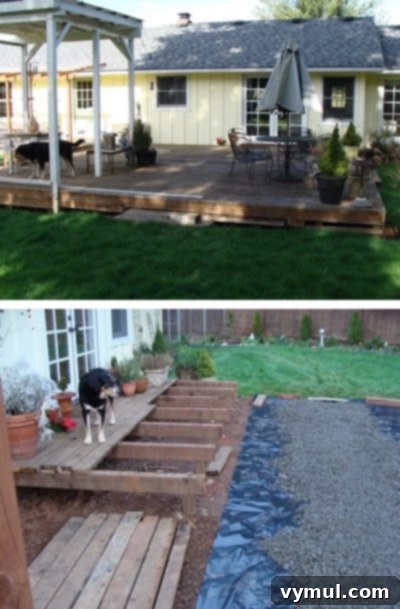
The previous deck was absolutely gargantuan in size. It stretched across a vast expanse of the backyard, dominating the space. Its design was starkly square, lacking any interesting angles or architectural details that might have broken up its monotony. More critically, it felt devoid of purpose. Being only about a foot off the ground, it didn’t offer the elevated perspective or distinct separation from the yard that many decks provide. Instead, it simply felt like an unnecessarily large, flat platform that consumed valuable outdoor real estate without offering much in return.
One of the biggest challenges was figuring out how to utilize such an expansive, bare decking area. Its sheer size made it difficult to envision functional zones or create inviting seating arrangements. There was a peculiar, shed-like roof structure in one corner which added to the confusion rather than providing a solution. It was too exposed to truly function as an outdoor “room,” yet its heavy, somewhat clunky roof gave it an awkward, out-of-place appearance. This feature, combined with the overall lack of thoughtful design, made the entire deck feel uninviting and impractical for relaxation or entertainment.
To compound these issues, the deck received full southern exposure. This meant that during the peak summer months, it became extremely hot and uncomfortable, making it virtually unusable for most of the day. The intense sun made spending any significant time out there a challenge, often driving us indoors despite the beautiful weather. All these factors combined meant there was very little to entice us or our guests to spend quality time in the backyard, severely limiting our outdoor living potential.
However, if I’m being completely candid, we might have tolerated that oversized, uninspired deck for a while longer if it weren’t for a far more pressing and dangerous issue that emerged:
The discovery of extensive rotting wood signaled the inevitable end of the old deck. Some sections were merely patched over, a clear sign of past attempts at superficial repair, while others had outright holes and weakened spots. This wasn’t just an aesthetic problem; it was a significant safety hazard. In Oregon, where rain is a frequent visitor, the deck became treacherously slippery when wet, posing a real risk of falls. Replacing it with a similar structure, one we didn’t even like, would have incurred a presumably huge cost that we weren’t prepared to spend. This dangerous deterioration finally gave us the impetus to rethink our entire backyard space and embark on a complete transformation, rather than a mere replacement.
The Transformation Begins: From Demolition to Dream Patio
A few months ago, Brian bravely began the arduous process of dismantling the old deck, piece by rotten piece. This wasn’t just demolition; it was the first tangible step towards realizing a vision we’d harbored for years – a functional, beautiful, and inviting outdoor sanctuary.
Step One: Strategic Demolition and Gazebo Foundation. The initial phase involved carefully pulling up the deck boards from around the corner structure. Crucially, the decking directly underneath this corner structure was left intact. This section, thanks to its protective covering, had been spared from the rot that plagued the rest of the deck. Our plan was to cleverly repurpose this sound foundation, transforming the once awkward roof-thing into a charming gazebo-style shelter. This future gazebo will eventually feature elegant railings, inviting steps, and a more aesthetically pleasing roof, providing a dedicated, shaded retreat within our new backyard landscape.
Step Two: Complete Deck Board Removal and Recycling. With the gazebo area secured, the next major task was to remove the remainder of the deck boards. This was a labor-intensive process that involved a meticulous sorting effort. Any boards that were still in good condition were carefully stockpiled for potential future use or donation, embodying our commitment to sustainability and resourcefulness. The vast majority, however, were unfortunately rotten and beyond salvage. These unusable boards were then transported to a local landscape supply company that specializes in recycling treated wood. They process this material into something called “hog fuel,” which is often used in biomass energy production or as ground cover. While there’s a minimal fee for this disposal service, it’s a small price to pay for responsible waste management and the satisfaction of knowing we’re not contributing to landfills unnecessarily.
Step Three: Essential Ground Preparation and Preservation. Once the old deck boards were gone, we were left with exposed mud, a less than ideal surface, especially with a playful dog in the house. To prevent our furry friend from tracking mud indoors, a very important and practical step was to lay down a protective layer of plastic sheeting, followed by a generous layer of gravel. This created an immediate, clean, and stable surface, transforming the muddy expanse into a functional patio area. During this phase, we also carefully preserved certain elements of the original structure: a small porch-deck directly off the French doors leading from the house, and the robust posts and 4″x6″ treated beams that remained in perfect structural condition. These salvaged components provide a valuable framework for the new design and demonstrate how existing sturdy materials can be integrated into a fresh vision.
As part of reinforcing the new gazebo structure, Brian expertly added specialized deck blocks. These blocks provide crucial support specifically in the areas where the original 4″x6″ beams were cut to accommodate the new layout, ensuring the gazebo’s stability and longevity. This attention to structural detail is paramount for creating a safe and durable outdoor living space that will withstand the elements for years to come.
Step Four: Defining Spaces with Walkways and Edging. With the main patio area established, the next crucial step was to create functional and aesthetic pathways. We installed new walkways leading from the back doors of the house directly to the new gravel patio. This includes one path specifically connecting to the laundry/mud room, providing easy and clean access for utility, and another on the opposite side, leading from the master bedroom’s French door, creating a private and inviting entrance to the outdoor space. To neatly contain the gravel and provide a crisp edge to the entire area, we meticulously added cement edgers all around the perimeter. These edgers not only prevent gravel migration but also define the various outdoor “rooms” we are creating, giving the space a more structured and finished appearance.
Step Five: Crafting Steps and Planning Greenery. Currently, we are in the midst of building the steps for both the new gazebo and the remaining small back porch. This phase requires precision and an eye for both safety and aesthetics. Brian is also diligently patching any remaining sections of wood as needed, ensuring all structural elements are sound and visually appealing. Looking ahead, our plans include establishing charming small planting beds on each side of the steps. These beds will soften the hard lines of the pathways and gazebo, introducing vibrant greenery and floral accents that will truly bring the outdoor space to life. We envision these beds filled with drought-tolerant plants and herbs, enhancing both beauty and functionality.
Envisioning the Future: A User-Friendly Outdoor Oasis
Can you already see how this space is taking shape and becoming infinitely more “user friendly” than its predecessor? The transformation is already dramatic. I can vividly picture the completed gazebo adorned with elegant rails, a comfortable daybed for lounging, a small table and chairs for intimate meals or morning coffee, and perhaps even an outdoor chandelier to cast a warm glow in the evenings. Sheer canvas curtain panels could be added for privacy or protection from the sun, creating a truly luxurious and versatile outdoor room. What are your thoughts on this vision? We believe it will become the perfect spot for relaxation, reading, or simply enjoying the backyard ambiance.
And this particular area is what I’m most excited about – my new herb garden, conveniently located right outside the back door! This practical addition addresses a long-standing desire. I finally won’t have to constantly water numerous pots, which was a time-consuming chore. Furthermore, my experience at our previous house taught me that herbs planted directly in the ground thrive so much better, producing healthier, more abundant yields. This new garden will provide fresh ingredients just steps away from the kitchen, enhancing our culinary adventures and adding a delightful aromatic element to the backyard.
As you can clearly see from the progress, we still have quite a bit of work ahead of us to bring every detail of this grand vision to fruition. However, witnessing years of careful planning and dreams finally take tangible shape is immensely rewarding and genuinely fun. This reconfigured outdoor area simply makes so much more sense to us now. The design incorporates various garden “rooms,” each with its own character and purpose, which keeps the entire space interesting and inviting. Even in its unfinished state, we already notice a significant improvement: losing the imposing old deck has undeniably made the yard appear much larger and more expansive. On the few occasions the sun has graced us with its presence, the cool gray gravel has proven to be substantially cooler underfoot than the scorching hot deck ever was, a welcome relief in the summer heat.
In my grandest dreams, I envision an even more elaborate setup: a real, fully-fledged porch complete with a peaked roof, screened in to keep pesky bugs at bay, and perhaps even a paver patio for a truly premium finish. However, current budget realities steer us towards this current design, utilizing gravel as the primary patio surface. Interestingly, I’ve recently seen gravel patios featured in a number of upscale garden magazines, often associated with very European garden aesthetics. This trend helps to make our gravel patio feel less “unfinished” and more intentionally designed, lending it a sophisticated charm that we truly appreciate.
One practical consideration that remains to be fully tested will be the comfort and stability of sitting at a table and chairs when they are positioned directly on the gravel. We plan to address this by selecting appropriate outdoor furniture designed for uneven surfaces or by placing stabilizing pads under the furniture legs. This ongoing project is a testament to the fact that with creativity and perseverance, even a rotting, unloved deck can be transformed into a beloved outdoor haven.