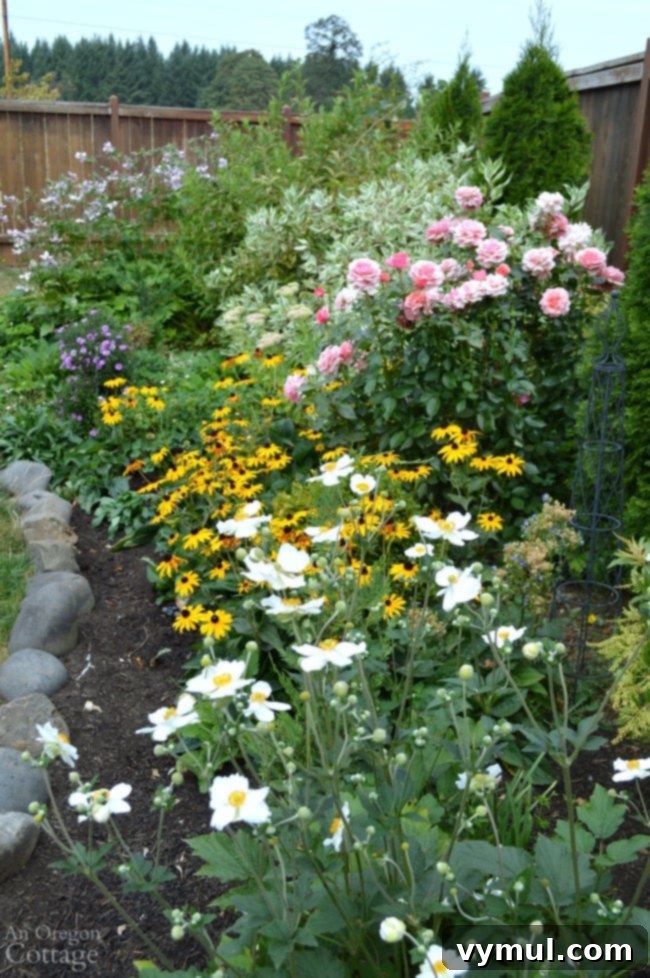
Revitalize Your Summer Garden: Essential Pruning & Deadheading for Abundant Fall Blooms
Give your shrubs and perennials some summer attention with these tips and techniques to prune and deadhead to revive them and keep them blooming into the fall. Discover how simple garden tasks can extend your flowering season and maintain a vibrant, healthy landscape.
Some links in this article are affiliate links, and if you click on them, I will receive a small commission at no cost to you. This helps support the creation of valuable content like this.
Feeling that familiar mid-summer gardening slump as the heat intensifies and the initial burst of spring and early summer blooms begins to wane? It’s a common sentiment! The thought of battling the heat to tend to the garden can feel daunting. However, I’ve learned that dedicating just a little time – perhaps a concentrated hour, or even several 15-minute bursts – in late July and August to deadhead and prune my flowering plants can yield incredible benefits. This small investment of effort can result in weeks, and even months, of continued vibrant blooms.
With this in mind, I’m excited to share a comprehensive guide on how to effectively prune and deadhead your shrubs and perennials. These techniques are designed to encourage a prolonged flowering season, ensuring your garden remains a colorful haven well into the crisp days of fall.
Do you routinely prune back and remove spent flowers (a practice known as “deadheading”) from your shrubs and perennials during the summer months? Many gardeners aren’t aware of the significant impact this simple task can have. Did you know that for some plants, a timely trim now can stimulate a remarkable surge in new blooms, whereas neglecting this step might mean missing out on a spectacular autumn display?
For many years, I was in the latter group. But once I realized the potential for extending my garden’s beauty into fall without the need for additional planting, I made it a priority. Now, as July draws to a close and August begins, I deliberately set aside time to tidy up my garden, focusing on pruning and deadheading to cultivate that desired late-season color. It’s truly a game-changer for garden longevity.
Beyond the promise of more blooms, there’s a wonderful bonus: trimming and removing any browning or faded foliage significantly helps to revive the overall appearance of your garden. This keeps it looking fresh, healthy, and inviting, allowing you to fully enjoy those remaining warm summer days and the transition into autumn.
How to Prune and Deadhead Perennials and Shrubs in Summer for Continuous Blooms
Mid-summer garden maintenance doesn’t have to be complicated. By understanding the basics of pruning and deadheading, you can dramatically improve the health and aesthetic appeal of your plants. This section will walk you through the essential steps and considerations for these vital gardening tasks.
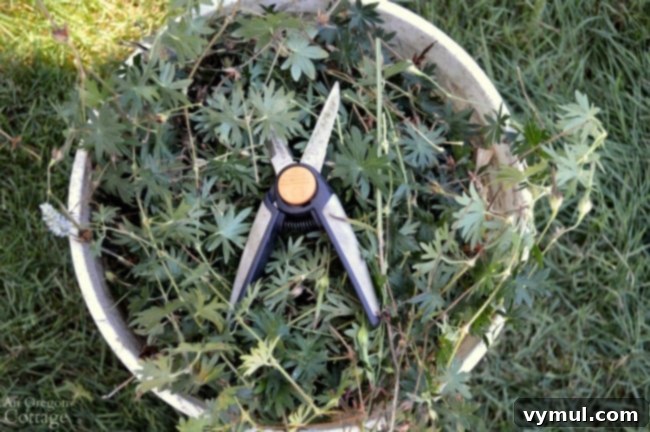
Supplies Needed for Summer Garden Refresh
Thankfully, this rewarding garden project requires minimal specialized equipment. Most gardeners will already have the necessary tools on hand, making it an accessible task for everyone. Here’s what you’ll need:
- Hand Pruners or Clippers: Deadheading often involves more delicate work than heavy pruning, so a good quality, sharp pair of hand pruners is essential. I’ve found that a multi-snip tool can be particularly useful for precise cuts on spent blossoms. For thicker stems, bypass pruners are typically preferred as they make clean cuts, ideal for plant health. Make sure your tools are clean and sharp to prevent damage to plants and the spread of disease. You can learn more about proper pruning techniques in a general guide like how to prune with confidence.
- Gardening Gloves: Protecting your hands is crucial, especially when dealing with thorny plants like roses or plants with irritating sap. I always go through several pairs of gloves each season. Look for lightweight yet sturdy gloves that offer good dexterity while protecting your fingertips from wear and tear. Having extra pairs is also handy if you recruit garden helpers!
- A Bucket or Tarp: For collecting your clippings. This makes cleanup significantly easier, helping to keep your garden tidy and preventing potential pest or disease issues that can arise from decaying plant matter left on the ground.
- Optional: Tool Sharpener and Disinfectant: Keeping your pruners sharp ensures clean cuts, which heal faster and reduce stress on the plant. Disinfecting your tools (with rubbing alcohol or a bleach solution) between plants, especially if you notice signs of disease, is a best practice to prevent pathogen spread.
Clarifying Key Terms: Deadheading vs. Pruning
While often used interchangeably by casual gardeners, “deadheading” and “pruning” are distinct practices with different goals, though they both involve cutting parts of a plant. Understanding the difference is key to effective summer garden care.
- Deadheading: This specifically refers to the removal of spent, faded, or dead blossoms from plants. The primary purpose of deadheading is to prevent the plant from producing seeds, which diverts its energy. By removing these spent flowers, you encourage the plant to channel its energy into producing more blooms, promoting a longer and more vigorous flowering period. It also improves the plant’s aesthetic appearance by removing unsightly withered flowers.
- Pruning: This is a broader term that encompasses the removal of any part of a plant – whether it’s large branches, small stems, leaves, or even roots. In the context of summer garden maintenance, pruning typically refers to lighter trims aimed at shaping the plant, improving air circulation, removing diseased or damaged parts, or reducing its overall size to fit a specific space. Unlike structural pruning (often done in dormant seasons), summer pruning is usually about refinement and encouraging healthy growth, not major overhauls.
General Pruning and Deadheading Tips for Mid-Summer Success
Implementing effective pruning and deadheading techniques can dramatically extend your garden’s beauty. Here are some general guidelines to ensure you’re making the right cuts for healthier, more prolific plants.
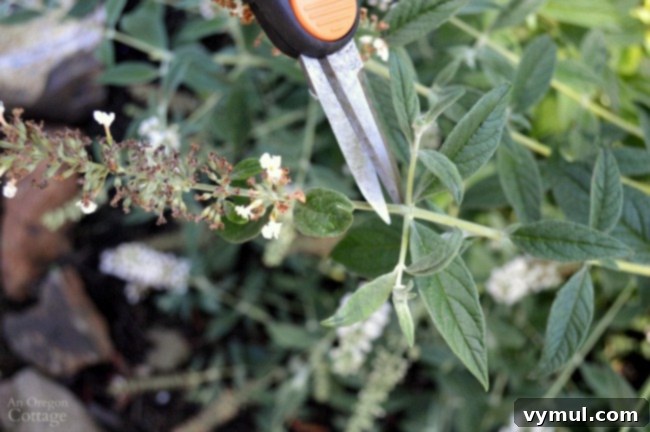
Where to Cut Spent Blooms for Optimal Regrowth
For most of your perennials and shrubs that have finished their initial bloom cycle or are still producing flowers, the fundamental step is to clip off the spent blossoms – that is, to deadhead. Knowing precisely where to make these cuts is crucial for stimulating new growth and future blooms.
There are two primary considerations for determining the ideal cutting point:
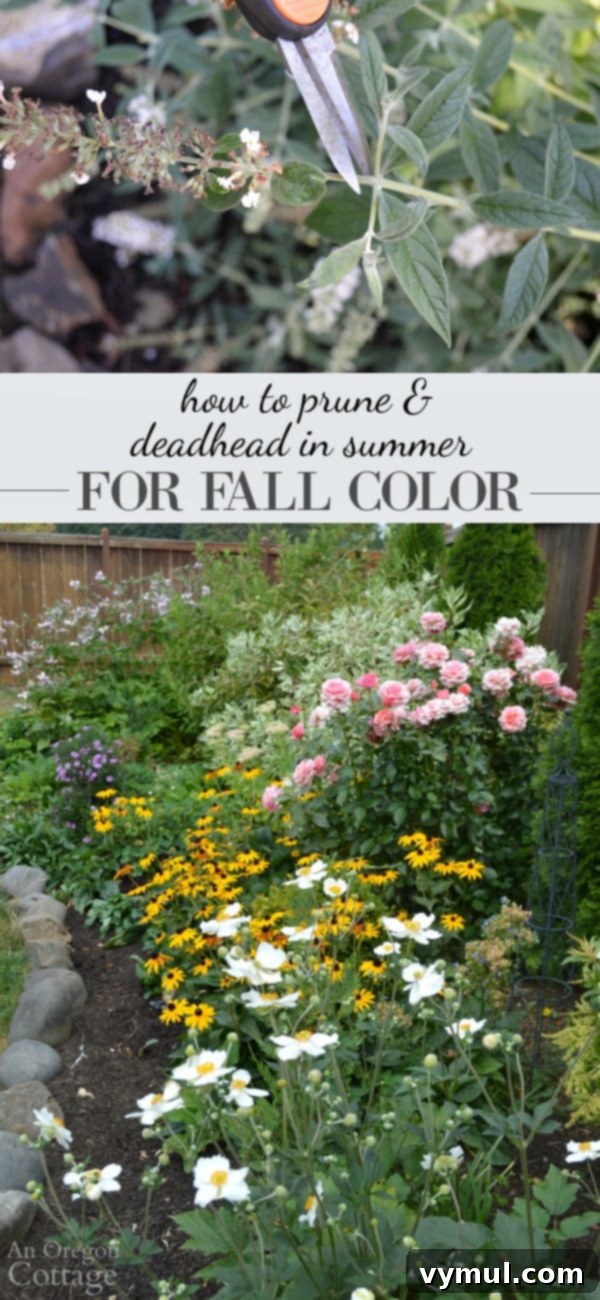
- Cutting Back to the First New Growth: This is the most common and generally recommended method for encouraging a second flush of blooms. Look for the first set of healthy leaves or a visible new shoot below the faded flower. For example, with plants like Buddleia (butterfly bush), as shown above, you’ll notice small new shoots developing along the stem below the old flower. By cutting just above these new shoots, you direct the plant’s energy into developing these new growth points, which will then produce fresh blossoms. This is particularly effective for compact varieties, such as the Lo & Behold ‘Ice Chip’, ensuring continuous blooming well into the fall. Make your cut at a slight angle, about 1/4 inch above an outward-facing bud or leaf node, to encourage growth away from the center of the plant.
- Cutting Back Further for Shaping or Size Control (Pruning): Sometimes, you may want to do more than just deadhead; you might aim to control the plant’s size or maintain a specific shape. In these instances, you can cut back further down the stem. While still looking for healthy new growth, you might choose a node that is deeper within the plant, or even remove a significant portion of the stem. This approach is more akin to light summer pruning. It helps prevent the plant from becoming leggy or overgrown, ensuring it remains a pleasing shape and fits the available space in your garden border. This method also improves air circulation, which can reduce the risk of fungal diseases.
Regardless of where you cut, always ensure your tools are sharp and clean to make a precise cut, which helps the plant heal quickly and minimizes stress.
Clipping and Snipping for a Tidy Appearance
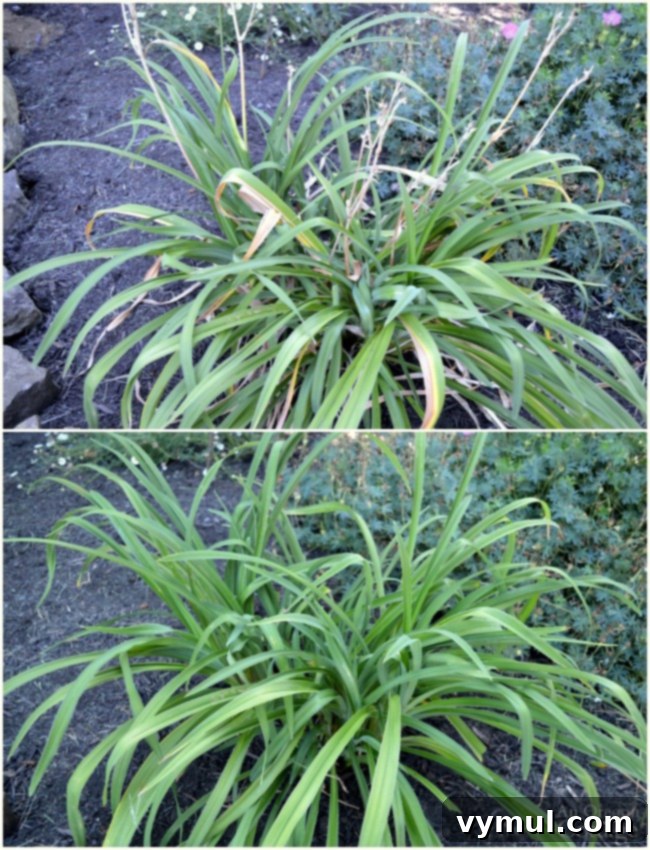
Beyond simply removing spent flowers, many plants will also develop dead or browning foliage, especially after their main bloom period. Plants like the daylily pictured above often present with both dead flower stalks and yellowing leaves. Taking the time to meticulously remove this unsightly and unproductive material – both the faded blooms and the browning leaves – goes a long way in helping your garden maintain a fresh, healthy, and vibrant appearance well into the fall. This practice not only enhances aesthetics but also redirects plant energy from maintaining dying tissue to supporting new, healthy growth.
For daylilies, specifically, some varieties, such as the popular reblooming Stella d’Oro, are known to continue producing new flower stalks if their spent ones are diligently removed. This encourages successive flushes of cheerful blooms. However, many other daylily varieties, while not reblooming, will still benefit from the removal of their dead flower stalks. Even if they don’t produce more flowers, they will continue to provide lush, grass-like foliage, which serves as an excellent green backdrop to other late-season bloomers in your garden.
When clipping, try to remove the entire flower stalk down to the base of the plant or to where it meets healthy foliage. For browning leaves, snip them off at their point of origin to clean up the plant. This detailed clipping and snipping contributes significantly to the overall vigor and neatness of your garden landscape.
Shearing for Rejuvenation and Repeat Blooms
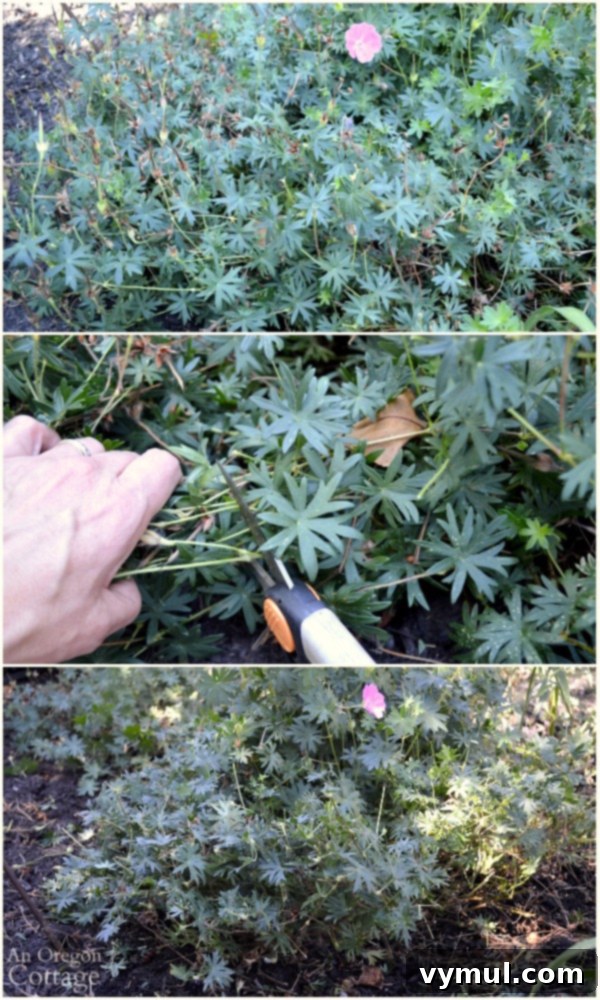
For perennials that are densely covered with numerous smaller blooms, individual deadheading can be an overwhelming and time-consuming task. In such cases, the most efficient and often beneficial method to remove all the spent blossoms and rejuvenate the plant is to simply shear the entire plant back. This technique is particularly effective for plants like hardy geraniums, Catmint (Nepeta), certain Salvias, and even some types of Lavender (if done carefully and not cutting into old woody stems).
How to Shear:
- Gather Sections: Use one hand to gently gather sections of the plant’s spent flower stalks and foliage. This makes it easier to cut uniformly.
- Make the Cut: With your sharp clippers or shears, cut off the entire gathered section. Aim to remove most of the faded blooms and any tired-looking foliage. The goal is to reduce the plant by about one-third to one-half of its current height, focusing on removing the spent flower heads.
- Work Around the Plant: Continue this process, moving around the plant until the majority of the spent blooms are gone and the plant has a more compact, refreshed appearance.
- Expect a “Rough” Period: Immediately after shearing, the plant might look a bit stark or “bald” for a week or two. Don’t be alarmed by this initial appearance.
- Anticipate New Growth: Within a short period, typically one to three weeks, the plant will respond by putting out a flush of vigorous new growth and, excitingly, often a fresh wave of new blooms. This rejuvenation keeps the plant from becoming leggy and encourages a denser, more attractive form, extending its ornamental value into the fall.
Remember to avoid shearing plants that bloom on old wood (like some early spring shrubs) or those that naturally only bloom once and then produce attractive seed heads (unless you prefer new blooms over seed heads).
Specific Plant Care: Hydrangeas
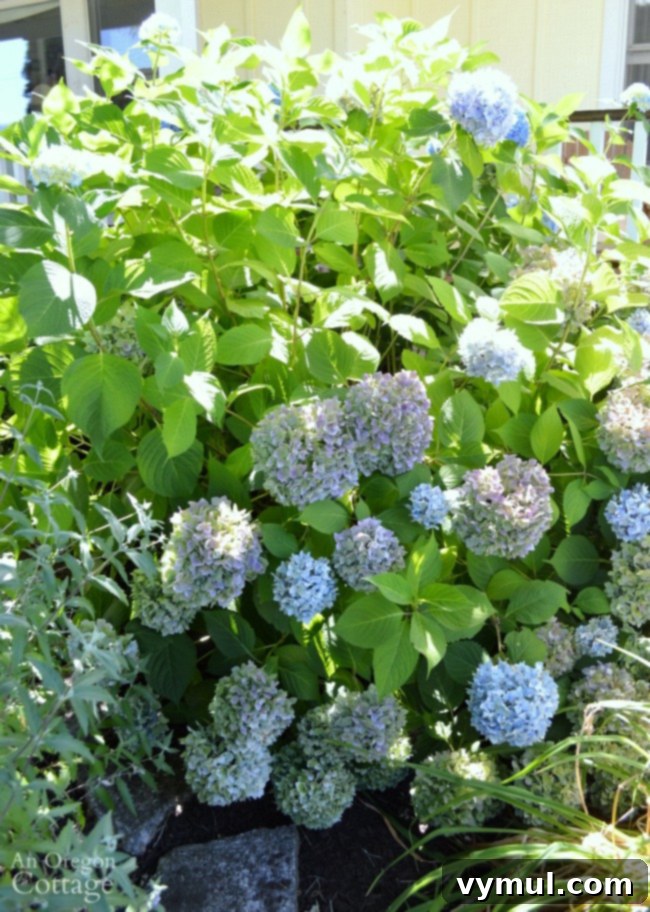
Hydrangea Before.
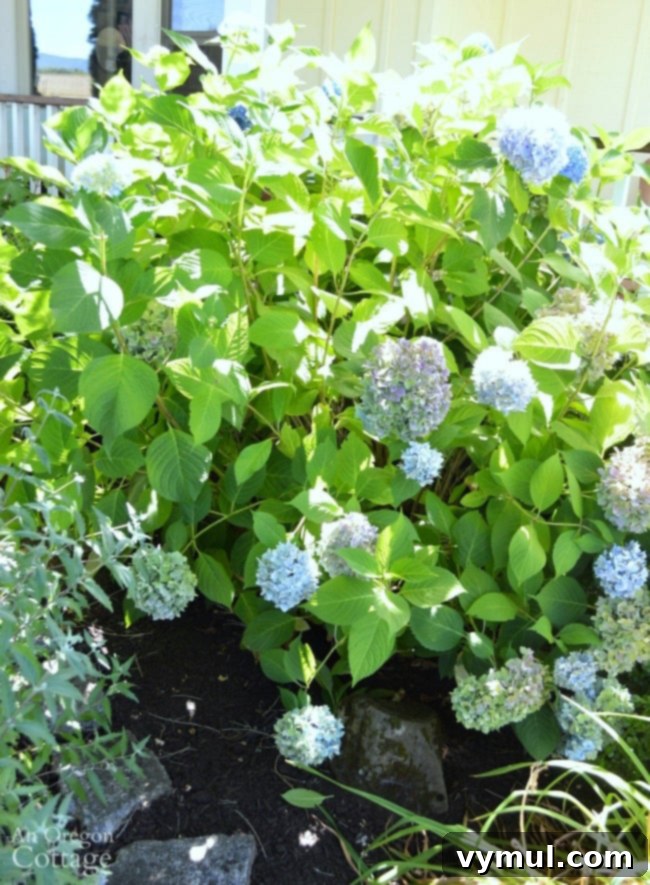
After midsummer pruning.
Hydrangeas are beloved for their spectacular, long-lasting blooms, but even these garden darlings benefit from mid-season attention. For established hydrangeas, particularly those with exceptionally heavy blossoms, you might notice the plant bending and dipping under the weight, sometimes leaving the upper portions looking bare or sparse. Mid-summer is an opportune time to address this.
The perfect approach involves clipping off the oldest, spent blossoms, especially those lower down on the plant that might be causing the stems to flop. Removing these heavy flower heads allows the stems and remaining leaves to spring back into their natural, upright position, improving the plant’s overall form and air circulation.
If you cultivate any of the fantastic reblooming hydrangea varieties, such as those from the popular Endless Summer series (which bloom on both old and new wood), deadheading spent flowers in summer is particularly rewarding. By removing the faded blooms, you actively encourage the plant to produce new flower buds on fresh growth, ensuring a continuous display of blossoms that can last until the first hard frost. For traditional bigleaf (Hydrangea macrophylla) varieties that only bloom on old wood, be mindful not to cut back too aggressively, as this could remove next year’s flower buds. Instead, focus on removing just the spent flower head itself, snipping it off right above the first set of healthy leaves.
This mid-summer pruning not only helps the plant look tidier and more vigorous but also promotes a healthier overall structure for the coming seasons.
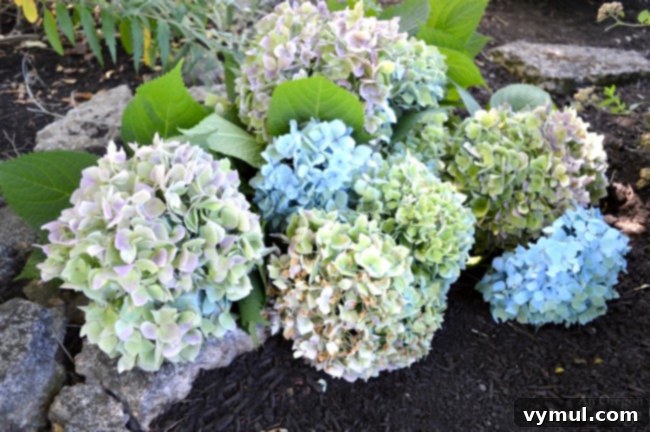
Perhaps the best part about pruning hydrangeas in summer is the immediate gratification it offers. All those beautiful, freshly cut blossoms can be brought indoors, allowing you to fill your home with stunning vases of fresh flowers. It’s a wonderful way to bring the beauty of your garden inside and enjoy the fruits of your labor!
Specific Plant Care: Roses
Roses are quintessential garden plants, offering beauty and fragrance for months. To keep them at their best and ensure continuous flushes of blooms, particularly in summer, specific deadheading and pruning practices are crucial. Mid-season care can make a significant difference in their performance and overall health.
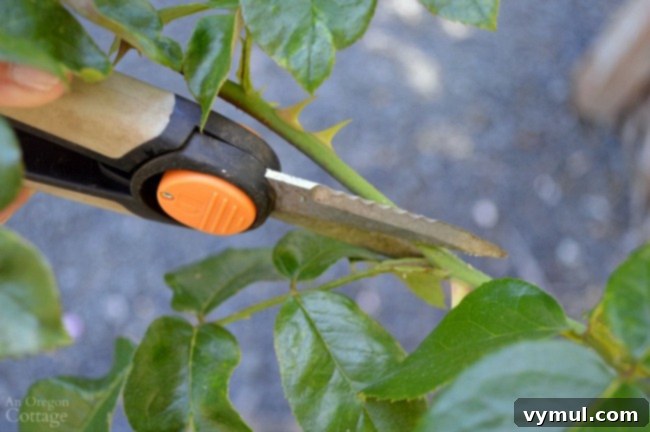
Cut Blossoms for Best Regrowth and Form
You’ve likely been diligently deadheading individual rose blooms as they’ve graced your garden over the past few months. However, simply snapping off the faded flower head isn’t enough to promote robust new growth and repeat blooming. For optimal results, it’s vital to make your cut strategically: always cut back to a five-leaf junction.
A “five-leaf junction” is a point on the stem where a leaf with five leaflets emerges. Below this point, you’ll typically find a dormant bud (or “eye”) that is primed to develop into a strong new shoot. By cutting just above an outward-facing five-leaf junction, you encourage the plant to produce new growth that grows away from the center, promoting good air circulation and a more open, healthier bush. This not only helps your rose shrub bloom faster but also contributes to a more vigorous and shapely plant throughout the season.
The energy the plant would have put into developing rose hips (seed pods) is instead redirected to producing more flowers, ensuring a continuous show of beautiful blooms.
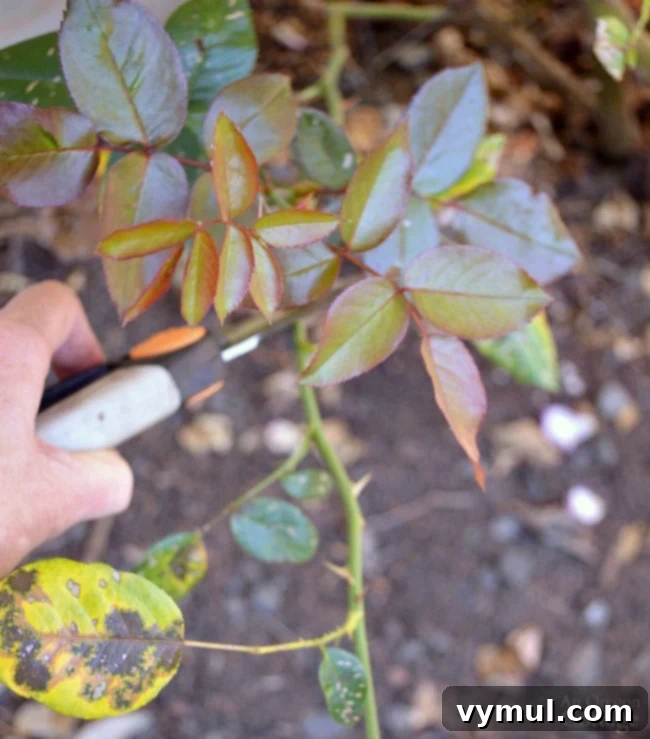
Prune Out Any Diseased or Damaged Parts
Summer is also an important time for sanitation pruning on roses. You’ll want to take this opportunity to cut back to new, healthy growth in order to remove any diseased leaves and stems. For instance, if you live in regions prone to certain fungal issues – like the Pacific Northwest, where blackspot is almost an inevitable challenge for roses – you’ll frequently encounter affected foliage.
Addressing diseased parts promptly is crucial. Not only does it vastly improve the aesthetic appeal of your rose bush, but, more importantly, it helps to stop the spread of disease to new growth and other parts of the plant. Always make sure to cut well below the infected area into healthy tissue. Additionally, ensure you clean your pruning tools with rubbing alcohol or a bleach solution between cuts, especially after dealing with diseased material, to avoid spreading pathogens to healthy plants. Dispose of diseased clippings in the trash, not your compost pile, to prevent recurrence.
By regularly monitoring your roses and performing these strategic summer pruning and deadheading tasks, you’ll ensure a healthier, more beautiful, and continuously blooming display that will be the envy of your neighborhood.
Additional Plants That Benefit from Summer Pruning and Deadheading
While we’ve covered popular shrubs like hydrangeas and roses, many other perennials also thrive with mid-season attention:
- Delphiniums: After their majestic first flush, cut back spent flower stalks to the ground. This often encourages a smaller, but welcome, second round of blooms.
- Salvia: Many perennial Salvias will rebloom vigorously if deadheaded after their initial flowering. Shear them back by about a third to promote new growth.
- Coreopsis: Similar to hardy geraniums, shearing Coreopsis back after its first wave of blooms can lead to another flush of cheerful flowers.
- Larkspur and Snapdragons: These annuals (often treated as perennials in mild climates) will continue to produce flowers if spent ones are removed, preventing them from going to seed.
Remember, the goal is to prevent seed formation and redirect the plant’s energy towards producing more flowers or maintaining healthy foliage. However, always research your specific plant varieties, as some bloom only once and are best left to form attractive seed heads, while others might not respond well to summer pruning into old wood.
Do you have any tips or specific plants that you’ve found respond exceptionally well to deadheading, shearing, or light pruning at mid-season? Share your insights and experiences in the comments below – your knowledge can help other gardeners achieve even more vibrant fall colors!
Disclosure: affiliate links in this article will earn commission based on sales, but it doesn’t change your price. Click here to read our full disclaimer and advertising disclosure.