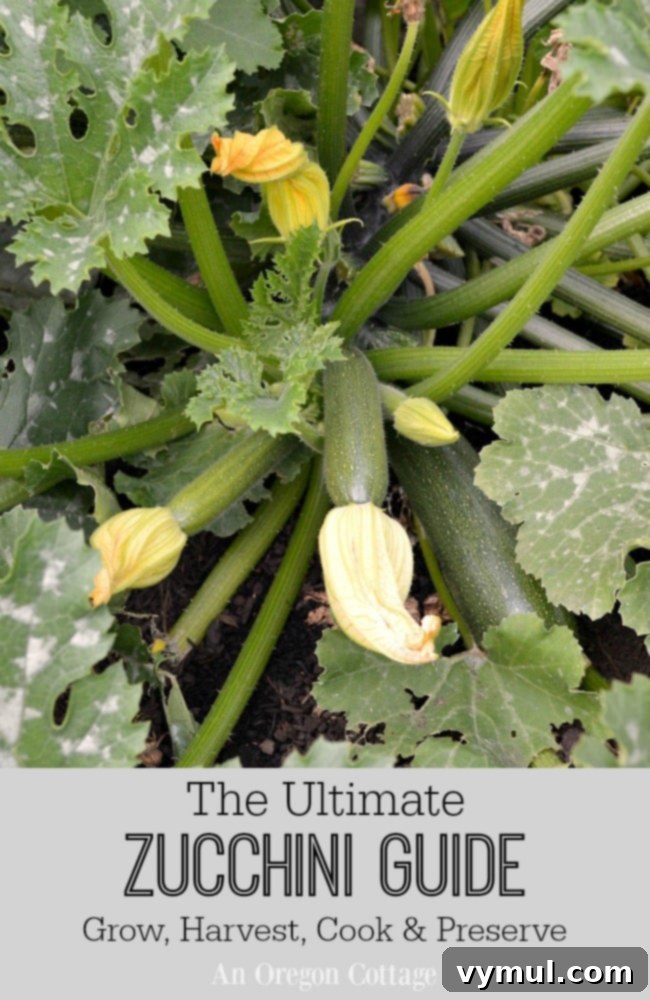
The Ultimate Zucchini Guide: Grow, Harvest, Preserve, and Cook Summer Squash
Welcome to the ultimate zucchini guide, your comprehensive resource for everything related to this wonderfully versatile summer squash! Whether you’re a seasoned gardener looking to maximize your harvest, a novice eager to grow your own, or simply searching for delicious ways to prepare and preserve this abundant vegetable, you’ll find a wealth of information here. This guide covers essential tips for cultivating healthy zucchini plants, including selecting the best varieties, effective strategies for pest and disease management, and a vast collection of creative recipes for cooking and preserving zucchini and other summer squash varieties.
This zucchini guide is part of an ongoing series of Ultimate Guides designed to equip you with comprehensive knowledge about specific fruits and vegetables. In these guides, you’ll discover everything from detailed growing instructions and harvesting techniques to a diverse array of delicious recipes for enjoying your produce, both fresh and preserved. Explore more fruit and vegetable guides here. Some links within this article are affiliate links, meaning that if you click on them and make a purchase, I may receive a small commission at no additional cost to you. Your support helps maintain valuable content like this guide.
Let’s dive into the fascinating world of zucchini, also commonly known as ‘summer squash.’ It often sparks strong opinions – is it a divisive vegetable where you live? Here in Oregon, it’s frequently the subject of lighthearted summer jokes, with tales of gardeners leaving overflowing bags on neighbors’ doorsteps! This reputation stems from its incredible productivity when growing conditions are favorable.
Zucchini seems to evoke a “love-it-or-hate-it” response, a sentiment I can relate to from my own childhood experiences with overly mushy squash. While I avoided serving zucchini in such a way to my own children, they still tend to prefer it primarily in sweet baked goods. This highlights the importance of proper preparation and harvesting to truly appreciate its potential.
Regardless of differing opinions, zucchini is an incredibly versatile vegetable that shines in both savory and sweet culinary creations. It’s generally easy to grow and remarkably prolific. The key to enjoying zucchini, and avoiding the “giant club” reputation, lies in harvesting it at its optimal size – typically small to medium. When picked consistently at these younger stages, plants yield manageable quantities of tender, flavorful fruit.
Let’s all commit to harvesting our summer squash when they are small and tender! By doing so, we prevent being overwhelmed by massive zucchini and ensure we have the perfect ingredient for the many delicious recipes you’ll discover at the end of this ultimate guide. These recipes are sure to become family favorites!
Wait, Is Zucchini Summer Squash? What Exactly is Summer Squash?
Yes, zucchini is indeed a type of summer squash! The term “summer squash” refers to varieties harvested before their fruit fully matures, resulting in tender, edible skin and a shorter shelf life compared to “winter squashes” like pumpkins, butternut, and acorn squash. Beyond zucchini, other popular summer squash varieties include straightneck squash (often yellow), crookneck squash, and pattypan squash.
The vast majority of the growing tips, pest solutions, and harvesting advice provided in this guide apply universally to all summer squash varieties. Furthermore, most of the delicious recipes and effective preserving techniques shared here can be used interchangeably with any type of summer squash you cultivate or find at your local market.
Is Zucchini Nutritious? Absolutely!
Like most vegetables, zucchini is an excellent choice for a healthy diet, being naturally low in calories and carbohydrates. But its benefits extend far beyond that. Zucchini is packed with powerful anti-inflammatory properties, thanks to its rich content of antioxidants, including carotenoids like lutein and zeaxanthin. It’s an excellent source of Vitamin C, which boosts immunity, and also provides pectin fiber, known for its positive impact on heart health and its ability to reduce inflammation throughout the body. Furthermore, zucchini is a good source of potassium, crucial for blood pressure regulation, and contributes to improved digestion due to its high water and fiber content. So, while it might seem like it’s mostly water, zucchini is truly a nutritional powerhouse that deserves a prominent place in every healthy eating plan.
Ultimate Zucchini Guide: Plant & Grow
Types and Varieties of Zucchini & Summer Squash to Consider
Choosing the right variety can significantly impact your gardening success and culinary enjoyment. Here are some popular and reliable options:
- Eightball Zucchini Summer Squash (Hybrid, 35 days) – This fun, unique variety produces compact, ball-shaped zucchini, perfect for stuffing or grilling whole. Its quick maturity means you’ll be harvesting in no time.
- Cashflow Zucchini (Hybrid, 47 days) – A robust and high-yielding hybrid, Cashflow is known for its consistent production of straight, dark green zucchini, making it a favorite for gardeners seeking reliability.
- Black Zucchini Summer Squash (Heirloom, 50 days) – This classic heirloom variety offers dark green, glossy fruits with excellent flavor and texture. It’s a dependable choice that has stood the test of time.
- Golden Zebra Summer Squash (Hybrid, 50 days) – With its striking golden color and vibrant stripes, this variety is not only beautiful but also practical. Its bright hue makes it incredibly easy to spot the fruit among the foliage, helping you harvest them at the ideal small size and avoid those “giant clubs”!
- Chiffon Squash (Hybrid, 42 days) – If you’re looking for something a little different, try this unique white summer squash. It offers a delicate flavor and tender texture, adding variety to your harvest.
How to Grow Zucchini for a Bountiful Harvest
- Starting Seeds: While you can start zucchini seeds indoors, squash plants generally do not like to be transplanted due to their sensitive root systems. For the best success, it’s highly recommended to direct sow seeds directly into your garden beds once the soil has warmed sufficiently. This minimizes transplant shock and allows the plants to establish robust roots.
- Planting Quantity: This is a critical tip for avoiding overwhelm! Zucchini plants are incredibly prolific. For most home gardens, planting only one or two plants is truly sufficient to provide an abundant harvest for a family. If you plant too many, you risk being inundated with more zucchini than you can manage.
- Timing is Key: Plant zucchini when all danger of frost has passed and the weather is consistently warm. This typically means a few weeks after your last frost date. You can continue planting up until midsummer; sometimes, later plantings can help minimize issues with squash borers, as their peak activity might have passed.
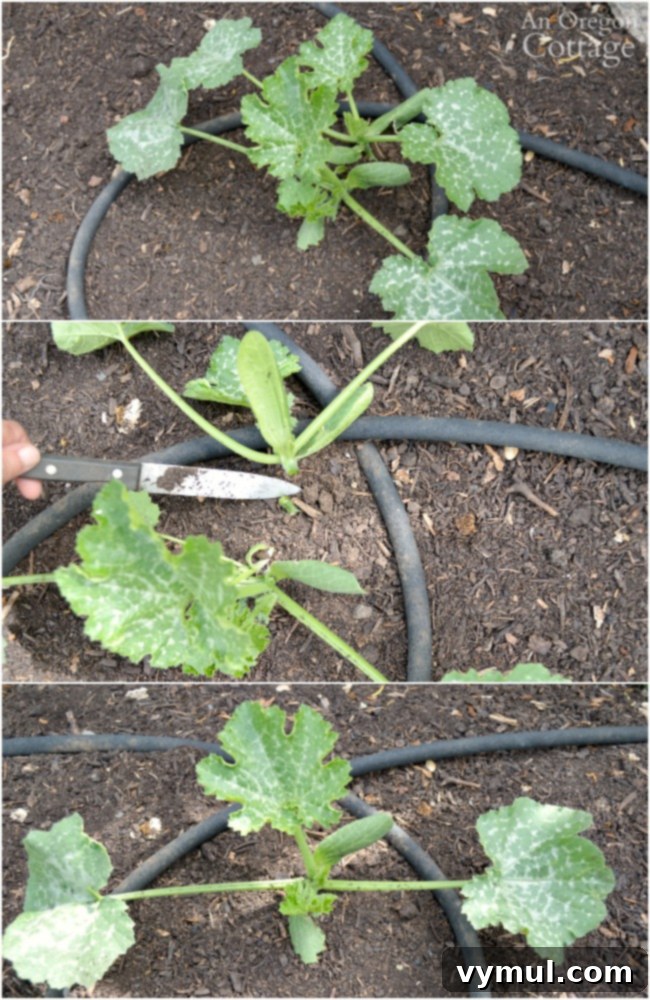
- Soil Preparation and Spacing: Zucchini thrives in rich, well-drained soil. Amend your planting area with a good quality organic fertilizer or compost before planting to provide essential nutrients. Plant seeds in rows, spacing plants 2-3 feet apart, or create “hills” where you plant 2-3 seeds per hill, with hills spaced about 5 feet apart. This allows ample room for the sprawling vines. PRO TIP: Even when planting in hills, I always thin the seedlings to the single strongest plant. I’ve consistently found that one vigorous, non-competing plant produces the best and most abundant harvest. As pictured above, use a sharp knife or small pruners to cleanly clip out the weaker plants at the soil line, avoiding disruption to the roots of the strongest seedling.
- Watering Consistently: Consistent and deep watering is essential for optimal fruit production and to prevent common issues like blossom end rot. Aim to water about once a week, ensuring the moisture penetrates at least 4 inches deep into the soil. PRO TIP: Soaker hoses are incredibly beneficial here. They deliver water directly to the root zone, keeping the foliage dry. This significantly helps in decreasing the chances of powdery mildew and other fungal diseases that thrive on wet leaves.
Zucchini Guide: Troubleshooting Common Growing Problems
While zucchini is often considered easy to grow, it’s not without its challenges. From personal experience, I know that even the most abundant plants can face setbacks. Being aware of potential issues and knowing how to address them can save your harvest. Here are some common problems and practical solutions:
1. Lots of Blossoms, No Fruit Formation
Squash plants produce separate male and female blossoms, both of which must be open simultaneously for successful pollination by bees. Male flowers typically appear first on long, slender stems. Female flowers emerge later from the base of the plant and are identifiable by a small, swollen area beneath the bloom—this swelling is the undeveloped fruit. Each flower usually lasts only one day. If your plant is flowering profusely but no squash are forming, check for the presence of both male and female blooms.
Solution: If natural pollination isn’t occurring (perhaps due to a lack of pollinators or mismatched bloom times), you can hand-pollinate. Use a cotton swab or a small, soft paintbrush to gently collect pollen from the center of a male blossom and transfer it to the stigma (the central part) of a female blossom. This simple action can often resolve the issue.
2. Mold and Fungal Growth
Extended periods of summer rain or high humidity can lead to the development of gray mold, also known as botrytis, on summer squash. This often occurs when fallen or decaying blossoms remain on the fruit or in wet conditions, creating a breeding ground for fungus.
Solution: If you observe gray mold spots on your zucchini fruits, it’s best to remove them promptly. Cut the affected fruits from the plant and discard them (avoid adding them to your compost pile if the mold is severe, as it can spread). During prolonged rainy or humid spells, make an effort to gather and remove any fallen blossoms from around the base of your plants. This simple housekeeping chore significantly reduces the chances of mold developing and spreading.
3. Blossom End Rot
This common issue appears as dark, sunken, leathery spots on the blossom end (bottom) of the zucchini fruit. Blossom end rot is not a disease but rather a physiological disorder caused by a calcium deficiency in the developing fruit. This deficiency is usually a result of uneven watering (alternating wet and dry soil conditions), excessively high nitrogen levels in the soil, or damage to the plant’s roots. It’s important to note that squash affected by blossom end rot is still safe to eat; simply cut away the affected portion.
Solution: To prevent blossom end rot, ensure consistent soil moisture through regular, deep watering. Applying a layer of organic mulch around the base of your plants helps to retain soil moisture and regulate soil temperature. If the problem persists, a foliar spray containing calcium can provide a quick boost. At the end of the growing season, it’s advisable to conduct a soil test to understand your soil’s nutrient balance and amend it as needed for future plantings.
4. Wilting Leaves (Midday Wilt)
It’s quite common for squash leaves to wilt significantly during the hottest part of the day, even when the soil has adequate moisture. This is usually a plant’s natural defense mechanism against excessive water loss through transpiration. The leaves should revive as temperatures cool in the early evening.
Solution: While often temporary, consistent wilting can stress plants. To help your plants better manage midday heat and retain soil moisture, apply a thick layer of mulch around the base of the vines. This helps to keep the soil cooler and reduces evaporation, ensuring more moisture is available to the roots.
5. Squash Vine Borer Infestation
If you observe your squash vines suddenly wilting overnight, the culprit is most likely the dreaded squash vine borer. The adult insects, which are red and black moths that resemble wasps, lay tiny, reddish-brown eggs near the base of the vines and on the undersides of leaves. Once hatched, the larvae bore into the stems, disrupting the flow of water and nutrients. You might see frass (sawdust-like excrement) near the entry hole.
Solution: Inspect your squash vines weekly, especially at the base, and promptly squish any eggs you find. If a vine wilts, carefully check the stem for signs of borers. If you find them, you can try to surgically remove them by slitting the vine lengthwise above the entry hole, extracting the borer, and then burying the injured section of the vine with soil to encourage new root growth. Immediately destroy any borer-infested vines by burning them or bagging them for disposal – do not compost them. For prevention, consider using floating row covers during the early season to prevent adult moths from laying eggs. A light dusting of diatomaceous earth around the base of the vines can also be effective against newly hatched larvae, but it won’t deter adult moths.
6. Squash Bugs
Squash bugs are grayish-brown insects with hard backs that weaken plants by sucking out vital plant juices, leading to yellowing, wilting, and eventually plant death. They lay clusters of shiny, coppery-colored eggs, usually on the undersides of leaves, often in the angles of leaf veins.
Solution: Regular scouting is essential. Hand-pick and destroy adult squash bugs as soon as you see them. Carefully inspect the undersides of leaves and squish any egg clusters. A useful trick, shared by my brother-in-law, is to use duct tape to lift and remove egg clusters from the leaves effectively. For a low-tech trap, place old boards or newspapers under your plants in the evening; squash bugs will hide beneath them overnight. First thing in the morning, check under the boards and dispose of any bugs you find.
7. Powdery Mildew
This is a very common late-season issue, appearing as white, powdery spots or patches on the leaves of squash plants. Powdery mildew is a fungal disease that thrives in humid conditions, especially when air circulation is poor. Once the disease takes hold, fungicides can help control its spread, but they cannot cure already infected tissues.
Solution: Prevention and early intervention are key.
- Pruning: Remove any affected leaves immediately. Prune all the way back to the stem. Often, the most affected leaves are older ones below the current crop, and their removal won’t significantly impact fruit production. This improves air circulation and reduces fungal spores.
- Homemade Prevention Sprays: University research supports the use of diluted milk or baking soda sprays as preventative measures. A common mix is 1 part milk to 9 parts water. For baking soda, dissolve 1 teaspoon of baking soda in 1 quart of water, adding a few drops of mild liquid soap to help it stick. These sprays need to be applied faithfully and proactively, *before* any mildew appears, to be effective.
At the end of the growing season, always pull up and destroy affected squash vines. Do not add them to your compost pile, as the fungal spores can overwinter and reinfect future crops.
For additional detailed growing information, consult reliable resources such as the Old Farmer’s Almanac and Mother Earth News.
Zucchini Guide: Essential Harvesting Tips
Proper harvesting is crucial for maximizing flavor, tenderness, and continued plant productivity. Follow these tips for the best results:
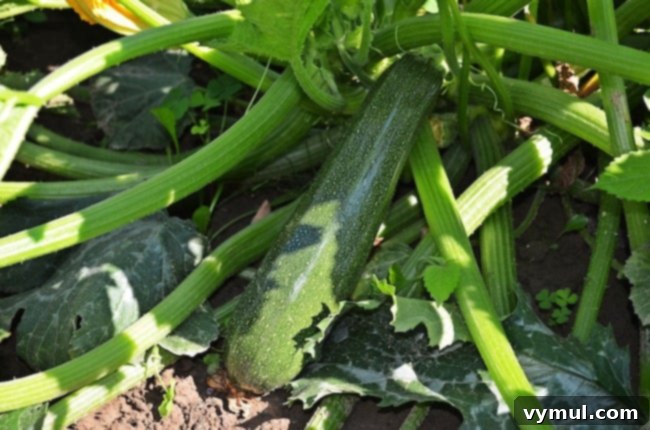
- Harvest Early and Often: This is the golden rule for zucchini! Always aim to harvest when the fruits are small and tender. This means picking them at baby sizes (around 3-4 inches) or when they reach 6-8 inches in length. Smaller zucchini have superior flavor and texture, and consistent harvesting encourages the plant to produce even more.
- Use a Knife for Clean Cuts: To avoid damaging the plant, always use a sharp knife or garden shears to cut the fruit from the vine. Cut the stem about an inch above the fruit. Twisting or pulling the zucchini can lead to the top part breaking off, leaving an open wound, or even pulling up the plant’s roots, which can stress the plant and reduce future yields.
- Daily or Bi-Daily Checks: Zucchini grows incredibly fast, especially in warm weather. Check your plants every day or every other day to prevent any fruits from growing into large, seedy, and less flavorful “clubs.” Consistent harvesting also signals to the plant to keep producing.
- Storage Best Practices: Store freshly harvested zucchini unwashed in a plastic bag or loosely wrapped in a paper towel in the crisper drawer of your refrigerator. When stored properly, zucchini can last for up to 10 days, maintaining its freshness and crispness.
- Don’t Forget the Blossoms! Yes, you can eat zucchini blossoms, and they are considered a delicacy! Harvesting mainly the male blossoms ensures you won’t significantly impact the plant’s fruit production, as female blossoms are responsible for developing into fruit. Collect fully open, healthy blossoms early in the morning, before they close. They are wonderful stuffed, fried, or used in salads.
Zucchini Guide: Preserving & Cooking Recipes
Once you’ve harvested your bounty, it’s time to enjoy it! Zucchini’s versatility shines in both preservation and a wide array of culinary applications. From freezing and canning to savory dinners and delightful desserts, there’s a zucchini recipe for everyone.

Zucchini Preserving Recipes: Extend Your Harvest All Year Long
Preserving zucchini is an excellent way to enjoy its fresh flavor long after the growing season ends. Whether you’re freezing, dehydrating, or canning, these recipes offer creative solutions for your abundant harvest.
Zucchini Cinnamon Freezer Muffins @ AOC (my absolute favorite way to “preserve” zucchini, allowing you to bake fresh muffins anytime!)
3 Ways to Preserve Zucchini (Freeze, Dehydrate, Pickle) @ Grow A Good Life
How to Preserve Zucchini: Ferment, Dehydrate, Freeze & Can @ Grow, Forage, Cook, Ferment
Pressure Canned Tomatoes with Zucchini @ National Center for Home Food Preservation
Canned Bread and Butter Zucchini Pickles @ Healthy Canning
Boiling Water Canned Sweet Zucchini Relish @ All Recipes
Refrigerator Sweet Spicy Zucchini Relish @ Craving Something Healthy
How to Freeze Zucchini the Easy Way @ On Sutton Place

Cooking & Baking Zucchini Recipes: Delicious Ways to Enjoy Your Harvest
Zucchini’s mild flavor and tender texture make it a fantastic ingredient for a wide range of savory and sweet dishes. From hearty meals to light snacks and delectable desserts, these recipes will inspire you to cook with zucchini in exciting new ways.
-Savory Zucchini Recipes-
Discover how zucchini can elevate your main courses, side dishes, and appetizers with these savory creations. Its ability to absorb flavors makes it a perfect addition to many meals.
Zucchini, Corn, and Tomato Sauté with Feta @ AOC (A vibrant and fresh summer side or light main dish.)
Zucchini-Feta Fritters with Lime @ AOC (Crispy, tangy, and absolutely delicious as an appetizer or light meal.)
Sausage and Corn Stuffed Zucchini @ AOC (A hearty and flavorful way to use larger zucchini.)
Easy Grilled Vegetables @ AOC (Zucchini shines beautifully when grilled, either alone or as part of a medley.)
Italian Sausage Pasta Primavera @ AOC (Zucchini adds wonderful texture and nutrition to this classic pasta dish!)
Zucchini Parmesan Crisps @ Food Network (A light, crunchy, and addictive snack.)
Cheesy Zucchini Tots @ Lil’ Luna (A fun and healthy alternative to traditional potato tots.)
Baked Cheesy Zucchini Bites @ Mel’s Kitchen Cafe (Perfect for appetizers or a kid-friendly side.)
Cheesy Jalapeño Popper Stuffed Zucchini Boats @ Peas & Crayons (Spice up your zucchini with this bold recipe.)
Crispy Baked Zucchini Fries @ Simple Nourished Living (A healthier, equally satisfying alternative to potato fries.)
Zucchini, Bacon & Gruyere Quiche @ Epicurious (A sophisticated and savory breakfast, brunch, or dinner option.)
Spicy Asian Zucchini Noodles @ The Real Food Dietitians (A low-carb, flavorful meal that’s quick to prepare.)
Turkey Meatballs Over Zucchini Noodles @ Country Living (A healthy and satisfying meal that swaps pasta for spiralized zucchini.)
Cheesy Zucchini Rice @ The Recipe Critic (A comforting and hearty side dish that’s great for using up zucchini.)
Best Zucchini Pizza Crust @ Delish (A gluten-free and vegetable-packed alternative to traditional pizza crust.)
Buffalo Chicken Zucchini Boats @ The Wholesome Dish (Spicy, creamy, and a fantastic way to enjoy zucchini.)
Zucchini Lattice Lasagna @ Delish (A creative and lighter take on classic lasagna, perfect for summer.)
Goat Cheese & Zucchini Pizza@ Kitchen Konfidence (A gourmet pizza option that highlights fresh zucchini.)
Zucchini Breakfast Casserole @ Simply Recipes (A hearty and customizable breakfast or brunch casserole.)
Savory Zucchini Parmesan Loaf @ Martha Stewart (A delicious savory bread, perfect with dinner or for sandwiches.)

-Sweet Zucchini Recipes-
Don’t be surprised! Zucchini’s mild flavor and moist texture make it an incredible ingredient for baking, adding moisture and nutrients to cakes, breads, cookies, and muffins without overpowering the sweetness.
Amazing White Zucchini Cake with Broiled Caramel-Nut Frosting @ AOC (A truly decadent and surprising dessert that showcases zucchini’s hidden talent in baking.)
Healthy, Whole Wheat No Fail Zucchini Bread @ AOC (A wholesome and consistently delicious quick bread, perfect for breakfast or a snack.)
Dark Chocolate Zucchini Bread Sweetened with Honey @ AOC (Rich, moist, and naturally sweetened – a chocolate lover’s dream.)
Fudgy Dark Chocolate Zucchini Cookies @ AOC (These cookies are so good, you won’t even notice the zucchini!)
Whole Wheat Dark Chocolate Zucchini Cupcakes @ AOC (Indulgent yet surprisingly healthy, these cupcakes are a treat.)
Glazed Zucchini Lemon Bread @ AOC (A bright and citrusy twist on classic zucchini bread, perfect for spring or summer.)
Blueberry Zucchini Bread @ On Sutton Place (The perfect combination of sweet blueberries and moist zucchini.)
Carrot-Apple Zucchini Bread @ Mom On Timeout (A trio of healthy ingredients creates a supremely moist and flavorful bread.)
Best Chocolate Chip Zucchini Bread @ Just a Taste (A family favorite that’s sure to disappear quickly.)
Zucchini Breakfast Cookies @ Little Dairy on the Prairie (A nutritious and delicious way to start your day or enjoy as a snack.)
Zucchini Cookies with Cream Cheese Frosting @ Cooking Classy (Soft, spiced cookies topped with a luscious cream cheese frosting.)
Chocolate Chip Zucchini Cookies @ I Am Baker (A classic cookie with added moisture and a hint of garden goodness.)
Zucchini Brownies @ Crazy for Crust (Fudgy, rich brownies that get an extra boost of moisture from zucchini.)
Apple Zucchini Muffins @ Two Peas and Their Pod (A delightful blend of sweet apple and tender zucchini in a moist muffin.)
Healthy Zucchini Muffins with Chocolate Chips @ Well Plated (A guilt-free indulgence that’s perfect for breakfast or a snack.)
Healthy Greek Yogurt Zucchini Pancakes @ Baker By Nature (Fluffy pancakes with added protein and vegetable goodness.)
Chocolate Zucchini Bundt Cake @ Our Best Bites (A show-stopping chocolate cake that’s incredibly moist thanks to zucchini.)
Banana Zucchini Cake with Cream Cheese Frosting @ Skinnytaste (A delightful fusion of two favorite ingredients in a moist cake.)


I sincerely hope you found this Ultimate Zucchini Guide insightful and inspiring, helping you to grow, harvest, cook, and preserve this amazing summer squash. Don’t forget to explore some of our other Ultimate Guides below, or click here to view the complete collection:
 Ultimate Sweet Pepper Guide
 Ultimate Blueberry Guide
 Ultimate Green Bean Guide
Disclosure: Affiliate links in this article may earn a commission based on sales, but this will not affect your purchase price. Click here to read my full disclaimer and advertising disclosure for more information.