Spicy Rhubarb Chutney Recipe: A Tangy, Sweet, and Savory Homemade Condiment to Can or Freeze
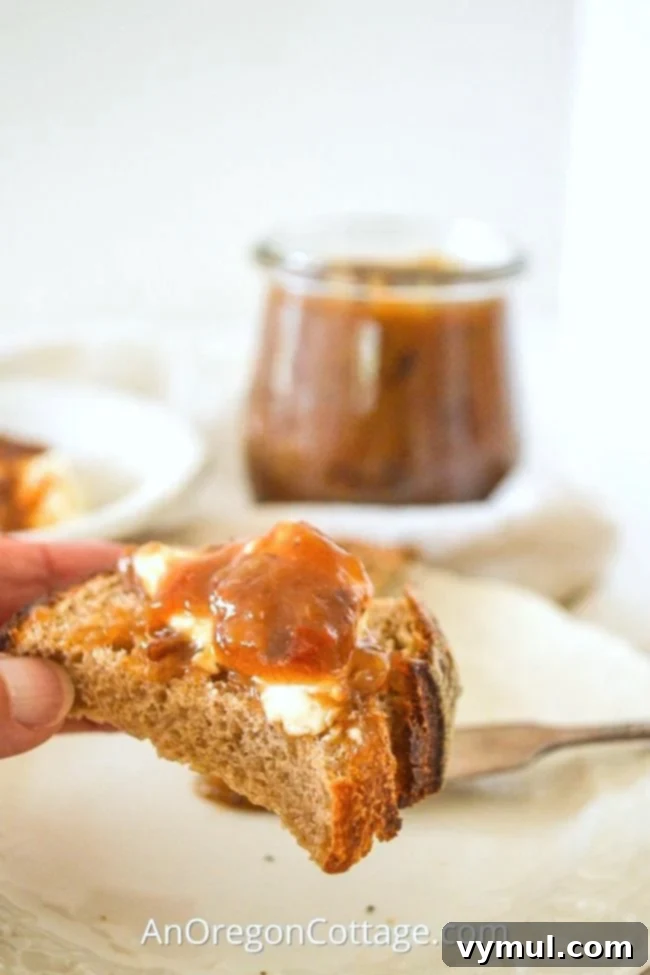
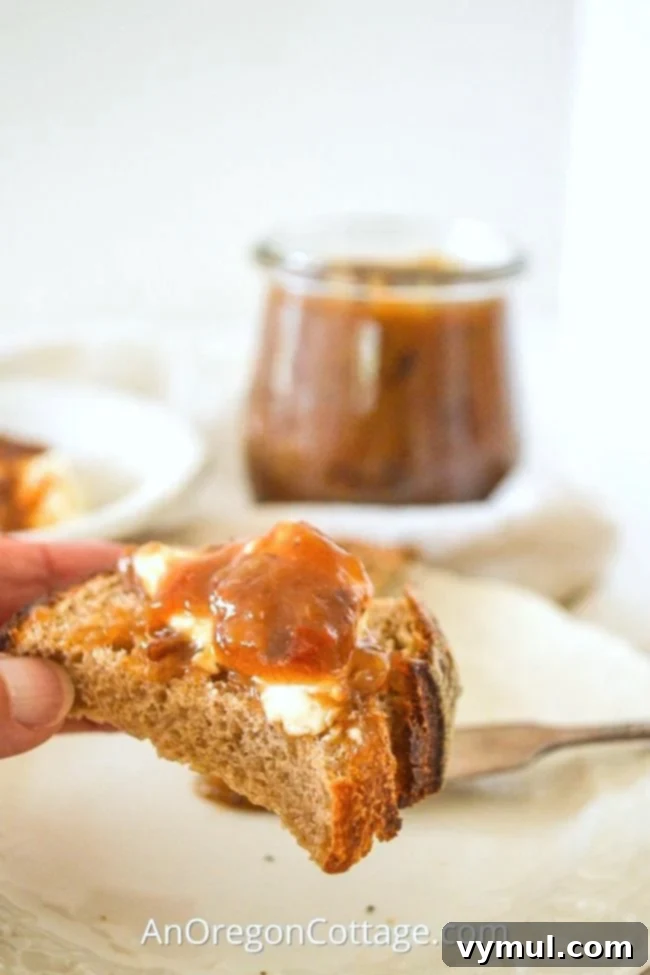
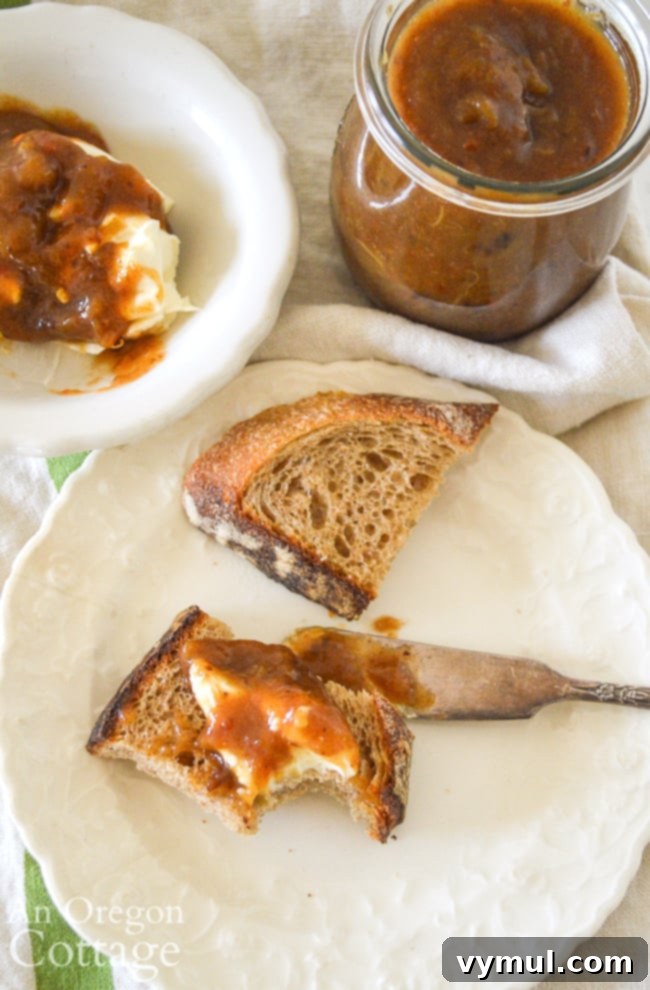
Spicy Rhubarb Chutney is an incredibly easy-to-make and vibrantly flavorful condiment that will revolutionize your culinary repertoire. Its unique balance of sweetness, tang, and a hint of spice makes it exceptionally versatile, complementing everything from rich curries to succulent grilled meats (especially pork). It also shines alongside roasted vegetables and serves as a quick, elegant appetizer when spooned over cream cheese or goat cheese with crackers.
✩ What readers are saying…
“Great chutney!!! Tried many internet recipes, my first time posting comments. That’s how much we liked it!!!” -Alison
Some links in this article are affiliate links and if you click on them I will receive a small commission at no cost to you.
Discovering the Delight of Homemade Rhubarb Chutney
This delightful spicy rhubarb chutney recipe holds a special place in my heart, as it was one of the very first chutneys I ever attempted to make – and tasted! My journey into the world of chutneys began after my first successful rhubarb harvest. Like many home gardeners, I quickly learned just how prolific rhubarb can be. While I adore classic rhubarb muffins, sweets, and pies, I yearned for more diverse and savory ways to utilize this bountiful crop.
This quest for savory rhubarb recipes naturally led me down the exciting path of chutneys. To be entirely honest, I wasn’t initially sure what to expect from chutney, nor did I fully grasp its culinary applications. However, the intriguing combination of ingredients in this particular recipe—sweet, tangy, and aromatic—suggested it would be a vibrant, ketchup-like condiment. Intrigued, I decided to give it a try.
And oh, am I glad I did! This homemade rhubarb chutney quickly became a household favorite. Its unique balance of slightly sweet, tangy, and savory flavors, elevated by a touch of spice, makes it an incredibly versatile topping. It effortlessly elevates everything from hearty meat dishes to crisp vegetables and creamy cheeses. This experience truly underscored a valuable lesson I’ve learned from growing my own food: it fosters a wonderful sense of culinary adventure, encouraging you to explore new recipes and techniques to make the most of your hard-earned harvest.
Evolving the Recipe: A Spicier, Healthier Twist
Over the years, I’ve refined and adapted this beloved chutney recipe to perfectly suit our family’s preferences. My modifications focused on enhancing the spiciness and reducing the overall sugar content, while also incorporating honey for a more nuanced sweetness. The results have been consistently fantastic, yielding a chutney that is both more flavorful and aligns with a slightly healthier approach to preserving.
One particular revelation has been this rhubarb chutney’s utterly spectacular pairing with pork. I’m still not entirely sure why, but there’s a magical synergy that occurs when this chutney meets any type of pork—whether it’s roasted loin, grilled chops, or even pulled pork. The tangy sweetness cuts through the richness of the pork, while the subtle spice adds an exciting depth, transforming a simple meal into an unforgettable culinary experience.
Spicy Rhubarb Chutney Recipe: Your Guide to Canning and Freezing
Key Ingredients for a Flavorful Chutney
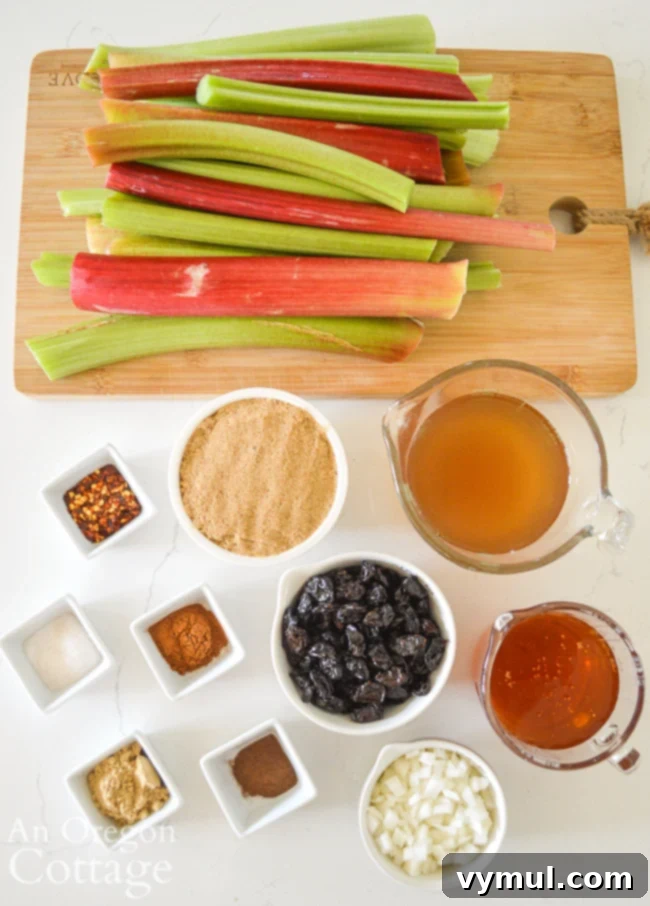
Beyond the star ingredient, fresh rhubarb, most of the other items needed for this incredibly easy homemade chutney are likely already staples in your well-stocked pantry. This makes it a convenient recipe to whip up whenever you have an abundance of rhubarb.
- Rhubarb: The tangy foundation of our chutney, offering a distinct tartness.
- Onions: Provide a savory depth and aromatic base that balances the fruit.
- Raisins: Add natural sweetness and a lovely chewy texture, enhancing the complexity of the chutney.
- Brown Sugar & Honey: A dual-sweetener approach that creates a rich, caramelized sweetness. You can adjust quantities to your preferred level of sweetness.
- Apple Cider Vinegar: Crucial for the chutney’s signature tang and for ensuring food safety if canning (must be at least 5% acidity).
- Spices: A warm blend of ginger, cinnamon, and allspice provides an aromatic foundation, contributing to the chutney’s comforting and exotic profile.
- Salt: A pinch of sea salt enhances all the other flavors, making them pop.
- Red Pepper Flakes: The secret to its “spicy” kick! This ingredient is easily adjustable, allowing you to tailor the heat level from mild to fiery according to your taste. Start with a smaller amount if you’re unsure about your spice tolerance.
Essential Supplies for Chutney Making and Preservation
Having the right tools on hand will make your chutney-making process smooth and enjoyable. Here’s what you’ll need:
- Cutting board and sharp chef’s knife: For efficiently preparing your rhubarb and onions.
- 6-quart or larger stock pot and wooden spoon: A spacious pot is essential to prevent boiling over as the chutney simmers, and a sturdy wooden spoon for stirring.
- Ladle and large funnel: Particularly helpful for safely transferring the hot chutney into jars without mess, especially if canning.
- For canning: A water bath canner (a flat-bottomed canner is great for smooth-top surfaces), six half-pint jars with new lids and rings. Ensure your canning equipment is clean and ready.
- For freezing: Six 8-ounce freezer-safe containers (glass sets or even mason jars work well, just leave adequate headspace).
Simple Directions for Crafting Your Chutney
One of the most appealing aspects of this rhubarb chutney recipe – and indeed, many chutney recipes – is its straightforward simplicity. The process is incredibly forgiving, making it perfect for both novice and experienced home cooks.
Step 1: Combine and Boil
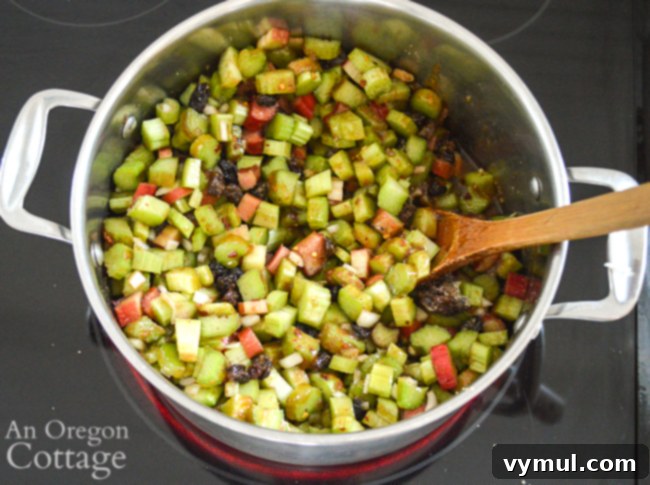
Simply gather all your prepared ingredients – the chopped rhubarb, onions, raisins, sugars, vinegar, and spices – and dump them into your large stockpot. Give everything a good stir to combine, ensuring the spices are well distributed. Then, place the pot over high heat and bring the mixture to a rolling boil. The vibrant colors of the rhubarb and spices will already begin to meld, creating an inviting aroma.
Step 2: Simmer to Perfection
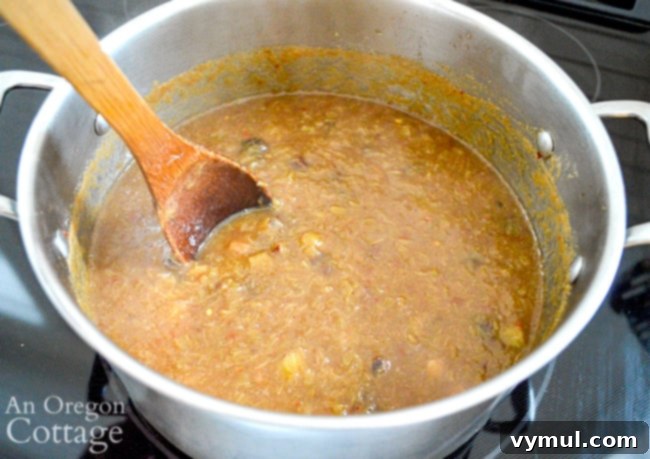
Once your chutney has reached a boil, reduce the heat significantly to a low boil, often referred to as a simmer. The goal here is to gently cook the chutney, allowing the flavors to concentrate and the mixture to thicken. You’ll continue to simmer, uncovered, until the chutney has visibly reduced by about one-third of its original volume and achieved a thick, jam-like consistency. You can often see the original cooking line on the inside of the pot, making it easy to gauge the reduction, as seen in the photo above. This simmering process typically takes about an hour or so. Remember to stir the chutney every now and then, especially towards the end of the cooking time, to prevent it from sticking to the bottom of the pot and ensure even thickening.
Step 3: Prepare Your Containers for Storage
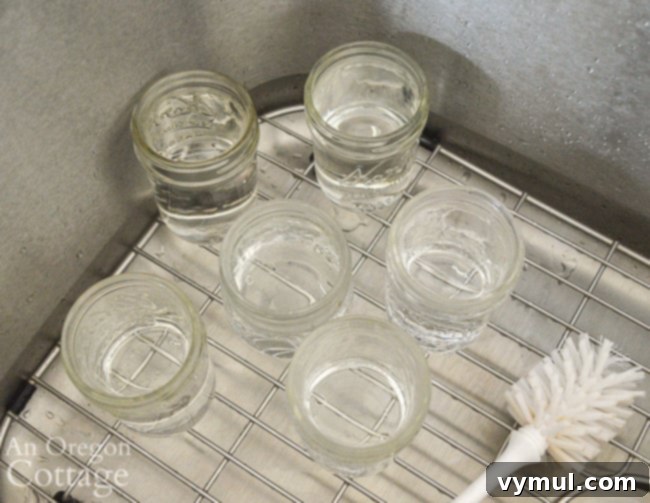
While your chutney is happily simmering away, it’s the perfect time to prepare your chosen containers. If you plan to preserve your chutney through canning, thoroughly wash six half-pint (or three pint-sized) canning jars and their lids. Keep the jars hot until they are needed. Gather all your other canning essentials, such as your water bath canner, rack, and jar lifter. If freezing is your preferred method, you can use either mason jars (ensuring they are freezer-safe and leaving sufficient headspace) or any other type of freezer-safe container you have on hand. Cleanliness is key for both methods to ensure safe, long-term storage of your delicious chutney.
Step 4: Filling the Jars and Pro Tips
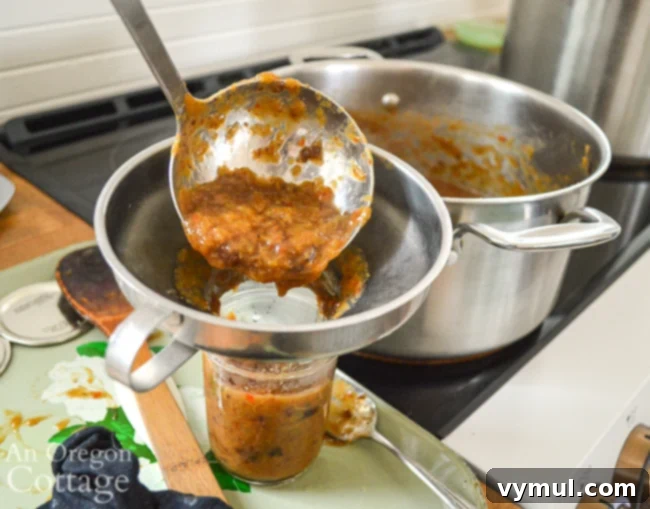
Once the chutney has reached its perfect thickened consistency, it’s time to transfer it to your prepared containers. Whether you’re canning or freezing, using a ladle and a large canning funnel makes this step much easier and significantly reduces mess when dealing with hot chutney. If you are using plastic freezer containers, allow the chutney to cool down slightly before filling them to prevent any warping or damage to the plastic.
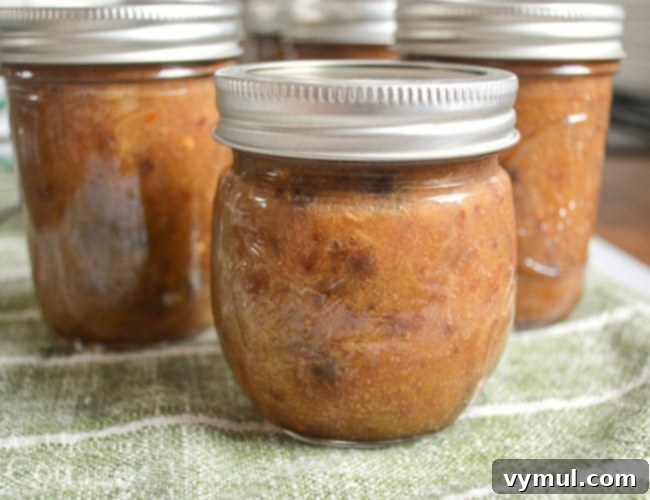
Pro Tip: When canning, I find it incredibly helpful to set up a small tray right next to my stove (as pictured above). This clever trick contains any drips or spills, keeping your counter clean, and makes cleanup a breeze since you can simply take the tray to the sink.
To Freeze Your Chutney:
Once the chutney has cooled slightly, ladle it into your chosen freezer-safe containers, leaving about 1 inch of headspace to allow for expansion during freezing. Securely place the lids on the containers, then label each one clearly with the contents (“Spicy Rhubarb Chutney”) and the date it was made. Transfer them to the freezer. For optimal flavor and quality, it is best to use your frozen chutney within one year.
To Water-Bath Can Your Chutney:
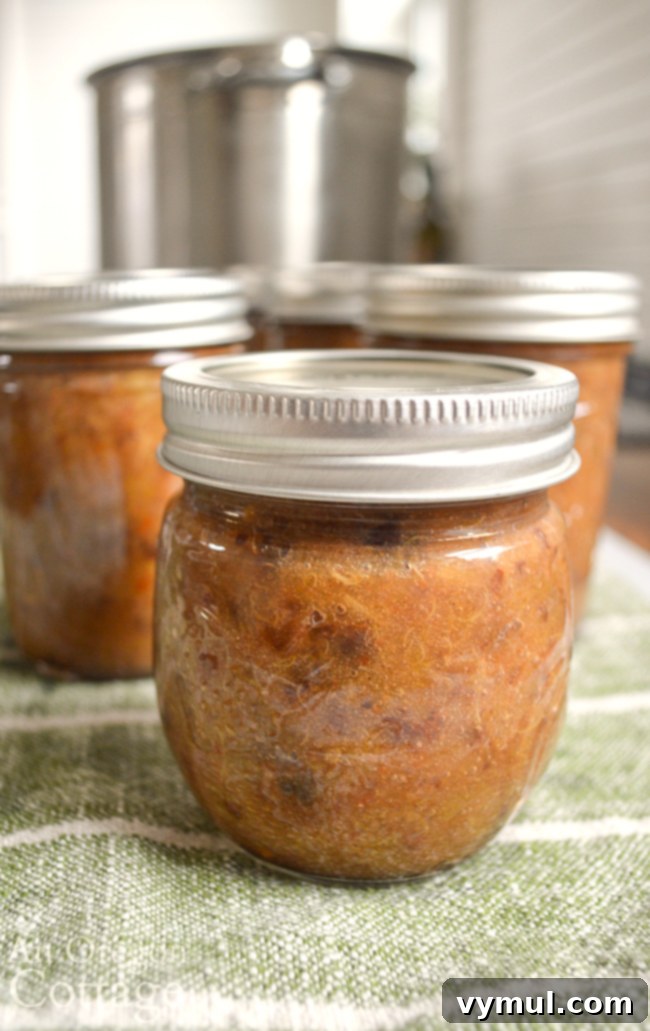
This method ensures long-term, shelf-stable storage. Carefully ladle the hot chutney into your hot, prepared jars, leaving precisely 1/4-inch headspace. This is crucial for proper sealing. Wipe the rims of the jars thoroughly with a clean, damp cloth to remove any residue that could interfere with the seal. Center new, prepared lids on the jars and apply the rings, tightening them to fingertip-tight. Gently lower the filled jars onto the rack in your water bath canner, ensuring they are fully submerged in simmering water. Bring the water to a full boil and process the jars for 15 minutes. Throughout this time, adjust the heat as necessary to maintain a steady, gentle boil. After 15 minutes, turn off the heat, remove the canner lid, and let the jars rest in the hot water for an additional 5 minutes. This helps to ensure a strong seal. Carefully remove the jars from the canner using a jar lifter and place them on a towel-lined surface, ensuring they are not touching each other. Let the jars sit undisturbed for a full 12 hours to cool completely and allow the seals to fully form. After 12 hours, check all lids for a proper seal (the center should be concave and not flex when pressed). Label and store your successfully sealed jars in a cool, dark place for up to 18 months. Any jars that did not seal should be refrigerated and used within 3 to 4 weeks.
If you’re new to the world of home canning, this chutney recipe is an excellent starting point. It’s relatively quick, uses common ingredients, and the process is straightforward. For a more detailed guide and a refresher on the basics, I highly recommend checking out my comprehensive Boiling-Water Step by Step Canning Tutorial.
Safety Note: I originally adapted this spicy rhubarb chutney recipe years ago from a trusted source, the Oregonian. My changes primarily involved adjusting the spices and using less raisins and sugar. It’s important to understand that these types of ingredient modifications (spices, sweetener amounts) are generally safe for canning as long as the critical ratio of low-acid ingredients (like rhubarb and onion) to high-acid ingredients (like vinegar, which must be at least 5% acidity) remains consistent. Always adhere to tested canning guidelines for safe food preservation.
Beyond Rhubarb: Exploring the World of Chutneys
Since that initial successful batch of rhubarb chutney, my family and I have become enthusiastic fans of all kinds of chutney. The incredible depth of flavor and versatility they offer has inspired me to create and enjoy a number of other homemade chutney varieties, including:
- Addictive Tomato Chutney
- Delicious Green Tomato Chutney (Lower Sugar)
- Blueberry Chutney Recipe To Can or Freeze (Honey Sweetened)
- Spicy Honey Sweetened Cherry Chutney Recipe
We genuinely appreciate how the complex, wonderful flavors of chutney can truly elevate and compliment almost any kind of meat or vegetable dish on the menu. Furthermore, the possibilities for using chutney extend far beyond a simple condiment! I’ve even developed a delectable sweet and tangy salad dressing that cleverly incorporates your homemade chutney. Be sure to check out the full recipe for the rhubarb chutney salad dressing here – it’s a fantastic way to add a unique twist to your greens!
It’s not just me who is absolutely wowed by this incredible chutney – here’s another enthusiastic reader rave:
“Made this today & it turned out amazing! It made just a bit over 6 – 1/2 pint jars (I leave space for when I freeze it.) So I had some with rice crackers for a snack – YUM! I already gifted one to my neighbor and a friend. I’ll def make this again.” -Dawn
I sincerely hope you give this delightful spicy rhubarb chutney recipe a try. It’s a wonderful way to preserve the bounty of the season and add a burst of unique flavor to your meals. If you do make it, please make sure to leave me a comment and a rating. Your feedback helps me (and countless other home cooks) know how much you enjoyed it!

Print Recipe
Save
Saved!
Spicy Rhubarb Chutney to Can or Freeze
Equipment
-
Cutting board and sharp chef’s knife
-
6-quart or larger stock pot and wooden spoon
-
Ladle and large funnel (like those made for canning)
-
For canning: water bath canner, six half-pint jars with lids and rings
-
For freezing: six 8-ounce freezer-safe containers
Ingredients
- 2 ½ pounds rhubarb, trimmed and sliced thin (8-9 cups)
- 1 cup brown sugar, lightly packed
- 3/4 cup honey (or 1/2 cup for a slightly less sweet version)
- 1 cup apple cider vinegar
- 1/2 cup chopped onion
- 1 cup raisins, chopped in a food processor
- 1 ½ tablespoons grated fresh ginger, or 2 teaspoons dried ginger
- 1 teaspoon ground cinnamon
- 1/2 teaspoon ground allspice
- 1 teaspoon sea salt
- 1 to 1½ teaspoons red pepper flakes*
Instructions
-
Combine all the ingredients in a 6 or 8-quart stainless steel pot. Stir well and bring to a boil over high heat. Reduce heat to a simmer (a very gentle boil) and cook, uncovered, until thick, about 30 minutes. Stir occasionally, and more towards the end as the chutney is thickening.
-
For Canning: While the mixture cooks, prepare six half-pint jars (or three pints) and keep hot until needed. Prepare canning lids according to manufacturer’s directions, and start the water heating in the canner. (Refer to these directionsif you need a water bath canning refresher.)
-
When the chutney is cooked, ladle into 1 jar at a time, leaving 1/4-inch headspace, wiping the rim with a damp cloth, and attaching the lid. Place jar in prepared canner. Fill and close remaining jars.
-
Process jars in a boiling-water canner for 15 minutes. Turn off burner, remove lid and let jars sit in the canner for 5 minutes. Carefully remove to a towel-lined counter and let cool. Check seals before labeling and storing in a cool, dark place. Refrigerate any jars that didn’t seal to use within 3 to 4 weeks.
-
For Freezing: simply ladle slightly cooled chutney into clean freezer-safe containers, label and freeze for up to a year.
Notes
Ways to Use Chutney:
- Top cream cheese or goat cheese with it and serve with crackers.
- Use alongside of grilled or roasted poultry or meat as a condiment.
- Serve with Indian curries, adding a vibrant counterpoint to rich flavors.
- Enhance your sandwiches as a unique spread (especially good with grilled cheese or turkey).
- Top burgers or hot dogs for a gourmet twist.
- Mix into plain yogurt for a savory snack.
- Use as a glaze for roasted root vegetables like carrots or parsnips.
- Whisk into a vinaigrette for a surprisingly delicious salad dressing.
High Altitude Adjustment: If processing at an altitude higher than 1000 feet above sea level, you’ll need to adjust the processing time according to this chart to ensure proper food safety.
Nutrition
Chutney Frequently Asked Questions & Tips
Chutney is a vibrant and flavorful condiment, typically made from a delightful combination of fruits, vegetables, sugar, and an array of aromatic spices, all simmered with vinegar. Originating in Indian cuisine, it serves as a classic accompaniment, providing a crucial balance of sweet, tangy, and often spicy notes to traditional hot curry dishes. However, its versatility extends far beyond Indian meals. You can use chutney as a delightful topping for grilled and roasted meats (like pork, chicken, or lamb) or vegetables, adding a burst of flavor to any plate. It’s also a fantastic addition to a charcuterie or cheese board, pairing beautifully with sharp cheeses and crackers. For a quick and delicious snack, spread it on sandwiches (it’s heavenly with grilled cheese!) or dollop it over cream cheese or goat cheese as an easy, elegant appetizer. Beyond savory dishes, chutney can even be incorporated into a wonderful vinaigrette salad dressing, offering a unique sweet and tangy twist.
While you have several options for vinegar in chutney, I personally prefer apple cider vinegar for its milder, fruitier flavor profile compared to plain white vinegar. Rice vinegar is another excellent choice if you desire a similarly mild tang that won’t overpower the other ingredients. However, the most crucial consideration, especially if you plan on canning your homemade chutney, is to ensure that the vinegar you select has an acidity level of at least 5%. This specific acidity percentage is vital for food safety and successful preservation when using the water bath canning method.
Whether chutney needs to be processed depends on how long you intend to store it and where. If you plan to consume your chutney within a few weeks, simple refrigeration is sufficient; no processing is necessary. For longer-term storage, however, you have two primary safe options: freezing or water bath canning. Freezing allows you to store chutney for up to a year, maintaining its fresh flavor. If you opt for canning, the chutney must be properly processed in a boiling water bath, following tested recipes and guidelines, to create a vacuum seal that makes it shelf-stable for 12-18 months. Always follow proper preservation techniques to ensure safety.
This delicious recipe has been completely updated to offer even more detail and helpful tips. It was originally published in June 2012.
Disclosure: affiliate links in this article will earn commission based on sales, but it doesn’t change your price. Click here to read our full disclaimer and advertising disclosure.