Mastering Early Tomato Blight: Organic Strategies for Abundant Harvests
Discovering yellowing and browning leaves on your tomato plants in early summer can be disheartening, often signaling the arrival of early tomato blight. This common fungal disease, typically appearing in June or July on lower and inner foliage, doesn’t have to spell disaster for your harvest. With proactive steps and organic gardening practices, you can effectively manage early blight and keep your plants thriving and producing delicious fruit right up until the first frost. Don’t let blight steal your summer tomato bounty!
The arrival of summer often brings with it the joy of a thriving garden, but for many gardeners, it also ushers in the annual battle against early tomato blight. This year, my July 4th weekend, while filled with family fun and delicious food (we skipped the fireworks, embracing a quieter celebration!), was also largely dedicated to confronting a widespread early tomato blight infestation that had quickly taken hold in our garden. It’s a familiar scenario for me, and likely for countless other gardeners around the globe – blight seems to be an almost inevitable challenge. However, this recurring issue has taught me invaluable lessons about resilience and effective organic management.
The good news is that early tomato blight, while concerning, is highly manageable. Through years of experience and consistent application of a few simple, organic techniques, I’ve consistently kept my tomato plants productive until the season’s natural end, typically our first frost in October. These methods don’t necessarily eliminate blight entirely, but they significantly control its spread, allowing for a substantial and satisfying harvest. You too can learn to identify, prevent, and treat this common fungal foe, ensuring your tomato plants remain vigorous and fruitful throughout the growing season.
Understanding Healthy Tomato Plants: A Baseline for Blight Detection
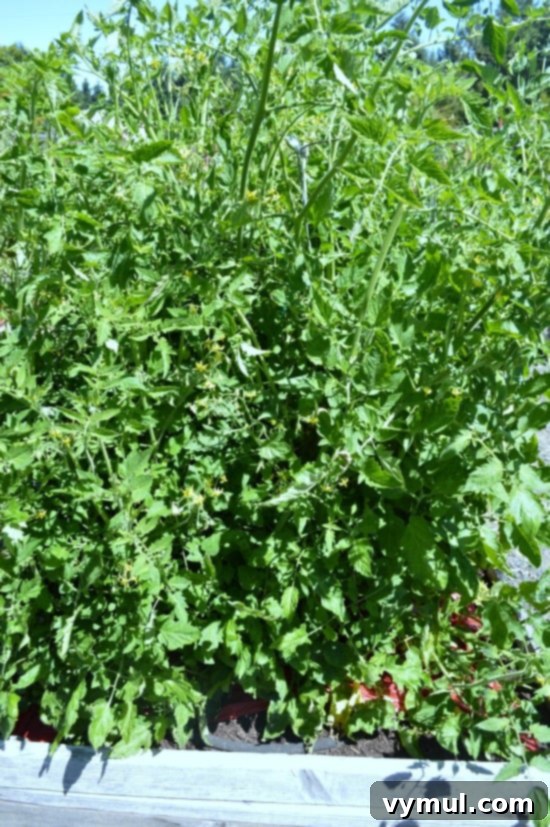
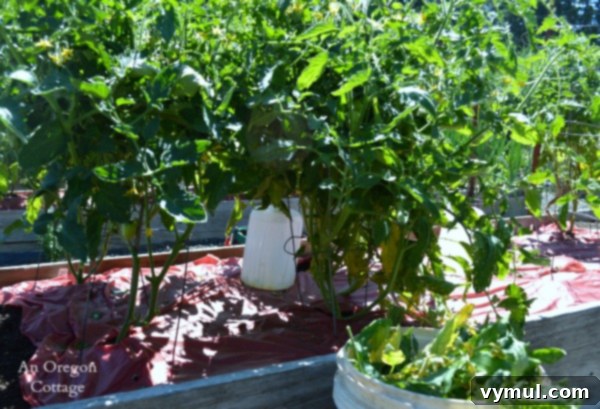
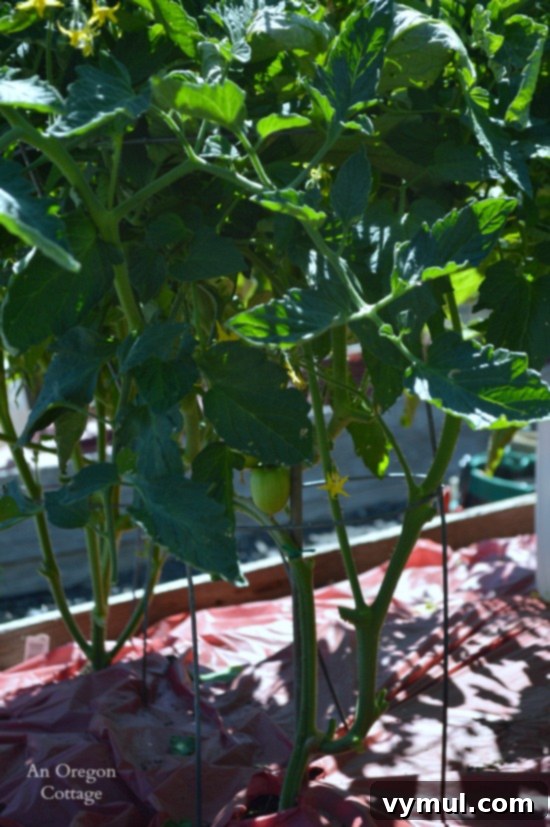
One of the most reassuring observations in a garden with blight is that not all tomato plants succumb to the disease. If you cultivate several varieties, you’ll often notice a fascinating variation in resistance and susceptibility. The photograph above beautifully illustrates two such healthy plants thriving in my garden: a ‘Black Cherry’ and a ‘Honey Bunch Grape’ variety. Despite their somewhat “squished” appearance in the image, these smaller, indeterminate varieties actually have ample space in their dedicated bed and demonstrate robust growth. Their inherent vigor and specific growing conditions have helped them resist the blight that affected other parts of the garden.
After capturing this snapshot, I performed a routine maintenance task: trimming the lower foliage. This practice, typically done a few weeks after removing any protective covers from the beds, is crucial for promoting better airflow around the base of the plants. Enhanced air circulation is a primary deterrent against the development and spread of fungal diseases like blight, as it helps leaves dry out more quickly after rain or dew. Interestingly, while airflow is a widely recognized factor, it’s not always the sole determinant. As you can see from the dense foliage of the healthy plants in the photo, sometimes other factors, such as specific variety resistance or localized microclimates, play an equally significant role in a plant’s health.
My own experience this year highlighted the critical importance of timely pruning. With various commitments, including multiple family graduations, my usual June pruning routine was delayed. This oversight proved costly, as a quick inspection revealed that a significant number of my 16 tomato plants were already showing advanced signs of early blight, underscoring how quickly this disease can take hold when conditions are favorable and preventative measures are postponed. While evaluating the leaves, you might also notice some small holes or irregular patterns – this is usually flea beetle damage. It’s generally cosmetic and rarely impacts the plant’s overall health or fruit production, so it’s something I typically choose to ignore.
What Exactly is Early Tomato Blight? Understanding the Foe
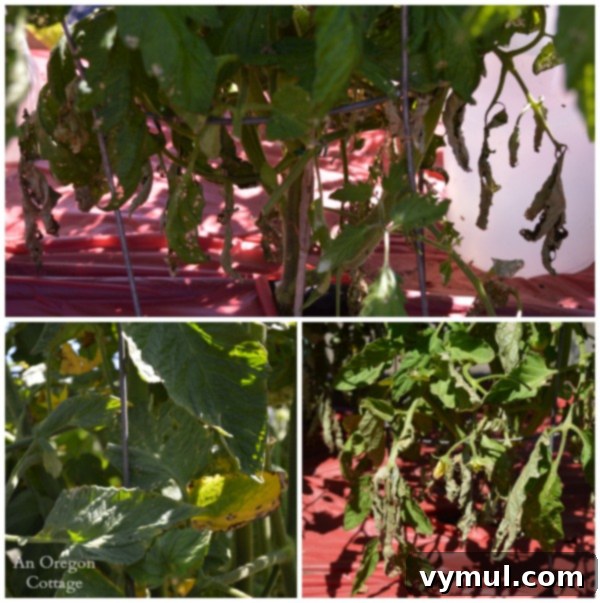
Early tomato blight, scientifically known as Alternaria solani, is a pervasive fungal disease that can significantly impact the health and productivity of your tomato plants. Understanding its characteristics is the first step toward effective management:
- Fungal Pathogen: It is caused by a fungus that can affect not only the leaves but also the stems and, in severe cases, the fruit of the plant. Unlike some other diseases, it doesn’t typically kill the entire plant outright.
- Impact on Plant Health: While not immediately fatal, early blight will weaken the plant, reducing its vigor and, most importantly, diminishing its capacity to produce a robust yield of fruit. Stressed plants—those experiencing nutrient deficiencies, inconsistent watering, or overcrowding—are particularly susceptible.
- Sources of Infection: The fungal spores can overwinter in plant debris left in the garden from previous seasons, reside in the soil, or even be introduced on purchased seedlings that are already infected.
- Favorable Conditions: This fungus thrives in damp, humid conditions. Prolonged periods of leaf wetness from overhead watering, heavy dews, or extended rain create the perfect environment for spores to germinate and spread. However, it’s important to note that the fungus can persist and spread even in drier conditions, given the right circumstances.
- Timing: As its name suggests, early blight typically makes its appearance earlier in the growing season compared to its more aggressive counterpart, late tomato blight. This earlier onset provides a crucial window for intervention and control.
Recognizing these key aspects of early blight empowers gardeners to take targeted preventative and remedial actions, safeguarding their tomato crops against widespread damage.
Differentiating Early Blight from Late Blight: Key Distinctions
While both early blight and late blight can devastate tomato crops, they are caused by different pathogens and exhibit distinct symptoms, making accurate identification critical for effective treatment. Early tomato blight is caused by the fungus Alternaria solani, while late blight is caused by Phytophthora infestans, an oomycete, or water mold, notorious for causing the Irish potato famine.
- Appearance of Early Blight: This disease typically presents with brownish-black spots on the leaves, often surrounded by concentric rings, giving them a “bullseye” appearance. The affected leaves will first turn yellow, particularly around the spots, and then eventually turn entirely brown and dry, often dropping from the plant. These symptoms usually begin on the lower, older leaves and progress upwards.
- Appearance of Late Blight: Late blight lesions appear quite different. They often start as irregular, water-soaked, pale green spots on the upper leaf surface. On the underside of these spots, particularly in humid conditions, you might observe a fuzzy, purplish-black growth, which is the pathogen sporulating. As the disease progresses, these spots rapidly enlarge, turning black-brown, and can quickly encompass entire leaves, stems, and even fruit.
- Severity and Speed: Early blight is generally a slower-acting disease that can weaken a plant and reduce yield but rarely kills it outright if managed. Late blight, however, is far more aggressive. It spreads with alarming speed, particularly in cool, moist conditions, and can quickly lead to the complete collapse and death of an entire crop within days or a week.
Understanding these visual and behavioral differences is vital. While early blight can be fought with consistent organic practices, late blight often requires more drastic measures, including immediate removal of infected plants, to prevent its rapid spread to neighboring crops.
What Does Early Tomato Blight Look Like? A Closer Inspection
Knowing precisely what early tomato blight looks like on your plants is crucial for early detection and intervention. The symptoms are quite distinct and typically follow a predictable pattern:
- Dark, Concentric Spots: The most characteristic symptom is the appearance of small, dark spots—ranging from brown to black—on the leaves. These spots often develop distinct concentric rings, resembling a target or bullseye pattern.
- Yellowing and Browning: Around these dark spots, the leaf tissue will begin to yellow. As the disease progresses, these yellow areas expand, eventually turning entirely brown and becoming dry and brittle.
- Progression: Early blight almost invariably starts on the oldest, lowest leaves of the plant. This is because spores from the soil or splash-back are more likely to reach these leaves first, and they are also more likely to be shaded and remain wet longer. If left unchecked, the disease will systematically work its way up the plant, defoliating it from the bottom up. While less common, you might occasionally notice affected leaves higher up or in the middle of the plant, especially if conditions are very humid or if the disease has been spread through overhead watering.
- Stem Lesions: In severe cases, similar dark, sunken lesions can also appear on the stems, particularly near the soil line or at branch junctions. These stem lesions can girdle the stem, weakening it and potentially leading to wilting of the branch above the lesion.
- Fruit Infection: Though less common with early blight than late blight, fruit can also be affected. Lesions on fruit typically appear near the stem end as dark, leathery, sunken spots with concentric rings.
Regular inspection of your tomato plants, especially the lower foliage, is the best way to catch early blight symptoms before they become widespread and more challenging to manage. Vigilance is your most powerful tool in maintaining a healthy tomato garden.
Factors That Worsen Early Tomato Blight: Learning from Experience
While I consistently implement many recommended practices to prevent early blight, it seems almost inevitable to encounter it each year, especially with our region’s characteristic wet springs and cooler summers. However, this past season saw an unusually severe outbreak in my garden, providing a stark reminder of how quickly conditions can deteriorate when several contributing factors align. Understanding these triggers is essential for minimizing future damage.
My garden’s significant fungal infestation this year stemmed primarily from two critical issues:
- Compromised Seedlings from an External Source: To replace a couple of my beloved home-grown paste tomato seedlings that unfortunately fell victim to my dog’s playful antics (a story for another time!), I purchased two replacements from a local home center. Upon removing their protective covers, it was immediately apparent that these store-bought plants were in poorer health than my own. They displayed a disproportionate amount of yellowing leaves, were smaller, and generally looked less vigorous. This observation underscores a crucial lesson: always inspect purchased seedlings meticulously for any signs of disease or stress. These weaker, potentially infected plants acted as an initial reservoir, introducing a more aggressive strain of the fungus into my established garden.
- A Perfect Storm of Environmental Conditions and Delayed Pruning: The second, and perhaps most significant, factor, was a confluence of environmental conditions combined with my delayed pruning schedule. My usual routine of pruning the lower leaves in June was pushed back. This delay, coupled with two consecutive weeks of unseasonable rain, followed by several days of damp, warm weather at the end of June, created the ideal humid environment for fungal proliferation. The existing blight from the compromised store-bought plants found fertile ground to spread like wildfire. The dense, unpruned foliage, exacerbated by constant moisture, allowed the fungal spores to quickly colonize surrounding plants, resulting in a far more severe blight outbreak than I typically experience.
The consequences were immediate and dramatic. The two original store-bought seedlings were beyond saving; virtually every leaf was affected. I had no choice but to cut them down to the ground in a desperate attempt to contain the spread and protect their neighbors. Of the surrounding plants, two required very aggressive pruning, removing a significant portion of their foliage, while two others needed moderate intervention. Now, it’s a waiting game to see which plants recover fully and continue to produce, highlighting the importance of prevention and prompt action when facing such challenges.
How to Effectively Fight Early Tomato Blight Organically
Once early tomato blight has made an appearance in your garden, a strategic and consistent approach is necessary to halt its progression and salvage your harvest. These organic tips focus on containment and promoting plant health:
- Prompt Removal of Affected Foliage: This is arguably the most crucial step. As soon as you spot early blight symptoms (the bullseye spots, yellowing, or browning), immediately remove the affected leaves and stems. Use sharp, sterilized pruning shears (wiping them with rubbing alcohol or a bleach solution between cuts, especially between different plants, prevents accidental spread). Dispose of these diseased plant parts in the trash, not your compost pile, as the fungal spores can survive and re-infect your garden. Never touch healthy leaves after handling blighted ones without washing your hands thoroughly.
- Strategic Pruning for Air Circulation: Focus on pruning the lower leaves, especially those touching the soil, and any dense foliage in the center of the plant. This increases airflow around the plant, helping leaves dry more quickly after watering or rain, thereby creating an environment less favorable for fungal growth. Aim to remove any leaves below the first cluster of fruit and selectively thin out overcrowded inner branches. This isn’t just about blight prevention; it also directs the plant’s energy into fruit production.
- Vigilant Monitoring: Early blight is a persistent foe, so regular inspection is key. Make it a habit to check your plants daily or every other day, paying close attention to the lower and inner leaves. Early detection allows for immediate removal of affected foliage before the disease can spread extensively. The earlier you catch it, the easier it is to manage.
- Consider Organic Fungicides (As a Last Resort): If the blight is severe and spreading rapidly despite diligent pruning and sanitation, you might consider applying an organic fungicide. Options include copper-based fungicides or those containing active ingredients like neem oil or Bacillus subtilis. Always follow the product’s directions precisely regarding application rates and frequency. These are protectants, meaning they work best when applied before the disease takes hold or at the very first signs to prevent further spread. They won’t cure already infected tissue but can protect new growth.
By combining these methods, you can significantly reduce the impact of early blight and give your tomato plants the best chance to produce a bountiful harvest throughout the season.
Preventing and Minimizing Tomato Blight: Long-Term Organic Strategies
While fighting early blight is an annual ritual for me, I always aim to minimize its severity through consistent preventative measures. Even with the best practices, complete elimination can be challenging in certain climates, but significant reduction is always achievable. Integrating these organic gardening practices into your routine will create a more resilient garden ecosystem less susceptible to early tomato blight:
- Thorough Garden Cleanup: At the end of each growing season, meticulously remove all tomato plant debris – leaves, stems, and any fallen fruit. The fungus responsible for early blight can overwinter in this plant material, ready to re-infect next year’s crop. A clean garden is your first line of defense against perennial blight issues.
- Strategic Crop Rotation: Avoid planting tomatoes (and other susceptible crops like potatoes, peppers, or eggplants, which belong to the same family) in the exact same spot year after year. A rotation cycle of at least two to three years helps deplete the soil of early blight spores, starving the fungus by removing its host plant. This is a fundamental practice for managing soil-borne diseases.
- Efficient Watering Techniques: Always water your tomato plants at the base, directly at the roots. Soaker hoses, drip irrigation systems, or careful hand watering are ideal. Avoid overhead watering, which wets the foliage and creates the moist conditions early blight thrives in. Water early in the morning so any accidental splashes on leaves have time to dry throughout the day.
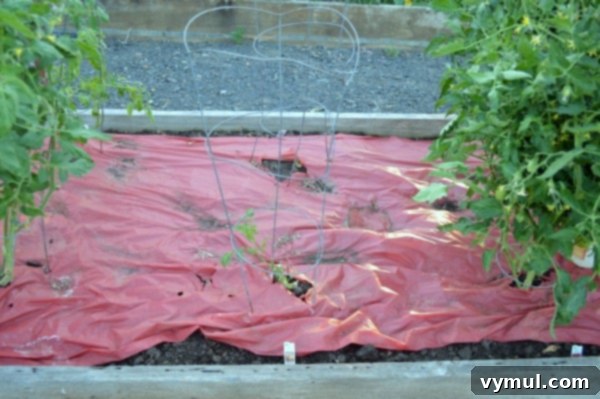
- Utilize Protective Mulches: Applying a layer of organic mulch (like straw, shredded leaves, or wood chips) or plastic mulch around the base of your tomato plants offers multiple benefits. It suppresses weeds, conserves soil moisture, and, crucially for blight prevention, prevents soil-borne fungal spores from splashing up onto the lower leaves during rain or watering.
- Provide Robust Plant Support: Growing your tomato plants on sturdy stakes, cages, or trellises keeps them upright and off the ground. This not only improves air circulation around the entire plant but also prevents leaves and fruit from coming into direct contact with potentially contaminated soil, significantly reducing the risk of fungal infection.
- Maintain Pruned Bottom Leaves: As discussed, regularly pruning the lower leaves (especially those below the first fruit cluster and any that are touching the soil) is essential. This ongoing practice enhances air circulation, reduces humidity within the plant canopy, and removes the oldest leaves which are often the first to show signs of disease.
- Foster Overall Plant Health: Healthy, vigorous plants are naturally more resistant to diseases. Ensure your tomatoes receive regular, consistent watering (avoiding drought stress followed by overwatering) and grow in well-drained, nutrient-rich soil. Incorporate plenty of organic matter like compost to build soil health, and consider balanced organic fertilizers to provide essential nutrients, making your plants more resilient to stress and disease.
Exploring Blight-Resistant Tomato Varieties
When it comes to selecting tomato varieties, my personal preference often leans towards heirlooms and unique types that offer exceptional flavor and diversity, rather than solely focusing on disease resistance. There are simply too many fascinating tomatoes I want to grow! However, for gardeners frequently battling blight, incorporating some resistant varieties can be a wise strategy to add an extra layer of defense to your garden plan.
It’s important to note that “resistant” does not mean “immune.” These varieties may still show some signs of blight under severe pressure or ideal fungal conditions, but they typically suffer less damage and recover more readily than non-resistant types. According to various gardening resources, including this informative article on early tomato blight, the following varieties are sometimes noted for their enhanced resistance to early blight:
Aunt Ginny’s Purple – Heirloom, indeterminate, beefsteak (16 oz.)
Big Rainbow – Heirloom, indeterminate, bi-color beefsteak (16 oz.)
Black Plum – Heirloom, indeterminate, plum (2 in.)
Juliet – Hybrid, indeterminate, cherry (1 ounce)
Legend – Open-pollinated, determinate, beefsteak (14-16 ounces)
Manyel – Heirloom, indeterminate, yellow globe (8-10 ounces)
Matt’s Wild Cherry – Heirloom, indeterminate, cherry (1/2 inch)
Mountain Supreme – Hybrid, determinate, globe (6-8 oz.)
Mountain Fresh Plus – Hybrid, determinate, globe (12 ounces)
Old Brooks – Heirloom, indeterminate, globe (6-8 ounces)
Tigerella (aka Mr. Stripey) – Heirloom, indeterminate, globe (4-6 oz.)
Tommy Toe – Heirloom, indeterminate, cherry (1 inch)
Among this list, I’ve personally grown ‘Legend’, ‘Juliet’, and ‘Tigerella’, and can attest to their generally good performance. A balanced approach could involve planting a mix of your favorite traditional varieties alongside a few of these potentially more resistant types. This allows for experimentation and a comparison of their performance in your specific garden environment, helping you fine-tune your selection for future seasons. It’s an ongoing experiment in the world of organic gardening!
Despite the initial challenges posed by this year’s early blight outbreak and my slightly delayed pruning schedule, I’m genuinely optimistic. The targeted pruning and consistent care I’ve now applied have set my plants on a promising path. I fully expect them to not only survive until our first frost but to also produce the abundant, flavorful fruit we cherish for our homemade staples. Imagine the joy of crafting fresh salsa, rich roasted tomato sauce with vegetables, that uniquely sweet and tangy addictive tomato chutney, and so much more, all from our very own resilient garden. Every year presents new lessons, and this experience reinforces the rewarding nature of hands-on gardening and the satisfaction of overcoming challenges to enjoy nature’s bounty.
Do you regularly battle early tomato blight in your garden? What organic methods or unique strategies have you found most effective in managing this common fungal disease? Share your insights and tips in the comments below – your experience could be invaluable to fellow gardeners!