
Homemade Bone Broth: Your Ultimate Guide to Crafting Nutritious Stock from Bones (Chicken, Beef, Pork) Using 4 Easy Methods
Making your own bone broth has never been more accessible or rewarding. Discover the simple art of transforming leftover chicken bones (or any animal bones like beef, pork, or turkey) into a rich, flavorful, and incredibly versatile pantry staple. This comprehensive guide will walk you through four distinct methods: the traditional stovetop simmer, the effortless slow cooker, the rapid electric pressure cooker (like an Instant Pot), and the high-capacity pressure canner. Beyond the ‘how-to,’ we’ll delve into the ‘why,’ exploring the touted health benefits, distinguishing between stock, broth, and bone broth, and offering a wealth of ideas for incorporating this culinary gem into your daily cooking.

Do you regularly make your own homemade chicken broth? For many, the idea of making broth from scratch might seem daunting or unnecessary, especially with so many store-bought options available. However, my journey into homemade cooking, which began as a young mother on a tight budget, revealed the immense value of preparing essential pantry items ourselves. From ketchup to mayonnaise, bread crumbs, and of course, nourishing bone broth, embracing these “pantry basics” became a cornerstone of both health and frugality in our home.
Learning how to transform bones – typically considered kitchen waste – into a healthy, flavorful, and inexpensive pantry staple like chicken broth was truly a revelation. It instantly resonated with my frugal heart, turning something destined for the trash into a valuable ingredient. I first mastered the traditional stovetop method, then progressed to the convenient, hands-off approach of a slow cooker. Today, the electric pressure cooker (like an Instant Pot) is often my go-to when I need broth quickly.
Along the way, I discovered some crucial insights that elevate a good broth to a great one:
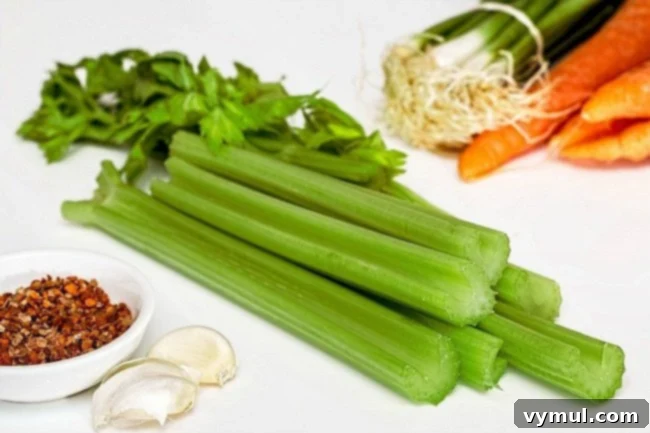
- The addition of vegetables is non-negotiable, contributing significantly to both flavor depth and nutritional value. Don’t skip them!
- While aromatic ingredients like garlic and various herbs are wonderful for enhancing flavor, consider how strong these additions might impact the final dishes you plan to use the broth in. Sometimes, a more neutral base is preferable.
- Most importantly, I realized just how incredibly simple and straightforward it is to make your own broth. It’s far less complicated than many assume.
When I launched An Oregon Cottage in 2009 to share easy homemade recipes, practical gardening tips, and our DIY home adventures, homemade broth was naturally one of the first recipes I featured. What truly excited me was discovering a way to make it even more economical by utilizing vegetable trimmings – scraps that would otherwise be discarded. This simple trick made an already affordable ingredient even cheaper, transforming kitchen waste into liquid gold. It was a game-changer for me then, and it remains an amazing concept to this day!
Chicken bone broth – or any type of bone broth – offers a multitude of benefits. It’s incredibly cost-effective, packed with potential nutrients, and serves as an excellent way to reduce food waste by giving bones and vegetable scraps a second life before they’re finally composted or discarded. And let’s not forget its delicious taste! Whether sipped straight from a mug or used as a foundational ingredient, it imparts a wonderful depth of flavor to countless soups, stews, and recipes. It’s truly a win-win-win-win situation.
Given its status as a household favorite, I’ve shared numerous methods for making chicken stock on the site over the years. To make this essential process as easy and useful as possible for you, I’ve compiled all these different approaches into one comprehensive resource. This guide covers how to make chicken stock, but the same principles apply to any meat stock – simply substitute chicken bones with beef, pork, turkey, or lamb bones you may have on hand.
In addition to the practical “how-to” methods, I’ve also conducted research to answer the most frequently asked questions about stock, broth, and bone broth. Consider this your “Bone Broth 101” primer. Below, you’ll find answers to key questions such as:
- What exactly is the difference between stock, broth, and bone broth – or are they essentially the same thing?
- Is bone broth genuinely as healthy for you as popular wellness trends suggest?
- What are the compelling reasons to make your own stock instead of buying it?
- What can you create with your freshly made chicken broth?
We’ll begin by diving into the various methods for making chicken broth from bones, then navigate through these important questions. I hope this resource addresses all your queries, but if anything remains unclear, please feel free to leave a comment, and I’ll do my best to fill in any gaps, helping us all become confident broth makers!
How to Make Chicken Broth From Bones (or Beef, Pork, Turkey, etc.) – Four Different Ways
Regardless of the type of bones you use, the fundamental process for extracting nourishing liquids remains consistent across different cooking methods. Here are four popular and effective ways to make your homemade bone broth:
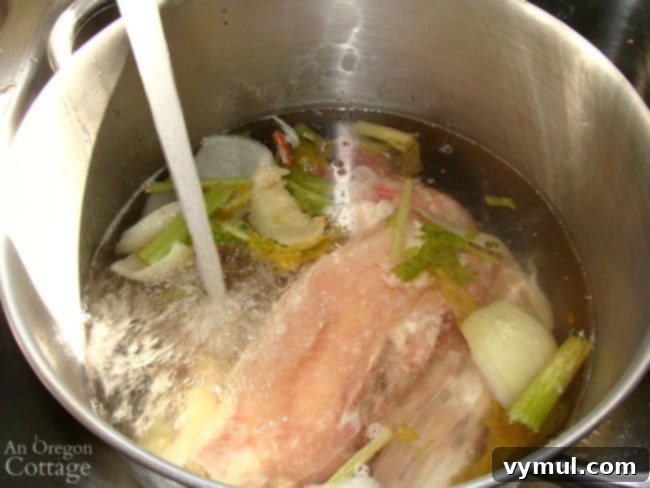
1. Traditional Chicken Stock On the Stove. This is the classic approach and the first method I learned and shared on the site. It’s also the least equipment-intensive – all you truly need is a large pot and a stovetop. This method allows for a gentle, slow simmer that extracts maximum flavor and nutrients over several hours, filling your kitchen with an enticing aroma. It’s perfect for beginners or those who appreciate the meditative process of traditional cooking. For detailed steps, including ideal cooking times and essential tips I’ve gathered over the years, visit the full stovetop chicken stock recipe here.
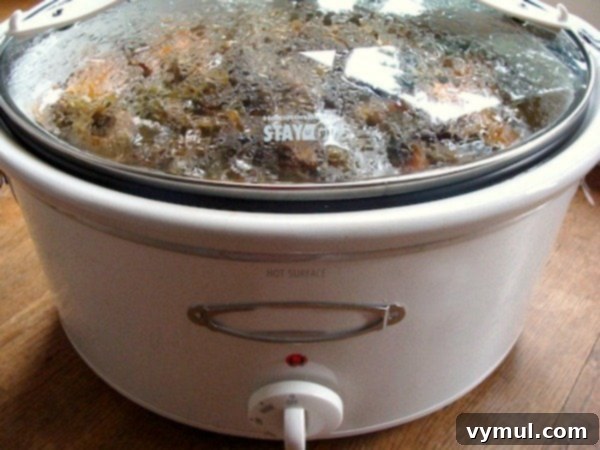
2. Easy Slow Cooker Chicken Broth. For those who prefer a more hands-off approach, the slow cooker is an absolute game-changer. I’ve relied on this method for years, appreciating how simple it is to toss the bones from a roasted chicken along with vegetable trimmings into the cooker, set it, and let it simmer unattended, often overnight. This method provides consistent, low-heat extraction, resulting in a rich, deeply flavored broth with minimal effort. It’s an excellent choice for busy individuals or when you want to make broth without constantly monitoring a pot.
3. Quick Chicken Broth in an Instant Pot/Electric Pressure Cooker. When time is a luxury you don’t have, an electric pressure cooker, like an Instant Pot, steps in as a culinary hero. This method dramatically reduces the cooking time, producing a robust and gelatinous stock in approximately 2 hours total (30 minutes to reach pressure, 1 hour of cooking, and 30 minutes for natural pressure release). It’s incredibly efficient and delivers results comparable to hours of stovetop simmering, making it ideal for spontaneous broth-making or when you need a batch ready quickly.
You can find detailed instructions for both the slow cooker and Instant Pot methods in this comprehensive article here. Both appliances offer fantastic options depending on your schedule and the kitchen tools you have available.
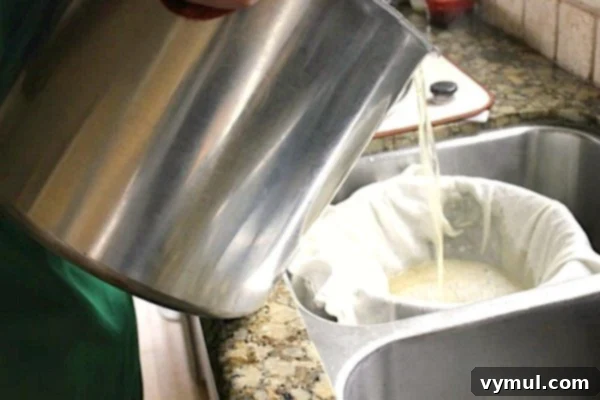
4. How to Make Chicken Stock in a Pressure Canner. While I don’t personally own a pressure canner (though I’ve used one for preserving vegetables), this method offers unique advantages, particularly for those looking to produce large quantities. This was originally a helpful guest post on the site. Similar to an Instant Pot, a pressure canner significantly speeds up the cooking process, allowing you to achieve a rich broth much faster than traditional simmering. However, its larger capacity means you can prepare substantial batches at once, making it incredibly efficient for meal prepping or long-term food storage after canning. To learn the specific steps for making stock with a pressure canner and its benefits, refer to the detailed guide here.
Bone Broth 101 – Frequently Asked Questions
Navigating the world of broths can sometimes feel confusing, with terms like “stock,” “broth,” and “bone broth” often used interchangeably. Let’s clarify some common questions and delve into the fascinating details of this kitchen staple.
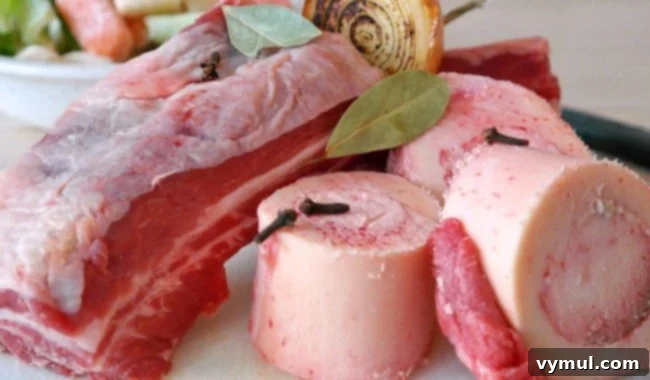
What is the difference between chicken (or other meat) “stock,” “broth,” and “bone broth” – or is there one?
While dictionaries might suggest these terms are nearly synonymous, the culinary world typically distinguishes them based on ingredients, cooking time, and the resulting product. Here’s a concise breakdown:
- Stock: Primarily made with animal bones (often roasted for deeper flavor) and vegetables, simmered for an extended period (typically 6-12 hours). The long cooking time extracts collagen, leading to a gelatinous texture when chilled.
- Broth: Usually made with meat (and sometimes a few bones), along with vegetables, and cooked for a much shorter duration (around an hour or two). It tends to be thinner and less gelatinous than stock, and is often seasoned ready for consumption.
- Bone Broth: This term is largely interchangeable with stock. It emphasizes the use of bones and long cooking times to maximize collagen and mineral extraction, often simmered for 12-24 hours. The main distinction is often marketing, highlighting the perceived health benefits.
Let’s elaborate a bit further to clarify the nuances:
Food publications like The Kitchn identify three key factors differentiating stock and broth: the ingredients used, the duration of cooking, and the presence (or absence) of seasoning. Similarly, Epicurious agrees, adding that “bone broth” might involve even longer simmering times (up to 24 hours) and potentially more meat than a standard stock.
From a home cook’s practical perspective, these are the most important distinctions:
- The Transformative Power of Bones and Time: Stock’s longer cooking duration with a higher proportion of bones yields a distinctly different product than broth, which relies more on meat and shorter cooking. A cold stock will often resemble a firm, jello-like substance due to the significant amount of collagen that leaches out from bones and connective tissues during prolonged simmering. You would typically scoop it out rather than pour it. This gelatinous quality is precisely how natural gelatin is produced and is a hallmark of a well-made stock or bone broth. Conversely, commercial broths, whether canned or boxed, are generally thinner and pourable, indicating a shorter cooking time and less collagen extraction.
- Enriched Flavor and Mouthfeel: Due to the extended cooking and bone content, stock tends to possess a much fuller mouthfeel and a richer, more profound flavor profile. Many enthusiasts (myself included) often add a splash of apple cider vinegar to the cooking water. This slight acidity helps to further break down connective tissues and draw out more minerals and nutrients, particularly from the marrow within the bones, contributing to a more potent and beneficial liquid.
- Bone Broth: Essentially Enhanced Stock: As mentioned, bone broth is fundamentally stock, often with an emphasis on maximum nutrient extraction. Some recipes advocate simmering for up to 24 hours, aiming to fully absorb bone marrow and render the bones so depleted of minerals that they become soft and brittle, easily snapped. This extended cooking time is what many believe amplifies its health properties.
- The Versatility of Shorter-Cooked Broths: It’s important to note that quicker broths also have their place in the kitchen. Simple chicken, beef, pork, turkey, or seafood broths can be made by combining meat (sometimes still attached to bones) with vegetables in a pot, covering with water, bringing to a boil, then reducing heat to a simmer for just an hour or two. This method is incredibly useful. You can even use boneless cuts like chicken breasts or thighs; essentially poaching the meat. The cooked meat can then be used in any recipe calling for it, while the resulting flavorful broth is reserved for other culinary applications. It’s a fantastic way to maximize value from a single cooking process.
Can I substitute chicken broth for bone broth?
Absolutely, yes. For most practical cooking purposes, you can use chicken broth in place of bone broth, and vice versa. Store-bought products, regardless of whether they are labeled “stock” or “broth,” typically fall into the category of shorter-cooked broths, as evidenced by their pourable consistency when cold. The key is that they can be used interchangeably in nearly any recipe. When a gelatinized bone broth is heated, it returns to a liquid state, making it functionally similar to regular broth for cooking applications. So, feel free to use whatever type of broth or stock you have readily available.
Which is healthier – stock or broth?
When comparing nutritional profiles, there are some differences to note. According to Healthline, one cup of chicken broth typically provides around 38 calories, whereas a cup of chicken stock contains about 86 calories. Stock often has slightly higher amounts of carbohydrates, fat, and protein compared to broth. Crucially, stock is also generally significantly richer in various vitamins and minerals, largely due to the longer cooking time and the greater extraction from bones and connective tissues. While both offer hydrating and comforting properties, stock often provides a more concentrated nutrient boost.
However, it’s worth noting that scientific studies haven’t always confirmed all the grand health claims often attributed to bone broth, though it is certainly not unhealthy by any means. It’s best viewed as a nourishing component of a balanced diet.
Is Bone Broth Really Healthy For You?
Bone broth has gained immense popularity in the wellness community, often touted as a cure-all with a wide array of health benefits. You’ll find numerous articles extolling its virtues, such as:
- Alleviating joint pain and promoting healthy bones due to collagen and minerals.
- Healing “leaky gut” syndrome and promoting digestive health.
- Boosting the immune system.
- Improving skin and hair health, potentially reducing wrinkles and puffiness, thanks to collagen content.
Despite these widespread claims, it’s important to approach them with a critical eye. Currently, there is a lack of robust scientific studies that definitively support many of these specific health benefits. The exact quantity of vitamins, minerals, and collagen that actually makes it into your bone broth is highly variable and depends on factors like the types of bones used, the variety of vegetables added, the quality of the water, and the duration of cooking. This variability makes it challenging to quantify precise nutritional outcomes.
While bone broth does contain amino acids, such as proline, which are essential building blocks for protein in our bodies and play a role in reducing inflammation and supporting gut health, there’s no conclusive evidence that our bodies process or utilize these amino acids differently when derived from bone broth compared to other protein-rich foods. This article delves into the science behind bone broth, concluding that while it does offer some calcium and protein, these nutrients are also readily available in many other common foods like leafy greens, beans, and nut butters.
An article from NutritionStudies.org further suggests that there is minimal research to indicate that consuming collagen in bone broth directly benefits our bones in the way we might imagine. Our bodies break down collagen into individual amino acids, treating them just like any other dietary amino acid, rather than directly incorporating them as intact collagen. Interestingly, this article also highlights that a significant portion of the nutrition found in bone broths and stocks, beyond the protein, actually comes from the vegetables we generously include during the simmering process!
(A quick note: I personally do not fully agree with the articles that conclude bone broth could be harmful due to lead content. One article referenced only a single study, and there’s another study presenting contradictory results. Given the conflicting evidence, it’s premature to label bone broth as “harmful” based on such limited and inconsistent findings.)
Wait, what about collagen supplements if our body doesn’t use it like we think?
This was a point of clarification for me, especially as a fan of liquid collagen supplements, which I’ve found directly benefit my nails and hair. It’s crucial to understand the distinction between collagen in bone broth and hydrolyzed collagen supplements.
As one article explains, supplements typically deliver a significantly higher dose of collagen than what you’d get from a serving of bone broth. Moreover, the collagen in supplements is often hydrolyzed, meaning it has been pre-processed and broken down using heat, acids, and enzymes. This hydrolysis makes the collagen peptides much smaller and more bioavailable, allowing your body to absorb and utilize them more efficiently. In contrast, the collagen in bone broth is generally not hydrolyzed, meaning it’s in a larger, less processed form.
Additionally, some research has indeed indicated that hydrolyzed collagen, particularly when combined with other beneficial ingredients, can contribute to reducing the visible signs of aging. So, if you’re taking collagen supplements and seeing benefits, feel confident in continuing – I certainly will!
Okay, so why bother making bone broth or stock?
Despite the scientific skepticism around some of the more grandiose health claims, the reasons I started making bone broth all those years ago remain incredibly valid and compelling today. It’s an exceptional way to use up ingredients you already have (bones, vegetable scraps), significantly save money compared to store-bought versions, and create a truly delicious, savory base for countless soups, stews, and any recipe that calls for broth.
As a component of a varied and balanced diet, homemade bone broth is undeniably delicious and contributes to overall well-being. There’s a profound, comforting feeling derived from sipping a warm mug of seasoned broth, especially on a chilly day or when feeling under the weather. And while specific claims may be debated, a few studies have shown that hot chicken soup, especially when made with vegetables and homemade bone broth, can be more effective than plain water in mitigating some symptoms of upper respiratory tract infections, offering genuine soothing relief.
Furthermore, we unequivocally know that consuming a wide variety of vegetables provides a wealth of essential nutrients, including phytonutrients (like vitamins C, E, & A, amino acids, and sulfur) that our bodies can actually *use* to synthesize their own collagen. What better way to enjoy this nutrient-rich variety than in a comforting and flavorful bowl of homemade soup or stew made with your own nourishing bone broth?
What can you make with chicken or other types of broth?
Beyond simply sipping on cups of warmed, seasoned broth, this homemade liquid gold is a truly versatile and indispensable pantry staple. You’ll find it listed as a key ingredient in an astonishing array of recipes, significantly enhancing flavor and adding nutritional depth. Here are just a few ideas to inspire your culinary creations:
Hearty Soup & Stew Recipes to Get You Started:
- Sausage Bean Soup with Spinach & Tomatoes (often made with beef broth): A robust and satisfying meal, perfect for a slow cooker or Instant Pot, where the broth helps meld the flavors beautifully.
- 15-minute Rustic Italian Sausage Soup (beef broth): A quick yet incredibly flavorful soup where a rich broth provides the perfect base for savory sausage and vegetables.
- Quick Homemade Tomato Soup Recipe (chicken broth): Elevate a simple tomato soup with the added depth and complexity that homemade chicken broth brings, making it far superior to canned versions.
- The Best Sausage & Lentil Stew Recipe (chicken broth): A comforting and filling stew where the broth tenderizes the lentils and carries the rich flavors of sausage and spices.
- Amazing Cauliflower Cheese Soup (chicken broth): The secret to a truly amazing and creamy cauliflower cheese soup lies in a flavorful broth that supports the dairy without making it overly heavy.
- Sriracha Chicken Noodle Bowls (chicken broth): A vibrant and spicy dish where chicken broth forms the aromatic and savory foundation for noodles, chicken, and fresh vegetables.
More Creative Ways to Utilize Your Homemade Broth:
- Cooking Grains: Beyond soups and stews, try substituting broth for water when cooking grains like rice, quinoa, or couscous. It transforms plain grains into a fragrant, savory side dish, adding immense flavor without extra effort. It’s also an absolutely indispensable liquid for achieving the perfect creamy texture and depth of flavor in risotto.
- Dairy-Free Alternatives: Use broth in place of milk or cream when making mashed potatoes or creamy white sauces. This is a fantastic way to keep dishes dairy-free while adding a savory richness that plain water or non-dairy milk might lack. The flavor boost is truly remarkable.
- Gravies & Stuffing: Broth is an integral, non-negotiable component of any homemade gravy, providing essential flavor and liquid for a smooth consistency. It’s also a key ingredient in classic stuffing or dressing recipes, ensuring moisture and a delicious savory backbone.
- Casseroles & Sauces: Many casserole recipes call for chicken or other types of broth to add moisture, bind ingredients, and infuse overall flavor. Use it as a liquid base for pan sauces or to deglaze a pan after searing meats, capturing all those delicious browned bits.
- Wine Substitute: If you prefer to avoid cooking with wine, broth is an excellent and widely accepted substitute in almost any recipe calling for it. It provides a similar depth of flavor and liquid component without the alcohol.
So there you have it – a comprehensive exploration of everything you ever wanted to know about how to make chicken broth from bones, but perhaps were afraid to ask! From the simplest stovetop method to the quickest Instant Pot approach, and a deep dive into its distinctions and practical benefits, you’re now equipped to become a confident homemade broth maker.
I’d love to hear from you! Do you already make your own broth, and what are your favorite ways to use your homemade liquid gold in the kitchen? Please share your tips and experiences in the comments below.
And here’s one more fantastic idea in the “using up” category, shared by a brilliant reader:
“If you have a garden, you can easily turn your used bones into bone meal to sprinkle on it. After making broth, I put the bones on a cookie sheet at 325°F for 6-8 hours. Then, I hammer the bones into smaller pieces and pulse them in a high-speed blender until they become a fine powder. It’s super easy, and you’re adding valuable nutrients back into the earth while preventing these bones from ending up in the landfill!”
What an ingenious and eco-friendly idea! This not only minimizes waste but also enriches your garden soil naturally. It truly embodies the spirit of sustainable living and getting every last bit of value from our resources.