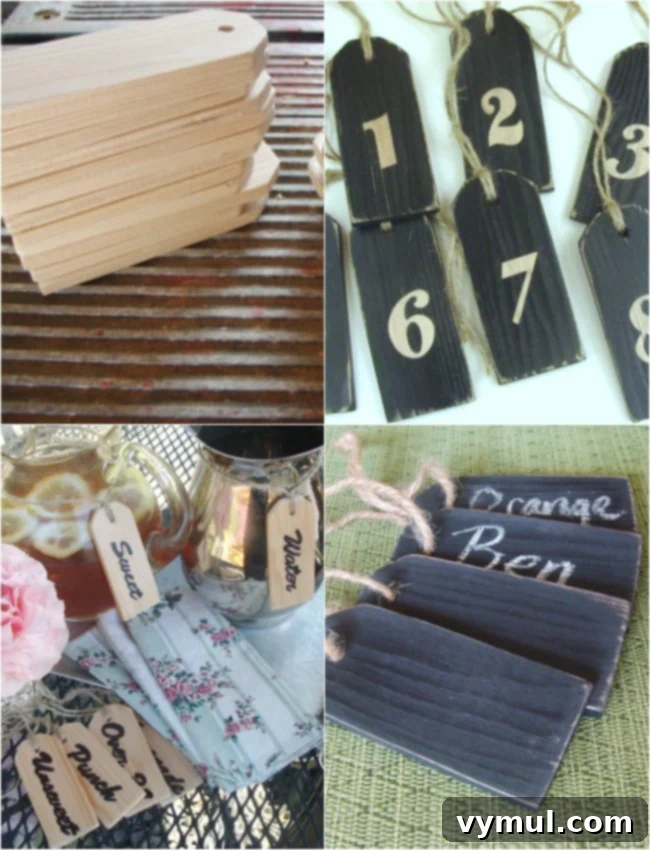
DIY Wooden Tags: Craft Three Unique Styles for Personalized Gifts, Home Decor & Organization
Welcome to a comprehensive guide on crafting beautiful and versatile wooden tags from scrap wood or inexpensive pine. This tutorial will empower you to create three distinct styles: charming numbered tags, practical beverage and potluck labels, and adaptable chalkboard tags. These handmade items are perfect for adding a touch of rustic elegance to your home decor, enhancing organization, or gifting as a truly unique and thoughtful present.
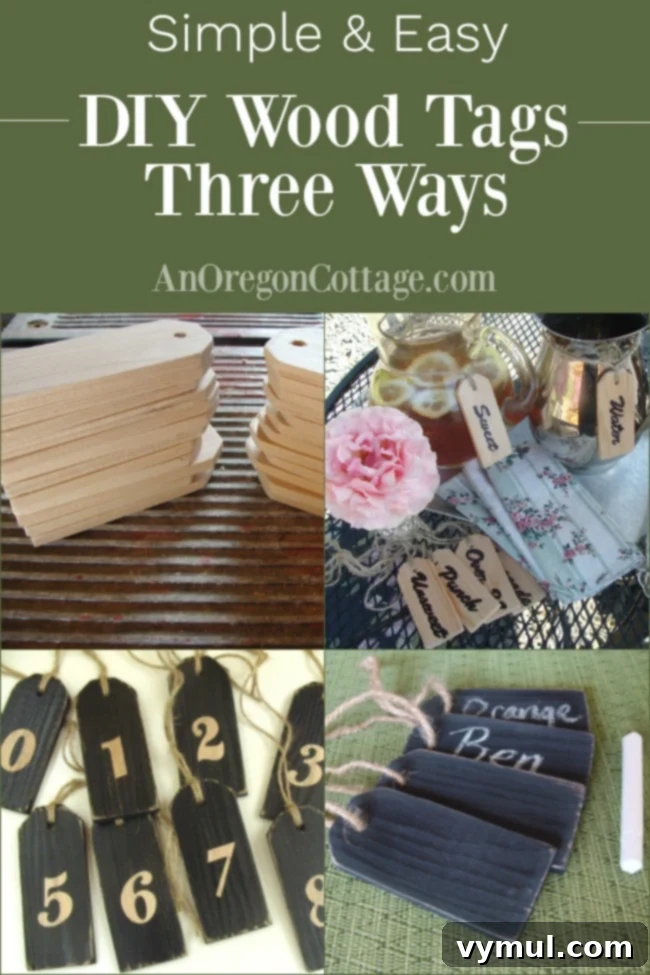
Some links in this article are affiliate links, and if you click on them, I will receive a small commission at no cost to you. This helps support the content I create.
If you’re a regular reader here at AOC, you’ll know my passion for discovering and recreating simple, handmade gift ideas that offer significant savings compared to store-bought alternatives. I often find inspiration in various emails and catalogs – not necessarily to purchase, but to spark ideas for decor or gifts that I can easily replicate with a personal touch.
There’s a special joy in giving (and receiving!) homemade gifts. They carry a unique essence of the giver – a blend of time, thought, and effort, not just money. This personal investment makes them incredibly meaningful and cherished.
Inspired Creations: Affordable DIY Tags
My recent inspiration struck when I stumbled upon similar tag ideas on two of my favorite online destinations, Decor Steals and Ballard Designs. I instantly recognized their potential as fun, super simple gift options or as a charming way to enhance home organization:

Beyond the two inspiring designs above, I’ve developed a third unique tag idea that I’m thrilled to share. This comprehensive guide includes a detailed tutorial on how to make your own wooden tags from readily available scrap wood or inexpensive pine. While you could certainly purchase unfinished wood tags from craft stores or online, crafting them yourself from scrap wood with a miter saw makes them virtually free or costs mere pennies each. This approach is not only budget-friendly but also a fantastic way to repurpose materials and reduce waste.
Once you’ve crafted your basic wooden tags, the creative fun truly begins! You’ll then choose one of the three exciting finishing methods detailed below. Of course, don’t feel limited – you can unleash your creativity and try all three styles for a diverse collection!
And let’s talk about savings! Do you think these DIY tags will even come close to the catalog prices of $28.50 plus $5 shipping for distressed number tags, or $15 plus shipping for beverage tags? Absolutely not! In my case, I already had scrap wood, black paint, garden twine, a Sharpie, and number stickers on hand, so my cost was precisely zero. While I acknowledge that I must have purchased these supplies at some point, the beauty of DIY is utilizing what you already possess. This project demonstrates how a few dollars in basic supplies, combined with some thoughtful wrapping, can transform into an exceptional, personalized gift. In fact, I love these tags so much, I’m keeping some for myself!
Note: This article is quite extensive, featuring four distinct tutorials. To simplify navigation, I’ve presented the key steps in a clear, easy-to-follow format. If you choose to purchase pre-made wooden tags, you can simply skip ahead to the decorating tutorials.
DIY Wood Tags Three Ways: Get Started!
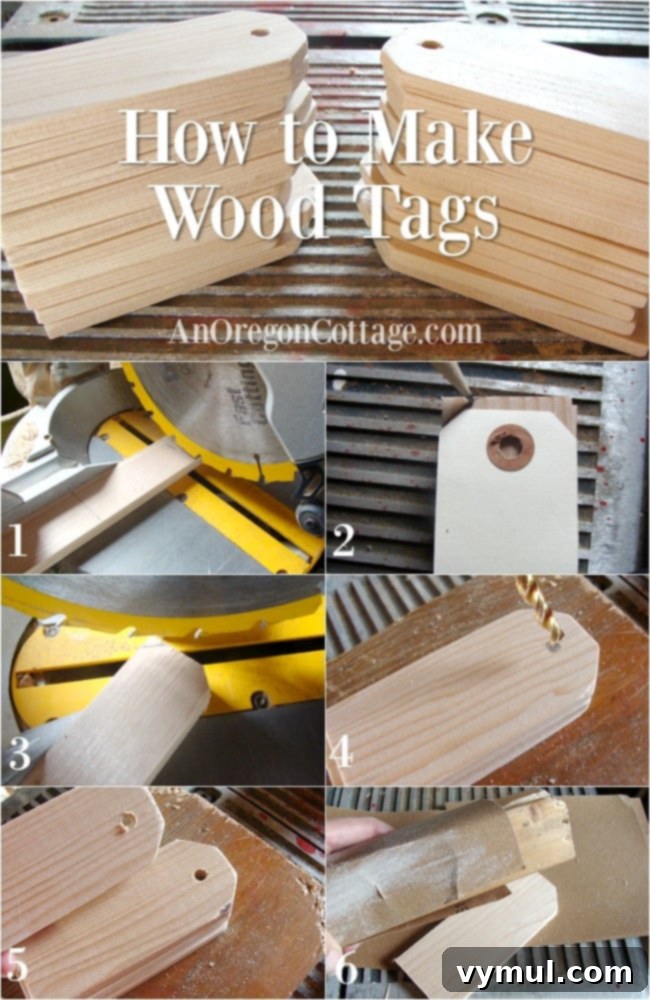
How To Make DIY Wood Tags (Base Tags):
Creating the foundational wooden tags is the first step in this rewarding project. You can either use existing scrap wood or purchase lattice or lath pieces from your local home improvement store. Aim for wood that is approximately 1-1/2 inches wide and 1/4 inch thick. If you’re using larger scrap wood, you’ll simply cut it down to these dimensions.
- Cut the Wood to Length: Utilize a miter saw – this is the reliable model we use – or a miter box with a hand saw. Cut your chosen wood into lengths ranging from 3 to 4 inches; my tags typically average about 3-1/2 inches. PRO TIP: Always ensure the saw blade is running at full speed before it touches the wood, and then cut slowly and steadily for cleaner, safer cuts.
- Mark the Angles: To create the classic tag shape, use a standard shipping tag as a template. Place it on your wooden piece and carefully trace the angles at the top corners with a pencil. This ensures consistency and a professional finish.
- Cut the Corners: Adjust your miter saw to a 45-degree angle. Carefully align the wood with your pencil marks and cut off the corners. This step transforms your rectangular pieces into recognizable tag shapes.
- Drill the Hanging Hole: Using an electric drill – here’s an inexpensive drill with excellent reviews – create a hole at the top center of each tag. Ensure you use a drill bit large enough to easily accommodate jute twine or your preferred ribbon later.
- DRILLING EFFICIENCY TIP: To save time and ensure consistent hole placement, stack 2-3 tags together and drill through all of them at once. This trick significantly speeds up the process, especially when making a larger batch.
- Sand the Edges Smooth: For a polished and splinter-free finish, sand all the edges of your tags. Start with 150-grit sandpaper for any rough spots, then follow up with 220-grit sandpaper for a smooth feel. Here’s a convenient set that includes both grits.
Now that you have a beautiful stack of perfectly crafted wooden tags, the creative possibilities are endless! It’s time to decide how you’d like to personalize them. Choose one, two, or even all three of the inspiring finishing options detailed below.
1. Distressed Wooden Numbered Tags: Rustic Charm for Organization
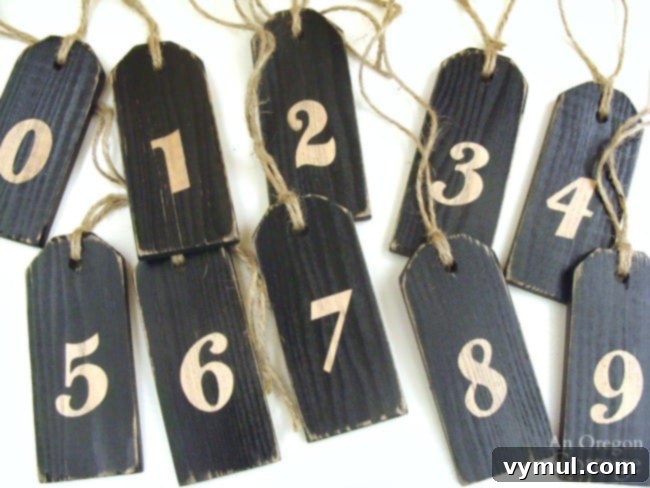
These easy-to-make distressed numbered tags offer immense versatility for home decor and organization. Their charming, vintage appeal can enhance almost any space. After the tutorial, I’ll share several creative ways I’ve used them around my home to spark your own imagination.
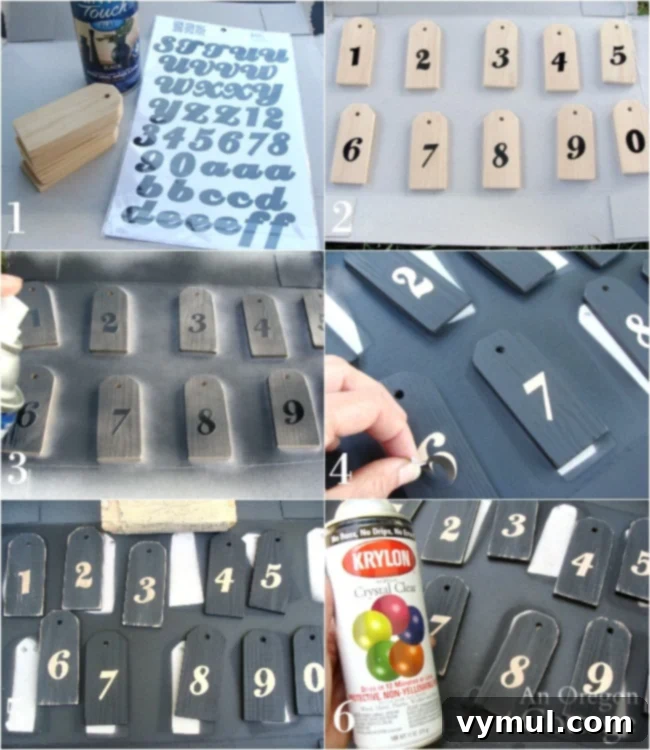
How To Make Distressed Wood Number Tags:
Supplies You’ll Need:
- Flat black spray paint
- Your prepped wooden tags (made in the previous steps)
- Number stickers in your preferred font (this classic set of number stickers offers a timeless look)
- Jute twine or decorative ribbon
Method:
- Prepare Your Numbers: There are various ways to achieve a distressed number look. You could use a stencil to paint white numbers onto black wood, or paint black numbers onto bare wood. For the quickest and most effective muted, worn aesthetic, I opted for stickers, as I already had them available.
- Apply Stickers: Carefully attach the number stickers onto the center of your prepared wooden tags. Press them down firmly to ensure good adhesion, preventing paint bleed.
- Spray Paint Black: In a well-ventilated area, lightly spray two to three thin coats of flat black paint over the entire tag, paying close attention to covering all edges. Spray directly downwards over the tags to minimize the chance of paint seeping underneath the sticker edges. Allow adequate drying time between coats.
- Dry and Remove Stickers: Once the paint is completely dry to the touch, carefully peel off the number stickers. This will reveal the natural wood color beneath, creating the distressed effect.
- Lightly Sand for Distress: Gently sand the painted tags with 220-grit sandpaper. Focus on the edges and raised areas to enhance the worn, vintage look, allowing some of the natural wood to peek through the black paint.
- Seal and Thread: To protect your tags and give them a finished sheen, spray both sides and all edges with a clear, satin sealer. Let it dry completely. Finally, thread a piece of jute twine (or your chosen ribbon) through the drilled hole for hanging.
Creative Uses for Numbered Wood Tags:
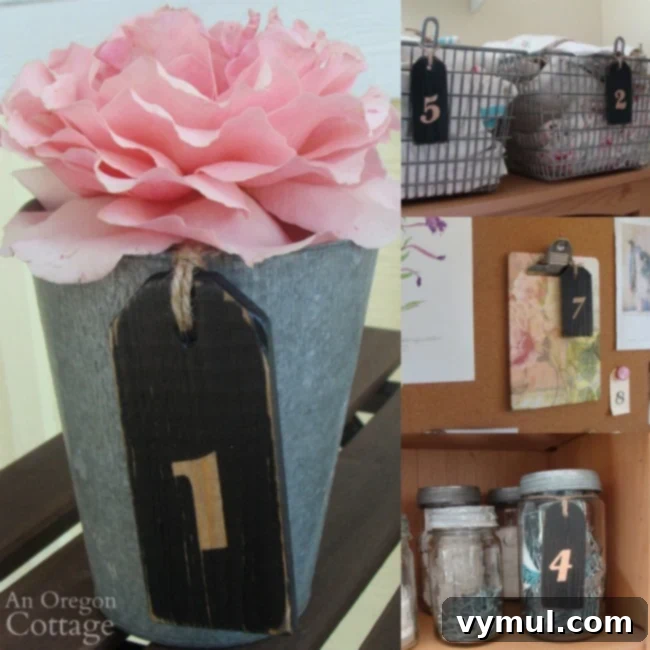
These simple yet stylish tags can elevate many areas of your home:
- On Flower Pots or Vases: Arrange a series of 3 or 5 tags on pots with identical flowers for a stunning centerpiece or inviting porch decor. They add a sophisticated, curated feel.
- Hang on Baskets: Use them to label storage baskets in a pantry, linen closet, or craft room, bringing order and aesthetic appeal to your organization.
- Label Clipboards: Attach them to clipboards for categorizing documents, notes, or meal planning, especially useful in a home office or kitchen.
- Around Mason Jars for Storage: Employ them to identify contents in mason jars used for storing dry goods, craft supplies, or small household items, combining functionality with farmhouse charm.
- Advent Calendars: Create a charming reusable advent calendar by hanging these numbered tags on small bags or boxes containing holiday treats or activities.
- Gift Tags: Use them as unique, reusable gift tags. The numbers can represent special dates, ages, or simply add a distinctive touch.
2. Beverage Label Wood Tags: Elegant Table Settings & Hostess Gifts
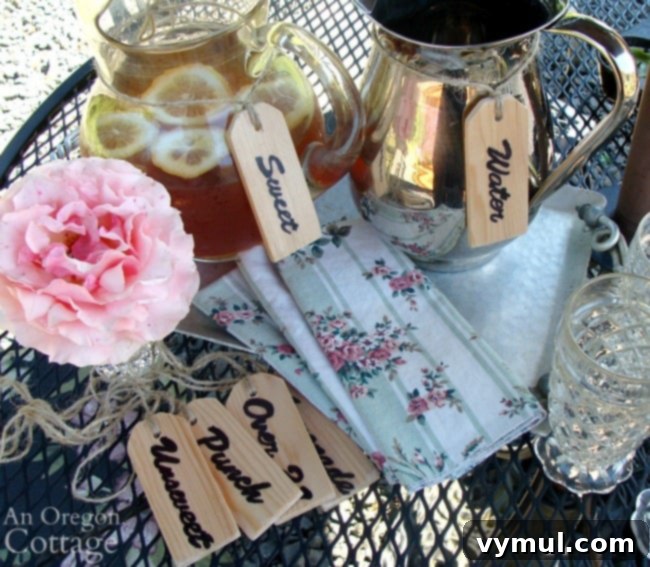
These elegant beverage tags, inspired by high-end catalog designs, are perfect for labeling drinks at your own gatherings, ensuring guests know what they’re pouring. They also make a truly thoughtful and impressive hostess gift, especially when paired with a lovely pitcher or a selection of artisanal beverages.
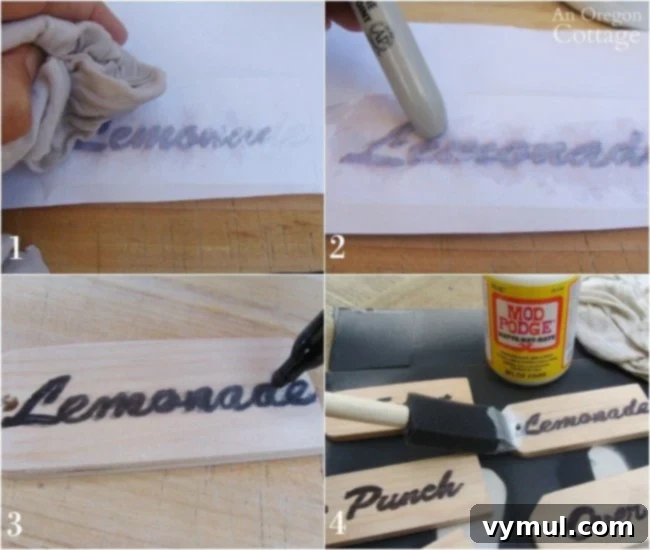
How To Make Wood Beverage Tags:
Supplies You’ll Need:
- Prepped wooden tags
- Ink-jet printer (for words, optional)
- Cloth
- Black Sharpie pen
- Mod Podge (matte or gloss, depending on your preference)
- Longer pieces of jute twine – approximately 14 inches doubled over, to tie around pitchers.
Method for Ink-Jet Transfer (or Hand-Lettering):
The goal here is to transfer an ink-jet printed word onto the tags. If you prefer, you can skip steps 1-4 and simply hand-write the labels with a Sharpie.
- Type and Format Words: Open a word-processing program and type out the words you want for your labels (e.g., “Lemonade,” “Iced Tea,” “Water,” “Sangria”). Choose an appealing font; I used Brush Script, sized to 44pt or 40pt for longer words to fit the tags.
- Reverse the Image: Crucially, you need to reverse or flip the image of your text horizontally. I used the Preview application on my Mac to take a screenshot, flip it, and then print without scaling constraints. Most image editing or even some printer settings offer a “mirror image” or “flip horizontal” option.
- Position and Dampen: Place the printed word onto a tag, ink-side down, ensuring it’s centered. Lightly dampen the paper with a damp (not soaking wet) cloth. This helps the ink release.
- Burnish the Image: Using the end of a Sharpie pen or a similar smooth, firm object, firmly burnish (rub) the back of the damp paper. Be careful not to tear the paper. Gently lift off the paper to reveal the transferred image.
- Refine (if needed) or Hand-Letter: Often, the ink transfer isn’t perfect, resulting in a faded look. If this happens (a common occurrence!), simply take your Sharpie and carefully trace over the outline of the transferred letters to sharpen them. Alternatively, for a truly rustic and personalized touch, you can skip the printing steps entirely and write the words directly onto the tags in your own neat handwriting from the start.
- Seal with Mod Podge: Allow the tags to dry thoroughly after writing or tracing. Then, apply a generous coat of Mod Podge to the surface. IMPORTANT: Do NOT use a spray sealer, as it can cause the marker ink to bleed significantly. While I’ve heard that spraying the wood with hairspray before using the marker can help prevent bleeding, I didn’t do this, and I did experience a minor amount of bleeding even with brushed-on Mod Podge. Test on a scrap piece if concerned!
- Add Twine: Thread these finished tags with longer pieces of jute twine – approximately 14 inches doubled over. This length will provide ample ends for tying around pitcher handles or bottle necks.
3. Wood Chalkboard Tags: Versatile Labeling for Every Space
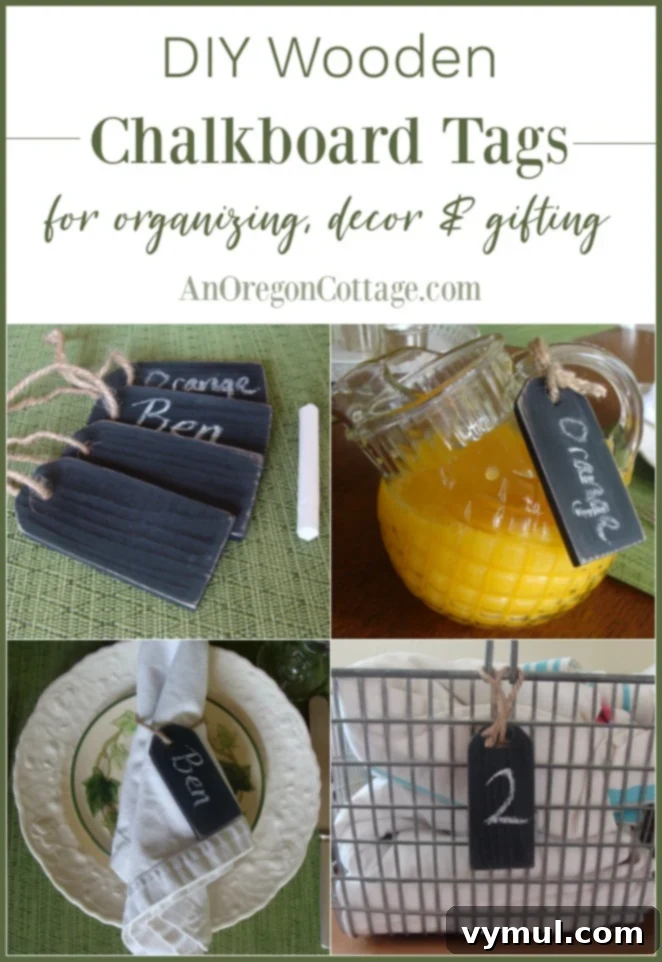
How to Make Chalkboard Tags:
Supplies You’ll Need:
- Prepped wooden tags
- Regular flat black spray paint
- Jute twine or ribbon
- Chalk (for seasoning and writing)
- Soft cloth (for wiping)
Method:
- Spray Paint for Chalkboard Effect: Generously spray paint one side of your wooden tags with regular flat black spray paint. MY DIY CHALKBOARD SECRET: This is my go-to trick! Regular flat black spray paint costs about half the price of specialty chalkboard spray paint, performs just as effectively, and you’re much more likely to already have a can on hand. I’ve successfully used this exact paint on numerous projects, including this canvas menu board, this distressed frame chalkboard, and for these chalkboard graduation party decorations, and it consistently delivers perfect results.
- Ensure Full Coverage: Allow the first side to dry completely, then flip the tags and spray the other side, making sure to cover all edges thoroughly. Achieving full, even coverage is key to a functional chalkboard surface. Let the tags dry completely according to paint instructions.
- Optional Distressing and Threading: If you desire a rustic or vintage look, you can lightly distress the tags by gently rubbing sandpaper along their edges after the paint is dry. Finally, thread the holes with jute twine or your chosen ribbon.
- Season Your Chalkboard: Before first use, “season” your chalkboard tags. Rub the side of a piece of chalk entirely over the painted surface, then wipe it clean with a soft cloth. This primes the surface, making it easier to write on and erase cleanly in the future.
How to Use Chalkboard Tags:
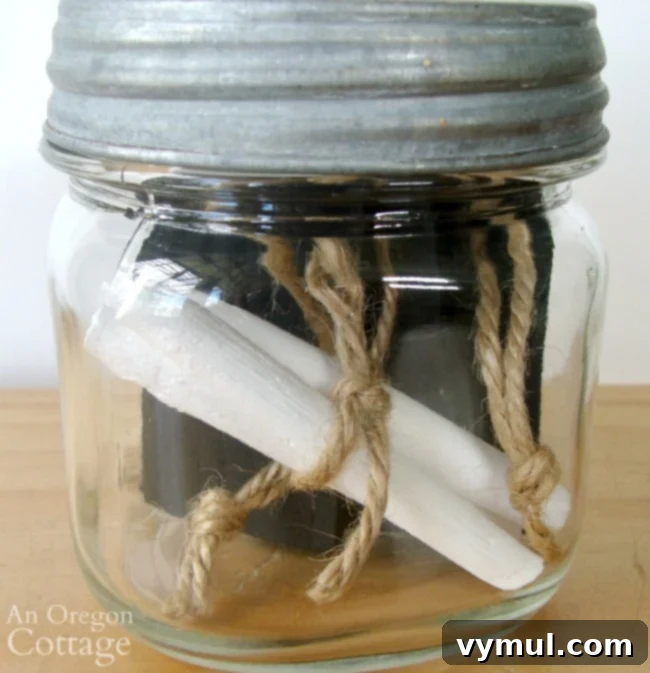
These incredibly versatile chalkboard tags offer endless possibilities:
- Thoughtful Gift Packages: Assemble a set of tags with a piece of chalk for a delightful and practical gift. Presenting them in a mason jar not only adds to the charm but also provides reusable packaging.
- Household Organization: Use them throughout your home to label pantry items, craft supplies, children’s toys, or even garden herbs. Their erasable surface means you can change labels as needed.
- Event Place Cards: At dinner parties or special events, write guests’ names on the tags for charming, personalized place cards.
- Mini Message Boards: Leave small notes or reminders around the house, adding a decorative touch to your communication.
- Easy Writing and Erasing: Whether you use specialty chalkboard paint or my secret flat black paint, chalk writes smoothly on these surfaces and wipes off effortlessly with a soft cloth, making them truly reusable.
So, if you’ve made it this far, I’m confident you’re inspired to create your own version of these versatile wooden tags! Which style will you tackle first, and how do you envision using them? Will they be cherished gifts for friends and family, or will you keep them to enhance your own home, just like me?
This tutorial has been thoughtfully updated and expanded; it was originally published in July 2012.
Disclosure: Affiliate links within this article may generate a commission based on sales, but this will not alter your purchase price. Click here to review my full disclaimer and advertising disclosure policy.