The Ultimate Guide to Backyard Beekeeping: Benefits, Debunking Myths, and Essential Facts for Aspiring Beekeepers
Hello, fellow nature enthusiasts and home gardeners! A few weeks ago, I shared the exciting news about my brother-in-law bringing his vibrant backyard bee colonies to our property. I’m thrilled to report that these industrious little pollinators have settled in beautifully and are already making a significant impact on our garden’s health and productivity. The gentle hum of their activity is truly a joy to witness, and our plants are flourishing like never before.
Following the enthusiastic reception and numerous insightful comments on that initial post, my brother-in-law – whom we’ve affectionately nicknamed “Zack The Bee Man” – proposed an excellent idea. He offered to write a guest post, diving deeper into the intriguing and often misunderstood world of beekeeping. His primary aim is to address common misconceptions, highlight the incredible advantages of keeping bees, and share some truly fascinating facts about honeybees that often go unnoticed by the casual observer. While he might be relatively new to the art and science of beekeeping, his passion, dedication, and growing depth of knowledge are truly impressive! He’s become quite the expert in a short amount of time.
Without further ado, let’s turn it over to our resident expert, Zack The Bee Man, for his illuminating insights:
First and foremost, I want to express my genuine appreciation as a long-time subscriber and follower of An Oregon Cottage (and thank you right back, Zack, for your kind words – it means a lot to have you as a reader!). When my beehives were mentioned in a recent post, I thoroughly enjoyed reading all the comments and the genuine curiosity and interest many of you showed. It truly inspired me to provide even more detailed and practical information for anyone considering embarking on the rewarding journey of backyard beekeeping. It’s a journey that offers so much more than just honey!
7 Important Considerations and Undeniable Benefits for Aspiring Backyard Beekeepers
Embarking on beekeeping is an incredibly fulfilling and impactful endeavor, offering a unique connection to nature and a tangible way to contribute positively to our local ecosystems. However, like any new hobby or venture involving live creatures, it comes with its own set of responsibilities and learning curves. For those intrigued by the idea of becoming a backyard beekeeper, here are some crucial points to consider. These insights will not only prepare you for the realities of hive management but also highlight the immense and often surprising benefits of bringing these remarkable insects into your life and landscape:
1. Understanding the Actual Time Commitment for Beekeeping
One of the most frequent questions I encounter from curious individuals is about the perceived time investment required to be a beekeeper. Many people envision hours of daily tending, constant vigilance, and complex procedures, but the reality is quite different – and often surprisingly less demanding than initially imagined! In fact, the less you disturb the beehive by opening it unnecessarily, the better off and more productive your bees will typically be. Frequent intrusions can stress the colony, disrupt their intricate social structures, and interrupt their vital work of foraging, building comb, and raising brood.
Routine hive inspections, which are crucial for monitoring colony health, queen presence, honey stores, and signs of disease or pests, typically last between 10 and 15 minutes and should be done no more than 6 to 8 times a year. These inspections are primarily conducted during the active spring and summer months when the colony is growing and foraging. During these brief check-ups, a beekeeper observes specific indicators: the presence of the queen (or signs of her recent activity like fresh eggs), a healthy brood pattern (uniform development of eggs, larvae, and pupae), adequate honey and pollen stores for the colony’s sustenance, and any signs of pests like Varroa mites or diseases. You’re observing and assessing, not interfering excessively. Of course, a couple of dedicated hours will be spent during the exciting process of harvesting honey, usually on a warm, late summer day towards the end of August here in the Willamette Valley. This harvest time is a truly exhilarating and satisfying experience; the hours seem to fly by with every frame of golden honey that is carefully “spun out” in a honey extractor and collected into jars, ready to be enjoyed throughout the entire year. Beyond inspections and harvest, additional time might be spent monitoring for swarms, ensuring adequate water sources, or preparing the hives for winter, but these are generally sporadic and manageable tasks that don’t require daily attention. Beekeeping is more about thoughtful, timely intervention than constant labor.
2. Debunking the Myth: Honeybees Are Not Inherently Dangerous
A significant and widespread misconception about bees is that they are dangerous, often leading people to unfairly group docile honeybees with more aggressive stinging insects like wasps, hornets, and yellow jackets. This generalization couldn’t be further from the truth. Honeybees are, by nature, incredibly docile insects. Their absolute last intention is to sting a human or any other large animal. Unlike wasps which can sting repeatedly, a honeybee’s sting is a final, fatal act of defense for the individual bee, as its barbed stinger remains in the victim, tearing free from the bee’s body. They will only sting if they perceive a direct, undeniable threat to their hive or themselves, such as being accidentally squashed, stepped on, or if their home is being actively attacked or vandalized. They certainly will not “attack” an innocent bystander who is simply walking by or enjoying their garden. With proper protective gear (a bee suit, gloves, and veil), gentle handling techniques, and a calm demeanor, beekeepers can interact with their colonies with minimal risk. Education about genuine bee behavior and the differences between various stinging insects is key to overcoming this common and often debilitating fear, allowing more people to appreciate these vital creatures.
3. Honeybees Are Absolutely Vital to Our Global Food Supply
The critical, indispensable role honeybees play in our food chain and global agriculture cannot be overstated. Roughly 60% of the fruits, vegetables, nuts, and even animal forage crops that we rely on to feed our families – and indeed, the entire global population – require honey bee pollination to grow and thrive. This staggering percentage encompasses a vast array of produce, including staple crops like apples, almonds (which are almost entirely dependent on honeybees), blueberries, avocados, cucumbers, pumpkins, strawberries, and countless others. Without the tireless work of honeybees transferring pollen from flower to flower, enabling plants to fertilize and produce fruit, agricultural yields would plummet dramatically. This would lead to severe food shortages, increased food prices, and widespread ecological imbalance across the globe. Beyond human food production, many wild plants also depend on bees for reproduction, underpinning entire ecosystems and supporting biodiversity. Protecting honeybees, therefore, is not just about ensuring a supply of sweet honey; it’s about preserving the very foundation of our sustenance, the health of our planet, and the biodiversity that makes life possible.
4. Honeybees Urgently Need Our Collective Help
Despite their immense importance to both agriculture and natural ecosystems, honeybee populations, both wild and managed, are facing unprecedented and severe challenges globally. In recent decades, millions of colonies of wild honeybees have been wiped out by a complex interplay of environmental stressors. These include rapid urbanization leading to irreversible habitat loss and fragmentation, widespread use of harmful systemic pesticides (particularly neonicotinoids, which weaken bees’ immune systems and impair their navigation abilities), the pervasive parasitic Varroa destructor mite (which feeds on bee hemolymph and transmits debilitating viruses), and a mysterious phenomenon known as “Colony Collapse Disorder” (CCD). CCD, characterized by the sudden disappearance of worker bees from a hive, leaving behind only the queen, undeveloped brood, and ample food stores, has baffled scientists and devastated beekeepers worldwide, highlighting a serious underlying health crisis within bee populations.
It’s in this dire context that backyard beekeeping has emerged as an increasingly vital and impactful effort. By establishing and maintaining small-scale colonies in diverse environments, backyard beekeepers contribute directly to reestablishing lost bee populations. These urban and suburban apiaries often provide safe havens, free from some of the intense pressures of industrial agricultural monocultures and high pesticide exposure. Furthermore, these local colonies increase the genetic diversity of bee populations and enhance pollination services in residential areas and community gardens. Every new hive established, every healthy colony nurtured, and every aspiring beekeeper educated is a critical step forward in safeguarding these essential pollinators. This collective effort is paramount not only for the survival of honeybees but, by extension, for the preservation of our planet’s biodiversity and global food security. It’s a tangible way for individuals to make a difference.
5. The Remarkable Medicinal Properties of Bee Products
Beyond their unparalleled role in pollination and the production of delicious honey, honeybees yield several other products with profound medicinal properties that have been recognized and utilized for centuries across various cultures and traditional healing practices. Bee pollen, for instance, is a potent superfood, exceptionally high in protein, essential vitamins (like B vitamins), vital minerals, and amino acids. It’s often used as a homeopathic remedy for seasonal pollen allergies, with the theory that consuming small amounts of local pollen can help desensitize the body to environmental allergens over time, building natural immunity. Many people consume it as a daily supplement for its overall nutritional boost.
Honey itself is a marvel of nature’s pharmacy. For millennia, it has been revered for its powerful antibacterial, anti-inflammatory, and antioxidant properties. Ancient Egyptians used honey extensively in embalming and as a wound dressing, while Greeks and Romans applied it to wounds and consumed it as a general tonic. To this day, raw, unprocessed honey (especially varieties like Manuka honey) is still widely used in modern medical settings, particularly in burn units, for its ability to promote rapid tissue regeneration, prevent infection due to its hydrogen peroxide content, and reduce inflammation. Other fascinating bee products include propolis, a resinous material collected by bees from tree buds and used to seal and sterilize their hives, which boasts strong antiviral and antibacterial properties. Royal jelly, a milky secretion fed exclusively to the queen bee, is celebrated for its potential immune-boosting and anti-aging benefits. These diverse products further underscore the incredible value and multifaceted contributions bees offer beyond sweet treats.
6. Significant Financial Benefits of Backyard Beekeeping
While the primary motivations for backyard beekeeping are often environmental stewardship, personal fulfillment, or a desire for fresh, local honey, the financial benefits can also be surprisingly significant, making it a sustainable and even potentially profitable hobby. The initial investment for setting up one healthy hive, including the essential hive components (like the hive body, frames, and foundation), protective gear (suit, veil, gloves), and the bees themselves (a “nuc” or package of bees), can typically range from approximately $200 to $400. However, this initial cost can often be recouped quite quickly, sometimes even within the first year of operation.
Each healthy, well-managed hive has the potential to produce a substantial amount of honey – typically between 60 to 90 pounds every year, depending on factors such as local climate, the abundance and diversity of available forage, and the overall strength and health of the colony. Raw, local honey is a premium product in high demand within communities. It can be sold for an average of $5 to $7 per pound, sometimes even more in urban centers, farmers’ markets, or specialty stores where consumers value local provenance and quality. This means that a single hive producing 60 pounds of honey, sold at a conservative $5 per pound, would generate $300 (60 pounds x $5 = $300), potentially covering the entire initial cost of the hive in its very first year! Beyond honey, astute beekeepers can also harvest and sell other valuable bee products such as beeswax (highly sought after for candles, cosmetics, balms, and crafts), propolis tinctures, and even raise and sell queen bees or starter colonies (nucs), diversifying their income streams and further enhancing the economic viability and appeal of their apiary. It’s a hobby that truly can pay for itself and more.
7. Beekeeping as an Exceptional Learning Tool for Children
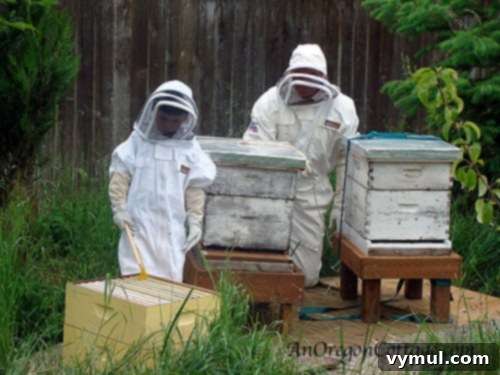
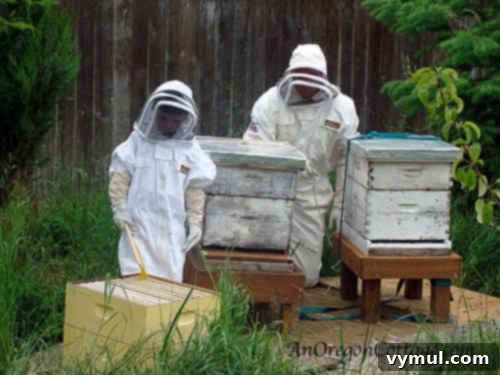
Introducing children to the world of beekeeping offers an unparalleled and profoundly enriching educational experience, fostering a deep and lasting connection with nature, science, and responsibility. My son, who is currently five years old, absolutely adores taking care of “his girls,” as he affectionately calls the bees. He has his own specially sized bee suit, complete with a protective veil, and genuinely looks forward to every opportunity to join me in inspecting the hives. It’s a hands-on, living lesson in biology, ecology, and social studies, all rolled into one vibrant activity. He gets to observe the intricate social structure of a bee colony firsthand, watch the bees busily building intricate honeycomb, examine the fascinating capped brood (developing bees in various stages), and identify the rich stores of golden honey and colorful pollen in the frames. Each inspection is a new discovery, a puzzle to solve.
Beyond the direct biological observations, beekeeping teaches invaluable life lessons that extend far beyond the hive. Children learn about environmental stewardship and the critical importance of pollinators to our food system and the wider ecosystem. They develop patience through careful observation, responsibility by caring for living creatures, and respect for the natural world. It sparks incredible curiosity about scientific processes, encourages critical thinking, and provides a unique outdoor activity that combines physical engagement with profound intellectual stimulation. It truly is a remarkable way to instill a lifelong appreciation for nature, foster a sense of wonder, and cultivate an understanding of our interconnected world, shaping young minds into future environmental advocates and naturalists.
More Fascinating Facts About Honeybees and Their Sweet History
The world of honeybees is absolutely brimming with incredible stories, astonishing biological marvels, and a rich history that has intertwined with human civilization for millennia. Here are a few more fun facts that highlight their ancient legacy, societal impact, and amazing capabilities:
- Royal Symbolism: The honey bee’s image has been a powerful and enduring symbol of royalty, diligence, unity, and industriousness for millennia. It graced the emblems of kings and religious leaders throughout history, adorned ancient coins, and was extensively featured in various mythologies across cultures, consistently representing order, prosperity, and hard work within a community.
- Ancient Currency: In ancient Rome, honey was not merely a sweetener but a highly valued commodity. It was so highly prized and essential that Romans often used honey as a legitimate form of payment for their taxes, underscoring its significant economic importance in antiquity.
- Eternal Sweetness: Perhaps one of the most astonishing facts about honey is its incredible longevity. Honey found in the tombs of the Egyptian Pharaohs, dating back over 5,000 years, was still perfectly preserved and edible! This remarkable preservation is due to honey’s unique chemical composition, including its extremely low water content, high acidity, and the presence of hydrogen peroxide, all of which naturally prevent microbial growth and spoilage.
- Flower Power: To produce just one pound of honey, a colony of bees must collectively visit an astonishing two million flowers. This staggering number highlights the immense effort, tireless dedication, and countless foraging trips individual worker bees undertake to gather sufficient nectar.
- Extensive Foraging Radius: Bees are remarkably efficient and dedicated foragers, typically flying in about a three-mile (approximately five-kilometer) radius from their hive to collect pollen and nectar. This extensive reach means a single healthy colony can significantly influence the pollination of a vast area, impacting local flora, agricultural crops, and wild ecosystems.
- Tiny Contributions, Massive Impact: The average worker bee, despite her relentless efforts throughout her short lifespan (typically only 4-6 weeks during the busy summer months), produces only about 1/12th of a teaspoon of honey. It truly takes the collective, synchronized effort of tens of thousands of individual bees to fill a hive with their golden bounty!
- Busy Bees Indeed: During a single successful collection trip, a honey bee will typically visit anywhere from 50 to 100 flowers, meticulously gathering nectar and pollen before returning to the hive to share her bounty and information with her sisters.
- The Queen’s Reign: The Queen Bee, the fertile heart and soul of the colony, enjoys a much longer lifespan than her worker daughters, typically living from three to five years. Her primary and most vital role is reproduction, and she is incredibly prolific, capable of laying up to 2,500 eggs a day – a weight often exceeding her own body mass! This ensures the continuous renewal and growth of the colony.
- The Sweet Origin of “Honeymoon”: The term “honeymoon” itself has ancient roots deeply tied to bees and honey. In some ancient European cultures, newlyweds were encouraged to drink mead (a fermented alcoholic beverage made from honey) for one full month (symbolizing one phase of the moon) following their wedding. This practice was believed to assure fertility, good fortune, and specifically, the birth of a son, adding a sweet and fascinating historical layer to our understanding of marital celebrations.
- Bee Dance Communication: Honeybees possess a highly sophisticated and iconic communication system! When a scout bee finds a rich, new source of nectar or pollen, she returns to the hive and performs an intricate “waggle dance” to precisely inform other bees of the direction, distance, and even quality of the food source. This complex dance is a true marvel of animal communication.
- Natural Thermostats: Bees are expert engineers and natural thermostats. In hot summer weather, they fan their wings vigorously at the hive entrance to create airflow, effectively cooling the hive. In cold winter months, they huddle together in a tight cluster and shiver their flight muscles to generate heat, keeping the inner core of the cluster warm enough (around 95°F or 35°C) to survive even freezing temperatures.
Wow, Zack, that is an incredible amount of valuable information and truly fascinating insights! Thank you so much for so eloquently shedding light on these remarkable creatures and demystifying the wonderful world of beekeeping. It’s clear that backyard beekeeping offers a unique blend of personal reward, environmental stewardship, and even some sweet financial returns. Anyone feeling inspired to become a backyard beekeeper after reading this comprehensive guide? Oh, and if you have any questions at all for Zack, please feel free to leave a comment below. He’ll be sure to provide his expert insights and thoughtful answers to help you on your beekeeping journey!