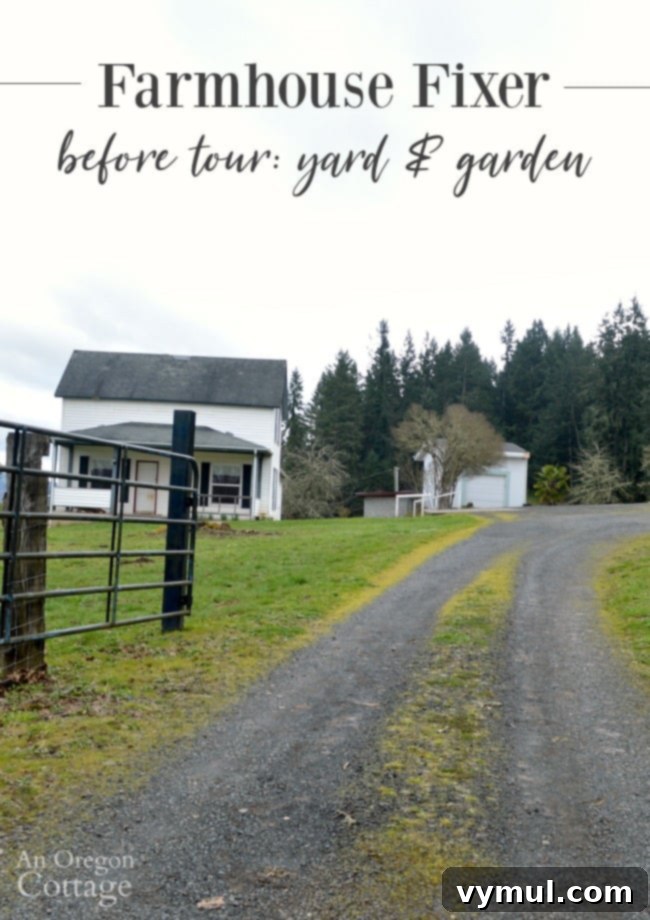
From Overgrown to Organic Oasis: Our Farmhouse Fixer Yard Tour Before Its Grand Transformation
Step onto our property for an exclusive yard tour of our farmhouse fixer! This “before” glimpse reveals what we’re keeping, what’s getting a complete overhaul, and exciting new additions planned for our extensive acreage.
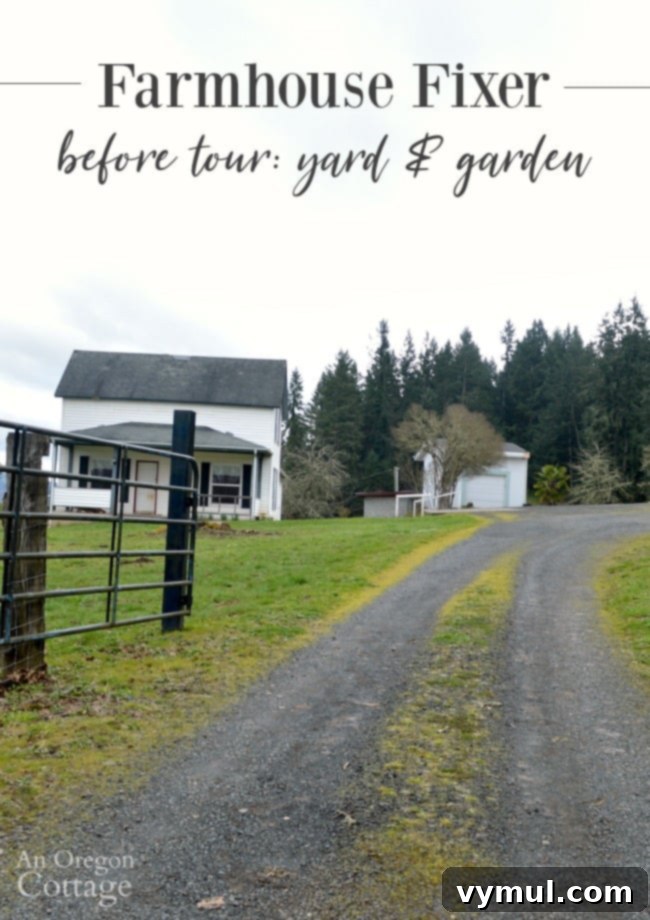
Having previously shared the initial tours of both the interior of our charming farmhouse fixer and its exterior facade, it’s now time to invite you deeper into our property. Welcome to the comprehensive “before” yard tour, where we unveil the raw potential of our new home’s surrounding landscape!
You’ve undoubtedly heard the real estate mantra: “location, location, location.” This timeless advice was undeniably the driving force behind our decision to purchase this particular property. After over a year of diligent searching, navigating countless listings, and experiencing the highs and lows of the market, we understood intimately what was available—and, more importantly, what was conspicuously absent. This property stood out, offering a unique blend of space, natural beauty, and potential that we simply hadn’t encountered at an affordable price point.
Of course, the reason for its affordability quickly became apparent. We’re facing a substantial undertaking, including a hefty bill to address the completely non-existent foundation of the farmhouse. (For those following along closely, our newsletter subscribers are already privy to all the intricate details of this challenge. If you’re keen on these exclusive, behind-the-scenes insights, be sure to sign up!) However, despite the considerable work ahead, the sheer potential of the land convinced us that it was a worthwhile endeavor.
Fortunately, we have a comfortable place to reside on the property during this renovation journey, which alleviates any immediate deadline pressure. This precious flexibility allows us ample time to thoroughly explore various options, consult with numerous experts, and meticulously plan each phase of the project. Our approach is decidedly long-term; we envision this as our forever home, a place where we can cultivate a life aligned with our values. This means that realizing all our aspirations for the property might take several years, but the vision of what it can become is incredibly inspiring. Can you not just see the incredible potential waiting to be unearthed?
In the interim, while the major structural work progresses, we’re focusing on smaller, achievable projects that lay the groundwork for our future dream. This includes the exciting prospect of starting a vibrant vegetable garden from scratch and thoughtfully integrating a selection of new plants and trees to enhance the landscape’s natural beauty and productivity.
Farmhouse Fixer Yard & Garden Tour Video
Just like our previous tours of the interior and exterior, I’ve also created a detailed video to complement the photos you’ll find below. This video offers an even more immersive experience, allowing you to see aspects I can’t fully capture in still images—such as my newly established seed-starting station in the garage, a closer look at a unique palm tree, and the tranquil pond area. It truly brings the property to life!
A Detailed Photo Journey Through Our Farmhouse Fixer’s Yard
Our comprehensive yard tour commences at the very front of the farmhouse. The initial photograph you saw upon arriving at this post illustrates the view as one drives up to our property: the farmhouse itself is positioned to the left, a detached garage stands directly ahead, and a manufactured home (currently our living space) is situated to the right, though it remains out of frame in that particular image.
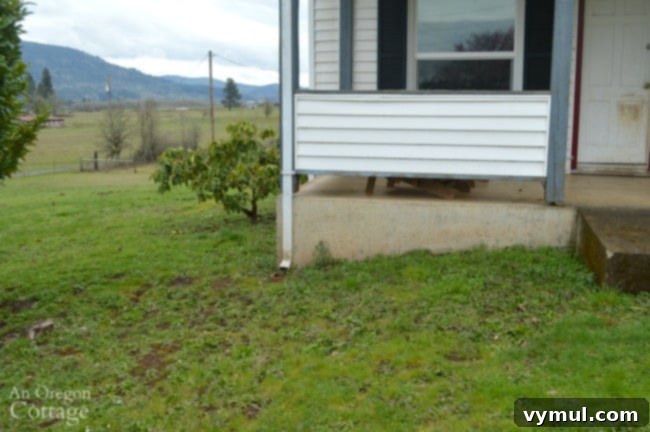
The picture above captures the left side of the farmhouse’s front porch. I highlight this specific area because it’s where I envision constructing a beautiful, raised bed that will gracefully wrap around the existing cement porch. My plan is to cultivate stunning hydrangeas and elegant boxwoods within this bed, allowing them to create a natural, verdant barrier that negates the need for a traditional railing. The large laurel bush, barely visible to the far left, is destined for removal, as is likely the rhododendron. However, I’m reserving final judgment on the rhododendron until I can assess its blooms; it might just need a severe trimming rather than complete eradication. This area presents a unique challenge, as it is north-facing, meaning only shade-loving plants will thrive here. In fact, a past attempt to plant daffodils along the walkway in front of the porch resulted in no blooms whatsoever—a clear indication that it’s simply too shaded, even for such resilient spring bulbs. This experience underscores the importance of selecting the right plants for the right conditions, a core principle in successful garden design.
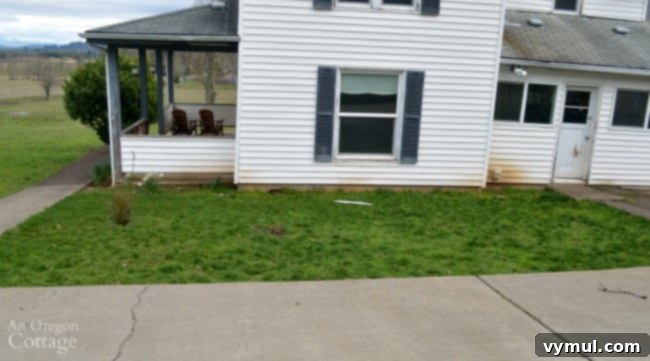
As we continue our stroll back along the front walkway towards the driveway, your attention will naturally be drawn to a grassy expanse nestled between the front and side cement paths. This area, in my mind, presents the perfect canvas for a meticulously designed, contained herb and flower garden. My vision for this space leans towards a slightly more formal layout. I imagine elegant brick walkways gracefully connecting the two existing cement paths, converging at a grand brick circle in the center, which will proudly host a charming birdbath. This thoughtful design would then delineate four distinct corners, ideal for planting a curated selection of deer-resistant herbs (meaning, unfortunately, basil will need to find its home in the main vegetable garden!) and an array of vibrant, aromatic flowers. While I haven’t yet committed these ideas to paper—a task made wonderfully easy with the Garden Success Plan Notebook!—the entire scene is vividly clear in my imagination. Can you picture this serene and productive space taking shape?
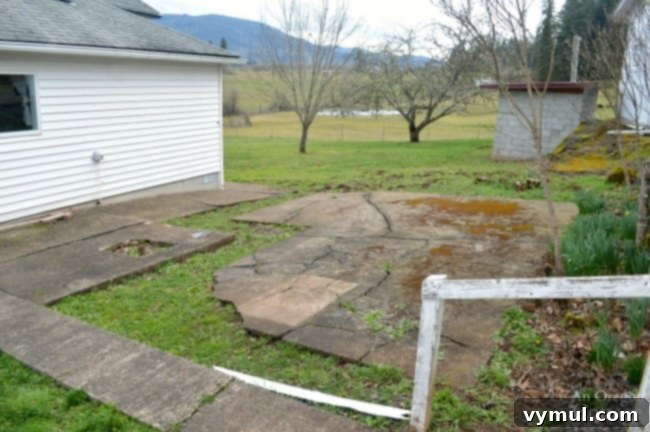
Moving along, I wanted to draw your attention to the opposite side of the back walk, where you’ll find a rather extensive, broken concrete patio. This entire expanse, along with the concrete adjacent to the house, is slated for removal. The demolition will become a necessary part of the larger foundation repair project for the farmhouse, ensuring a clean slate for future landscaping. However, rather than simply discarding this material, I’m actively brainstorming creative ways to repurpose the concrete, much like we successfully did at our previous home. Do you recall the unique raised beds and picturesque flower bed paths I crafted using broken concrete? It’s a fantastic way to recycle, reduce waste, and add a distinctive, rustic charm to the garden while minimizing costs. This commitment to sustainable practices and DIY resourcefulness is central to our farmhouse fixer philosophy.
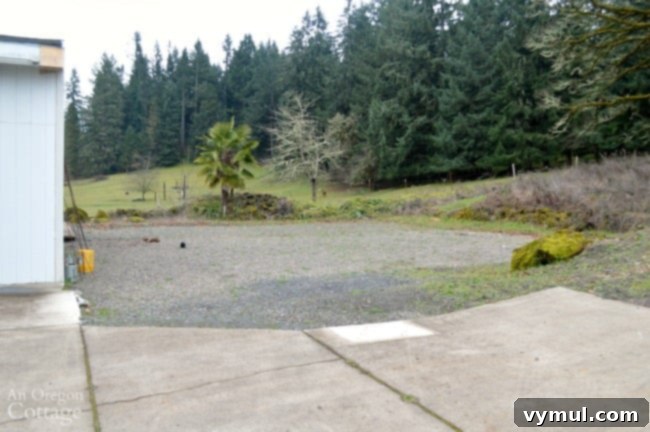
This expansive, flat, graveled area is a remnant from another manufactured home that once stood on the property before it was listed for sale. As I detailed in this article outlining our comprehensive vegetable garden plans, having such a perfectly leveled and prepared space for raised beds is truly a gift, simplifying a significant part of our garden preparation. Based on invaluable feedback from our wonderful readers, I’ve already adjusted my initial plans: the plum trees I intend to plant will no longer be situated inside the deer-fenced garden. Instead, both will find their new homes closer to the fence line, nestled strategically behind what will become our combined garage/garden shed. Speaking of the garage, the structure to the left, which was previously attached to the now-removed home, is being transformed into our primary yard and garden shed. This season, it’s already serving a vital role as the hub for starting our vegetable seeds, a foundational step in our organic gardening journey.
The primary challenge with this large gravel area is its sheer size; it’s considerably larger than I currently desire for solely cultivating vegetables. I’ve learned from past experiences (which you can hear all about in this insightful podcast episode) that an overly ambitious garden can quickly become overwhelming. Therefore, my strategic plan involves relocating a smaller shed to the right corner of this expanse. This move will serve multiple purposes: it will make the shed far more useful by placing it closer to the active garden area, it will effectively reduce the overall perceived size of the vegetable garden, and serendipitously, that specific corner is also the most shaded, making it an ideal spot for a structure rather than sun-loving crops. Specifically, this shed will be moved:
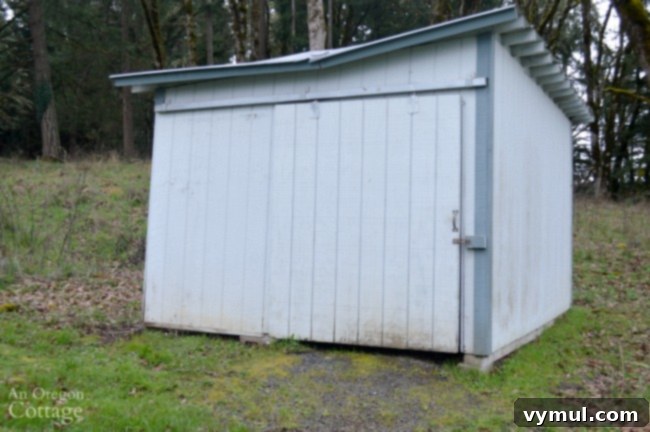
This small shed, currently quite basic in its design, is clearly in need of some significant roof repairs and a general refresh. While I’m quite fond of its charming barn door, I envision adding more windows to truly transform it into a functional and aesthetically pleasing garden shed. Imagine the natural light streaming in, perfect for a potting bench or for organizing an array of gardening tools and supplies. Its relocation to the corner of the future vegetable garden area will not only optimize space but also contribute to the overall organized and productive atmosphere we’re striving to create in our outdoor living space.
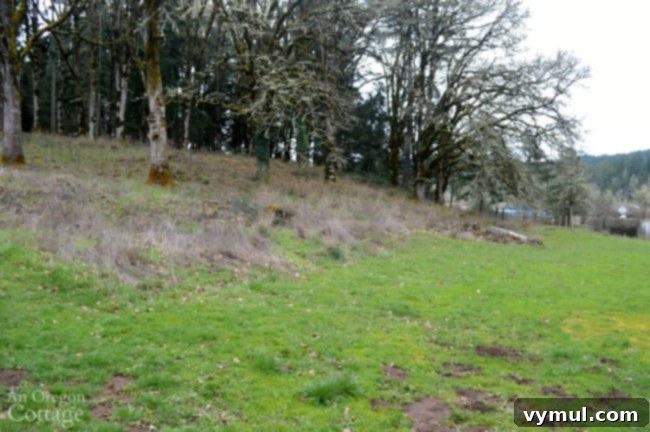
Now, let me guide you to an area of the property I haven’t yet showcased (and which, in fact, isn’t included in the video either). This tranquil section lies on the other side of the manufactured home where we currently reside, offering a truer glimpse into what our “one acre wood” truly encompasses. The main road borders the property to the right, and if you look closely, you can discern our fence line marking the back boundary of our extensive lot. This natural, wooded area provides a wonderful sense of privacy and connection to nature. Oh, and those numerous dirt mounds you observe throughout the landscape? Those are the unmistakable signs of a very active gopher population, an ongoing challenge that we’re actively learning to manage. So. Many. Gophers. Tackling these creatures is definitely on our list for maintaining the health of our plants and the integrity of our future garden beds.
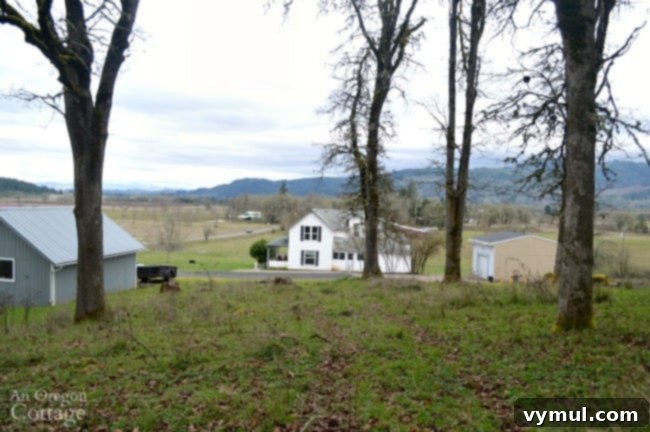
This particular photograph captures a truly enchanting perspective: the view from deep within the oak woods, looking back towards our beautiful farmhouse. It’s such a sweet and picturesque scene, isn’t it? For now, our plans for this wooded area are simple yet crucial: primarily, to maintain control over the wild, invasive blackberries that tend to aggressively spread. Managing these thorny intruders is essential for preserving the health of the native trees and ensuring accessible pathways. Beyond that, we harbor ambitious hopes of being able to sustainably harvest some of the fallen limbs from the ground, as well as carefully prune lower tree limbs. These collected woody materials will then be chipped on-site, providing us with a plentiful and completely natural supply of wood chips to create inviting and functional paths throughout our expansive vegetable garden.
Our overarching goal for this entire farmhouse fixer project, particularly in the yard and garden, is to maximize the utilization of resources already present on the property. For instance, there’s a substantial amount of Trex-type decking material attached to the manufactured home that we are meticulously planning to repurpose. This durable decking will be ingeniously used to construct several of our raised garden beds, offering a sustainable and cost-effective alternative to purchasing new materials. Similarly, the broken concrete I mentioned earlier will find new life in other raised beds or pathways, transforming waste into beautiful, functional elements. And, as discussed, the ability to generate our own wood chips from the property’s trees truly completes this cycle of resourcefulness. It’s an exciting challenge to transform a fixer-upper into a sustainable homestead, and we are deeply committed to these principles of repurposing and self-sufficiency, creating a truly unique and eco-friendly outdoor living space.