Effortless Potato Harvest: The Ultimate Guide to Hilling with Straw for Abundant, Clean Yields
The garden hums with anticipation as summer wanes and the first signs of autumn begin to appear. For many enthusiastic gardeners, this period signals one of the most rewarding tasks of the growing season: potato harvesting. A few weeks ago, our early potato plants – robust varieties like Yukon Gold and Red Norland – began to die back, a natural and unmistakable signal that their underground treasures were ready to be unearthed. While traditional methods of potato harvesting can often involve laborious digging, backaches, and the frustrating risk of spearing your precious spuds, we’re here to show you a game-changing technique that transforms this chore into pure joy: hilling with straw. Prepare to discover just how incredibly easy and satisfying it is to gather your homegrown bounty when you embrace the straw method, ensuring a bountiful and clean potato harvest.
Having previously detailed the innovative way we plant potatoes and the compelling reasons behind this method, it’s only fitting to demonstrate the spectacular ease of harvesting potatoes when the versatile straw technique is employed. This approach isn’t just about simplicity; it’s about optimizing your garden’s productivity, minimizing effort, and maximizing the quality of your yield. Forget the days of arduous digging, where every thrust of a shovel or fork carried the risk of damaging your carefully nurtured crop. With straw, the potato harvesting process becomes intuitive, gentle, and remarkably clean.
Indeed, the unparalleled ease of harvest stands as one of the primary reasons we wholeheartedly advocate for hilling potato plants with straw. The traditional method typically involves creating mounds of soil around the growing plants, which requires constant vigilance and often leads to a challenging excavation process at harvest time. Picture this: no more struggling to penetrate compacted soil with heavy tools, no more accidental nicks or spears through your perfectly formed tubers. Instead, a simple pull of the straw reveals your bounty. This method not only protects your potatoes from physical damage but also ensures they emerge from the earth significantly cleaner, ready for immediate enjoyment or long-term storage, free from clinging clumps of dirt and the tell-tale marks of a misguided garden tool. This translates directly to less waste and more delicious, intact potatoes for your kitchen, making your organic potato growing experience truly rewarding.
The Straw Hilling Advantage: More Than Just Easy Harvesting for Homegrown Potatoes
While the ease of harvesting is undeniably a huge draw, the benefits of hilling with straw extend far beyond just simplifying the final act of gathering. This organic, sustainable gardening practice brings a multitude of advantages to your potato patch throughout the entire growing season. Straw acts as a superb insulator, protecting delicate potato tubers from temperature fluctuations, both extreme heat and unexpected cold snaps. This temperature regulation is vital for consistent tuber development and can prevent issues like greening or cracking.
It also plays a critical role in moisture retention, significantly reducing the need for frequent watering. A thick layer of straw acts like a natural mulch, keeping the soil consistently moist by preventing rapid evaporation, which is crucial for healthy tuber development, especially in drier climates or during hot spells. Furthermore, this natural barrier is incredibly effective at suppressing weeds. Instead of spending precious gardening time on tedious weeding, the straw layer smothers unwelcome growth, allowing your potato plants to thrive without competition for nutrients and water, contributing to a more efficient and productive garden.
Beyond these immediate benefits, straw contributes significantly to long-term soil health. As the straw slowly breaks down over the season, it enriches the soil with organic matter. This process improves soil structure, enhances drainage, and fosters a thriving ecosystem of beneficial microorganisms, leading to a healthier, more fertile garden bed year after year. This gentle, nurturing environment is ideal for potato growth, encouraging the formation of numerous, well-developed tubers just beneath the surface, exactly where you want them for an effortless harvest. The improved soil aeration also benefits root growth, leading to stronger plants and healthier potatoes.
How to Effortlessly Harvest Potatoes Grown with Straw: A Step-by-Step Guide
The moment has arrived! When you observe your potato vines turning yellow and dying back – typically a couple of weeks after this process begins – you know it’s time to gather your crop. The beauty of the straw method truly shines through at this stage. Here’s how simple it is to harvest your homegrown potatoes:
- Identify the Signal: The wilting and browning of the potato plant foliage is your green light. This indicates the plant has finished its growth cycle and the tubers have matured, making them ready for harvesting.
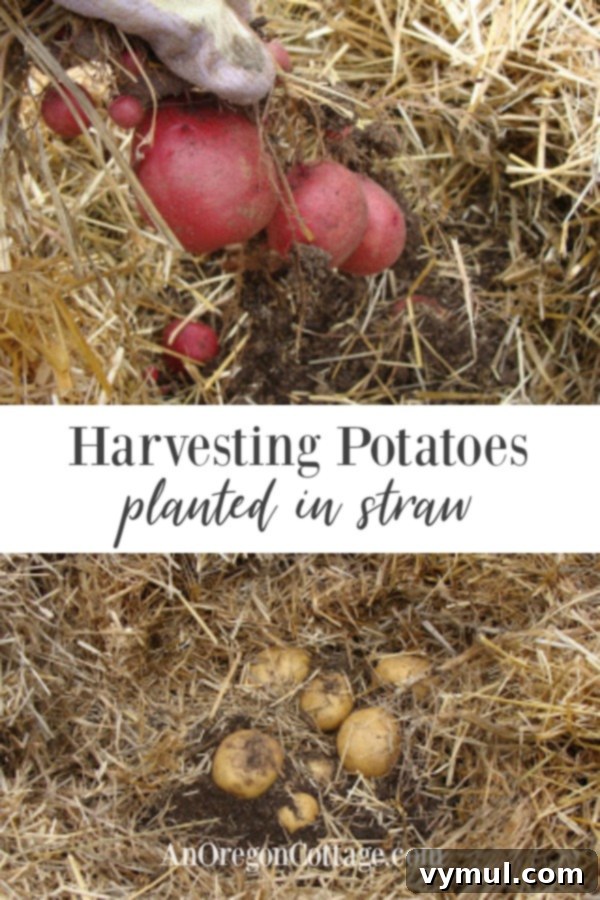
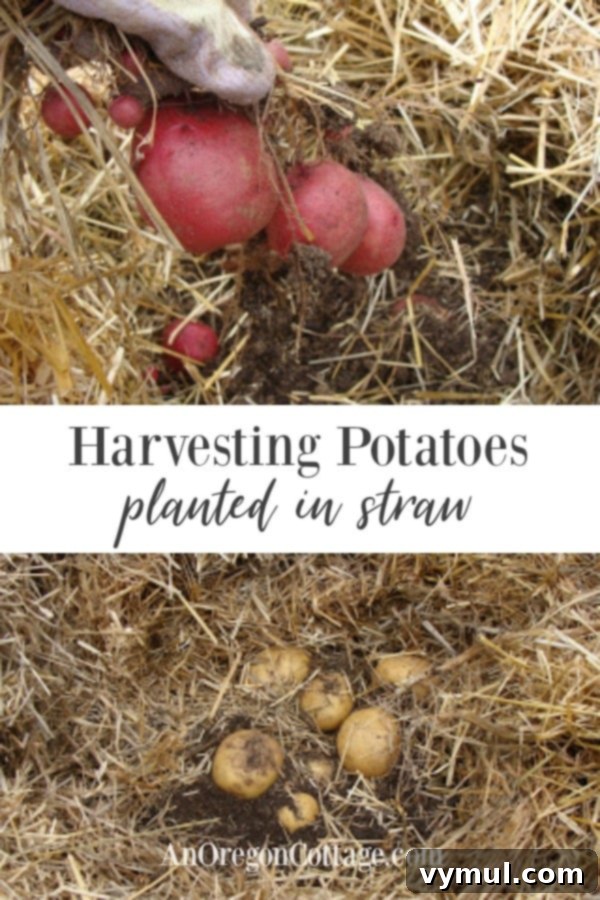
- Gently Pull Back the Straw: Approach the base of a dead potato mound. Instead of grabbing a shovel or a garden fork, simply reach down and gently pull back the layer of straw. You’ll be amazed at what you find almost immediately. Often, plump, clean potatoes will be resting right on top of the soil, or just barely nestled beneath the surface. This is the magic of harvesting potatoes without digging.
- Hand Harvest the Visible Bounty: Since there’s no compacted dirt to contend with, you can harvest these surface-level potatoes with just your hands. Carefully lift them out, admiring their clean, unblemished skins. This eliminates the primary risk of nicking or damaging your potatoes, ensuring a perfect harvest and improving their storage potential.
- Inspect Beneath the Surface: After collecting the obvious potatoes, gently run your hands through the loosened soil and remaining straw around the planting area. The soil will be soft and easy to manipulate, allowing you to feel for any additional tubers that might be just below the surface. You’ll often find a hidden treasure trove!
- Lift the Vine (Optional but Recommended): Sometimes, potatoes will still be attached to the main vine. Gently pulling up the entire vine can reveal a cluster of tubers clinging to the root system, making it easy to detach them. Be gentle to avoid tearing the vine prematurely, which could leave smaller potatoes behind.
Witnessing the result is truly satisfying. Look at how remarkably clean they are! This crisp, dirt-free appearance is a major improvement over the traditional digging method, where potatoes often come out caked in soil, requiring significant washing before storage or use. This cleanliness not only saves you time in the kitchen but also contributes to better storage conditions, as dirty potatoes are more prone to spoilage. This is a significant advantage for home gardeners aiming for a clean potato harvest.
We often observe differences in yield between varieties. For instance, here’s a mound of glorious Yukon Gold potatoes – this particular plant consistently produced a more abundant harvest than its red counterpart, a Red Norland. Isn’t this sight just incredible? There’s an undeniable thrill in pulling back a layer of straw and discovering a generous cluster of potatoes, knowing that you started with just one small seed potato. And the most beautiful part? My primary effort beyond planting was simply adding a bit more straw around them as they grew. This minimal-intervention approach defines my kind of gardening – effective, efficient, and incredibly rewarding.
This “treasure hunt” aspect makes potato harvesting a beloved annual activity for my children and their friends. It’s an engaging, hands-on experience that connects them to the food they eat and the wonders of the garden, turning a simple chore into an exciting adventure where every discovery brings a cheer. It’s truly one of the best gardening tips for families!
The Annual Potato Harvest: A Reflection on Yield, Challenges, and Storing Potatoes
This season’s early potato harvest, while certainly successful thanks to the straw method, yielded a slightly smaller amount compared to last year’s bumper crop. Such fluctuations are a natural part of gardening, a constant reminder that we work in partnership with nature. This year, I suspect that persistent garden pests, including various bugs and the ever-present field mice, significantly impacted the overall yield. Despite our best efforts, challenges like these are an intrinsic part of the gardening journey, teaching us resilience and adaptation.
Once harvested, proper post-harvest care is crucial to ensure your potatoes store well and maintain their quality. I typically leave the freshly dug potatoes in a wheelbarrow for about a week in our warm, dry garage. This process, known as ‘curing,’ is vital as it allows the skins to toughen up and any minor abrasions to heal, significantly extending their shelf life. The ideal curing conditions are a warm (around 50-60°F or 10-15°C), dark, and somewhat humid environment. After curing, I meticulously sort through them, separating the good, undamaged potatoes from any that show signs of damage from pests or tools. Only the healthy, cured tubers are then transferred to an old cooler, which provides the ideal cool (around 40-45°F or 4-7°C), dark, and slightly humid conditions necessary for optimal long-term storage, keeping them fresh and firm for months. This careful storage process ensures you can enjoy your homegrown potatoes well into the winter.
Every gardening year presents its unique set of circumstances and challenges. This season, I’ve certainly felt a bit beleaguered by the sheer variety of garden visitors. Voles, those stealthy underground rodents, have been particularly aggressive, alongside persistent cucumber beetles, gophers, and even the occasional deer browsing. Moreover, something has been leaving puzzling pinprick holes in the leaves of my beans and potatoes, adding another layer to the pest control puzzle. It’s a constant battle of wits and resilience in the garden, requiring ongoing vigilance and adaptation in our potato pest control strategies.
And speaking of voles, their presence was unfortunately undeniable in a number of my harvested potatoes. Ugh, seeing those tell-tale chew marks can be disheartening. Despite their destructive habits, I was genuinely surprised that the damage wasn’t more widespread. Considering how active they seemed throughout the season, I half-jokingly thought they were operating a “24-hour potato restaurant” right in my garden bed! Thankfully, they left plenty for us to enjoy, a testament to the overall robustness of the crop, even under pressure. The straw method, by elevating the potatoes slightly and making the soil looser, might even offer some minor deterrent against deep-burrowing pests compared to heavily compacted soil, though vigilant pest management remains essential for any organic potato growing endeavor.
In conclusion, the straw hilling method for growing potatoes is a truly transformative approach. It simplifies the harvest, protects your crop, enriches your soil, and makes gardening a more joyful, less laborious experience. Despite the perennial challenges posed by nature’s various inhabitants, the reward of pulling up a bounty of clean, healthy, homegrown potatoes from beneath a cozy layer of straw is a feeling that never gets old. We wholeheartedly recommend trying this method for an easier, more abundant, and incredibly satisfying potato harvest!