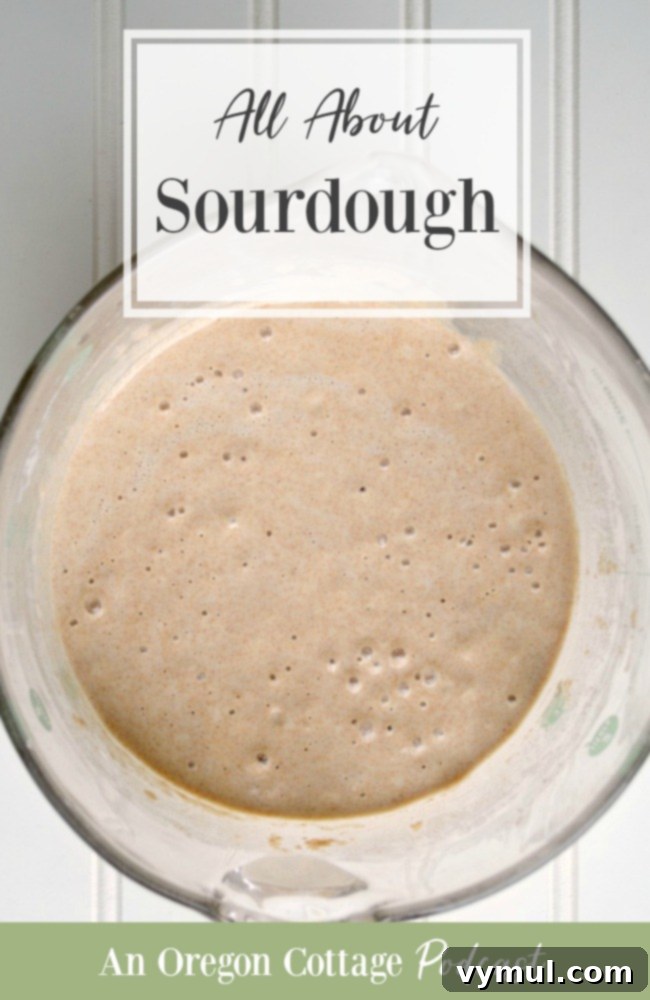
Mastering Sourdough: Debunking Myths, Essential Tips, and Delicious Recipes for Every Home Baker
Embarking on the sourdough journey can be one of the most rewarding experiences for any home baker. It’s a craft that connects us to ancient traditions, offering unparalleled flavors and textures in our daily bread and other baked goods. In this comprehensive guide, we dive deep into the world of sourdough, addressing the common questions and curiosities that often arise. Whether you’re a curious beginner or an experienced baker looking to refine your technique, we’re here to demystify the process, share invaluable tips, and inspire you with a collection of delightful recipes. From debunking prevalent myths to guiding you through the creation of your first vibrant starter, and finally, showcasing an array of irresistible sourdough creations – including the viral easy artisan bread, bagels, crackers, and more – prepare to unlock the full potential of natural leavening.
For those who enjoy an auditory experience, this content originates from a dedicated podcast episode. You can easily access the full discussion and vibrant community surrounding this topic by downloading the episode from various platforms such as Apple Podcasts, Google Podcasts, Stitcher, and TuneIn Radio. Alternatively, you can listen directly on your computer using the player provided on the original podcast page. This article serves as a comprehensive companion, offering detailed notes, links, and visual aids to enhance your understanding and baking success. Note: If you’re accessing this through a feed reader, you might need to click through to the original post to view the embedded player.
Prefer reading to listening? We understand! That’s why we also offer a full podcast transcript, allowing you to absorb all the valuable information at your own pace. Click here to open the transcript in a new window and read along.
Some links in this article are affiliate links. This means that if you click on them and make a purchase, I may receive a small commission at no additional cost to you. These commissions help support the work we do.
Sourdough Myths Debunked: Separating Fact from Fiction
The world of sourdough baking is often surrounded by an aura of mystery, leading to several common misconceptions that can intimidate new bakers. Let’s clear the air and debunk some of the most persistent sourdough myths:
- Myth 1: Sourdough is incredibly difficult and time-consuming. While sourdough requires patience and attention, it’s not inherently difficult. Once you establish a routine for feeding your starter, the actual hands-on time for making bread is minimal. Many steps involve waiting for fermentation, not active labor.
- Myth 2: You need a warm, specific environment for your starter to thrive. While consistency is key, extreme temperatures aren’t necessary. A stable room temperature (around 70-75°F or 21-24°C) is ideal for an active starter. For slower fermentation or storage, cooler temperatures (like the refrigerator) work perfectly.
- Myth 3: Discarded starter is waste and has no use. Absolutely not! Sourdough discard is a valuable ingredient. It adds flavor and leavening (though not enough for a rise in many recipes) to a wide range of recipes, from crackers and pancakes to waffles and savory muffins.
- Myth 4: A starter needs to be fed daily, without fail. Daily feeding is essential for a young, new starter or one you plan to use frequently. However, for occasional bakers, storing your starter in the refrigerator significantly slows down its activity, allowing you to feed it only once a week or even less frequently.
- Myth 5: You need special, expensive equipment to bake sourdough. While some tools can be helpful (like a Dutch oven for a perfect crust), you can start with basic kitchen items you likely already own: a jar for your starter, a mixing bowl, a kitchen scale, and a regular oven. Don’t let fancy gadgets deter you.
For more in-depth myth-busting from culinary experts, explore insights from trusted sources. For example, Cook’s Illustrated offers an excellent article on debunking 5 myths about sourdough starter, providing scientific explanations and practical advice to help you bake with confidence.
Sourdough Tips: Your Guide to a Thriving Starter and Perfect Loaves
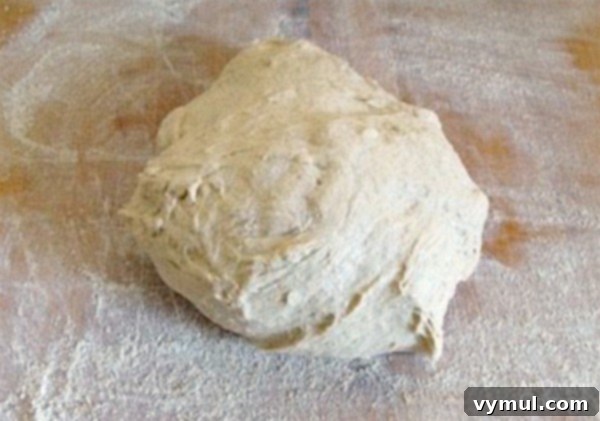
My own sourdough adventure began right here on this blog, documenting every step, celebrating successes, and openly sharing the learning curves—yes, even those memorable “UFO” or “pig snout” bread moments we’ve chatted about, which are common for beginners! The journey is part of the charm, and learning from these experiences is crucial. While I won’t feature a photo of those early attempts here, you can find a visual reminder of common beginner challenges and triumphs through the link below.
Cultivating a healthy sourdough starter and consistently baking delicious bread requires a few key tips and techniques. Here’s a breakdown to help you succeed:
- Starting Your Starter from Scratch: The foundation of all sourdough baking is a vibrant starter. This process involves simply mixing flour and water and allowing wild yeasts and bacteria to colonize and ferment. It takes about 5-7 days for a new starter to become active and robust enough for baking. Consistency in feeding and a stable environment are crucial during this initial phase.
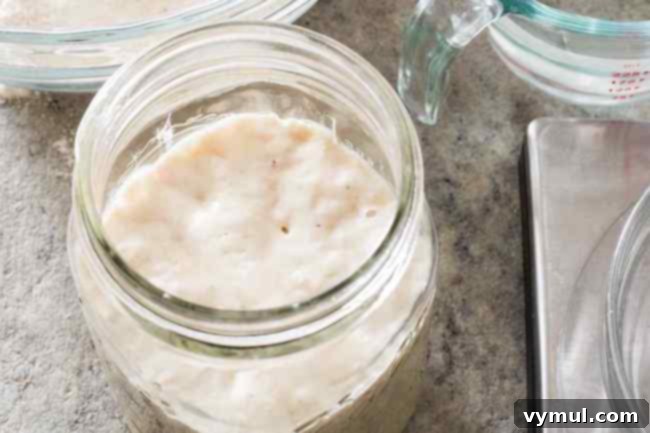
- Understanding Your Starter’s Activity: A healthy, active starter will show signs of bubbles on the surface and along the sides of the jar, and it will visibly rise after feeding, often doubling or tripling in size before falling back down. This “peak” activity is generally when it’s best to use your starter for baking.
- Feeding Schedules and Ratios: For a frequently used starter kept at room temperature, a twice-daily feeding (e.g., 1:1:1 ratio of starter, flour, water by weight) is common. For less frequent baking, refrigerate your starter and feed it once a week. Always ensure you’re using unbleached all-purpose or bread flour and filtered water.
- Tips for the Occasional User: Don’t feel pressured to bake every day. Sourdough starters are incredibly resilient. Store your starter in the refrigerator, loosely covered, and feed it weekly. A day or two before you plan to bake, take it out, feed it once or twice at room temperature until it’s active again. This flexibility makes sourdough accessible to busy lifestyles.
- Troubleshooting Common Issues: If your starter seems sluggish, try feeding it with a higher ratio of fresh flour and water (e.g., 1:2:2 or 1:3:3) for a few feedings to give it a boost. A thin layer of dark liquid (hooch) on top indicates it’s hungry; just pour it off, feed your starter, and stir well.
For detailed, step-by-step instructions and practical advice, explore these essential articles:
- Sourdough Bread? (This explores early attempts and what NOT to do – a valuable learning curve!)
- Sourdough Tips for the Occasional User (Perfect for those who love sourdough but can’t commit to daily baking.)
- How To Grow, Keep, & Use A Sourdough Starter (This comprehensive guide covers everything from initial creation to maintenance, and optimal baking timelines.)
Delicious Sourdough Breads and Treats to Make
One of the most exciting aspects of sourdough baking is the sheer versatility of what you can create. Beyond the classic loaf, a healthy starter can transform a wide array of recipes. The age and strength of your starter will influence the type of baked goods it can leaven effectively. Here’s a curated list of fantastic sourdough recipes, ordered by how soon you can make them once your starter is established, moving from recipes perfect for younger starters or discard, to those requiring a more mature and robust starter:
- Whole Wheat Sourdough Crackers: These crispy, savory crackers are an excellent way to utilize sourdough discard. They require minimal active leavening from the starter, making them perfect for younger starters or when you have excess discard. They’re incredibly addictive and customize well with different seasonings.
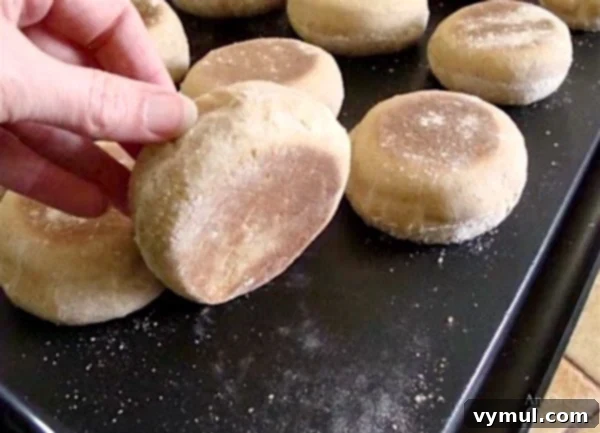
- Whole Wheat Sourdough English Muffins: Enjoy a delightful breakfast or snack with these tender, chewy English muffins, boasting those classic nooks and crannies. This recipe can often be made with a moderately active starter, offering a wonderful tangy flavor.
- Amazing Sourdough Waffles: Elevate your brunch game with light and fluffy sourdough waffles. The overnight fermentation (often using discard or a less active starter) develops complex flavors and a superior texture, making them a family favorite.
- Sourdough Bagels: Achieve that perfect chewy exterior and dense, flavorful interior with homemade sourdough bagels. This recipe requires a slightly more active starter for proper leavening, but the results are far superior to store-bought versions.
- Cheesy Sourdough Batter Bread: For those who appreciate a quick and easy bread option, this cheesy batter bread is a revelation. It uses an active sourdough starter to create a moist, flavorful loaf that comes together without extensive kneading or shaping, making it a great entry point into leavened sourdough baking.
- Easy Sourdough Artisan Bread: This is the star of the show, currently experiencing a viral moment for good reason! Requiring a strong, active starter (typically 4-6 weeks old and well-established), this recipe yields a crusty, open-crumbed loaf that rivals professional bakeries. It’s surprisingly simple for such impressive results, making it a must-try for any dedicated sourdough baker.
Look for AOC’s newest recipe coming soon: Prepare your taste buds for the utterly delicious Artisan Sourdough Rolls with Everything Bagel Topping – they promise to be an incredible addition to your sourdough repertoire!
Beyond Baking: Cool New Discoveries and Practical Solutions
While our primary focus is on the wonderful world of sourdough, we occasionally stumble upon other discoveries that enhance our daily lives, reflecting a broader commitment to practical living and sustainable choices. Here are a couple of recent finds that have genuinely impressed us:
Brian’s Pick: Game Camera Update – Hom Com Trail Camera. For anyone curious about the wildlife visiting their property or trying to identify those mystery garden intruders, a good trail camera is invaluable. When we had questions about an unknown animal activity on our property, this camera helped us finally narrow it down to…voles. Sigh. It’s a great tool for understanding your local ecosystem, no matter how small or large the creatures involved.

Jami’s Pick: Imperfect Foods. In these current times, finding convenient and sustainable solutions for groceries is more important than ever. Imperfect Foods has been a lifeline, delivering fresh, affordable produce and pantry staples that might otherwise go to waste simply due to cosmetic imperfections or surplus. It’s a fantastic way to support sustainable food systems and save money. #pandemic
- To get a better idea of what to expect, here’s where you can see an unboxing video and detailed review I did, showcasing how the food arrives and the quality you can expect.
- If you’re interested in trying this food box delivery service and seeing if they deliver to your area, consider using my referral link on their website to get $10 off your first box! It’s a great way to try a service that supports reducing food waste.
Connect With Us: Share Your Sourdough Journey!
Thank you for diving into the wonderful world of sourdough with us! If you’ve enjoyed this content, whether in article form or via our podcast, you can truly help us grow by sharing it with your friends, subscribing on platforms like iTunes, and leaving us a positive review. Your feedback and support are invaluable in helping others discover our community and resources.
Have a question or an idea for future topics? We’d love to hear from you! You can call us at (541) 658-0215 to leave a voicemail, and we might just discuss your input on a future episode or article!
For more inspiration and content from An Oregon Cottage, be sure to follow us on Instagram @AnOregonCottage, Facebook, and Pinterest. Additionally, stay up-to-date with our latest tips, recipes, and discoveries by subscribing to the AOC newsletter.
Missed previous episodes of An Oregon Cottage Podcast? You can always catch up and listen to them here.
Disclosure: Please note that affiliate links are present in this post, which may earn commission based on sales. Rest assured, this does not affect your purchase price. Click here to read my full disclaimer and advertising disclosure for more information.