Discovering the Vibrant Greek Wildflowers of Acrocorinth: A Springtime Bloom in April
Embarking on a journey through Greece in April offers a spectacular bonus for nature lovers: the breathtaking spectacle of wildflowers in full bloom. Our recent visit revealed a landscape transformed by color and life, with resilient blossoms bursting forth in the most unexpected places. While Greece is famed for its ancient history and stunning coastlines, the vibrant tapestry of its spring flora is a hidden gem, offering an unforgettable visual feast.
The beauty and sheer abundance of these Greek wildflowers were particularly evident during our exhilarating hike up to the majestic castle ruin above Corinth, known as Acrocorinth. This ancient acropolis, with its commanding views and rugged terrain, proved to be an unexpected botanical wonderland. The sight of delicate flowers literally growing out of ancient rocks, clinging to cliff faces, and carpeting the pathways, was nothing short of miraculous. It was a constant invitation to pause, observe, and capture the fleeting beauty that surrounded us, often causing me to linger behind our group, camera in hand, completely captivated by nature’s artistry.
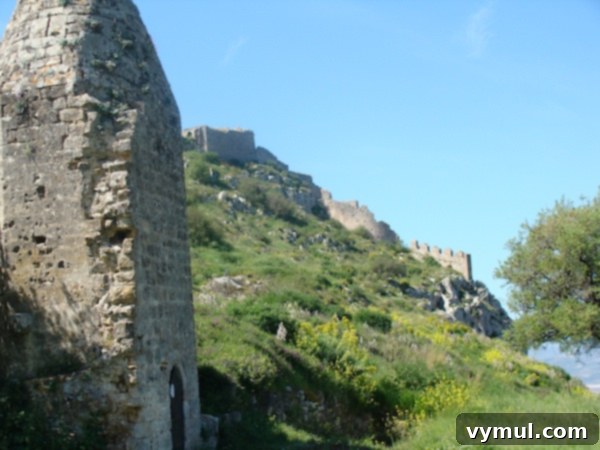
Our trip to Greece during April truly showcased the country’s incredible biodiversity. While many flowers were already in full swing, many more were just beginning to emerge, hinting at an even more spectacular display in May. The variety we encountered was staggering, with Acrocorinth standing out as a prime location for witnessing this natural spectacle.
I feel compelled to share a glimpse of this vibrant beauty with you, hoping to convey some of the wonder we experienced. These aren’t just pretty plants; they are a testament to nature’s resilience, thriving in harsh environments and adding an extraordinary dimension to Greece’s already rich landscape.
Recognizable Greek Wildflowers
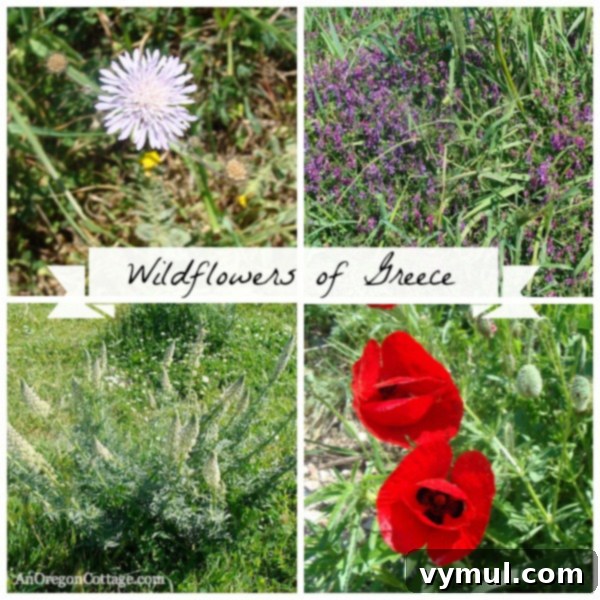
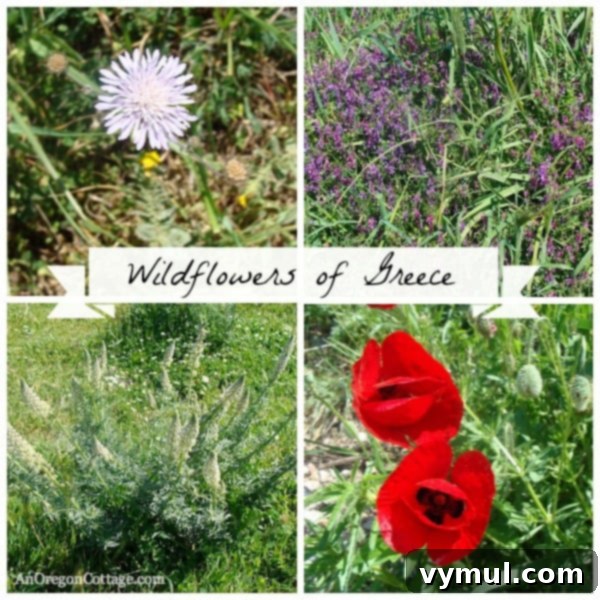
It was fascinating to discover that many of the wildflowers flourishing across the Greek landscape shared striking similarities with species found in other parts of the world, including my home state of Oregon. This botanical connection offers a comforting sense of familiarity amidst the exotic beauty of a foreign land. During our exploration, we identified several varieties that brought a touch of home to the Mediterranean, clockwise from top left in the image below:
- Pincushion Flower (Scabiosa): These delicate, often purple or blue blossoms, with their distinctive pincushion-like centers, are a common sight in meadows and rocky areas. They are known for attracting a variety of pollinators, adding a gentle buzz to the air.
- Wild Sweet Pea: With their charming, often bicolored flowers, wild sweet peas elegantly twine through other vegetation. Their sweet fragrance and vibrant hues of pink, purple, and white add a romantic touch to the landscape, creating intricate natural tapestries.
- Poppy: Perhaps one of the most iconic wildflowers, the vibrant red poppy fields of Greece are truly a sight to behold. Symbolizing remembrance and peace, their ephemeral beauty creates dramatic splashes of color against the green and rocky backdrop.
- Lupine: Standing tall and proud, lupines display striking spires of pea-like flowers in shades of blue, purple, and sometimes white or yellow. These hardy plants are not only beautiful but also play an important role in soil health, often found in open, sunny locations.
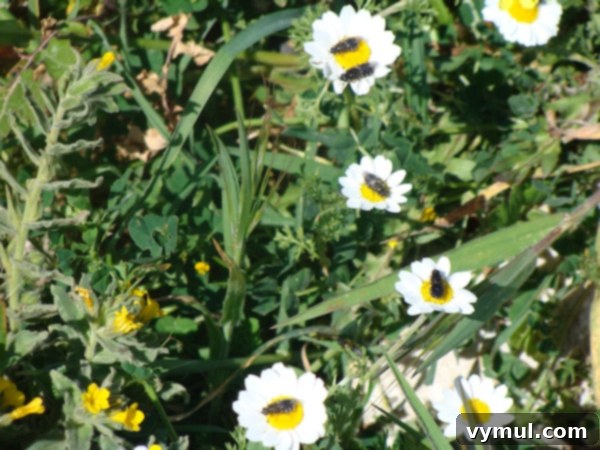
Among the most abundant and delightful discoveries was the profusion of chamomile, blanketing certain areas with its cheerful white and yellow blooms. The air around these patches was alive with the gentle hum of countless bees, busily flitting from flower to flower. While I’m not certain of the exact species of bees—they didn’t appear to be the typical honey bees we often see—their presence underscored the vital role these wildflowers play in supporting local ecosystems. We observed numerous beehives on farms throughout the drive to Corinth, suggesting a thriving beekeeping tradition in the region. Perhaps these were mason bees, or another variety of native wild bee, benefiting from the rich floral resources provided by the Greek spring. Regardless of their identity, their diligent work was a beautiful reminder of the intricate web of life sustained by these precious blossoms.
Mysteries of the Mediterranean Flora: Unidentified Wildflowers
While some wildflowers offered a comforting familiarity, many others presented intriguing botanical mysteries. These unknown specimens, with their unique forms and colors, added an element of exciting discovery to our exploration. Their ability to thrive in such seemingly harsh conditions was particularly striking, highlighting the extraordinary adaptability of Mediterranean flora. Identifying these resilient beauties became a delightful challenge, inviting deeper observation and appreciation for the intricacies of nature.
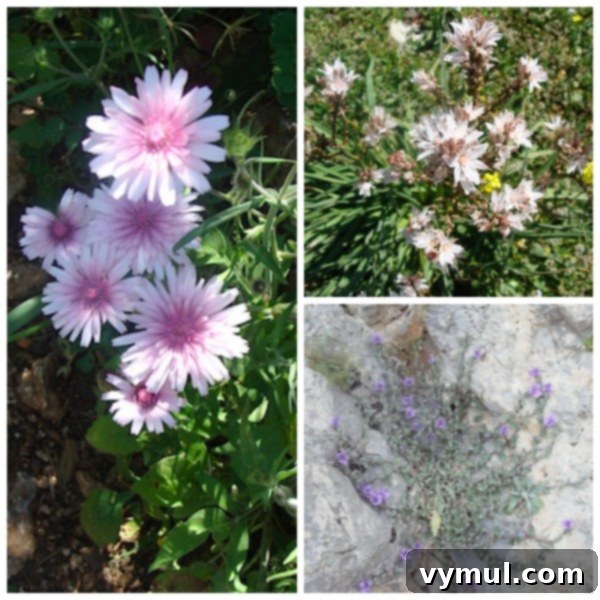
One particular purple flowering plant captured our attention repeatedly. It seemed to grow almost effortlessly out of solid rock, adorning the ancient stones of Acrocorinth and many other inhospitable places throughout Greece. Its tenacity was truly amazing, a testament to the hardiness required for survival in the Mediterranean climate. This plant, with its vibrant purple hues contrasting against the stark grey rock, was a constant source of wonder, prompting questions about its specific adaptations to drought and nutrient-poor soils. It’s a vivid example of how life persists and flourishes even in the most challenging environments.
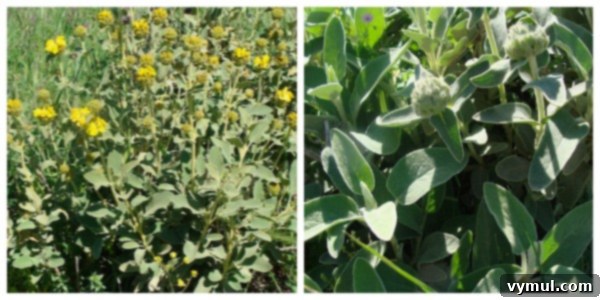
Another fascinating plant, which remains unidentified, truly intrigued me due to its peculiar combination of features. Its leaves bore an almost identical resemblance to the soft, velvety texture of lamb’s ears—a common garden plant known for its tactile appeal. However, its bloom was entirely unlike anything I had ever seen on lamb’s ears in my own garden. This striking dissimilarity between familiar foliage and an unexpected flower shape left us pondering its true identity and evolutionary path. It’s moments like these, encountering such unique botanical puzzles, that make exploring the natural world so deeply rewarding.
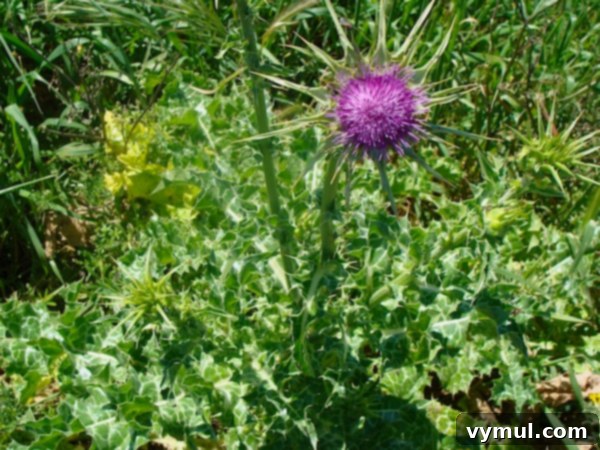
Of course, like everywhere else in the world, Greece has its share of thistles and “weeds.” Yet, even these common plants can reveal unexpected beauty. One thistle, in particular, stood out with its strikingly veined leaves, patterned with delicate white lines. While the harsh Mediterranean sun, which I was thoroughly enjoying, made it challenging to capture the full detail in a photograph, the intricate veining truly distinguished it from any other thistle I had encountered. Its blooms were broadly similar to those of thistles found elsewhere, but the unique leaf pattern made it a memorable discovery. Have you ever seen a thistle quite like this, with such remarkable natural artistry?
The Broader Tapestry of Greek Nature
The wildflowers of Greece are more than just individual blooms; they are a vital component of the country’s rich biodiversity and a testament to the resilience of its ecosystems. The Mediterranean climate, characterized by hot, dry summers and mild, wet winters, has shaped a unique flora adapted to these conditions. This includes a vast array of aromatic herbs, ancient olive groves, and, of course, a dazzling display of spring wildflowers.
From the coastal plains to the mountainous regions, different microclimates support distinct communities of plants. The rocky slopes of places like Acrocorinth, seemingly barren at first glance, hide an incredible diversity of drought-tolerant species that burst into life with the arrival of spring rains. These plants are not only beautiful but also crucial for supporting local insect populations, including various bees, butterflies, and other pollinators, which in turn sustain larger ecosystems. The intricate dance between flora and fauna is particularly evident during spring, a season of renewal and abundance.
Beyond their ecological significance, wildflowers hold a place in Greek culture and history. Many ancient myths and traditions are intertwined with specific plants, and the landscape itself has inspired poets and artists for millennia. Walking amidst these blossoms, one feels a tangible connection to the past, imagining ancient Greeks walking these same paths, observing the same seasonal wonders. The delicate beauty of these flowers against the backdrop of ancient ruins creates a powerful juxtaposition, reminding us of both the fleeting nature of life and the enduring power of nature.
An Unforgettable Experience and Call to Action
While the panoramic view from the summit of Acrocorinth was, without a doubt, spectacular—offering sweeping vistas of the Corinthian Gulf and beyond—I must confess that I derived as much, if not more, pleasure from discovering and admiring the myriad of wildflowers along the ascent. Their vibrant colors, delicate forms, and sheer tenacity against the rugged landscape provided a constant source of wonder and joy, making the journey as memorable as the destination itself.
This experience truly highlighted the incredible, often overlooked, natural beauty that Greece has to offer, particularly during the spring. It encourages a slower pace of travel, inviting visitors to look closer, appreciate the smaller details, and connect with the land on a deeper level.
If you happen to know the names of any of the unidentified flowers featured in these images, please do share your insights in the comments section below! Your knowledge would be invaluable in helping to unravel these botanical mysteries. And if you’re planning a trip to Greece, consider visiting in April or May to witness this breathtaking display of nature firsthand—it’s an experience that will truly enrich your journey.