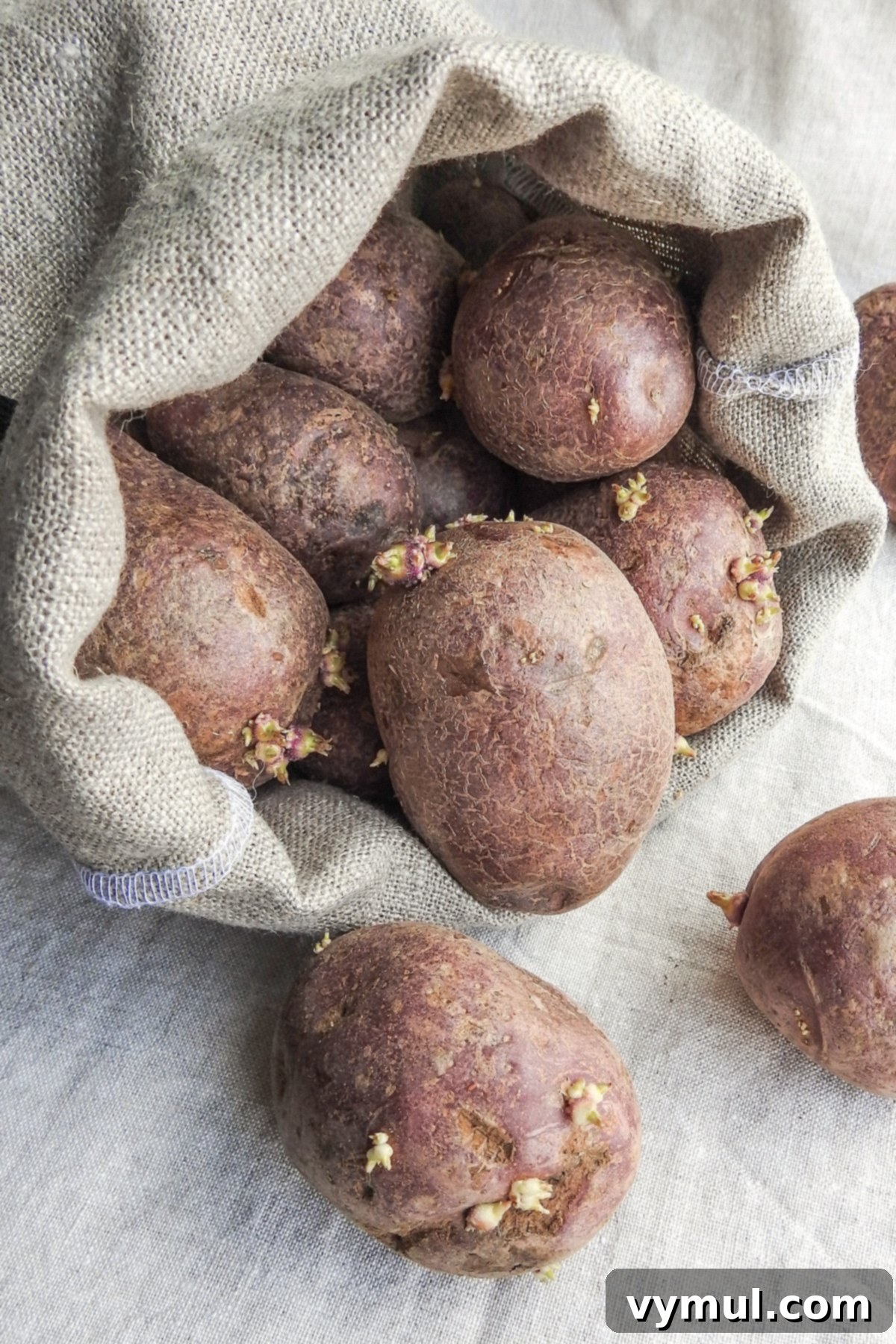
Don’t Toss Them! Genius Ways to Use Sprouted Potatoes Safely and Deliciously
Have you ever opened a bag of potatoes only to find them sporting an array of sprouts? It’s a common kitchen dilemma, especially with organic varieties. The good news is, you absolutely can eat sprouted potatoes! Are sprouted potatoes safe to eat? Yes, with a few simple precautions. Instead of reaching for the trash can, embrace these smart, practical, and delicious ideas to utilize them, reducing waste and saving your hard-earned money. Discover over seven clever ways to transform those sprouting spuds into culinary delights or even new plants!
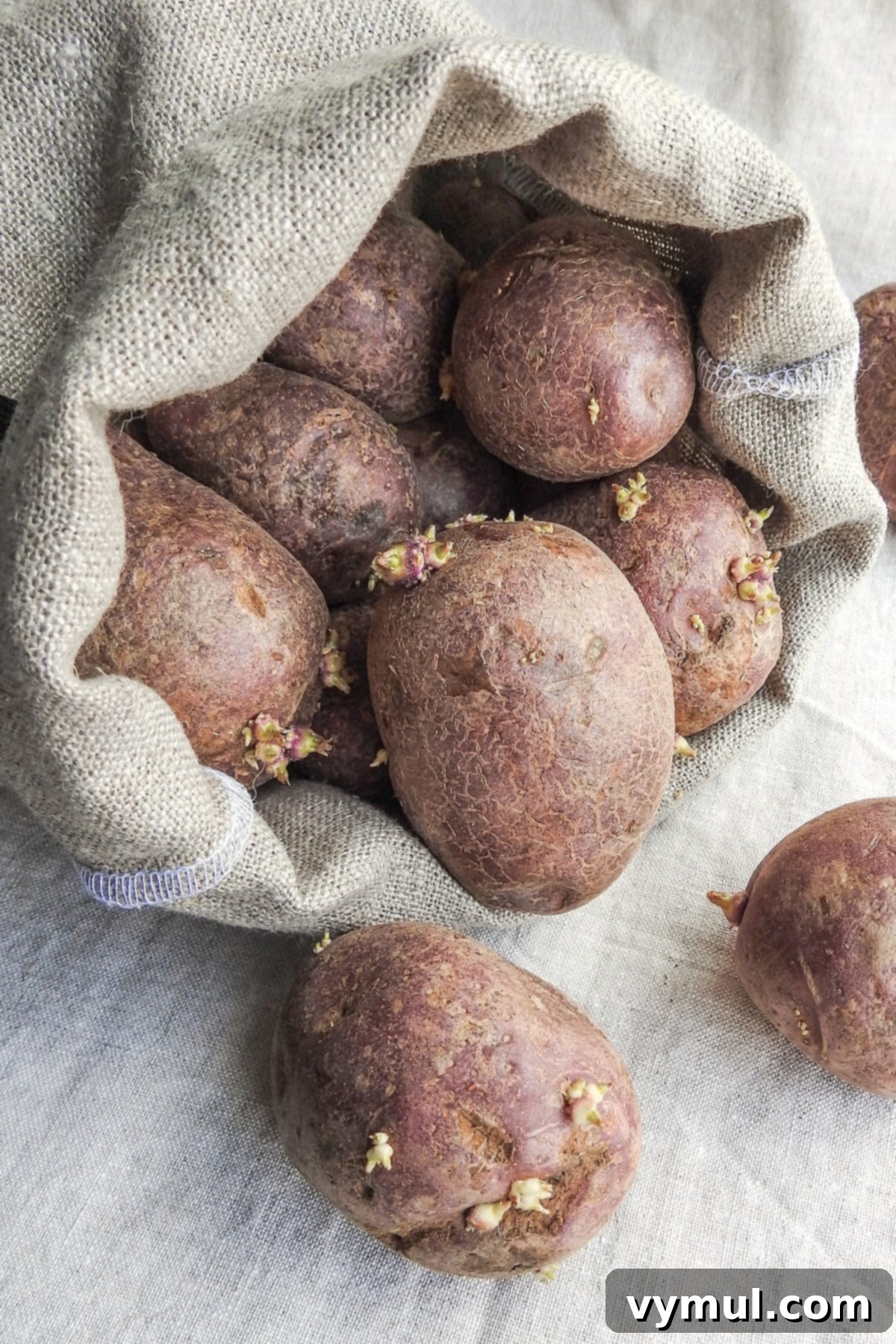
As an avid home cook and a proponent of mindful living, I often find myself taking advantage of sales on organic produce. When I spot organic potatoes at a great price, I’m quick to buy them in bulk, sometimes purchasing two large bags at once. It feels like a smart move to stock up, right?
However, there’s a catch: organic potatoes are not treated with sprout inhibitors, unlike their conventionally grown counterparts. This means it’s not uncommon for me to discover a significant portion of my potato stash developing sprouts, sometimes just a week after bringing them home. This scenario often leaves me with several pounds of sprouting potatoes, and while I’m dedicated to minimizing food waste, I also don’t want to commit to eating potatoes with every meal for the foreseeable future.
I’m confident I’m not alone in facing this challenge. The thought of tossing perfectly good food is unsettling, prompting me to investigate practical solutions. After a bit of research, I’ve gathered a collection of effective strategies to repurpose these potatoes before they become too shriveled, soft, or completely inedible. These methods not only help in reducing kitchen waste but also transform seemingly problematic potatoes into delicious meals and even future harvests.
A Few Frequently Asked Questions About Sprouted Potatoes
Absolutely, yes! This is often the first concern people have when discovering sprouts on their potatoes. As long as the potato itself remains firm when you gently squeeze it, and the sprouts are relatively small, it is perfectly fine to eat. The key is to simply cut out the sprouts and any associated “eyes” (the indentations where sprouts emerge) from the potato. Once trimmed, your potato is ready to be used in your favorite recipes, just as you would with any unsprouted potato. Always check for firmness, as this indicates the potato still has good structure and moisture content.
Yes, generally, sprouted potatoes are safe to eat provided they meet the criteria mentioned above. The concern often stems from the presence of solanine, a natural glycoalkaloid found in potatoes, particularly in the sprouts and green areas. While high levels of solanine can cause sickness (such as stomach upset or headaches), significant poisoning from eating firm potatoes with small sprouts is exceedingly rare. Most of the solanine is concentrated just under the skin and within the sprouts. By thoroughly peeling the potato and removing all sprouts and green sections, you effectively eliminate the majority of any potential solanine. You would need to consume an extremely large quantity of heavily sprouted or green potatoes for solanine to pose a serious health risk. A bitter taste in a potato is often an indicator of high solanine levels, in which case it should be discarded.
Sprouting is an entirely natural part of a potato’s life cycle. Potatoes are tubers, essentially underground storage organs for the plant. When conditions are right—typically warmth, light, and humidity—the potato breaks its dormancy and begins to sprout. These sprouts are designed to grow upwards through the soil, eventually forming green foliage, while the original potato tuber acts as an energy source for the new plant. As the new plant establishes itself and grows its own tubers, the original “seed” potato will shrink, soften, and eventually decompose. Conventionally grown potatoes are often treated with a growth-inhibiting chemical to extend their shelf life and prevent sprouting. Organic potatoes, however, are not sprayed with these inhibitors, which is why they tend to sprout much faster when stored in typical pantry conditions.
Yes, there absolutely is a point where potatoes should be discarded rather than consumed. If your potatoes are excessively wrinkled, shriveled, or soft to the touch, it indicates that they have lost significant moisture and their starch has converted into sugars to fuel the vigorous sprouting. At this stage, their nutritional value is severely diminished, and their texture will be unpleasant. More importantly, if the potatoes are mushy, leaking liquid, or emit an unpleasant smell, they are rotten and contain harmful bacteria. Potatoes in these severely deteriorated conditions are no longer suitable for eating. Wrinkled but firm potatoes might still be suitable for planting in the garden, but anything truly rotten belongs in the compost pile, not on your plate.
Yes, several storage strategies can significantly delay sprouting. The ideal conditions for potato storage are cool, dark, and well-ventilated. Aim for a temperature between 45-55°F (7-13°C), which is cooler than most pantries but warmer than a refrigerator (which can affect texture and flavor). Storing them in a breathable container, such as a paper bag, mesh bag, or basket, in a dark cupboard or cellar will help immensely. Critically, avoid storing potatoes near onions. Despite popular imagery of these two being stored together, onions release ethylene gas, which is a ripening agent that can accelerate sprouting in potatoes. Keep them in separate locations to maximize the storage life of both.
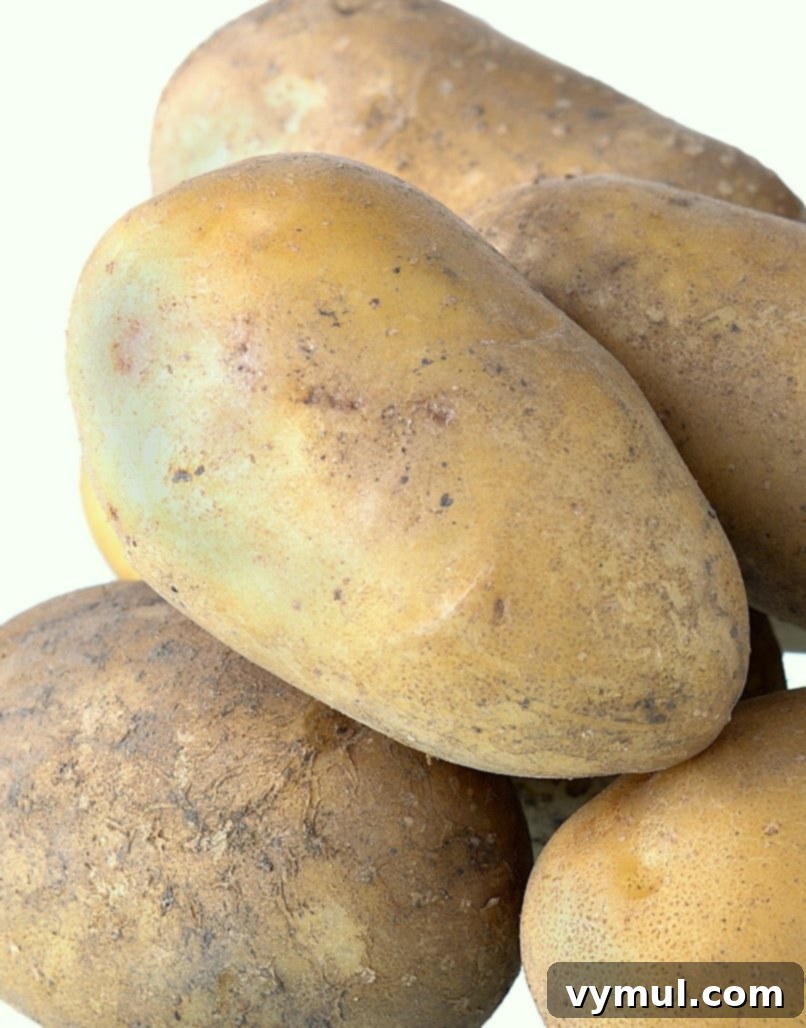
Do the Potatoes Have Green Skins? What to Know About Solanine
Beyond sprouts, another visual cue to pay attention to is green discoloration on potato skins. If your potatoes exhibit a green tint, it indicates they have been exposed to too much light. This green color is chlorophyll, which itself is harmless, but its presence is often a strong indicator of elevated levels of solanine underneath the skin.
Solanine is considered a natural toxin (potatoes are part of the nightshade family) and can lead to gastrointestinal upset, nausea, or diarrhea if consumed in sufficient quantities. Therefore, it is crucial to always peel off and discard any and all green areas from
Now that we’ve established that firm, sprouted potatoes can be eaten safely with proper trimming, it’s time to explore the many culinary possibilities. Before you start any of these recipes, remember to thoroughly wash your potatoes and diligently cut off all sprouts, eyes, and any green areas.
These versatile ideas aren’t just for sprouted potatoes; they work equally well for that large bag of unsprouted potatoes you might have, helping you prevent future sprouting. The only exception, of course, is the very last idea – for that, you’ll actually want them to sprout!
8+ Clever Things To Do With Sprouted Potatoes (and Prevent Waste!)
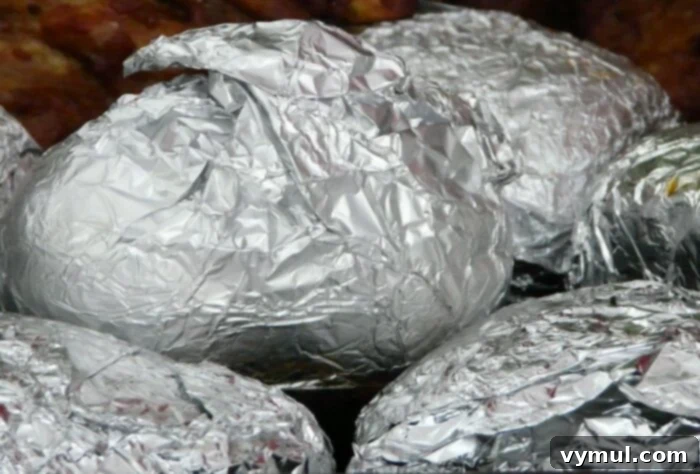
1. Bake The Potatoes and Freeze for Later
Many people don’t realize that baked potatoes freeze beautifully, making this an excellent strategy for preserving a surplus of spuds. This method allows you to enjoy the convenience of pre-cooked potatoes for various meals, greatly simplifying weeknight dinners.
How to Freeze Baked Potatoes:
- Preheat your oven to 350°F (175°C). Scrub your potatoes clean, prick them several times with a fork, and bake until they are completely fork-tender. This usually takes 45-60 minutes, depending on size.
- Allow the baked potatoes to cool completely to room temperature. This is a crucial step to prevent ice crystals from forming during freezing.
- Once cool, wrap each individual potato tightly with aluminum foil, ensuring no skin is exposed to prevent freezer burn.
- Place the wrapped potatoes into a large freezer baggie, pressing out as much air as possible before sealing. Label the bag with the date and store in the freezer for up to 6 to 8 months.
How to Use Frozen Baked Potatoes, 2 convenient ways:
- You can thaw the frozen cooked potatoes in the refrigerator overnight to use as a base for other recipes like mashed potatoes, potato salads, or soups. Their pre-cooked state significantly cuts down prep time.
- Alternatively, cook them from frozen. Simply pull out the desired number of wrapped potatoes, unwrap them, and place them in a baking dish. Cover the dish with aluminum foil and bake at 425°F (220°C) for 35 to 45 minutes or until they are thoroughly warmed through and soft in the center. They’ll be nearly as good as freshly baked!
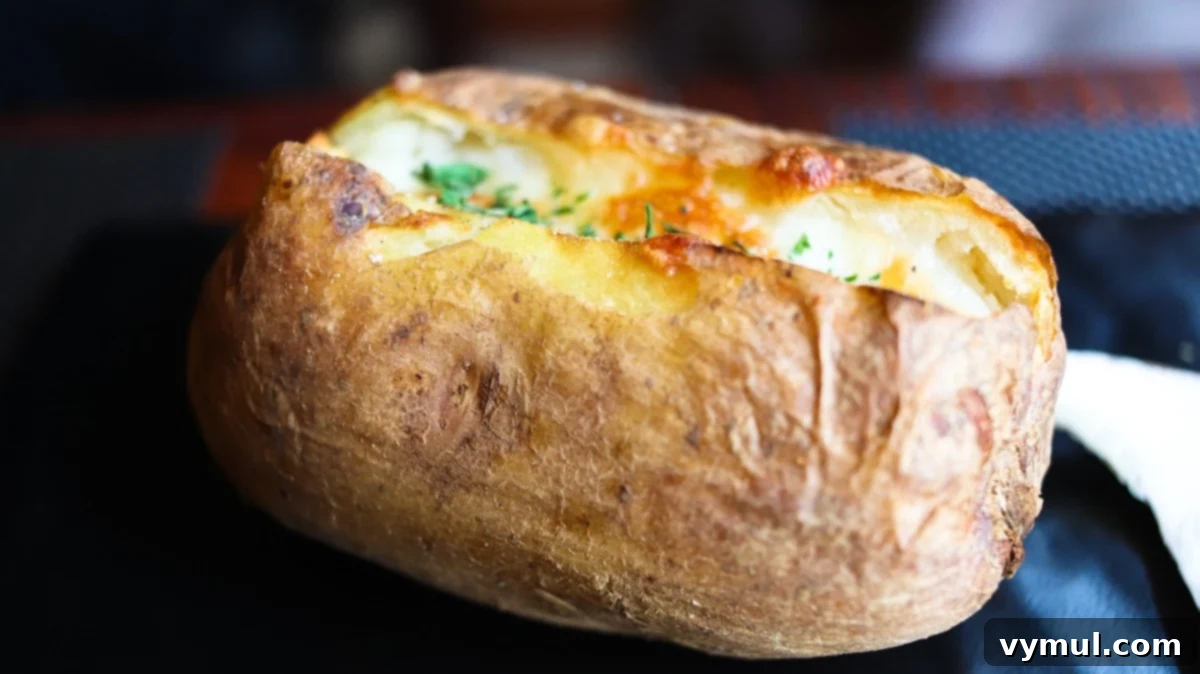
2. Prepare and Freeze Twice Baked Potatoes
Twice-baked potatoes are a classic comfort food and an excellent way to use up a batch of sprouted spuds. This method takes the concept of baked potatoes a step further, transforming them into a rich, flavorful side dish or even a light main. After the initial baking, you scoop out the fluffy insides, mix them with delightful ingredients like cheese, sour cream, butter, and seasonings, then refill the potato skins. A final topping of grated cheese before the second bake creates a golden, bubbly crust. This Twice Baked Potatoes recipe from Simply Recipes offers a fantastic guide.
How To Freeze Twice Baked Potatoes:
- After you’ve filled the potato shells with the creamy mixture, but before the second baking stage, arrange the potato halves on a baking sheet. Place the sheet in the freezer and allow the potatoes to freeze completely solid. This “flash freezing” prevents them from sticking together.
- Once frozen, transfer the individual twice-baked potato halves into a freezer baggie or an airtight freezer-safe container. Remove as much air as possible from the bag to prevent freezer burn and seal tightly. Freeze for up to 3 months for optimal freshness.
- When you’re ready to enjoy them, thaw the frozen potatoes in the refrigerator overnight. Then, bake them as you normally would for twice-baked potatoes, typically at 375°F (190°C) for about 20-25 minutes, or until heated through and the cheese is melted and bubbly.
Having a stash of homemade twice-baked potatoes in the freezer is such a wonderful treat and a fantastic shortcut for busy weeknights or unexpected guests!
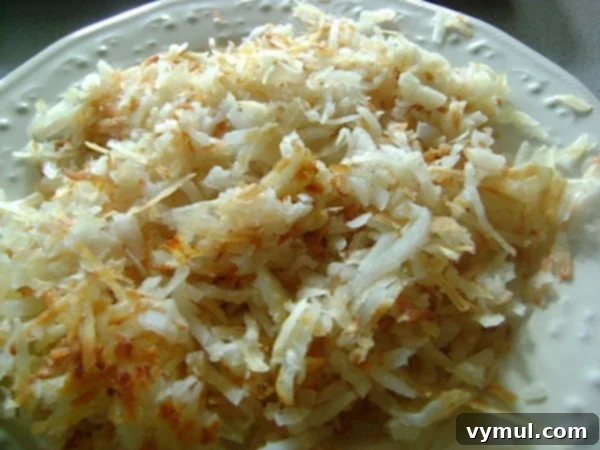
3. Make Your Own Frozen Hash Browns
Homemade hash browns are incredibly satisfying and much healthier than many store-bought options that often contain extra additives. This is a brilliant way to process a large quantity of sprouted potatoes quickly, ensuring you have a convenient breakfast staple ready whenever a craving strikes. The process typically involves par-cooking the potatoes, grating them, and then freezing them in portions. This Freezer Hash Browns recipe from Heavenly Homemakers offers excellent guidance.
I absolutely adore this method! For years, I avoided hash browns because I didn’t want the unnecessary ingredients found in pre-packaged varieties. Now, my family regularly enjoys delicious, homemade hash browns, and the convenience of having them prepped and frozen is truly a game-changer for quick breakfasts or as a versatile side dish for any meal. You can easily season them with salt, pepper, and onion powder for classic flavor, or get creative with paprika, garlic, or your favorite herbs.
4. Prepare Homemade Freezer Home Fries
Similar to hash browns, home fries offer another delightful way to freeze and enjoy your sprouted potatoes. The main difference lies in the cut and texture: while hash browns are typically grated, home fries involve chopping the potatoes into bite-sized pieces, creating a heartier, chunkier side dish. You can choose to peel the potatoes or leave the skin on for added texture and nutrients, especially if you’re using thin-skinned varieties. This method provides a fantastic alternative for those who prefer a more substantial potato experience.
How to Freeze & Use Chopped Potatoes for Home Fries:
- Begin by baking or boiling your prepared potatoes until they are tender but still firm enough to handle. Once cooked, chop them into your desired bite-size pieces.
- Spread the chopped potatoes in a single layer on a large baking sheet. Place the baking sheet in the freezer for at least 1 hour, or until the potato pieces are completely frozen through. This prevents them from clumping together.
- Once frozen, transfer the individual potato pieces into freezer baggies. Press out as much air as you can before sealing to prevent freezer burn, and store them in the freezer for up to 3 months.
- When you’re ready to cook, simply pull out the desired amount of frozen potatoes. Heat some butter or oil in a large skillet over medium-high heat, and fry the potatoes directly from frozen. You can add optional chopped onions, bell peppers, or your favorite seasonings like paprika, garlic powder, or chili flakes to create a flavorful side dish. Cook until golden brown and heated through.
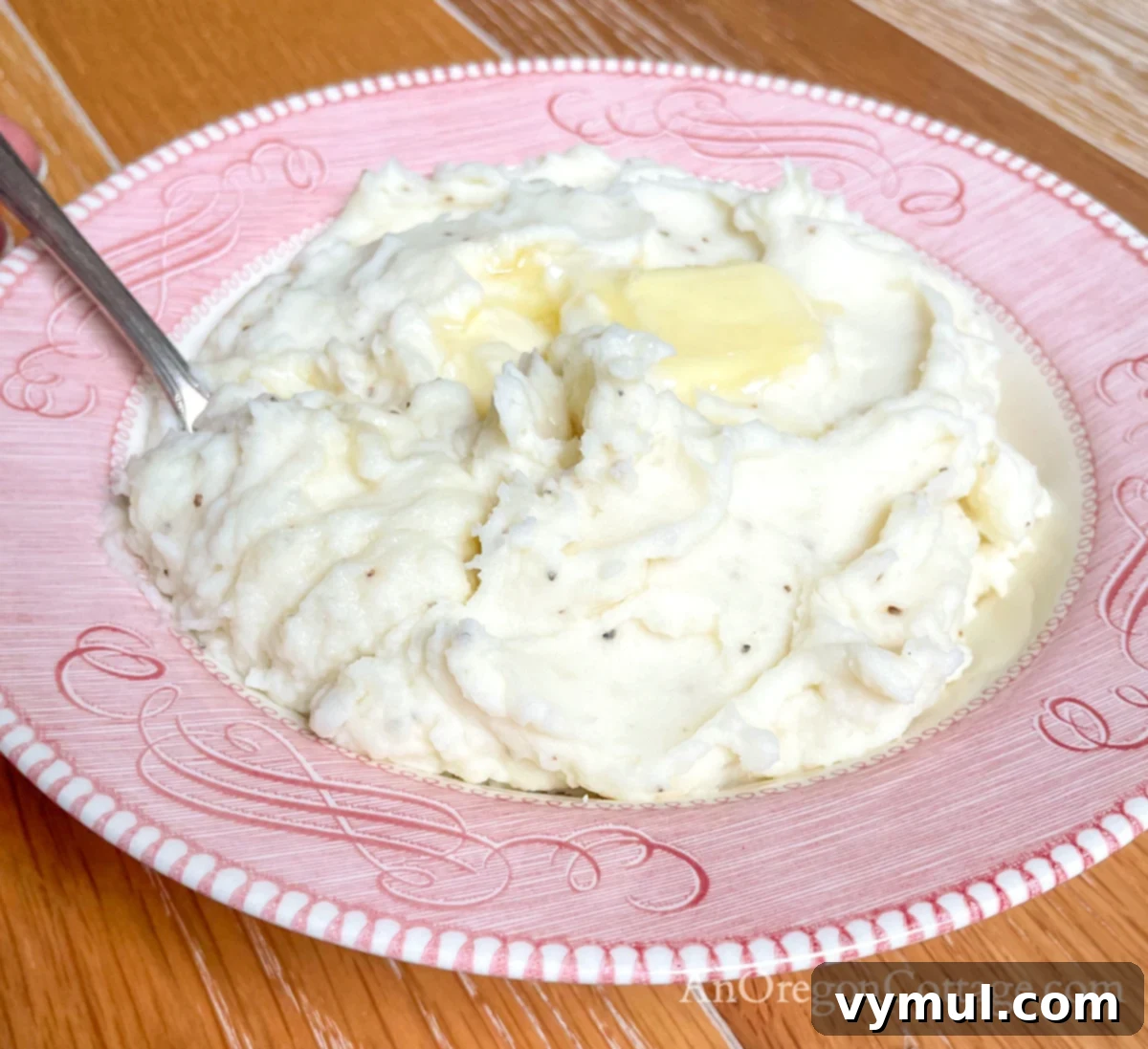
5. Make Mashed Potatoes – Eat Now or Freeze for Later
Mashed potatoes are a beloved classic, and they’re another excellent candidate for using up sprouted potatoes. Whether you prefer them creamy, chunky, garlicky, or plain, a big batch of mashed potatoes can be a satisfying meal on its own or a perfect accompaniment to various dishes. I’m particularly partial to these sour cream garlic mashed potatoes for their rich flavor. The best part? Mashed potatoes freeze surprisingly well, making them an ideal make-ahead component for future meals.
How To Freeze Mashed Potatoes:
- Prepare your favorite mashed potato recipe. Ensure they are slightly looser than you’d normally serve them, as they tend to thicken upon freezing.
- Allow the mashed potatoes to cool completely. Then, divide them into meal-sized portions and spoon them into freezer-safe containers or aluminum pans. For an extra touch of flavor and moisture, you can dot the top of each portion with a small amount of butter.
- Wrap the pans or containers tightly with foil or an airtight lid to prevent freezer burn. Label with the date and contents, then freeze. Mashed potatoes can be stored in the freezer for up to 1-2 months.
When you’re ready to serve, thaw the frozen mashed potatoes in the refrigerator overnight. You can then reheat them in the oven at 350°F (175°C) for about 20-30 minutes, or until warmed through, stirring occasionally. For stovetop reheating, add a splash of milk or cream and gently warm over low heat, stirring frequently, to restore their creamy texture. Frozen mashed potatoes are also fantastic as a topping for shepherd’s pie or similar casseroles.
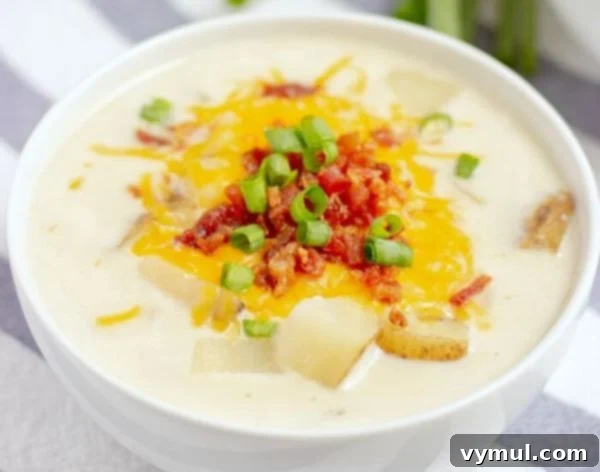
6. Create a Hearty Slow Cooker Soup
The slow cooker is your best friend when it comes to transforming a pile of sprouted potatoes into a comforting and effortless meal. Simply peel and dice your potatoes, then add them to your slow cooker along with other delicious ingredients to create a hearty soup for dinner. The low and slow cooking process ensures the potatoes become incredibly tender and meld beautifully with the flavors. A fantastic example is this Baked Potato Soup from Mama Loves Food, which captures all the deliciousness of a loaded baked potato in a warm bowl.
The beauty of a slow cooker soup is its “set it and forget it” convenience, making it perfect for busy days. You can customize your potato soup with various additions like cheese, bacon bits, chives, sour cream, or even a touch of heat from some cayenne pepper. Plus, here’s a bonus: the leftovers from many potato-based slow cooker soups, especially creamy ones, can also be frozen for future quick meals, extending their utility even further!
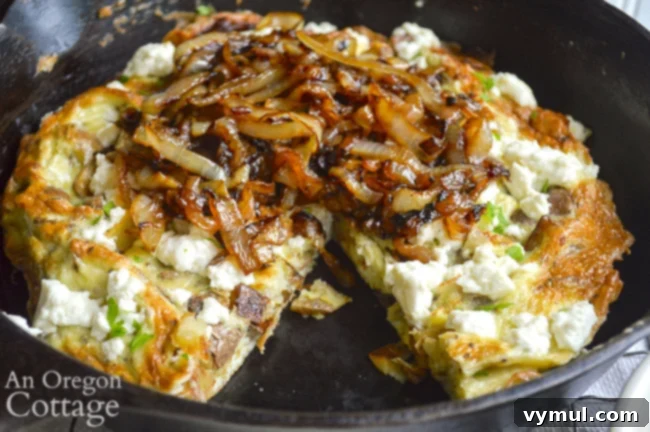
7. Whisk Up a Delicious Frittata
A frittata is a versatile and quick meal that can be enjoyed for breakfast, brunch, or a light dinner. It’s essentially an open-faced Italian-style omelet, perfect for using up leftover cooked vegetables, including your sprouted potatoes. The key to a great frittata is often pre-cooking the potatoes until tender, then combining them with whisked eggs, cheese, and other fillings before baking or finishing on the stovetop. This Potato & Caramelized Onion Frittata recipe is a testament to how simple ingredients can create a truly satisfying dish.
TIP: For maximum efficiency, plan to use some of the potatoes you baked and perhaps didn’t freeze from idea #1 for this frittata. Pre-cooked potatoes make the frittata assembly even faster. You can also add other ingredients like sautéed spinach, bell peppers, cooked sausage, or ham to customize your frittata to your taste or to use up other odds and ends from your refrigerator. It’s a wonderful way to create a wholesome, flavorful meal with minimal effort.
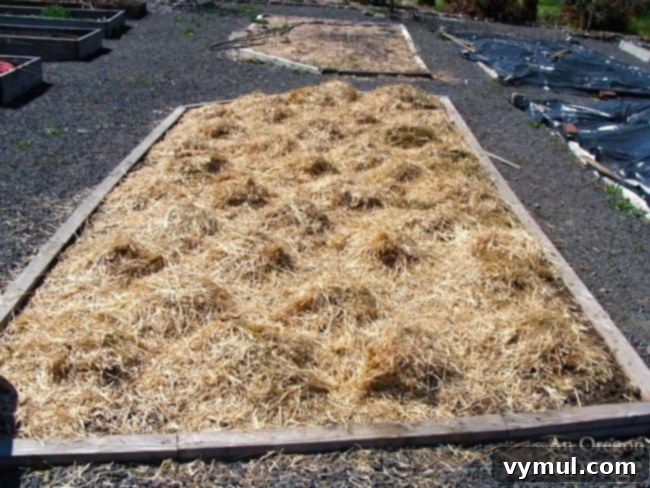
8. Plant Them and Grow Your Own!
This is arguably the most satisfying and sustainable way to use sprouted potatoes: turn them into new plants! If it’s the right time for potato planting in your area (typically spring), your sprouted potatoes are actually perfect “seed potatoes.” You can plant them directly in the ground, in a large, tall container (like a clean garbage can or a sturdy grow bag), or even in raised beds – anywhere they will receive plenty of sunlight.
Since you actually want sprouted potatoes for planting, discovering them sprouting in your pantry means you’re already halfway there! Just ensure the sprouts are robust and healthy. If the potatoes are very large, you can even cut them into pieces, making sure each piece has at least one or two “eyes” or sprouts, and allowing the cut surfaces to “cure” or dry for a day or two before planting to prevent rot. Here’s my easy potato planting method (which includes a few updated techniques!) to get you started on your very own homegrown potato harvest. There’s immense joy and a deep sense of accomplishment in growing your own food from what might otherwise have been considered waste.
What are your favorite ways to use sprouted potatoes, extending their life and reducing food waste in your kitchen? Share your tips in the comments below!
Beyond insightful tips on utilizing sprouted potatoes, An Oregon Cottage is dedicated to sharing easy, real food recipes, practical advice for smart kitchen management, and creative ways to make the most of what you have. Explore more potato recipes here and discover additional kitchen tips here to make your home cooking journey more enjoyable and sustainable.
Even More Delicious Potato Recipes to Enjoy
If you’re looking for even more inspiration to celebrate the humble potato, whether sprouted or fresh, here are some additional recipes that are sure to become family favorites:
Easy Baked Potato Fans
Easy Slow Cooker Garlic Scallop Potatoes
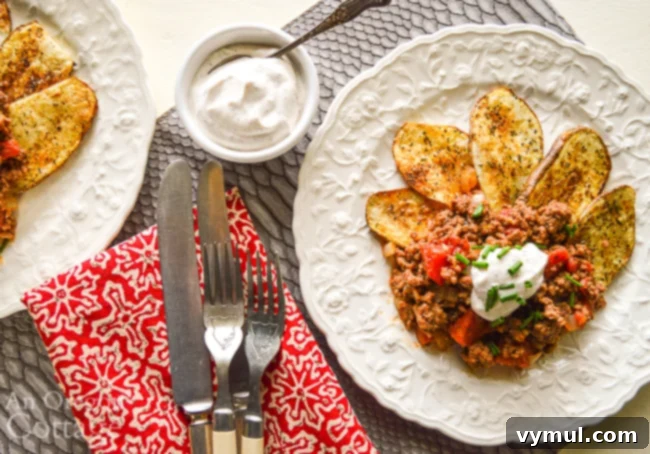
Cajun Beef on Spiced Potatoes
This article has been thoroughly updated and expanded to provide the most current and comprehensive information. It was originally published in 2012.