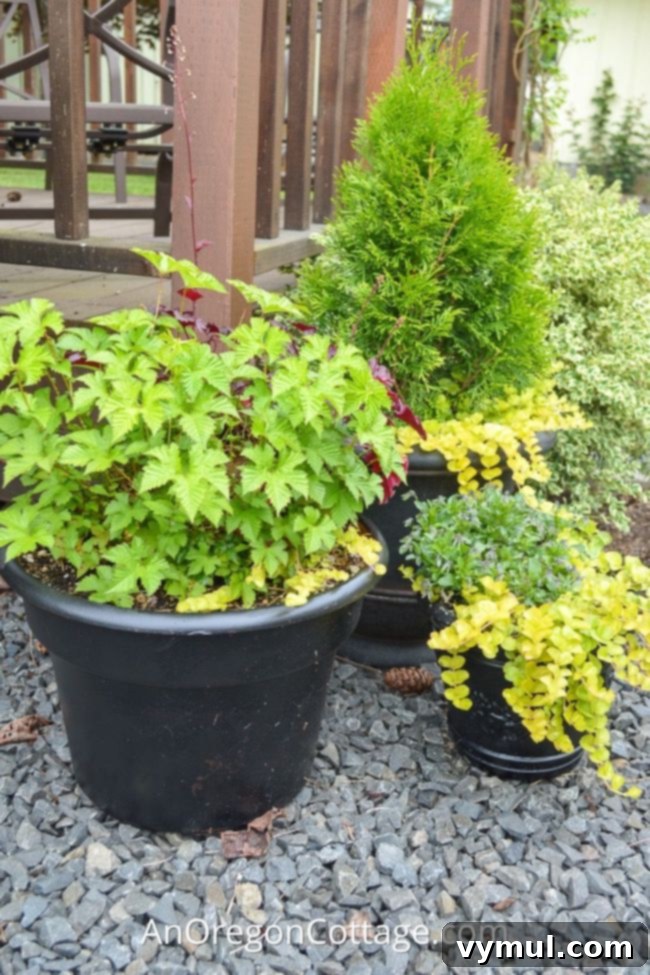
Mastering Organic Flower Pots: 7 Proven Tips for All-Season Blooms and Healthy Growth
Transform your container garden with these easy-to-follow, tried-and-true organic tips and techniques for planting flower pots. Discover how to cultivate vibrant, blooming containers that maintain their beauty and health throughout the entire growing season.
Some links in this article are affiliate links, meaning if you click on them and make a purchase, I may receive a small commission at no additional cost to you. These commissions help support this blog and allow me to continue providing valuable content.
Have you ever invested your precious time and money in the spring, carefully planting beautiful flower pots, hanging baskets, or other containers, only to watch them wilt, yellow, and look utterly forlorn by the middle of summer? For many years, this was my frustrating reality. Despite my best efforts, my container plants often appeared limp and sad, far from the lush, vibrant displays I envisioned.
I was nearly ready to abandon the dream of growing stunning planters altogether. The thought of watering twice a day during peak summer heat felt daunting – and honestly, even if I had the time, the desire simply wasn’t there! Remembering to fertilize weekly, monthly, or on any other complicated schedule I’d read about seemed like an impossible task. Furthermore, I was committed to an organic approach, wanting to avoid harsh chemicals in my garden.
However, through a combination of persistent trial-and-error and a dedicated search for sustainable solutions, I discovered a set of fundamental techniques. These methods truly enable container flowers to thrive and look fantastic all season long, requiring only simple, basic care and maintenance. The secret, I learned, lies in establishing the right foundation right from the very beginning – when you first plant your containers.
By preparing your plants and pots correctly, you provide them with a strong foundation that empowers them to successfully navigate the challenges of the hot season. This comprehensive tutorial outlines the exact steps to take, helping you avoid those disappointing, dried-out, and sad-looking containers that no gardener wants to see. Let’s get your flower pots thriving!
7 Essential Tips for Planting Organic Flower Pots That Thrive All Season
Tip 1: Gather the Right Supplies for Success
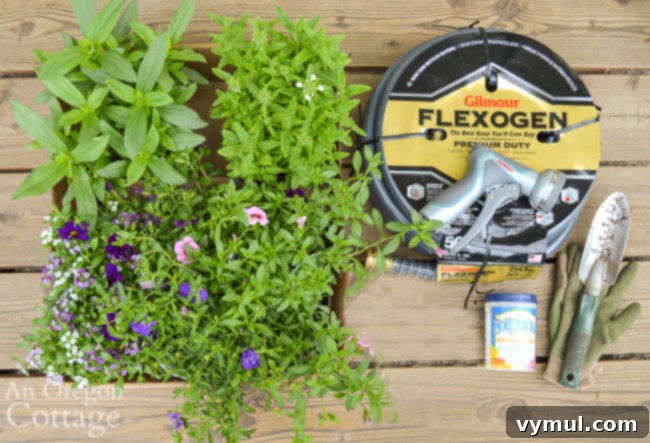
Starting with the correct supplies is foundational for healthy, beautiful container plants. Begin by selecting healthy-looking plants that offer complementary colors and adhere to the classic “thriller, filler, spiller” design principle:
- Tall/Upright (“Thrills”): These are your focal points, providing height and drama. Examples include zinnias (as seen in the upper left corner of the photo above), ornamental grasses, or tall salvias.
- Mid-Level/Spreading (“Fills”): These plants add volume and bridge the gap between thrillers and spillers. Purple and white verbena (upper right corner) are excellent choices, along with petunias or impatiens.
- Trailing (“Spills”): These plants cascade over the edges of the pot, softening the lines and adding elegance. Pink and purple calibrachoa and alyssum (lower half of the photo) are perfect examples, as are ivy geraniums or creeping jenny.
For more specific plant container “recipes” using common nursery and home store varieties, explore these guides: Container Plant Ideas for Sunny Spots and Container Plant Ideas for Shady Areas.
Next, ensure you have these essential tools and materials ready to pot up your new plants:
- Large Flower Pots: Opt for containers 12 inches in diameter or larger. The bigger the pot, the more soil it holds, which means more moisture retention and less frequent watering, especially crucial for organic growing. Smaller pots dry out significantly faster.
- High-Quality Potting Soil: A good potting mix provides essential nutrients and proper drainage. You can also sustainably reuse soil from previous seasons by amending it, a process we’ll detail further below.
- Gardening Gloves and a Sturdy Trowel: Durable gloves (these are a personal favorite for their comfort and affordability) protect your hands, while a robust trowel prevents bending or breaking, especially when dealing with compacted soil or small roots. Avoid flimsy trowels with thin necks.
- Water-Absorbing Crystals: These remarkable crystals have been a game-changer for my container gardening success, dramatically reducing watering frequency. (While some suggest using diaper contents, my own experience with them was unfortunately ineffective, as they didn’t hold water as well as commercial crystals.)
- Slow-Release Organic Fertilizer: This is a crucial, though sometimes overlooked, supply. Organic slow-release fertilizers provide a steady stream of nutrients over time, eliminating the need for frequent liquid feeding and promoting continuous plant health.
- Multi-Position Water Sprayer: A gentle spray setting is vital for watering tender new plants without damaging them or displacing soil.
- Durable Garden Hose: Investing in a good quality hose, such as the Gilmour Flexogen hose, saves money and frustration in the long run. Cheap hoses often crack or burst after just one winter.
Tip 2: Prepare Your Containers and Soil for a Fresh Start
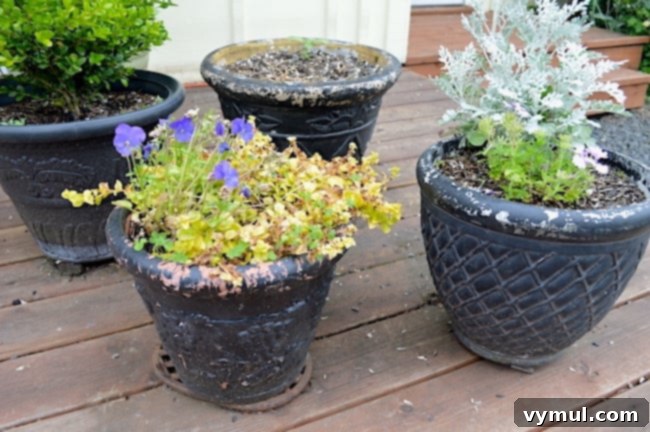
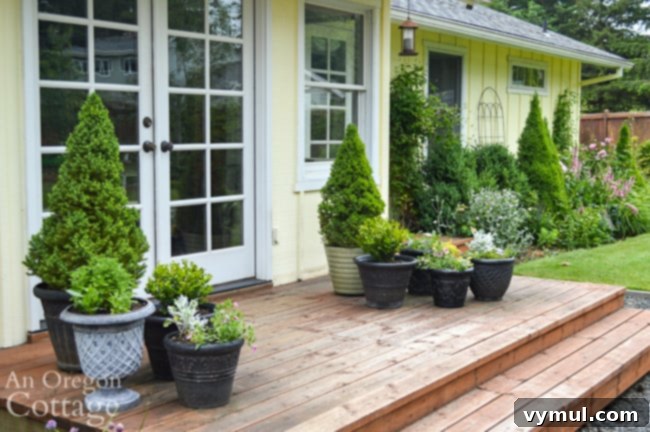
Whether you’re starting with brand new containers or refreshing old favorites, proper preparation is key. While new pots are ready to go, containers that have endured a year or more of use, especially through winter, will likely show some wear and tear, much like mine pictured above. Giving them a little TLC before planting ensures a clean and healthy environment for your new blooms.
Pro Tip for Frosty Climates: If you lack the time, indoor space, or inclination to bring your pots inside during winter, consider using only lightweight, unbreakable pots made from materials like fiberglass or plastic. These materials are frost-resistant and won’t crack. While their paint may fade over time, a quick refresh with spray paint is an easy fix.
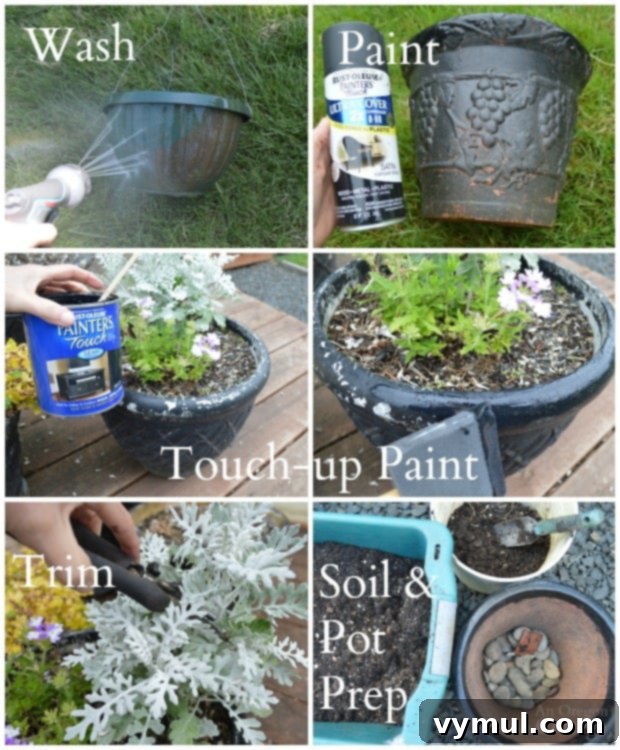
To prepare your containers for the upcoming growing season:
- Thoroughly Clean Your Pots: Use a strong spray of water to remove any lingering soil, plant debris, or salt buildup from previous seasons. A clean pot helps prevent disease and provides a fresh start.
- Repaint or Touch Up as Needed: For fiberglass or non-breakable pots, a fresh coat of indoor-outdoor spray paint can revitalize their appearance or completely change their color. I find a satin finish works best as it’s easier to clean than matte. For minor touch-ups, particularly on rims, a foam brush with regular indoor-outdoor paint is convenient.
- Trim Overwintered Plants: If you’ve overwintered any plants you intend to keep or replant, now is the time to trim them back. This encourages new, healthy growth and maintains their shape.
Preparing your soil is just as vital:
- Utilize Fresh Potting Soil: For optimal results, start with new, high-quality potting soil for each season. This ensures a rich, disease-free medium for your plants.
- OR – Renew Existing Potting Soil: A sustainable and cost-effective approach is to rejuvenate old potting soil. Simply dump all your old soil into a large bin or tarp and thoroughly mix it with a generous amount of fresh compost. This enriches the soil with vital nutrients and improves its structure, allowing you to use it year after year and reduce the need to frequently purchase new bags. This organic method works wonderfully for promoting healthy growth.
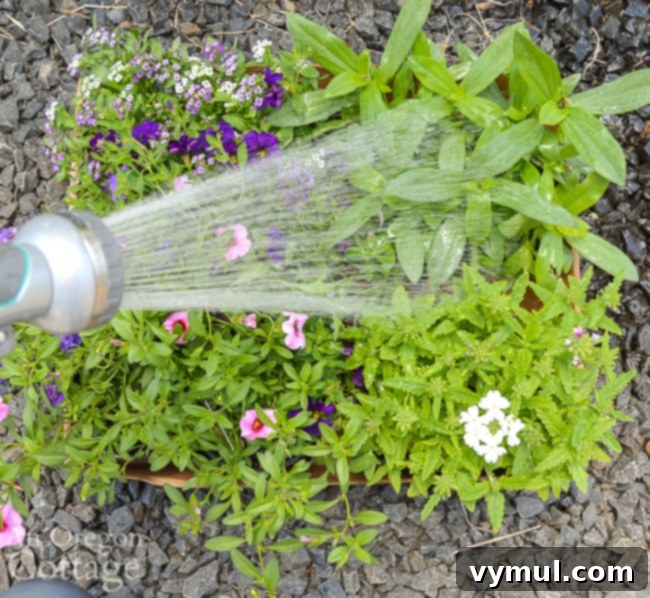
Tip 3: Hydrate Your Plants Thoroughly Before Planting
This seemingly simple step is, in fact, one of the most significant keys to successful transplanting. Whether you’re moving flowers or any other plant into a new container, ensuring their roots are completely saturated with water *before* they go into the pot is crucial. This proactive watering helps prevent transplant shock, a common issue where plants struggle to adjust to their new environment, often leading to wilting and stunted growth. Use a gentle spray setting on your garden sprayer to ensure the water soaks deeply into the root ball without washing away the soil.
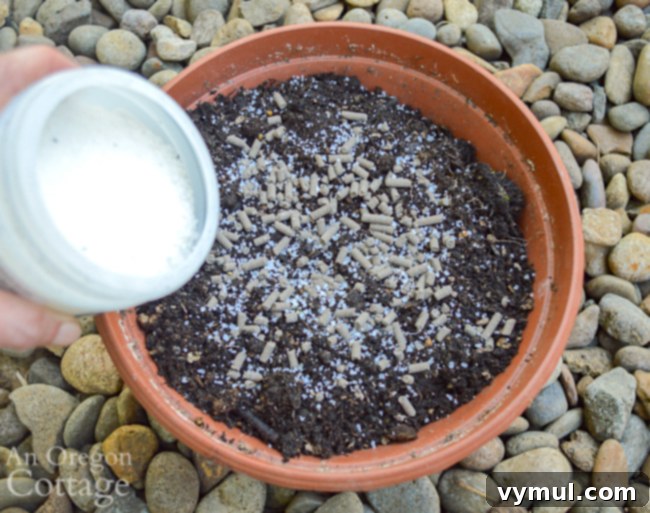
Tip 4: Incorporate Slow-Release Organic Fertilizer and Water-Absorbing Crystals
This is arguably my single most impactful piece of advice, a revelation that fundamentally changed my container gardening experience! If you implement no other tip from this guide, make sure to follow this one. After filling your pot approximately three-quarters full with your prepared soil, incorporate these two essential elements *before* you even place your plants:
- Select a Slow-Release Organic Fertilizer: Choose an organic fertilizer, like this one, that provides a balanced ratio of key nutrients. Look for options with a good balance of nitrogen (essential for lush, green foliage) and phosphorus (vital for abundant flower production). “All-purpose” organic fertilizers are generally suitable. The availability of organic gardening products has vastly improved, so you’ll find many excellent choices at most home centers and nurseries. Unlike liquid fertilizers that require frequent application, slow-release granules break down gradually, feeding your plants consistently over several months.
- Add Water-Absorbing Crystals: These incredible crystals act as tiny reservoirs, soaking up excess water when you irrigate and slowly releasing it back into the soil as it dries out. You only need a small amount—about 1/2 to 1 teaspoon per container is usually sufficient. Be careful not to use too much, as an excessive quantity can cause the crystals to expand dramatically in wet conditions, potentially pushing your plants out of the pot! A 1-pound container of crystals can last for many years, depending on the number of pots you maintain.
By implementing these two strategies at planting time, you create a self-sustaining environment for your container plants. The slow-release fertilizer ensures a steady supply of nutrients, meaning you won’t need to remember to fertilize frequently as long as your plants appear healthy and vigorous. Simultaneously, the water-absorbing crystals significantly reduce your watering burden, eliminating the need for daily, or even twice-daily, watering during the hottest summer months. This foundational step is the bedrock of low-maintenance, thriving organic flower pots.
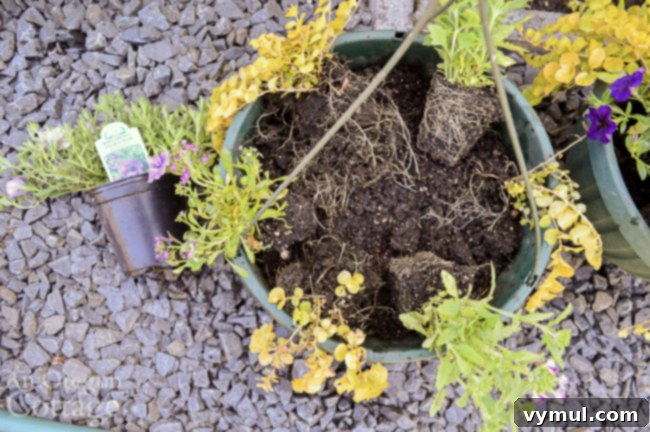
Tip 5: Optimal Plant Spacing and Gentle Root Massage
Careful arrangement of your plants within the container, combined with proper root preparation, is essential for healthy growth and a visually appealing display. How you space your plants will depend on the type of pot and how it will be viewed.
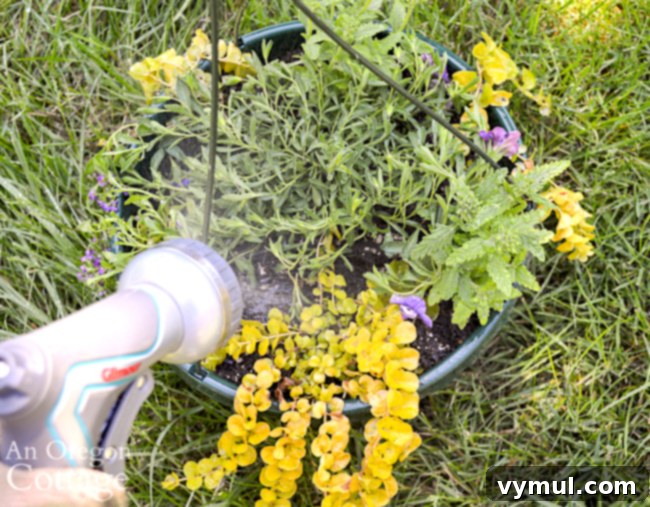
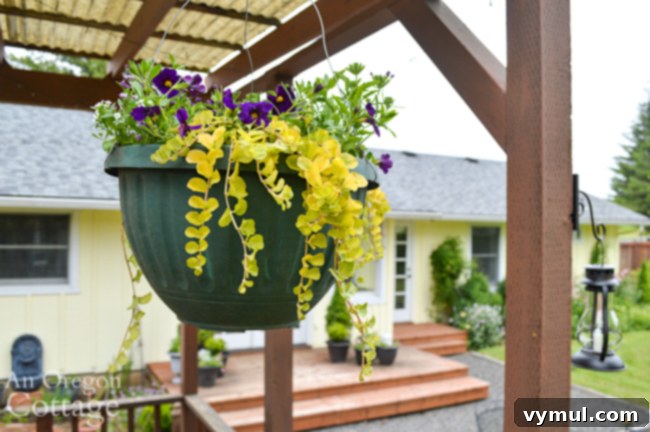
The image above demonstrates ideal plant spacing for a hanging planter, which is typically viewed from all sides. In this arrangement, a large, central plant acts as the “thriller” (I particularly recommend calibrachoa for its vigorous yet non-gangly growth, unlike some petunias). Surrounding it are six smaller “trailing” or “filler” plants. The example shown includes three divisions of overwintered Creeping Jenny, two trailing verbena, and one alyssum, creating a lush, balanced look.
Once you’ve determined your desired spacing and arrangement, temporarily remove the plants from their nursery pots and set them aside. Begin planting with the central “thriller” plant.
Gently Remove Transplants and Massage Roots:
For each plant, carefully unpot it by gently turning the container upside down and supporting the plant. Before placing it into your prepared pot, it’s critically important to gently *massage and loosen the roots* at the bottom of the root ball. This process helps to break up any tightly bound roots, especially in plants that are “root-bound” (where roots have circled the pot excessively). By encouraging the roots to spread outwards, you facilitate better nutrient and water absorption from the new potting soil.
If you’ve ever pulled a struggling plant out of a container mid-season only to find its root ball still in the exact shape it was when you planted it, you understand the importance of this step. Loosening the roots ensures they can establish effectively in their new home, preventing stagnation and promoting vigorous growth.
Finally, position each plant in its designated space. Fill in all around the plants with fresh potting soil, ensuring there are no large air pockets. Gently press down on the soil to secure the plants and create good soil-to-root contact.
Tip 6: Maintain a Watering Space and Water Thoroughly After Planting
After you’ve planted your flowers and filled the pot with soil, it’s essential to leave a 1 to 2-inch gap between the top of the soil and the rim of the container. This seemingly small detail makes a significant difference in long-term maintenance and plant health. This space creates a “reservoir” where water can collect when you irrigate, allowing it to slowly soak into the soil rather than immediately running off the sides of the pot. Without this space, water runoff can be wasteful and cause soil to spill over, creating an unsightly mess around your beautiful containers.
Once planted, use your gentle sprayer to thoroughly water the container. This initial deep watering is crucial for settling the soil around the newly massaged roots, eliminating any remaining air pockets, and giving your plants the best possible start in their new home. Watch as the water slowly absorbs, ensuring every part of the root zone receives adequate moisture.
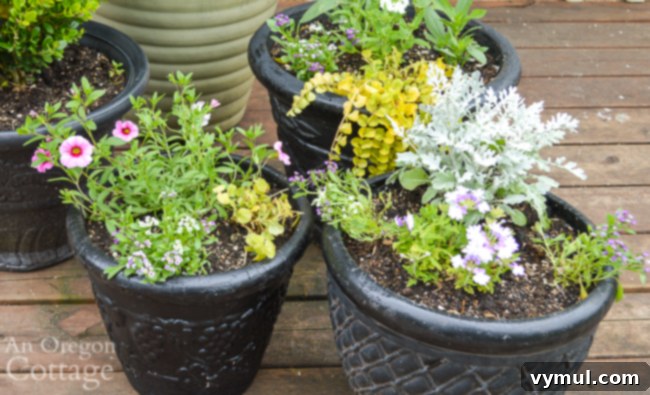
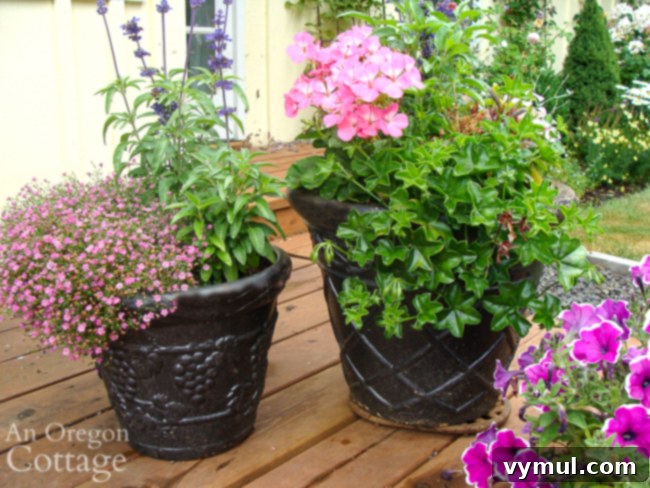
The photos above offer excellent visual examples of plant spacing for traditional pots, demonstrating the effective application of the “thriller (tall plant), filler (medium/full plant), and spiller (trailing)” container design formula:
- For 12″-14″ Pots: Typically, use three plants – one “thriller,” one “filler,” and one “spiller.” Plant them as described in Tip 5, ensuring each has adequate space to grow.
- For Larger Pots: In containers that are significantly larger, you can comfortably plant five to seven plants. A good combination might include two “thrillers,” one to three “fillers,” and two to three “spillers” to create a lush, full display.
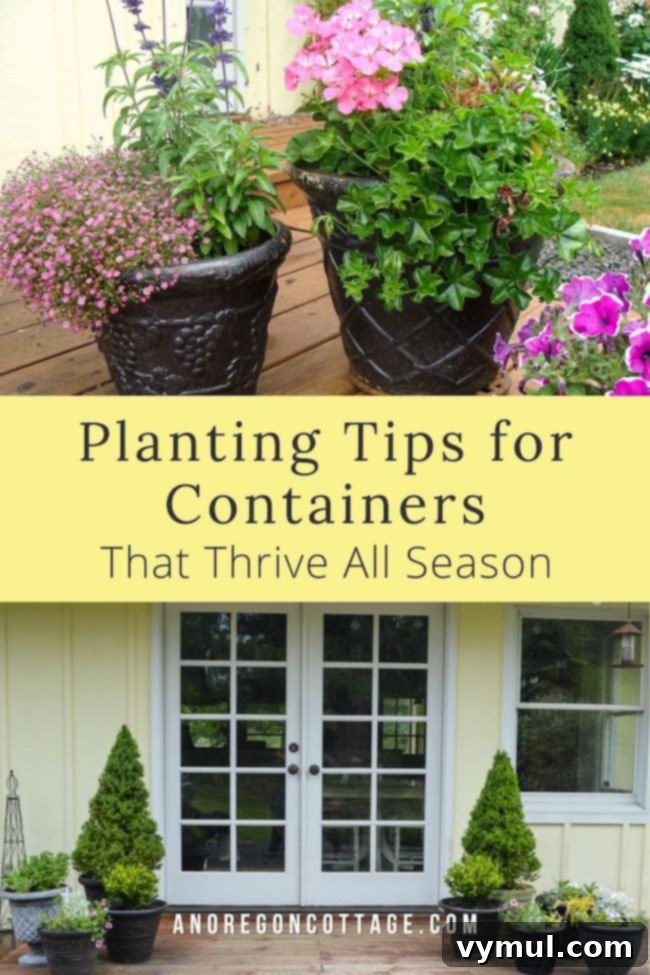
Important Note: The bottom picture showcases last year’s planters, captured in August. This serves as compelling evidence of how robust and beautiful your pots can become when planted using these proven tips! The specific planting scheme for those vibrant pots included Victoria Salvia as the tall “thriller,” a mix of geranium and petunia for the medium “fillers,” and a delightful combination of ivy geranium and a mystery pink plant as the “trailing spillers.”
Tip 7: Effortless Maintenance for Long-Lasting Beauty
With the right foundational steps taken during planting, maintaining your containers throughout the season becomes a much simpler and more enjoyable task. Your goal is to keep them looking their best with minimal effort.
Watering Routine: In cooler weather, check your pots every couple of days for dryness and water as needed. During hot spells, a daily watering is typically sufficient. The water-absorbing crystals you added will significantly reduce the need for twice-daily watering, freeing up your time and preventing plant stress.
Pro Tip for Extremely Hot Climates: If you live in an area with scorching summer temperatures, consider giving your pots a rejuvenating “kiddie pool soak” once every couple of weeks. Simply place your containers in a shallow kiddie pool, fill it with water, and allow them to absorb moisture from the bottom up for a day. This deep hydration method is also my top recommendation for watering plants while on vacation!
Deadheading Spent Flowers: To encourage continuous blooming and prevent your plants from putting energy into seed production, deadhead (cut off) spent flowers regularly, ideally once a week or every few days. This simple act keeps your containers looking tidy and promotes a fresh flush of blooms.
Pro Tip for Leggy Plants: If plants like petunias start looking long and leggy mid-season, don’t be afraid to give them a good haircut. While they might look a bit sad for a week or so immediately after pruning, they will quickly bounce back fuller, bushier, and more vigorous than before, rewarding you with renewed blooms.
Mid-Season Fertilization (If Needed): Thanks to the slow-release organic fertilizer you added at planting, you might not need to fertilize again. However, if you notice signs of nutrient deficiency, such as yellowing leaves, slowed growth, or a significant decrease in blooming, a mid-season boost can be beneficial. You can apply a liquid organic fertilizer like fish emulsion when watering, or gently scratch in more slow-release granules on the soil surface before watering thoroughly. Only fertilize if the plants show clear signs of needing it.
Planting Flower Pots: Frequently Asked Questions
The ideal planting time for flower pots largely depends on your specific growing season and the date of your last expected frost. Most annuals commonly used in containers are sensitive to cold and should only be planted once all danger of overnight frosts has completely passed. It’s wise to check your local last frost date and plan to purchase and plant your annuals in the weeks immediately following it. For example, in the Western Pacific Northwest, where the last frost typically occurs around April 15th, I usually wait until the first week of May. This allows for a wider selection of healthy plants at local nurseries and stores, ensuring you get the best start for your organic flower pots.
For many years, it was a common practice to place a layer of rocks or broken pottery at the bottom of planters, believing it improved drainage. You might even spot this in older photos or tutorials. However, recent horticultural research indicates that this isn’t necessary and can actually hinder drainage. A layer of coarse material can create a “perched water table,” where water accumulates just above the rocks, potentially leading to root rot. It’s generally more effective to simply fill the entire container with good quality potting soil, ensuring excess water can drain freely through the pot’s drainage holes. (source)
While rocks aren’t recommended for drainage, if you’re working with exceptionally large containers – which are excellent for maintaining consistent moisture in hot weather – you might want to reduce the amount of potting soil needed. To do this, you can fill the bottom third or quarter of the pot with lightweight, inert materials. Excellent choices include empty plastic water bottles, crushed soda cans, clean, crushed milk jugs, or plastic take-out containers. These items displace volume without adding significant weight or affecting drainage negatively. It’s crucial to steer clear of foam packing peanuts or foam containers, as these materials can be incredibly difficult to dispose of later, especially once plant roots grow into them, and they often break down into numerous small, environmentally problematic pieces.
There’s a vast array of beautiful and easy-to-grow flowers perfect for organic container gardening. The key is to select varieties known for their resilience and adaptability to pot life. Based on my experience and consistent success, here are some of my favorite, readily available plants that thrive in containers with basic organic care:
– Annual Geraniums: Available in both upright and trailing varieties, offering continuous color.
– Petunias and Calibrachoa (Million Bells): Both are prolific bloomers, with calibrachoa being slightly smaller and often more heat-tolerant.
– Sweet Alyssum: Creates a beautiful, delicate cascade with a sweet fragrance.
– Verbena: Offers clusters of vibrant flowers and comes in various forms, including mounding and trailing.
– Chrysanthemums: Known for their late-season display, adding autumnal color.
– Begonias: Excellent for shade and semi-shade, providing continuous blooms and interesting foliage.
– Impatiens: A classic for shady spots, offering bright, cheerful flowers.
– Sedum and Coleus: Sedum is drought-tolerant and offers interesting textures; Coleus provides stunning foliage color.
– Zinnia: Sun-loving, vibrant, and great for cutting.
– Pansy: Ideal for cooler weather, providing early spring and late fall color.
– Marigold: Known for their bright colors and pest-repelling properties.
– Snapdragon: Adds vertical interest with unique flower spikes.
– Salvia: Attracts pollinators and offers beautiful spires of color.
– Bacopa: Delicate trailing plant with small, abundant flowers.
– Lobelia: Creates a beautiful blue cascade, perfect for edging.
So there you have it – a comprehensive organic planting tutorial and my seven proven, tried-and-true tips for ensuring your flower pots don’t just survive, but truly thrive and bloom beautifully all season long! Implementing these methods will transform your container gardening experience, turning frustrating wilting plants into vibrant, lasting displays.
Do you have any personal tips or secrets you swear by when planting and maintaining your own flower pots? Share your insights in the comments below!
More Expert Advice on Organic Container Gardening
- Ideas & Tips to Refresh Your Flower Pots For Spring
- 3 Essential Container Gardening Ideas & Tips for Beginners
- 12 Beautiful Container Gardening Ideas for Shade
- Easy Organic Flower Pot Design for Shade Using Garden Center Plants
- Simple Organic Flower Pot Design for Sun with Basic Garden Center Plants

This article has been thoroughly updated and expanded to provide the most current and comprehensive advice on organic container gardening. It was originally published in May of 2015.
Disclosure: Affiliate links included in this article may earn a commission based on sales, but this does not alter your purchase price. Click here to read our full disclaimer and advertising disclosure policy.