Your Comprehensive Guide to March Gardening: Planting, Prepping, and Early Spring Harvests
What vegetables can you grow and what tasks should you be focusing on in your March garden? Discover the perennial vegetables you can start harvesting, what new plants to sow, and which seeds you should be starting indoors or outdoors.
Some links in this article are affiliate links. If you click on them and make a purchase, I may receive a small commission at no extra cost to you. Your support helps maintain this site.
A Message to Our Gardening Community: In these ever-changing times, finding solace and purpose in our gardens can be incredibly grounding. Whether you’re seeking to grow your own food for self-sufficiency, connect with nature, or simply enjoy a rewarding hobby, gardening offers immense benefits. I’m committed to providing practical, actionable advice to help you nurture your garden and, by extension, your well-being. Let’s cultivate a thriving community together. Please feel free to share your thoughts or specific gardening topics you’d like me to cover!
With the arrival of spring, there’s an inherent urge to see the garden burst into life, instantly producing an abundance of fresh food. While diligent planning and planting in the fall and winter can indeed lead to earlier harvests, for many of us, the true gardening season kicks off in early spring.
In regions with milder climates, year-round growing is often possible, but let’s be honest, the cold, damp winter months can dampen even the most enthusiastic gardener’s spirits. Sometimes, the allure of a warm fire and a cozy indoor activity wins out!
For many northern gardeners, winter is a time for thoughtful planning and dreaming of the season ahead. Early spring, specifically March, marks the exciting transition into active gardening. This is when we begin the essential tasks of cleaning, preparing the soil, and initiating our first plantings. It’s also a joyful time to harvest the very first perennial delights like asparagus and rhubarb, a true taste of spring’s bounty.
If you resonate with this rhythm – planning in winter, eagerly preparing in early spring – you’re in good company. So, let’s explore what essential tasks we can tackle in March, where to begin, and most importantly, *when* is the optimal time to start growing your own delicious produce.
When to Initiate Your Spring Garden Activities
The moment the ground thaws and the weather offers a few comfortable days, you can begin the crucial work of cleaning up and preparing your garden soil. However, it’s vital to exercise patience with turning or tilling the soil. Wait until the ground has dried sufficiently to avoid compacting it and creating hard, clumpy soil that is difficult for roots to penetrate.
So, take advantage of those inviting February, March, or even early April days (in colder zones) to get a head start on these foundational tasks:
- Weeding and Cleaning Up Beds: Remove any lingering winter debris, spent plants, and early spring weeds. This clears space for new growth and reduces hiding spots for pests. A clean bed is a healthy bed.
- Adding Layers of Compost to Beds: Top-dressing your garden beds with a generous layer of high-quality compost is one of the best things you can do for your soil. Compost enriches the soil, improves its structure, and feeds beneficial microorganisms, leading to healthier plants.
- Laying Cardboard and Wood Chips in Paths: This is an excellent, organic method for weed suppression in garden pathways. Cardboard smothers existing weeds, and wood chips create a durable, attractive, and low-maintenance surface that also breaks down over time, enriching the surrounding soil.
- Checking Hoses and Irrigation Systems: Before the real planting frenzy begins, ensure your watering tools are in good working order. Check for leaks, mend kinks, and clean nozzles. A reliable irrigation system is key to successful gardening.
- Checking and Cleaning Tools: Give your shovels, trowels, pruners, and other essential tools a thorough cleaning and sharpening. Well-maintained tools make gardening tasks easier and more efficient, and extend their lifespan.
- Planting Any Bare Root Plants and Shrubs: Early spring, while plants are still dormant, is the ideal time to plant bare-root roses, fruit trees, berry bushes, and certain perennial vegetables. The cool, moist soil allows them to establish roots before the heat of summer.
Timing Your Spring Plantings: Last Frost Dates and Soil Temperature
When it comes to actual planting, understanding your local last frost date is paramount. This date provides a crucial benchmark for when it’s generally safe to plant tender crops outdoors without the risk of them being damaged by a late frost. Once you’ve identified your last frost date, you can refer to your seed packets, which typically provide guidance on how many weeks before or after this date specific seeds should be sown.
Ideally, you’ve already taken the proactive step of starting some seeds indoors. This is particularly beneficial for heat-loving plants like tomatoes, peppers, and eggplants, as well as many brassicas such as broccoli and cabbage, and even some flowers. Starting indoors gives them a head start, leading to earlier and more robust harvests.
For instance, in my own garden, the official last frost date is around May 2nd. However, I’ve observed that significant frost is rare after April 15-20th. This practical knowledge allows me to adjust my planting schedule for cool-weather crops like spinach, lettuce, onions, peas, and various brassicas (cabbage, broccoli, cauliflower). I typically begin my first outdoor sowing of spinach and lettuce seeds about four weeks before that perceived safer date, usually in mid to late March, taking advantage of the warming soil.
Beyond calendar dates, soil temperature serves as an excellent guide for planting, especially if you utilize raised beds. Raised beds tend to warm up faster in the spring than traditional in-ground beds, making them ideal for earlier plantings. An inexpensive soil thermometer is a valuable tool here. While most seeds germinate best when the soil temperature reaches around 50°F (10°C), some cold-hardy crops like spinach and lettuce can successfully germinate in soil as cool as 40°F (4°C), allowing you to get a jump start on your spring salads.
Embracing the March Garden
Essential Preparations for Your Spring Vegetable Garden
Clean Up & Mulch for a Productive Season
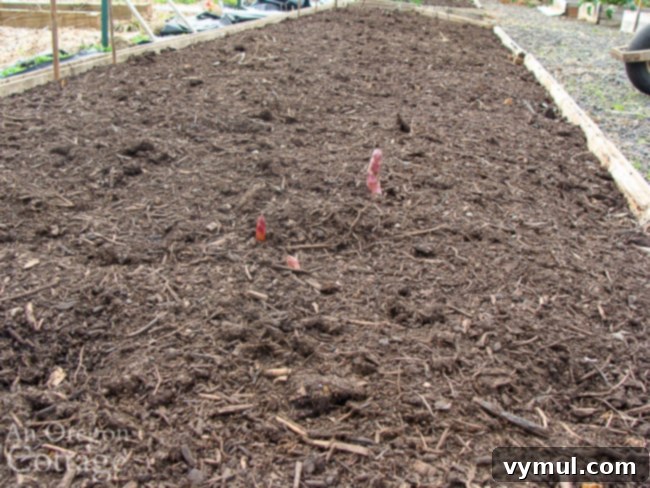
If your garden includes perennial vegetables or fruits such as asparagus, strawberries, or rhubarb – and I highly recommend incorporating these “giving plants” into your landscape – their beds should be your first priority for spring cleanup. These plants are eager to produce early, so cleaning, pruning, and mulching them now will ensure a strong start to their growing season.
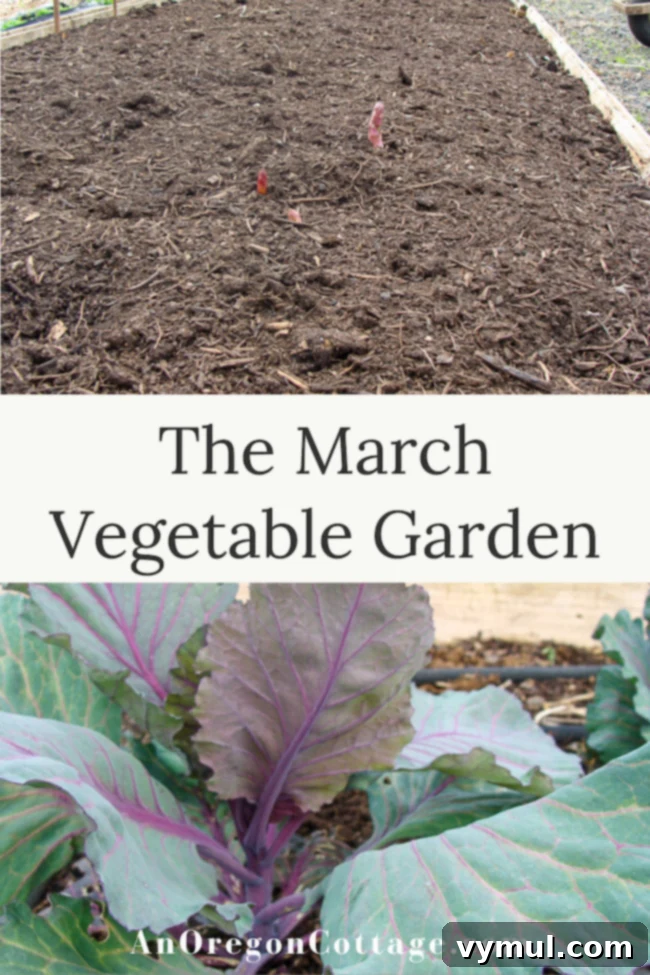
The image above beautifully illustrates the first tender shoots of asparagus breaking through a meticulously weeded and mulched bed. Just weeks prior, this bed, along with the strawberry patches, looked quite different, covered in winter debris before their essential spring tidying. This early effort directly contributes to a bountiful harvest.
Cultivating Healthy Soil: The Foundation of a Thriving Garden
Dedicate your attention to the soil on those pleasant early spring days. Healthy soil is the cornerstone of a successful garden. Start by refreshing any beds that appear depleted with high-quality topsoil. More importantly, apply a generous 2-3 inch layer of rich compost to all your garden beds. Compost not only adds vital nutrients but also significantly improves soil structure, drainage, and water retention.
Crucially, embrace a no-till gardening approach. Tilling can disrupt the delicate soil ecosystem, bringing weed seeds to the surface, breaking down beneficial soil structure, and ultimately leading to compacted soil and increased weed problems throughout the season. Instead, focus on building layers of organic matter – soil, compost, and mulch. This method continuously feeds your soil, maintains consistent moisture levels, and dramatically cuts down on weed growth, promoting a robust and resilient garden environment.
To truly understand your soil’s needs, consider performing a soil test. You can use an affordable pH soil tester like this one or explore DIY testing methods to determine if your soil is acidic or alkaline. Knowing your soil’s pH level is essential for making targeted amendments. For acidic soils, adding lime can help raise the pH, while sulfur can be incorporated to lower the pH of alkaline soils, ensuring your plants have optimal nutrient availability.
PRO TIP for Clay Soil: If you’re gardening with heavy clay soil, learn from a common mistake: never add sand! While it might seem intuitive, sand will eventually meld with the clay, creating a concrete-like texture that is even harder and more impenetrable. Stick exclusively to compost. Compost works wonders by feeding the soil, improving aeration, and gradually breaking down the heavy clay structure into a more workable, fertile medium.
Assessing Overwintered Vegetables for Early Harvests
Growing overwintered vegetables can often feel like a gamble, with success varying significantly from year to year. Factors like winter hardiness of the specific variety, the severity of the winter, and local microclimates all play a role. Without the protection of a greenhouse or extensive row covers, it can be unpredictable.
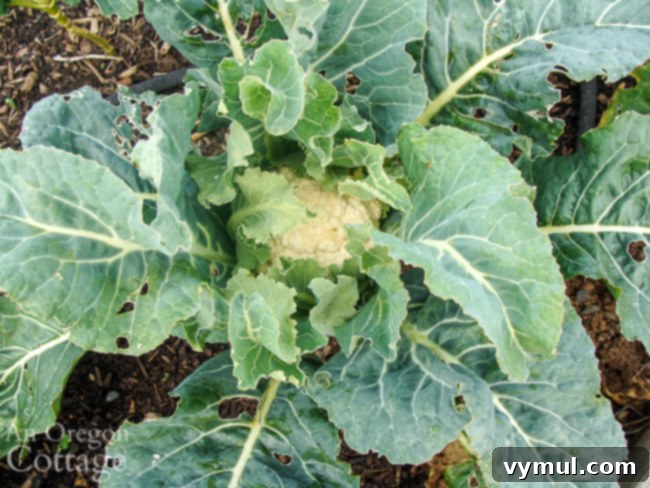
The cauliflower pictured above, despite being smaller than its full potential and bearing a few battle scars from overwintering caterpillars, is a definite success story. It yielded a lovely, edible head, a true treat in the early spring garden.
CRITICAL TIP: Harvest any overwintered vegetables you find that are ready, even if they appear smaller than average. Delaying the harvest can lead to one of two undesirable outcomes as the weather warms:
- Increased insect activity: Warmer temperatures bring out more pests who will eagerly devour your hard-earned produce before you get a chance to enjoy it.
- Premature bolting: The rising temperatures trigger the vegetable to “bolt,” meaning it prematurely sends up a flower stalk to produce seeds. Once a plant bolts, its energy shifts from producing edible leaves or heads to seed production, often resulting in bitter flavors and tough textures.
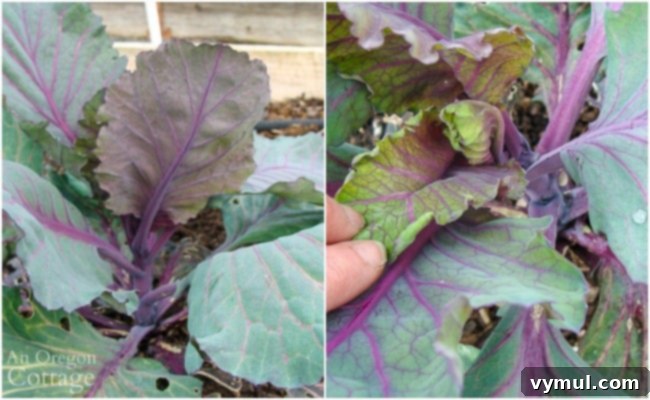
Unfortunately, not all overwintering attempts are successful. The red cabbage shown here, planted at the same time as the successful cauliflower, never managed to form a proper head. All six plants in the row bolted, diverting their energy into forming seed stalks prematurely.
When this happens, it’s best to pull out the bolted plants and add them to your compost pile. This clears the area, allowing you to prep the bed for new plantings later in the season. While disappointing, it’s a valuable learning experience in understanding which varieties perform best in your specific overwintering conditions.
The Best Vegetables to Plant in March
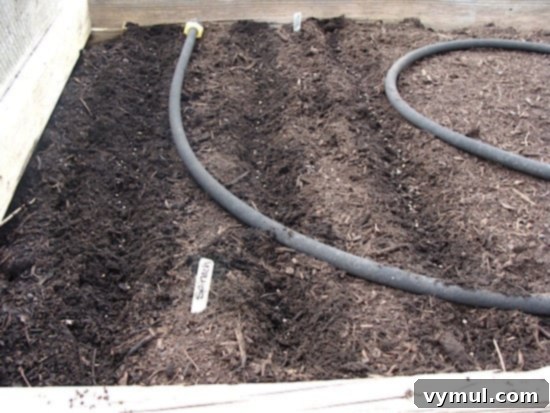
March is a prime month for sowing many cool-weather crops directly into the garden. As the soil gently warms, these seeds will germinate and establish themselves, providing you with early spring harvests. Here’s what you can sow directly from seed in March:
- Spinach: An excellent choice for early salads and light cooking. It tolerates cooler temperatures and offers a quick turnaround.
- Lettuce & Mixed Greens: From crisp romaine to tender butterhead and various salad mixes, these are perfect for continuous harvesting. Gardening Tip: To extend your harvest window, plant only 1-2 rows of lettuce and greens every two to three weeks. This succession planting technique ensures you have fresh greens over a longer period, rather than a single massive harvest.
- Snow, Snap, and/or Shell Peas: Peas thrive in cool weather and are a delightful harbinger of spring. Provide them with a trellis or support for optimal growth and easier harvesting.
- Onions (Sets or Seeds): You can plant onion sets for quicker results or sow onion seeds for a wider variety of choices and a longer growing period.
- Carrots: Sow directly into finely prepared soil for straight, tender roots. Ensure the soil is loose and free of rocks.
- Beets: Both the roots and the greens are edible. Plant seeds directly for a dual-purpose crop.
- Radishes: These are incredibly fast-growing, often ready for harvest in just a few weeks. Ideal for impatient gardeners!
- Kale/Broccoli (Direct Sowing): While you can direct sow these, many gardeners find better success starting them indoors and transplanting small seedlings once they are established. This can give them a crucial head start against pests and fluctuating early spring weather.
Indoor Seed Starting for a Head Start
For certain spring vegetables, especially brassicas, starting seeds indoors 4-6 weeks before your last frost date and then planting them out as young seedlings significantly increases your chances of success and earlier harvests. These varieties include:
- Cabbage: Requires a longer growing season and benefits from an early start.
- Cauliflower: Similar to cabbage, starting indoors helps ensure heads develop before summer heat.
- Chard: While it can be direct-sown, indoor starts can lead to earlier, more robust plants.
- Kale: Another versatile green that benefits from a head start, though often direct-sown later.
- Broccoli: Starting indoors allows for stronger plants that are less susceptible to pests in their early stages.
The Critical Step of Hardening Off Indoor Seedlings
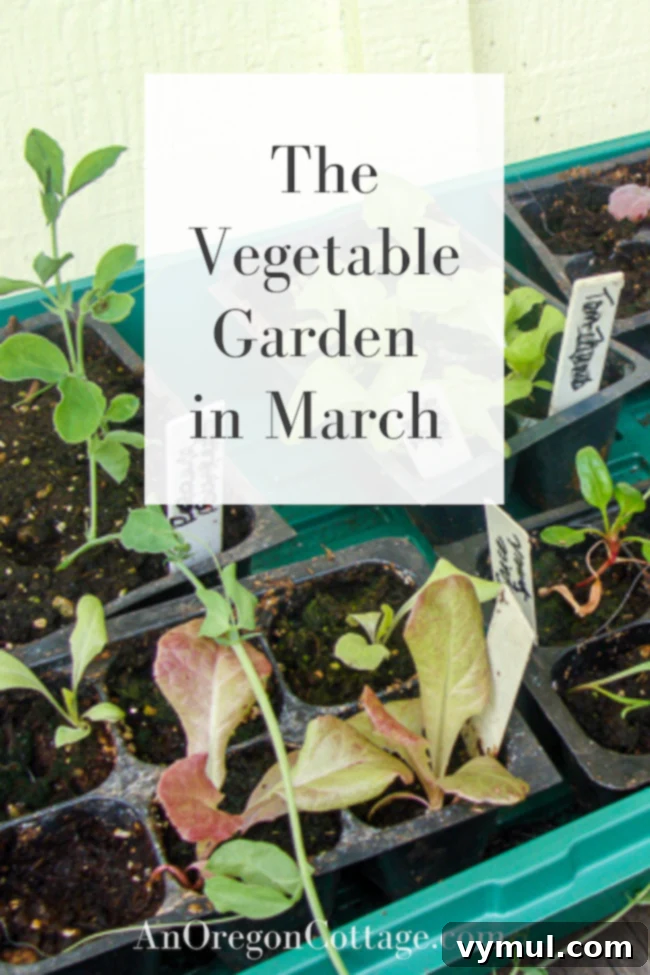
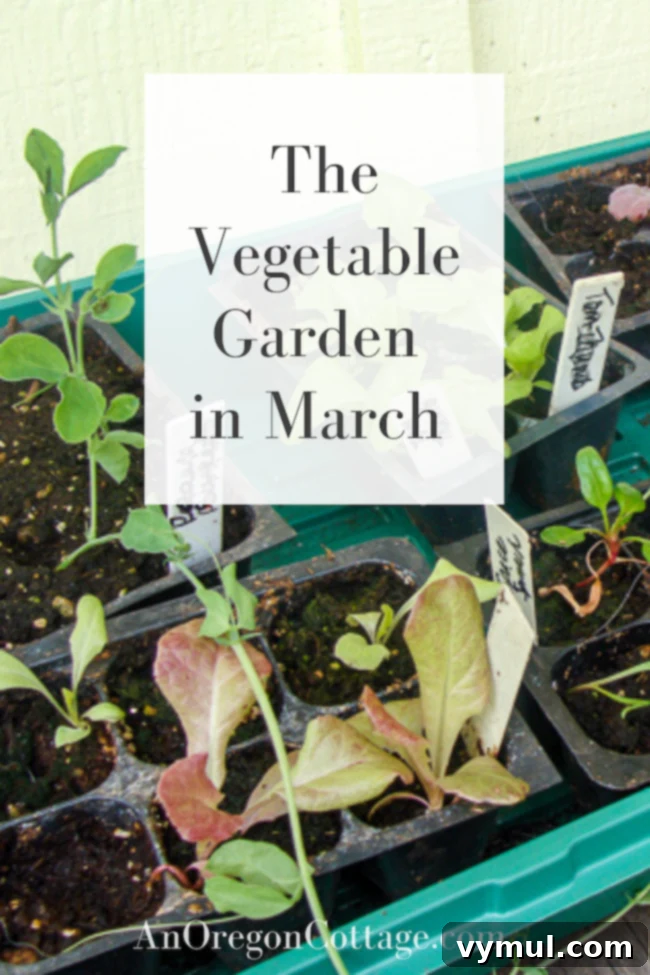
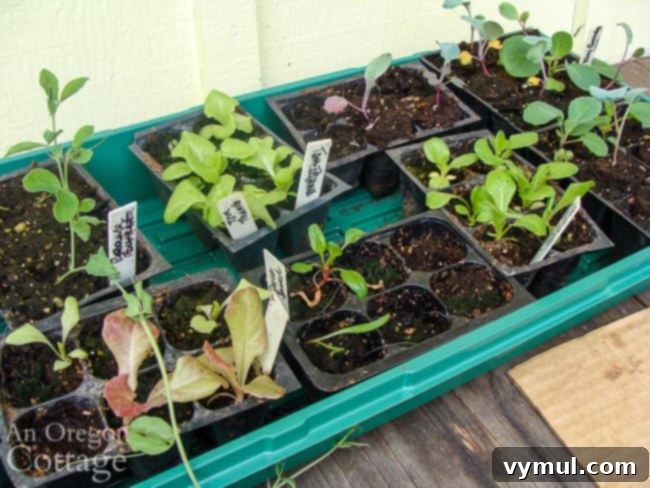
The image above showcases a variety of cool-weather seedlings – sweet pea, lettuce, broccoli, cauliflower, and cabbage – all undergoing the essential process of hardening off in the protected environment near a house. Hardening off is a vital transition period that prepares your delicate indoor-started seedlings for the harsher conditions of the outdoor garden.
This gradual acclimatization typically takes about one to one and a half weeks:
Begin by setting your seedlings out in a sheltered location (e.g., a porch, patio, or under a tree) for just an hour on the first day. Over the next 7-10 days, progressively increase the amount of time they spend outdoors and gradually expose them to more direct sunlight and wind. By the end of this process, your seedlings should be able to withstand full sun and the fluctuations of outdoor temperatures, significantly reducing transplant shock when they are finally moved into the garden beds. Skipping this step can lead to stunted growth, yellowing leaves, or even the death of your young plants, as they won’t be prepared for the environmental stresses.
The Practical Reality of the Early Spring Garden
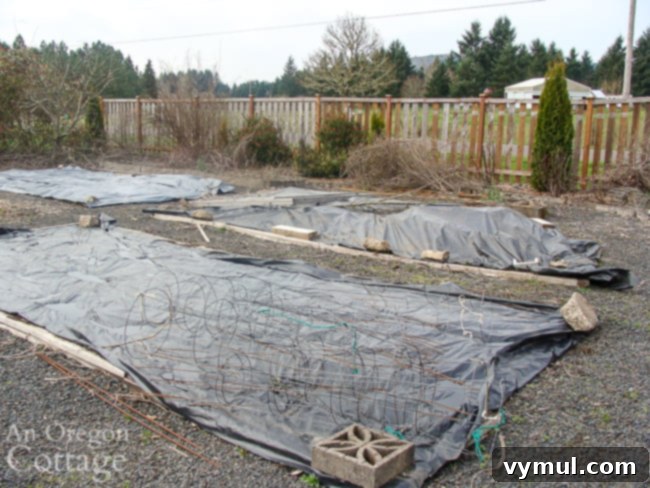
In March, your garden might not resemble the idyllic, picture-perfect scenes found in gardening magazines. It may be a tableau of practical chaos: piles of winter prunings, various gardening paraphernalia scattered about, and perhaps large sections of black plastic held down with whatever heavy objects are at hand. This is the reality of productive early spring gardening, and it’s a beautiful sight to a seasoned gardener.
Those piles of prunings represent healthy fruit trees and bushes that will soon burst with blossoms and eventually bear delicious fruit. The tomato cages, though empty now, symbolize the promise of succulent summer tomatoes. And that black plastic, while not aesthetically pleasing, is a powerful tool in a no-till gardening strategy. It works by smothering weeds and warming the soil, allowing me to prepare beds without arduous digging. I’ll simply rake away the dead plant material, spread a fresh layer of mulch, and plant directly into the enriched soil. This innovative approach means no tilling and, best of all, often no weeding for the entire season!
Yes, I’ve truly come to appreciate the effectiveness of black plastic, despite its humble appearance. It’s a testament to the fact that sometimes the most practical solutions are the least glamorous.
Ultimately, your March garden is a canvas of potential – the vibrant genesis of so many wonderful things yet to come. It holds the promise of overflowing salad bowls filled with crisp greens, the sweet crunch of freshly picked peas, and the earthy delight of tender carrots. By investing your time now in diligent soil preparation, smart seed starting, and other essential March garden tasks, you are laying the groundwork for a season of abundant harvests and unparalleled satisfaction. Embrace the process, nurture your plants, and reap the extraordinary rewards that only a home garden can provide.

This article has been updated to provide the most current and comprehensive March gardening advice. It was originally published in March 2013.
Disclosure: Affiliate links in this article may earn a commission based on sales, but this will not affect your purchase price. Click here to read my full disclaimer and advertising disclosure policy.