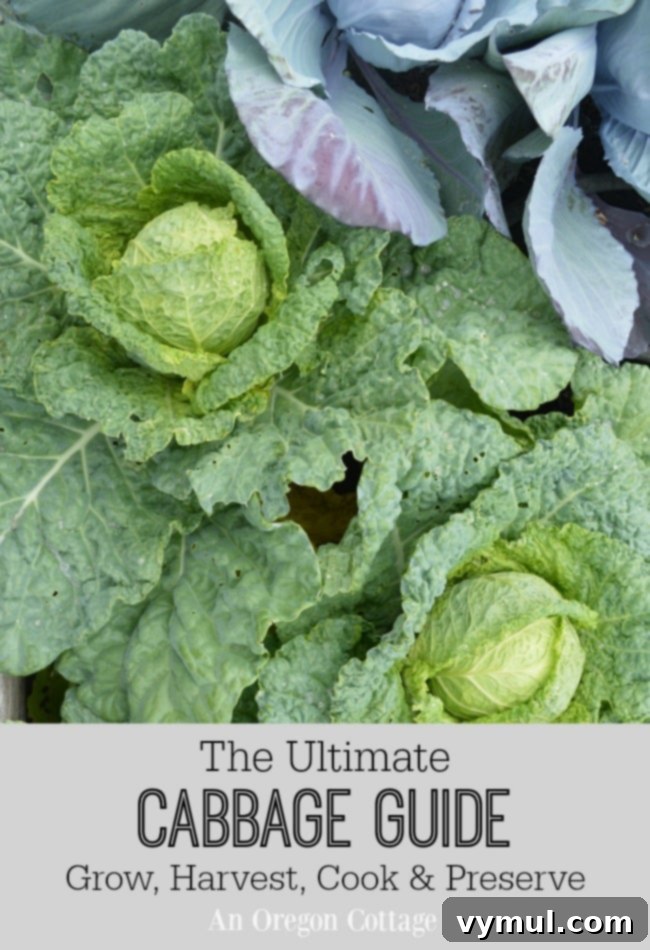
The Ultimate Guide to Cabbage: Grow, Harvest, Cook, and Preserve This Versatile Vegetable
Your ultimate cabbage guide for cultivating, caring for, harvesting, cooking, and preserving these beloved members of the brassica family. Discover the best varieties to grow, along with an abundance of delicious recipes to enjoy cabbage fresh or preserve it for later.

This comprehensive cabbage guide is part of our continuing series of Ultimate Guides, designed to provide you with all-encompassing information for growing, harvesting, and preparing specific fruits and vegetables. From detailed planting instructions to creative recipes for fresh enjoyment and long-term preservation, these guides cover it all. Explore more fruit and vegetable guides here. Please note that some links in this article are affiliate links; if you click on them, I may receive a small commission at no additional cost to you.
When I first ventured into the world of gardening, my raised beds were filled with the usual suspects: crisp lettuce, ripe tomatoes, vibrant peppers, pungent onions, and hearty beans. As my confidence grew, I sought to diversify my plantings. Among the first new additions was cabbage.
However, my initial motivation wasn’t born from a deep love for eating cabbage. In fact, for years, my only memorable encounters with cabbage involved the overly sweet, mayonnaise-laden coleslaw from grocery delis and fast-food joints – a culinary experience I genuinely disliked. The true reason I started cultivating this leafy green, a confession I now make with a chuckle, was purely aesthetic. I was captivated by how beautifully cabbage heads looked in the idyllic garden photos gracing books and magazines. They simply added a lovely texture and form to the garden landscape.
Of course, as any gardener knows, once you grow something, you’re compelled to figure out how to use it. That pretty cabbage sitting in your garden demands to be harvested and transformed. My journey with cabbage transformed from visual appreciation to culinary delight during my college years. A dear friend and mentor, with whom I shared a home, introduced me to a scratch-made vegetable soup brimming with fresh cabbage. It was a revelation – a delicious, warming dish that redefined my perception of this humble vegetable.
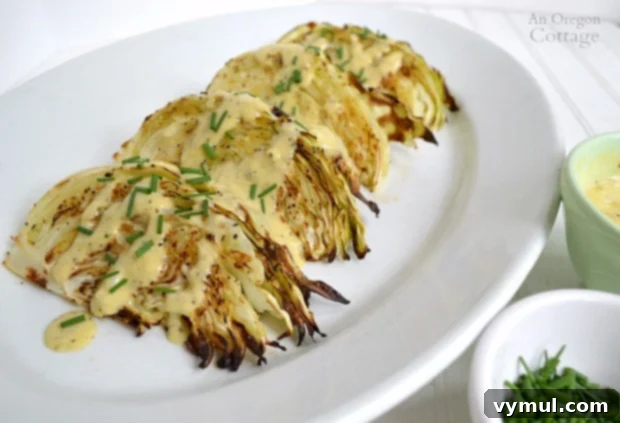
Armed with a newfound appreciation and a harvest of my own beautiful cabbage heads, I began experimenting. This led me to discover a love for vinaigrette-based slaws, such as this zesty Spicy Asian Slaw, and hearty soups reminiscent of that college favorite, like chicken and vegetable bone broth soup. My culinary exploration even led to the creation of a recipe that has become not only a family favorite but also one of our most popular on AOC: Roasted Cabbage Wedges with Onion-Dijon Sauce. So, yes, from a purely aesthetic choice, cabbage has truly earned its place as a beloved staple in my kitchen and garden!
Today, I enthusiastically grow cabbage every year. Not just because it looks stunning in my raised beds (though it’s often covered for most of the growing season now – isn’t it funny how gardeners evolve?), but primarily because of its incredible health benefits. Cabbage is a powerhouse of essential vitamins, minerals, and fiber, boasting significant antioxidant qualities that contribute to overall well-being. (Learn more about the health benefits of cabbage here). It’s a truly rewarding crop, both for the eyes and for your health.
Ultimate Cabbage Guide: Plant & Grow

Understanding Types and Varieties of Cabbage for Your Garden
When planning your cabbage patch, an astute strategy involves selecting varieties with staggered harvest times. By incorporating early, mid, and late-season types, you can ensure a continuous supply of fresh cabbage for three to four months or even longer from a single planting. This approach maximizes your garden’s productivity and extends your culinary enjoyment.
Cabbage varieties generally fall into four primary categories, each offering unique characteristics and culinary applications:
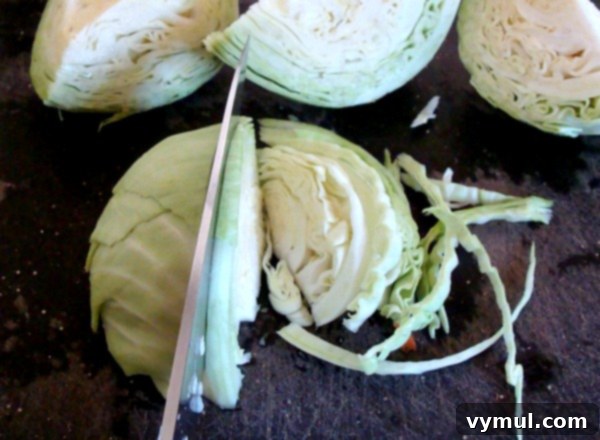
- Green Cabbage: These are the most common type, characterized by their solid, compact heads and excellent storage capabilities. Green cabbage is incredibly versatile, making it ideal for crunchy slaws, traditional sauerkraut, and hearty soups.
- Quick Start (55 days, hybrid): An excellent early variety, producing compact heads close to the ground on short stalks, allowing for dense planting. It’s highly resistant to yellows disease and offers a superb flavor.
- Early Jersey Wakefield (70 days, heirloom): Known for its distinctive 2-4 lb. cone-shaped heads, which can be planted relatively close together. A rewarding heirloom variety to cultivate.
- Danish Ballhead (90-125 days, heirloom): This late-season favorite produces large 5-6 lb. heads that demonstrate remarkable cold hardiness, storing well into winter. It’s an exceptional all-purpose cabbage for cooking, making slaw, or fermenting into sauerkraut.
- January King (160-210 days, heirloom): A stunning overwintering variety, producing 3-5 lb. heads with beautiful burgundy-green leaves. It’s a robust choice for extending your harvest into the colder months.
- Red Cabbage: Similar in form to green cabbages, red varieties also feature solid, compact heads, though typically slightly smaller. They offer a beautiful deep purplish-red hue and can be used interchangeably with green cabbage, though their vibrant color may tint other ingredients in dishes.
- Red Express (60-68 days, hybrid): A fast-maturing, compact variety well-suited for closer spacing. It forms attractive, round 2-4 lb. (0.9-1.8 kg) heads with striking deep, purplish-red leaves.
- Ruby Perfection (75 days, hybrid): A standard red cabbage renowned for forming dense 3 lb. heads. This variety is highly split-resistant and exceptionally hardy, capable of standing in the garden for up to four weeks, thus providing an extended harvest window.
- Savoy Cabbage: Distinguished by its beautifully ruffled, ridged, and crinkled leaves with a yellowish-green base. Savoy cabbage forms looser, smaller heads than green or red varieties and offers a milder, sweeter flavor. It’s excellent for fresh salads, light stir-fries, and elegant braised dishes.
- Perfection (95 days, heirloom): This variety yields a large, crinkled head with an abundance of tender, flavorful outer leaves, perfect for a variety of culinary uses.
- Chinese Cabbage (Napa Cabbage): Characterized by its tall, upright form, resembling romaine lettuce. Napa or Chinese cabbage possesses a wonderfully mild, slightly sweet flavor and a tender texture, making it superb for fresh salads and quick stir-fries. It is also the traditional cabbage of choice for authentic Kimchi production.
- Optiko (75 days, hybrid): Produces uniform heads that hold longer in the garden than many other napa types and exhibits better heat tolerance.
- this cabbage mix from Pinetree Garden Seeds to be an excellent option. A single packet allows you to grow a diverse array of cabbages, potentially ensuring an extended and varied harvest if you have sufficient garden space.

How to Grow Cabbage Successfully in Your Garden
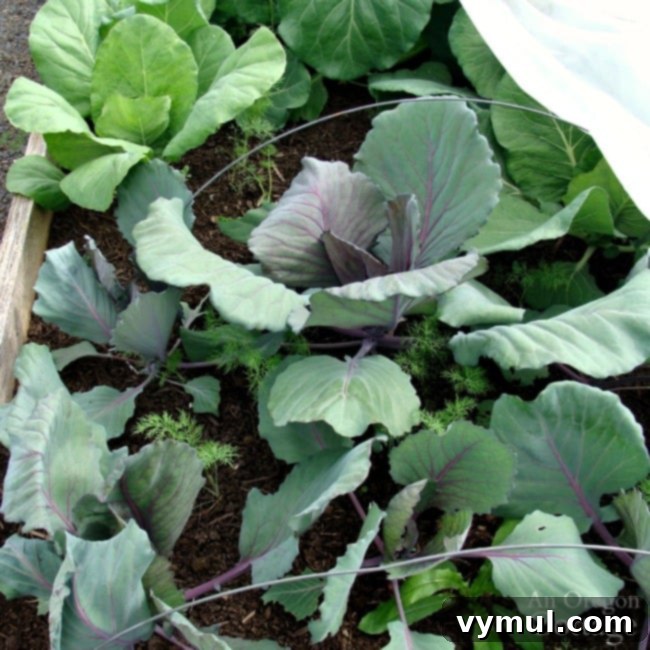
Cabbage, a cool-season crop, thrives in moderate temperatures, making it an ideal choice for spring and fall planting. I’ve found it to be a relatively straightforward vegetable to grow in my garden, especially since adopting the highly effective practice of using floating row covers throughout the growing season. This simple technique has dramatically improved my success rate, protecting the plants from common pests and creating an optimal growing environment.
Ideal Growing Conditions
- Sunlight: Cabbage requires at least 6-8 hours of direct sunlight per day to produce large, healthy heads. Choose a sunny location in your garden.
- Soil: As heavy feeders, cabbages thrive in rich, well-drained soil with a pH between 6.0 and 7.0. Amend your soil generously with compost or well-rotted manure before planting to provide essential nutrients and improve soil structure. Good drainage is crucial to prevent root rot.
- Watering: Consistent moisture is key for cabbage. Aim for about 1-1.5 inches of water per week, either from rain or irrigation. Uneven watering can stress plants and lead to issues like splitting heads. I prefer watering at the ground level with soaker hoses to deliver water directly to the roots and minimize leaf moisture, which can encourage disease.
- Fertilization: Beyond initial soil amendments, consider a balanced organic fertilizer every 3-4 weeks, especially once heads begin to form, to support vigorous growth.
Pest and Disease Management
The primary challenge in growing cabbage often lies in managing common brassica pests, which can include cabbage loopers, aphids, and flea beetles. These insects can quickly defoliate plants and stunt growth. My most effective defense strategy involves a combination of preventative measures and organic treatments:
- Floating Row Covers: This is arguably the most crucial tool. By covering your cabbage plants for most of the season, you create a physical barrier that prevents pests from laying eggs or feeding on the leaves. Ensure the edges are securely anchored to the ground to block entry.
- Diatomaceous Earth: If you do spot cabbage loopers or other crawling insects, a light dusting of food-grade diatomaceous earth can be very effective. This natural powder acts as a desiccant, dehydrating and killing soft-bodied pests.
- Hand-Picking: For smaller infestations, manually removing pests like cabbage worms or aphids can be surprisingly effective.
- Neem Oil: An organic insecticide like neem oil can be used to control aphid outbreaks, disrupting their feeding and reproduction.
- Crop Rotation: Always plant cabbage in an area that did not host any brassica family members (like broccoli or cauliflower) in the previous year. This helps break pest and disease cycles that can overwinter in the soil.
Planting Schedule for Spring and Fall Crops
In most regions, you can successfully plan for two distinct cabbage harvests per year: one in the spring and one in the fall.
- For a Spring Crop:
- Start seeds indoors 6-8 weeks before your average last frost date. Use seed-starting mix in flats and keep them warm and well-lit.
- Gradually harden off seedlings for 7-10 days before transplanting. This involves exposing them to outdoor conditions for increasing periods each day.
- Plant seedlings outdoors 2-3 weeks before the last expected frost date. If purchasing transplants, acquire them during this same period.
- For a Fall Crop:
- Begin sowing seeds for your late crop in mid-summer, either directly in the garden or in flats for later transplanting.
- Space fall crop seedlings a bit farther apart than your spring crop, as these plants often grow larger.
- Consider placing them where a taller crop, such as corn or pole beans, can provide some beneficial afternoon shade, protecting them from intense summer heat.
Planting and Spacing
The ideal spacing for cabbage plants varies slightly depending on the desired head size. While you can plant as close as 1 foot apart for smaller (and some say more tender) heads, for standard-sized cabbage, plan on 18-24 inches between plants. I often plant in staggered rows in raised beds, spacing plants 12-18 inches on center, which efficiently utilizes the space and promotes good air circulation.
When transplanting seedlings, plant them slightly deeper in the garden soil than they grew in their flats. After planting, apply a generous layer of mulch such as grass clippings, straw, shredded leaves, or even plastic mulch. Mulching helps retain consistent soil moisture, suppresses weeds, and regulates soil temperature, contributing to healthier plant growth.
Essential Cabbage Growing Tips for a Bountiful Harvest
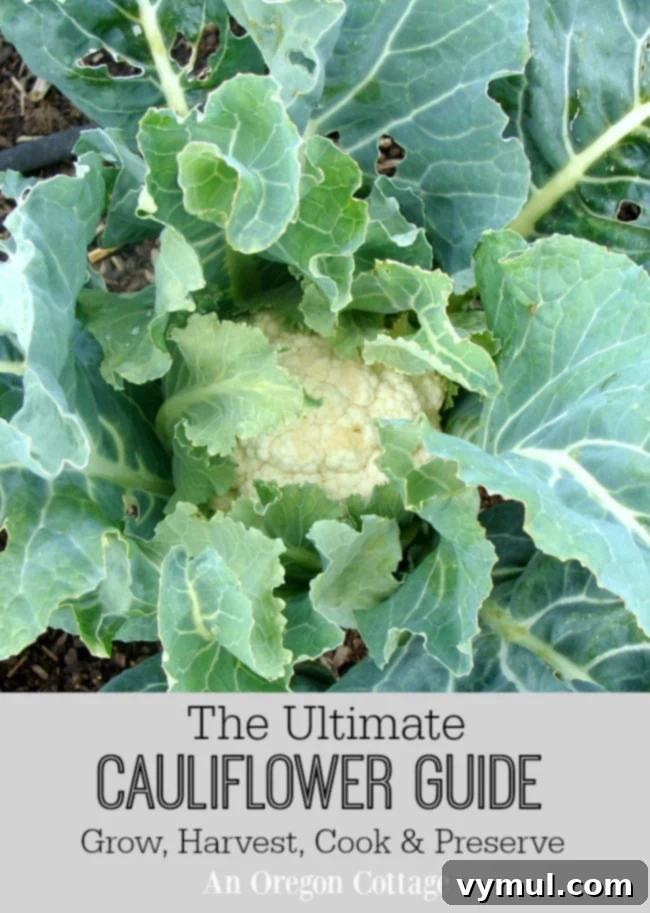
- Companion Planting for Brassicas: Some gardening advice suggests against planting cabbage with other brassicas like broccoli and cauliflower, citing their shared status as heavy feeders and their attractiveness to the same pests. However, I’ve found that this is precisely why you *should* grow them together! The key is proper preparation and protection. Prepare your entire garden bed for heavy feeders by enriching it with ample compost and a balanced organic fertilizer. Then, deploy floating row covers (with or without metal hoops) over the entire bed for the majority of the growing season. This creates a unified protective barrier, significantly minimizing pest pressure across all your brassicas, making management far simpler than if they were scattered throughout the garden.
- Preventing Cabbage Head Splitting: Uneven watering, particularly erratic cycles of drought followed by heavy rain, can cause rapid growth spurts. This sudden influx of moisture can sometimes lead to developing cabbage heads splitting open, a common issue in rainy climates like the Pacific Northwest. If you observe a cabbage head beginning to crack, there are a couple of techniques to mitigate further damage:
- Twist and Lift: Gently twist the plant a half-turn and pull upwards slightly. This action partially dislodges some of the roots from the soil, effectively slowing the plant’s absorption of water and thus its rapid growth.
- Root Pruning: Alternatively, use a spade to carefully cut some of the roots in one or two places about 6 inches below the stem. This achieves a similar effect of slowing down the plant’s water uptake.
It’s important to note that split heads are still perfectly edible! They are ideal for immediate use in slaws or for making sauerkraut.
- Extending Your Harvest: For spring-planted cabbage, after harvesting the main head, leave the outer leaves and root system intact in the garden. Often, the plant will send up smaller, secondary heads around the perimeter of the stump. These ‘baby’ cabbages are typically tennis-ball sized and very tender, perfect for fresh salads.
For more in-depth cabbage growing information, I highly recommend checking out authoritative resources like The Farmer’s Almanac and Rodale’s Organic Life.
I’ve also found the following gardening books to be exceptionally helpful in mastering the care of cabbage and other vegetables:
Growing Vegetables West of the Cascades
The Vegetable Gardener’s Bible
Small Space Vegetable Gardens
Cabbage Guide: Harvesting and Storing Your Bountiful Crop
Harvesting cabbage is a satisfying culmination of your gardening efforts. You can begin harvesting when the heads reach your desired size and feel firm and dense to the touch. Early varieties might be ready in as few as 50 days, while overwintered types can take over 200 days to fully mature.
How to Harvest Cabbage
To harvest a cabbage head, use a sharp knife to cut it cleanly at its base, just above the lowest wrapper leaves. After cutting, immediately bring the harvested head indoors or place it in the shade to prevent wilting and maintain freshness. Prompt handling helps preserve its crisp texture and flavor.
Getting a Second Crop
One of the fantastic benefits of growing cabbage, especially spring-planted varieties, is the potential for a bonus harvest! After you’ve cut the main head, resist the urge to pull out the entire plant. Instead, leave the outer leaves and the root system intact in the garden. The plant will often send up several smaller, secondary heads around the remaining stump. These “baby” cabbages typically grow to about tennis-ball size and are wonderfully tender, perfect for fresh salads or quick stir-fries. This method can extend your harvest season and provide a continuous supply of tender greens.
Once you are completely finished with your cabbage harvest, and no more secondary heads are developing, it’s important to remove the entire stem and root system from the soil. This practice helps prevent the buildup of diseases and pests in your garden soil. Only compost healthy plant material; any plants showing signs of maggot or insect infestation should be disposed of to avoid spreading problems.
Storing Fresh Cabbage
Cabbage is an excellent vegetable for long-term storage, allowing you to enjoy your harvest for weeks or even months. In the refrigerator, a whole cabbage head, lightly wrapped in plastic or a damp cloth to retain moisture, can last for up to two months. I’ve personally kept heads this long, finding that only the outermost leaves turn yellow, while the inner layers remain firm, crisp, and delicious. For those with access to a cool, dark root cellar with consistent humidity, cabbage can be stored even longer, typically for 3-4 months. Ensure good air circulation and check heads periodically for any signs of spoilage, removing any damaged outer leaves as needed.
Cabbage Guide: Delicious Cook & Preserve Recipes
Cabbage is a remarkably versatile vegetable, lending itself to an incredible array of culinary applications, both fresh and preserved. From crispy slaws to comforting soups, and from tangy fermented dishes to hearty roasted wedges, there’s a cabbage recipe for every palate and occasion. Preserving cabbage not only extends its shelf life but also allows you to enjoy its distinct flavors and health benefits year-round, transforming it into staples like sauerkraut or kimchi.
Cabbage Preserving Recipes
Easy Mild Homemade Sauerkraut @ AOC
Pickled and Canned Sauerkraut @ Little House Living
Information on Canning Cabbage @ Healthy Canning
How to Dehydrate Cabbage @ The Survival Mom
How to Make an Easy Kimchi @ The Kitchn
How to Freeze Cabbage @ Pick Your Own
Cabbage Cooking Recipes
Roasted Cabbage Wedges with Onion Dijon Sauce @ AOC
Shaved Cabbage Salad with Creamy Feta Vinaigrette & Spiced Pecans @ AOC
Spicy Asian Slaw @ AOC
Bacon Caesar Slaw @ AOC
Spicy Cumin Lime Coleslaw @ AOC
Lentils with Curry, Bacon, and Browned Cabbage @ AOC
Healthy Bone Broth Chicken Vegetable Soup @ AOC
Ina Garten’s Sautéed Cabbage @ The Food Network
Egg Roll Bowls @ Delish
German Red Cabbage @ Taste of Home
Parmesan Garlic Cabbage @ Real Housemoms
Southern Cabbage @ Diva’s Can Cook
Indian Fried Cabbage @ Center Cut Cook
Bacon & Apple Braised Cabbage @ Cooking Light
Slow Cooker Cabbage Rolls @ Melissa K. Norris
Crock Pot Cabbage Roll Casserole @ Spend with Pennies
Healthy, Simple Cabbage Soup @ Simply Recipes
Easy Fried Cabbage @ The Stay At Home Chef
Grilled Cabbage @ Taste of Home
Lemon Garlic Sautéed Cabbage @ Inspired Taste
We sincerely hope you enjoyed and found immense value in this Ultimate Cabbage Guide! May it inspire you to plant, nurture, and enjoy this incredibly versatile and healthy vegetable in your own garden and kitchen. Don’t forget to explore some of our other Ultimate Guides below, offering comprehensive insights into various fruits and vegetables. (Click here to see them all).
Disclosure: This post contains affiliate links. By clicking on these links, you help support AOC at no extra cost to you – thank you immensely for your support! You can always trust that I will only share products and resources that I genuinely love and believe in. (You can read our full disclosure policy here.)