Embracing Rural Living: A Comprehensive Guide to the Pros and Cons of Moving to the Countryside
The dream of moving to the country, exchanging cityscapes for open fields, and trading hustle for tranquility is a shared aspiration for many. Here at Simple Homemade Life, we’ve not only dreamt it but lived it. In this comprehensive guide, adapted from a recent episode of Simple Homemade Live, we delve into the realities of rural living. We’ll explore the abundant positives that drew us to this lifestyle, but also candidly discuss the challenges and considerations. Rural life isn’t a one-size-fits-all solution; it demands a certain mindset and preparedness. Join us as we unpack our nine most significant pros and cons of making the leap to a rural setting, offering an honest look at what it truly means to live closer to nature and cultivate a simpler existence.
Beyond the philosophical discussion of country life, we’re also thrilled to share an exciting update from our own farmhouse. Get an exclusive look at our progress on the farmhouse shower tiling project, a true testament to the DIY spirit that often accompanies country living!
Experience Simple Homemade Life: Video & Audio Content
For those who prefer a visual journey, our Simple Homemade Life video episode offers an immersive experience, complementing this article with vibrant visuals and direct insights from our personal experiences. See our farmhouse and projects come to life as we discuss these topics in detail.
Prefer to listen on the go? This enriching episode is also available as a podcast. Tune in and enjoy our discussions wherever you are, whether you’re commuting, working in the garden, or simply relaxing at home. You can find the Simple Homemade Life podcast on your favorite listening platforms, ensuring you never miss an episode of practical tips, homesteading wisdom, and heartfelt stories:
- Apple Podcasts
- Google Podcasts
- Stitcher
- TuneIn Radio
Please note: Some links within this article are affiliate links. Should you choose to click on them and make a purchase, I may receive a small commission at no additional cost to you. These commissions help support Simple Homemade Life and allow us to continue creating valuable content.
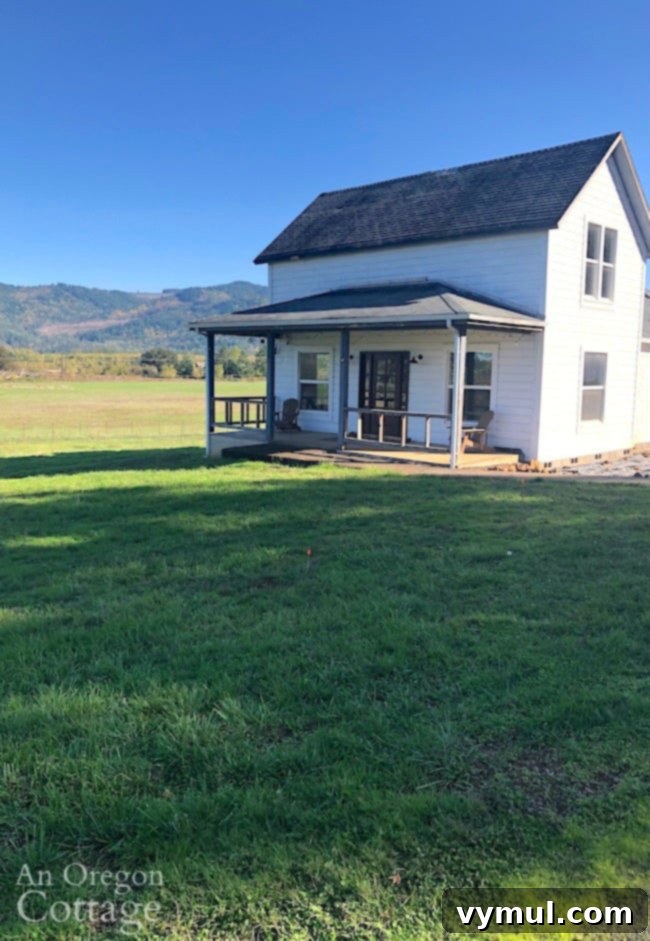
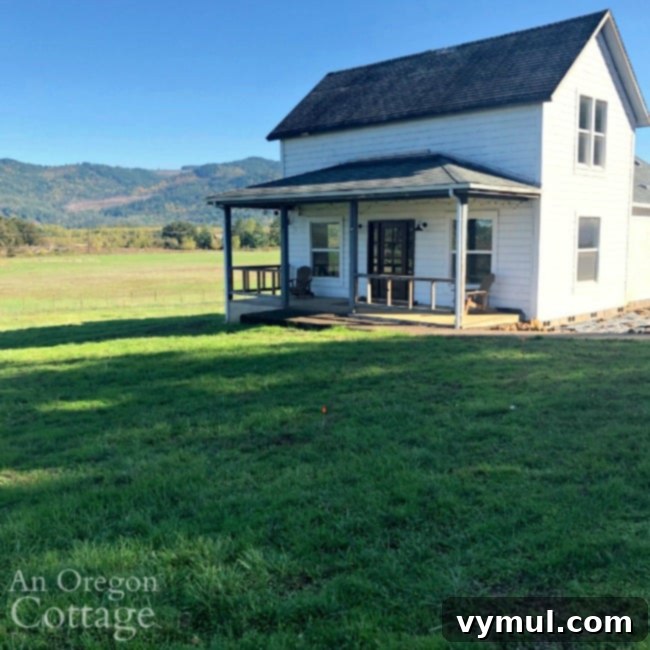
A Glimpse of Our Farmhouse Property
Rural vs. City Living: Unpacking the Pros and Cons
As we embark on this discussion of country versus city living, it’s crucial to remember that what constitutes a “pro” for one person might be a “con” for another. These points are inherently subjective, deeply influenced by individual and family goals, personal preferences, and lifestyle priorities. Our aim is to provide our perspective from years of experience, but we encourage you to consider these points through the lens of your own aspirations. With that in mind, let’s explore the unique characteristics of living rurally:
The Advantages of Country Life: Why We Love It
- Unparalleled Privacy: One of the most cherished benefits of country living is the abundant personal space. Gone are the days of close neighbors peering into your windows or hearing every conversation next door. Rural properties often boast larger lot sizes, providing a sense of seclusion and freedom that is a rare commodity in urban areas. This privacy allows for truly unwinding, pursuing hobbies without concern for others, and fostering a deep sense of personal tranquility.
- Breathtaking Views and Ample “Room to Breathe”: Imagine waking up to panoramic vistas of rolling hills, dense forests, or wide-open skies. Country life offers unparalleled natural beauty and an expansive feeling of space. This “room to breathe” extends beyond the physical landscape; it’s a psychological relief from the confines of city living, promoting mental clarity and reducing stress. The ever-changing scenery provides a constant connection to nature’s rhythms.
- Profound Quiet and Serenity: The absence of constant traffic, sirens, and urban chatter is a revelation. In the countryside, silence reigns, punctuated only by the soothing sounds of nature – birdsong, rustling leaves, distant animal calls, or the gentle hum of an insect. This profound quiet offers an unparalleled opportunity for peace, reflection, and undisturbed rest, contributing significantly to overall well-being.
- Unlimited Potential for Growing: Plants, Animals, and Skills: Rural properties often come with generous acreage, opening up a world of possibilities for gardening, homesteading, and self-sufficiency. Whether you dream of a sprawling vegetable patch, an orchard, or raising chickens, goats, or even larger livestock, the land provides the canvas. This allows for a deeper connection to your food sources, fostering valuable skills, and cultivating a truly homemade lifestyle.
- Abundant Wildlife and Farm Animal Encounters: Living in the country means sharing your environment with a diverse array of animals. From deer grazing in your yard to a variety of bird species, foxes, and other native creatures, wildlife sightings become a regular and delightful occurrence. For those interested in farming, the presence of farm animals further enriches the experience, providing fresh eggs, milk, or simply the joy of their company.
- Potential for Significant Cost Savings: While initial property investments can vary, many rural dwellers find long-term savings. The absence of municipal water and sewage often means no monthly utility bills for these services, relying instead on well water and septic systems. Growing your own food substantially reduces grocery expenses. Furthermore, being further removed from commercial centers means fewer temptations to spend money on impulse purchases, dining out, or entertainment, promoting a more frugal and intentional lifestyle.
- A Sense of Community and Friendliness: Contrary to popular belief, rural communities often foster a strong sense of camaraderie and mutual support. People tend to know their neighbors, local service providers, and postal workers, creating a more personal and interconnected social fabric. There’s a tangible feeling of community where people are often more willing to lend a hand, share resources, and look out for one another.
- Peaceful Roads for Recreation: The quiet country roads, often with minimal traffic, are perfect for outdoor enthusiasts. Imagine enjoying leisurely runs, invigorating bike rides, or peaceful walks without the constant vigilance required in urban areas. These scenic routes offer a safe and serene environment for daily exercise and connection with the natural landscape, contributing to both physical and mental health.
- Stunning Starry Nights: Escaping the light pollution of cities reveals a breathtaking celestial spectacle. In the countryside, the night sky is ablaze with stars, constellations, and often the Milky Way. This incredible view offers moments of awe and wonder, fostering a profound connection to the universe and providing a constant reminder of the beauty beyond our immediate surroundings.
The Challenges of Country Living: What to Consider
- More Land, More Work: The expansive properties that offer so much privacy and potential also come with a significant amount of maintenance. Larger lawns require more mowing, gardens demand constant attention, and general upkeep of outbuildings, fences, and land can be a continuous project. Rural living often means embracing a hands-on approach to property management, which can be time-consuming and physically demanding.
- More Space Can Equal More Clutter: Ironically, having more room can sometimes lead to accumulating more “stuff.” Larger barns, sheds, and outbuildings might become repositories for tools, equipment, and forgotten treasures, making organization a perpetual challenge. It requires discipline to prevent extra space from simply becoming extra storage for unnecessary items.
- The Reality of Longer Commutes: Distances in the country are often greater. Daily commutes to work, school, or errands can involve significant driving time. This translates to increased fuel costs, more wear and tear on vehicles, and valuable time spent on the road rather than at home. Planning and efficient time management become crucial.
- Inconvenience for Shopping, Dining, and Appointments: Access to amenities found readily in cities—specialty shops, diverse restaurants, entertainment venues, and medical specialists—is often limited and requires travel. A quick grocery run might become an hour-long expedition, and spontaneous dining out is less common. This demands more proactive planning for supplies and appointments.
- Increased Dependence on Personal Vehicles: Public transportation is typically sparse or non-existent in rural areas. This means a reliable personal vehicle (or often, multiple vehicles for a household) is not just a convenience but a necessity. Car ownership and maintenance become essential aspects of daily life, without the alternative of buses, trains, or ride-sharing services.
- Smaller Schools with Limited Options: While smaller class sizes can be a benefit, rural schools often have fewer resources compared to their urban counterparts. This can translate to limited options for advanced academic courses, foreign languages, a narrower range of sports teams, and fewer extracurricular activities. Parents might need to supplement educational opportunities outside of school.
- The Relentless Battle with Weeds: If you plan to garden or simply maintain a tidy property, be prepared for an ongoing war against weeds. In rural settings, nature is always trying to reclaim the land, and weeds can proliferate rapidly, requiring constant vigilance and effort to keep them under control.
- Potential for Isolation: While privacy is a pro, it can sometimes tip into isolation. Being physically distant from friends, family, and social activities can lead to feelings of loneliness, especially for those accustomed to a bustling social life. Building a new community in a rural area can take time and intentional effort.
- Technological Challenges: Rural areas are often the last to receive upgrades in infrastructure. This can mean slower and less reliable internet service, spotty cellular reception, and being more susceptible to extended power outages during inclement weather. Dependence on technology for work, communication, and entertainment can be frustratingly inconsistent.
Having considered these points, what insights or experiences would you add to our lists? We’d love to hear your perspective on the joys and trials of rural living.
Progress in The Farmhouse Bathroom: Our Tiling Journey
The Grit and Glory of DIY Shower Tiling!
I openly admit, I’d gone on record in Podcast episode 56 saying I didn’t want to tile again. The memory of past tiling projects was still a bit raw. However, as we discussed in the last SHL episode, the bids we received for professional shower tiling were thousands more than we had anticipated. Faced with the choice between exceeding our budget or rolling up our sleeves, the DIY spirit inherent in our simple homemade life philosophy won out. So yes, despite my earlier declarations, we are tiling!
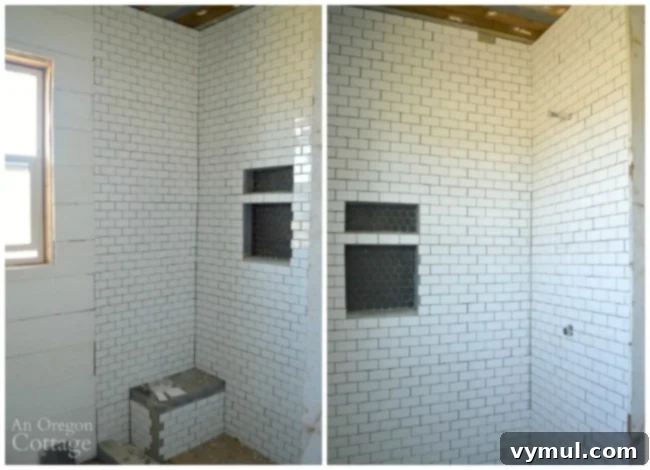
I’d always thought tiling floors was a challenge, but tackling a shower is an entirely different beast! It’s significantly more involved, demanding precision, patience, and a surprising amount of acrobatic maneuvering. Yet, as you can see from the photos above, we’ve made incredible headway. In just a little over two weeks – dedicating long Saturdays and a few hours most weekdays – we’ve knocked out the majority of the wall tiling. It’s a testament to consistent effort and teamwork.
Our journey began with a friend generously assisting Brian with the installation of the specialized floor system, a crucial step he elaborates on in the episode, followed by the floor tile. Once that foundation was solid, Brian bravely started on the intricate wall tiling. He meticulously worked through the challenging bottom sections, navigating cuts and corners. When he had conquered the most difficult parts, I stepped in to help tackle the upper sections of the walls. And let me tell you, these aren’t just any walls – they’re nine-foot-tall walls in a 100-year-old house, meaning they are anything but perfectly straight! Adapting to the charming quirks of an old home adds another layer of complexity to any renovation project.
You can truly imagine the sheer celebration and relief we felt when our last tile finally reached the ceiling! It was a moment of triumph over grout and uneven surfaces.
Our tiling adventure isn’t quite over yet. We still need to finish the threshold, the integrated bench seat, and the niche walls. We’ve also encountered a minor hiccup finding trim pieces that perfectly match our subway tile with finished edges – a common challenge in DIY projects when you’re striving for a polished look. But we’re resourceful, and I’m confident we’ll find an elegant solution. Definitely stay tuned for the final reveal; it will be worth the wait!
And now, after conquering the shower walls, I fully realize that tiling a floor will feel like an absolute cakewalk by comparison, lol!
For those interested in undertaking a similar project, here are links to tile systems similar to the one we utilized for our shower build:
- Kerdi-Shower 38 in. x 60 in. Shower Tray
- Full Kerdi Shower Tiling System
What’s Next on Simple Homemade Life
Our journey of practical living and creative DIY continues! In our upcoming episode, we’re diving into an incredibly resourceful topic: How to creatively use “Urbanite,” also known as broken concrete, in your landscaping projects!
This is an episode you absolutely won’t want to miss, especially if you’re interested in sustainable gardening, upcycling, or creating unique outdoor spaces on a budget. We’ll explore a multitude of innovative ways you can transform discarded concrete slabs into functional and aesthetically pleasing elements in your garden. Imagine crafting beautiful, sturdy patios, defining garden beds with striking edging, building raised garden beds, or even creating unique pathways and retaining walls – all from reclaimed materials. Learn how to turn what might seem like waste into valuable landscape features, adding character and sustainability to your property.
Be sure to look for our new episodes, released every other Friday, available on YouTube or right here on the Simple Homemade Life blog!
Thank you for joining us, whether you’ve watched, listened, or read along! If you appreciate the insights and projects shared on Simple Homemade Life, you can genuinely help us grow by spreading the word. Tell your friends and family about our content, subscribe to our channel on YouTube, or follow our podcast on Apple Podcasts. Leaving us a positive review on your preferred platform makes a huge difference, as it helps other like-minded individuals discover our community and resources for simple, real, and homemade living.
For more daily doses of inspiration and updates from An Oregon Cottage, make sure to follow us on social media:
- Instagram: @AnOregonCottage
- Facebook: An Oregon Cottage
- Pinterest: An Oregon Cottage
And for exclusive content, tips, and direct updates, don’t forget to subscribe to the AOC newsletter.
Did you miss any of our previous episodes filled with DIY projects, gardening advice, and simple living strategies? You can easily catch up on all past content by visiting our archives here.
Disclosure: Please be aware that this post may contain affiliate links. Should you make a purchase through these links, I will earn a commission based on the sale. This does not, however, alter the price you pay for the product or service. For a complete understanding of my full disclaimer and advertising disclosure policy, please click here.