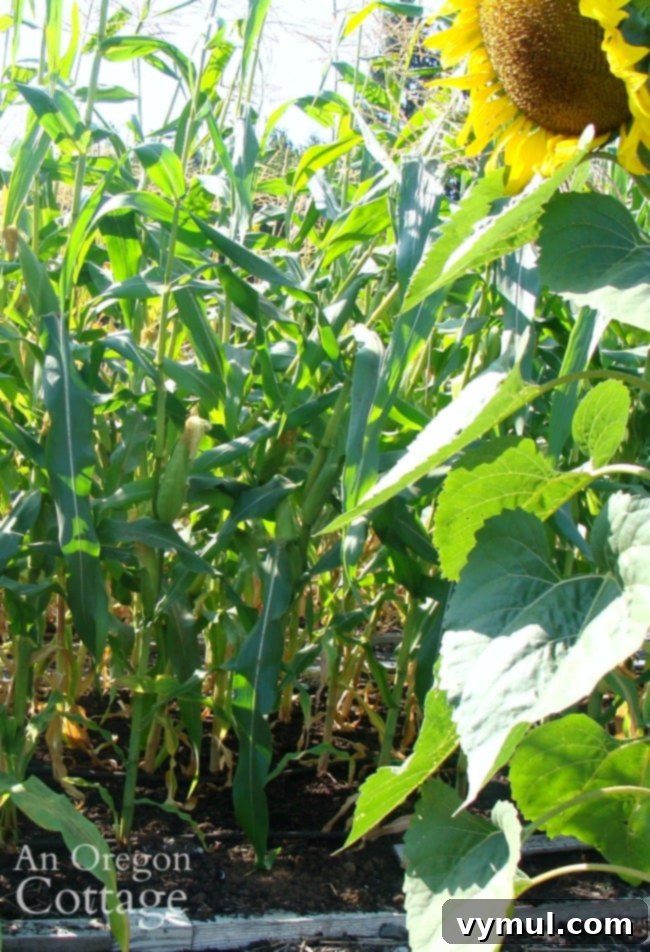
Effortless Corn Cultivation: Your Ultimate Guide to a Weed-Free Garden All Season Long
Imagine a corn patch thriving without the endless battle against weeds. For many gardeners, the thought of growing corn often conjures images of back-breaking hoeing and hours spent pulling stubborn weeds between rows. But what if there was a simpler way? This guide will reveal a revolutionary approach to planting corn that allows you to enjoy a bountiful harvest with virtually no weeding throughout the entire season. It’s time to put away that hoe and embrace a truly low-maintenance gardening experience!
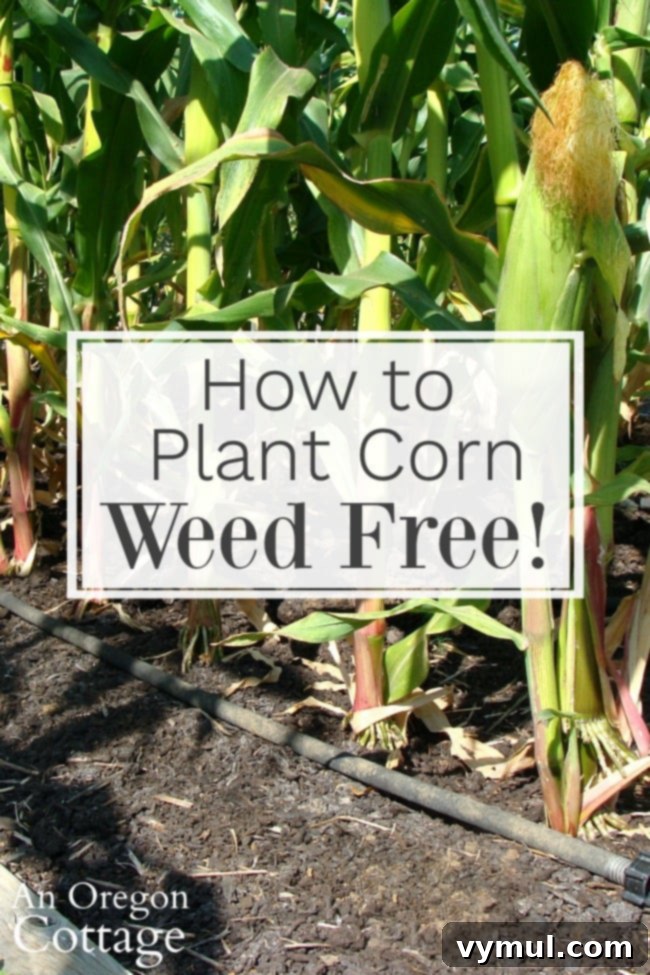
The struggle against garden weeds is a common lament among gardeners, and it’s a challenge I’ve made it my mission to address. Through years of experimentation, I’ve developed and refined methods that prove you can grow vigorous vegetables, including corn, without the constant need for weeding. My approach centers on an easy-care gardening philosophy, built upon a foundational no-till gardening method and effective organic strategies to keep weeds out of your garden organically.
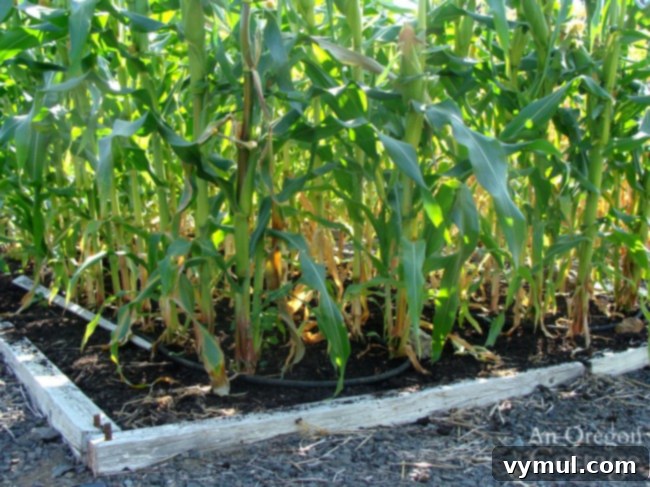
In my own garden, which evolved from a ranch-turned-cottage, I established several large, permanent beds. These beds, roughly 10 feet by 20 feet with modest 4-inch sides, function as oversized raised beds or compact garden plots, depending on how you view them. While their size necessitated occasional walking within them—a practice typically avoided in smaller raised beds to prevent soil compaction—they were specifically designed for growing larger, space-intensive crops like corn, beans, and squashes. The permanent edges were crucial for implementing my no-till and weed-free techniques.
This hybrid approach truly delivered the best of both worlds. All the crops grown in these four dedicated beds flourished, producing abundant harvests. The most rewarding part? I completely eliminated the need for hoeing, tilling, or extensive weeding. It was a game-changer for my gardening routine, transforming it from a chore to a joy.
You can catch glimpses of these productive beds in various gardening articles on this site, covering topics from trellising cucumbers and organic vegetable gardening basics to the benefits of Emerite pole beans. However, I recognized a distinct need for a comprehensive, dedicated tutorial specifically on how to grow corn completely weed-free. Corn seems to be the crop where gardeners most frequently encounter weed challenges, making this targeted guide particularly valuable.
There are few things more disheartening for a gardener than spotting delicate corn sprouts struggling amidst a dense carpet of weeds, then having to meticulously free them. It’s a frustrating and often losing battle that discourages many from growing this quintessential summer crop.
Are you skeptical when I claim that you can genuinely plant corn and maintain a weed-free environment from the moment you sow the seeds until the final harvest? I understand the hesitation, but I’ve meticulously documented the entire process with photographs to prove it! This article is the culmination of a full season’s observation, capturing every step from initial bed preparation and planting to vigorous growth and a successful harvest. My goal is to empower you with these tried-and-true methods.
Below, you’ll find the straightforward, low-effort steps I implement every year to ensure my corn beds remain weed-free all season long. Additionally, I’ve included an essential FAQ section at the end to address common questions about this technique, including how to establish a new bed from scratch. It is my sincere hope that these methods will revolutionize your gardening experience as profoundly as they have mine!
How To Plant Corn Weed-Free: A Step-by-Step Guide
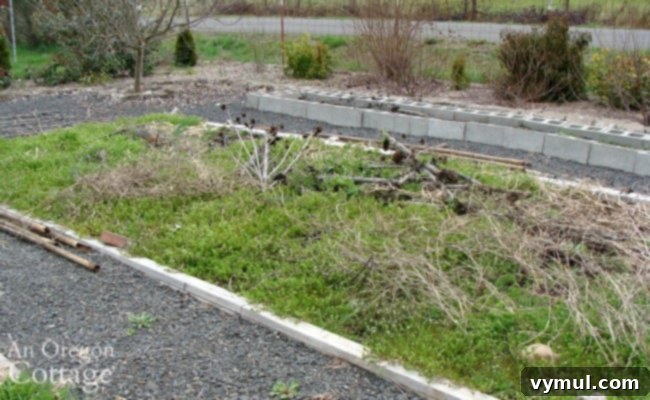
1. Prepare Your Beds for Success
While my promise is minimal to no weeds during the active growing season, it’s important to note that weeds inevitably return to these beds each winter. By early spring, typically March, your beds might resemble the photo above—a seemingly daunting tangle of winter growth. Do not be disheartened by this! This situation is easily managed without resorting to strenuous hoeing, disruptive tilling, or tedious hand-pulling. Furthermore, this preparation method isn’t exclusive to corn; it’s the standard, effective procedure for preparing any no-till garden bed.
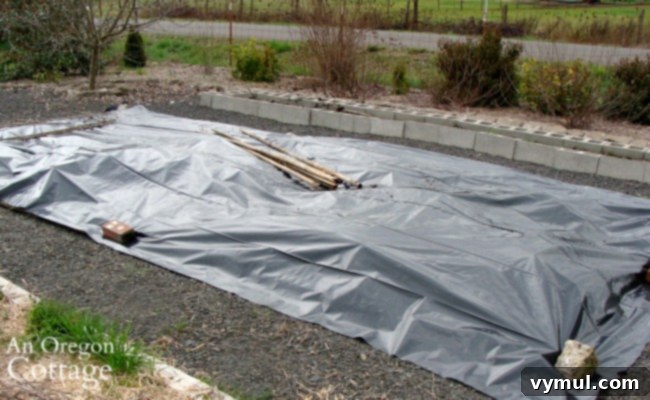
Step 1: Cover with Black Plastic
To effectively suppress existing weeds and prevent new ones from sprouting, cover your future corn bed with black plastic at least two months before your anticipated corn planting date. Secure the plastic firmly in place using rocks, bricks, or stakes to prevent it from blowing away. Once covered, you can essentially forget about it. This technique, known as solarization, harnesses the sun’s energy, magnified by the black plastic, to heat the soil and kill off weed seeds, existing weeds, and even break down lingering debris from the previous growing season. It’s a passive yet incredibly powerful and organic method for weed control. The intense heat effectively sterilizes the top layer of soil, creating a clean slate for your corn.
TIP: For a deeper dive into the effectiveness and benefits of this organic weed-killing method, watch this video on how we came to appreciate black plastic in our garden.
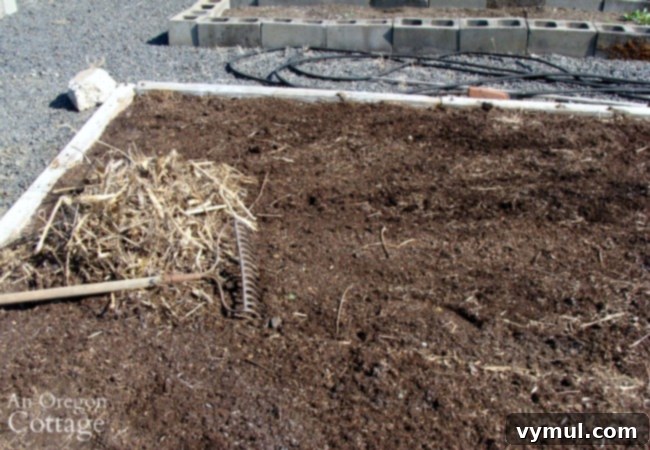
Step 2: Rake Away Debris
After the designated two months (or more), when you finally lift the black plastic, you’ll be greeted by a satisfying sight: a collection of dried, dead vegetation. This is the result of the solarization process at work. Simply rake up this dead organic matter and add it directly to your compost pile. This not only cleans your bed but also enriches your compost, turning what was once a weed problem into a valuable resource for future soil amendments. The soil beneath will be loose, dark, and remarkably free of active weeds.
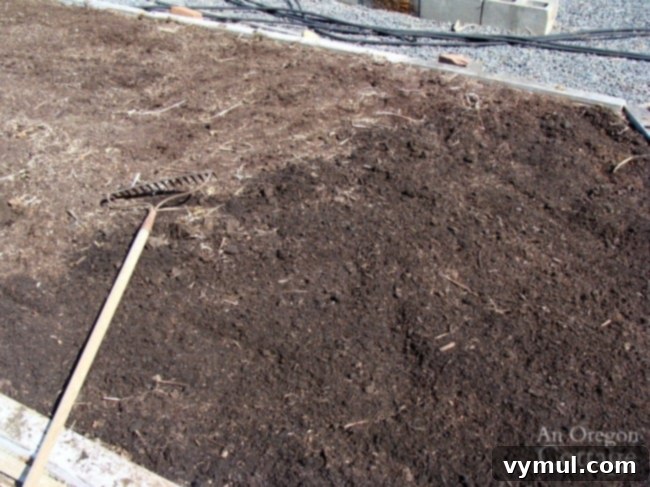
Step 3: Layer with Compost
The final step in bed preparation is to spread a uniform 1-3 inch layer of high-quality compost over the entire bed. It’s crucial to apply this compost without tilling. Tilling disrupts the delicate soil structure, bringing dormant weed seeds to the surface where they can germinate. With no-till, you preserve the soil’s natural layers, its beneficial microbial ecosystem, and earthworm activity. The only exception I make to turning the soil is if I encounter areas riddled with vole or mole holes; this is my small, often futile, attempt to deter their tunneling activity! This compost layer provides essential nutrients for your corn and continues to build healthy, fertile soil over time. It’s truly all the preparation needed—now your bed is ready for planting!
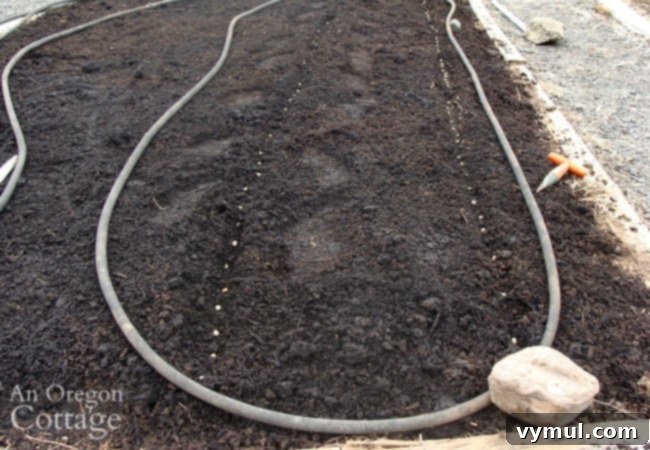
2. Plant Your Corn Seeds with Precision
- Create Furrows: Using a hoe, a small shovel, or even a sturdy trowel, make a furrow about 4-5 inches deep along each desired row. This is the only instance where you’ll intentionally break up the soil, and it’s surprisingly simple given the loosened, weed-free soil. Often, I just use the end of a rake or a shovel, as the soil is so soft from the plastic and compost.
- Add Fertilizer and Partially Fill: Before placing your seeds, lay a line of organic, slow-release granular fertilizer into the bottom of each furrow. This provides a consistent nutrient boost specifically for your corn. Then, gently push some soil back into the furrow, refilling it until it’s about 1-inch deep. In my 10-foot wide beds, I typically plant four rows, spacing them approximately 2.5 feet apart. Remember, corn is wind-pollinated, so it should always be planted in blocks or groups (at least two rows wide, preferably more) rather than single, isolated rows to ensure good pollination and a successful harvest.
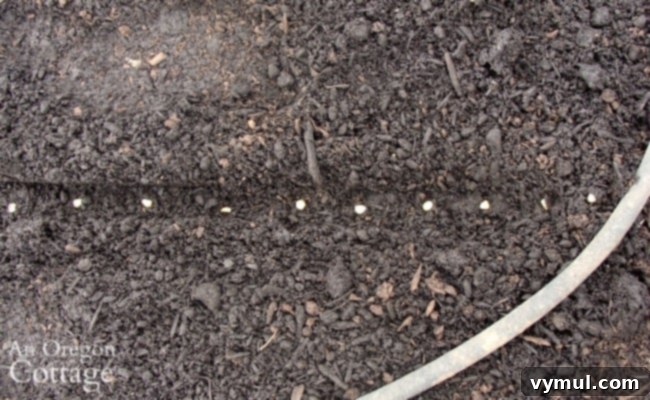
- Seed Generously: Now, plant your corn seeds approximately 2-3 inches apart within the furrow. Seeding fairly thickly is a critical trick I employ to compensate for corn’s often spotty germination rates and to account for potential losses to birds or other small critters. In previous seasons, when I sowed seeds at their final desired spacing, I often ended up with significant gaps and uneven stands. While this method results in some “waste” when it comes time to thin, the benefit of a full, even corn patch with plants growing at a consistent rate far outweighs the minor drawback. It ensures you have plenty of healthy seedlings to choose from later.
3. Install Your Efficient Watering System
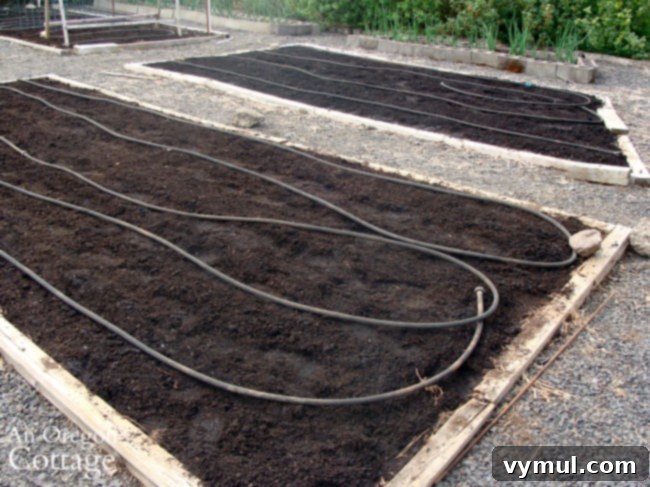
- Position Soaker Hoses: Once your seeds are planted, carefully lay soaker hoses or a drip irrigation system along each planted row. Connect the hose and initiate a thorough watering. For initial planting, I typically water for 3-4 hours if there’s no rain expected in the forecast. This deep, consistent initial watering helps settle the soil around the seeds and provides ample moisture for germination.
- The Weed-Free Watering Advantage: This specific watering method is a cornerstone of the entire weed-free system. By delivering water directly to the corn’s roots via soaker hoses or drip irrigation, you prevent water from reaching the areas between your rows. This is absolutely critical because weeds, like all plants, require water to germinate and grow. Traditional overhead sprinkler systems indiscriminately spray water across the entire bed, inadvertently nourishing every weed seed present. Drip irrigation, on the other hand, ensures that only your desired plants receive the moisture they need, while also providing the deep watering essential for strong root development in corn. This focused approach saves water, reduces fungal diseases by keeping foliage dry, and most importantly, starves out potential weeds.
Optional Step: Protect from Critters
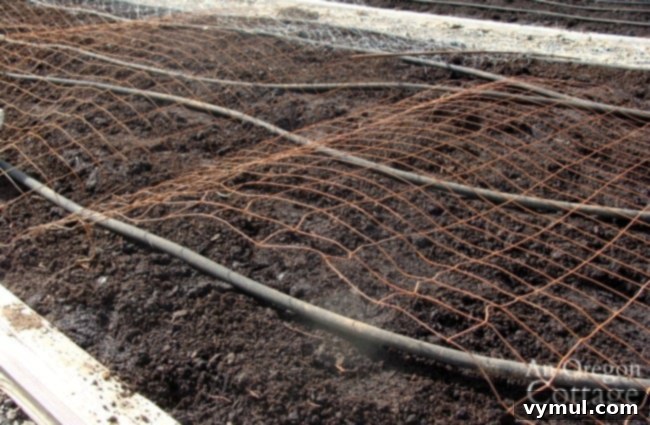
If your garden is frequented by curious birds, neighborhood cats, squirrels, or other digging pests, adding a layer of protection at this stage can be highly beneficial. Covering your newly planted beds with chicken wire, hardware cloth, or even repurposed mesh can effectively deter these critters from digging up your precious seeds or young sprouts. Another excellent option is to use garden row covers, which can completely enclose the beds. I’ve often used these until the corn seedlings are a few inches high, providing a physical barrier against anything that might try to disturb the soil or nibble on the emerging plants. This small extra step can prevent significant disappointment and ensure a healthy start for your corn crop.
4. Witness Sprouting & Execute Thoughtful Thinning
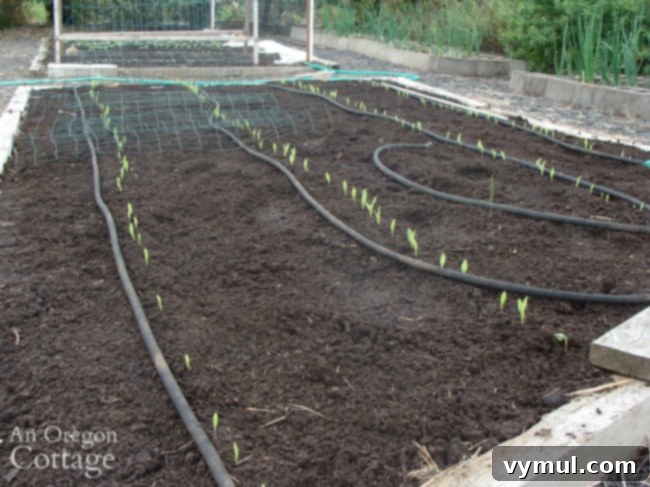
Soon enough, you’ll begin to see the first signs of corn sprouting! Patience is key here; sometimes, germination can take up to two weeks, so don’t be concerned if it’s not immediate. As you can observe in the image above, even with my method of sowing seeds thickly, there will naturally be some larger spaces between certain corn plants. This is perfectly acceptable and expected, as it was factored into the initial planting strategy. If I had sown at the final desired spacing from the outset, these natural germination gaps would result in too many empty spots, necessitating frustrating re-sowing. The next step, however, is one that some gardeners find challenging…
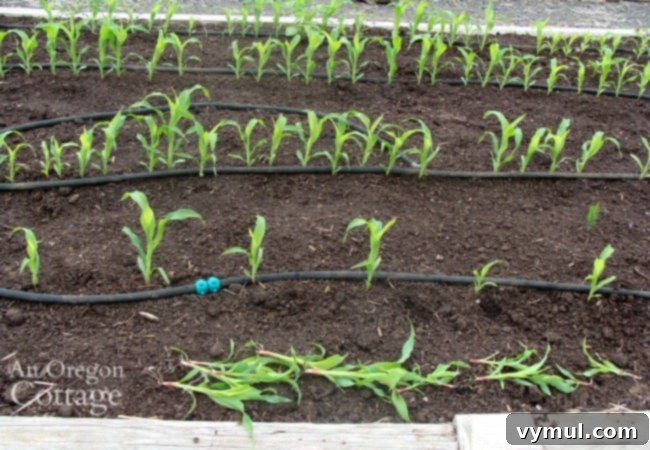
- Thin your corn plants to stand 12-18 inches apart. Yes, this means you will be carefully pulling out some perfectly healthy corn seedlings and discarding them. For a gardener who cherishes every plant, this can feel almost painful, but it is an absolutely essential step for achieving full-sized stalks and robust, well-developed ears of corn. Overcrowding leads to competition for nutrients, water, and sunlight, resulting in stunted growth and smaller, less productive ears. While it might seem counterintuitive to remove healthy plants, trust me, this is the only way to ensure your remaining corn reaches its full potential. Embrace it as an act of thoughtful cultivation rather than waste; it’s far better than having a bed full of underdeveloped plants. Bite the bullet and just do it for a truly rewarding harvest!
5. Ongoing Low-Maintenance Care
Once your corn is thinned, the hard work is largely done! Now, all that remains is consistent watering and the simple pleasure of watching your corn grow taller each day:
- Deep and Infrequent Watering: Continue to water your corn deeply with the soaker hoses for approximately 4 to 5 hours every 4-7 days. The exact frequency will depend on your climate and soil type, but the key is deep watering. This encourages the corn to develop deep, strong root systems, which are crucial for stability. Shallow, frequent watering leads to shallow roots, making your corn stalks susceptible to toppling over, especially when they are heavy with ears of corn and faced with strong winds. To check if your corn has enough water, simply dig an inch or two into the soil near a plant. If it feels moist, your corn is well-hydrated and can wait another day or two before its next watering session.
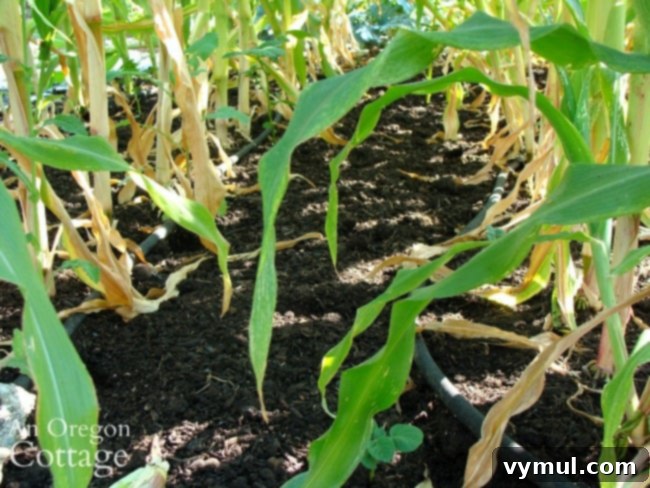
- Occasional Spot Weeding: You might occasionally spot a rogue weed here or there throughout the season, especially as you’re connecting your soaker hose (as seen with a small weed in the foreground of the photo above). These are typically easy to pull by hand thanks to the initial bed preparation and targeted watering. Just remove them as you see them. Towards the end of the season, after two months of warm, dry weather, it’s normal for the bottom leaves of your corn plants to yellow and dry out. Don’t be alarmed by this; as long as the rest of the stalks remain a healthy green and the ears are developing fully, your plants are thriving. This natural process allows the plant to focus its energy on ear development.
6. The Rewarding Harvest
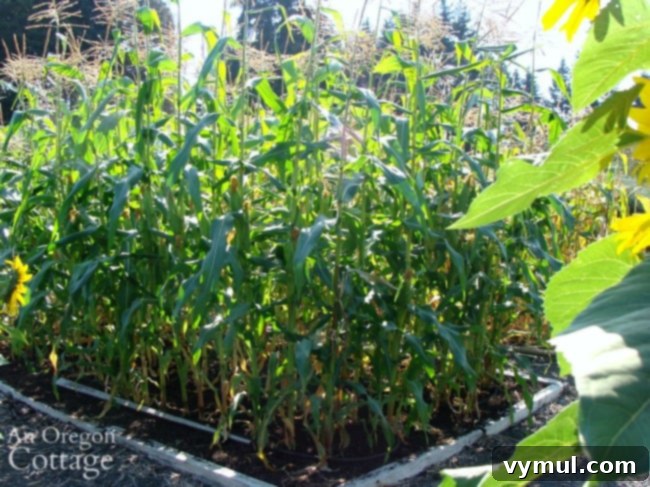
The image above showcases a fully grown corn bed at the peak of the season, laden with many ears ready for harvest. Take a moment to truly appreciate that clean, weed-free soil! This incredible result was achieved with absolutely no hoeing, no tilling, and minimal effort. You’re left with abundant, delicious corn on the cob and a deep sense of satisfaction. What’s not to love about a gardening method that delivers such impressive yields with so little labor?
Planting Corn Weed-Free FAQ
What varieties of corn do you grow?
To ensure a continuous supply of fresh corn without being overwhelmed by a massive single harvest, I strategically plant two of these beds with three different varieties that mature approximately two weeks apart. This staggering provides us with about a month-long harvest window, making it easy to process and freeze smaller batches without feeling rushed or overburdened. If you have a smaller planting area, I recommend selecting just two varieties: the earliest and the latest maturing options to extend your fresh corn season.
After experimenting with numerous corn varieties over the years, I’ve found this combination to be exceptionally reliable and delicious:
- 2 rows of ‘Quickie’: An excellent earliest variety, typically maturing in about 65 days.
- 2 rows of ‘Bodacious’: A fantastic mid-season choice, ready for harvest in approximately 75 days.
- 4 rows of ‘Incredible’: My preferred late-season variety, known for its tall stalks and generous ears, maturing in around 85 days.
We have never grown corn and need to start a new bed. Should we till and then cover with plastic?
Absolutely not! There’s no need to till at all, not even when establishing a new bed from scratch – I promise! When I initially created the beds you see pictured, I simply laid down a layer of cardboard directly over the existing pasture grass. On top of the cardboard, I layered abundant free horse manure, followed by a layer of clean, bought garden compost. The total height of this initial layer was roughly 4 inches. I allowed this “lasagna bed” to settle for a couple of weeks until the weather was warm enough for corn. Then, I proceeded to plant the corn exactly as outlined in this guide, including setting up soaker hoses on the rows.
Honestly, it was an experiment, and I harbored some doubts. I didn’t expect the corn to perform well with only 4 inches of initial growing medium, fearing the stalks might fall over or be stunted. But to my surprise, they didn’t! Corn is a relatively shallow-rooted plant, so the limited initial depth wasn’t an issue. Over the growing season, the cardboard gradually broke down, allowing the roots to penetrate deeper into the underlying soil. Being heavy feeders, the corn stalks absolutely thrived on the rich manure. We enjoyed a magnificent harvest even in that first experimental year. Every year since, I’ve continued to use the black plastic method for preparation and have never had to contend with significant weed problems.
If you have empty spots in the rows after germination, could you transplant some of the small seedlings you thin out into those empty spaces?
Yes, I’ve successfully done this many times, and it’s a great way to maximize your stand! However, there’s a crucial condition for success: you must perform the transplanting on an overcast day. If the sun is out, even slightly, the transplanted seedlings will almost certainly wilt and fail to establish themselves. The tender roots and foliage are very sensitive to transplant shock, and direct sunlight exacerbates this stress. Choose a cloudy, cool day, handle the seedlings gently to minimize root disturbance, and water them in immediately after transplanting. With careful execution, you can fill those gaps and achieve an even more complete corn patch.
After the harvest, do you pull up the dead plants? If so, does this deplete quite a bit of soil in the beds?
I actually don’t pull up the dead corn stalks immediately after harvest. Instead, I let them stand in the beds until they are completely dead and dried out, typically in late winter, just before I’m ready to cover the beds with black plastic for the next season’s preparation. Sometime in late fall, I usually knock them down so they lie flat. Allowing the plants to decompose partially in situ offers several benefits: the stalks protect the soil surface from erosion, provide some organic matter as they break down, and contribute to the overall health of the soil ecosystem. By the time I’m ready to cover the beds, and especially after raking, there’s barely any soil left clinging to the roots, so soil depletion is minimal. Most of the plant’s biomass returns to the soil, enriching it naturally.
What if I still want to use a tiller?
If you find yourself unable to fully embrace the no-till gardening approach, I would at least strongly suggest using newspaper or cardboard covered with a layer of straw or wood chips between your corn rows. This will provide a significant barrier against weeds in your pathways, saving you considerable time and effort in weeding those areas. While this isn’t a complete no-till system, it’s a step in the right direction. However, I genuinely hope you’ll take the time to read this article for even more comprehensive information on why no-till gardening is the superior method for reducing maintenance, improving soil health, and boosting long-term garden productivity. It truly offers a transformative experience for your garden.
So, there you have it – concrete proof and a detailed guide showing that growing magnificent corn without the constant battle against weeds is not only possible but surprisingly easy!
Do you cultivate corn in your garden? We’d love to hear your favorite tips and techniques! Share your insights and help us all grow even better.
This article has been thoroughly updated and expanded. It was originally published in June of 2013, and its principles remain as effective as ever.