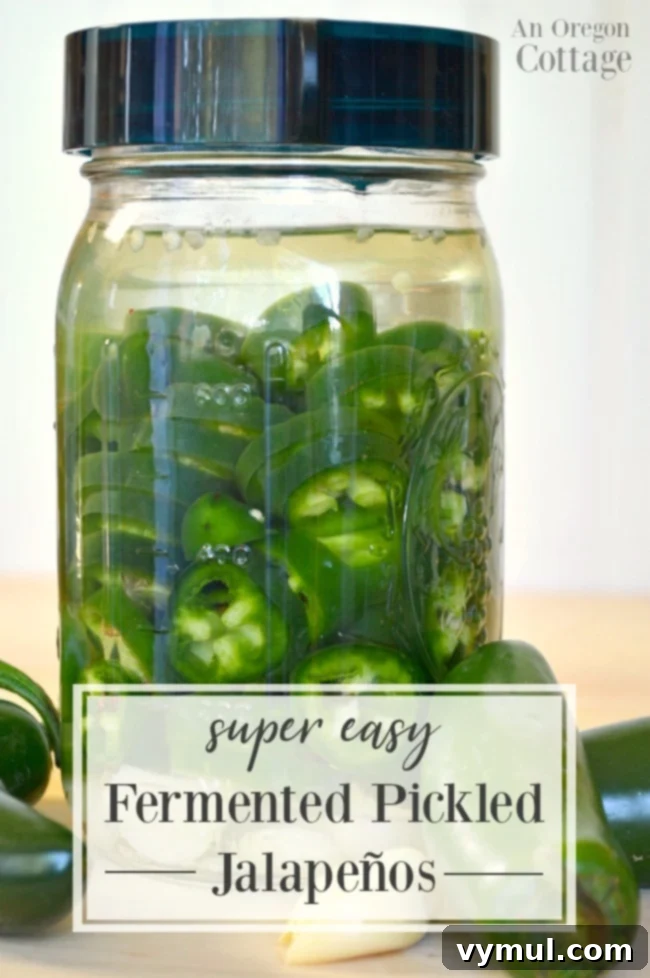
Unlock Probiotic Power: Super Easy Fermented Pickled Jalapeños Recipe
Imagine a world where store-bought pickled jalapeños become a distant memory. Once you discover the incredible ease of making your own fermented pickled jalapeños, you’ll not only savor their vibrant, tangy flavor but also reap all the amazing probiotic benefits. These homemade delights offer a fantastic boost to your gut health, making them a delicious and nutritious addition to countless dishes!
Looking for more fantastic ways to use up a bounty of jalapeños? Explore these delightful recipes:
- Low-Sugar, Honey-Sweetened Jalapeño Pepper Jelly (for Canning or Freezing)
- Easy Cowboy Candy Recipe (Candied Jalapeños) – Lower Sugar, Water Bath Canned
- Quick Pickled Jalapeños – Sliced and Refrigerated (with Canned Option)
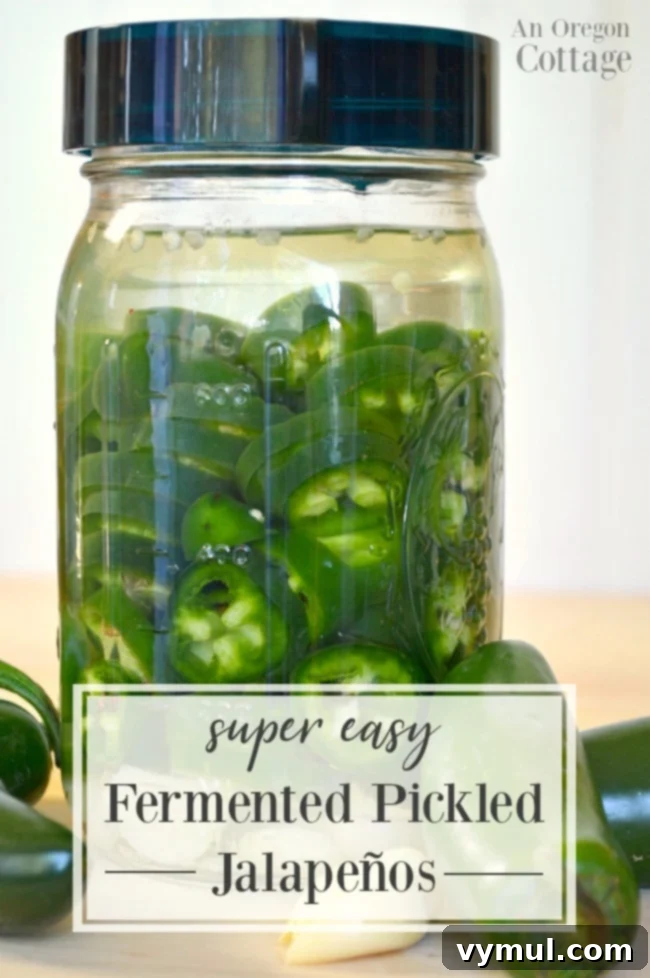
Please note: Some links in this article are affiliate links. If you click on them and make a purchase, I may receive a small commission at no extra cost to you.
The Magic of Fermentation: Probiotics for a Healthy Gut
If you’re already familiar with my quick refrigerated pickled jalapeños, then a recipe for fermented pickled jalapeños might seem like a natural progression. This is especially true if you’ve explored my research into gut health and discovered the fascinating realization that many fermented foods are essentially pickled foods – but with a crucial difference. Instead of using vinegar, they are pickled with salt, initiating a process known as lacto-fermentation.
The key distinction lies in the method: pickling with salt creates an ideal anaerobic environment where beneficial bacteria, primarily from the *Lactobacillus* family, can thrive and multiply. This stands in contrast to pickling with vinegar, which, due to its acidity, kills bacteria – both good and bad. While vinegar-based pickling is excellent for creating shelf-stable preserves, it doesn’t offer the probiotic benefits inherent in fermented foods.
When we consume these salt-pickled (or lacto-fermented) foods, we introduce a diverse array of living, good bacteria into our digestive system. These microorganisms play a vital role in maintaining a balanced gut microbiome, which is essential for overall health. They help to displace harmful bacteria, support digestion, enhance nutrient absorption, and even influence our immune system and mood. In essence, they help our gut function optimally, like a well-oiled machine.
This is, of course, a simplified explanation of a remarkably intricate system within our bodies. The field of gut health research is continuously revealing new and exciting connections between our microbiome and various aspects of our well-being. If this topic piques your interest, I strongly encourage you to delve deeper. Our gut is often referred to as our body’s “second brain” due to its profound impact on nearly every bodily function.
This WebMD article is a great starting point, but a simple search for “gut health benefits” will unlock a wealth of engaging and informative articles, illustrating just how fascinating and impactful these tiny organisms truly are.
Why “Fermented Pickled Jalapeños”?
Returning to our star ingredient: these fantastic fermented pickled jalapeños. You might notice the dual description in the title – “fermented” and “pickled.” This phrasing is intentional, aiming to clearly convey the unique nature of this preparation. While all fermented vegetables are, in a sense, pickled (preserved), not all pickled vegetables are fermented. By combining both terms, we emphasize the probiotic-rich, live culture aspect that sets these jalapeños apart from their vinegar-brined counterparts.
My journey into effortless fermentation truly took off after discovering these ingenious Easy Fermenter Lids. They transformed fermenting from a somewhat daunting task into a simple “set-it-and-forget-it” process. With these lids, I’ve successfully crafted a variety of homemade fermented recipes, including a zesty spicy corn relish, wonderfully easy fermented mixed vegetables (like carrots, cauliflower, and green beans), and even a delightfully mild homemade sauerkraut. Each recipe harnesses the power of lacto-fermentation to create incredibly flavorful and gut-healthy additions to our meals.
Given my husband Brian’s fondness for jalapeños – he adds them to everything from Mexican dishes and pizza to salads and even a simple snack of Triscuits with cottage cheese – it was only a matter of time before jalapeños became the next vegetable on my fermentation list. The process is remarkably similar to making other fermented vegetables. Once you grasp a few fundamental principles, you’ll find it incredibly easy to experiment and branch out into a wide array of delicious fermentations.
Recipe Video: Watch How Easy It Is!
Mastering the Art of Fermented Pickled Jalapeños: A Step-by-Step Guide
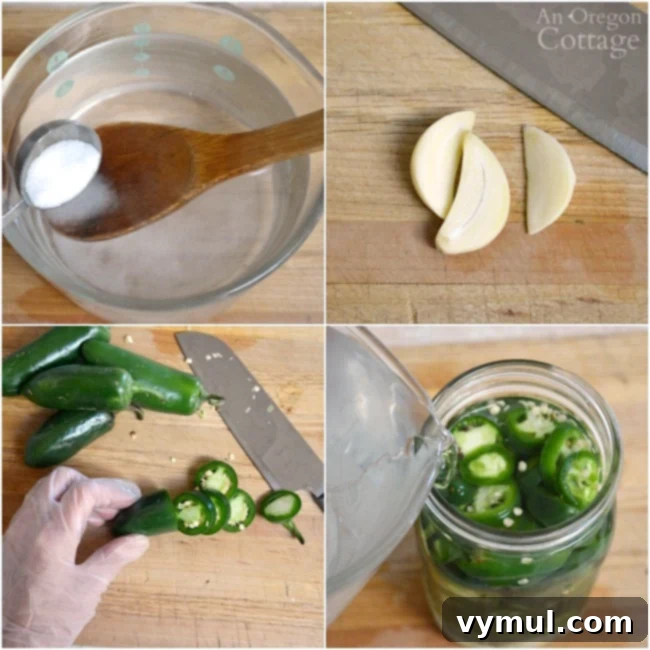
The foundational steps for making fermented pickled jalapeños (and indeed, most other fermented vegetables) are straightforward:
- Prepare the Salted Brine: Create your salt solution with pure, non-iodized salt.
- Prepare Your Vegetables: Slice or cut your jalapeños to your desired size, ensuring uniform pieces for even fermentation.
- Combine: Add the salted brine to your prepared vegetables in a clean jar.
Let’s elaborate on a few crucial details to ensure your success:
- Choosing the Right Salt: It is imperative to use a high-quality sea salt or another type of salt that contains NO additives. Avoid iodized table salt or salts with anti-caking agents, as these can inhibit the fermentation process and produce undesirable flavors. The measurements provided in the recipe are typically for fine-grained salt; if using coarser kosher salt or flakes, you may need to adjust the quantity slightly for equivalent salinity. Consistency in salt content is key to a safe and successful ferment.
- Garlic for Flavor: While optional, I highly recommend adding sliced garlic to your pickles. I find that slicing the garlic cloves allows their pungent, aromatic flavors to infuse more deeply into the jalapeños and the brine compared to leaving them whole. It’s a simple step that adds a wonderful layer of complexity to the finished product.
- Jalapeño Preparation: For maximum convenience and versatility in our meals, we prefer sliced jalapeños. This makes them easy to scatter over tacos, pizza, or incorporate into salads. However, you are welcome to cut them in half or even leave them whole. If fermenting whole peppers, ensure you make a small slit or two in each pepper to allow the brine to penetrate thoroughly, ensuring proper fermentation throughout.
- Safety First: Always Use Gloves! When slicing jalapeños, especially a batch of them, wearing gloves is absolutely essential. This not only prevents the uncomfortable burning sensation that capsaicin (the compound responsible for the heat) can cause on your skin but also safeguards your eyes. You’d be surprised how often we inadvertently touch our faces, and getting jalapeño juice in your eyes is an experience you’ll definitely want to avoid!
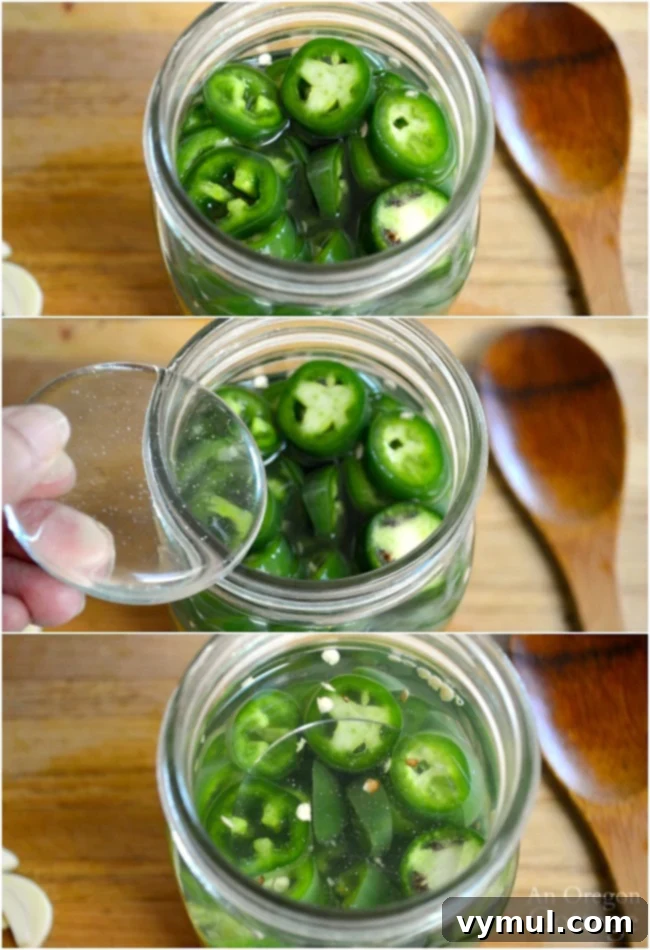
Ensuring Submersion: The Crucial Role of Weights
- Keep Vegetables Under Brine with a Weight: This step is non-negotiable for successful fermentation. Any vegetable material exposed to air during fermentation can quickly develop mold, spoiling your batch. The goal is to keep all the jalapeño slices completely submerged beneath the salty brine.
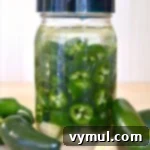
While some traditional methods involve clever hacks like using cabbage leaves, grape leaves, or small bags filled with brine to keep vegetables submerged, I’ve found the simplest and most effective solution to be a purpose-designed glass fermenting weight. As you can observe in the initial photos, sliced jalapeños are particularly prone to floating to the top. A glass weight provides the necessary downward pressure to hold them firmly under the brine, creating the oxygen-free environment essential for beneficial bacteria to thrive and preventing spoilage.
Considering Fermentation Weights? Here’s a tip: The simple, flat glass weight pictured is effective, but can sometimes be a bit challenging to place precisely and even harder to retrieve from a full jar. Based on experience, I now highly recommend glass weights with handles. They are much easier to maneuver into the jar and lift out when it’s time to check your ferment or transfer the jalapeños. Since they are often similarly priced, investing in the handled version is a wise choice for convenience.
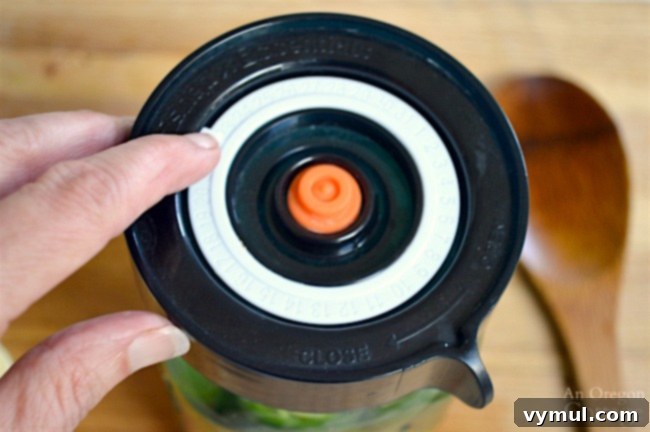
The Final Touch: Sealing and Tracking Your Ferment
- Sealing with a Lid and Tracking the Date: Once your jalapeños are submerged, the final step is to seal the jar properly and note the start date so you know when your fermentation should be ready for tasting.
Throughout history, fermenting has been accomplished using various time-honored methods, from large ceramic crocks weighted down with plates and covered with towels to simply using regular Mason jar lids loosely attached to allow gases to escape. Some specialized fermenting lids even feature syringes for active gas removal. While these methods are certainly viable, they often require consistent monitoring, frequent “burping” of lids to release pressure, and sometimes even cleaning up inevitable overflows on your countertop.
For those seeking a truly effortless approach, I wholeheartedly endorse Easy Fermenter Lids. These ingenious lids have been a game-changer, making all my fermented recipes genuinely simple and hassle-free. The design allows fermentation gases (primarily carbon dioxide) to escape while preventing external oxygen from entering, eliminating the need for constant attention. You simply screw the lid onto your wide-mouth Mason jar, turn the integrated dial to mark your start date, and place the jar on your counter. No burping, no overflows, no fuss. You literally don’t need to do anything else until it’s time to check on your delicious fermented jalapeños. Now, that’s what I call easy and reliable!
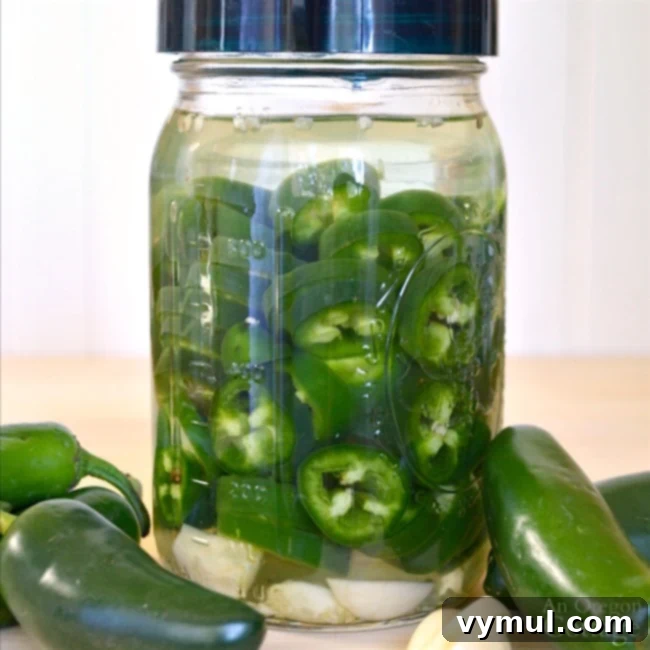
When Are They “Done”? And What to Expect
For these sliced fermented pickled jalapeños, we typically find them to be “done” within 5 to 7 days. However, taste is personal, so I highly recommend testing one at the 5-day mark to determine if you prefer a shorter or longer fermentation period. The longer the fermentation, the more sour and complex the flavor of your pickles will become. Keep in mind that warmer ambient temperatures can accelerate the fermentation process, meaning your vegetables might pickle sooner than in colder conditions.
If you taste them and decide they need a bit more time to ferment on the counter, simply reattach your Easy Fermenter Lid. If your kit includes a syringe, use it to remove any oxygen that may have been introduced during your taste test – usually one or two quick pumps are sufficient to re-establish the anaerobic environment. After they’ve reached your desired level of tanginess, remove the fermenting lid, replace it with a standard storage lid, and transfer the jar to your refrigerator. Properly stored fermented foods can last for an impressive six months to a year, or even longer, in the cold environment of your fridge, continuing to offer their probiotic goodness.
What about their appearance after fermenting?
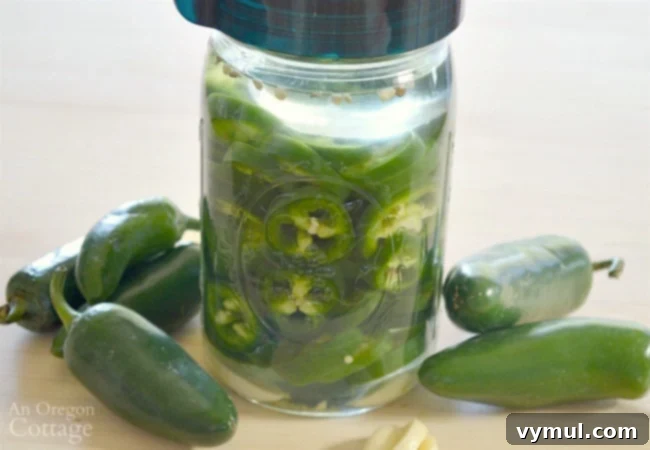
Transparency is important! While the “before” photos are always vibrant and appealing, I want to show you what the jalapeños typically look like after 5 days of fermentation and a couple more days in storage. This visual helps manage expectations and confirms that your ferment is progressing normally:
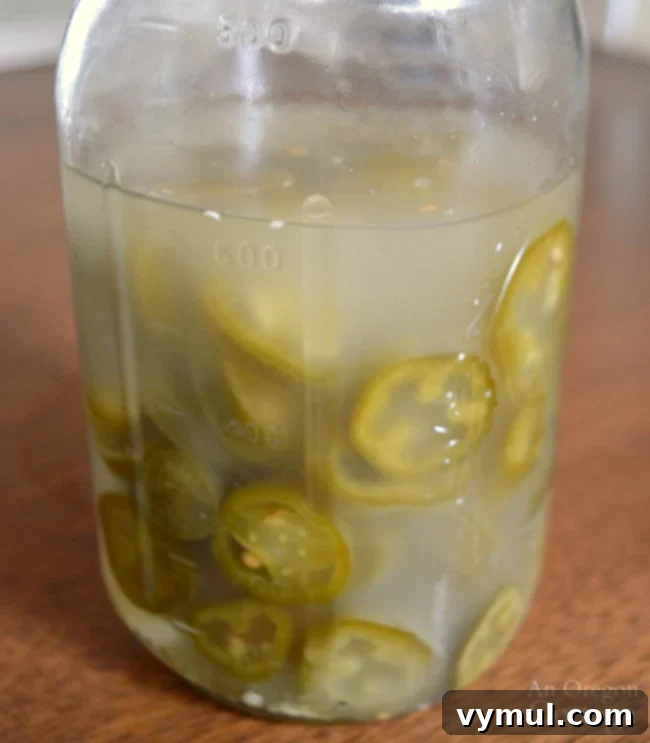
Just like all pickled jalapeños, whether fermented or vinegar-based, their vibrant green color will naturally mellow into a duller, more muted green over time. This is a completely normal part of the pickling process due to the breakdown of chlorophyll. Additionally, you will likely observe a cloudy brine. This cloudiness is actually a very good sign! It’s a visual indicator of the active, thriving probiotic cultures at work, transforming the peppers. It certainly doesn’t mean your batch is “bad”; quite the opposite, it’s a mark of successful lacto-fermentation!
The heat level of your finished fermented jalapeños will depend largely on the peppers you start with. However, in our experience, these guys tend to pack a significant punch! We often find ourselves cutting a single slice into quarters to distribute its delightful flavor and heat across a taco or a slice of pizza. But the effort is undeniably worth it – they infuse dishes with such a wonderful balance of tangy flavor and satisfying heat. We wouldn’t want to be without a continuous supply, whether it’s these probiotic-rich fermented jalapeños or their classic vinegar-pickled cousins. They truly elevate everyday meals.
So, are you ready to embrace the simplicity and benefits of homemade fermented pickled jalapeños? Give this recipe a try and transform your culinary adventures and your gut health!
Explore More Easy Fermented Food Recipes
- Best Mild Homemade Sauerkraut Recipe (Super Easy, Too!): A classic, made incredibly simple for beginners.
- Easiest Fermented Pickled Vegetables Ever: A versatile guide to fermenting a variety of your favorite garden produce.
- 5-Minute Foolproof Fermented Corn Relish Recipe: A quick and delicious relish bursting with tangy, probiotic goodness.
Print Recipe
Pin Recipe
SaveSaved!
Super Easy Fermented Pickled Jalapeños Recipe
Ingredients
- 2 tablespoons sea salt fine, not kosher or flakes
- 4 cups room temperature water
- 4 cloves garlic cut in half
- about 1/2 pound jalapeños sliced (enough to fill a quart jar)
Instructions
-
Add salt to water, stir well and then let sit to dissolve.
-
Pack garlic first and then sliced jalapeños into a wide-mouth quart glass jar, leaving about 2 inches between jalapeños and the top of jar.
-
Pour water over jalapeños, covering about an inch.
-
Add a glass weight to hold the slices under the brine and attach a fermenting lid.
-
Check jalapeños at 5 days. If you’d like them more sour, leave them another 1-2 days.
-
Remove fermenting lid and replace with a storage lid.
-
Store in the refrigerator.*
Notes
Nutrition
Disclosure: Affiliate links in this article may earn a commission based on sales, but this does not affect your purchase price. Click here to read my full disclaimer and advertising disclosure policy.