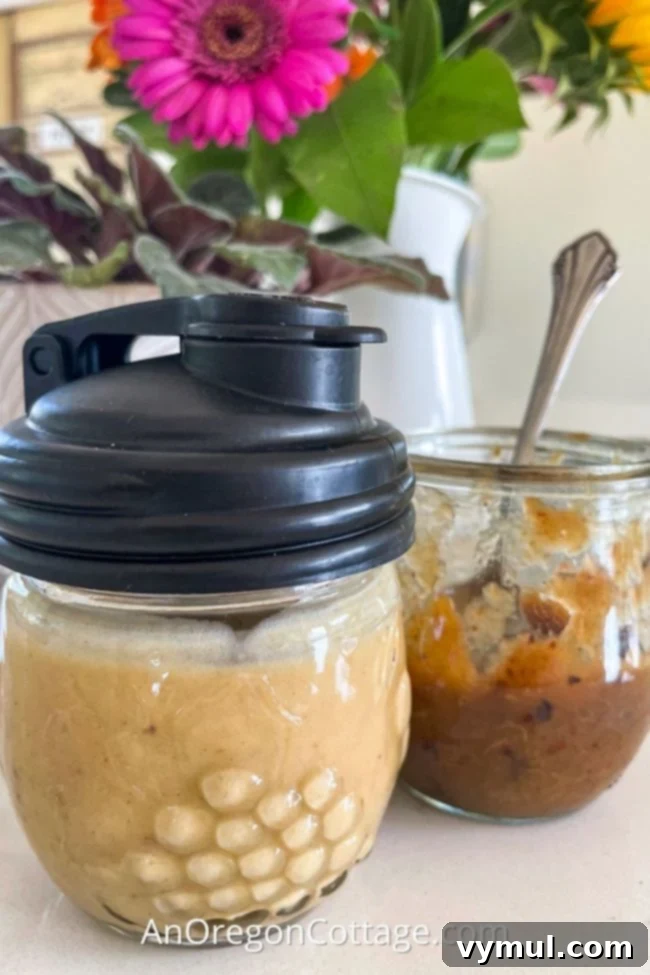
Homemade Chutney Salad Dressing: A Zesty, Flavorful Transformation for Any Meal
If you’re seeking to elevate your everyday salads and main courses, look no further than your pantry. With a jar of delicious chutney on hand, you’re just five minutes away from crafting a uniquely sweet, tangy, and subtly spicy salad dressing. While we’re highlighting a fantastic rhubarb chutney variation here, this method works beautifully with virtually any chutney, making it an incredibly versatile addition to your culinary repertoire. Imagine drizzling this vibrant dressing over crisp green salads, creamy slaws, or even grilled chicken for an instant burst of complex flavor.
Some links in this article are affiliate links, meaning if you click on them and make a purchase, I will receive a small commission at no extra cost to you. This helps support the content I create.
For those who frequently visit this blog, it’s no secret that homemade salad dressings are a cornerstone of a wholesome and simple kitchen. They offer a multitude of advantages that align perfectly with a homemade lifestyle:
- Health Benefits: When you make your dressing from scratch, you have complete control over the ingredients. This means choosing fresh, whole foods and avoiding unnecessary additives, preservatives, artificial colors, and excessive sugars often found in store-bought options. You can tailor it to your dietary needs and preferences, ensuring a truly healthy choice for your family.
- Cost-Effective: Producing a bottle of homemade dressing typically costs a fraction of what you’d pay for a commercially prepared one. Basic ingredients like vinegar, oil, mustard, and spices are usually pantry staples, making this a budget-friendly habit that adds up to significant savings over time.
- Incredibly Quick: Don’t let the idea of “homemade” intimidate you. A classic vinaigrette can be whisked together in less than 5 minutes, and most other dressings, including this chutney-based version, rarely take more than 10. It’s a minimal time investment for maximum flavor and health benefits.
- Unrivaled Deliciousness: While occasional high-quality gourmet dressings can be a treat, many cheaper store-bought varieties often fall flat in flavor and texture. They can be bland, overly sweet, or possess an unappealingly gelatinous consistency. Homemade dressings, on the other hand, boast fresh, vibrant flavors that simply cannot be replicated by mass-produced alternatives. The difference in taste is truly remarkable and will transform your meals.
Given my passion for creating and preserving homemade chutneys, I was eager to explore innovative ways to incorporate them into daily cooking. The idea of using chutney as the foundation for a salad dressing immediately sparked my interest. Chutneys are inherently rich in flavor, combining sweet, tangy, and often spicy notes with aromatic spices, making them a perfect shortcut to a complex dressing. My thought was that with such a potent flavor base, the other dressing ingredients would only need to complement, rather than compete with, the chutney’s unique profile.
I began my experiments with a jar of spicy rhubarb chutney, and the results were an instant triumph! This particular chutney, with its delightful balance of tart rhubarb, warming spices, and a touch of heat, proved to be an exceptional candidate for a salad dressing. It provided the ideal foundation for a dressing that would awaken the senses.
This rhubarb chutney salad dressing exceeded expectations on several fronts:
- Firstly, it offered a fantastic use for my home-canned chutney, which is a major benefit for anyone engaged in gardening and preserving. Utilizing the bounty of the harvest in new and creative recipes is one of the most rewarding aspects of a self-sufficient lifestyle. However, it’s important to note that this dressing is equally delicious and easy to make with high-quality store-bought chutney, so you don’t need to be a canning enthusiast to enjoy it!
- Secondly, and perhaps most importantly, it tasted absolutely incredible. The dressing achieved a perfect harmony of sweet, tangy, and subtly spicy notes, creating a complex and incredibly addictive flavor profile that truly elevates any dish it graces.
Seriously, this dressing has become a staple in our household. We’ve savored it on simple green salads, where its vibrant flavor really shines. It was a spectacular pairing with a turkey-cranberry-feta salad, adding an unexpected layer of zest and warmth. We even loved it on that same cranberry-feta combination when served with chicken, demonstrating its versatility beyond just leafy greens. It’s a simple yet profoundly effective way to enhance the taste of countless salads and meals, turning ordinary dishes into extraordinary culinary experiences.
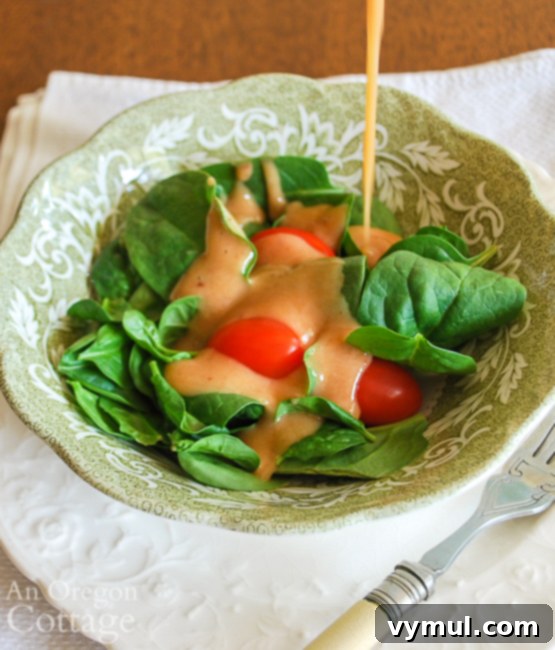
It’s truly a game-changer, making so many of your salads and meals taste significantly better with minimal effort.
Creamy Without Dairy
One of the remarkable qualities of this chutney dressing is its luxuriously creamy texture, achieved without the addition of any dairy products like mayonnaise, cream, or yogurt. When all the ingredients are blended together in a high-speed blender or food processor, they emulsify beautifully. This process creates a stable, smooth, and velvety dressing that coats salad leaves perfectly and provides a delightful mouthfeel. This makes it an excellent and flavorful option for anyone following a dairy-free, vegan, or plant-based diet, offering a rich dressing experience without any compromise.
Rhubarb Chutney Salad Dressing: A Versatile Recipe
This recipe is incredibly adaptable, designed primarily for rhubarb chutney but easily customizable for any variety you have on hand. The fundamental combination of chutney with a few basic pantry staples creates a robust and versatile dressing that you’ll want to make again and again.
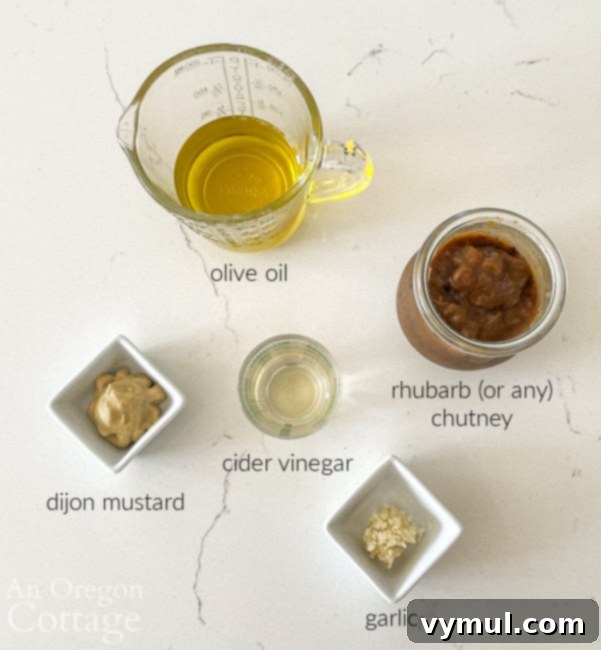
Ingredients You’ll Need
Beyond your chosen chutney, you’ll only require four other simple and readily available pantry ingredients to create this fantastic dressing. Each plays a crucial role in balancing and enhancing the chutney’s inherent flavors:
- Chutney: While rhubarb chutney offers a unique sweet-tart and spicy profile, feel free to experiment with others. Mango chutney provides a tropical sweetness, tomato chutney delivers savory depth, and berry chutneys add bright, fruity notes.
- Garlic: A single minced clove of garlic adds a pungent, aromatic kick that beautifully complements the complex flavors of the chutney. Fresh garlic is always best for maximum flavor.
- Dijon Mustard: This isn’t just for flavor; Dijon mustard acts as an excellent emulsifier, helping the oil and vinegar (and chutney!) combine into a smooth, stable dressing. Its sharp, tangy taste also provides a lovely contrast to the sweetness of the chutney.
- Apple Cider Vinegar (ACV): Known for its mild, fruity acidity, ACV adds the essential tanginess that balances the sweetness of the chutney. It brightens the dressing and contributes to its refreshing quality.
- Olive Oil or Avocado Oil: These are your base oils. Extra virgin olive oil will impart a more robust, peppery flavor, while avocado oil is milder and creates a very smooth finish. Choose a high-quality oil for the best taste and texture in your dressing.
What about salt?
Many chutneys, whether homemade or store-bought, already contain a good amount of salt and a rich array of spices. Because of this, I often find that adding extra salt to the dressing is unnecessary. I recommend blending the dressing first, then tasting it. If you feel it needs a touch more seasoning, add a small pinch, starting with just a shake or up to 1/8 teaspoon. It’s much easier to add more salt than to fix an overly salty dressing.
Essential Supplies for Your Chutney Dressing
Making this dressing requires minimal equipment. Here’s what you’ll need to get started:
- Blender or Food Processor: This is key for achieving that wonderfully creamy, emulsified texture. A high-speed blender (like this one, similar to mine) or a standard food processor will both work effectively to thoroughly combine the ingredients and create a smooth dressing.
- Measuring Cups and Spatula: Standard kitchen tools for accurate ingredient measurement and for scraping every last drop of delicious dressing from your blender.
- 8-ounce Jar for Storing: A half-pint canning jar is ideal for storing your homemade dressing, especially when paired with a pour-spout lid for easy serving. You can also repurpose a clean glass bottle from ketchup or another store-bought dressing.
Simple Directions for a Flavorful Dressing
Making this chutney salad dressing is incredibly straightforward. Just follow these easy steps for a perfectly smooth and delicious result:
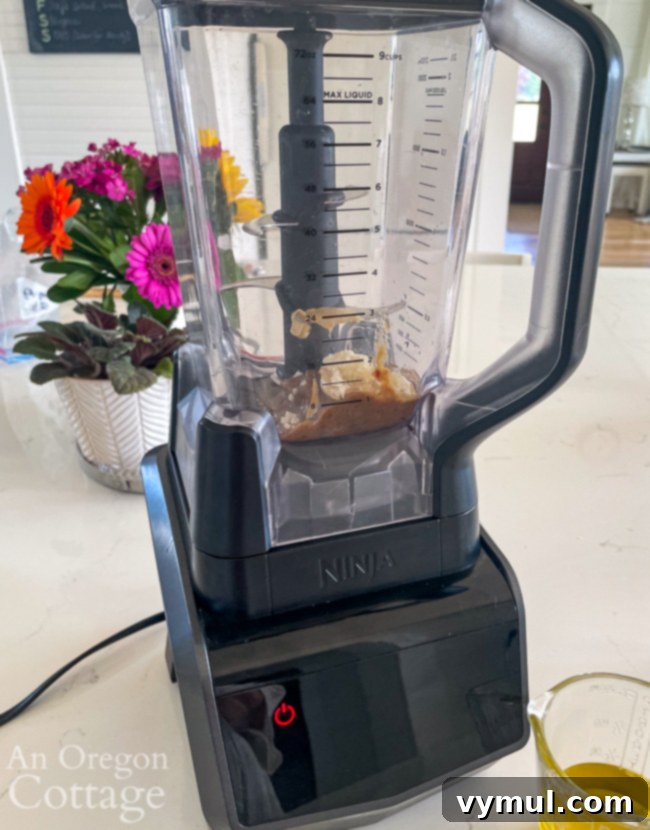
- Begin by adding all the ingredients EXCEPT the oil into your blender or food processor. This includes your chosen chutney, minced garlic, Dijon mustard, and apple cider vinegar.
- Pulse the mixture a few times to roughly combine these initial ingredients. This helps to break down the chutney and garlic before the oil is added.
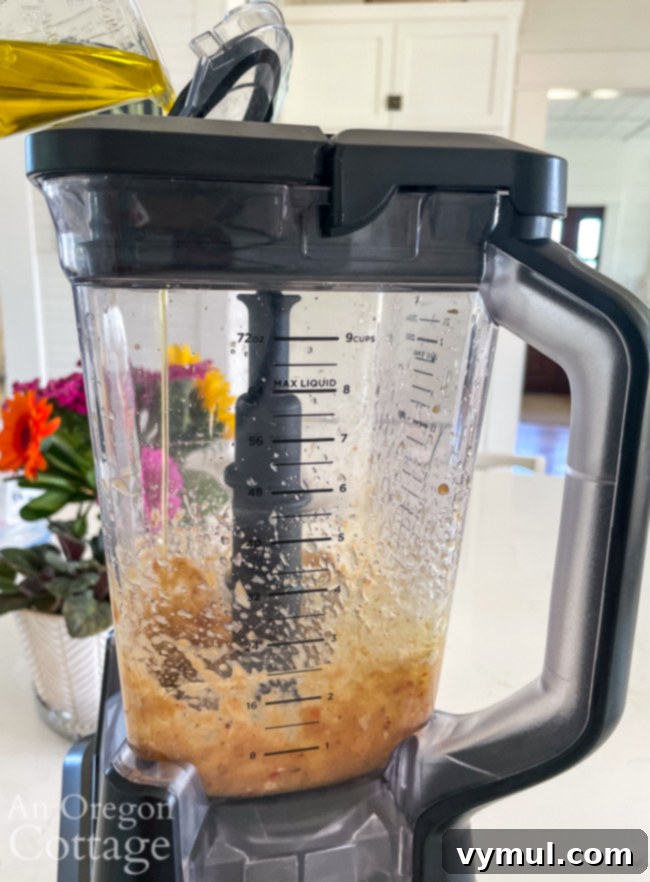
- With the blender or food processor running on a low to medium speed, slowly drizzle in the olive oil or avocado oil. The key here is a slow, steady stream. Continue blending until the oil is completely incorporated and the dressing is smooth and beautifully emulsified. This slow addition of oil is what creates the creamy texture.
PRO TIP: The consistency of your dressing can vary depending on the type of chutney used and the power of your blending machine. If the dressing appears too thick for pouring, gradually add water, one tablespoon at a time, while the machine is running, until you achieve your desired pourable consistency. I often find I need about 2 tablespoons of water when using a blender, but less, if any, when using a food processor.
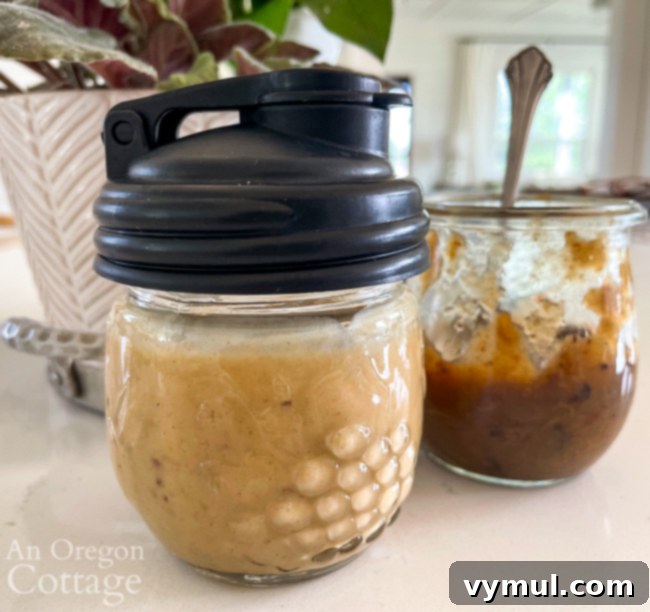
Once blended to perfection, carefully scrape the dressing into an 8-ounce (1 cup) container. A half-pint canning jar works wonderfully for this, especially when fitted with a pour-spout lid like the one pictured, which makes serving a breeze. Alternatively, you can reuse a clean glass ketchup or salad dressing bottle. Store the dressing in the refrigerator, where it will remain fresh and flavorful for approximately two weeks. Always give it a good shake before each use to re-emulsify any separated ingredients.
Chutney Salad Dressing FAQs
Absolutely! The beauty of this recipe lies in its versatility. The other four ingredients essentially form a simple vinaigrette base that pairs wonderfully with a wide array of chutney flavors. Feel free to experiment with tomato chutney for a more savory dressing, cherry chutney or blueberry chutney for a fruity twist, or even readily available store-bought mango chutney for a tropical zing. Each chutney will impart its unique character, making for endless delicious variations!
No problem at all! While a blender or food processor yields the creamiest results, you can certainly make this dressing using a whisk. Simply combine all the ingredients in a bowl and whisk vigorously until well combined. Your dressing will have a slightly chunkier texture, as the chutney won’t be as finely pureed, but it will still be incredibly flavorful and delicious.
Yes, you can easily double this recipe to make a larger batch. Simply double all the ingredient quantities. Store the increased volume of dressing in a pint-sized (16-ounce) jar instead of the smaller half-pint (8-ounce) jar shown here. This is perfect for meal prepping or if you know you’ll be enjoying a lot of salads!
Rhubarb Chutney Salad Dressing (or Any Chutney)
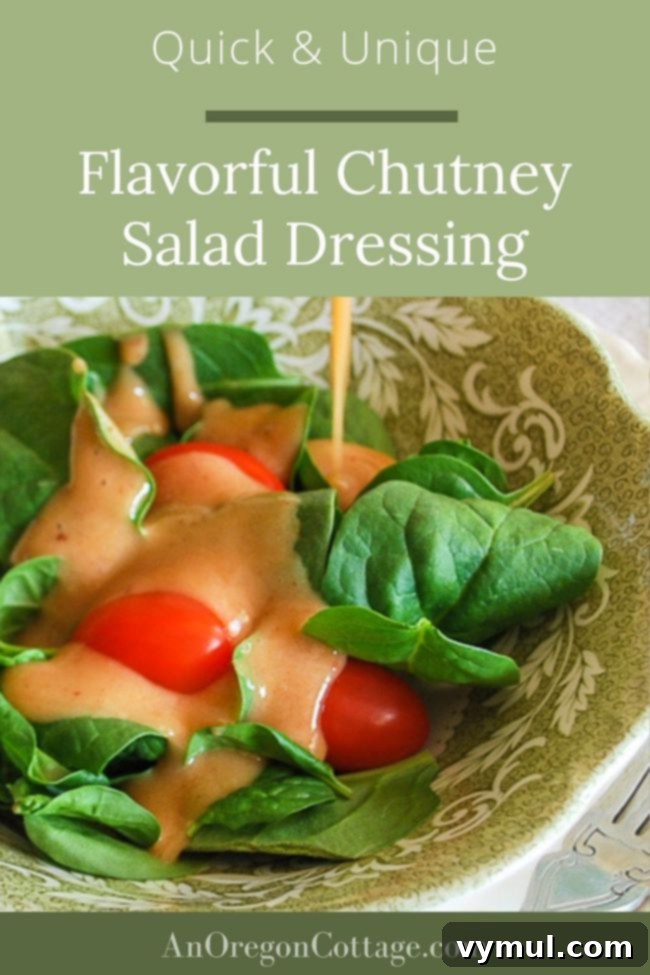
This refreshingly sweet, tangy, and slightly spicy chutney salad dressing is incredibly versatile. Crafted in just 5 minutes, it’s equally delicious whether made with rhubarb chutney or any other variety. Drizzle it over green salads, mix into slaws, or use it to flavor chicken dishes for an instant upgrade to your meals.
Prep Time: 5 mins
Total Time: 5 mins
Yield: Approximately 1 cup (8 ounces)
Author: Jami Boys
Equipment
- Blender or food processor
- Measuring cups, spatula
- 8-ounce glass container (jar or bottle)
Ingredients
- 1/4 cup rhubarb chutney (or chutney of choice)
- 1 clove garlic, minced
- 1 tablespoon Dijon mustard
- 1 tablespoon apple cider vinegar
- 1/3 cup olive oil or avocado oil
- Optional: a pinch of salt (to taste, after blending)
Instructions
- Combine the chutney, minced garlic, Dijon mustard, and apple cider vinegar in a blender or food processor.
- Pulse a few times to start mixing the ingredients.
- With the machine running, slowly drizzle in the olive oil or avocado oil until the dressing is completely smooth and emulsified.
- Check the consistency. If it seems too thick, add water one tablespoon at a time until it reaches a pourable consistency.
- Taste the dressing and add a small pinch of salt if desired, though the chutney often provides sufficient seasoning.
- Scrape the finished dressing into a 1-cup (8-ounce) glass bottle or jar.
- Store refrigerated for up to 2 weeks. Shake well before each use.
Notes
- Other Chutney Options: This recipe is incredibly versatile. Feel free to use tomato chutney, cherry chutney, blueberry chutney, or even store-bought mango chutney for delicious variations.
- No Blender/Food Processor? You can still make this! Whisk all ingredients vigorously in a bowl. The dressing will be a bit chunkier but still delicious.
- To Double the Recipe: Simply double all ingredients and store in a pint-sized (16-ounce) jar instead of an 8-ounce jar.
Nutrition (per 2 TB serving)
- Calories: 148kcal
- Carbohydrates: 10g
- Protein: 1g
- Fat: 12g
- Saturated Fat: 2g
- Polyunsaturated Fat: 1g
- Monounsaturated Fat: 9g
- Sodium: 33mg
- Potassium: 18mg
- Fiber: 1g
- Sugar: 7g
- Vitamin A: 2IU
- Vitamin C: 1mg
- Calcium: 5mg
- Iron: 1mg
Did you make this recipe?
Mention @anoregoncottage or tag #anoregoncottage!

More Delicious Chutney-Inspired Recipes
Once you discover the incredible versatility of chutney, you’ll want to explore even more ways to incorporate it into your cooking. Chutney isn’t just for cheeseboards; it can be the secret ingredient that transforms ordinary dishes into something truly special. Here are a few more chutney-centric recipes to inspire your culinary adventures:
Click For Recipe
Click For Recipe
Click For Recipe
Disclosure: Affiliate links in this article may earn a commission based on sales, but this does not affect your purchase price. Click here to read our full disclaimer and advertising disclosure policy for more information.