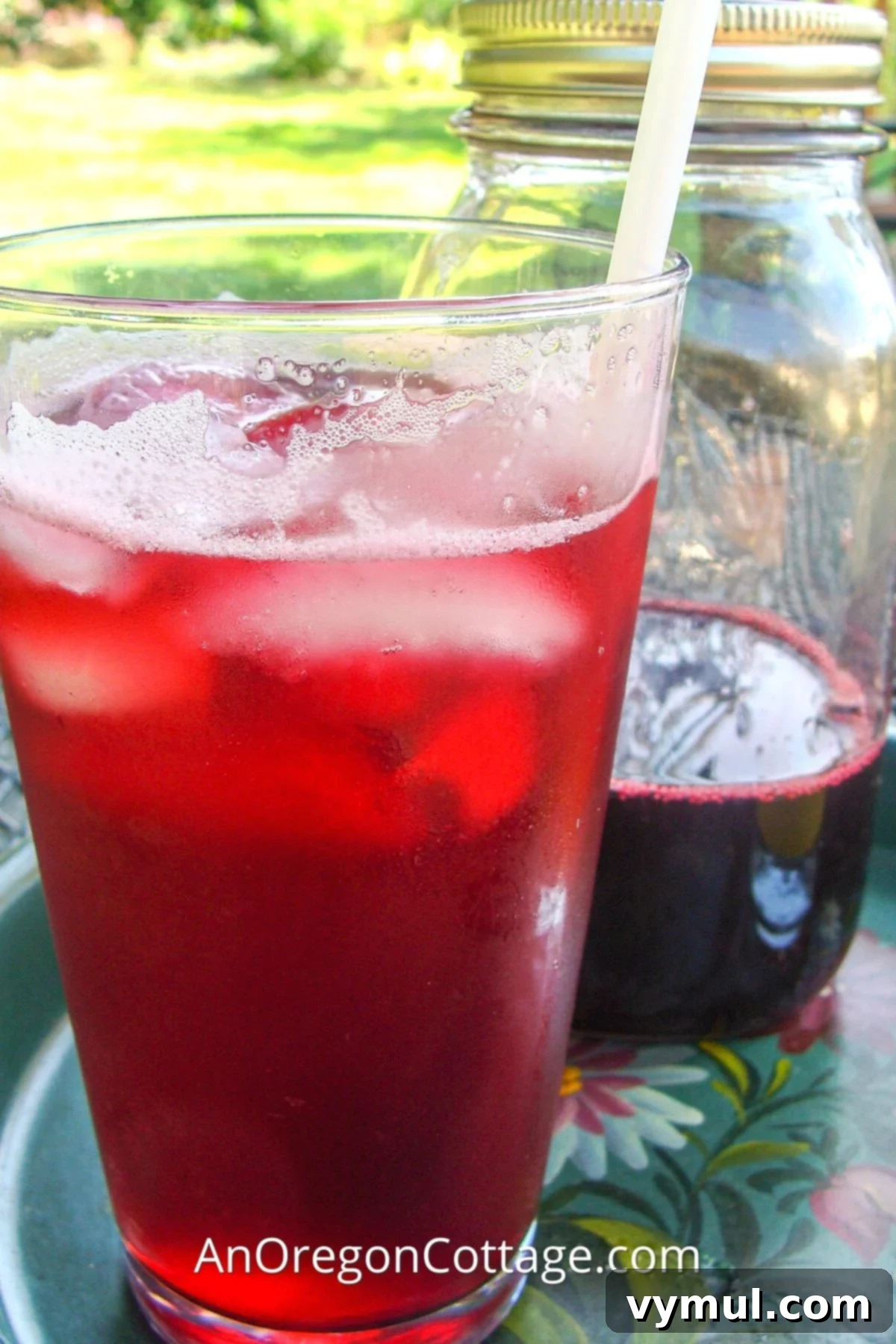
Homemade Black Currant Juice Concentrate: Can or Freeze for Delicious Italian Sodas & More
Discover how to make a slightly sweetened, vibrant black currant juice concentrate that you can easily preserve by canning or freezing. This versatile concentrate is perfect for crafting delicious and healthy Italian sodas, refreshing everyday drinks, or even as a soothing remedy for a sore throat. It’s a simple, rewarding project that transforms tart black currants into a pantry staple you’ll cherish for months to come.
Some links in this article are affiliate links, meaning if you click on them and make a purchase, I may receive a small commission at no additional cost to you.
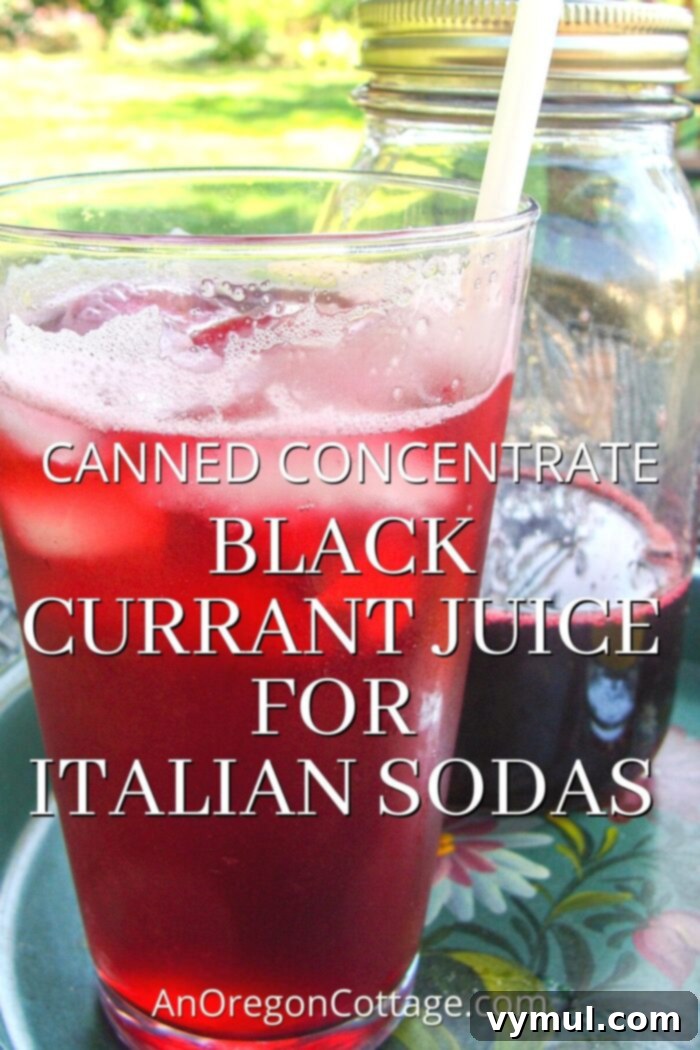
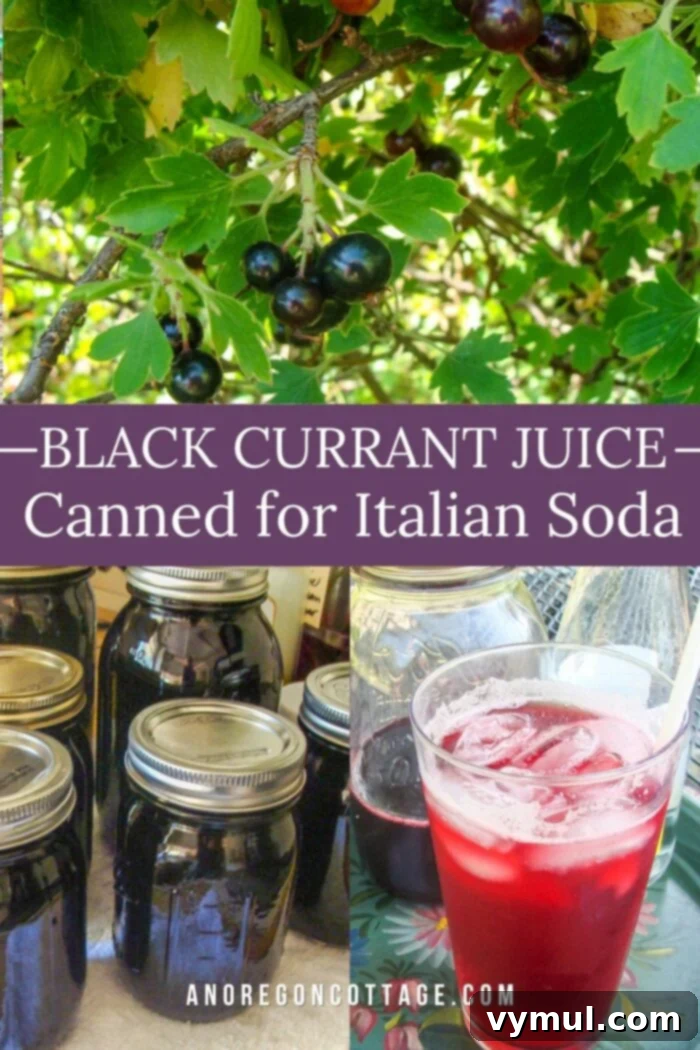
The first time I created this black currant juice concentrate, I was on a mission to efficiently utilize the unexpected abundance from my two thriving black currant bushes. What started as a practical endeavor quickly turned into a culinary revelation: this concentrate, when simply mixed with sparkling water, became our absolute favorite homemade Italian soda. Its unique tart-sweet profile was an instant hit, and the refreshing taste far surpassed any store-bought alternative.
While I also experimented with other black currant recipes, including jam and a simple syrup, this juice concentrate quickly rose to the top as the most cherished recipe. Its bright, distinct flavor was simply irresistible, especially to me. For many years prior, I hadn’t grown currants, and in their initial seasons, I admit I struggled with proper pruning techniques (or rather, the complete lack thereof). This resulted in an incredibly bountiful harvest in their second year, followed by only a handful of berries in subsequent years.
During those lean years, our few remaining jars of homemade black currant juice concentrate became a precious commodity, akin to liquid gold. We reserved it exclusively for special occasions, treating each glass of Italian soda as a rare indulgence. It felt like uncorking a vintage bottle of something incredibly special, a testament to the deliciousness and versatility we had accidentally created. Knowing I could replenish our supply with proper care for the bushes made it all the more rewarding.
Cultivating and Pruning Black Currants for Optimal Harvest
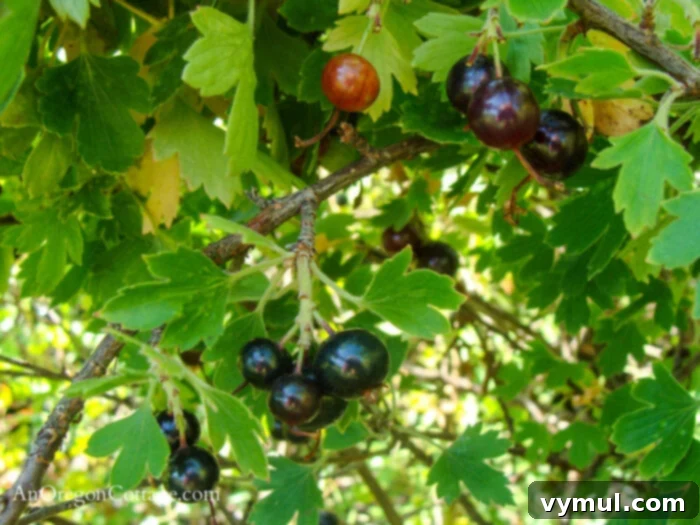
The black currant variety I chose for my garden was “Ben Sarek,” a fantastic selection known for its dual appeal: delicious for fresh eating and highly suitable for processing into jams, jellies, and, most importantly for this recipe, vibrant juices. These berries offer a unique tart-sweet flavor profile, distinctly sweeter than some other currant varieties, yet still retaining that characteristic tangy bite. What truly sets them apart is an earthy undertone that differentiates them from, say, the more common blueberry, offering a complex and satisfying taste.
Understanding the Art of Black Currant Pruning
My early struggles with an unpredictable harvest from my black currant bushes taught me a crucial lesson about proper pruning. Through diligent research, I discovered that black currant fruit primarily develops on one- to two-year-old branches. This vital piece of information means that any older, thicker stems are less productive and can be systematically pruned out to encourage vigorous new growth that will bear more fruit. Regular and correct pruning not only maximizes fruit yield but also significantly improves air circulation within the bush, which is essential for maintaining plant health and preventing common diseases.
The optimal time for pruning black currant shrubs is during the winter months, when the plant is fully dormant. At this stage, the absence of leaves makes it much easier to identify and remove older, less productive branches. The general guideline is to thin out the shrub by approximately 20-30% each year, focusing on cutting back the thick, darker stems that are three years old or older. Additionally, it’s important to remove any branches that are growing horizontally in an undesirable direction, are crossing other branches, or show any signs of damage or disease. When making your cuts, aim to trim these branches back to about six inches from the ground. This practice helps to create a lighter, more open shrub structure, allowing better sunlight penetration to ripen future berries and promoting overall robust growth.
Once I consistently applied these proper pruning techniques to my then four-year-old shrubs, they quickly rebounded. The bushes began to produce abundant, consistent harvests year after year, just as they should. Naturally, replenishing our cherished supply of homemade black currant juice concentrate was the very first thing I prioritized, ensuring we always had this delightful ingredient on hand.
Effortless Steps to Craft Black Currant Juice Concentrate (Canning & Freezing)
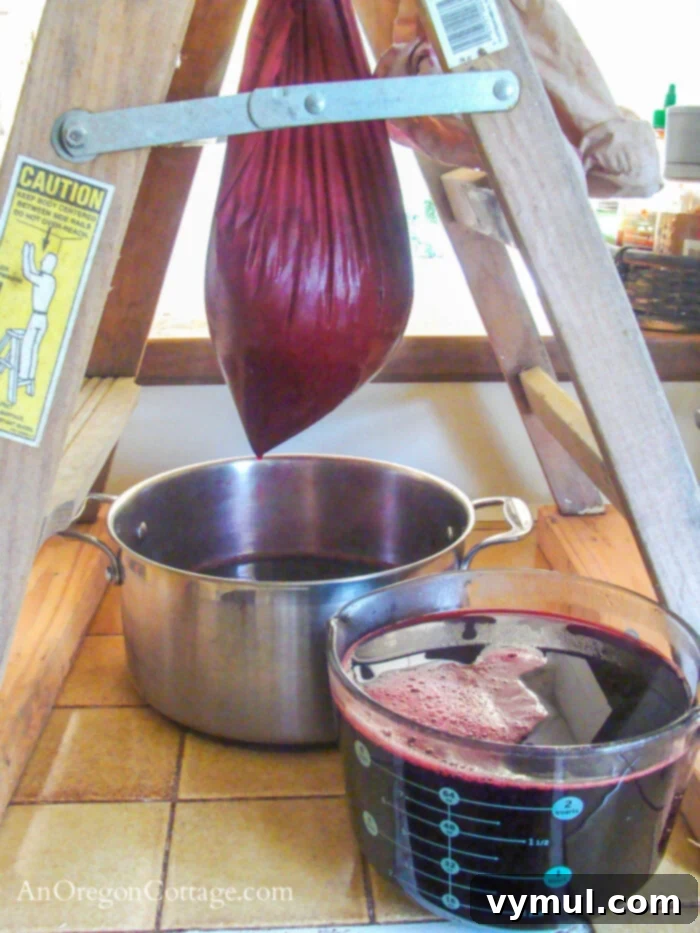
Extracting juice from berries might initially seem like a complicated endeavor, especially when you hear about the traditional methods involving “hanging a jelly bag for hours and not touching it to avoid cloudiness.” However, I assure you, it’s a surprisingly simple and rewarding process that yields fantastic results, perfect for a homemade black currant juice concentrate. While specialized steam juicers are available and can be highly efficient (regular juicers typically leave too much pulp for a smooth, clear juice), for someone like me who primarily uses juice for concentrates and prefers chunky jams over clear jellies, the investment might not be necessary. A simple, cost-effective jelly bag setup works perfectly and is all you need for this delicious recipe.
Step 1: Prepare and Strain Your Black Currant Pulp
- Combine Washed Currants and Water: Begin by measuring out your stemmed and thoroughly washed black currants. Place them into a large stockpot along with an equal amount of water. (Refer to the detailed recipe card below for precise measurements.)
- Cook and Mash the Fruit: Bring this mixture to a rolling boil over medium-high heat, taking care to monitor it closely to prevent it from boiling over. Once it reaches a boil, reduce the heat to a gentle simmer. Cover the pot and allow it to cook for 15 to 20 minutes, or until the black currants are noticeably soft and have burst open. During the simmering process, use a potato masher to occasionally crush the fruit. This crucial step helps to thoroughly release all the flavorful juices from the berries, intensifying your concentrate.
- Set Up Your Straining System: Prepare your chosen straining bag. You can opt for a dedicated “jelly bag” (available in large or smaller sizes), or simply use a large, clean, old cotton pillowcase – ensuring it’s pure cotton for effective straining. Fold the edges of the bag over the rim of a large pot or bowl, creating a secure pouch in the center to hold the fruit pulp. While some suggest wetting the bag first to encourage faster juice flow, I’ve found it generally unnecessary for this particular concentrate.
- Pour in the Pulp for Initial Drip: Carefully pour the hot currant pulp mixture into the prepared straining bag. If you are processing a large batch, you will likely observe a significant amount of juice immediately beginning to drip into the collection pot below. This initial rapid drip is a good sign! PRO TIP: Having an extra set of hands for this particular step can be immensely helpful. One person can steady the bag and ensure no juice escapes, while the other carefully pours the hot pulp.
- Complete the Straining Process: Securely hang the filled bag from a suitable stand. This could be a specialized “jelly bag stand,” or a clever homemade setup like the one pictured (a small ladder). Allow the juice to drip naturally until the flow significantly diminishes. While some traditional methods recommend straining for 3-4 hours to achieve crystal-clear juice, for a concentrate where slight cloudiness won’t affect the flavor or texture, such prolonged waiting isn’t critical. I typically let mine drip for 30 minutes to an hour. Once the drip becomes almost non-existent, carefully twist and squeeze the bag (using heat-resistant gloves or a thick towel, as the pulp will still be hot) to extract as much remaining juice as possible. This ensures you maximize your yield and get the most out of your hard-earned berries.
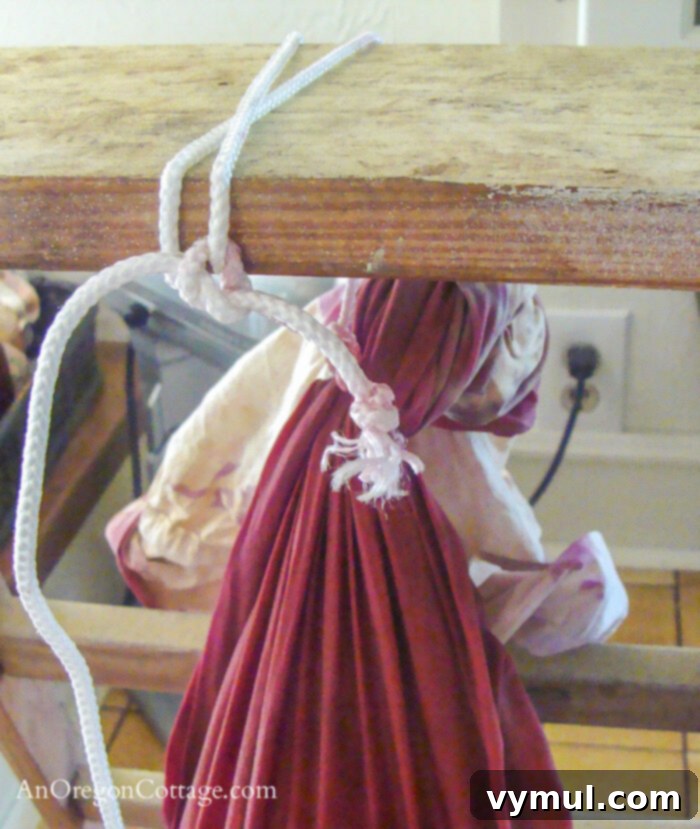
You might have noticed from the image above that our “jelly bag hanger” is a wonderfully rustic, yet perfectly effective, small stepladder positioned on the kitchen counter. A closer look reveals how we ingeniously tied the cotton pillowcase strainer to the top rung of the ladder. It’s a prime example of practical, resourceful homemaking, even if it looks a bit unconventional!
Our “sophisticated” setup is comprised of a few simple, everyday items: an old (but meticulously clean!) cotton pillowcase (cotton is crucial for efficient straining), some sturdy rope, a small stepladder (thoroughly washed, despite its well-used appearance), and a couple of 2×4 pieces of lumber, strategically placed to give the ladder a bit more height over our juice collection pot. For something we only need to use once a year during the peak black currant harvest season, this improvised system is incredibly functional and gets the job done without requiring specialized, single-use kitchen gadgets, saving both money and storage space.
Step 2: Sweeten, Can, or Freeze Your Black Currant Juice Concentrate
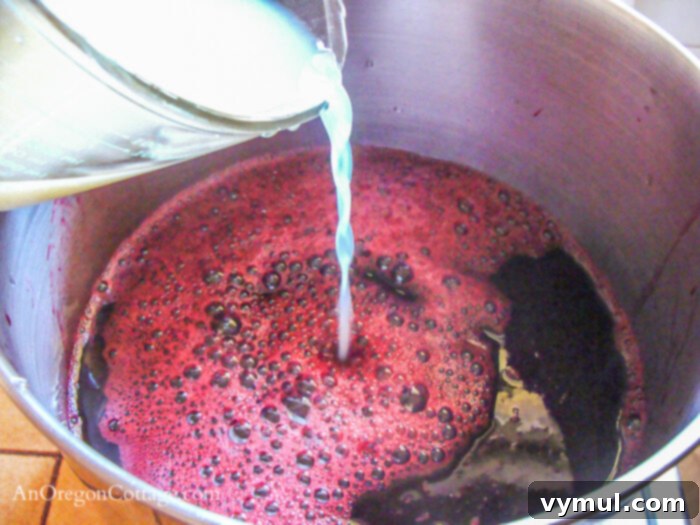
1. Combine with Sweetener and Acid: Once you have collected your extracted black currant juice, pour it into a clean stockpot. Add the specified amounts of granulated sugar and lemon juice. The sugar is essential for providing a pleasant sweetness that perfectly balances the black currants’ natural tartness, enhancing the overall flavor of the concentrate. The lemon juice, beyond adding a bright, zesty note, plays a critical role in the preservation process, particularly if you plan to can the concentrate, as it ensures sufficient acidity for safety. Bring this mixture to a gentle boil over medium-high heat, stirring occasionally until the sugar is fully dissolved. It’s important to be careful not to let it boil too vigorously, as it can easily boil over and create a sticky mess.
Choosing Your Preservation Method: Canning or Freezing
If you plan on canning this black currant concentrate for long-term, shelf-stable storage, you will continue by following the detailed steps outlined below for the water bath canning process. Canning is an excellent way to ensure your delicious homemade juice will be ready to enjoy for up to 18 months, stored conveniently right in your pantry, without needing refrigeration until opened.
If freezing is your preferred method for preservation, simply allow the prepared concentrate to cool completely in the pot to room temperature. Once cooled, carefully transfer it into freezer-safe containers or heavy-duty freezer bags. For optimal use, portion the concentrate into quantities that make the most sense for your future needs – perhaps 1/2 cup, 1 cup, or larger amounts that you’d typically use for a pitcher of Italian sodas. Be sure to label each container clearly with the contents and the date before placing it in the freezer.
PRO TIP for Freezing: For ultimate convenience, especially for single servings or to avoid diluting your drinks, consider freezing portions of the concentrate in ice cube trays. Once the cubes are completely solid, pop them out and transfer them to labeled freezer bags. These frozen cubes can then be used individually as “ice cubes” that will infuse your drink with flavor as they melt, or as small, pre-portioned servings for making individual Italian sodas or adding to smoothies.
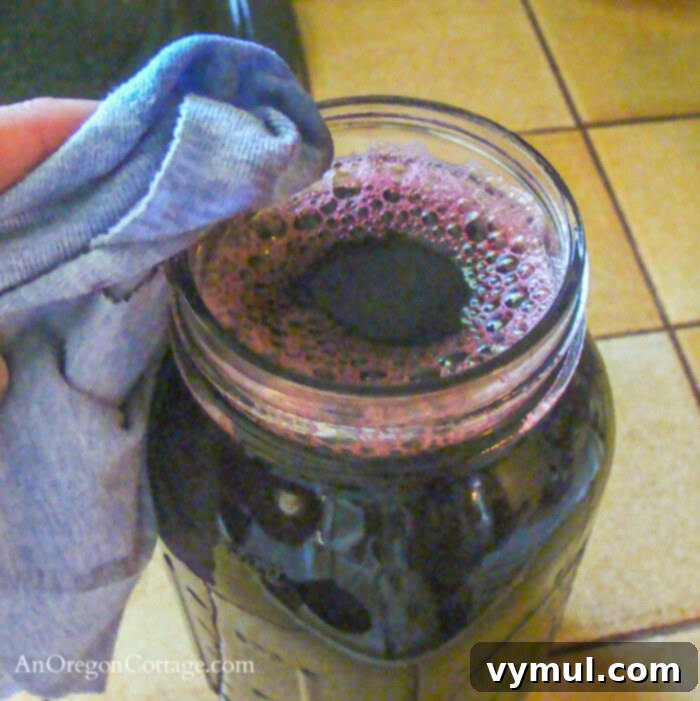
2. Fill Hot Jars: Carefully pour the hot black currant concentrate into one hot, sterilized canning jar at a time (using pint or quart-sized jars, depending on your batch size and typical usage). It is critical to leave a precise 1/4-inch headspace at the top of each jar. This headspace is absolutely crucial for allowing proper sealing to occur and to prevent liquid from boiling out during the processing stage in the canner, which could compromise the seal.
3. Clean the Rims: Using a clean, damp cloth or a paper towel, meticulously wipe the rim of each jar. Any residue, stickiness, or even tiny food particles on the jar rim can prevent the lid from forming a proper, airtight seal, which could lead to spoilage. This step is non-negotiable for safe and successful canning.
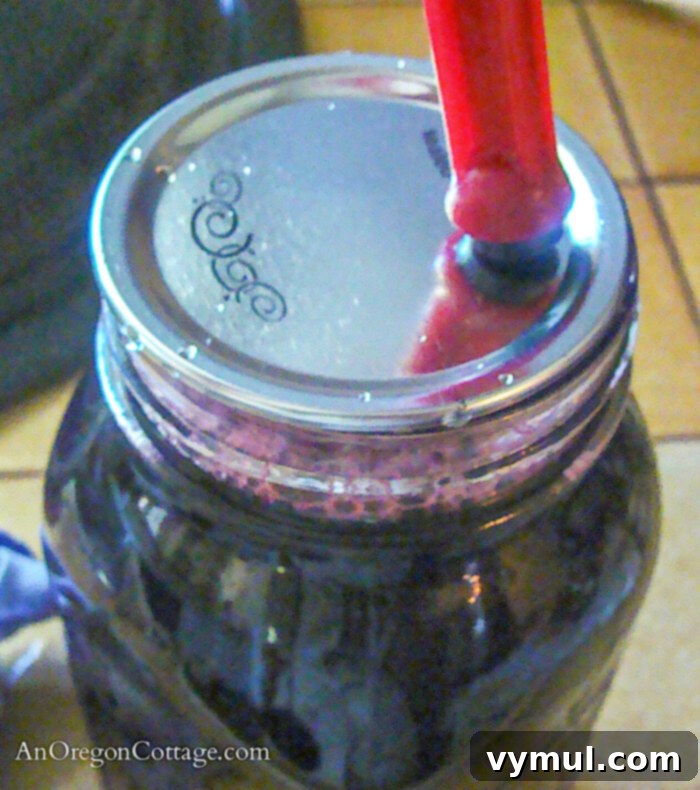
4. Apply Lids and Screw Bands: Place a clean, new canning lid onto the top of each filled jar. Then, attach a screw band, tightening it only until it is “fingertip tight.” This means you tighten it just enough until you feel gentle resistance, but without applying excessive force. Over-tightening can prevent air from escaping during the processing, which is necessary for a vacuum seal, and can lead to seal failures. If you have a magnetic lid wand, often used in canning, it can be helpful for safely placing the lids. Otherwise, use tongs or handle the lids by their sides to maintain sterility.
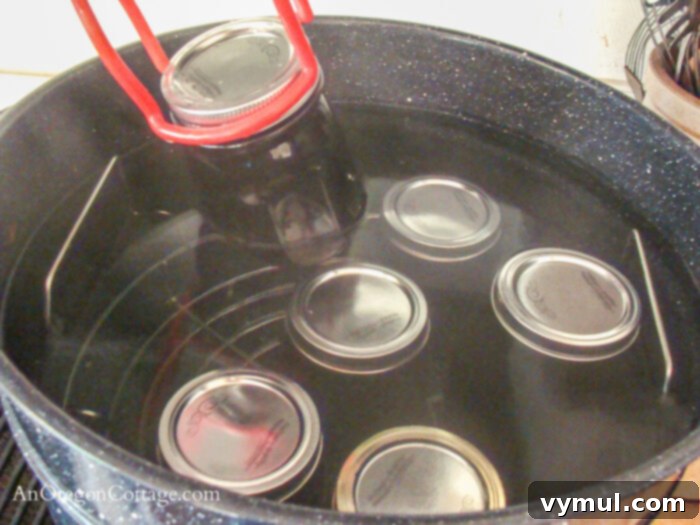
5. Process in a Water Bath Canner: Carefully place each jar into a boiling water canner or a large stockpot that has been equipped with a rack at the bottom. Ensure that the jars are completely submerged under at least 1-2 inches of water. Cover the canner and bring the water to a rolling boil. Once the water is boiling vigorously, start your timer and process the jars for the recommended 15 minutes. Throughout this processing time, adjust the heat as needed to maintain a steady, gentle boil with the pot covered. After the 15 minutes are up, turn off the burner and carefully remove the canner lid, allowing the jars to sit undisturbed in the hot water for an additional 5 minutes. This crucial waiting period helps to equalize the pressure within the jars and reduces the chance of siphoning (liquid loss from the jars), which can lead to seal failures.
PRO TIP for Canning Equipment: I’ve significantly upgraded my canning experience over the years! I no longer use the old enamel canner often pictured in older guides. Instead, I now rely on a flat-bottomed stainless steel canner with a clear glass lid. This modern design makes it significantly easier to monitor the boil without constantly lifting the lid, which is crucial for maintaining consistent temperature, and it’s also compatible with glass-top stoves – a huge advantage for many home canners! You can explore all the essential canning supplies I personally use and recommend here to make your own preserving journey smoother and more efficient.
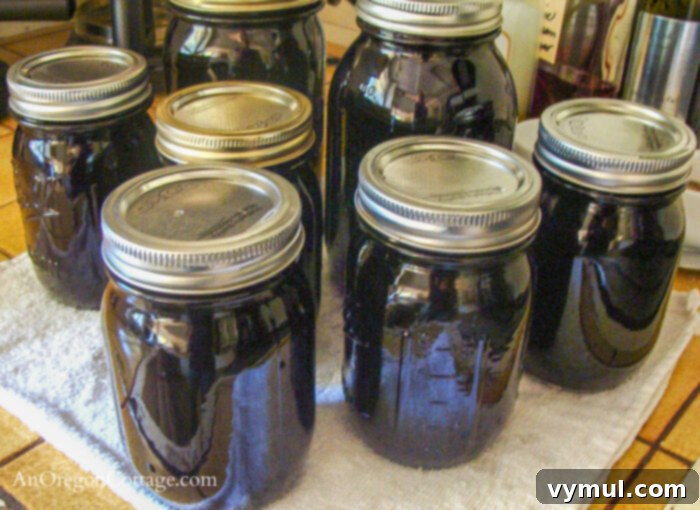
6. Cool and Wait: Carefully remove the hot jars from the canner using a jar lifter, placing them upright on a towel-lined surface (such as a counter or table). Ensure there’s a little space between each jar to allow for proper air circulation as they cool. Let them cool completely and undisturbed, usually overnight, or for a minimum of 12-24 hours. During this cooling period, you will likely hear satisfying “ping” sounds as the lids seal, which indicates successful vacuum creation.
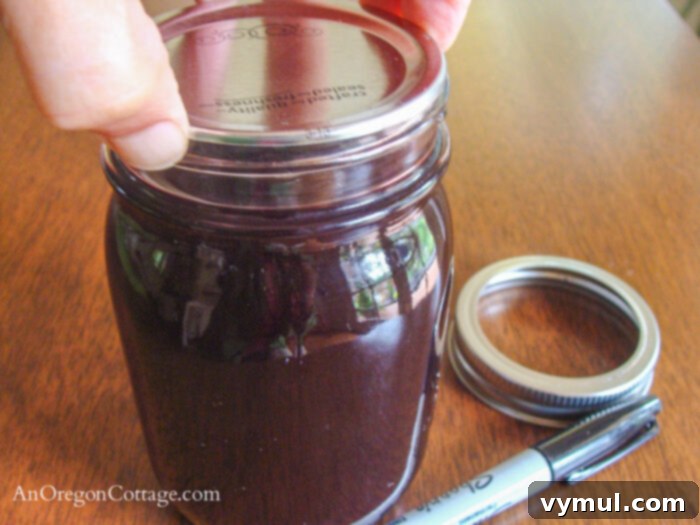
7. Check Seals and Store: Once the jars are completely cool to the touch, remove the screw bands. Before storing, firmly press down on the center of each lid with your fingertips. A properly sealed lid will be concave (curved inwards) and will not flex or pop up when pressed. If a lid yields to gentle pressure and pops off, it means the seal has failed. Any unsealed jars should be immediately stored in the refrigerator and consumed within a few days. While seal failures are rare when instructions are meticulously followed, it’s always important to check for safety. Label each successfully sealed jar with the contents (“Black Currant Juice Concentrate”) and the date before storing them in a cool, dark place for up to 18 months. Enjoy your delicious homemade black currant juice concentrate all year long!
Crafting Black Currant Italian Sodas and Other Refreshing Drinks
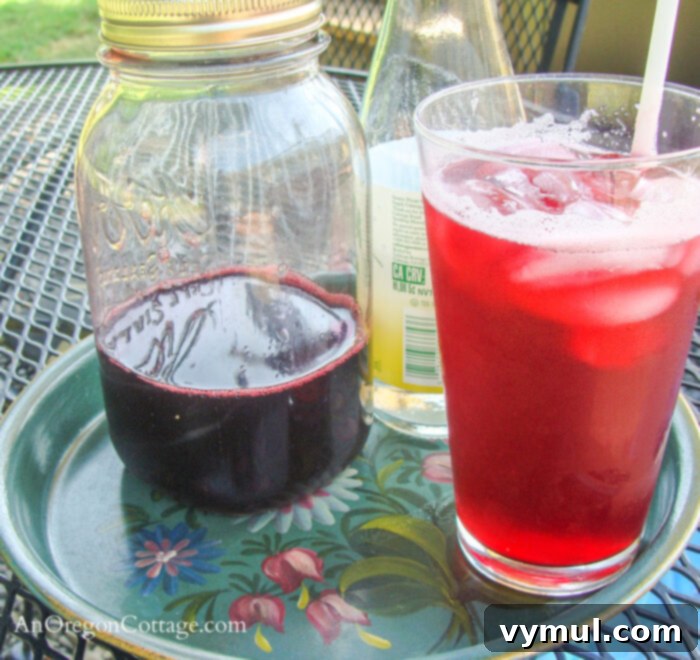
The true beauty of having homemade black currant juice concentrate on hand lies in its incredible versatility. It’s not just for Italian sodas, although they are undeniably a delicious highlight! This concentrate can transform a wide variety of beverages and dishes, adding a burst of natural fruit flavor and a touch of homemade goodness to your everyday.
How to Make a Delicious Black Currant Italian Soda
Creating a refreshing Italian soda with your homemade black currant concentrate is effortlessly simple:
- Fill a tall drinking glass generously with ice cubes.
- Pour in your black currant concentrate, filling the glass approximately halfway. This ratio provides a good starting point for flavor intensity.
- Top off the glass generously with sparkling water. Options include plain club soda, seltzer water, or even a subtly flavored sparkling water that complements the currant. Stir thoroughly to ensure the concentrate and water are well combined.
- This ratio typically creates a lightly sweet and wonderfully refreshing soda. Taste the drink and adjust to your personal preference – add more concentrate for a richer, sweeter flavor, or more sparkling water for a lighter, milder drink. For an extra touch of elegance and fresh flavor, garnish your Italian soda with fresh mint leaves or a thin slice of lemon.
More Wonderful Ways to Use Your Black Currant Juice Concentrate:
- Simple Refreshing Juice: For an everyday wholesome beverage, simply dilute the concentrate with plain cold water. This creates a less sweet, more natural fruit juice compared to many store-bought options like Ribena, allowing the authentic, vibrant black currant flavor to truly shine through. It’s a healthy and delicious alternative for daily hydration.
- Soothing Sore Throat Remedy: During cold and flu season, or whenever you feel a tickle in your throat, mix the concentrate with hot water and a generous spoonful of honey. Black currants are renowned for their incredibly high Vitamin C content and potent antioxidants, making this warm drink a comforting and beneficial remedy to help soothe sore throats and persistent coughs, offering both relief and immune support.
- Gourmet Syrup for Desserts: While the concentrate is already delightful, for a thicker, richer, and more luxurious syrup to drizzle over ice cream, pancakes, waffles, crêpes, or even plain yogurt, you might want to add a bit more sugar and gently simmer the concentrate down on the stovetop until it reaches your desired, thicker consistency. This transforms it into an exquisite topping that elevates any sweet treat to a gourmet level.
- Fruity Milkshakes and Smoothies: Get creative in the kitchen by blending the black currant concentrate with milk and ice cream for a unique and intensely flavorful milkshake. Its tartness provides an excellent counterpoint to the sweetness of ice cream. It also makes an exceptional addition to fruit smoothies, adding a tangy depth, vibrant color, and an extra boost of nutrients.
- Creative Cocktails and Mocktails: This versatile concentrate is an exceptional base for both alcoholic and non-alcoholic beverages. For adults, mix it with a clear spirit like vodka or gin for a sophisticated and refreshing cocktail. It pairs particularly well with a splash of fresh lemon or lime juice, which enhances its bright, fruity notes. For delightful mocktails, combine the concentrate with tonic water, ginger ale, or other complementary fruit juices for a refreshing, non-alcoholic option that everyone can enjoy.
Frequently Asked Questions About Black Currant Juice
Absolutely! Black currants are a nutritional powerhouse, packed with an impressive array of vitamins and minerals. They boast one of the highest antioxidant values among all fruits, particularly high levels of Vitamin C and anthocyanins. These powerful compounds are known to significantly boost the immune system, combat oxidative stress, and support overall cellular health. Furthermore, black currants are a rich source of gamma-linolenic acid (GLA), an omega-6 fatty acid that can help reduce inflammation throughout the body. Incorporating black currants into your diet, whether fresh or as juice concentrate, is an excellent way to enhance your well-being. (Source)
If you harvest fresh black currants and aren’t quite ready to process them immediately into juice or preserves, you can effectively store them unwashed in the refrigerator. When placed loosely in a breathable container or paper bag, fresh, unwashed black currants typically remain fresh for up to five days. It’s always best to wash them thoroughly just before you intend to use them, as washing too early can accelerate spoilage.
Yes, freezing black currants is an excellent and highly recommended way to preserve their freshness, flavor, and nutrients for extended periods! The process is quite straightforward: First, gently remove any remaining stems from the currants. Then, rinse the berries under cool running water and spread them out on a clean towel to dry completely. Once thoroughly dry, arrange them in a single layer on a baking sheet and freeze until they are completely solid. This step prevents them from clumping together. Once frozen solid, transfer the individual berries to labeled freezer-safe bags or containers. Frozen black currants can last effectively for 6 months to a year, maintaining much of their original flavor and nutritional value, making them available for juice-making year-round.
Absolutely, using frozen black currants is a perfectly viable and, in many cases, even preferable option for making juice concentrate! In fact, the freezing process helps to break down the cellular walls of the fruit, which can actually lead to more efficient juice extraction during the cooking and straining steps. This method is particularly useful if you harvest your currants over several days or weeks and wish to accumulate a larger quantity before tackling a big batch of juice. Simply use the frozen currants directly in the recipe as you would fresh ones – there’s no need to thaw them first.
While all types of currants belong to the *Ribes* genus, black, red, and white currants possess distinct flavor profiles and culinary uses. Black currants, like those featured in this recipe, are generally the largest and most intensely flavored, characterized by their deep, tart, earthy notes and remarkably high Vitamin C content. They are ideally suited for cooking, rich jams, and robust juices. Red currants are smaller, brighter red, and offer a much sharper, more acidic tartness, making them excellent for jellies, vibrant sauces, or as a decorative garnish. White currants are the sweetest and mildest of the trio, essentially an albino variety of red currants, and are most often enjoyed fresh or incorporated into delicate desserts where their subtle sweetness can be appreciated.
Yes, you can certainly adjust the amount of sugar in this recipe to suit your personal taste preferences, especially if you are freezing the concentrate. If you are *canning* the juice, the sugar primarily contributes to the concentrate’s flavor and texture, not its preservation safety (the lemon juice ensures sufficient acidity for safe water bath canning). For a less sweet concentrate, you can safely reduce the sugar by up to half. However, please keep in mind that black currants are naturally quite tart, so a certain amount of sugar is generally desired to balance the flavor, particularly if you plan to drink it diluted or in Italian sodas. Always taste the juice mixture before canning or freezing and adjust the sweetness to your liking.

Print Recipe
Pin Recipe
SaveSaved!
Black Currant Juice to Can or Freeze (For Italian Soda & More)
Equipment
-
1 large stock pot
-
1 boiling water canner, optional for shelf-stable storage
-
1 jelly bag or large old cotton pillowcase for straining
-
1 sturdy stand or improvised setup for straining bag
-
Potato masher
Ingredients
- 4 cups black currants, stemmed and thoroughly washed
- 4 cups water
- 1 cup granulated sugar
- 1/4 cup fresh or bottled lemon juice
Instructions
Make Black Currant Juice Pulp:
-
In a large stockpot, combine the stemmed and washed black currants with an equal amount of water. Bring the mixture to a boil over medium-high heat, carefully monitoring to prevent boiling over. Once boiling, reduce the heat to a gentle simmer, cover, and cook for 15-20 minutes until the fruit is very soft. Occasionally crush the currants with a potato masher during simmering to extract maximum flavor.
-
Carefully pour the hot currant pulp into a prepared jelly bag (or clean cotton pillowcase) positioned over a large bowl or pot to catch the juice. Allow the juice to drip naturally for 30 minutes to an hour, or until the dripping significantly slows. For this concentrate, a perfectly clear juice isn’t essential. Towards the end, carefully twist and squeeze the bag (being mindful of the heat) to extract as much remaining juice as possible. Measure the collected juice and discard the spent pulp.
-
Return the extracted juice to the clean stockpot. Stir in the granulated sugar and lemon juice. Bring the mixture to a gentle boil over medium-high heat, stirring until the sugar is fully dissolved. Do not allow it to boil vigorously.
To Preserve by Freezing:
-
If freezing, allow the prepared juice concentrate to cool completely in the pot. Once cool, transfer to freezer-safe containers, leaving a little headspace for expansion. For convenience, you can also freeze portions in ice cube trays and then transfer the frozen cubes to freezer bags. Label and freeze for up to 1-2 years.
To Preserve by Canning (Water Bath Method):
-
While the juice is straining, prepare your canning jars (one quart size or two pint sizes for each 4-cup recipe batch) and gather all necessary canning equipment. Sterilize your jars and keep them hot. You can find comprehensive general boiling water canning steps here.
-
Once the sweetened juice mixture has reached a gentle boil, immediately ladle it into the hot, prepared jars, leaving exactly 1/4-inch headspace.
-
Wipe the jar rims meticulously clean with a damp cloth, center lids on jars, and attach screw bands until fingertip-tight. Carefully place jars into your boiling water canner.
-
Cover the canner, bring to a rolling boil, and process for 15 minutes. After processing, turn off the heat, remove the canner lid, and let the jars sit in the canner for 5 minutes before carefully removing them.
-
Place the hot jars on a towel-lined counter, spaced apart, to cool completely and undisturbed for 12-24 hours. Once cool, check all seals before labeling and storing in a cool, dark place for up to 18 months.
To Make Italian Sodas from Concentrate:
-
To a drinking glass filled with ice, combine approximately one part black currant concentrate with one part sparkling water.
-
Stir the mixture very well. Taste and adjust the ratio by adding more concentrate for extra sweetness and flavor, or more sparkling water for a lighter, milder drink.
-
A single quart of concentrate typically yields 4-6 delicious Italian sodas, depending on the size of your glasses and your preferred strength.
Notes
Nutrition

This recipe has been thoughtfully updated to provide even more detail and clarity, originally published in August of 2012. We hope these enhancements make your black currant juice-making experience even more enjoyable and successful!
Disclosure: This article contains affiliate links. Should you click on these links and make a purchase, I may earn a small commission at no extra cost to you. For full details, please refer to our disclosure policy and advertising disclaimer.