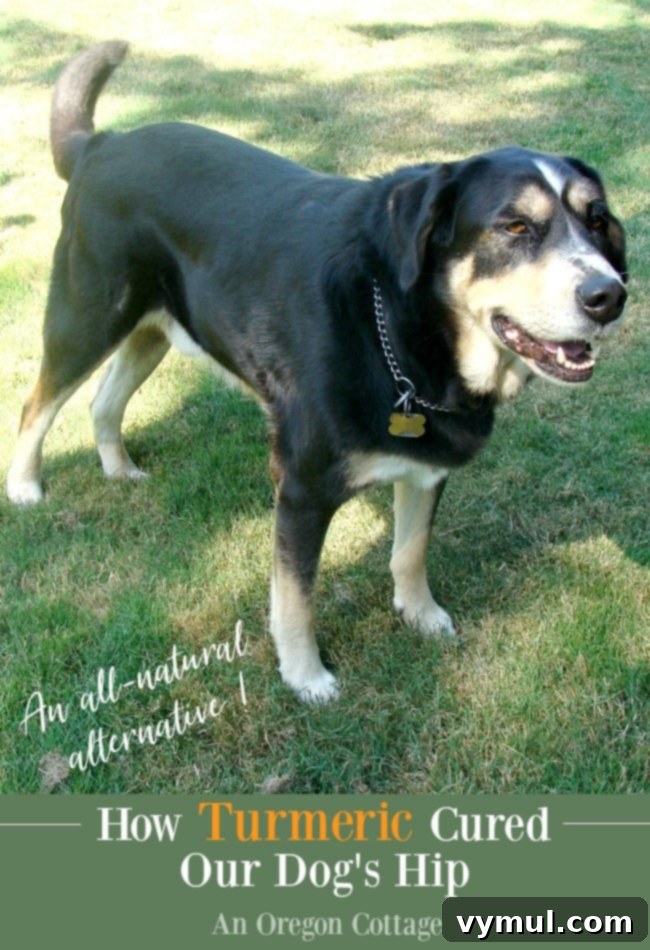
Turmeric for Dogs: How This Ancient Spice Transformed Our Dog’s Hip Health & Reduced Inflammation Naturally
How turmeric helped our dog’s hip problems and enabled him to walk normally again by significantly reducing inflammation. It’s truly been a natural, miraculous alternative for enhancing his quality of life!
Be sure to read all the way through to discover updated information and watch our video showcasing Samson’s remarkable progress at the end!
We are beyond excited to share a truly transformative natural remedy for dogs – specifically, how turmeric played a pivotal role in alleviating our beloved dog’s chronic hip issues. This isn’t just another supplement; for us, it has been nothing short of a modern-day miracle, leveraging the profound healing power of an ancient spice!
You might be surprised to learn about the extensive medical benefits of turmeric, the vibrant spice that lends curry powder its distinctive golden hue. Before our experience, we certainly didn’t fully grasp its capabilities. Through diligent research, we discovered that turmeric has been traditionally recognized for its ability to reduce inflammation for centuries. What’s more, current medical studies are actively validating this time-honored use of turmeric, reinforcing its efficacy. After witnessing its profound impact on our own dog, we’ve become unwavering advocates for the benefits of turmeric and are eager to share our story with every pet owner seeking natural solutions.
The primary active component in turmeric responsible for its remarkable healing properties is curcumin. This powerful compound is currently being studied for a wide range of potential health benefits, including:
- Anti-inflammatory properties: Curcumin is renowned for its potent anti-inflammatory effects. This is particularly crucial for conditions like osteoarthritis in dogs, where chronic inflammation leads to pain, stiffness, and reduced mobility. Studies have demonstrated that curcumin can significantly help relieve symptoms associated with this debilitating condition, leading to noticeable reductions in pain and disability, thereby improving a dog’s overall comfort and quality of life.
- Ability to lower the levels of bad cholesterol: Beyond joint health, curcumin contributes to cardiovascular well-being. It helps prevent the buildup of plaque in the arteries, which can lead to various circulatory issues. By potentially lowering “bad” cholesterol levels, it aids in preventing blood clots from forming, thereby promoting a healthier cardiovascular system for your canine companion.
- Cancer treatment potential: Early research studies indicate promising potential for turmeric, particularly its curcumin content, as an effective adjunctive treatment for battling certain forms of cancer. While more research is needed, its anti-proliferative and antioxidant properties are being explored for their ability to inhibit cancer cell growth and support the body’s natural defenses against disease.
- Digestive help: Turmeric can be an incredibly effective and gentle treatment for various canine stomach conditions. It can soothe discomfort, alleviate bloating, stimulate appetite, reduce nausea, and mitigate gas. Its anti-inflammatory action also extends to the gut, promoting a healthier digestive tract and improving nutrient absorption, which is vital for overall pet health.
- Powerful antioxidant levels: Curcumin boasts exceptionally powerful antioxidant properties. Antioxidants are essential for neutralizing harmful free radicals in the body, which are unstable molecules that can cause cellular damage and contribute to aging and chronic diseases. The removal of these free radicals by curcumin aids in preventing cellular damage and is an effective way to protect the body from a myriad of chronic conditions, supporting long-term health and vitality.
Given that some scientific studies have been conducted on dogs suffering from osteoarthritis, turmeric has gained significant recognition as a recommended herbal remedy for canine hip problems, as well as an aid in cancer and pain management treatments. For further reading, here’s an informative article from Petsafety about using turmeric, as well as this article showcasing compelling owner’s results from incorporating turmeric into their dogs’ diets.
How Turmeric Healed Our Dog Video
Samson’s Journey: How Turmeric Transformed Our Dog’s Hip Health
Some links in this article are affiliate links, and if you click on them, I will receive a small commission at no additional cost to you. We only recommend products we genuinely believe in and use ourselves.
We’ve shared stories about our wonderful dog, Samson, before. His journey with us began when he was found wandering in a remote neighborhood in central Oregon, abandoned and alone. My dad and stepmomma discovered him and, with their compassionate hearts, took him in. My brother then made the long trip over the mountains to bring Samson to our home on Thanksgiving weekend of 2006. He quickly became an integral part of our family.
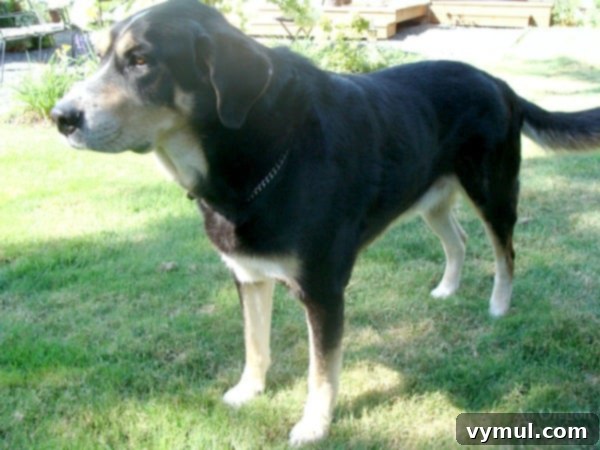
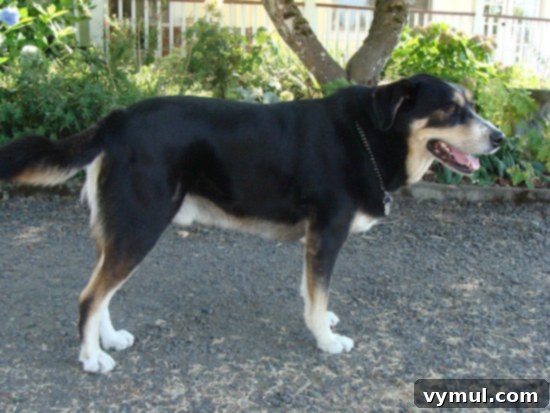
Based on his appearance and our research, we believe Samson is a beautiful mix of a Swiss Mountain Dog and a Labrador, weighing a sturdy 80 pounds. He embodies the adventurous spirit of his mountain dog heritage; his favorite pastimes include wading fearlessly into freezing cold rivers and scrambling up steep, rocky terrain with his powerful paws. Yet, beneath that rugged exterior lies the sweetest, most loyal companion you could ever hope for, possessing the kind and affectionate disposition characteristic of mountain breeds.
The Onset of Hip Problems in Our Active Dog
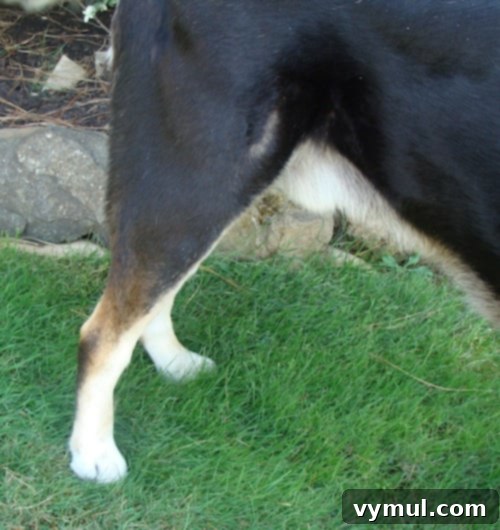
Beyond his adventurous spirit and charming personality, Samson has always presented unique physical challenges. As we’ve mentioned about his earlier escapades, he consistently favored his right back leg. From the very beginning, people would comment on his noticeably crooked gait – some even mistook it for a constant limp. Photographs from his younger days invariably show him sitting predominantly on his left hip, clearly putting less weight on his right. This chronic favoritism also manifested as compulsive chewing on that particular leg, leaving a permanent, tell-tale mark on his fur.
When we first rescued him, we immediately took him to a veterinarian. She assessed him as being in generally great shape, though a little underweight (understandably, given his previous circumstances!). She estimated his age to be around a year old. It remains a mystery whether something traumatic occurred during that first year of his life to injure his hip and leg, or if this issue was congenital. Regardless, it was a persistent concern.
Approximately two years before we discovered turmeric, Samson began experiencing more significant trouble. He would struggle to lift his right hip after prolonged periods of sitting or lying down. Initially, we thought his leg had simply “gone to sleep” – he would usually stretch thoroughly and, within a few minutes, return to his normal, energetic self. It’s important to note that “normal” for Samson often involved bursting into a bullet-like sprint after squirrels or joyfully racing to greet his absolute favorite person in the world, Brian.
However, by December of 2011, the issues with his leg and hip became much more pronounced and alarming. He started holding his leg up for extended periods, avoiding putting any weight on it. What perplexed us was his complete lack of yelping or any overt signs of pain. Moments later, he would still venture outside and run with his usual frantic energy, leaving us utterly confused and worried about his long-term mobility.
Exploring Solutions for Canine Hip Pain
Facing Samson’s worsening condition, we began exploring remedies. Friends who also owned dogs experiencing similar issues recommended glucosamine. We diligently administered this supplement for about three months, finishing an entire bottle. Unfortunately, to our profound disappointment, there was absolutely no discernible difference in Samson’s gait or comfort levels. This lack of improvement left us feeling disheartened and searching for other options.
Around this time, my sister, who is a physical therapist with a specialized interest in canine rehabilitation, offered to examine Samson. During her assessment, she detected clear signs of inflammation in his hip. Her professional recommendation was twofold: incorporate turmeric into his diet and transition him to a gluten-free diet. We had already switched Samson to a higher-quality dog food years prior, which, fortunately, contained minimal gluten. Despite the higher cost, we decided to commit to a month-long trial of an entirely gluten-free dog food, hoping for a breakthrough. Gulp. Regrettably, amidst the excitement and effort of changing his food, we completely overlooked her equally important recommendation regarding turmeric.
After a full month on the new, expensive gluten-free food, we were once again disappointed to see absolutely no change in Samson’s condition. It was then, with a flash of insight (and a slight “sheesh!” moment for forgetting), that I remembered the turmeric. We immediately began incorporating it into his daily routine. We started him on a modest 1/4 teaspoon, mixed directly into his morning meal. We also made it a habit to add water to his dry food – a recommendation we received to help slow down his eating (he tended to gulp his food down) and ensure he got extra hydration. Samson, thankfully, took to this new mixture of food, water, and turmeric with no fuss or resistance whatsoever.
Immediate and Dramatic Results
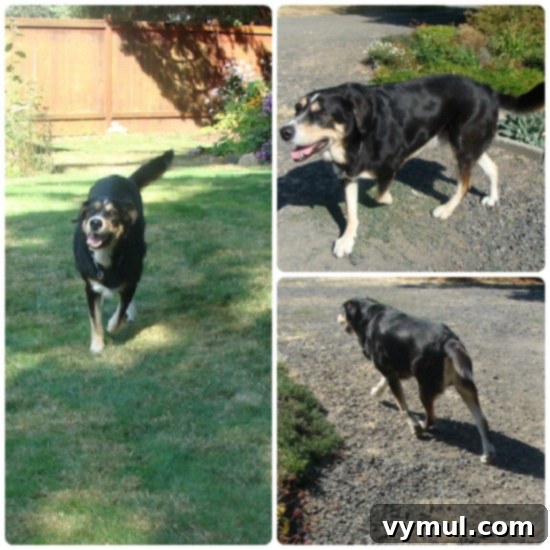
What happened next might sound like an exaggeration, but it’s the absolute truth: literally within a few days of starting the turmeric, Samson was no longer holding his leg up! The change was astonishingly rapid and visible, bringing immense relief to our worried family.
And within just a few weeks, we could detect virtually no problems in his walking gait. While we never observed issues when he ran (he’s a power runner!), his casual strolls were now smooth and unhindered. Turmeric was the only new element introduced that directly correlated with such a swift and profound improvement. It quickly became an indispensable and regular part of his daily diet, a testament to its efficacy in managing his canine hip problems.
A Setback: Understanding Turmeric’s Limitations for Acute Injuries
However, we soon learned that while turmeric is a powerful anti-inflammatory and a vital tool for managing chronic conditions, it isn’t a complete miracle-worker for acute trauma. My sister, recognizing Samson’s age (at least seven years old at the time), his pre-existing weak hip, and his substantial size (around 80 pounds), had strongly suggested that we only walk him on a leash from that point forward. Although our property afforded him the run of a full acre, Brian, unable to resist Samson’s desire for uninhibited movement, found it difficult to constantly restrain him on a leash during longer walks. He eventually allowed Samson to run freely.
And, as fate would have it, Samson, with his characteristic enthusiasm, chased a squirrel like a “nut” directly into a ditch. He emerged from the ditch limping severely, this time much worse than before. His foot wouldn’t even touch the ground for any reason. After a few days of intensely upping his turmeric dosage to morning and night meals, and seeing no immediate improvement in this acute injury, we took him to the vet. The veterinarian examined him and concluded it was likely a knee injury, rather than his hip. We were presented with the option of paying close to $500 for an x-ray that might tell us something definitive, followed by potentially spending thousands for a surgery that might fix it.
Considering his long-standing hip issues, and the fact that nothing appeared to be broken, we doubted that surgery would truly resolve the underlying problem. Instead, we opted for a course of doggie pain reliever (a vet prescription) for a few weeks, which helped him regain the ability to put his foot down again. My sister re-examined him, but this time, he was more sensitive and didn’t want anyone manipulating his injured leg. After a few weeks on the prescribed medicine, we gradually weaned him off and re-established his turmeric regimen. He was walking almost normally again, but a pronounced limp still persisted during his walks. We found ourselves wondering if he would ever truly enjoy his beloved walks again.
Turmeric Helps Again: Restoring Mobility and Joy
Despite the initial setback, the consistent turmeric regimen *was* indeed helping again, gradually reducing the inflammation from his knee injury and supporting his overall joint health. By the beginning of that summer, Samson seemed almost back to his old self. Cautiously, I started taking him on walks again, strictly on a leash, and initially limiting the distance to only a quarter of his usual route. This disciplined approach was crucial for his recovery.
As the summer progressed and we maintained his turmeric supplementation, I was able to gradually increase the length of his walks. To our immense joy and relief, he eventually resumed walking our entire route – and even running a portion with me – with ABSOLUTELY NO LIMPING, either during or after the exercise. His gait became completely normal once more!
While time and the prescribed doggie medicine certainly played a role in healing the acute injury from the fall, we firmly believe that it is the continuous daily intake of turmeric that consistently keeps his chronic inflammation down for the long-haul. This sustained anti-inflammatory action is what truly allows him to continue doing all the things he loves, from chasing imaginary squirrels to enjoying long walks with his family.
He still favors that leg slightly, as he always has, and might exhibit a tiny bit of stiffness after getting up from a long rest, but he is fully capable of walking and running with the same vigor and joy he displayed before his injury. So, he remains one happy, wonderfully nutty dog. And, consequently, so are we.
Well – happy, that is. Not nutty or a dog – just wanted to be clear on that!
UPDATE #1 on how turmeric helped our dog’s hip: Choosing the Right Turmeric Powder
Since we first shared Samson’s story, we’ve received numerous questions about the specific type of turmeric we’ve given him. Over the years, we’ve tried various brands, but our consistent preference has been to stick to organic options. Organic turmeric ensures that you’re providing your pet with a product free from pesticides and harmful chemicals, which is especially important for long-term supplementation. The brand we are currently using and highly recommend is Anthony’s Organic Turmeric Powder. It offers a great price per pound, making it an economical choice for consistent use, and is conveniently available through Amazon. This is another similarly priced organic option that looks promising, although we haven’t personally tried it yet. When choosing turmeric for your dog, always look for high-quality, pure ground turmeric without added fillers.
UPDATE #2: Long-Term Success and Community Feedback
We are delighted to report that Samson continues to thrive! We consistently give him 1/4 teaspoon of turmeric mixed into his food both morning and night. Thanks to this routine, he experiences no major hip issues, apart from a slight, age-appropriate stiffness when he first gets up after sleeping, which is a common and manageable aspect of aging in large breeds. To demonstrate his continued vitality, we created a video update in 2014 (two years after the original article was published). In this video, we explain more about his progress, and you can clearly see him running with the same incredible energy and enthusiasm he’s always had:
We’ve been incredibly touched by the outpouring of comments from people who have tried turmeric for their own dogs with similarly positive results. It’s truly inspiring to see this natural remedy making a difference in so many pets’ lives. We encourage you to read through their experiences here and on YouTube. Sharing these stories helps reinforce the potential of turmeric as a powerful tool in holistic pet care.
If you decide to try turmeric for your dog, please don’t hesitate to let us know how it works for you too! Your feedback is invaluable to our community.
Disclosure: Affiliate links in this article will earn commission based on sales, but it does not change your price. Click here to read my full disclaimer and advertising disclosure.