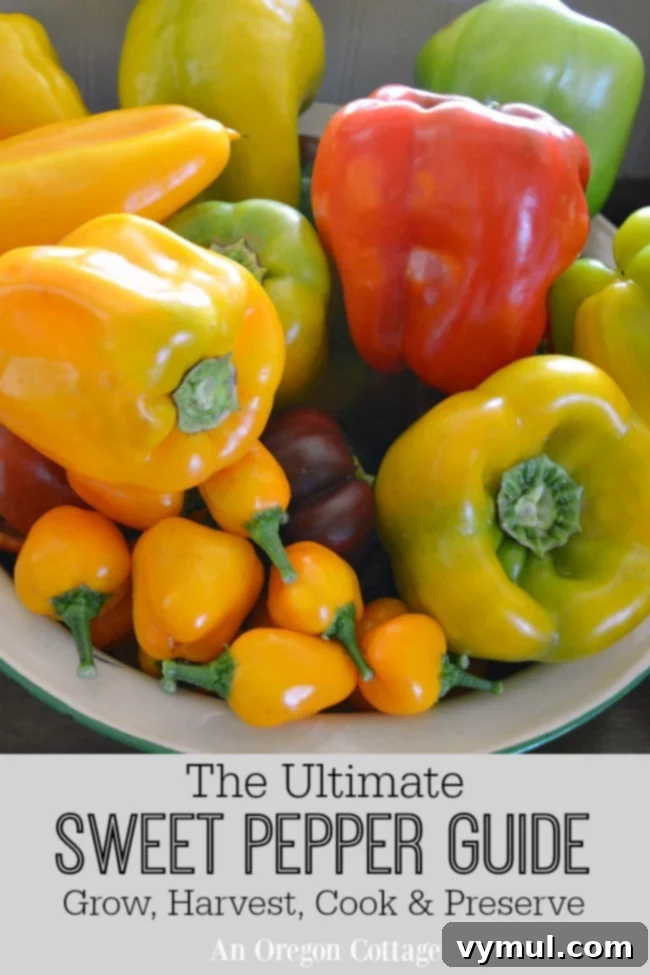
The Ultimate Sweet Pepper Guide: Grow, Harvest, Preserve, and Savor Every Delicious Variety
Welcome to your ultimate resource for everything sweet peppers! This comprehensive guide offers essential tips for cultivating, harvesting, preserving, and cooking with this incredibly versatile and nutritious vegetable. Whether you’re a seasoned gardener, a culinary enthusiast, or just starting your journey with fresh produce, you’ll find a wealth of information to help you maximize your sweet pepper experience. Discover the best varieties to grow, learn expert techniques for encouraging vibrant colors and full flavors, and explore a treasure trove of recipes designed to both preserve your bumper crop and inspire your daily meals.
This sweet pepper guide is part of an ongoing series of Ultimate Guides, where we delve deep into specific fruits and vegetables, providing extensive growing information and delicious recipes for enjoying them fresh or preserved. Explore more fruit and vegetable guides here. Please note that some links in this article are affiliate links; if you make a purchase through them, I may receive a small commission at no extra cost to you.
While many people think of “sweet peppers” and immediately picture the classic bell pepper, our options have expanded far beyond this traditional staple. That’s why I chose to title this a “sweet pepper guide” rather than just a “bell pepper guide.” Today, the world of sweet peppers is wonderfully diverse, offering varieties such as the popular tri-colored mini peppers, elongated mild varieties like pimento and Italian frying peppers (also known as “sweet Italian peppers”), and even charming little cherry peppers. All these vibrant and flavorful options are classified as sweet peppers, distinct from their fiery hot pepper cousins.
Not so long ago, if you wanted to try these newer, more unique sweet pepper varieties, you almost always had to start them from seed. However, with their growing popularity, it’s now much easier to find them readily available at local farmer’s markets and often even in mainstream grocery stores. This increased accessibility means that everyone, regardless of whether they have a garden, can experience the incredible variety and delightful flavors that sweet peppers have to offer.
Understanding Sweet Peppers: The Truth About Green Peppers
Are Green Bell Peppers Unripe Peppers?
Any discussion about sweet peppers truly begins with a fundamental, yet often misunderstood, fact:
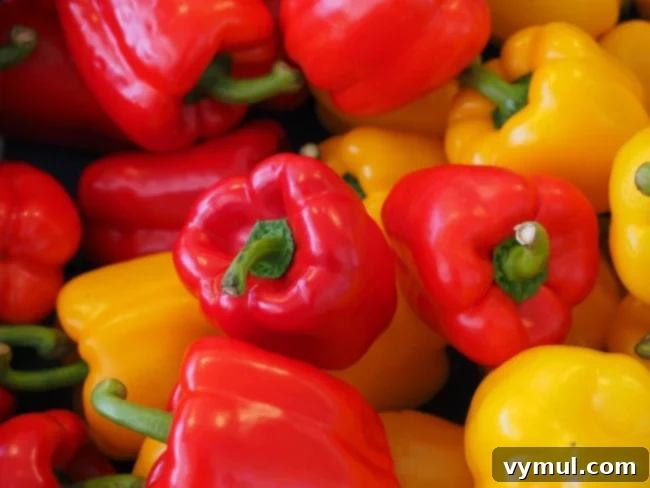
Yes, green bell peppers are simply unripe peppers!
To truly grasp this, imagine a scenario where you’ve only ever tasted green tomatoes, never experiencing the luscious, full-bodied sweetness of a fully ripened red tomato. That’s precisely what happens when you exclusively consume green peppers. You’re missing out on their complete flavor profile, which deepens significantly as they mature. Furthermore, fully ripened (colored) peppers – whether red, yellow, orange, or even purple – boast enhanced health benefits, including higher levels of Vitamin C and beta-carotene, crucial antioxidants for your well-being. This nutritional boost is an excellent reason to let your peppers mature on the vine.
Growing up, I often wondered why green bell peppers were called “sweet” because, like many unripe fruits and vegetables, they tend to have a noticeably bitter taste. My childhood experience was limited almost entirely to green peppers, as I rarely encountered red, yellow, or orange varieties. It wasn’t until I started gardening that I witnessed firsthand the magical transformation of these large green peppers into their vibrant final colors. Seeing them turn red, yellow, orange, and even unique shades like purple and brown (depending on the specific variety I cultivated) was an eye-opening experience. It made me realize that commercial growers often harvest peppers prematurely, simply to get them to market faster, foregoing the full development of their intrinsic sweetness and nutritional value.
I’ve heard that some bell pepper plants are now specifically bred to remain green, a concept I find quite puzzling. Why would anyone intentionally cultivate a pepper that never reaches its peak sweetness and flavor? While there’s nothing wrong with harvesting some green peppers if you prefer their crunch and slight bitterness for certain dishes, I strongly encourage you to allow at least a portion of your crop to ripen fully. This way, you can truly experience the rich, sweet flavor that these magnificent vegetables were meant to deliver.
Below, you’ll discover comprehensive instructions on how to grow sweet peppers, including invaluable tips to ensure your peppers fully ripen, even if you garden in a cooler, more northern climate. Additionally, you’ll find links to effective methods for preserving peppers when they are abundant in season, alongside a plethora of inspiring recipe ideas for utilizing this incredibly versatile and delicious vegetable.
Ultimate Sweet Pepper Guide: Plant & Grow for Abundant Harvests
Sweet peppers thrive in warm conditions, making successful cultivation dependent on providing them with an optimal environment from seed to harvest. Understanding the different varieties and how to cater to their needs is key to a bountiful yield.
Types and Varieties of Sweet Peppers to Cultivate
When selecting sweet pepper varieties, you’ll find an exciting array beyond the standard green bell. Many sources might mistakenly claim that yellow peppers are merely unripe red peppers; however, in my two decades of growing experience, this has never been the case. Generally, if you plant a red pepper seed or transplant, it will ripen from green to red. Similarly, yellow varieties progress from green to yellow, and so on. While some unusual varieties might exhibit multiple color changes (e.g., green to white to red), most will reliably produce the color you purchased.
Consider the “days to maturity” (DTM) listed on seed packets or plant tags, as this indicates the average time from transplanting to a mature, colored fruit. For gardeners in shorter growing seasons, prioritizing varieties with shorter DTMs (e.g., 60-75 days) can significantly improve your chances of a fully ripened harvest.
Here are some beloved sweet pepper varieties I’ve successfully grown and cherished in my Zone 8 PNW garden:
- Red Bell Pepper: For classic flavor and crisp texture, try ‘Big Red Pepper’ (75 days) or the earlier ‘New Ace Red Pepper’ (F1 Hybrid, 62 days).
- Yellow/Gold Bell Pepper: ‘Flavor Burst Pepper’ (Hybrid, 75 days) offers a rich, sweet taste, while ‘Sweet Sunrise’ (Organic, 80 days) provides another excellent golden option.
- Orange Cherry/Mini Pepper: ‘Eros’ (Organic, 75 days) produces delightful bite-sized orange peppers perfect for snacking or stuffing.
- Tri-Color Mini Bells: The ‘Mini Belle Blend’ (60 days) is a fantastic choice for an early, colorful, and diverse harvest of small, sweet peppers.
- Red Cherry Pepper: Classic ‘Red Cherry Pepper’ (75 days) offers a sweet, slightly tangy flavor in a compact form.
- Purple Bell Pepper: ‘Lilac’ (70 days) provides a unique visual appeal and delicious sweetness.
- Chocolate Bell Pepper: ‘Chocolate Beauty’ (74 days) is a true gem, ripening to a deep chocolate-brown with an exceptionally sweet flavor.
- Pimento Peppers: ‘Pimento Pepper’ (75 days) is known for its thick flesh and mild, sweet taste, ideal for roasting or making pimento cheese.
- **Additional considerations:** Explore long, slender frying peppers like ‘Jimmy Nardello’ or ‘Corno di Toro’ for exceptional sweetness when sautéed.
How to Grow Sweet Peppers for Optimal Flavor and Yield
Successfully growing sweet peppers requires attention to detail, especially regarding warmth and consistent care. Here’s how to ensure a thriving crop:
Growing Peppers From Seed: A Head Start
Starting sweet pepper seeds indoors is highly recommended, especially in cooler climates, as peppers require a long growing season.
- Timing is Key: Begin your seeds indoors a good 8-10 weeks before your region’s last expected frost date. Aim to transplant outdoors when daytime temperatures consistently exceed 60°F (15°C) and nighttime temperatures remain above 45°F (7°C). Peppers are extremely sensitive to cold.
- Germination: Pepper seeds can be notoriously slow to germinate, sometimes taking up to two weeks, or even longer for some varieties. Using a heated seedling mat is incredibly beneficial; it speeds up germination significantly, often by 5-7 days, by providing the consistent warm soil temperatures peppers crave (ideally 80-85°F or 27-29°C).
- Seed Starting Mix & Light: Use a high-quality, sterile seed starting mix. Sow seeds about 1/4 inch deep. Once sprouted, provide at least 12-16 hours of bright light daily. A dedicated grow light is usually necessary to prevent leggy seedlings.
- Watering & Feeding: Keep the soil consistently moist but not waterlogged. Feed your seedlings with a diluted liquid organic fertilizer, such as fish emulsion, two to three times during the seedling stage, typically every 2-3 weeks.
- Potting Up: When seedlings reach about 4-6 inches tall and have developed a few sets of true leaves, transplant them into larger 4-inch containers. This gives their root systems more space to grow before moving outdoors. (Get more information on starting plants from seeds here).
- Hardening Off: About a week to 10 days before you plan to plant them outside, begin the hardening-off process. Gradually expose your seedlings to outdoor conditions (sun, wind, cooler temperatures) for increasing durations each day. This toughens them up and prevents transplant shock.
Buying Pepper Transplants: Choosing Healthy Starts
If starting from seed isn’t feasible, opt to purchase healthy transplants from a reputable garden center.
- Selection Criteria: Choose the largest, healthiest plants you can find that are stocky and green, without any yellowing leaves or signs of pest damage. Ideally, look for plants that haven’t yet started flowering or fruiting, as this indicates they will put more energy into root development after transplanting.
- Time is Precious: Remember, you need all the growing time possible to achieve fully ripened peppers, so a robust start is invaluable.
Planting Your Transplants in the Garden or Containers
Once the danger of frost has passed and the soil has warmed sufficiently, it’s time to get your pepper plants into their permanent homes:
- Location, Location, Location: Select the sunniest spot you have available. Peppers are sun-lovers and produce best with a minimum of 8 hours of direct sunlight per day. Optimal temperatures for growth range between 60-85°F (15-29°C).
- Soil Preparation: Peppers thrive in well-draining, fertile soil with a pH between 6.0 and 6.8. Amend your garden beds generously with plenty of organic compost and aged manure to improve soil structure and nutrient content.
- Spacing: Plant peppers about 18-24 inches apart in garden rows or raised beds to allow for adequate air circulation and root development. For container gardening, choose pots that are at least 10-12 inches deep and wide to give the roots ample room to grow and support fruit production. Larger containers are always better for peppers.
- Fertilization at Planting: Add a balanced organic granular fertilizer to the bottom of the planting hole before placing the plant. This provides essential nutrients as the plant establishes.
- Warmth and Moisture Management: To keep the ground warm, retain moisture, and suppress weeds, consider planting your peppers through a sheet of black plastic mulch. Lay the plastic over your prepared garden bed, ensuring a soaker hose or drip irrigation system is underneath. Simply stake the plastic down and use scissors to cut large ‘X’ shapes at 18-20 inch intervals. Dig a hole in each opening, add your fertilizer, then place your plant, backfilling with soil and tamping gently around the base.
- Deep Planting: Plant your pepper transplants deep, up to the first few sets of leaves. The buried portion of the stem will develop additional roots, providing a stronger foundation and better anchorage for the plant, especially when it becomes laden with heavy fruit.
- Staking for Support: Immediately after planting, install a sturdy 2-foot tall stake next to the stem of each plant. Secure the plant to the stake with a soft, flexible plant tie. This crucial step prevents plants from flopping over under the weight of ripening fruit and protects them from wind damage. Believe me, you don’t want to skip this!
- Initial Pruning Tip: Remove any flowers or small fruits present on your transplants at the time of planting. While it may seem counterintuitive, this allows the plant to direct all its energy into developing a strong root system and robust foliage, ultimately leading to a healthier plant and a more abundant harvest later in the season. You will be rewarded, I promise!
Ongoing Care for Sweet Peppers
- Watering: Peppers require consistent moisture, especially during flowering and fruit development. Water deeply and regularly, aiming for 1-2 inches of water per week, either from rain or irrigation. Avoid extreme fluctuations in soil moisture, which can lead to issues like blossom end rot. Drip irrigation or soaker hoses are ideal.
- Fertilizing: Beyond the initial planting fertilizer, feed your pepper plants with a balanced fertilizer every 3-4 weeks once fruits begin to set. Avoid excessive nitrogen, which can promote leafy growth at the expense of fruit production.
- Pest and Disease Management: Regularly inspect your plants for common pests like aphids, spider mites, or cutworms. Use organic pest control methods if necessary. Ensure good air circulation to prevent fungal diseases. Watch for signs of blossom end rot (a dark, sunken spot on the bottom of the fruit), which indicates a calcium deficiency often caused by inconsistent watering.
- Weeding: Keep the area around your pepper plants free of weeds, which compete for water and nutrients. Mulch (like the black plastic mentioned above, or organic straw) helps suppress weeds.
- Pruning (Optional): Some gardeners choose to prune the bottom leaves or suckers to improve air circulation or direct energy to main stems. However, excessive pruning can expose fruit to sunscald. Use discretion based on your climate and plant vigor.
Tips to Grow Fully Ripe, Sweet Peppers, Even in Cooler Climates
Since peppers originated in warmer regions like Mexico, many gardeners, especially those in more northern climates with shorter growing seasons, find it challenging to get their peppers to fully ripen and develop their vibrant colors. Over the years, I’ve discovered several effective strategies to encourage a successful harvest of truly sweet peppers:
- Start Early and Choose Wisely: As mentioned, starting seeds as early as possible indoors or purchasing the largest, healthiest transplants available effectively extends your growing season. This head start allows plants more time to mature and ripen fruit.
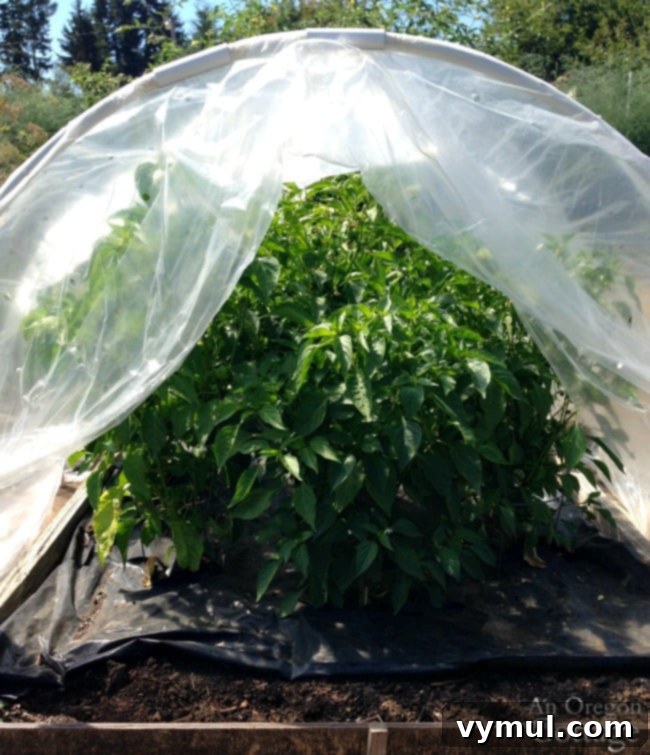
- Provide a Warm Microclimate: Covering your peppers with a plastic-covered hoop house or row cover can significantly elevate the ambient temperature, creating a warmer microclimate. You can see mine in the photo above. I use a perforated plastic cover, which allows some airflow and helps regulate temperature without constant manual adjustments. Any form of protective cover that raises the temperature will help fruit ripen faster, especially when combined with the black plastic mulch that warms the soil. For container growers, using dark-colored pots will also absorb more heat.
- Select Fast-Ripening Varieties: Prioritize growing varieties bred for shorter days to maturity (DTM). While some full-sized bell peppers have been developed to ripen quicker, mini bells and cherry pepper varieties are generally more reliable for producing fully colored peppers within a typical growing season.
- Ensure Good Airflow and Pollination: On the warmest days, open the ends of your hoop house or remove row covers to allow for adequate air circulation (preventing overheating and blossom drop in temperatures above 85°F/29°C) and to encourage natural pollination by bees. While peppers are self-fertile and can produce fruit without insect pollination, increased pollination can lead to better fruit set and overall yield.
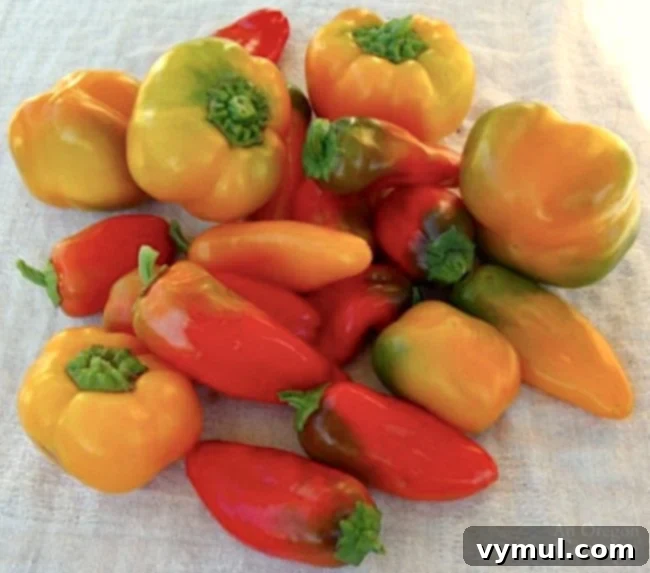
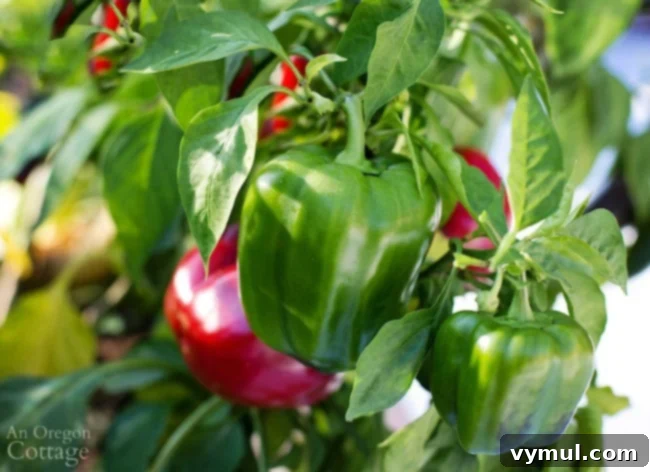
- Strategic Harvesting for Continued Ripening: You don’t always have to wait for peppers to fully color on the plant. Harvest peppers that are showing some signs of color change but still have some green (as seen in the top photo showing peppers in various stages of coloring). Bring them indoors and allow them to finish ripening at room temperature. Placing them in a brown paper bag with an apple or banana (which emit ethylene gas) can further speed up this process. Once fully colored, refrigerate them to maintain crispness. This technique encourages the plant to put its energy into ripening subsequent fruits, increasing your overall yield.
- Utilize South-Facing Walls: If you’re growing peppers in containers, place them near a south-facing wall or fence. The wall will absorb solar heat during the day and radiate it back to the plants at night, providing extra warmth.
For even more sweet pepper growing information, consult trusted resources like The Old Farmer’s Almanac here and Mother Earth News here.
Keep track of all your garden experiments and successes with this FREE printable:
Sweet Pepper Guide: Harvesting Your Delicious Crop
For most sweet pepper enthusiasts, the goal is to harvest them when they are truly sweet, meaning fully ripened to their intended color. While green peppers have their place in culinary uses, their flavor is often more bitter and less developed. However, as previously mentioned, harvesting peppers that are partially colored and allowing them to ripen indoors can encourage your plant to produce even more fruit. This strategy is particularly useful in areas with shorter growing seasons or when an early frost is predicted.
Here’s my absolute biggest tip for safely and effectively picking your sweet peppers:
Always Use Scissors or Pruners!
While you might get away with hand-picking smaller mini bells with minimal damage, larger bell peppers have remarkably thick and sturdy stems. If you attempt to simply pull them off the plant, you often risk breaking an entire branch, which could prematurely detach other immature fruits. It’s truly disheartening when that happens! My go-to solution is to use sharp garden scissors or pruners to cleanly snip the fruit’s stem, preventing any damage to the main plant. If garden scissors aren’t immediately available, gently push the fruit *up* first to break the stem cleanly at the joint before twisting and pulling. Supporting the plant with your other hand can also help prevent accidental branch breakage.
After harvesting, fresh sweet peppers can be stored in your refrigerator’s crisper drawer for up to 1-2 weeks. For longer storage, consider the preserving methods detailed below.
I’ve found the following books to be invaluable resources for learning how to garden and care for sweet peppers, among other crops:
- The Backyard Homestead: A comprehensive guide to self-sufficiency.
- All New Square Foot Gardening: An efficient method for maximizing garden space.
- Perfectly Grown Peppers: A dedicated resource for pepper cultivation.
Sweet Pepper Guide: Preserve & Cook Recipes for Year-Round Enjoyment
Once you’ve achieved a bountiful harvest, the next exciting step is to preserve your sweet peppers to enjoy their flavors long after the growing season ends, or to transform them into delicious culinary creations. Sweet peppers are incredibly versatile, lending themselves to a multitude of preparation and preservation methods.
How Can I Preserve Sweet Peppers?
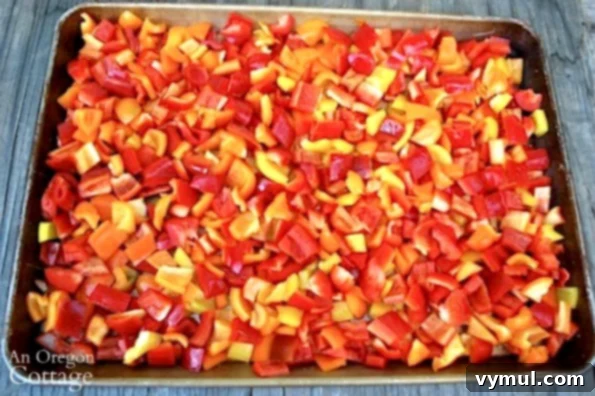
Preserving sweet peppers allows you to capture their peak freshness and enjoy them throughout the year. Freezing is a quick and easy method for short-term use in cooked dishes, while canning offers shelf-stable options like roasted peppers or relishes. Pickling adds a tangy kick, perfect for snacks or condiments.
Sweet Pepper Preserving Recipes
How to Freeze Peppers (Ideal for freezer storage, maintaining texture for cooking)
Canned Roasted Red Peppers in Wine (Boiling water canned for a gourmet pantry staple)
Pickled Sweet Peppers @ Taste of Home (Boiling water canned, offering a tangy snack or condiment)
Sweet Pepper Relish @ National Center for Home Food Preservation (Boiling water canned, excellent with grilled meats or sandwiches)
Canning Plain Peppers @ Healthy Canning (Pressure canned, for plain, versatile pantry peppers)
Quick Pickled Sweet Peppers @ Simply Whisked (Refrigerated, for an instant fresh pickle)
Italian Sweet Pepper Pickles @ Shades of Cinnamon (Refrigerated, with aromatic Italian flavors)
Red Pepper Onion Chutney @ Recipes Plus (Refrigerated, a flavorful accompaniment for cheese or meats)
What Recipes Are There for Sweet Peppers?
Sweet peppers shine in a vast array of cooking applications, from crisp additions to salads to starring roles in main courses. Their vibrant colors and mild, sweet flavor make them perfect for roasting, grilling, stir-frying, stuffing, or incorporating into soups and sauces. Whether you prefer them raw, gently cooked, or caramelized, there’s a sweet pepper recipe for every palate and occasion.
Sweet Pepper Cooking Recipes
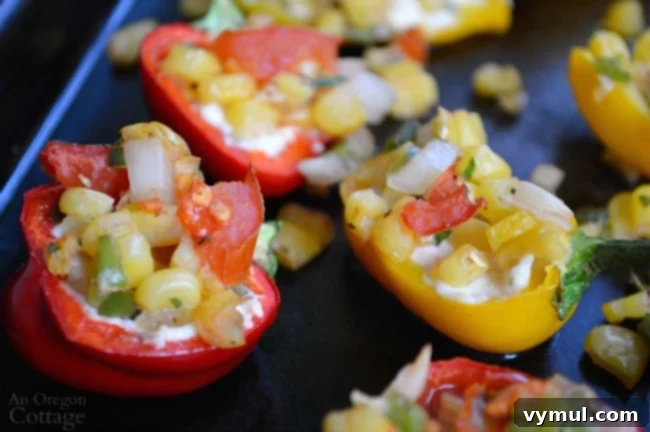
Cheese Stuffed Mini Peppers with Roasted Corn Salsa @ AOC
Roasted Sausages with Onions & Peppers @ AOC
Creamy Pesto Tortellini with Red Peppers @ AOC
Spicy Asian Slaw with Peppers @ AOC
Golden Pepper Soup @ Martha Stewart
Sweet Pepper Pasta with Sausage @ Southern Living
Cheesy Bacon Stuffed Mini Peppers @ Belle of the Kitchen
Roasted Sweet Mini Peppers & Asparagus @ Tori’s Kitchen
Taco Stuffed Mini Sweet Peppers @ Betty Crocker
Sheet Pan Roasted Fish with Sweet Peppers @ NY Times
Cauliflower Rice Stuffed Sweet Peppers @ Eating Well
Chicken with Sweet Peppers and Balsamic Vinegar @ Genius Kitchen
Grilled Mini Peppers with Feta @ What’s Cooking America
Shrimp, Bell Pepper & Onions Skillet @ Primavera Kitchen
Roasted Bell Pepper Tostadas @ Pinch of Yum
Stuffed Bell Peppers with Ground Beef @ Foodie Crush
Unstuffed Bell Peppers @ Budget Bytes
Bell Pepper Oven Fries @ Delish


I hope this Ultimate Sweet Pepper Guide empowers you to grow, harvest, and enjoy these incredible vegetables to their fullest. Explore more of our detailed guides below (or click here to see them all) to further enhance your gardening and culinary adventures:
The Ultimate Tomato Guide: From Seed to Sauce
The Ultimate Rhubarb Guide: Growing, Harvesting, and Creative Recipes
The Ultimate Asparagus Guide: Cultivating, Harvesting, and Enjoying This Spring Delicacy
Disclosure: Affiliate links in this article will earn commission based on sales, but it doesn’t change your price. Click here to read my full disclaimer and advertising disclosure.