
Transforming Thrift Store Treasures: Creative DIY Ideas for Upcycling Used Books into Stunning Home Decor
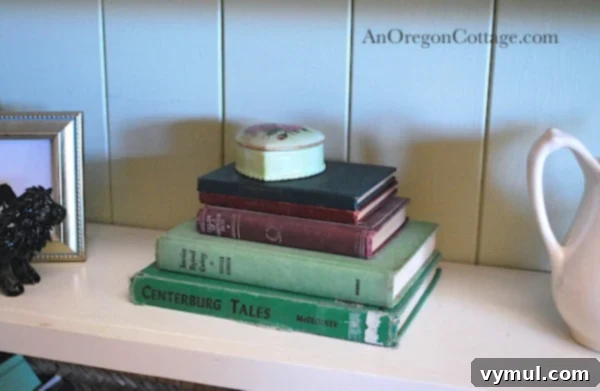
When embarking on a journey of transforming thrift store finds, it’s virtually impossible to overlook the treasure trove that is the used book section. These humble havens of pre-loved items often dedicate a significant portion of their space to books, making them an incredibly abundant and affordable resource for creative projects. While many of these books might be old, aesthetically unappealing, or simply outdated in their content, they possess an inherent charm and potential for reinvention that extends far beyond their original purpose as reading material. Instead of discarding them, we can breathe new life into these vintage tomes, turning them into unique and character-filled home decor elements.
Personally, I find that incorporating vintage and used books into a room’s decor instantly infuses it with a sense of warmth, history, and a “lived-in” feel. They add depth and personality that can be hard to achieve with brand-new items alone. The beauty of decorating with books is its versatility. You might choose to curate a collection based on titles you genuinely wish to read, or perhaps, like me, you’ll be drawn to those with particularly appealing covers in specific color palettes. My own preference often leans towards lush greens and comforting neutral browns, but the possibilities are endless. Selecting books with beautiful, worn covers in colors that complement your existing decor can create a cohesive and harmonious atmosphere in any space, often at an unbeatable price point.
Beyond simply displaying them, used books offer incredible opportunities for hands-on creativity. From simple styling techniques to more intricate DIY crafts, the potential for transformation is vast. Below, you’ll find a wealth of inspiring ideas for how to use these vintage gems, both as whole objects and by repurposing their individual pages, to elevate your home’s aesthetic.
Embracing the Aesthetic: Decorating with Used Books (Covers On)
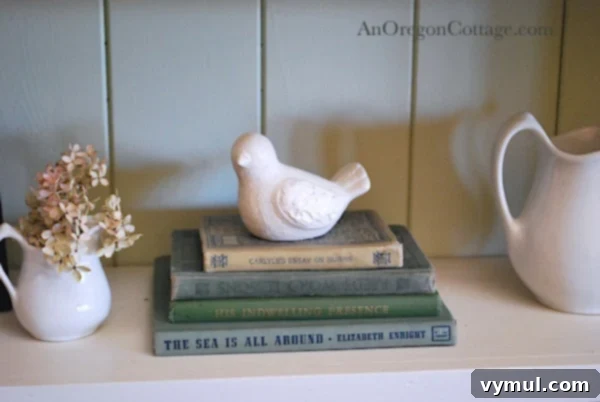
The simplest yet most impactful way to incorporate used books into your home decor is by artfully displaying them with their original covers. The charm of an aged cover, with its faded colors, unique typography, and textured binding, tells a silent story and adds instant character to any setting.
Stacking Books Vertically or Horizontally
While the traditional vertical alignment on a bookshelf is always a classic, consider more creative stacking methods to create visual interest. For instance, arrange small stacks of books vertically on shelves, gradually decreasing in size as you go up. This creates a pleasing pyramid effect that draws the eye. Alternatively, create horizontal stacks on side tables, coffee tables, or credenzas. A stack of three to five books laid flat can serve as an elegant riser for other decorative items.
To truly elevate these stacks, top them with something meaningful or visually appealing. A small trinket box, a delicately scented candle, a tiny potted plant (succulents work wonderfully), or an animal figurine can complete a charming vignette. Do you recall the delightful little figurine I shared from earlier in this thrift store series? Placing such a cherished item atop a stack of books creates a personal touch that never fails to bring a smile. The combination of worn book covers with a beloved decorative object instantly makes a space feel more curated and personal.
Curating by Color and Texture
Beyond the content, the visual appeal of book covers is paramount for decor. Look for books with beautifully worn leather covers, which offer timeless elegance and integrate seamlessly with almost any decor style. As seen in the image above, I’m particularly fond of the various shades of green often found on vintage books, especially those published between the 1930s and 1950s when this color seemed to be incredibly popular. Building a collection around a specific color palette can create a striking and sophisticated display, whether you arrange them by hue or mix and match for an eclectic look. The texture of older bindings, be it fabric, leather, or embossed paper, also adds a tactile richness to your decor.
Creating Vignettes and Layering
Used books are perfect for building layered vignettes on mantels, bookshelves, console tables, and nightstands. Use them as a foundation, varying their height and orientation, then layer other items like framed photos, small sculptures, or botanical elements on and around them. This technique adds depth and dimension to your displays, making them feel more substantial and thoughtfully arranged. Their neutral or faded tones make them excellent background elements that allow more vibrant accessories to pop, while their inherent warmth ensures the overall look remains inviting.
The Minimalist Charm: Decorating with Coverless Books
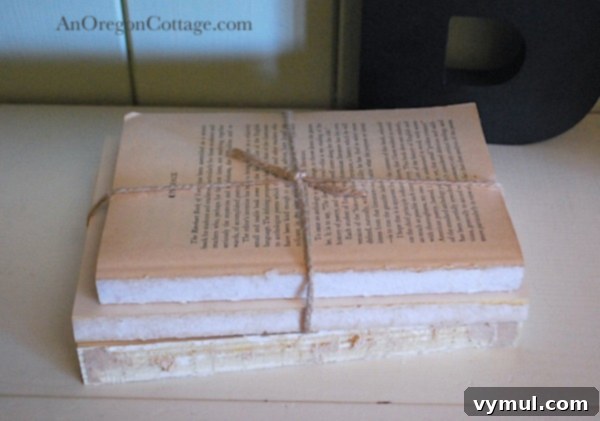
Not all used books are blessed with beautiful covers. Many are dull, badly designed, or simply don’t fit your desired aesthetic. This is precisely when it becomes perfectly acceptable, and even encouraged, to transform them into something entirely new. One increasingly popular trend is to remove the covers entirely, revealing the aged paper pages within. This creates a distinct minimalist, rustic, or shabby chic aesthetic that has a unique appeal.
Why Remove Covers?
The decision to remove a book’s cover is often driven by a desire for a more cohesive or muted decor palette. Unsightly covers can detract from a room’s overall design, whereas the uniform off-white or cream tones of aged book pages offer a calming, neutral backdrop. This technique is also incredibly cost-effective. When I first saw stacks of coverless books, often tied with jute twine, selling in catalogs for $40 or more, I was genuinely astonished. It’s an incredibly simple DIY project that can be replicated for a couple of dollars – or even for free, considering how many yard sales offer “free” boxes of old books!
Creating Bundles and Risers
Copying this catalog look is remarkably easy. Select paperbacks or hardcovers with particularly unappealing exteriors. Gently remove the covers, taking care not to damage the spine if you wish to keep it intact, or simply tear them off if the book is truly destined for a full transformation. Gather them into small stacks, often two to five books, and bind them tightly with natural jute twine, rustic string, or a coordinating ribbon. These bundles make fantastic decorative elements for tables, shelves, or mantels. They can serve as decorative bookends, unique risers for small plants or candles, or simply add a touch of understated elegance to any surface. The exposed, aged paper edges and the texture of the twine combine to create a charmingly rustic and vintage feel.
Unleashing Creativity: Crafting with Book Pages
The transformation doesn’t stop at removing covers. The individual pages of old books, with their unique texture, slightly yellowed hue, and often delicate print, are an incredible resource for a multitude of DIY crafts. This is where you can truly unleash your creativity and fashion truly unique decor items at minimal cost.
DIY Banners & Garlands
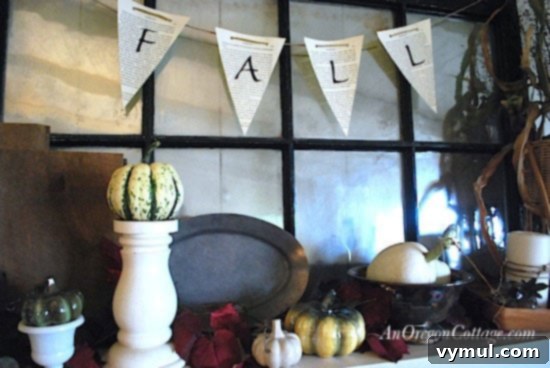
One of the quickest and most impactful ways to use book pages is to create decorative banners and garlands. For instance, our fall mantel’s banner took me a mere 10 minutes to assemble. Simply cut pages into desired shapes – triangles, pennants, or even small rectangles – and string them together. The subtle text on the pages adds an interesting visual texture that is both elegant and understated.
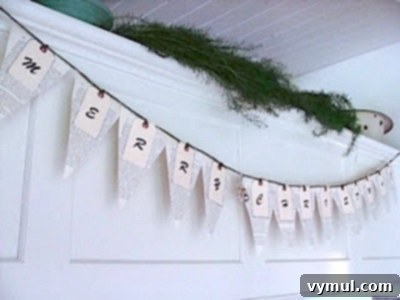
Last year, I crafted a Christmas banner by gluing book page triangles to the back of an existing tag banner. This not only saved time but also ensured a cohesive look with other book page decorations I was making. Banners made from old book pages are perfect for seasonal decor, party backdrops, or adding a touch of vintage charm to a child’s room or reading nook.
Elegant Ornaments & Decorations
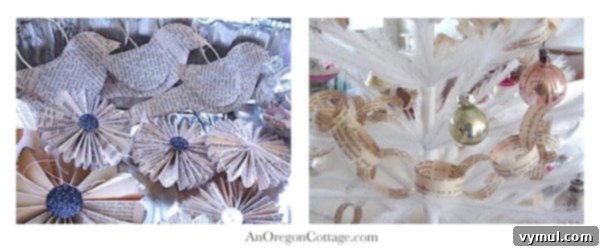
Old, unusable books are a goldmine for crafting intricate ornaments and decorations. Last year, I made a variety of Christmas ornaments and decorations from a pile of “free” books from Brian’s parents. The worn pages instantly impart an heirloom quality to these creations. Adding a touch of glitter can elevate them further, imbuing them with a delightful vintage elegance. For example, here’s a tutorial for creating the beautiful book page rosette seen on the left side of the image. These can be used for holiday trees, wreaths, or as decorative elements year-round.
Other Creative Book Page Ideas:
- Wrap book pages around candles: Secure them with twine or ribbon for a rustic, charming look. Ensure they are placed safely away from the flame or use battery-operated candles.
- Shred them to use as gift basket filling: The soft, aged paper makes a unique and eco-friendly alternative to plastic shred. It adds a lovely textural element to any gift presentation.
- Make paper bows with them: Fold and glue strips of book pages into elegant bows to adorn gifts, wreaths, or even hair accessories.
- Frame them as the background for a photo or small artwork: The subtle text provides a rich, textured backdrop that enhances the main subject, creating an art piece with depth and character.
- Create paper flowers and wreaths: Cut, curl, and glue pages to form intricate floral designs or full wreaths that can be displayed year-round.
- Design unique wall art: Cut out specific words, shapes, or arrange entire pages in a collage for a personalized wall display.
- Craft luminaries: Use book pages to cover glass jars, allowing light to softly filter through the paper, creating a warm and inviting glow.
Have you ventured into the world of crafting with book pages? What unique creations have you brought to life? Share your ideas and inspire others!
 This is day 24 in our series (you can click on the button to see all the posts in the category). If you’re wondering what’s up, you can read the introduction to 31 Days of Thrift Store Transformations here.