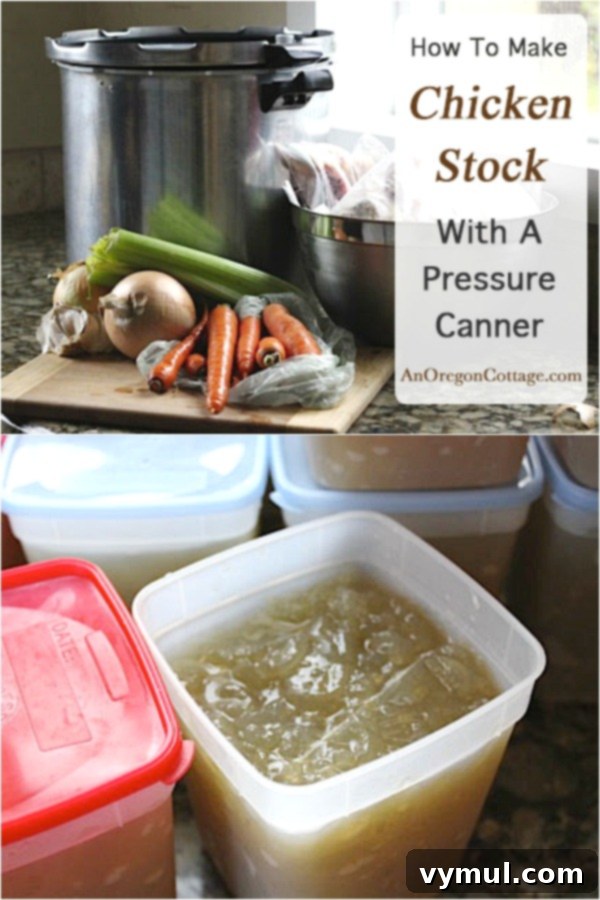
Mastering Homemade Chicken Stock: Fast & Easy Pressure Canner Bone Broth from Scraps
Unlock the secret to rich, nourishing, and virtually free chicken stock using your pressure canner! This method transforms kitchen scraps and leftover bones into a nutrient-dense bone broth in under an hour, yielding a large batch perfect for freezing and future culinary adventures. Say goodbye to store-bought broth and embrace the superior taste and health benefits of homemade.
This comprehensive guide to making chicken stock in a pressure canner comes to us from Kimmy of Kimmy’s Bake Shop. We’re thrilled to share this efficient and economical method, offering yet another fantastic option for creating your own flavorful stock. Whether you’re making chicken, turkey, or beef stock (the magic is truly in the bones!), discovering the best method for your kitchen is key. Alongside traditional stovetop methods and easy slow cooker techniques, the pressure canner stands out for its speed and volume. We wholeheartedly encourage you to embark on this journey of homemade stock for all the incredible reasons Kimmy outlines!
The Philosophy of Frugal and Flavorful Eating
In our home, the philosophy revolves around eating as simply and mindfully as possible. We prioritize purchasing the highest quality, in-season foods our budget allows. This approach naturally leads to meals that build upon each other, maximizing every ingredient. A single roast chicken dinner, for example, doesn’t just provide a delicious main course. The leftover meat becomes the star of a subsequent meal, and crucially, the bones become the foundation for an exquisite, nourishing stock. This circular economy in the kitchen not only minimizes waste but also elevates the flavor and nutritional value of everything we cook.
Why Homemade Stock is a Game-Changer
I am a firm believer that making your own chicken stock is an absolute necessity for any home cook. The difference between homemade and store-bought is simply incomparable. Most products sold as “broth” in supermarkets lack the depth, richness, and gelatinous quality that truly defines a good stock. Real stock, derived from simmering bones, extracts collagen, which breaks down into gelatin, giving it a luxurious, sometimes solid, texture when chilled. This gelatin is packed with beneficial amino acids and minerals, making homemade stock a powerhouse for gut health, joint support, and overall well-being. Once you experience the profound flavor and body of a properly made homemade stock, there’s no going back. It’s a culinary revelation that transforms everyday dishes into something extraordinary.
The Pressure Canner Advantage: Speed, Efficiency, and Volume
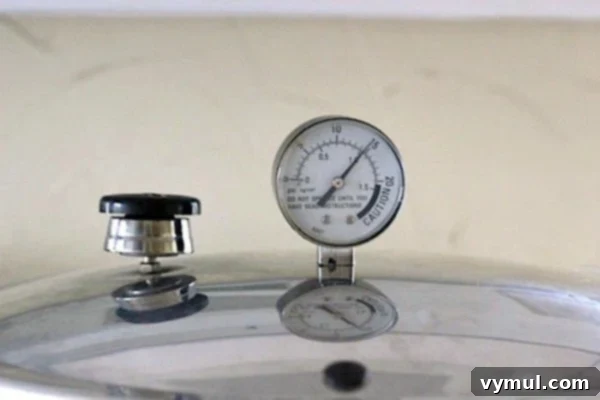
While the idea of making stock can seem daunting due to the long simmering times traditionally associated with it, I’ve discovered an incredible shortcut: the pressure canner. Yes, those large 23-quart pressure canners typically used for preserving low-acid foods like green beans are also phenomenal for making stock. The key benefits are truly transformative:
- Unrivaled Speed: The entire process, from start to finish, takes under an hour of active cooking time. This is a dramatic reduction compared to the 6-12 hours required for a stovetop simmer or slow cooker method, making homemade stock accessible even on busy weeknights.
- Generous Yield: A pressure canner allows you to make a significant amount of stock in one go. This means less frequent cooking sessions and a freezer full of ready-to-use, nutrient-rich liquid, ensuring you always have quality stock on hand for any recipe.
- Enhanced Extraction: The high-pressure, high-temperature environment of the canner efficiently extracts more gelatin, collagen, and minerals from the bones and connective tissues. This results in a remarkably rich, flavorful, and often more gelatinous stock than other methods can achieve in a fraction of the time.
This method truly maximizes both your time and the nutritional output from your ingredients, embodying the spirit of resourceful and health-conscious cooking.
Building Your Stock: From Scraps to Gourmet
Let’s talk about the ingredients, and more importantly, how to source them economically. Initially, I experimented by buying chicken thighs specifically for stock. While it produced a great result, it felt wasteful to purchase meat that would be rendered unsuitable for eating by the pressure cooking process. (This is one of the few downsides: the meat becomes incredibly soft and loses its texture, though its flavor is infused into the stock.)
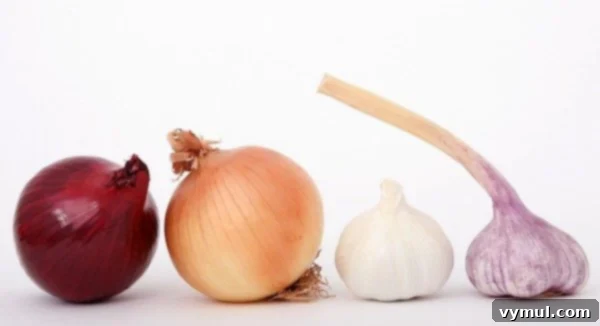
My current, far more sustainable approach involves simply saving chicken and vegetable scraps in the freezer. This is where the “practically free” aspect truly shines. After preparing a roast chicken, the carcass, skin, and any remaining bits go into a freezer bag. Similarly, vegetable trimmings – onion skins and ends, carrot peels, celery butts, garlic cloves, even mushroom stems – are collected. Little by little, these scraps accumulate, and over a couple of months, I gather enough to make a substantial batch of stock. Each batch is unique, some with more celery notes, others with a stronger carrot presence, but all are delicious. Use what you have; the beauty is in its flexibility and zero-waste nature.
Notes on Chicken Components for Superior Stock:
- Maximize Bones for Gelatin: The more bones, the better, especially if your goal is a really thick, well-gelled stock. Bones, particularly those with cartilage and connective tissue, are essential for extracting collagen. Don’t be shy about asking your butcher for chicken backs, necks, or even feet. They are often given away for free or sold very cheaply and are unparalleled for producing gelatinous, nutrient-dense stock. Chicken feet, in particular, are a secret weapon for achieving that coveted jiggly texture.
- Consider Pasture-Raised Chicken: If possible, invest in locally grown, pasture-raised chicken. Since making the switch, I’ve noticed an incredible difference in flavor, not to mention the peace of mind that comes from knowing the source of my food. While the initial cost might be higher, it becomes economical when you use the chicken for multiple meals and then utilize the bones for stock. This comprehensive approach ensures minimal waste and maximum value. My farmer, for instance, is the one who first suggested and provided chicken feet for my stock – a testament to the value of connecting with your local food producers.
Embracing these practices not only enhances the quality of your stock but also aligns with a more sustainable and conscientious approach to cooking.
The Simple Process of Pressure Canner Stock
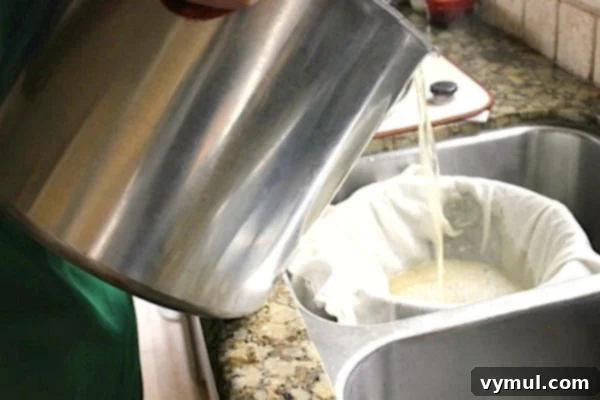
Learning how to make chicken stock in a pressure canner is surprisingly straightforward, just as simple as its stovetop counterpart, but significantly faster. The basic steps remain consistent: combine all your chosen ingredients in the canner, add enough water to cover them adequately, bring the canner up to the specified pressure, cook for the recommended time, then carefully strain the liquid, allow it to cool completely, and finally, either use it immediately or freeze it for later. The pressure canner does the heavy lifting, extracting maximum flavor and nutrients in record time.
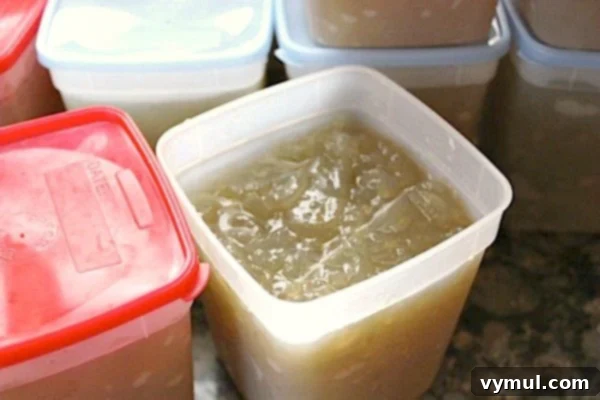
Ready to experience the magic of homemade, gelatinous stock? Here’s how to craft perfect chicken stock using your pressure canner. (Note: A regular stovetop pressure cooker can also be used effectively, though it will naturally yield a smaller batch.) This method is designed for efficiency and flavor, giving you superior results with minimal effort.
Print Recipe
Pin Recipe
SaveSaved!
How To Make Chicken Stock In a Pressure Canner
Ingredients
- 4 + pounds chicken bones/pieces/feet
- 4-5 medium carrots cut in half
- 4-5 celery stalks cut in halt
- 2 onions peeled and quartered
- 4 garlic cloves or to taste peeled
- 2 tablespoons salt
- 20 black peppercorns
- water to cover
Instructions
-
Start with a clean 23 quart pressure canner. Add all the chicken pieces, carrots, celery, onions, garlic, salt and peppercorns to the pot.
-
Add water till your pot is 2/3 full. Place lid on the canner and twist till closed.
-
Place the regulator on immediately, turn on the heat, and bring it up to 15 lbs of pressure.
-
Hold at 15 lbs of pressure for 10 minutes.
-
Turn the heat off and allow the pressure to drop. Once the pressure has dropped open the lid and let the stock cool a bit (I normally let it sit for an hour or so. It is rip roaring hot).
-
Strain stock into a cheesecloth lined colander set over a bowl. Use a couple of bowls if necessary.
-
Allow to cool overnight in the fridge.
-
Skim off the fat and discard. Scoop or pour (depending on much the stock gelled) in to storage containers.
-
Freeze for up to 1 year. If it lasts that long.
Notes
Nutrition
Storing and Using Your Homemade Stock
Once your rich, gelatinous stock has cooled and the fat has been skimmed, it’s time to consider storage. For immediate use, it can be kept in an airtight container in the refrigerator for up to 4-5 days. For longer-term storage, freezing is your best friend. Portion the stock into freezer-safe containers, jars (leaving headspace for expansion), or even ice cube trays for smaller servings. Frozen stock maintains its quality for up to a year, offering unparalleled convenience. Simply thaw as needed and incorporate into your favorite recipes. This steady supply of homemade goodness will revolutionize your cooking.
Creative Culinary Uses for Chicken Stock
The versatility of homemade chicken stock is truly remarkable. It forms the flavor foundation for countless dishes, elevating them from ordinary to exceptional. Use it as the base for heartwarming soups, stews, and chilis. It’s perfect for making creamy risottos or cooking grains like rice, quinoa, and couscous, infusing them with savory depth. Deglaze pans after sautéing vegetables or searing meats to capture all those delicious browned bits, creating instant pan sauces. Whisk it into gravies for a richer, more complex flavor, or use it to braise tougher cuts of meat until they are melt-in-your-mouth tender. For a simple health boost, warm a cup of stock and drink it plain, especially beneficial during colder months or when feeling under the weather. The possibilities are endless, and your homemade stock will quickly become an indispensable pantry staple.
Troubleshooting and Tips for Success
Even with the speed of a pressure canner, a few considerations can ensure the best results. If your stock doesn’t gel, don’t worry! It’s still incredibly flavorful and nutritious broth. The gelling largely depends on the amount of collagen-rich bones used (remember those chicken feet!), but even a less-gelled stock is far superior to many store-bought options. Ensure your pressure canner is properly sealed and reaches the correct pressure to maximize extraction. Always allow the pressure to drop naturally for stock, as this helps prevent cloudiness. Finally, when straining, a cheesecloth-lined colander ensures a clearer, purer stock, removing any fine particulates. Don’t discard the cooked bones and vegetables; they can often be composted, further reducing waste in your kitchen.
What’s your favorite way to make chicken stock?
Kimmy chronicles her kitchen adventures and delightful bakes over at kimmysbakeshop.com. As a dedicated full-time mom to Little, she masterfully fits gourmet cooking and baking into nap times, focusing on creating frugal, seasonal, and homemade meals for her family. Her passion for wholesome food and smart kitchen practices shines through in every recipe.