Mastering Flawless Paint Edges: The Ultimate Guide to Painting Without Tape
Imagine achieving perfectly crisp, professional-looking paint lines faster and with less effort. This comprehensive guide reveals a game-changing painting technique, detailing the essential brushes, proper brush-holding methods, and precise application for superior results without the hassle of painter’s tape.
Some links in this article are affiliate links, and if you click on them, I will receive a small commission at no cost to you.
If you’ve followed our DIY journey for any length of time, you’ve likely noticed a common thread running through countless projects: painting. From refreshing entire interiors to revitalizing furniture and transforming exteriors, paint has been my constant companion in home improvement. I’ve tackled everything from the subtle nuances of walls and trim to the expansive canvases of exterior siding, and yes, even that one exterior trim job that might have taken a little longer to complete after the main cottage was painted. The sheer volume of painting undertaken has been immense.
Our remodeling adventures began with painting our entire 1982 ranch home when we first moved in. This initial undertaking set the stage for many more transformations. We then moved on to updating the exterior, meticulously painting after adding new window trim and a charming front porch. Subsequent renovations of the main and master bathrooms also involved extensive painting, ensuring every detail contributed to a cohesive and refreshed look.
Note: You can explore the complete house tour of our 80’s ranch-turned-cottage here. Additionally, discover the incredible DIY before-and-after transformations of our current 1900 farmhouse here.
While I wouldn’t claim every stroke was perfect, the sheer volume of experience has undeniably sharpened my skills. My early projects in our first home, a 1940s Portland bungalow, might not have been award-winning, but they certainly served their purpose. The truth is, a fresh coat of paint almost always elevates a space, making it feel cleaner, brighter, and more inviting. Over the years, I’ve come to appreciate the timeless wisdom of the adage, “practice makes perfect,” or perhaps more accurately, “practice makes better.” Perfection isn’t the goal; continuous improvement and achieving beautiful results are.
Although there were moments when the thought of hiring professional painters was tempting, DIY painting consistently proves to be one of the most accessible and cost-effective home improvement tasks. It’s an incredibly rewarding way to personalize and enhance your living space without breaking the bank. Along my extensive painting journey, I’ve continually sought out and discovered easier, more efficient methods for almost every aspect of the process. Among these discoveries, one particular tip stands out as truly transformative.
This single best painting tip I’m about to share not only makes the entire process quicker and significantly easier but also consistently delivers a superior, cleaner finish. I promise, it’s a game-changer.
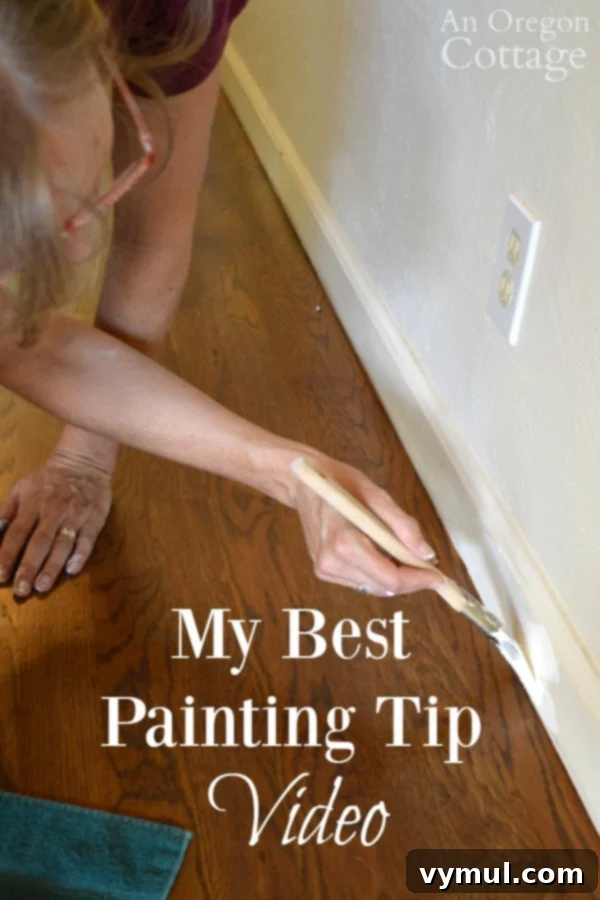
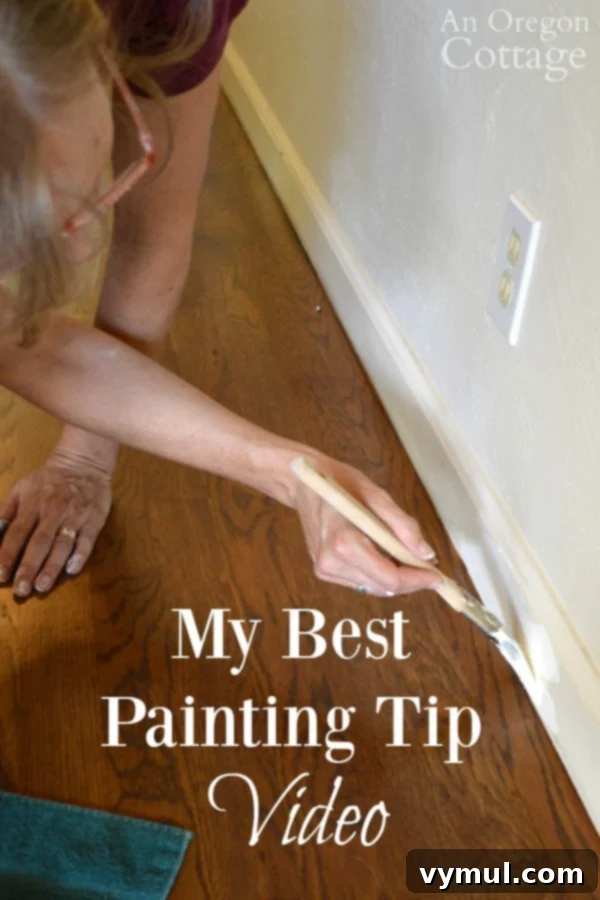
During the surprise makeover of our son’s bedroom in the cottage, Brian and I created a video to specifically demonstrate this revolutionary technique. It’s the painting secret that has saved me countless hours in preparation time and consistently leads to impeccably clean, sharp paint lines without the need for painstaking taping:
How I expertly paint edges and trim without ever taping any surfaces before painting.
This method drastically reduces project time and eliminates the frustration often associated with tape – paint bleeding, sticky residue, or accidentally peeling off existing paint. By mastering a specific brush technique, you can achieve results that rival professional work, making your painting projects more enjoyable and efficient.
My Best Painting Tip – Video Demonstration
In this concise yet comprehensive video, you will gain invaluable insights into achieving professional-grade paint finishes:
- Why Taping-Free Painting is Superior: Understand the inherent advantages of painting without tape, including time savings, cost reduction, and the avoidance of common taping pitfalls like bleed-through and adhesive residue.
- The Importance of the Right Tools: Discover why investing in quality brushes is non-negotiable for this technique and learn which specific types and sizes are most effective for cutting in precise lines.
- Mastering the Specific Technique: Get a detailed walkthrough of the proper brush loading procedure, ensuring optimal paint distribution. Learn the correct way to hold your brush for maximum control and precision, which is critical for achieving sharp edges.
- Expertly Painting Trim and Ceiling Edges: Acquire specialized tips and techniques for handling these challenging areas, ensuring clean, straight lines where walls meet ceilings and trim, all without the aid of tape.
Make sure to watch the entire video, as my husband added his own unique and humorous ending!
Why This No-Tape Method Works So Well
The core principle behind this technique is gaining ultimate control over your brush. When you rely on painter’s tape, you’re trusting the adhesive to create your line. However, paint can often seep under even the best tapes, resulting in fuzzy or wavy lines that require tedious touch-ups. Furthermore, removing tape can sometimes pull off freshly dried paint or leave behind a sticky residue. By eliminating tape, you take direct control of the paint application, allowing for a much cleaner, more precise freehand cut-in.
This method, often referred to as “cutting in,” hinges on using a high-quality, angled sash brush. The bristles are designed to hold paint effectively and release it smoothly, while the angled tip allows you to create a sharp, defined edge with careful manipulation. It’s about building muscle memory and learning to guide the brush with confidence and a steady hand. The initial learning curve is quickly overcome, leading to significantly faster project completion times and a far more satisfying finish than traditional taping methods.
Essential Tools for Precision Cutting-In
Success with the no-tape method largely depends on having the right equipment. Forget cheap, flimsy brushes; they will only lead to frustration. You need brushes that offer excellent paint retention, smooth release, and superior control. Look for angled sash brushes, typically with synthetic bristles, as these are ideal for water-based paints and maintain their shape well. The angle allows for precise contact with the edge, guiding the paint exactly where you want it.
The size of the brush also matters. For most cutting-in tasks around doors, windows, and ceilings, a 1.5-inch to 2.5-inch angled brush is perfect. Smaller brushes (1-inch) are great for very tight spots or intricate details, while larger ones are more efficient for longer, straighter runs. Investing in a few high-quality brushes will make a noticeable difference in your results and overall painting experience. Clean them thoroughly after each use, and they will serve you well for many projects to come.
Here are some brushes I highly recommend for trim painting and cutting-in around wall edges, renowned for their quality and performance:
- Wooster 1-inch Softip Angle Sash Paintbrush: Excellent for fine details and tight corners, offering superb control.
- Purdy Clearcut Series Dale Angular Trim Paint Brush, 1-1/2 inch: A versatile size, known for its ability to create extremely sharp lines and hold a good amount of paint.
- Wooster 2-inch Angle Sash Paintbrush: Ideal for longer runs and slightly larger trim, balancing control with efficiency.
- Wooster Shortcut Angle Sash Paintbrush, 2-Inch: Features a shorter handle for comfort and maneuverability in confined spaces, while still delivering precise lines.
Step-by-Step for a Flawless Cut-In
Achieving a perfect cut-in without tape involves a methodical approach:
- Prepare Your Surface: Even without tape, preparation is key. Ensure all surfaces are clean, dry, and free of dust or grease. Remove any loose paint chips.
- Load Your Brush Correctly: Dip about one-third to half of your brush bristles into the paint. Gently tap off any excess against the side of the can or paint tray. Avoid overloading, as this leads to drips and reduced control.
- Hold the Brush for Control: Grip the brush like a pencil or pen, closer to the metal ferrule (the part connecting bristles to the handle). This grip provides maximum control and reduces hand fatigue.
- Initiate the Cut-In: Start your stroke about half an inch away from the edge you’re cutting in. Slowly move the brush towards the edge, allowing the paint to flow gently to the tip of the angled bristles.
- Glide Along the Edge: Once the paint makes contact with the edge, maintain a consistent, steady pressure and angle, allowing the very tip of the angled brush to create your straight line. Use long, smooth strokes rather than short, choppy ones. This ensures an even paint application and a cleaner line.
- Work in Sections: Don’t try to paint a whole wall’s edge in one go. Work in manageable sections, blending each new stroke seamlessly into the previous one before the paint dries.
- Address Corners and Tricky Spots: For inside corners, use the very tip of your brush to carefully work paint into the corner. For outside corners, maintain the same steady hand, often working from two directions to meet perfectly.
When Painter’s Tape Might Still Be Useful (Occasionally)
While I advocate for the no-tape method for most applications, there are rare instances where painter’s tape can still serve a purpose. For extremely intricate patterns, delicate surfaces that cannot withstand even the slightest freehand error, or when masking off large areas for spray painting, tape can be a valuable tool. However, for standard walls, ceilings, and trim, mastering the brush technique will almost always yield superior results with far less hassle. Remember, it’s about making the process more efficient and the finish more professional, and for that, cutting in by hand is usually the answer.
For more detailed insights on painting baseboards and trim, including touch-up techniques, you might find another one of our guides useful. (Spoiler alert: even I sometimes use tape for very specific touch-up scenarios, but it’s a rare exception rather than the rule for initial painting!)
Does anyone else have any painting tips or techniques that you can share with us? I’d absolutely love to hear them and continue learning from our community!
And I’d also be very interested in hearing how many others have successfully “given up the tape” and embraced the freehand cutting-in method. Share your experiences!
Disclosure: Affiliate links in this article will earn commission based on sales, but it doesn’t change your price. Click here to read our full disclaimer and advertising disclosure.