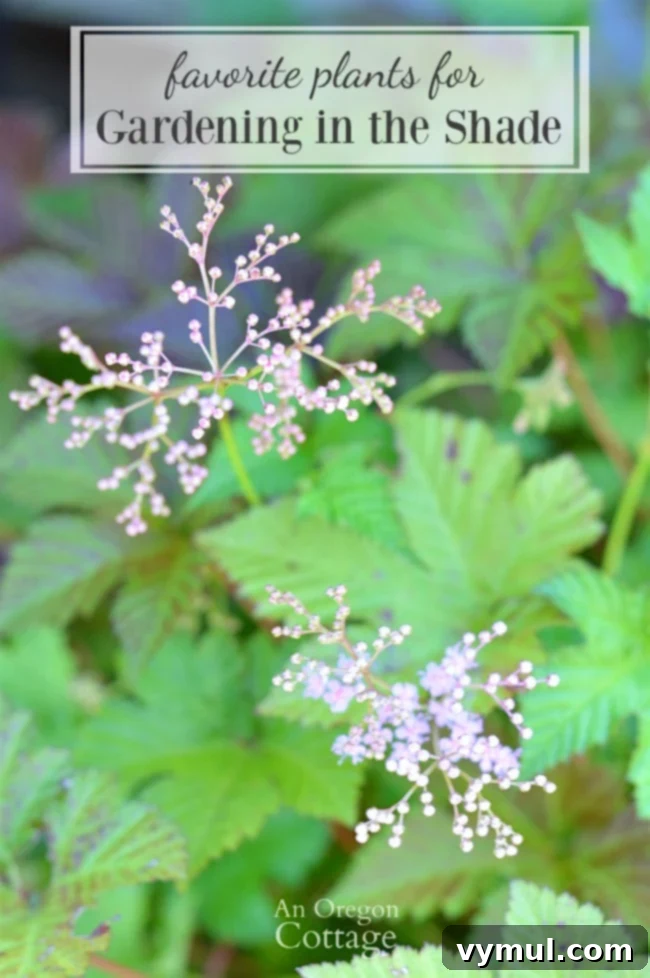
Thriving in the Shadows: The Ultimate Guide to 14 Best Plants for Shade Gardens, Especially Dry Areas
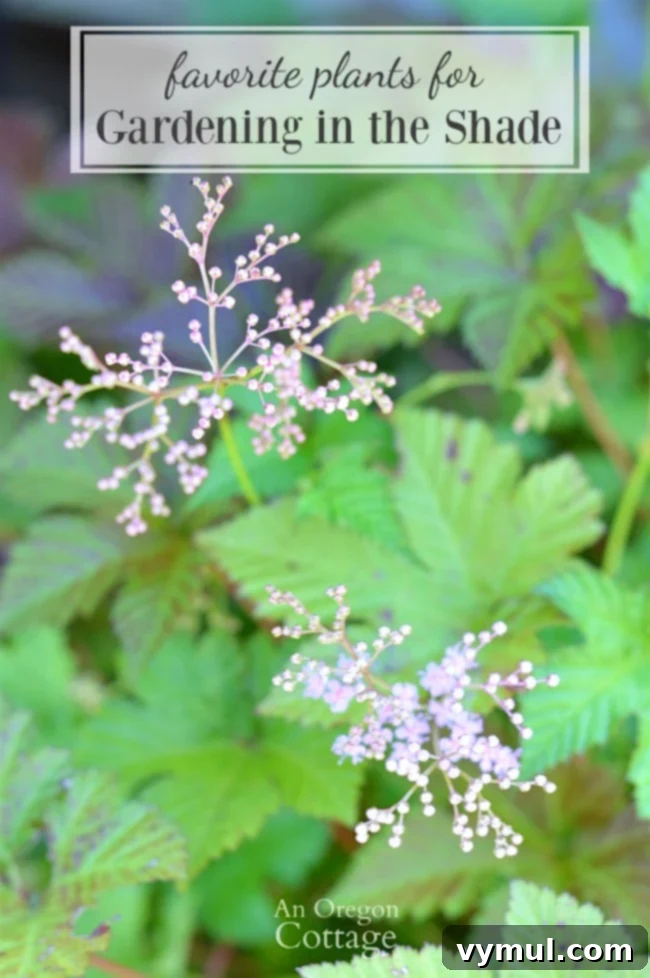
Some links in this article are affiliate links and if you click on them I will receive a small commission at no cost to you.
Shade can often feel like a formidable challenge for gardeners. Whether you’re dealing with partial shade, dense full shade, or the notoriously difficult dry shade, finding plants that don’t just survive but genuinely flourish can seem daunting. Yet, most gardeners will encounter at least one area of their property bathed in shadow that they yearn to transform into a lush, vibrant space.
My own gardening journey began on a modest 50×100 city lot in Portland. This space was predominantly covered in grass, featuring a cherry tree planted rather too close to the house, and an incredibly tenacious rose bush. Shade was hardly a concern here, as the north side of the house simply opened onto the driveway.
However, a move two hours south to a sprawling acre introduced me to significant shade challenges. I suddenly had two distinct shaded areas to contend with: a front north-facing garden, part of which sat under a towering 40-foot mature Japanese Maple, and a backyard section overshadowed by a colossal 70-foot Douglas Fir (you can explore both in this garden tour). These areas were constantly in view, making them impossible to ignore. While some spots enjoyed dappled light, others were in full shade. Crucially, both gardens presented what I now consider the ultimate test: dry shade. The immense root systems of these established trees aggressively siphoned away any moisture I attempted to provide, leaving most plants to struggle for survival.
After many years of diligent trial and error – and, I must admit, a fair share of casualties – I have cultivated a dependable list of the absolute best plants for gardening in the shade. These aren’t merely plants that managed to cling to life (the kind that don’t quite die but never truly thrive or look their best); these are plants that genuinely flourished in their low-light environments, transforming challenging spots into beautiful garden features.
I am delighted to share this comprehensive list with you. My hope is that it will save you the frustration and expense of the extensive experimentation I endured. For each plant, I’ve specified the type of shade it thrived in, empowering you to select the perfect companions for your own stunning and resilient shade garden.
14 Top Plants for Thriving Shade Gardens
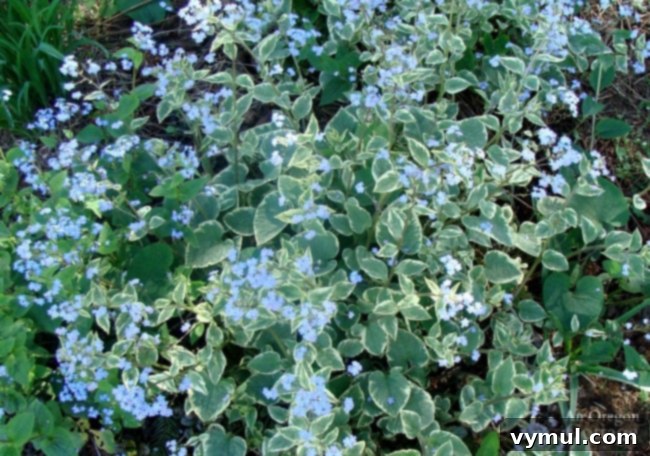
1. Brunnera (Siberian Bugloss)
Perennial, 1-2′ H x 3′ W, blooms March-May
Brunnera is a perennial favorite, particularly for those familiar with my garden. This unassuming yet incredibly beautiful plant is a true workhorse, charming gardeners with its delicate, forget-me-not-like blue flowers in spring and its attractive foliage year-round. In our USDA Zone 8 garden, it often remains evergreen, providing consistent visual interest.
Its most remarkable attribute, however, is its exceptional ability to thrive in dry shade – arguably one of the most challenging conditions in any garden. While it appreciates supplemental water during the driest summer months, its maintenance requirements are minimal, largely limited to occasional deadheading. Brunnera is an indispensable choice for those tough-to-plant spots beneath established trees.
Best Variety: ‘Jack Frost’ Brunnera, prominently featured above, boasts striking variegated leaves that shimmer in the shade. Crucially, unlike its common green counterparts, ‘Jack Frost’ exhibits excellent self-seeding manners, preventing it from spreading aggressively throughout your garden.
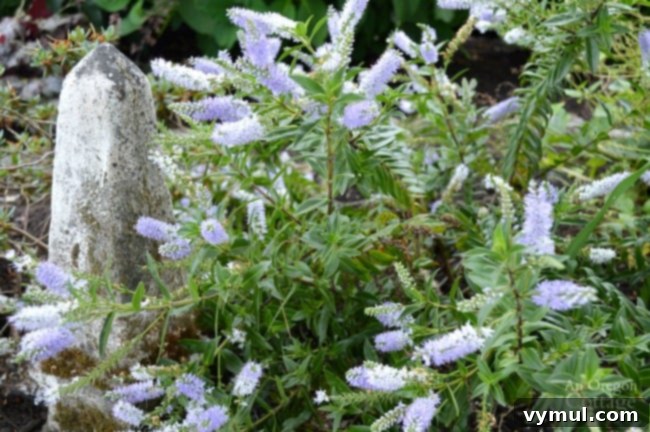
2. Hebe (Shrubby or Evergreen Veronica)
Shrub, 1-3′ H x 3-4′ W, main bloom July-September, rebloom through fall
My discovery of Hebe was a fortunate accident at a plant sale, and I’ve been grateful ever since. I planted this resilient shrub in an area of mostly shade with dappled sun, nestled beneath the thirsty Japanese Maple. Despite the competition for moisture, this Hebe grew lushly and blessed my garden with an extended blooming period. Its main flush of light purple flowers occurs in summer, but it consistently produces sporadic blooms well into October, adding late-season charm.
Hebes can sometimes be sensitive to harsh winters. I tragically lost the plant pictured here during a week of single-digit temperatures, fearing it was gone for good. However, to my delight, a new shoot emerged the following summer, slowly regaining its vigor and even blooming again in the fall. Their remarkable ability to cope with dry shade conditions makes them a perennial must-have in my garden (and others agree).
Best Variety: Hebe ‘Sapphire’ (pictured above). This is the only variety I’ve personally cultivated, and it is widely recognized as one of the most winter-hardy Hebe cultivars. While they can be a bit challenging to locate, I beg strongly encourage you to contact local nurseries; the effort to find ‘Sapphire’ will undoubtedly be rewarded by its beauty and resilience.
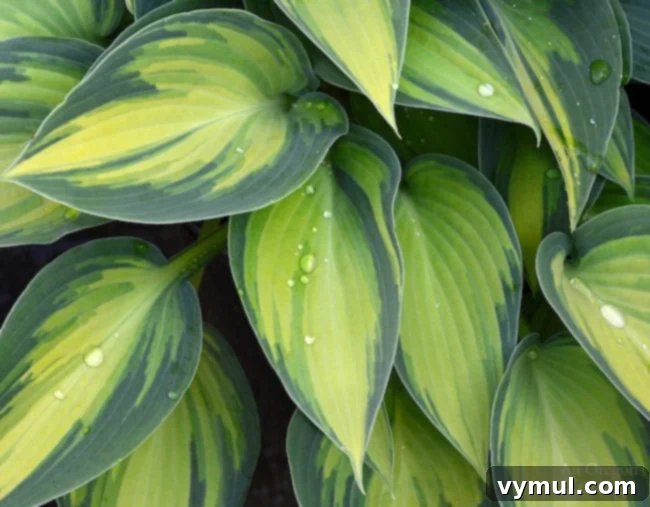
3. Hosta (Plantain Lilies)
Perennial, 2-3′ H x 4′ W, most bloom late spring-early summer
Hostas are a ubiquitous sight on virtually every list of shade-loving plants, and for good reason – their foliage is magnificent. However, it’s crucial to acknowledge a significant limitation: hostas will not perform well in dry shade. My most successful hosta plantings thrived in predominantly full, moist shade within my north-facing garden, specifically about 4-5 feet from the house foundation. Areas further out, which received more sun and suffered from drier soil, proved fatal for them. But in that ideal, moist spot, they grew exceptionally lush and enormous, creating a striking visual impact.
Hosta leaves come in an astonishing array of shapes, textures, and colors, depending on the variety. You can find heart-shaped, round, oval, or pointed leaves, with smooth or quilted surfaces, in shades of blue, green, yellow, or white. Variegated varieties, displaying captivating patterns of multiple colors, are particularly popular. Contrary to some gardening advice that suggests their blooms are secondary, I found the tall, purple flower stalks my hostas produced to be a delightful highlight, bringing unexpected beauty to that intensely shady area.
Best Variety: All of them! The beauty of hostas lies in their diversity. Select varieties based on the desired size for your space and the leaf color or variegation that most appeals to you – you truly can’t go wrong. For an even more captivating display, consider planting a mix of different types to enjoy a rich tapestry of textures and hues.
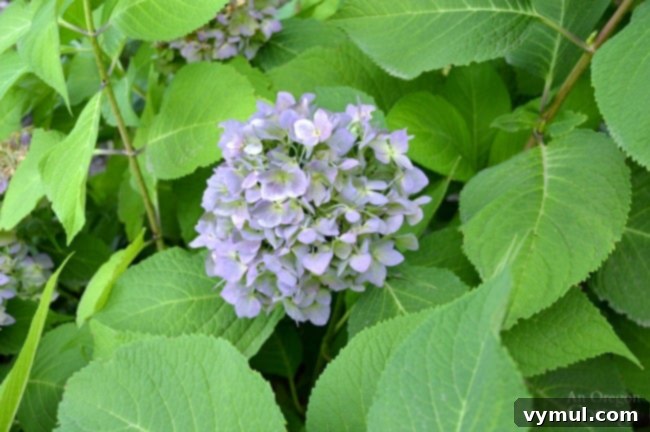
4. Hydrangea
Shrub, 3-6′ H x 3-5′ W, blooms late spring through frost
Hydrangeas unequivocally capture the hearts of countless gardeners, myself included. They are capable of delivering breathtaking displays, yield superb cut flowers for arrangements, and produce an abundance of blooms that gracefully change in color and appearance throughout the growing season. In my cottage garden, I believe I had a baker’s dozen of these beauties (13!), and I cherished every single one.
Historically, hydrangeas were primarily considered shade plants, thriving in dappled light. However, with the advent of newer, reblooming varieties, many can now tolerate more sun. The classic recommendation for optimal growth remains morning sun with afternoon shade. Yet, my own experience reveals their incredible adaptability: I successfully cultivated ‘Endless Summer’ in a north-facing porch garden that received only filtered sun in spring, and a ‘Little Lime’ in full sun. Furthermore, an old-fashioned lacecap hydrangea flourished and bloomed profusely in a completely full-shade, north-facing position against the house. The takeaway is clear: nearly every garden can accommodate a hydrangea!
Best Variety: Any of the ‘Endless Summer’ reblooming cultivars are fantastic choices, offering continuous blooms. But why limit yourself to just one? I am also particularly fond of Little Lime, Pee-Gee, Incrediball White, and other magnificent rebloomers like this gorgeous one. The variety is endless!
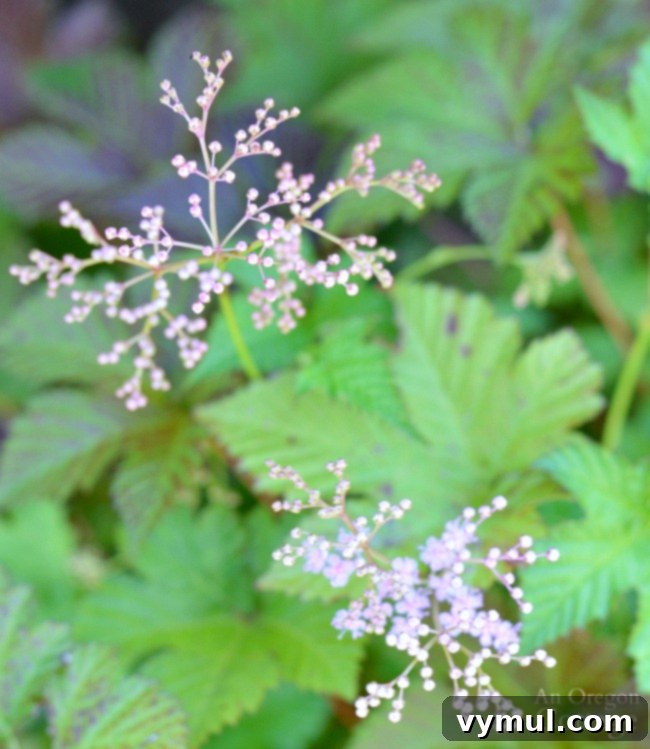
5. Tiarella (Foamflower)
Perennial, 1′ H x 1-2′ W, blooms spring and sporadically through summer
Foamflower is an elegant addition to any shade garden, preferring partial shade and well-drained soils that consistently retain a degree of moisture. Its foliage is often intricately variegated and deeply cut, providing excellent textural interest even when not in bloom. Delicate masses of tiny, star-shaped white or pink flowers emerge in late spring, with occasional reblooms appearing throughout the summer. The spring blooms tend to be fuller and more prominent, while later flowers, such as those pictured above, appear much more airy and subtle. This versatile plant also performs exceptionally well in containers, bringing its charm to patios and porches.
Best Variety: Consider the classic and graceful pink-white Tiarella Wherryi for its reliable performance and charming blooms.
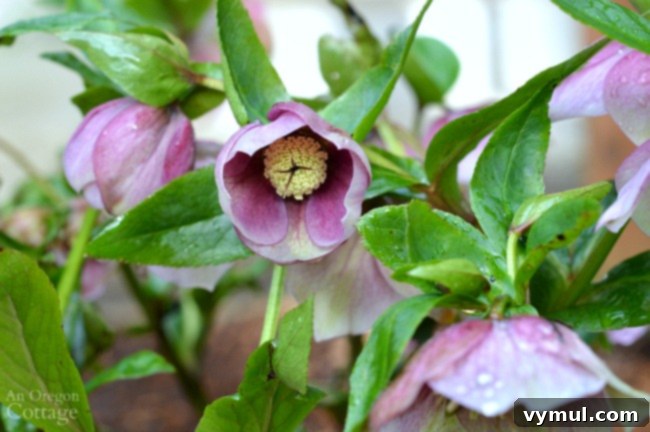
6. Hellebore (Lenten Rose)
Perennial, 2′ H x 2-3′ W, blooms March-May
Hellebores are an absolute beacon of hope in the late winter garden, emerging with their exquisite blooms around the same time as early daffodils and tulips. They are remarkably floriferous, producing a profusion of delicate, often nodding flowers that should be planted where they can be appreciated up close in the early season. For me, this means right in the entry garden, where their charming flowers offer a cheerful greeting even when the weather is still damp and cold.
These perennials form attractive clumps of dark green, leathery leaves, providing a robust base for their large, cup-shaped blooms. Hellebore flowers come in a beautiful palette of white, various shades of pink, and rich rose-purple. Once their blooming period concludes, the glossy, almost evergreen leaves continue to offer a wonderful, consistent backdrop for later spring and summer flowers. Hellebores are particularly excellent choices for planting under trees and shrubs, tolerating a wide range of light conditions from full to partial shade.
Best Variety: Any Hellebore is a good Hellebore! Don’t hesitate to experiment. For a truly captivating display, consider a vibrant mix featuring an assortment of pinks, whites, and purples to bring early color to your shady corners.
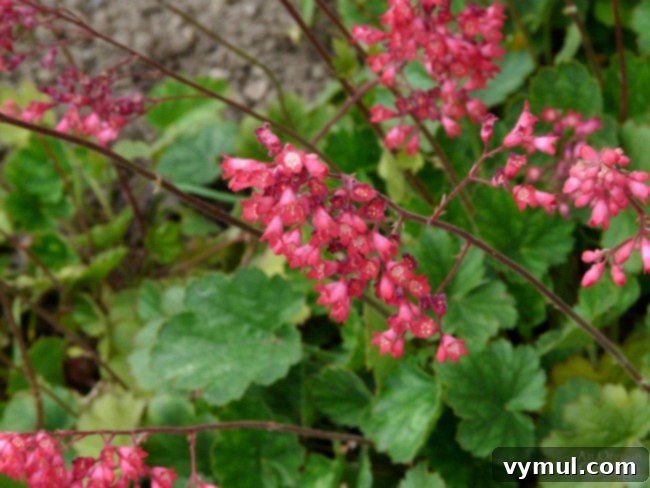
7. Heuchera (Coral Bells)
Perennial, 1-2′ H x 2′ W, blooms late spring-summer
Heuchera, commonly known as Coral Bells, is another indispensable plant for my garden, primarily because of its exceptional performance in dry shade. I frequently pair these with Brunnera, and together they provide beautiful spring flowers and captivating foliage that maintains interest throughout the entire growing season, even in the most challenging areas. The sheer number of varieties available today is astounding, with some new cultivars even tolerating more sun than their predecessors. Always remember to check plant tags for specific light requirements.
With Heuchera, it is truly the foliage that steals the show, offering an incredible spectrum of colors and textures that provide dynamic visual excitement. While some varieties also produce lovely, delicate flowers on tall, slender stems, it’s their leaves that are the main attraction. Your choices for foliage range from classic green to shimmering silver, deep and dramatic purples, and warm, inviting orangey caramel tones, allowing for endless creative combinations in your shade garden.
Best Varieties: For reliable beauty and unique colors, I highly recommend Stainless Steel for its silvery sheen, Caramel for its warm, autumnal hues, and Forever Purple for its intense, rich coloration.
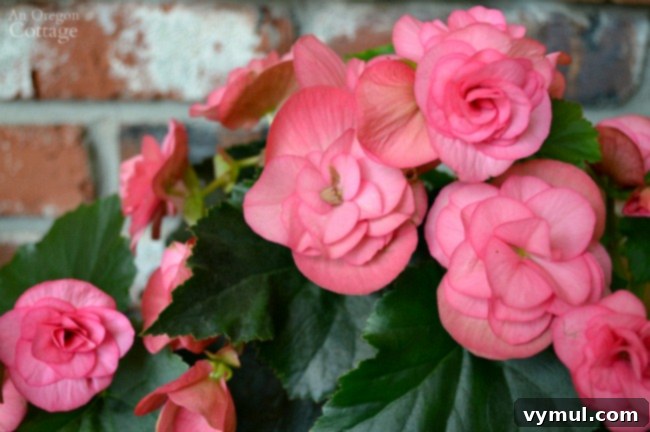
8. Begonia
Tuber or annual, 8-12″ H x 1′ W, blooms spring through frost
For a consistent and vibrant splash of color in shaded areas, begonias are an incredibly reliable choice. Their glossy foliage holds up admirably to the heat of summer, and while they do require consistent watering, they don’t exhibit the dramatic drooping often seen in Impatiens (another classic shade annual that, for this very reason, didn’t make my preferred list). In fact, I’ve successfully planted begonias in both dry shade and moist shade, and they performed beautifully in both challenging conditions – a definite win-win for versatile garden color.
Tuberous begonias, like the stunning example pictured, are frequently grown in containers, where their large, showy blooms can be admired up close. However, I have also planted them directly in the ground for summer-long color when I desired a more dramatic impact than smaller bedding annual begonias typically provide. Both types have a valuable place in the garden, and if you are fortunate enough to live in a temperate climate, many begonias will reward you with continuous blooms year-round.
Best Variety: The lush Double Pink tuberous begonia offers spectacular large blooms. For bedding applications, classic ‘wax’ begonias in cheerful pink or crisp white provide dependable, long-lasting color.
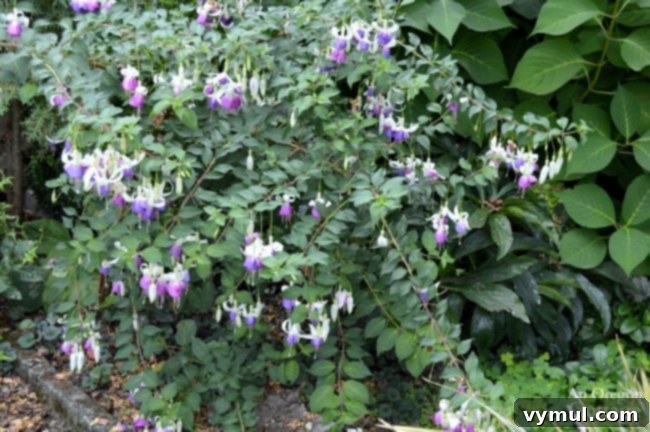
9. Upright Hardy Fuchsia
Shrub, 2-3′ W x 3-4′ H, blooms late spring through fall
My discovery of the upright hardy fuchsia was a truly delightful, albeit accidental, find. I purchased what I initially believed to be an annual upright fuchsia, purely for a dash of color, as I thought all ‘hardy’ fuchsias were either trailing varieties like this one or Cape fuchsias. To my pleasant surprise, this particular purple and white plant proved to be exceptionally gorgeous throughout the entire season and grew far larger than I had anticipated.
Some winters, particularly harsh ones, would cause it to die back completely to the ground. Yet, every single year, without fail, it would re-emerge, growing lush and absolutely covered in its distinctive, pendulous blooms. It was a literal show-stopper in the garden, captivating almost every visitor who inquired about its identity. Its resilience and continuous floral display make it a standout choice for shaded areas.
Best Variety: The ‘Delta’s Sarah’ hardy fuchsia is the closest match I’ve been able to find to my original plant. While its description often states ‘sun or semi-shade,’ my specimen thrived beautifully in complete north-facing shade, demonstrating its remarkable adaptability.
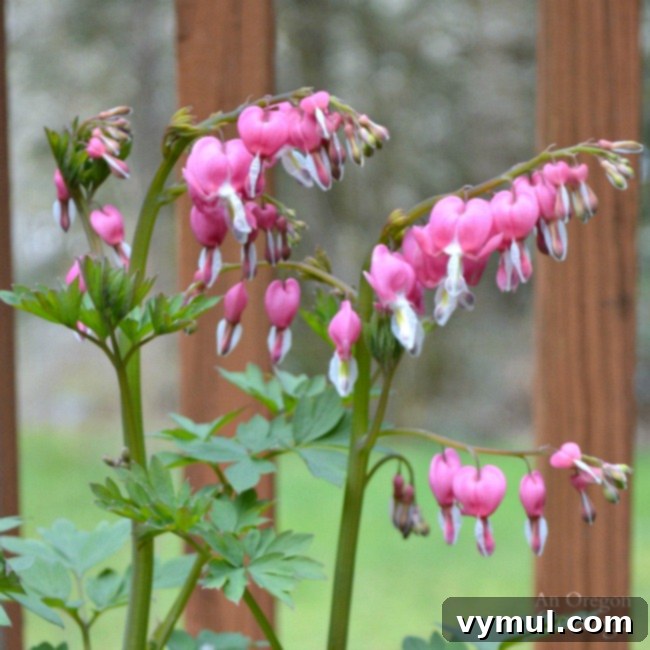
10. Dicentra spectabilis (Bleeding Heart)
Perennial, 4′ H x 3′ W, blooms spring to early summer
While much of the traditional gardening wisdom suggests that bleeding heart thrives in deep, heavy shade, my experience indicates it performs and blooms most effectively in filtered sun, rather than intense, full shade. And who wouldn’t want to showcase those uniquely charming blooms? I personally believe the heart-shaped flowers of Dicentra spectabilis are among the most amazing and intriguing of all garden flowers. While I’ve seen other captivating colors like purple & white and even pure white varieties, the classic pink and white combination remains my undisputed favorite.
One essential characteristic to be aware of with bleeding heart is its tendency to die back when confronted with consistently hot and dry conditions. In my USDA Zone 8 garden, this typically occurs from August to September, regardless of its planting location. Therefore, it’s a wise strategy to plant other perennials around it that will grow to fill the void left by its dormancy. Japanese Anemone and Hydrangea have proven to be excellent companion choices in my garden, ensuring continuous interest in that space.
Best Variety: For timeless elegance and reliable beauty, the Classic pink bleeding heart is an enduring choice.
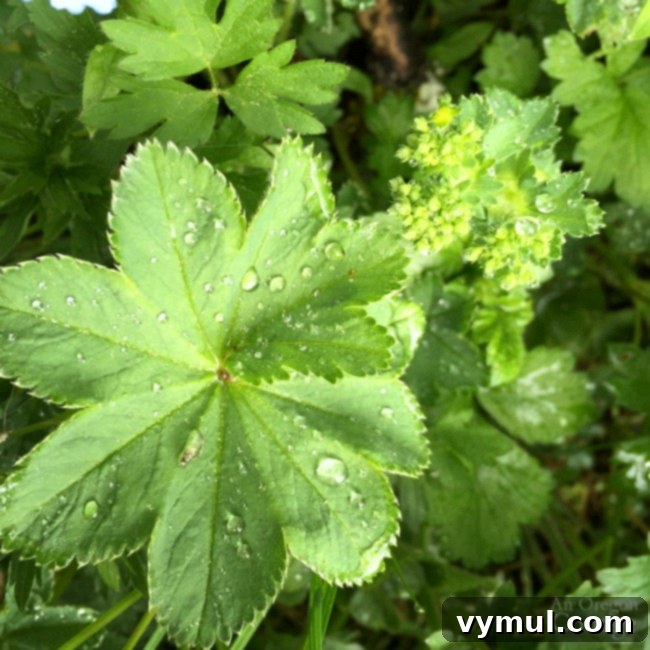
11. Alchemilla (Lady’s Mantle)
Perennial, 1′ W x 1.5′ H, blooms June-August
Lady’s Mantle offers beautiful, glowing green leaves that are particularly striking in shady garden areas, providing a fresh and vibrant presence. It is generally a trouble-free plant and can be quite long-lived if established in a suitable spot. Its airy, yellow-green flowers, which typically appear in early June, are a delightful sight and make a fabulous filler for bouquets of almost any color scheme, adding a delicate texture.
Here’s a crucial tip for growing Lady’s Mantle: if planted in moist shade, it will absolutely love the conditions and may even reseed enthusiastically, potentially becoming a bit too vigorous or “weedy” for some gardeners’ tastes. This is a common complaint I’ve heard. However, if planted in dry shade, Lady’s Mantle remains remarkably well-behaved, easily staying within its designated area without aggressive spreading. I did find that I might lose a few plants during particularly harsh winters when planted in dry shade, as it’s not its absolute preferred environment, but they are generally simple enough to replant, making them a worthy contender for these challenging spots.
Best Variety: The popular and reliable Alchemilla mollis lady’s mantle is an excellent choice.
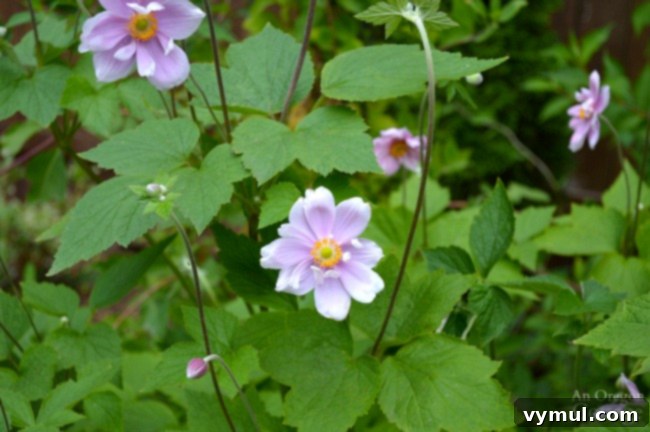
12. Japanese Anemone
Perennial, 5′ tall (blooms) x 2-3′ W (and spreading), blooms August-October
Japanese Anemone ranks among my most cherished flowers for late summer and fall, bringing a refreshing elegance to the garden as other blooms fade. The fact that they can be successfully grown across a broad spectrum of sun exposures and soil conditions is simply the cherry on top. Their sweet, often delicate flowers are carried gracefully on tall, wiry stems, providing a welcome and distinct aesthetic in the late-season garden. I’ve personally cultivated these versatile plants in full shade, partial shade, and even full sun, and they have performed admirably in every scenario. While the plants tend to be more compact and spread less in full sun, their ability to adapt is truly impressive.
A word of caution, however: Japanese Anemones are known for their enthusiastic spreading habit, and you might find that they become a bit too much of a chore to keep contained in certain conditions. If vigorous spreading becomes an issue, planting them in sunnier locations often helps to slow down their expansion. That said, moist shade is their absolute favorite environment, and they will grow quite freely in such conditions. For me, the beauty of their late-season blooms is entirely worth the occasional management, and they also make lovely cut flowers, despite their relatively short vase life.
Best Variety: The classic and popular Amemone Pink Saucer offers delightful pink blooms.
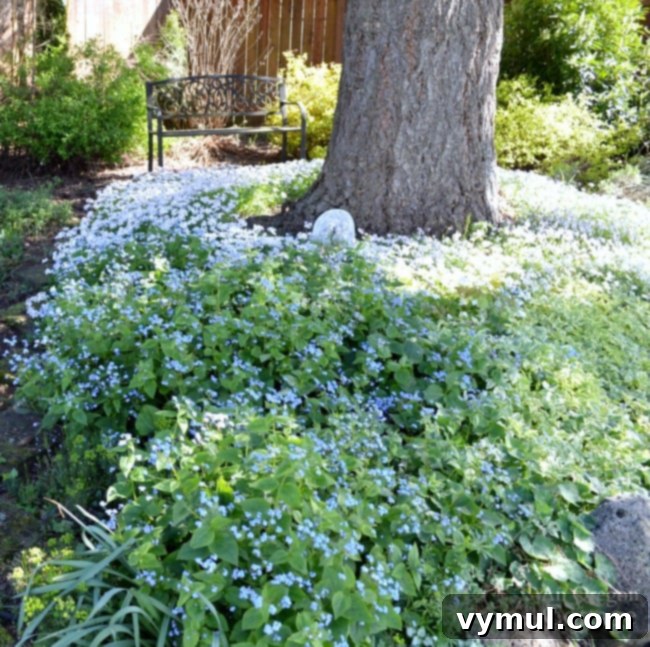
13. Aegopodium podagraria ‘Variegatum’ (Bishop’s Weed)
Spreading perennial, 1′ H
Despite its reputation as a “vigorous groundcover,” the variegated foliage of Bishop’s Weed brings such a remarkable brightness to shady gardens that it’s often well worth considering, especially for those notoriously difficult-to-grow areas. If you possess a section of dry shade at the base of a large, established tree where absolutely nothing else seems to take hold, this plant might just be your long-sought solution. It’s an old-fashioned perennial renowned for its longevity and incredibly low maintenance requirements.
However, a fair warning is absolutely essential: it is invasive in conditions it favors. These include moist shade or garden borders with rich soil and regular watering. For this reason, I would strongly advise planting it only in those truly challenging spots where other plants fail. In the photograph above, you can see Bishop’s Weed harmoniously coexisting with creeping phlox (more on this delightful plant below) and Brunnera. Even in this incredibly poor, shallow, and dry soil, I still find myself needing to periodically thin out the Bishop’s Weed to keep its spread in check. But I must admit, I adore the way it effortlessly covers and brightens that otherwise barren area!
Best Variety: The aptly named ‘Snow on the Mountain‘ variety is particularly striking with its white and green foliage.
14. The Surprise Dry Shade Lover: Phlox stolonifera (Moss or Creeping Phlox)
Perennial groundcover, 4-6″ H x 3′ W, blooms April-June
Also visible in that enchanting woodland garden scene pictured above is a vibrant swathe of creeping phlox, bursting into full, profuse bloom. This particular patch is nestled directly under a towering 60-foot fir tree (located behind the common Brunnera blooming in blue, with the variegated Bishop’s Weed to the right). What’s remarkable is that it bloomed with this same spectacular intensity every single year, requiring only weekly watering during the driest summer months.
Initially, this performance thoroughly confused me. I had always operated under the assumption that creeping phlox demanded sunny locations with moist, yet well-drained, soils. This plant, however, received only some dappled shade, with the majority of its environment being deep, consistent shade. Then, a helpful reader illuminated the situation, explaining that there are actually two distinct types of creeping phlox: *Phlox stolonifera*, which is native to woodland areas and thus thrives in shade, and *Phlox subulata*, the more common, sun-loving variety I was accustomed to. This revelation completely changed my perspective on what’s possible in shady areas.
Phlox stolonifera features charming evergreen, needle-like foliage and produces flowers predominantly in soft pastel colors. As you can see, it possesses an incredibly easy-going nature, and between its different types, it flourishes in a wide variety of conditions, adapting to almost any soil from full sun to partial shade. And definitely do not dismiss it for mostly shaded spots – as demonstrated in my garden, it can be the absolute highlight of a spring shade garden!
Best Variety: Look for creeping phlox specifically labeled as *Phlox stolonifera* for best results in shady locations.
Annnnd, the plant that’s NOT a favorite:
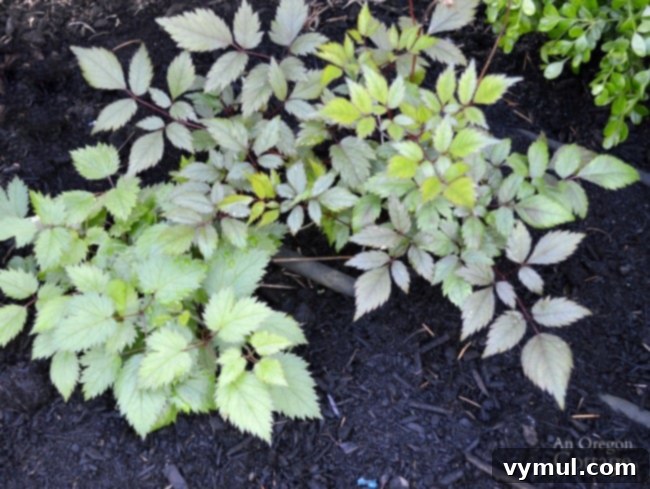
Astilbe (False Goat’s Beard)
Perennial, 1-2′ H x 2′ W, blooms summer
You might be wondering why Astilbe, a plant frequently recommended for shade, is conspicuously absent from my list of favorites. While many gardeners have great success with Astilbes (and I genuinely celebrate their ability to grow these!), I have personally never managed to cultivate them to a standard I would consider “nice” or “thriving.” According to numerous horticultural sources, Astilbe requires shade with dappled sun and consistently even moisture. However, these same sources often admit that Astilbes only perform optimally under the “right” growing conditions – which, to me, often translates to “fussy.”
My own experiences perfectly illustrate this point. I planted four Astilbes in a moist shade area (the very same ideal spot where my Hostas flourish), and they received regular, deep watering throughout our dry July-September months. Yet, by the end of July, they were consistently reduced to withered, brown stubs, often before our truly hot summer weather even arrived (the photo above shows them in early June, already struggling). Furthermore, the blooms were either sparse or entirely non-existent. For the effort and resources invested, the dismal results simply weren’t worth it for me. I prefer plants that reliably perform without constant fuss.
Best Variety: Is there a secret variety that defies the odds? If you’ve found one, please share your wisdom! Perhaps I’ll finally be persuaded to give them another try.
That concludes my personal list of tried-and-true plants for gardening in the shade. If you have other successful recommendations for these challenging areas, please don’t hesitate to share them in the comments below – one can truly never have too many options for transforming tricky shaded spots into beautiful garden retreats!
Disclosure: affiliate links in this article will earn commission based on sales, but it doesn’t change your price. Click here to read my full disclaimer and advertising disclosure.