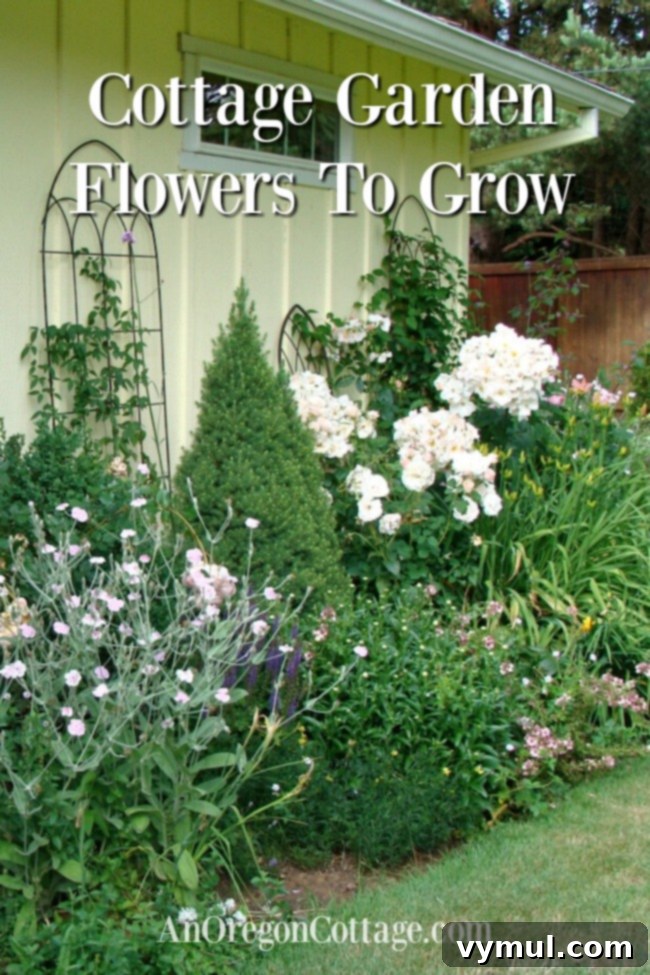
Easy Cottage Garden Flowers: Cultivating Beautiful Pastel Blooms for Sun and Shade
Few things capture the essence of natural beauty and effortless charm quite like a cottage garden. Bursting with life, color, and fragrance, these gardens evoke a sense of nostalgic romance. June, in particular, is a magical month where cottage garden flowers truly come alive, putting on a spectacular display that we eagerly anticipate and strive to savor.
As gardeners, we know that the fleeting beauty of early summer is precious. The dry, often scorching days of August and September will eventually arrive, bringing signs of browning borders, the perennial struggle with blackspot on roses, and the eventual fading of clematis blooms. While late-summer and autumn blooms offer their own unique delights – especially when you plan your garden specifically for those later seasons – there’s something truly special about the lushness of early summer foliage and the vibrant tapestry of blossoms. We must appreciate this abundance while it lasts!
To help you cultivate your own piece of paradise, we’re sharing a curated list of beautiful, easy-to-grow cottage garden flowers that reach their peak in June, with many continuing to bloom throughout the season. These tried-and-true shrubs and perennials are ideal for achieving that coveted English garden aesthetic so many of us adore. Whether you’re planning new borders, refreshing existing beds, or adding charm to containers, these pastel-shaded beauties will inspire your landscape design.
Beyond stunning blooms, we also delve into a crucial aspect often overlooked in cottage garden planning: plants for shady areas. Creating a vibrant garden in shade, especially dry shade, presents a unique challenge. This guide includes resilient plants that not only survive but thrive in these tougher spots, ensuring every corner of your garden can contribute to the enchanting cottage look.
Cottage Garden Flowers To Grow – Sun-Loving Varieties
For those sun-drenched areas of your garden, where light encourages bountiful blooms, a selection of classic cottage garden favorites will flourish. These plants are chosen not only for their beauty and pastel hues but also for their ease of care, allowing you to enjoy a stunning garden without excessive effort. In a typical southern-facing border, you’ll often find a delightful mix of these perennials and shrubs blooming or preparing for their grand entrance:
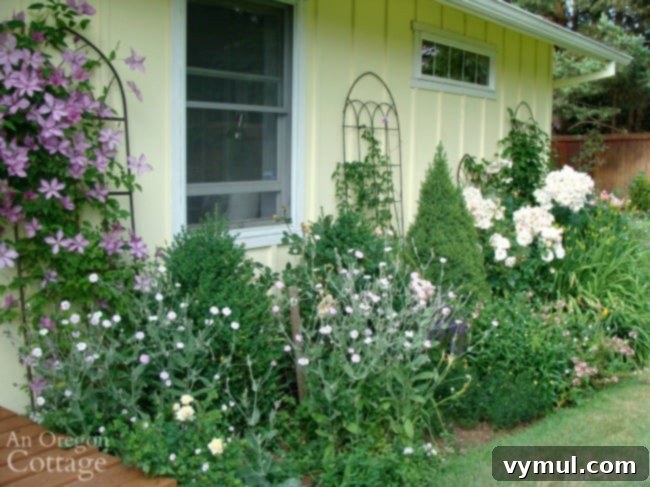
1. Pale Pink Rose Campion (Lychnis coronaria): This delightful perennial is a staple in cottage gardens for its soft, ethereal presence. Its airy, vibrant pale pink blooms with fuzzy silver-gray foliage create a beautiful contrast and contribute to that coveted slightly wild, unkempt cottage garden look. While it does reseed quite easily, it’s not truly invasive, making volunteer seedlings a welcome addition rather than a nuisance. They are incredibly easy to pull, move, or replant to fill any bare spots, providing continuous beauty with minimal fuss.
2. May Night Salvia (Salvia x sylvestris ‘May Night’): A true workhorse in the sunny border, May Night Salvia offers weeks of stunning deep indigo-purple spires starting in early June. Tucked to the right of the second rose campion in many designs, this plant is valued for its long bloom time and ability to attract pollinators. If deadheaded or cut back after its initial flush, it will often reward you with a second, equally impressive bloom cycle, extending its beauty well into the summer months. Its upright form provides excellent vertical interest.
3. Alaska Shasta Daisy (Leucanthemum x superbum ‘Alaska’): With its classic white petals and cheerful yellow centers, the ‘Alaska’ Shasta Daisy is synonymous with summer. It stands ready to burst into bloom next to the Salvia, ushering in a wave of brightness that lasts well into July. These robust perennials are incredibly low-maintenance, thriving in full sun and providing a timeless, crisp contrast to other pastel shades. They are excellent cut flowers, bringing the joy of the garden indoors.
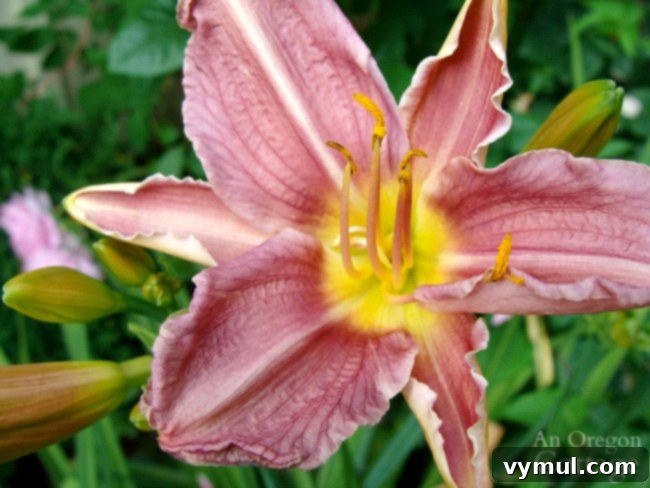
4. Daylilies (Hemerocallis spp.): Daylilies are an indispensable part of any cottage garden due to their incredible diversity, resilience, and continuous blooming habit. Varieties like the bright yellow ‘Stella D’oro’ are legendary for their prolific, reblooming nature, gracing the garden with blossoms from June through July, and often sporadically until the first frost. Taller, dark pink varieties, as shown above, contribute rich color and structure. With a ton of blooms and minimal care requirements, daylilies offer fantastic value, filling garden spaces with vibrant, trumpet-shaped flowers that open for a single day but are quickly replaced by new ones.
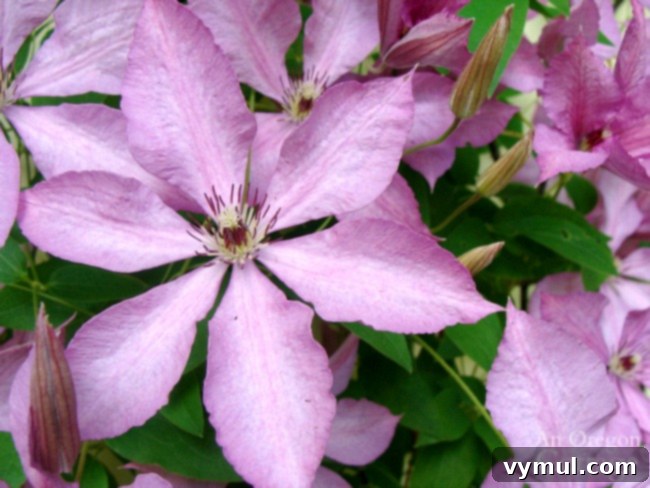
5. Clematis (Clematis spp.): The elegant Clematis vine is a quintessential cottage garden climber, renowned for its spectacular blooms that can transform an ordinary wall or fence into a living work of art. This lovely lilac-purple clematis, for instance, puts on a huge show, gracefully covering a trellis and providing a crucial vertical element to a plain house wall. Its ability to add height, texture, and dramatic color makes it indispensable. Clematis varieties vary widely in bloom time and flower shape, offering options for season-long interest. They thrive with “sunny heads and shady feet,” meaning their foliage likes sun but their roots prefer cool, moist soil.
6. Roses (Rosa spp.): A cottage garden without classic roses is simply incomplete. Roses are the heart and soul of this garden style, embodying romance, fragrance, and timeless beauty. Their diverse forms, from rambling climbers to compact shrubs, allow for endless creative possibilities. They truly deserve a dedicated look:
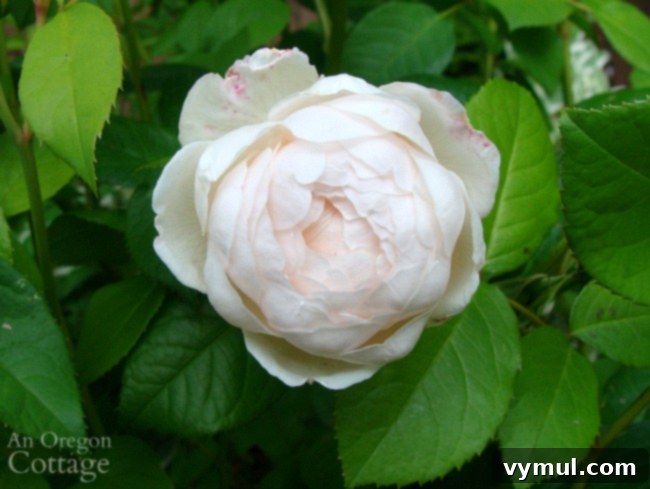
David Austin ‘Windermere’ Rose: Often a favorite, this very light pink, old-fashioned rose blooms profusely throughout the entire season. Its delicate, multi-petaled flowers exude elegance and a gentle fragrance. As cut flowers, they are simply stunning, especially when the tightly furled buds are included, hinting at the beauty yet to unfurl. Imagine cutting a few exquisite blooms and adding a couple of sprays of these perfect buds – you instantly have an incredible, fragrant vase of flowers that brightens any room.
Fun fact: Sometimes the best treasures are found unexpectedly! This particular rose was discovered on clearance for a mere $3.00 after its blooms had faded. It’s a wonderful reminder that a budget-friendly find meant to fill a bare spot can quickly become one of the most cherished plants in your garden.
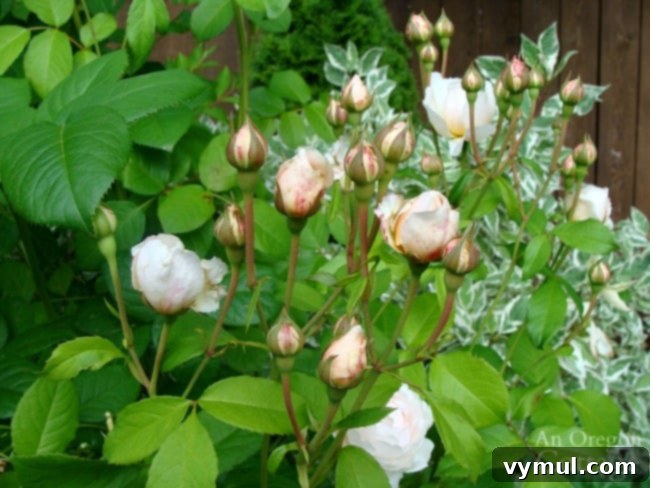
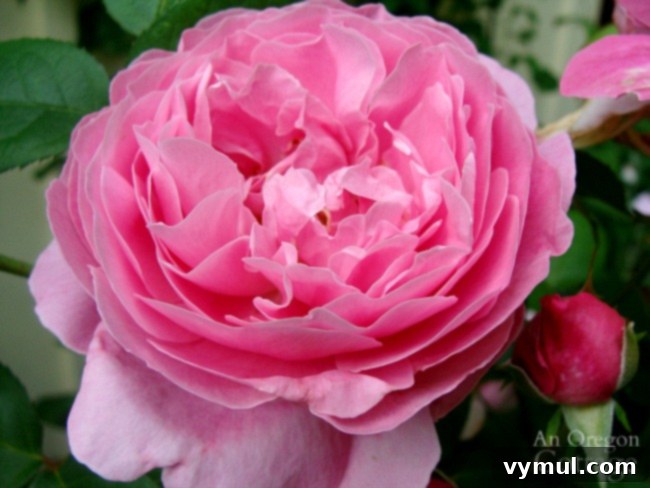
David Austin ‘Mary’ Rose: This rose boasts a truly wonderful pink color and an abundance of petals, creating a lush, full bloom. The fragrance of ‘Mary’ is equally delightful, adding another sensory layer to your garden experience. For anyone aspiring to create an authentic old-fashioned cottage garden, exploring David Austin’s extensive collection of English roses is a must. They offer a vast array of colors and styles, all characterized by that classic, romantic look and intoxicating scent, combined with modern improvements like enhanced disease resistance and reliable reblooming. These roses truly offer the best of both worlds, blending heritage charm with contemporary garden practicality.
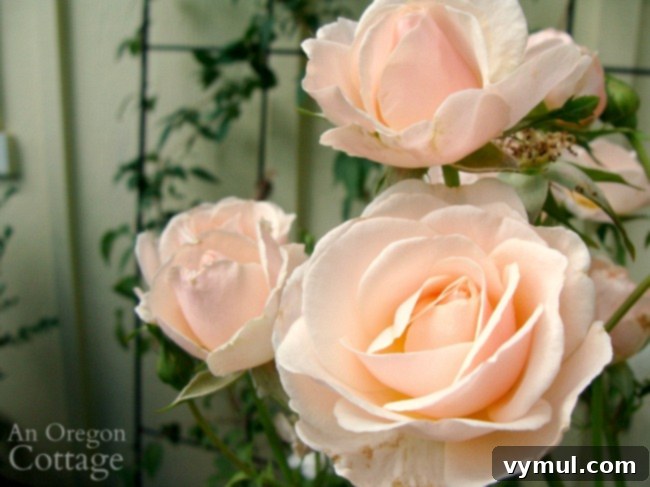
Unnamed Blush Pink Floribunda Rose: This beautiful rose, with its enchanting blend of cream and pink, kissed with a hint of peach, is a real head-turner. Its bloom shape leans more towards a classic tea rose, yet it grows on an easy-care, smaller floribunda shrub, making it perfect for borders or even containers. While its exact name might be lost to memory, its beauty endures. The closest known variety that shares its captivating characteristics is often identified as ‘French Lace’, a floribunda celebrated for its elegant, softly colored blooms and manageable size.
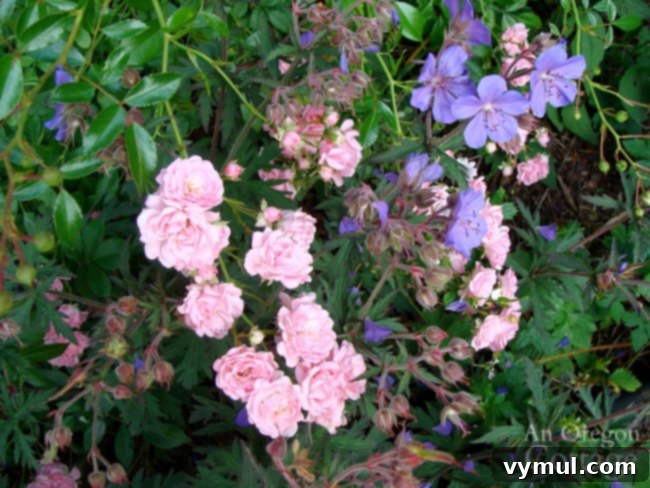
The Fairy Rose (Rosa x ‘The Fairy’): For many years, ‘The Fairy’ rose has remained a steadfast favorite. Its charming, small, blush-pink double flowers appear in abundant clusters, creating a cloud of color that lasts virtually all summer long. In a previous garden, a hedge of ‘The Fairy’ lining a picket fence was an absolute showstopper when in bloom. This incredibly resilient and versatile rose is also fantastic in mixed borders, as seen here planted alongside a purple hardy geranium. Their harmonious pairing creates a delightful and enduring display, demonstrating ‘The Fairy’s’ adaptability and aesthetic appeal in various garden settings.
Cottage Garden Flowers & Plants – Shade-Loving Varieties
Creating a thriving cottage garden in shady areas, particularly those with dry shade, presents one of gardening’s trickiest challenges. These spots, often under large trees that hog moisture and nutrients, can seem impossible to cultivate. However, with the right plant selection and a few strategic watering techniques, even these difficult corners can be transformed into lush, inviting spaces. The goal is to bring texture, varied foliage, and subtle beauty to areas where bright blooms might struggle.
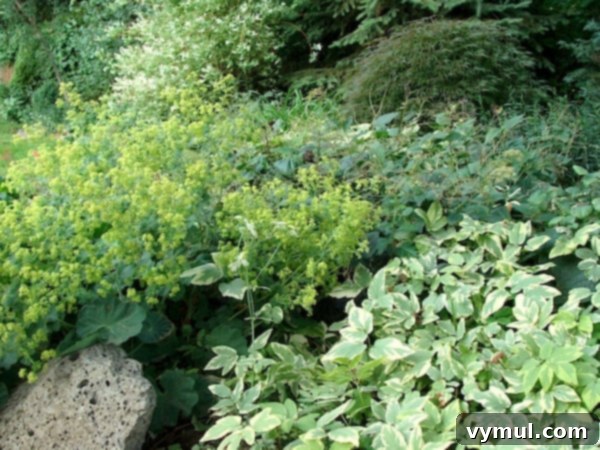
The dry shade border pictured above, nestled beneath a huge fir tree, might initially appear understated, but its lushness and fullness are nothing short of remarkable. Achieving such a vibrant display in dry shade is almost miraculous, or perhaps, it’s simply a testament to choosing the correct plants and employing consistent deep watering with a soaker hose. While the Brunnera to the right of the Ladies Mantle has just finished its bloom cycle, many other plants here feature variegated foliage. Variegation is an invaluable tool for introducing interest and ‘color’ to shaded areas, where traditional blooms might be scarce, making the garden feel rich and varied even without a riot of flowers.
Best Cottage Plants For Shade and Dry Shade:
1. Variegated Bishop’s Weed (Aegopodium podagraria ‘Variegatum’): Typically considered invasive in more hospitable garden conditions, Variegated Bishop’s Weed becomes a welcome asset in dry shade. In these challenging environments, its spreading habit is significantly slowed, allowing it to form an attractive, bright groundcover without becoming overwhelming. Its striking white and green variegated foliage brightens dark corners and provides reliable coverage where many other plants fail, making it a surprisingly practical choice for an otherwise difficult area. It truly shines where other plants fear to tread.
2. Lady’s Mantle (Alchemilla mollis): Known for its charming chartreuse blooms and distinctive fan-shaped leaves that beautifully hold morning dew, Lady’s Mantle is another plant that typically reseeds readily. However, in the harsher conditions of dry shade, its self-sowing tendency is greatly reduced, making it a manageable and highly desirable plant for filling those tricky spots. As seen, it excels at carpeting areas with lush foliage and delicate blooms. While its winter hardiness can sometimes be variable in Zone 8 PNW, its ability to thrive and fill space when it establishes makes it an excellent choice for texture and a soft, natural look.
3. Brunnera (Brunnera macrophylla): Brunnera is an absolute favorite for dry shade, particularly the silver-tipped ‘Jack Frost’ variety, with its striking heart-shaped leaves that appear dusted with frost. While ‘Jack Frost’ is revered for its stunning foliage and doesn’t self-seed much, the regular green variety is a generous self-sower. This self-seeding characteristic is incredibly valuable in dry shade, as it helps fill in spaces in areas where establishing new plants can be a struggle. If your shade is moist, ‘Jack Frost’ is still an excellent choice as it hasn’t shown any seeding issues in those conditions.
4. Small Japanese Maples (Acer palmatum cultivars): Japanese maples are superb for adding structure, fine texture, and year-round interest to shady garden areas. Their graceful forms and diverse foliage colors – from deep reds to vibrant greens and delicate variegations – allow them to fill spaces beautifully. Many smaller cultivars work exceptionally well as an understory to taller trees, providing elegant layers in the canopy. They contribute a serene, sophisticated element that perfectly complements the cottage garden aesthetic.
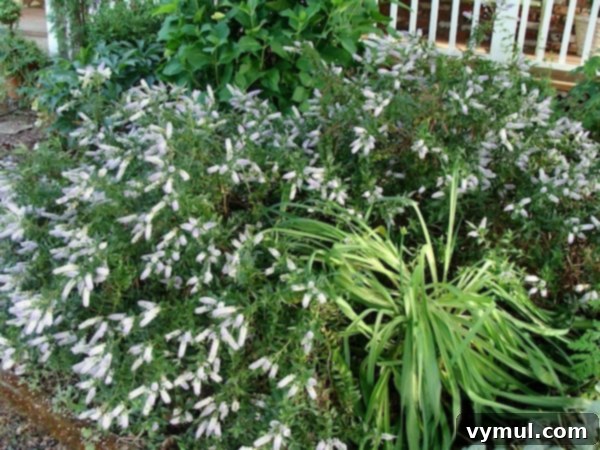
5. Hebe (Hebe spp.): Hebe is another exceptional dry shade plant that brings both foliage interest and prolonged bloom to difficult areas. The charming June blooms seen here will continue into July and then flower sporadically throughout the fall, offering extended visual appeal. This resilient shrub is often planted under larger trees, such as the huge Japanese maple mentioned, where it still thrives, albeit with the help of deep watering from soaker hoses. As you can see, two Hebes planted together create a glorious, full display. They also make wonderful, long-lasting cut flowers, adding their unique texture and color to indoor arrangements. It’s a pity the specific variety name was not recorded, as there are hundreds of Hebe varieties, many of which do not share this plant’s particular growth habit and bloom style. This serves as a great reminder to diligently document your plants in a garden notebook!
More Sun-Loving Cottage Garden Flowers for Vibrant Displays
Beyond the initial selection, many other sun-loving plants contribute to the exuberant, layered look of a cottage garden. These perennials and shrubs are chosen for their consistent performance, charming aesthetics, and ability to blend seamlessly into a rich tapestry of blooms and foliage. The garden area shown below, incredibly, once served as a driveway, showcasing the transformative power of thoughtful planting. In addition to the daylilies we’ve already highlighted, this bed is home to several more tried-and-true plants that exemplify cottage garden resilience and beauty:
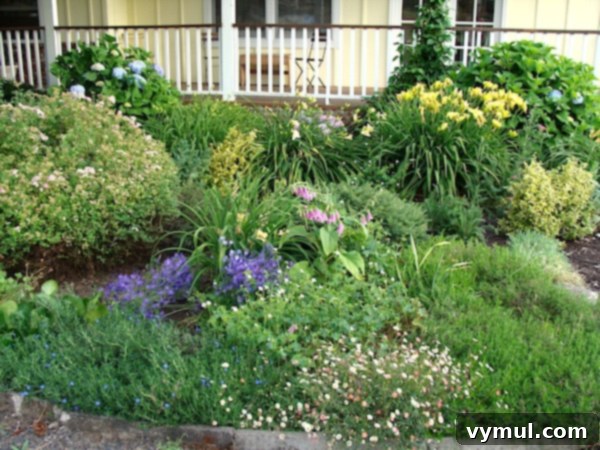
1. Hydrangea (Hydrangea macrophylla, paniculata, etc.): Of course! A cottage garden simply wouldn’t be complete without the iconic Hydrangea. These magnificent shrubs produce abundant, often massive, bloom clusters in shades of white, pink, blue, or purple, providing a lush, romantic feel. They are remarkably versatile, thriving in various sun exposures (depending on the type) and adding a classic, old-world charm that is quintessential to the cottage aesthetic. Their long-lasting flowers, both on the bush and as cut flowers, make them an invaluable asset.
2. Spirea (Spiraea spp.): The elegant shrub on the left, likely a Japanese Spirea cultivar, offers delicate sprays of flowers. It had its first delightful flush of blooms in May, creating a soft, airy texture. With a quick trim or shearing of old blossoms, Spirea can often be encouraged to rebloom throughout the summer, providing continuous interest. Its graceful form and attractive foliage add structure and fine texture to the border, complementing the more flamboyant blooms around it.
3. Campanula / Bellflower (Campanula spp.): The charming purple bell-shaped blooms of this short perennial are a classic cottage garden sight. These delightful flowers typically last throughout the month of June, adding a vertical accent and a soft color pop at the front of beds or along pathways. Many varieties are vigorous and easy to grow, creating lovely drifts of color. Their whimsical appearance perfectly embodies the relaxed, natural style of a cottage garden.
4. Perennial Foxglove (Digitalis purpurea): Foxglove is an absolute quintessential cottage flower. Its tall, stately spikes, adorned with thimble-like blooms, emerge majestically in April and May, adding dramatic height and a touch of wild elegance to the garden. This particular variety has graciously reseeded itself throughout the property, popping up unexpectedly in various spots, which is a hallmark of a truly naturalized cottage garden. The sight of a second bloom drooping after its peak adds a rustic, enduring beauty.
5. Fleabane (Erigeron karvinskianus): This low-growing perennial, also known as Mexican Daisy, is perfect for softening the edges of beds and pathways. Fleabane is another generous reseeder, but its growth is tame and easily managed, allowing gardeners to pull or replant it where desired. Its delicate, daisy-like flowers, typically white fading to pink, provide an exceptionally long bloom time, gracing the garden with continuous charm throughout the warmer months. It’s an easy-care plant that delivers immense visual appeal for minimal effort.
Do you have any favorite pastel-colored cottage garden flowers that didn’t make this list? We’d love to hear about them! Share your cherished plants and gardening tips in the comments below.

This article has been updated and expanded to provide even more valuable gardening insights. It was originally published in June 2013.