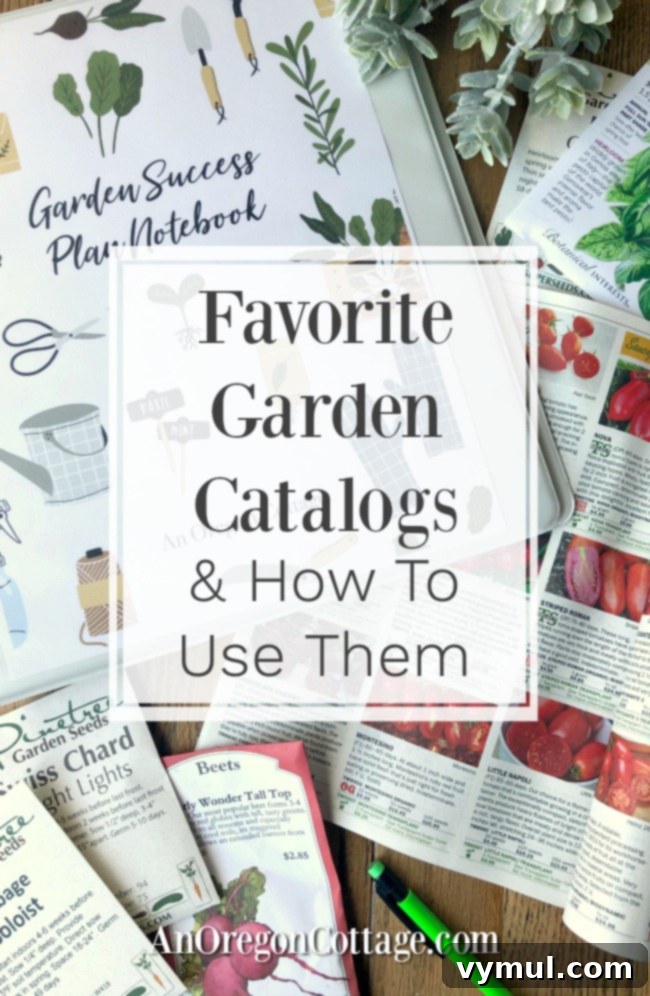
Unlock Your Best Garden: The Ultimate Guide to Free Seed Catalogs, Expert Tips & Top Seed Picks
One of my favorite annual traditions, which helps significantly in battling the post-holiday blues, is the arrival of free garden catalogs in my mailbox, starting as early as December. During the bustling holiday season, I set them aside. But come January, there’s immense pleasure in leisurely flipping through their pages, often with a warm cup of tea in hand. It’s a time for dreaming, planning, and envisioning the vibrant plants and bountiful harvests I hope to cultivate in the new growing season. These aren’t just pretty picture books; they are invaluable resources brimming with information.
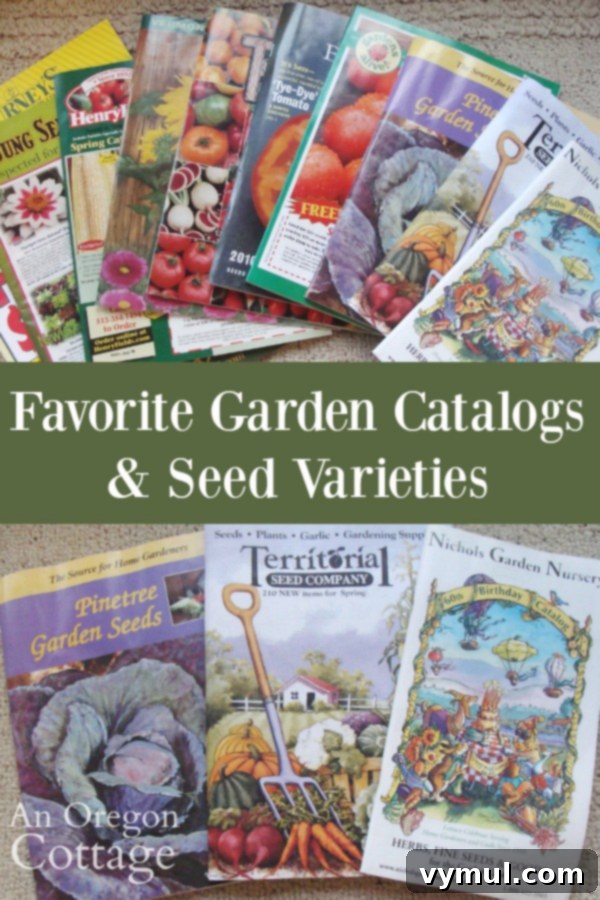
Over the years, I’ve gleaned a wealth of knowledge from these catalogs, learning about everything from new plant varieties to specific growing instructions and even detailed planting charts. It’s truly astonishing how much practical advice they offer. In this comprehensive guide, I’m excited to share with you my personal favorite garden catalogs, the ones I eagerly await each year, along with the tried-and-true seed varieties I consistently order from them. These are the workhorses of my garden, varieties that have performed so consistently and exceptionally well that I simply couldn’t imagine my garden without them.
For more in-depth information on starting your gardening journey, particularly from the very beginning, you can explore our comprehensive Seed Starting Guide, which provides a wealth of resources and step-by-step instructions.
Why Choose Starting From Seeds Over Buying Plants?
I’ve often shared my deep appreciation for starting plants from seeds, even when managing a smaller garden space. While there are numerous compelling reasons to embark on the journey of growing plants from seed, I find four very good reasons to grow plants from seed stand out as particularly impactful. For me, the most significant advantage is:
You gain complete control over when you plant your seeds and transplants.
This autonomy is absolutely crucial for maximizing your yield within your available space and overcoming any seasonal limitations your climate might present. By controlling the timing, you can extend your harvest, plan for succession planting, and ensure your plants are established at their optimal moment.
Beyond timing, starting from seed offers several other significant benefits. Firstly, you get to choose from an exponentially wider array of varieties than you’d ever find at a local nursery. From rare heirlooms to specialized hybrids, the possibilities are endless. Secondly, if you learn how to save your seeds properly, many varieties can remain viable for 2 to 5 years, providing substantial cost savings over time. It’s an investment that pays dividends in both diverse harvests and a lighter wallet.
Now that I’ve given you my enthusiastic endorsement for seed starting, let’s dive into the practical side of how to effectively use garden catalogs, which ones have earned a permanent spot on my favorites list, and the specific seeds I consistently order to ensure a successful and delicious gardening season.
Mastering Your Garden with Free Seed Catalogs
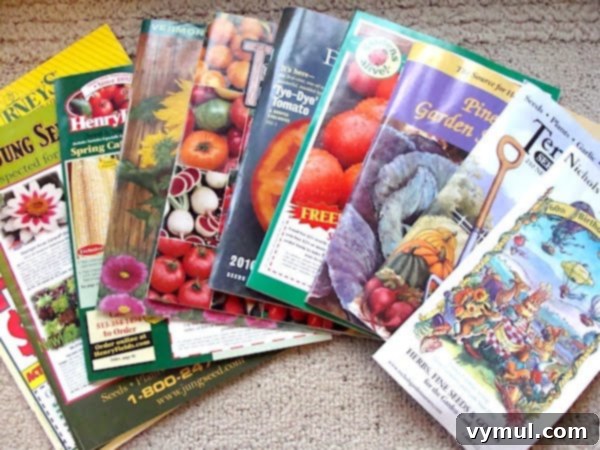
Unlike many other promotional mailers you might receive, seed and plant catalogs are far from disposable. These publications are incredibly practical and serve as rich educational tools. Every catalog provides essential information about specific seeds and plants, but some go above and beyond, offering deep dives into detailed seed starting techniques, precise planting instructions, and optimal harvesting times. They are, in essence, mini-textbooks for gardeners.
I can personally attest to their value; as a novice gardener, I learned an immense amount about cultivating both food and flowers directly from the pages of these informative catalogs. They taught me about soil types, pest resistance, disease management, and even the subtle art of companion planting.
Here’s how to strategically leverage this treasure trove of free information to plan your dream garden, and perhaps even establish a delightful post-holiday tradition you’ll eagerly anticipate each year:
- Step 1: The Initial Browse & Dream Stage. Begin by looking through every catalog you receive. This includes those from companies you’ve never ordered from and perhaps never will. The goal here isn’t to buy, but to gather inspiration. It’s an excellent way to discover new varieties, see the latest innovations in gardening, and refresh your memory about plants you’ve grown successfully in the past or wish to try again. While I thoroughly enjoy immersing myself in all of them, a more practical approach might be to select 3-5 of your favorite catalogs to stay abreast of the current trends and offerings in the gardening world. This initial survey is purely for dreaming and learning, without any pressure to commit.
- Step 2: Circle Your Desires & Learn. Next, take your preferred catalogs – the ones that truly pique your interest – and arm yourself with a pen. Start circling any seeds or plants you’re attracted to, regardless of price or whether you might already have similar seeds. This is still part of the “dreaming” phase, allowing your imagination to run wild. Underline anything intriguing, including specific planting tips, unique variety descriptions, or new cultivation methods that catch your eye. You might even use different colored pens to distinguish between “must-haves” and “would-be-nice-to-tries.”
Update: I’ve found that combining these first two steps makes the process more efficient. I’ll quickly glance through catalogs from companies I know I won’t order from just for inspiration, and then immediately dive into my favorites with a pen, circling and marking on the first pass. Find the method that works best for your personal style!
- Step 3: Inventory Your Existing Seeds. About a week or two after your initial dreaming stage, it’s time to get down to business. Pull out all the seeds you currently have stored. (If you need guidance, here’s how I save my seeds effectively.) Go through them meticulously, creating a clear list of what you already possess. Then, compare this inventory against your garden plans and note down precisely what you still need to acquire. (PRO TIP: Utilizing the dedicated section in the free Garden Journal Notebook can streamline this entire process, making it incredibly organized and straightforward!)
- Step 4: Curate Your Wish List & Prioritize. Now, revisit your marked-up catalogs. Begin to create a definitive list of the seeds you truly need, noting the company from which you plan to order each. This step is also easily managed within your garden notebook. If you’re like me, this is the moment when reality sets in, and you’ll see the potential cost climb. This is where the crucial task of paring down your list to a more realistic and budget-friendly amount comes into play. Prioritize based on what grows best in your climate, what you consume most, and what genuinely excites you to grow.
- Step 5: Place Your Orders & Secure Your Selection. Finally, with your meticulously curated and pared-down lists, it’s time to place your orders! I typically order from 2-3 companies; ordering from too many more can quickly negate any cost savings due to accumulated shipping fees. My goal is always to get my orders in before the end of January. This timing is crucial for securing the best selection, as popular and highly sought-after seed varieties frequently sell out early in the season. Don’t miss out on your garden favorites!
My Top-Tier Garden Catalogs for Seeds
Important Note: While I often place my primary seed order with a company located outside my immediate region, it’s highly beneficial to subscribe to garden catalogs from companies within your state or local area. These regional catalogs are invaluable resources, offering varieties specifically suited to your climate, along with tailored advice on the best planting and harvesting times for your particular growing zone. They can be a goldmine for localized gardening success.

1. Pinetree Garden Seeds
Despite their location all the way in Maine, Pinetree Garden Seeds consistently receives the bulk of my annual seed order. My primary reason for this loyalty is their excellent offering of smaller seed packets at incredibly reasonable prices. As a home gardener, I rarely need 100 seeds of beans or tomatoes, so their smaller quantities are absolutely perfect for my needs, minimizing waste and ensuring I get fresh seeds each season.
Pinetree is also known for its exceptional customer service and a thoughtfully curated selection of seeds. Beyond seeds, they also offer bulbs, roots, and some fruit varieties. While not all their seeds are organic, they are steadily expanding their organic offerings. Crucially, they sell no GMO seeds and actively strive to avoid selling any treated seeds, which aligns perfectly with my gardening philosophy.
Adding to their appeal, Pinetree also carries a selection of useful gardening books at great prices, alongside unique craft supplies like those for soap-making, often available at discount rates. It’s a truly comprehensive resource.
My Must-Have Regular Orders from Pinetree:
- Emerite Pole Bean. I absolutely adore this variety, and I’m often puzzled why more catalogs don’t carry it! My affection for it is so strong that I dedicated an entire article to it. This is a filet-type pole bean that excels when harvested young as a delicate filet, yet remarkably maintains its tenderness and stringless quality even when allowed to grow to 8-9 inches. One fascinating characteristic of Emerite is its tendency to slow production during the intense heat of August, making you wonder if its season is over. But be patient! As soon as the cooler temperatures and rains return, these beans burst back into prolific production and continue unabated until the first hard frost. I’ve harvested Emerite beans well into the first week of November, long after other varieties like Blue Lake poles have become a distant memory! UPDATE: Sadly, Pinetree no longer carries this specific variety. When I can’t save my own seeds, I’ve had success finding them at Vermont Bean Seed Company.
- Pinetree Lettuce Mix (and also the Winter Lettuce Mix). Their lettuce mixes offer an unbeatable value for a fantastic assortment of lettuce varieties, perfectly suited for the popular cut-and-come-again harvesting method. I make it a practice to sow a new row every couple of weeks throughout the spring, ensuring a continuous supply of fresh, homegrown greens.
- Cheddar Cauliflower. If you’re going to invest the time and effort into growing your own cauliflower, why not opt for something fun and unique? This vibrant, orange-hued cauliflower adds a pop of color to your garden and your plate, making healthy eating all the more exciting.
- Quickie Corn. This is an annual purchase for me because it’s the earliest corn variety I’ve found (maturing in a swift 64 days) that still delivers excellent flavor for an early harvest. I like to plant a few rows of Quickie Corn to bridge the gap and provide us with fresh sweet corn before the main season varieties are ready. (Want to know how to grow a corn bed completely weed-free? It’s possible!)
- Brandywine & Pruden’s Purple Tomatoes. These are, quite simply, non-negotiable for my garden. I can. not. live. without. these. Their rich, complex flavors and heritage qualities make them the stars of my summer harvest.
2. Nichols Garden Nursery
Nichols Garden Nursery is a fantastic resource right in my local area, situated just up the highway in Albany. While their seed selection might not be as vast as some larger national companies, their offerings are specifically tailored and trialed for my region’s climate. This local focus means I can trust their seeds to perform well in my specific growing conditions. They offer decent prices, operate as a family-owned business with over 50 years of experience, sell no GMO seeds, and collaborate with local farmers to produce their seed stock, embodying a strong commitment to community and sustainability.
Beyond seeds, Nichols is a unique destination for those interested in self-sufficiency, selling supplies for making your own cheese, brewing beer, and even blending your own teas (including the tea bags, which I’ve used for thoughtful homemade gifts in the past!).
What I Consistently Purchase from Nichols:
- Garlic. Nichols provides an excellent selection of garlic varieties, including the impressive Elephant garlic, all at very competitive prices. Their stock is robust and well-suited to local growing conditions.
- Tricolor Mix Baby Belle Peppers. I absolutely adore having these charming peppers in my garden! They are remarkably low in seeds, allowing you to bite right into their crisp flesh without encountering a mouthful of pips. Most importantly, their small size is perfectly suited to ripen beautifully to vibrant yellow, orange, and red hues even in our often cool and wet climate, which can be challenging for larger pepper varieties.
- Oregon Giant Snap Pea. This variety is a consistent performer, yielding sweet, flavorful, and reliable snap peas. It’s a garden staple that rarely disappoints.

3. Territorial Seed Company
Territorial Seed Company represents our other, larger, local nursery. They have a physical store located about 10 minutes south of me, which I often visit to save on shipping costs. Even if you don’t plan to place an order with them, I highly recommend obtaining their catalog. It truly stands out among all the catalogs I receive for its exceptionally detailed seed-starting and comprehensive growing information. It’s an educational resource in itself, offering invaluable advice for gardeners of all experience levels.
Their seed packets tend to be fairly large and are generally on the more expensive side. However, this higher price reflects their commitment to quality: many varieties are offered as organic seed, they strictly sell no GMO or treated seeds, and they conduct extensive trials on every single variety they offer. This rigorous testing ensures that gardeners receive seeds that are proven performers.
My Consistent Purchases from Territorial:
Each year, I make sure to order at least some of my tomato seeds from Territorial. Their varieties have consistently proven themselves in our challenging climate, ensuring a reliable and flavorful harvest:
- Cherokee Purple Tomato. This is my absolute favorite heirloom tomato, surpassing even Brandywine in my personal preference for its rich, smoky flavor. What makes it an even better choice is that Cherokee Purple typically starts producing earlier than Brandywine, and its season largely wraps up just as Brandywine begins to hit its stride, making them a perfect complementary duo for a prolonged harvest of delicious tomatoes.
- Jolly Elf Grape Tomato. Among the many grape tomato varieties I’ve tried, Jolly Elf is the best I’ve encountered so far. It’s not too small, boasts an impressive and extended production period, and strikes the perfect balance of sweetness without losing that essential “tomatoey-ness” that I cherish. It’s incredibly versatile for snacks, salads, or cooking.

4. Seeds of Change
Seeds of Change is renowned for its exclusive offering of organic and heirloom seeds. While I believe traditional hybridization (which is distinctly different from genetic modification) has a valuable role in gardening for its contributions to disease resistance and flavor enhancements, I deeply appreciate Seeds of Change’s commitment to preserving heirloom varieties and promoting organic practices. Their catalogs are consistently adorned with stunning, vibrant pictures – I literally find myself drooling when this beautiful mailer arrives, filled with visual inspiration.
While I don’t order from Seeds of Change with the same regularity as the other three companies, I have purchased and enjoyed several of their varieties:
- Arkansas Traveler Tomato. This variety produced nice, large tomatoes with a commendable flavor, and it was genuinely a pleasure to grow in my garden. A solid choice for a reliable slicing tomato.
- Amish Paste Tomato. Many gardeners absolutely rave about this one, but I personally found that it didn’t hold up as well as I would have liked, tending to get quite mushy rather quickly after ripening. Its performance might vary depending on climate and harvest timing.
- Colorful Carrot Blend. This blend is incredibly fun to grow and harvest, adding a vibrant palette of colors to the garden bed and the dinner plate. However, we discovered that we weren’t particularly fond of the flavor profile of the white carrots included in the mix. Still, the visual appeal is undeniable!
- New Red Fire Lettuce. This lettuce variety offers a wonderful, deep red color that enhances any salad mix. Additionally, it has proven to be slow to bolt, meaning it maintains its tender texture and delicious flavor for a longer period, even as temperatures rise.
Update: I’ve also had positive experiences ordering from Johnny’s Selected Seeds in the past. I know many dedicated gardeners hold their selection and product quality in very high regard, making them another excellent option to consider for your seed needs.
So, take a moment to research and find some inspiring garden catalogs that cater to your specific climate zone (a quick online search can help you pinpoint regional suppliers if you’re unsure). Then, grab your favorite cup of tea, put your feet up, and join me in one of my most cherished post-holiday traditions – immersing yourself in the pages and dreaming of the flourishing garden future that awaits you.
Which garden catalogs do you find most helpful, and what are your must-buy seeds from them? Share your favorites in the comments below!

This article has been thoroughly updated and expanded for current relevance. It was originally published in January of 2011.