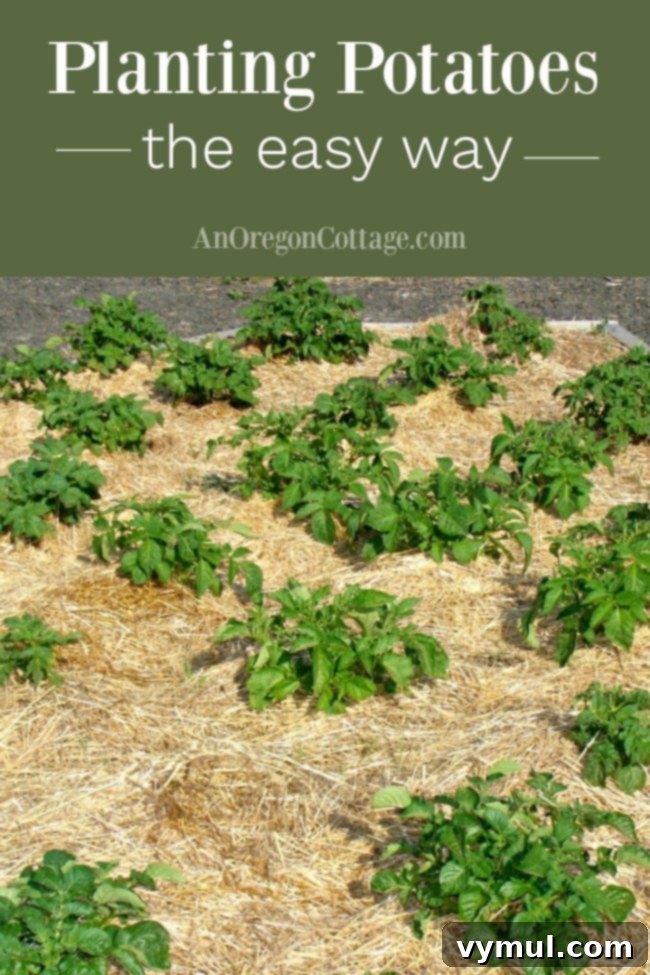
Unlock Easy Potato Harvesting: A Comprehensive Guide to Growing Potatoes with Straw
Have you ever imagined cultivating potatoes with minimal effort and enjoying a spotless harvest? The innovative straw planting method transforms traditional potato gardening into a simpler, more efficient, and incredibly rewarding experience. By replacing labor-intensive soil hilling with lightweight straw, you not only simplify the process but also protect your precious tubers from damage and ensure they come out of the ground clean. This guide will walk you through everything you need to know, from initial bed preparation to adapting the method for common garden pests like slugs and voles. Get ready to discover a gardening technique that makes growing abundant, wholesome potatoes a true delight!
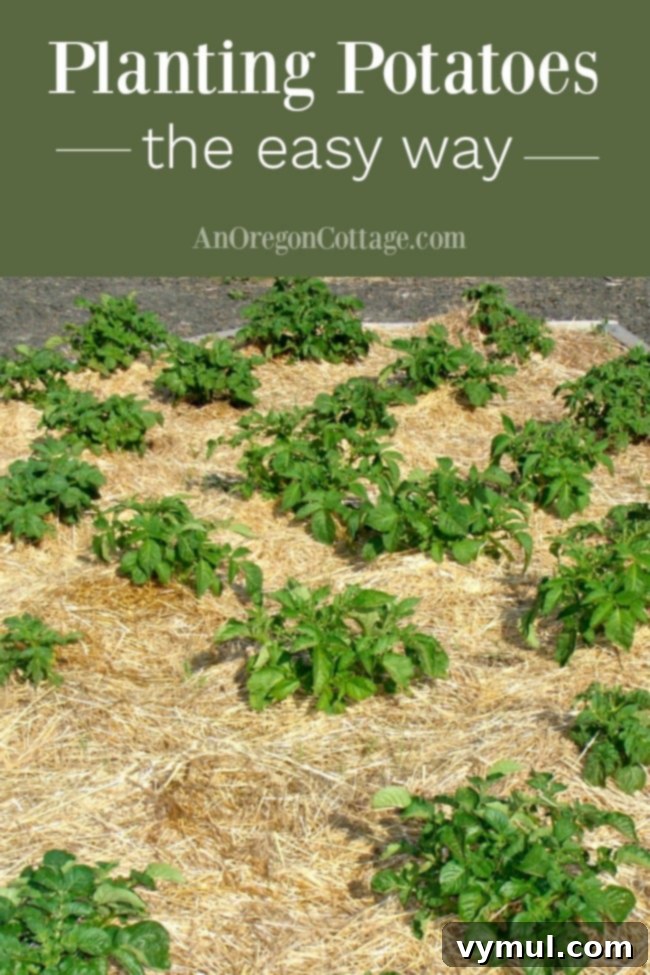
Why Traditional Potato Growing Can Be a Hassle
For many years, the standard approach to growing potatoes involved digging deep trenches or individual holes, carefully placing seed tubers, and then covering them with soil. As the potato plants matured, gardeners were instructed to repeatedly “hill up” the soil around the base of the plants. This practice is crucial for a vital reason: to prevent light from reaching the developing potato tubers.
The Problem with Light Exposure: Understanding Solanine
When potatoes are exposed to sunlight, they begin to turn green. This green discoloration indicates the production of solanine, a natural toxin. While small amounts are generally harmless, ingesting large quantities of solanine can be detrimental to health. This is why it’s imperative to always store potatoes in a dark environment and to remove any green spots you find on tubers. Fully green potatoes should be discarded entirely.
Beyond the solanine concern, traditional potato harvesting often presents its own set of challenges. After months of care, the excitement of digging up your bounty can quickly fade. Sifting through dense, often clay-heavy soil to locate every new potato can be incredibly frustrating. Tools like shovels or garden forks, while useful for breaking ground, frequently lead to punctured or cut tubers, resulting in wasted crop. Many gardeners resort to painstakingly digging by hand with a trowel, trying to minimize loss.
Furthermore, potatoes grown directly in soil, especially clay-rich varieties, emerge from the ground coated in mud. While washing them immediately with water is not recommended for long-term storage (it can encourage rot), the process of cleaning them enough for curing and storage becomes a messy chore. This initial experience can deter even the most enthusiastic gardener from repeat attempts.
Discover the Simplicity of the Straw Method
Imagine a potato harvest where your tubers are clean, easily accessible, and free from shovel damage. This is precisely what the straw method offers. By utilizing straw instead of soil for hilling, you unlock a range of benefits that transform potato cultivation into a much more enjoyable and productive endeavor. The “straw-planting” technique not only simplifies the harvest but also reduces weeding, conserves moisture, and makes gardening a fun activity for the entire family. Children, in particular, adore the “potato hide-and-seek” aspect of digging through light straw to unearth their treasures, making it a memorable garden experience.
Key Advantages of Growing Potatoes with Straw:
- Effortless Hilling: No more back-breaking work of mounding heavy soil. Simply pile lightweight straw around your growing plants.
- Clean Harvest: Potatoes develop within the straw layer, emerging from the ground remarkably clean, requiring little to no washing before curing and storage.
- Reduced Damage: Without the need for shovels or forks to break through hard soil, tubers are less likely to be cut or punctured during harvest.
- Weed Suppression: A thick layer of straw acts as an excellent mulch, smothering weeds and significantly reducing your weeding chores throughout the season.
- Moisture Retention: Straw helps to insulate the soil, keeping it cooler and retaining moisture, which can lead to less frequent watering, especially in drier climates.
- Soil Improvement: As the straw breaks down, it enriches your soil, adding organic matter and improving its structure over time.
- Fun for All Ages: Harvesting becomes an exciting treasure hunt, perfect for involving kids in the gardening process.
(Note: While this method offers numerous benefits, gardeners in particularly damp climates or those dealing with specific pests may need to adjust their technique. We’ll cover adaptations for slugs and voles later in this guide.)
Your Step-by-Step Guide to Planting Potatoes with Straw
Ready to experience the ease of straw-grown potatoes? Follow these detailed steps to ensure a successful and bountiful harvest. I’ve personally used and refined this method for years, and it continues to be my preferred way to grow potatoes.
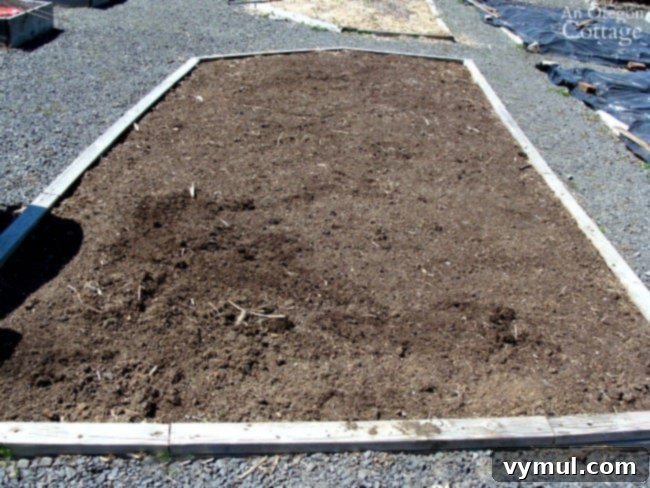
1. Preparing Your Garden Bed for Success
The foundation of any thriving garden is well-prepared soil. For potatoes, a well-drained bed is essential. The bed pictured, approximately 9’x20′, demonstrates a good size for a family garden. Practicing crop rotation is vital for organic gardeners to minimize pests and diseases. For instance, if this bed grew corn last year and beans the year before, it’s an ideal spot for potatoes this season. Keeping a Garden Success Notebook is incredibly helpful for tracking rotations and other garden details.
To prepare the bed, I often use black plastic for about two months before planting to suppress weeds effectively, as detailed in my guide on easy-care garden design. Once it’s planting time, remove the plastic, rake away any debris, and pull out any stubborn deep-rooted weeds.
When is the best time to plant potatoes?
Potato planting timing varies by gardening zone. Generally, aim for 4-6 weeks before your average last frost date. For example, in the mild Pacific Northwest (Zone 8), planting can begin from late March into April. While St. Patrick’s Day is a traditional marker, it can sometimes be too wet, even for a no-till raised bed. You can extend your harvest by planting successions of early-maturing varieties until June. To find your specific zone and planting schedule, click here.
An added benefit of the straw method is its excellent weed suppression throughout the year. After harvest, I simply leave the straw in place, allowing it to continue suppressing weeds until the bed is needed again the following spring. This saves significant time and effort.
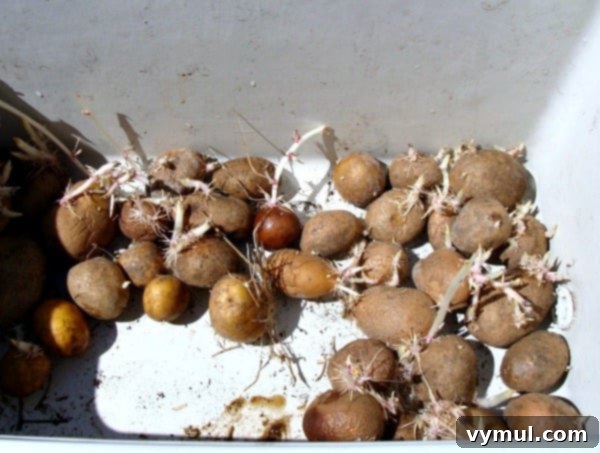
2. Selecting and Chitting Your Seed Potatoes
The quality of your seed potatoes directly impacts your harvest. You have a couple of options:
- Buy Certified Disease-Free Seed Potatoes: This is the most reliable option. Certified seed potatoes are grown specifically for planting and are guaranteed to be free from common potato diseases. I frequently order from reputable catalogs like Pinetree Garden Seeds (get $5 off your first order), Territorial Seeds, and Nichol’s Garden Seeds. You can also find them at local garden centers in early spring.
- Use Store-Bought or Leftover Potatoes: While tempting, using grocery store potatoes or leftovers from last year carries a risk. They may carry diseases that can affect your crop and potentially spread to other plants. While some gardeners “chit” (pre-sprout) any potato, for best results, certified seed potatoes are recommended.
For example, one year, I experimented with using leftover stored potatoes that had already sprouted. While it was a testament to their excellent storage (lasting 7 months!), the resulting crop was not as robust, likely due to a lack of disease certification. Since then, I’ve returned to purchasing certified seed potatoes for consistent success.
Recommended Potato Varieties to Try:
To enjoy a longer harvest season, consider planting a mix of early, mid, and late-season varieties. Some popular choices include:
- Yukon Gold: An early-season yellow potato, prized for its buttery flavor and creamy texture, great for mashing or roasting.
- Red Norland: An early to mid-season red potato, excellent for boiling, roasting, and salads due to its firm flesh.
- Russet Types: Late-season varieties like Russet Burbank are perfect for baking and frying, known for their floury texture.
- Specialty Varieties: If you have limited space but want unique flavors, explore fingerling potatoes, purple varieties, or other gourmet types not typically found in stores.
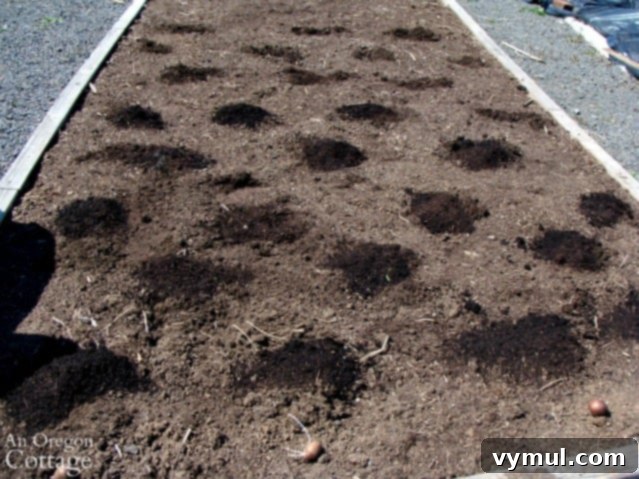
3. Enriching the Soil: Digging and Composting
With your bed prepared and seed potatoes ready, it’s time to prepare their planting spots. Use a shovel to mark and dig shallow holes, approximately 4 inches deep, where each potato will be planted. Space these “hills” about 2 feet apart in all directions. I find planting in alternating rows (like a checkerboard pattern) maximizes space and air circulation.
If your soil quality is already good, simply add a shovel-full of high-quality compost to each hole. This provides essential nutrients directly to the developing plants. (For a bed that has received annual amendments, such as the one in this example where I’ve layered soil with compost every year, a targeted compost application along with some bone meal for fertilization is sufficient.)
What if my soil isn’t that great?
If you’re starting with less-than-ideal soil, don’t worry! Follow the principles of no-till gardening. After clearing debris, apply a complete, even layer of good quality garden compost across the entire bed. Then, proceed to mark and dig your 4-inch holes, mixing the compost thoroughly with the underlying soil as you dig. This ensures your potatoes have a rich, fertile environment to establish themselves.
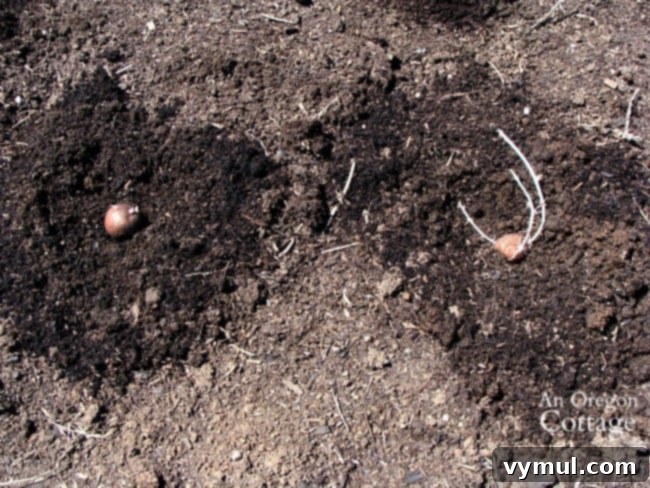
4. Planting the Tubers
Gently mix the compost and soil within each prepared hole. Then, place one seed potato (or a cured cut piece) into the hole or indentation. For better results and to minimize the risk of rot, especially in damp climates like the Pacific Northwest, I generally prefer using small, whole seed potatoes. However, cut and cured pieces can also yield excellent results if handled properly.
Helpful Planting Tips:
- Lay Them All Out First: Before covering, arrange all your seed potatoes in their designated spots. This allows you to visualize the layout and prevents accidental stepping on a newly planted tuber (a mistake I may or may not have made in the past!).
- Handle Sprouts Carefully: If your seed potatoes have long sprouts (a sign they were ready to be planted sooner!), handle them with extreme care to avoid breaking them. Don’t worry about completely burying long sprouts with soil; the straw will provide adequate cover later.
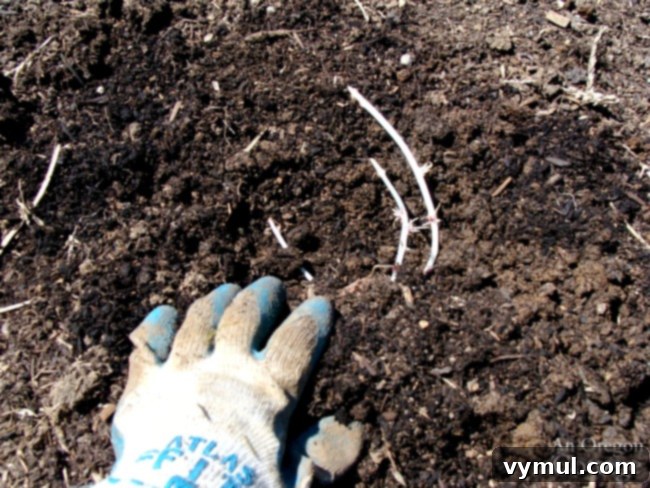
Once placed, cover each tuber with soil, forming a slight mound with your hands. This initial layer of soil provides stability and immediate nutrients.
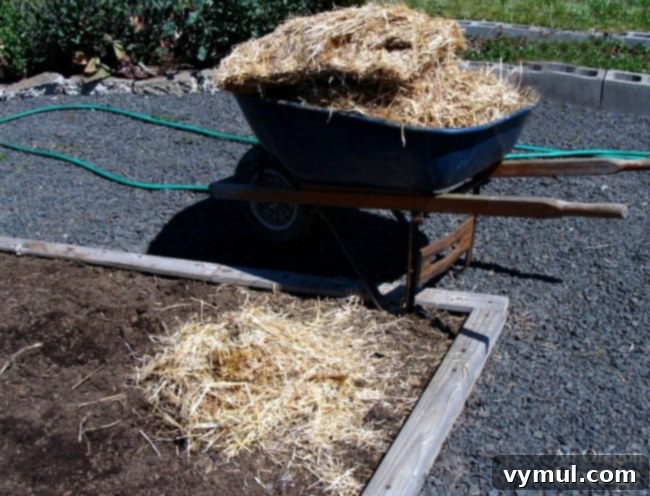
5. Initial Straw Application: Covering Your Mounds
After all seed potatoes are covered with a small soil mound, it’s time for the straw. Take flakes of straw from your bale (as shown in the wheelbarrow above) and gently separate them to create a light, fluffy layer. This aeration is crucial, as it allows the potato stems to easily grow through. Dry straw is much easier to work with, so keep your bale covered if purchased in advance.
Crucial Tip: Always Use Straw, Not Hay!
This cannot be stressed enough: ensure you are using straw (dried stalks of grain plants) and NOT hay (dried grasses and legumes). Hay is intended as animal feed and often contains numerous seeds that will sprout into undesirable weeds, defeating the purpose of weed suppression. I learned this the hard way when I once bought what was advertised as “straw” that turned out to be rotted hay, leading to a major weed problem that season. Now, I always purchase bales from a trusted feed store that guarantees their product is true straw.
For a large bed, you’ll likely use about half a bale for this initial application, reserving the rest for later hilling. At approximately $9 per bale, it’s a cost-effective and beneficial investment.
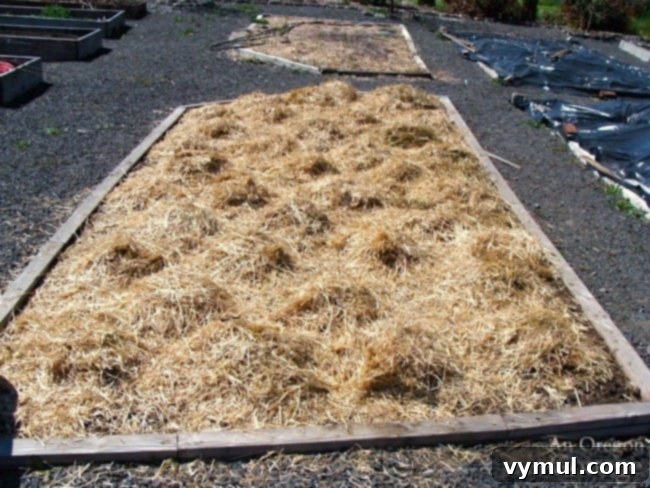
6. Finish Covering With Straw and Initial Watering
Continue covering each potato mound with a generous layer of straw. As you work, lightly spread some straw between the mounds as well. This additional straw acts as a mulch across the entire bed, further suppressing weeds and helping to retain soil moisture. The goal is to cover all exposed soil in the potato growing area with a layer of straw.
Do you water now?
Yes, if no rain is expected within a few days, it’s a good practice to water the newly covered mounds. This helps to settle the straw in place, especially on windy days, and provides immediate moisture to the newly planted tubers, encouraging them to sprout.
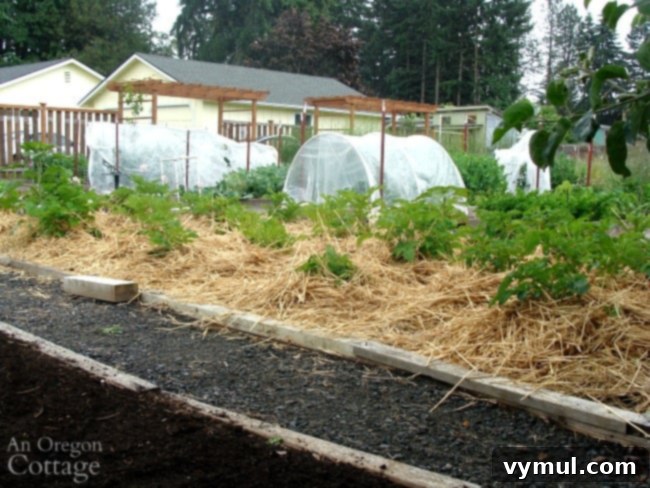
7. Hilling Up as Plants Grow
This is where the “hilling” aspect of potato cultivation really shines with the straw method. As your potato plants grow and reach about 6-10 inches above the initial straw layer, it’s time for the next application. Gently add another layer of straw around the base of each plant, ensuring they are evenly covered. You can typically see this process in action by June, with plants often having been hilled up twice by then.
When adding straw, I usually start around the edges of the plant, carefully pushing the foliage together in the middle with my hands. If there’s a bare spot among the leaves, I’ll add straw there too. The key is to completely cover any developing tubers and prevent light exposure. Continue this process of hilling with straw whenever the plants have grown significantly and new tubers might be forming near the surface.
Frequently Asked Questions About Planting Potatoes in Straw
Here are answers to some of the most common questions gardeners have about the straw method:
“Doesn’t the straw make a lot of weeds?”
This is the biggest misconception! If you purchase genuine, reputable straw (not hay), you will encounter very few weeds. Occasionally, a few tufts of grass might appear from stray seeds, but these are exceptionally easy to pull out because they are rooted only in the loose straw layer, not deep in the soil. In fact, the thick straw layer is a superior weed suppressant compared to bare soil, keeping more noxious weeds from taking hold. The one time I was mistakenly sold rotted hay instead of straw, I did experience a weed issue. Always verify you’re buying true straw from a reliable source.
How do you care for them throughout the season?
Beyond hilling up with straw, potato care is quite straightforward. They are generally low-maintenance plants. During the active growing season, provide consistent water, especially if you don’t receive regular rainfall. Water weekly until the plants finish flowering. Once the flowers begin to fade and the foliage starts to turn yellow, gradually reduce watering. This “toughens” the potatoes, helping them develop a thicker skin and improving their storage potential.
When can you harvest potatoes?
- New Potatoes: For an early treat, you can begin harvesting “new potatoes” as soon as your plants start to flower. Carefully pull back some of the straw around the base of a plant, gently feel for small tubers, pick a few, and then carefully re-cover with straw. These tender, thin-skinned potatoes are a delicious seasonal delicacy, often enjoyed with fresh creamed peas!
- Main Crop: For your main harvest, wait until the potato plant tops naturally brown, wither, and eventually die back. This indicates that the tubers beneath the ground have fully matured. At this point, you can harvest all the potatoes. The beauty of the straw method means you can often just pull back the straw by hand to reveal a clean, undamaged bounty. For detailed harvesting techniques, go here to see how I harvest potatoes, and here for my storage method.
Addressing Common Challenges: Adapting the Straw Method
As gardeners, adaptability is key. Even the most beloved methods may need slight modifications depending on climate, pests, or specific garden conditions. After several successful years with the straw method, I encountered new challenges that required adjustments. Here’s how to adapt for common garden adversaries.
Tackling Slugs and Snails in Damp Climates
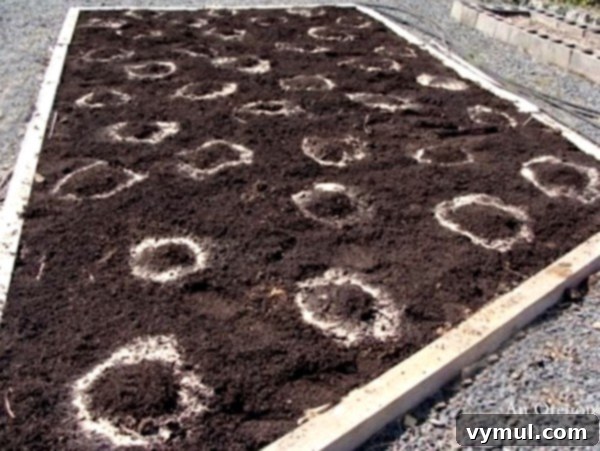
While mulching with straw offers numerous benefits like weed suppression, moisture retention, and erosion control, it can create a very hospitable environment for slugs and snails, especially in consistently damp regions like the Pacific Northwest. One year, my potato crop was severely damaged by an overwhelming slug population, which also weakened the plants, making them more susceptible to other pests like flea beetles. This necessitated a strategic tweak to the straw method.
Here’s an adjusted strategy for growing potatoes with straw if slugs or snails are a problem:
- Dig Deeper Holes: Instead of 4 inches, dig your initial planting holes approximately 6 inches deep.
- Mound Soil Higher: After placing the seed potato, mound the surrounding dirt a little higher than usual.
- Create a Barrier: Completely circle each soil mound with an organic slug bait or a barrier of diatomaceous earth. This creates an initial protective zone.
- Delayed Straw Application: This is the most significant change. Do NOT add any straw until your potato plants have grown to a height of 6 to 8 inches. This allows the tender young shoots to emerge and grow without providing immediate, damp cover for slugs to hide under and feast upon.
- Resume Normal Hilling: Once the plants are 6-8 inches tall and more robust, you can begin hilling up with straw as you normally would, ensuring the base is well-covered.
This modified approach proved highly effective in mitigating slug damage without sacrificing the other benefits of the straw method. If slugs or snails plague your garden, this adaptation is a game-changer!
Protecting Against Voles or Gophers
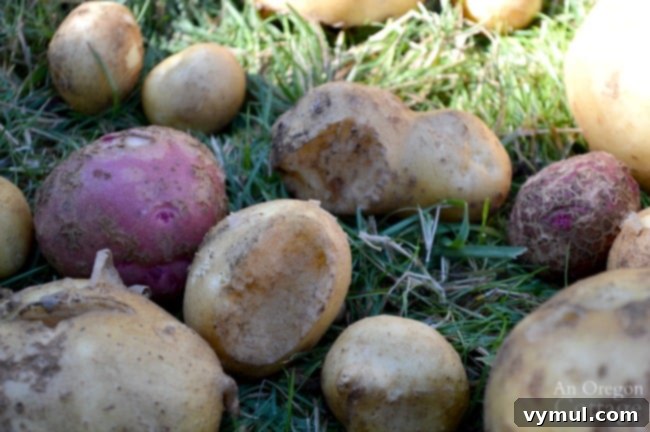
Another persistent challenge many gardeners face comes from underground burrowing animals like voles (often called field mice) and gophers. Over several years, my garden experienced a dramatic increase in the vole population, resulting in significant damage to my potato harvest. It seemed as though I was growing potatoes primarily for them! The damage became so severe that I temporarily repurposed my main potato bed for pumpkins.
To continue growing potatoes successfully despite these pests, I adopted an alternative method: container gardening. Specifically, using large, clean garbage cans.
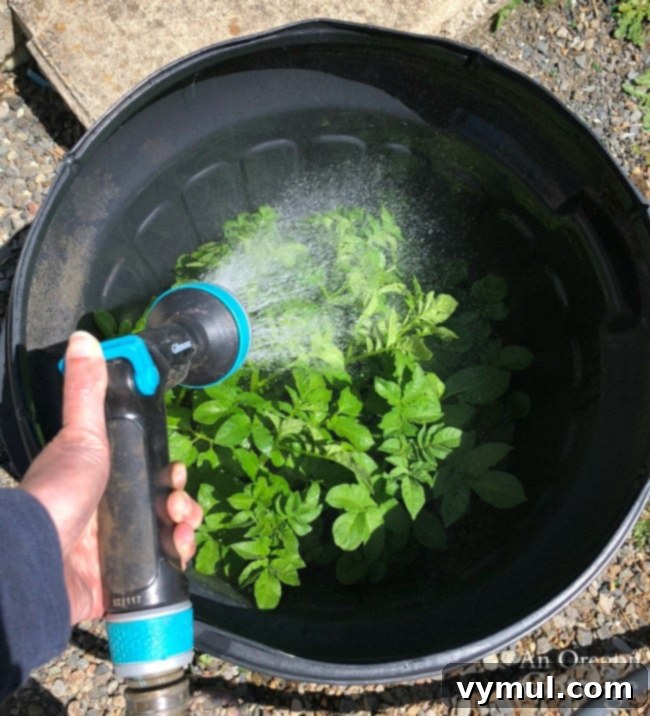
Growing potatoes in containers like garbage cans offers excellent protection from burrowing pests. While these bins naturally yield fewer potatoes than a large garden bed, they provide a secure environment where your harvest is safe. The straw method can still be effectively applied within these containers.
Step-by-Step: Growing Potatoes in Containers (Garbage Can Method)
- Prepare Your Container: Start with a clean, unused garbage can. Use a drill with a large bit to add several drainage holes to the bottom. Proper drainage is critical to prevent waterlogging and rot.
- Initial Soil Layer: Fill the bottom third of the can with a well-draining mix of quality potting soil and compost.
- Plant Seed Potatoes: Plant your seed potatoes into this mix, burying them about 4 inches deep.
- Water and Wait: Water thoroughly and wait for sprouts to appear and grow.
- Hill Up as They Grow: Once the plants reach 8 to 10 inches tall, begin hilling up with more straw (or a soil-compost mix if preferred). Continue to add layers as the plants grow, ensuring new tubers are covered.
- Consistent Watering: Container plants dry out more quickly than garden beds. Water a couple of times a week, or more frequently during hot, dry periods, if there isn’t sufficient rainfall.
- Harvesting: Harvesting new potatoes from containers can be tricky without disturbing the remaining tubers, so I generally wait until the plant tops brown and die back for a complete harvest.
- Easy Collection: For harvest, simply tip the entire garbage can onto a tarp or a compost pile. The potatoes will be readily accessible among the soil and straw, making collection incredibly easy.
Why the Straw Method is a Game Changer for Gardeners
The straw method for growing potatoes is more than just a technique; it’s a paradigm shift in how we approach potato cultivation. It addresses many of the common frustrations of traditional methods – from the back-breaking labor of hilling with soil to the messy, damaged harvests. By embracing straw, gardeners can look forward to a cleaner, easier, and more enjoyable experience, whether they are seasoned growers or just starting out.
Beyond the immediate benefits, the straw method promotes healthier soil, reduces water consumption, and helps keep weeds at bay, aligning perfectly with organic and sustainable gardening practices. It proves that with a little innovation and willingness to adapt, gardening can be simplified without compromising on yield or quality.
Share Your Straw Potato Growing Experience
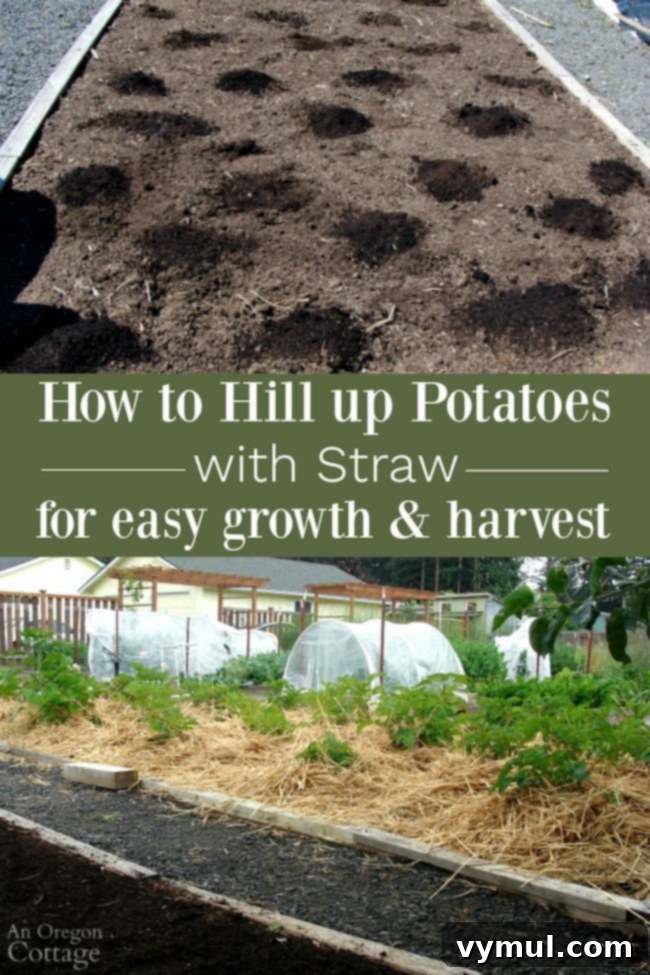
These are the various ways I’ve successfully planted potatoes using the easy straw method, adapting to different challenges over the years. I’m always eager to learn from fellow gardeners. Have you tried planting potatoes with straw? What has your experience been like? Have you discovered any unique tweaks or solutions to common problems? Share your insights and help enrich our collective gardening knowledge!
This article has been updated; it was originally published in April 2009.
Disclosure: Some links in this article are affiliate links. If you click on them and make a purchase, I will receive a small commission at no additional cost to you. Click here to read my full disclaimer and advertising disclosure policy.