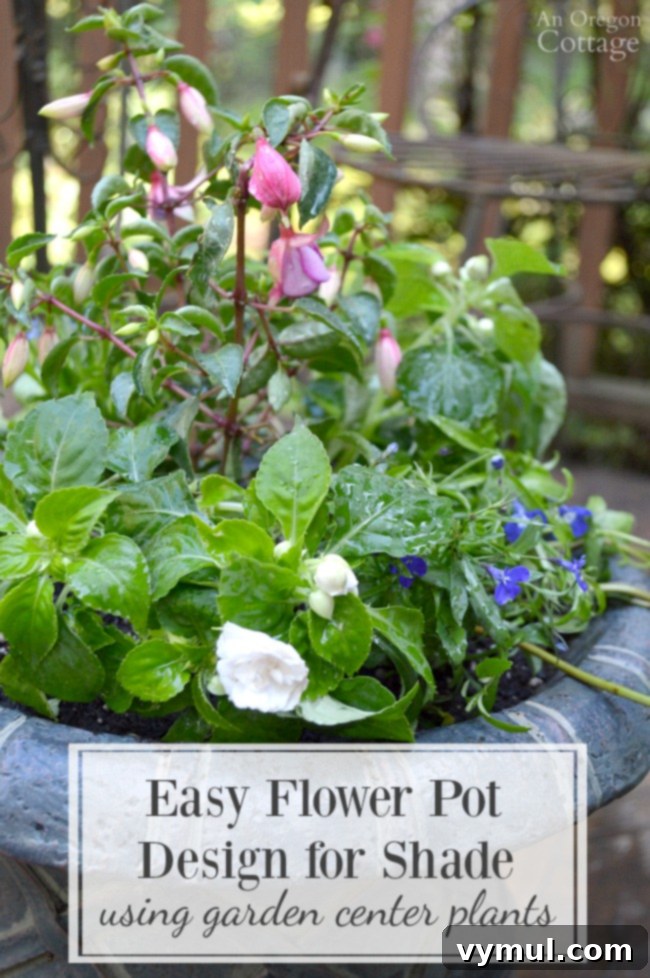
Create Stunning Shade Container Gardens: Your Easy Flower Pot Design Recipe for Vibrant Blooms
Unlock the secret to beautiful, season-long container displays even in the shadiest spots with this simple flower pot design “recipe” and expert tips. Discover how to effortlessly plant an eye-catching container using readily available, affordable plants from your local garden center.
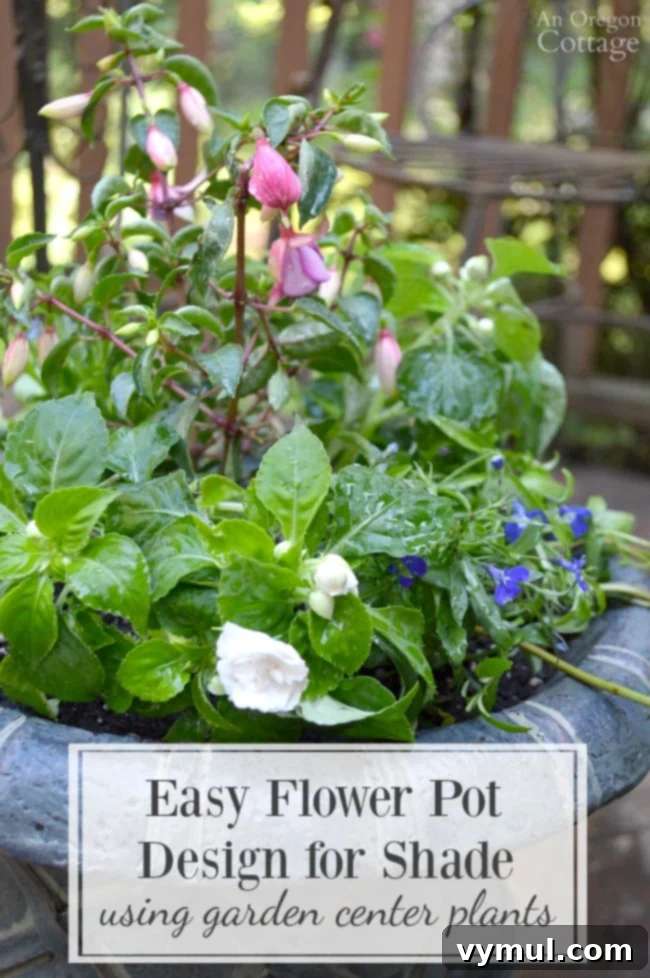
This article is brought to you by Fiskars and Gilmour, brands whose innovative products consistently make my gardening endeavors simpler and more enjoyable. Your support for companies that contribute to An Oregon Cottage is deeply appreciated.
Following the enthusiastic reception of our simple flower pot design for sun planter recipe, it became clear that many of you share a passion for creating gorgeous containers using basic, accessible plants from the garden center. Perhaps these can be affectionately called the “comfort food of planters”—a delightful blend of nostalgia and anticipation as we look forward to our reliable favorites year after year. Just like anticipating grandma’s Tasty Rice or indulging in the best cinnamon rolls, there’s a unique joy in cultivating beauty that feels familiar and deeply satisfying.
Beyond the sentiment, the practical benefits of sourcing plants from local garden centers often boil down to convenience and cost-effectiveness. These accessible options prove that stunning planters don’t require exotic or expensive specimens. And knowing that not every corner of your garden basks in full sun, we’ve crafted a dedicated planter design tailored specifically for those beloved shady spots.
While the array of shade-loving plants might seem narrower at first glance, the truth is you can still create spectacularly beautiful containers that burst with continuous blooms throughout the summer season. Don’t let a lack of direct sunlight deter you from enjoying vibrant floral displays. For those with larger shady garden beds, you’ll find immense value in this comprehensive list of my 14 tried-and-true shade-loving plants, many of which also flourish wonderfully in containers.
Mastering the Art of Shade Container Gardening
Creating a captivating container garden for shade is an art form that balances specific plant needs with aesthetic appeal. This guide provides you with a clear “recipe” for success, including all the necessary supplies, the exact shade plants to purchase, and crucial planting techniques. The foundational principles for selecting plants, as highlighted in our sun container recipe, remain highly applicable here: aim for 1-2 taller, upright plants for the center (“thrillers”), 2-3 medium-height, bushy plants to fill the gaps (“fillers”), and 3-4 trailing plants that cascade over the pot’s edge (“spillers”). This combination creates a dynamic, multi-layered look that ensures visual interest from every angle.
Designing Your Shade Container: The Thriller, Filler, Spiller Approach
The “thriller, filler, spiller” method is a time-tested strategy for creating balanced and stunning container gardens. For your shade-loving pot:
- Thriller: This is your focal point, often a tall, upright plant with striking foliage or blooms. It adds height and drama to the center or back of your container.
- Filler: These plants are typically medium-height and mounding, designed to fill the space around the thriller. They add volume and a lush, full appearance, often complementing the thriller’s colors or textures.
- Spiller: These are the trailing plants that cascade over the sides of the pot, softening its edges and adding a sense of abundance and grace. They draw the eye downward, creating a complete and inviting look.
The Secret to Harmonious Color Coordination
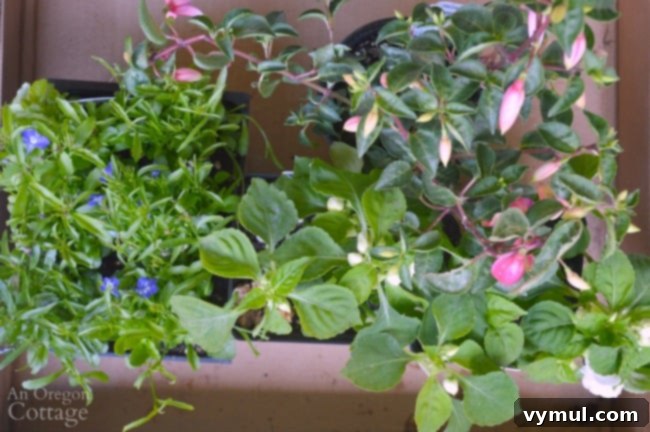
Expert Tip: Before planting, arrange all your chosen plants together in a box or directly on the ground and observe them from above. This perspective allows you to truly visualize how the colors and textures interact. Feel free to swap plants or change colors until you achieve a combination that is visually pleasing and harmonious.
When considering your color palette, you can draw inspiration from the color wheel. For a vibrant contrast, opt for complementary colors such as yellow and purple, or blue and orange. If you prefer a more serene and sophisticated look, choose analogous colors (colors next to each other on the color wheel) or various shades within a single color family, like purples or pinks. Taking this extra moment to assess your plant grouping can prevent discordant combinations, such as certain salmon-orange hues clashing with specific pinks. This thoughtful approach ensures your finished container will be a coherent and beautiful display.
Your Easy Flower Pot Design for Shade: Step-by-Step Guide
Please note: Some links in this article are affiliate links. If you click on them and make a purchase, I may receive a small commission at no additional cost to you. This helps support An Oregon Cottage.
Essential Supplies for Your Shade Container
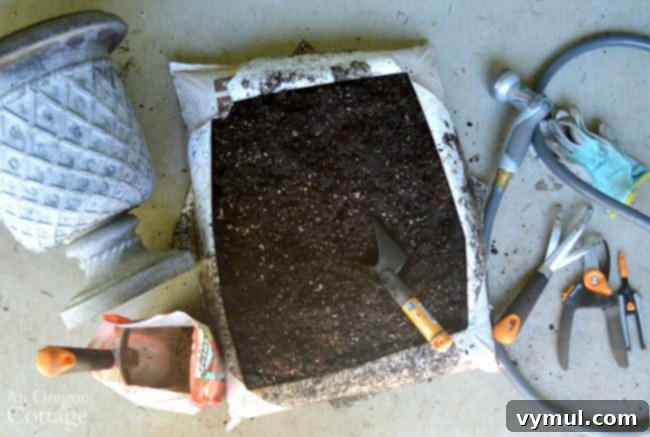
- 14 to 16-inch Diameter Planter: A generously sized pot provides ample space for roots to grow, leading to healthier, more robust plants and reducing the frequency of watering. Ensure your chosen planter has drainage holes to prevent waterlogging, which is crucial for plant health.
- High-Quality Potting Soil: This is paramount for container gardening success. Unlike garden soil, potting mixes are specifically formulated to be lightweight, well-draining, and retain moisture, providing the ideal environment for container-grown plants.
- Gardening Gloves: Protect your hands from dirt, thorns, and potential irritants. A good pair of gloves makes the planting process much more comfortable.
- Slow-Release Organic Fertilizer: Incorporating this at planting time provides a steady supply of nutrients to your plants over several months, promoting vigorous growth and abundant blooms throughout the season without the need for frequent reapplication.
- Highly Recommended: Soil Moist Water-Absorbing Crystals: As I’ve detailed in this article, these crystals are a game-changer for container gardening, especially in warmer climates or for busy gardeners. They absorb and store excess water, releasing it slowly as the soil dries, helping to maintain consistent moisture levels and significantly reducing watering frequency.
- Essential Tools: Trowel, Soil Scoop, Pruners, and/or Plant Snips:
- The Fiskars Trowel: My go-to tool for planting. Its soft grip ensures comfort during extended use, and its heavy-duty construction provides the confidence to tackle various soil types, even our challenging clay, without fear of the handle breaking – a common issue with lesser-quality trowels.
- Small Micro-Tip Pruning Snips: These are invaluable for container planting. Their fine tips allow for precise trimming of any stems damaged during planting and make deadheading spent flowers quick and easy, ensuring you don’t accidentally snip healthy growth.
- Watering Equipment: Hose and Watering Wand or Nozzle with Gentle Setting:
- Gilmour’s Strong Flexogen Hose: After years of use, I can confidently attest to its durability and resistance to kinks, making watering a hassle-free experience.
- Gilmour Heavy Duty Thumb Control Watering Nozzle: This nozzle has become an absolute favorite. While its operation might initially seem different, the ability to effortlessly control water flow with just your thumb is revolutionary. It allows for precise watering, preventing soil washout and ensuring your plants receive just the right amount of moisture. It’s truly the easiest-to-use watering device I’ve ever encountered.
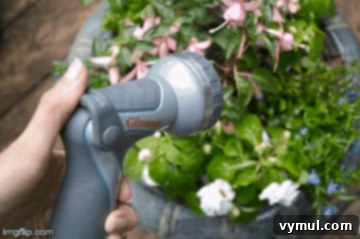
If you haven’t tried a thumb-control nozzle yet, you’re in for a treat! The single-hand operation and intuitive flow control transform the watering chore into a smooth, effortless task. It is, without a doubt, the most user-friendly waterer I’ve ever had the pleasure of using.
Flower Pot Recipe for Shade: The Plants to Buy
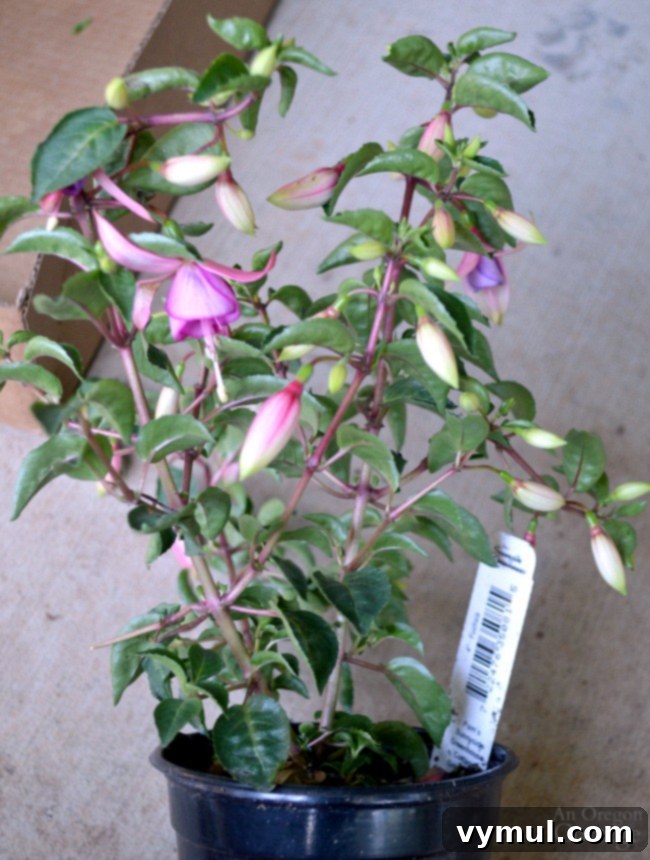
Thriller (1 Plant): Upright Fuchsia
- Upright Fuchsia (1), typically in a 4-inch pot, costing around $2.49. Upright fuchsias are magnificent shade-lovers, offering a captivating display of pendulous, bell-shaped flowers. They come in an exquisite range of pinks, purples, and whites, making them incredibly versatile and easy to pair with other shade-loving plants. Their elegant structure provides the perfect height and focal point for your container. Detailed growing information can be found here.
Selection Tip: When choosing your fuchsia, look for a plant that boasts several open blooms but, more importantly, a generous number of unopened buds. This ensures you’re bringing home a plant that promises a continuous explosion of color and growth throughout the season, rather than one that has already peaked.
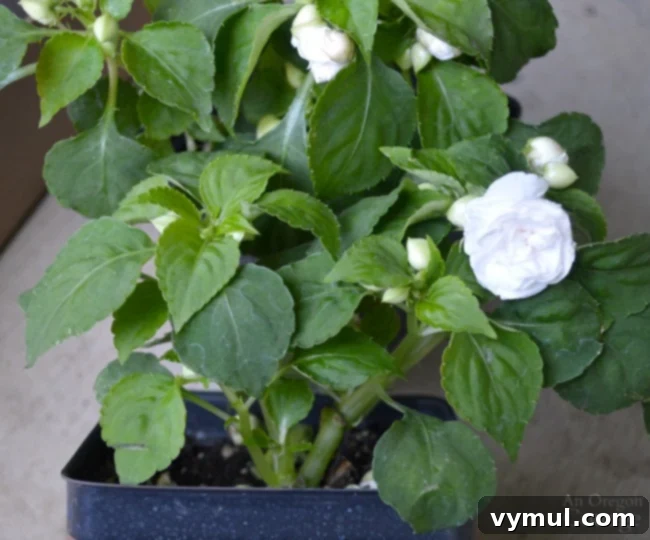
Filler (2-3 Plants): Impatiens
- Impatiens (2-3), typically in 3-inch pots, around $2.99 each. Impatiens are classic shade garden staples, celebrated for their prolific flowering and vibrant hues. You have the flexibility to choose either the enchanting double rose-like variety, which offers a luxurious, ruffled appearance, or the more traditional single impatiens. Both varieties provide a continuous flush of color in almost any shade imaginable, allowing you to match your container’s overall color scheme. They are perfect for filling the space around your thriller, creating a lush, bushy effect. Find comprehensive growing information here.
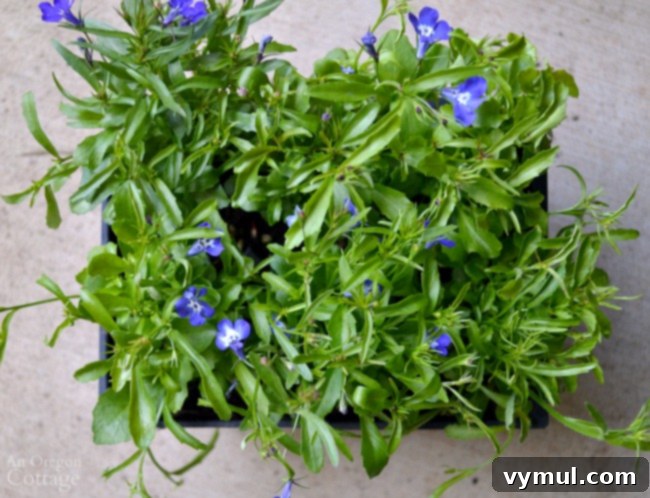
Spiller (3-4 Plants): Trailing Lobelia & Optional Vinca Minor
- Trailing Lobelia (3), often sold in 6-packs for $2.99. Trailing lobelia is an exquisite choice for a spiller, providing a delicate cascade of tiny flowers. It’s available in various enchanting shades of purples and blues, and sometimes white. Carefully select a shade that harmonizes with your other chosen flowers. If you’re following a pink-white-purple scheme like mine, the exact shade isn’t as critical, as most blend beautifully. Lobelia quickly creates a soft, flowing edge, softening the hard lines of your container. Essential growing information is available here.
- Vinca Minor (Optional) (2), often sold as 2-inch ‘basket fillers’ for $1.09. While optional, adding Vinca Minor provides immediate trailing stems, giving your container a fuller, more established look from day one while the lobelia grows in. Though Vinca can be invasive when planted in the ground in certain regions, it behaves beautifully in containers, offering attractive evergreen foliage and delicate light purple flowers that spill gracefully over the edges. Learn more about growing periwinkle here.
Important Tip: Always double-check the plant tag for lobelia! There are upright varieties that won’t give you the desired cascading effect. You absolutely want the trailing variety for your spiller component (trust me on this, I’ve learned the hard way!).
Estimated Plant Total: $13.64 (Keep in mind that if you’re planting multiple containers, buying flowers in multi-plant packs can significantly reduce your overall cost. Additionally, garden centers often have sales or better deals than on the specific day I shopped, potentially lowering your expense even further.)
Assembling Your Shade Container: The Planting Process
This quick video visually demonstrates the planting process for these shade flowers. For more in-depth guidance on how to ensure your containers thrive throughout the entire season, refer to this detailed article on planting containers organically. Once you have all your supplies ready, the actual planting takes a mere 10-15 minutes, offering a remarkably quick return on your time and effort for such a beautiful result.
Here’s a brief rundown of the planting steps:
- Prepare Your Pot: Ensure your planter has good drainage holes. Add a layer of high-quality potting mix, enough so that the top of your plants’ root balls will sit about an inch below the rim of the pot. Mix in your slow-release organic fertilizer and optional water-absorbing crystals according to package directions.
- Place Your Thriller: Gently remove the Upright Fuchsia from its nursery pot. Loosen any tightly bound roots at the bottom. Position it in the center or slightly towards the back of your container.
- Add Your Fillers: Take the Impatiens out of their pots, gently loosening the roots. Arrange them around the thriller, ensuring even spacing and creating a full, bushy effect.
- Integrate Your Spillers: Remove the Trailing Lobelia and Vinca Minor (if using) from their containers. Place them around the edges of the pot, allowing their stems to drape over. This immediately creates that desirable cascading look.
- Fill and Firm: Backfill the remaining spaces with potting soil, gently firming it around each plant’s base. Leave about an inch of space from the top of the pot to prevent soil and water from overflowing when you water.
- Water Thoroughly: Water your newly planted container deeply until water drains from the bottom. This settles the soil and helps the plants establish.
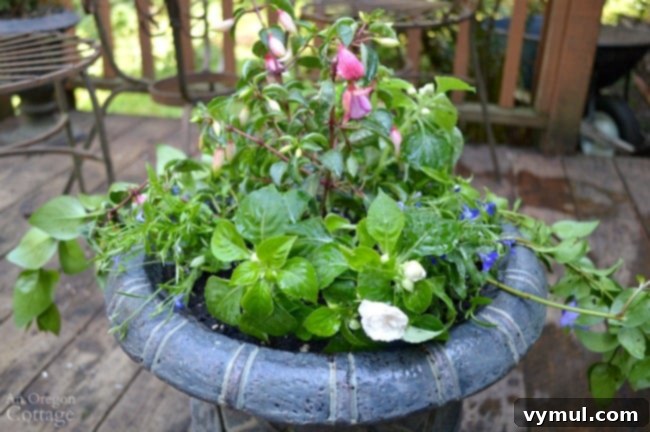
Crucial Tip: Opt for a medium-sized pot (14 to 16 inches in diameter) and embrace abundance – fill it generously with flowers! The fuller the container, the more impactful and stunning it will look. Remember those gorgeous, pre-planted pots you see at the nursery? Their undeniable appeal stems directly from their lush, overflowing fullness. Don’t be shy; pack your pot for maximum visual delight.
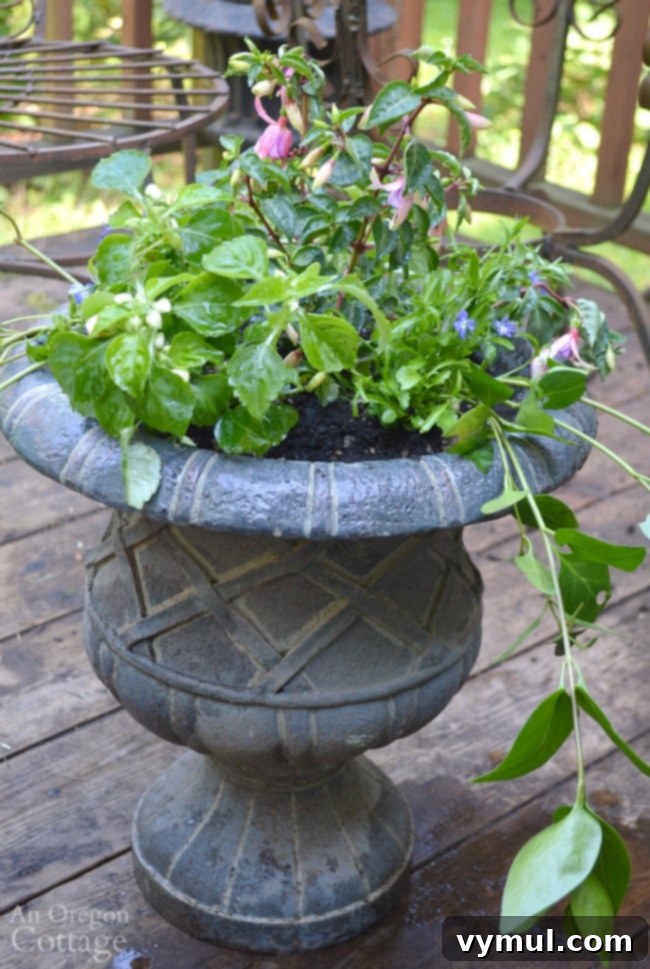
Ongoing Care for a Flourishing Shade Container
Once your beautiful container is planted, the primary tasks are regular watering and diligent deadheading. While these might seem like chores, they are, in fact, integral parts of the enjoyment. Summer evenings spent watering pots and snipping away spent blossoms is a truly therapeutic ritual I eagerly anticipate after enduring months of Oregon’s persistent rain!
- Watering: Shade containers generally require less frequent watering than sun-exposed ones, but consistent moisture is still key. Check the soil moisture daily by sticking your finger about an inch or two deep. If it feels dry, it’s time to water. Water until you see it draining from the bottom of the pot, ensuring the entire root ball is moistened. The Gilmour thumb control nozzle makes this task effortless and precise.
- Deadheading: Regularly remove spent or faded flowers (deadheading) from your fuchsias and impatiens. This crucial step not only keeps your container looking tidy and attractive but also encourages the plants to produce more blooms throughout the season, rather than expending energy on seed production.
- Fertilizing: If you’ve used a slow-release fertilizer at planting, your plants should be well-fed for several months. If you notice growth slowing or blooms diminishing later in the season, you can supplement with a liquid organic fertilizer at half strength every two to four weeks.
- Pest and Disease Watch: Keep an eye out for common container garden pests like aphids or spider mites, and address them promptly with organic pest control methods if necessary. Healthy plants are generally more resistant.

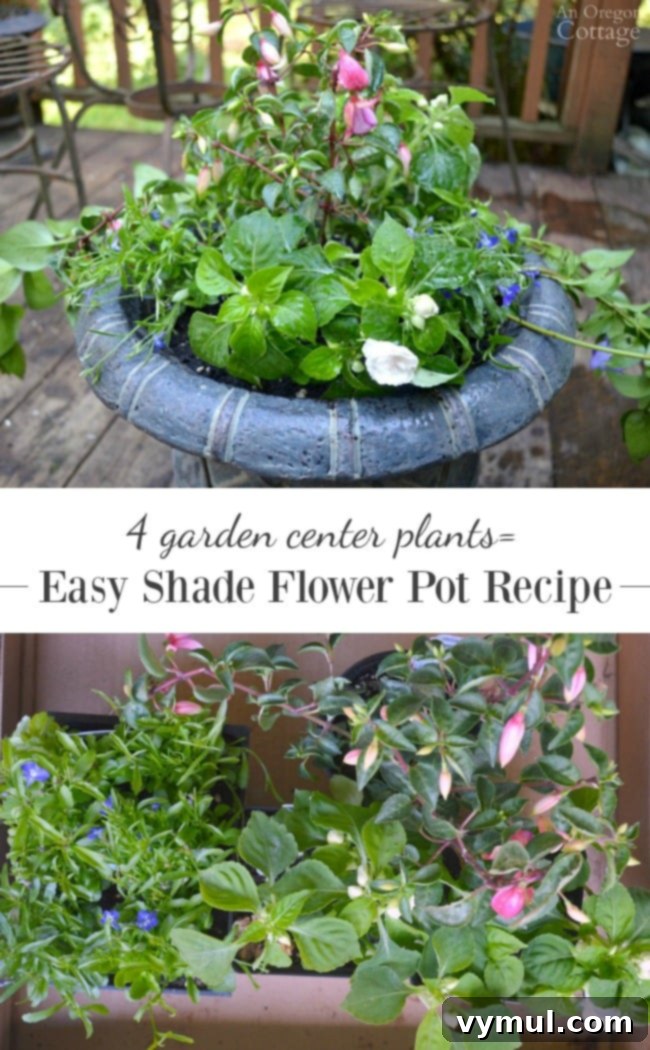
I genuinely hope this flower pot design for shade recipe inspires you to create your own beautiful container gardens! Please do share your creations with me – I’m always eager to see the unique color combinations you choose. You can upload a photo to AOC’s Facebook page, or tag @anoregoncottage on Instagram and use the hashtag #anoregoncottage so I can easily find and admire your stunning shade containers!
Disclosure: I received product and/or compensation for this post. As always, the opinions, thoughts, and projects are all mine, and I will NEVER promote something I don’t love and believe you will find genuinely helpful – that’s my promise! This post also contains affiliate links that may earn a commission based on sales, but this will not affect your purchase price. Click here to read my full disclaimer and advertising disclosure for complete transparency.