Essential Cookbooks & Modern Recipes: Navigating Culinary Inspiration in the Digital Age
In a world brimming with digital delights and endless online resources, a fascinating question frequently arises among home cooks and culinary enthusiasts alike: are cookbooks still relevant? This very query sparked an engaging discussion in a recent episode of our podcast. After a thoughtful listener pointed out our oversight in not dedicating an entire segment to these kitchen staples during our broader books episode, we knew we had to dive deeper. So, we set out to explore the enduring appeal of cookbooks, from classic to contemporary, and ponder their place in our modern kitchens. Join us as we uncover timeless recipes, share personal favorites, and delve into intriguing farmhouse updates and delightful new discoveries.
Our journey into the world of cookbooks began with a bit of investigative curiosity. Brian undertook some research to understand how traditional cookbooks have fared amidst the meteoric rise of e-books and the boundless ocean of online recipes. Has the digital revolution rendered them obsolete, or have they, perhaps surprisingly, maintained their cherished status? The findings offer a compelling perspective on the resilience of these printed culinary companions. Following Brian’s insights, I shared my own curated collection of indispensable cookbooks—those special volumes that have not only survived multiple household moves but continue to be my go-to sources for beloved, tried-and-true recipes. These aren’t just books; they’re culinary legacies, offering inspiration and comfort with every turn of the page.
Beyond our culinary conversation, this episode also brings you an exciting Farmhouse Update. We’re thrilled to share some happy progress on our beloved farmhouse, detailing the charming discoveries that continually bring its history to life. However, not all updates are joyous; we also recount some of the more challenging, albeit character-building, garden developments we’ve faced. And, as always, we round out the episode by highlighting some truly cool things we’ve stumbled upon recently. We believe food, home, and discovery are intimately intertwined, and we hope these segments spark joy and inspiration in your own life. We’d absolutely love to hear your thoughts on cookbooks! Do you still turn to physical copies, or are you fully immersed in the digital recipe world? Share your insights and favorite titles by leaving a comment below or recording your feedback for the podcast on a voicemail by calling (541) 658-0215.
For those eager to listen, you can effortlessly download this captivating episode from a variety of platforms including Apple Podcasts, Google Play, Stitcher, and TuneIn Radio. Alternatively, for immediate listening pleasure, simply play it below right on your computer! Once you’ve tuned in, this page serves as your comprehensive resource to explore any links, detailed notes, or compelling photos we discussed throughout the episode. Note: If you’re accessing this content via a feed reader, you might need to click through to the original post to view the embedded player.
Please be aware that some links featured in this article are affiliate links. Should you choose to click on them and make a purchase, I will receive a small commission. Rest assured, this comes at no additional cost to you.
The Enduring Charm of Cookbooks and Timeless Recipes
The core of our podcast discussion revolved around a fascinating question: in an age where every recipe imaginable is just a click away, do physical cookbooks still hold a meaningful place in our kitchens? Brian’s research shed considerable light on this, referencing articles such as the insightful piece, “What’s Up With The Cookbook Industry These Days?” This research revealed that, contrary to some predictions, the cookbook industry has not only survived but, in many ways, thrived. While digital platforms offer unparalleled convenience, physical cookbooks provide a unique sensory experience—the smell of paper, the feel of a well-worn spine, the handwritten notes in the margins, and the curated collection of recipes that reflect a specific culinary philosophy or cultural heritage. They are more than just recipe compilations; they are tangible heirlooms, guides, and sources of inspiration that foster a deeper connection to the act of cooking and the joy of sharing meals.
Brian and I explored the evolution of my own cookbook collection, which once occupied a significant amount of kitchen real estate and bookshelf space. Over the years, this vast assortment has been thoughtfully whittled down, a process of culinary refinement where only the most truly essential and frequently used volumes remained. This journey taught me valuable lessons about what makes a cookbook indispensable: not just good recipes, but a reliable, inspiring, and often personal connection to the food. These are the books that have stood the test of time, proving their worth through countless meals and cherished memories. Among these treasured survivors are a few absolute favorites that continue to inspire my home cooking and guide my culinary adventures:
- Better Homes and Gardens Cookbook: A true foundational classic for generations of home cooks. This iconic cookbook is renowned for its comprehensive approach, offering everything from basic techniques to versatile recipes for everyday meals and special occasions. It’s an essential guide that instills confidence in the kitchen.
- Fannie Farmer Cookbook: Steeped in history and culinary tradition, the Fannie Farmer Cookbook is a cornerstone of American cooking. Its detailed instructions and timeless recipes make it an invaluable resource for mastering traditional dishes and understanding the fundamentals of good home cooking. It’s a book that connects you to culinary heritage.
- Junior League of Eugene Cookbooks: These community-driven cookbooks, specifically A Taste of Oregon & Savor the Flavor of Oregon, offer a delightful glimpse into regional cuisine and local favorites. They often feature recipes passed down through families and local chefs, making them not just guides for cooking, but also cultural artifacts that celebrate a specific place and its unique flavors.
- Martha Stewart’s Baking Handbook: For anyone with a passion for baking, this handbook is an absolute treasure. Martha Stewart’s meticulous attention to detail and precise instructions ensure perfect results every time. From delicate pastries to hearty breads, it covers a vast array of baking techniques and recipes, making it an authoritative guide for both novice and experienced bakers.
- Mark Bittman’s How to Cook Everything: As its title suggests, this book is an incredibly comprehensive and practical guide to cooking. Mark Bittman’s philosophy of making cooking accessible and enjoyable shines through, offering countless variations and substitutions for every recipe. It’s perfect for those who want to understand the ‘how’ and ‘why’ of cooking, empowering them to adapt and create with confidence.
These cookbooks represent more than just collections of recipes; they embody culinary philosophies, regional tastes, and foundational knowledge that empower home cooks. Each one has earned its place on my shelf by consistently delivering delicious results and inspiring countless meals. I’m always eager to discover new favorites and learn from fellow cooking enthusiasts. What are your “must-have” cookbooks, the ones you can’t imagine your kitchen without, and what cherished recipes do they hold for you?
Farmhouse Update: Unearthing History and Embracing Character

Our ongoing farmhouse renovation continues to be a journey of fascinating discoveries, blending the challenges of restoration with the joy of unearthing history. We were particularly delighted by the “treasures” our diligent mason unearthed from beneath the farmhouse foundation. This charming picture showcases some of these remarkable finds, offering a tangible connection to the past residents and the life once lived within these walls. While not pictured, an abundance of colorful marbles and fragments of antique pottery were also discovered, each piece telling its own silent story. These small, everyday items, coupled with bits of old newspaper, have allowed us to confirm with certainty that our beloved farmhouse is indeed older than 1923, pushing its historical timeline back even further and adding layers of richness to its narrative. It’s moments like these that transform a renovation project into an archaeological adventure, deepening our appreciation for the home’s unique heritage.

Among the more unique challenges and endearing quirks of our farmhouse restoration is this magnificent boulder, a natural fixture that our skilled mason ultimately couldn’t remove. Instead of being an impediment, this immovable stone has become an integral and quirky part of the foundation. After careful assessment and approval by the county, it has been integrated into the new structural design, a testament to embracing the original character of the land. This feels incredibly fitting to us, especially considering that the farmhouse’s original foundation was entirely constructed from similar large, natural stones. It’s a beautiful reminder of the home’s rustic origins and the ingenious ways builders once adapted to their natural surroundings. This boulder isn’t just a part of the foundation; it’s a piece of the landscape, woven into the very fabric of our home, adding to its unique charm and history.
What’s Cooking: Simple, Wholesome, and Timeless Recipes
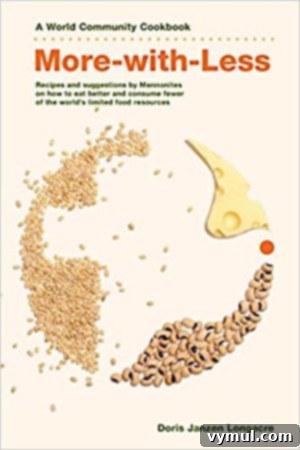
In our ongoing exploration of essential cookbooks, I wanted to shine a spotlight on one particular gem that has proudly earned its place in my pared-down collection: The More-with-Less Cookbook. This remarkable book, originating from the Mennonite community in the 1970s, embodies a philosophy of mindful eating, resourcefulness, and wholesome ingredients. It’s a testament to simple living and economical cooking without sacrificing flavor or nutrition. The recipes within its pages are often characterized by their straightforward nature, relying on pantry staples and fresh produce to create delicious, satisfying meals. While the 70s undeniably marked the zenith of the margarine phase, I wholeheartedly embrace modern preferences and make a simple, yet significant, substitution in all its recipes: switching out margarine for good, old-fashioned butter. This small adjustment often elevates the flavor profile and aligns with current culinary tastes, proving that even classic recipes can be gently updated for today’s kitchen. To illustrate the timeless appeal and uncomplicated beauty of this cookbook, I’m delighted to share two favorite recipes that truly exemplify its essence.
Coconut-Custard Pie
My personal note on this recipe reads: “surprisingly good with crisp crust and chewy middle”—a delightful combination that makes this pie a standout!
- 4 large eggs
- 6 T. unsalted butter, melted (replacing original margarine)
- ½ cup all-purpose flour (I often opt for whole wheat for added texture and nutrition)
- 2 cups whole milk
- ¾ cup granulated sugar
- 1 teaspoon pure vanilla extract
- 1 cup unsweetened shredded coconut
- Preheat your oven to 350°F (175°C). Lightly grease and flour a 10-inch pie pan or two 8-inch pie pans.
- In a blender or food processor, combine the eggs, melted butter, flour, milk, sugar, and vanilla extract. Blend until the mixture is smooth and well combined.
- Add the unsweetened shredded coconut to the blender or food processor. Pulse a few times, just enough to incorporate the coconut without over-blending it.
- Pour the mixture into the prepared pie pan(s). Bake for 50-60 minutes, or until the custard is set and the top is golden brown. This unique pie forms its own crust as it bakes, resulting in a wonderfully crisp base and a delightfully chewy, coconut-infused middle.
Honey-Baked Chicken
This savory and slightly sweet chicken dish is a comforting classic, and it pairs beautifully when served alongside fluffy rice and steamed broccoli for a complete and wholesome meal.
- 3 lbs. chicken pieces (such as thighs, drumsticks, or a combination)
- ⅓ cup unsalted butter, melted (again, replacing original margarine for richer flavor)
- ⅓ cup honey
- 2 tablespoons prepared mustard (I personally prefer using Dijon mustard for its subtle tang and depth of flavor)
- 1 teaspoon salt
- 1 teaspoon curry powder
- Preheat your oven to 350°F (175°C). Arrange the chicken pieces in a single layer in a shallow baking pan, ensuring the skin side is facing up for optimal crisping.
- In a small bowl, combine the melted butter, honey, prepared mustard, salt, and curry powder. Whisk these ingredients together until they are thoroughly blended and form a smooth glaze.
- Pour the honey-curry mixture evenly over the arranged chicken pieces in the baking pan, ensuring each piece is generously coated.
- Bake for approximately 1 ¼ hours. During baking, make sure to baste the chicken every 15-20 minutes with the pan juices. Continue baking until the chicken is wonderfully tender, cooked through, and beautifully browned with a delicious, sticky glaze.
This is Really Cool! Our Latest Discoveries

Every now and then, we stumble upon something truly special that we just have to share with you, our amazing listeners and readers. These are the little discoveries that enrich our lives, spark our curiosity, or simply make daily routines a bit better.
Jami’s Cool Pick – Cold Sassy Tree by Olive Ann Burns: I’ve been absolutely captivated by this audiobook recently. Set in a small Southern town at the turn of the 20th century, “Cold Sassy Tree” is a heartwarming and often hilarious tale of family, tradition, and unexpected romance. What truly elevates the experience for me is the audiobook narrator’s incredible talent for bringing the characters to life with an authentic Southern accent. This nuanced performance adds so much depth and charm to the story, making me feel as if I’m right there in the town of Cold Sassy, eavesdropping on conversations. It’s a sweet, engaging narrative that has genuinely caught me laughing out loud on more than one occasion. If you’re looking for a delightful escape with memorable characters and a touch of Southern humor, I highly recommend diving into this literary gem, especially in its audio format.
Brian’s Cool Pick – The Secret to the Best Shaving Experience: Use Conditioner! Brian has uncovered a simple yet revolutionary tip for achieving an incredibly smooth and irritation-free shave: ditch the traditional shaving cream or soap and opt for hair conditioner instead! He swears by it, suggesting that an inexpensive one like this works wonders. The conditioner provides a far more lubricating surface, allowing the razor to glide effortlessly across the skin, significantly reducing nicks, cuts, and razor burn. Not only does it leave your skin feeling remarkably soft and moisturized, but it’s also a surprisingly cost-effective alternative to specialized shaving products. This simple swap can truly transform your shaving routine into a much more pleasant and effective experience. Give it a try—you might be as pleasantly surprised as Brian was!
Thank You for Tuning In! Your Support Makes a Difference.
We are incredibly grateful for your continued support and for being a part of the An Oregon Cottage community. If you enjoyed this podcast episode, there are several simple yet impactful ways you can help us reach more listeners and grow our little corner of the internet. We would be immensely appreciative if you could tell your friends about us, encouraging them to discover the discussions we share on simple living, real foods, gardening, and DIY projects. Subscribing to our podcast on platforms like iTunes ensures you never miss an episode and helps boost our visibility. Furthermore, taking a few moments to leave us a thoughtful review on your preferred podcast platform is invaluable—positive reviews are one of the most effective ways for others to discover our content and for us to connect with new audiences. Your engagement truly helps us thrive and continue creating content we love to share.
And for those of you with burning questions, brilliant ideas for future podcast topics, or simply a desire to share your thoughts, we invite you to call (541) 658-0215 to leave a voicemail. We love hearing directly from our community and often feature listener voicemails and questions on the air, making you an integral part of the conversation!
For even more inspiration, updates, and glimpses into life at An Oregon Cottage, be sure to follow us on Instagram @AnOregonCottage, connect with us on Facebook, explore our curated boards on Pinterest, and stay in the loop with our latest news and exclusive content by subscribing to the AOC newsletter. We cherish our community and look forward to connecting with you across all these platforms!
Disclosure: Please note that affiliate links included in this post may earn a commission based on sales. This arrangement, however, does not alter your purchase price. For a comprehensive understanding of our full disclaimer and advertising disclosure policy, please click here.