Mastering Seed Starting: Your Ultimate Guide to Cultivating a Thriving Garden from Seed
Embark on a rewarding journey with this **comprehensive seed starting guide**, designed to equip you with all the knowledge needed to successfully grow your own plants from seed. From understanding the compelling reasons to start your seeds indoors, to sourcing the best varieties, and following detailed step-by-step tutorials, this resource covers every essential aspect of seed propagation.
As the chill of winter settles in, many gardeners find their thoughts drifting to the vibrant promise of spring and the lush abundance of a future garden. This quiet period isn’t just for dreaming; it’s the perfect opportunity to plan and prepare. One of the most fulfilling ways to combat the winter blues and get a head start on the growing season is by beginning your seeds indoors. This simple act opens up a world of possibilities, transforming you from a passive gardener into an active creator of your green space.
My own experience with starting seeds indoors was transformative; it unveiled a completely new dimension to gardening that I never knew existed. Over the years, I’ve shared numerous articles and tutorials, hoping to inspire others to discover this same joy and control. To simplify your journey, I’ve consolidated all my insights into this ultimate seed starting guide, offering a holistic view of the “why, where, and how” of seed propagation.
Within this extensive guide, you will uncover everything necessary to initiate the cultivation of plants from their earliest stage as seeds, alongside invaluable tips to nurture them into robust, healthy seedlings.
Packed with detailed information and practical strategies to streamline the entire process, this guide is ideally suited for anyone looking to grow vegetables from seed. Whether you are a complete novice taking your first steps into gardening or a seasoned enthusiast eager to refine your techniques, this resource promises clarity and consistent success.
Why Embrace Seed Starting? The Profound Benefits
Unlocking the Potential of Your Garden
For many, the true essence of being a “gardener” emerges when they begin cultivating their own vegetables and flowers directly from seed. This fundamental shift grants you unparalleled control over your garden, allowing you to select precisely what you wish to grow and, crucially, when to plant them to perfectly suit your specific climate and desired harvesting times. No longer are you limited by the selections available at local nurseries or their planting schedules; you become the master of your garden’s destiny.
Beyond the practical advantages, there’s an undeniable magic in planting a minuscule seed, witnessing its miraculous emergence into life, nurturing its growth, and finally reaping the rewards—whether it’s enjoying freshly harvested vegetables or admiring a bounty of beautiful flowers. This cycle is not merely cultivation; it’s a deeply satisfying and beautiful connection to nature.
Through years of personal trial and error, I’ve refined a collection of methods that consistently yield strong, viable seedlings, which then flourish into productive plants, generously providing an abundance of flowers and fruit. What I discovered most profoundly was that this process is far simpler than many initially perceive, and the financial savings are truly substantial. Why invest $2-$3 in a single tomato plant when the same amount can purchase an entire packet of seeds, capable of supplying plants for several seasons?
It’s for these compelling reasons that I wholeheartedly encourage every gardener, regardless of experience level, to experiment with starting some seeds indoors before the main gardening season, and also directly sowing others outdoors. I am confident that once you experience the profound satisfaction and numerous benefits, you will become a ‘seed gardener’ for life!
Key Reasons to Start Your Plants from Seed
If you’re still contemplating the merits of starting your own seeds, here are the compelling advantages that make it an excellent strategy for both your vegetable and flower gardens:
- Unrivaled Variety: Local nurseries often carry only a limited selection of common plant varieties. By starting from seed, you gain access to an astonishing array of heirloom, organic, rare, and unique varieties that are simply unavailable as young plants. This means you can cultivate specific flavors, colors, or disease resistances that perfectly suit your preferences and climate.
- Significant Cost Savings: As mentioned, buying seed packets is dramatically more economical than purchasing individual starter plants. A single packet of seeds can produce dozens of plants for the cost of one or two nursery starts, making it a budget-friendly way to fill your garden.
- Control Over Growing Conditions: Starting seeds yourself gives you complete control from day one. You can ensure they are grown organically, free from unwanted pesticides or chemicals. You also dictate the soil mix, watering schedule, and light conditions, fostering robust, healthy plants right from their inception.
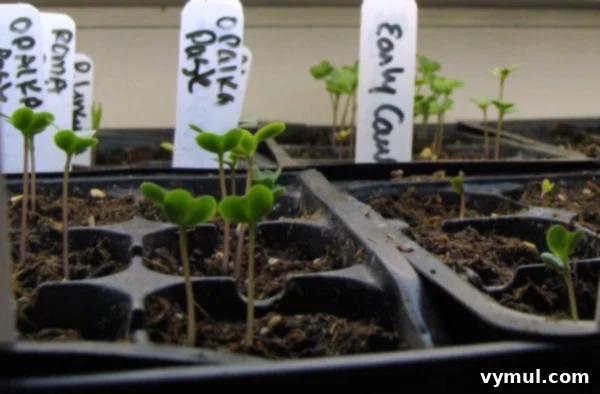
- Optimal Timing and Extended Season: You dictate precisely when your plants begin their life. This is crucial for extending your growing season, especially in regions with shorter summers. You can have seedlings ready to transplant as soon as the weather permits, ensuring an early harvest. For example, having broccoli, cabbage, and cauliflower (or your favorite unique marigold strain) ready for planting means you’re not waiting for store availability.
Remember, you don’t have to commit to starting every single plant from seed. It’s perfectly acceptable to prioritize. For instance, if you only need one tomatillo plant, buying a starter might be easier. However, for plants you need in quantity or specific varieties you adore, seed starting is the undisputed champion.
Seeding Success for a Fall Garden
Here’s another compelling reason to master seed starting: it dramatically simplifies the process of establishing a productive fall vegetable garden! With self-started seeds, you control the varieties and the exact number of plants you desire, ensuring they are perfectly ready to go into the ground precisely when you need them. This is particularly advantageous for fall planting, as garden centers and nurseries often have severely limited or even non-existent selections suitable for late-season cultivation.
Sourcing Your Seeds: Where to Buy
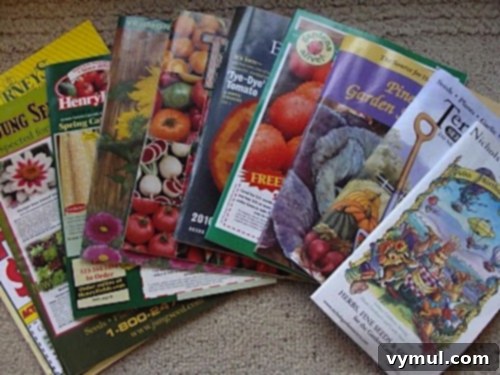
While a local, reputable garden store can certainly supply good quality seeds, exploring seed catalogs and online retailers will undoubtedly provide the most extensive variety and choice. This is where the true adventure in seed selection begins, offering far more than just what fits on a retail shelf.
There are several significant advantages to getting on a seed nursery’s mailing list and perusing their offerings:
- An Educational Resource: Seed catalogs are much more than just shopping lists; they are treasure troves of gardening knowledge. Reading through them is an excellent way to learn about different plant characteristics, optimal growing conditions, disease resistance, pest management, and harvesting tips for countless varieties.
- Unmatched Variety: Unlike physical stores constrained by shelf space, catalogs offer an immense selection of seeds, including rare heirlooms, organic options, specific hybrids, and the latest introductions. This broad choice empowers you to find plants perfectly suited to your local climate, soil type, and personal preferences.
- Ethical and Organic Choices: Catalogs often provide clear labeling for organic, non-GMO, open-pollinated, and even treated seeds, allowing you to make informed decisions that align with your gardening philosophy.
- Comparison Shopping: You can easily compare prices, packet sizes, and specific variety attributes across different companies, ensuring you get the best value and the ideal seeds for your garden.
The limitations of a retail store mean you’re often restricted to just a handful of varieties for each type of vegetable or flower. Catalogs, however, have no such spatial constraints, freeing you to discover and experiment with new varieties or confidently stick with your tried-and-true favorites.
If you’re fortunate enough to find a seed company that is both geographically close to your region and offers a comprehensive catalog, you receive a double benefit. Their growing information will be particularly accurate and relevant for your specific garden environment, offering localized advice that can significantly boost your success.
Here are some of my consistently favorite seed catalogs and suppliers:
- Pinetree Garden Seeds (My top recommendation for an excellent balance of cost-effectiveness and diverse selection.)
- Territorial Seed Company (A fantastic local option for many, known for robust varieties.)
- Nichol’s Garden Nursery (Another excellent choice, often considered local for its regional focus.)
- Johnny’s Selected Seeds (A highly regarded source, particularly for organic options, though their prices may be slightly higher.)
You can delve deeper into the specifics of these companies and discover more about my personal choices in this detailed article about my favorite gardening catalogs.
I strongly encourage you to visit their websites and request a physical catalog be sent to you. While placing orders online is convenient and efficient, there’s an unparalleled pleasure in slowly thumbing through a beautifully printed garden catalog on a cold winter evening, marking your desired seeds with a pencil, all while enjoying a warm cup of tea. It’s an essential part of the pre-gardening ritual.
Once you’ve acquired your seeds, the next logical step is to consider how to properly store and organize them from year to year to maintain their viability and prevent waste.
Discover my simple, efficient system for organizing and managing seeds each year – it’s a space-saving and remarkably cost-effective method compared to many elaborate systems found online!
Step-by-Step: How to Start Vegetable & Flower Seeds Indoors
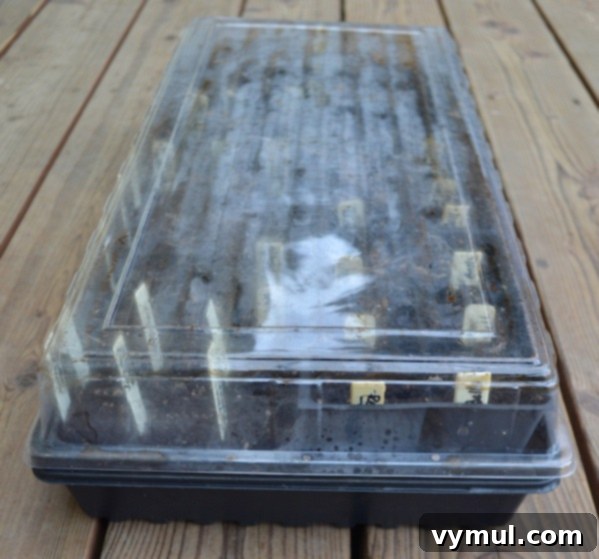
A Detailed Guide to Starting Plants From Seeds
If you’re convinced that indoor seed starting is for you and have already acquired your seeds, your next step is to follow a clear, actionable plan. I’ve created a straightforward, step-by-step tutorial that uses only basic and affordable equipment. This guide demystifies the entire process, illustrating each phase with accompanying pictures, from initial setup to the emergence of your first sprouts. It also clearly outlines the essential equipment you’ll need to ensure a successful start.
Essential Equipment for Seed Starting: To set yourself up for success, gather these fundamental items:
- Seed Starting Trays: Look for trays with individual cells or larger trays that can hold multiple small pots. Ensure they have drainage holes.
- Seed Starting Mix: This specialized, sterile, fine-textured, and well-draining medium is crucial. Avoid heavy garden soil or potting mixes with large chunks, as they can hinder delicate seedling root development and introduce diseases.
- Clear Domes or Covers: These create a mini-greenhouse effect, retaining essential moisture and warmth for optimal germination.
- Heat Mat (Optional but Recommended): Especially beneficial for warmth-loving seeds like peppers and tomatoes, heat mats provide consistent bottom heat to accelerate germination rates.
- Grow Lights: Essential for providing adequate light. A sunny windowsill is rarely sufficient and often leads to leggy, weak seedlings. Fluorescent shop lights or dedicated LED grow lights are excellent choices.
- Watering Can or Spray Bottle: Gentle watering is key to not dislodging tiny seeds or disturbing tender roots.
Nurturing Your Seedlings: Comprehensive Care Instructions
One common frustration with many seed starting guides is that they often leave you hanging once the seeds have sprouted. Recognizing this gap, I developed a series of in-depth articles to guide you through every critical stage of indoor seedling growth, right up to the moment they are planted in your garden. These resources are part of my broader Vegetable Gardening 101 series:
- Caring For Seedlings at One Week: Learn how to properly water, ensure adequate light, and begin critical early care practices during their most delicate stage. This includes tips to prevent common issues like “damping off.”
- Caring For Seedlings at Six Weeks: This crucial phase involves understanding light needs, introducing gentle fertilization, thinning overcrowded seedlings, and preparing for the all-important “hardening off” process – acclimating your young plants to the outdoor environment before permanent transplanting.
- How to Plant Seedlings in the Garden: Discover the ideal timing and techniques for transplanting your robust seedlings from their indoor trays into your garden beds. This article is rich with pictures illustrating how I prepare planting areas and correctly set various types of vegetables for optimal growth.
And for a lighthearted moment, be sure to read about a memorable incident where a curious dog caused a bit of chaos among the seedlings one night. (Spoiler alert: all the little plants recovered just fine!)
Inspiring Seed Varieties to Cultivate:
Choosing which varieties to grow can be one of the most exciting parts of seed starting. Here are some articles to help you discover new favorites and revisit tried-and-true winners:
- Seeds: New Vegetable Varieties + Tried & True Favorites – Explore a mix of innovative options and dependable classics to enhance your garden.
- Why I Love Emerite Pole Beans (& Why Pole Green Beans Are Better Than Bush) – Learn about the benefits of pole beans, including increased yield and easier harvesting, with a focus on the fantastic Emerite variety.
Seed Starting Guide FAQ: Your Questions Answered
Germination times vary significantly between different plant species, and this information is typically provided on the seed packet. Factors like temperature, moisture, and seed age also play a crucial role. For example, fast-sprouting seeds like tomatoes can emerge in as little as 4 days to a week. In contrast, peppers often require more patience, sometimes taking three weeks or even longer to germinate. For challenging seeds like peppers, I’ve found remarkable success using a heated grow mat, which provides consistent bottom warmth, significantly boosting germination rates and speed.
Seed packets always come with a “packed for” date, which gives you an idea of their freshness. Most seeds remain viable for at least 2 years, and many varieties can last much longer if stored correctly (cool, dark, dry conditions). If you have older seeds and are unsure about their viability, you can perform a simple germination test. Southern Exposure Seed Exchange offers excellent guidance on how to test seed for germination, including the popular paper towel test:
- Gather 10 seeds and place them an even distance apart on a damp paper towel. Gently roll up the towel and place it inside a plastic bag to maintain moisture.
- Position the damp, rolled towel in a consistently warm spot within your kitchen for two to five days. The presence or absence of light is not critical for this test.
- After the designated period, carefully unroll the paper towel to check how many seeds have successfully germinated. This will give you an approximate germination rate for your older seeds.
While it might seem convenient, it’s generally best to use a specialized, soil-less seed starting mix. These mixes are specifically formulated to provide the ideal environment for delicate young seedlings. They are typically sterile, preventing common seedling diseases like “damping off,” and have a fine texture that allows tiny roots to establish easily. They also offer excellent drainage while retaining just the right amount of moisture.
If a dedicated seed starting mix isn’t readily available, look for a high-quality potting soil that is lightweight and doesn’t contain field soil, compost, or fresh manure. These ingredients can introduce unwanted fungi, bacteria, or weed seeds that are detrimental to young seedlings. Alternatively, you can learn how to create your own effective seed starting mix using this proven method.
Starting certain seeds indoors provides a significant advantage, particularly for plants that require a longer growing season or are more sensitive to early spring conditions. You can refer to the Organic Vegetable Gardening Checklist for a comprehensive list to support a nearly year-round garden. Here’s a basic list of popular and rewarding seeds to start indoors:
- Tomatoes: Require a long growing season and benefit immensely from an early start indoors.
- Peppers: Both hot and sweet peppers need warmth and a long growing period; indoor starting is essential for most climates.
- Brassicas: This family includes broccoli, cabbage, and cauliflower, which thrive when given a head start indoors before transplanting.
- Lettuce: Starting indoors can give you an early harvest before outdoor direct seeding becomes feasible, allowing for continuous succession planting.
- Kale and Chard: These leafy greens appreciate an early start, resulting in stronger, more productive plants.
- New Varieties: Any new or experimental varieties you wish to try are often best started indoors where you can closely monitor their initial growth.
- Marigolds: Excellent companion plants for the vegetable garden, they benefit from an early indoor start to bloom sooner and repel pests.
- Cosmos: These beautiful cut flowers can be started indoors for earlier, more abundant blooms.
- Sunflowers: While they can be direct-sown, starting a few indoors can lead to earlier, impressive blooms.
Yes, some plants genuinely dislike being transplanted and perform much better when their seeds are sown directly into the garden soil. While it’s not impossible to start them indoors, you might observe slower growth or a “transplant shock” period. These often include root crops or plants with taproots that are easily disturbed. These are generally better suited for direct sowing:
- Carrots: Their long taproots are prone to becoming forked or stunted if transplanted.
- Beets: Similar to carrots, beets develop best when their root system is undisturbed.
- Turnips and Parsnips: These root vegetables also prefer direct sowing for proper development.
- Corn: Grows rapidly and establishes better when sown directly into warm soil.
- Beans (Bush and Pole): Both types have robust root systems that do well with direct sowing after the last frost.
- Potatoes: Typically grown from seed potatoes (tubers), not true seeds, and are planted directly in the garden.
- Squash and Pumpkins: While some gardeners start them indoors, they grow very quickly and are usually better off direct-sown once the soil is warm enough to avoid transplant shock.
- Cucumbers: Similar to squash, they are fast growers that prefer direct sowing.
Determining the correct timing for indoor seed starting is crucial and largely depends on your local climate and specific plant needs. The most important factor to identify is your region’s average last frost date in spring. Seed packets will then provide guidance, usually stating “start indoors X weeks before the last frost date.”
I’ve outlined how to effectively pinpoint your indoor seed starting times in this dedicated article. Additionally, a fantastic tool to assist with this planning is Urban Farmer’s vegetable planting schedule. This resource allows you to input your USDA hardiness zone (if known) or navigate to your specific state and even town to find detailed planting information, including precise first and last frost dates. Once you have these critical frost dates, you can accurately follow the planting instructions provided on your vegetable and flower seed packets, ensuring your seedlings are ready at the optimal time for transplanting outdoors.
Similar to indoor starting, knowing your average first and last frost dates is paramount for successful outdoor direct sowing. Once the danger of frost has passed and the soil has warmed sufficiently (specific temperatures are often indicated on seed packets), you can proceed with direct planting according to the seed packet directions.
In addition to the root vegetables and others mentioned above that are generally not recommended for indoor starting, I find these seeds tend to perform exceptionally well when planted directly into the garden soil:
- Peas: A cool-season crop that can be sown directly in early spring as soon as the soil can be worked.
- Spinach: Another cool-season leafy green that thrives with direct sowing in spring and fall.
- Lettuce: While some varieties benefit from an indoor start, direct sowing succession crops every two weeks after your initial seedlings are planted ensures a continuous, fresh supply throughout the season.
- Zucchini: These vigorous growers quickly establish themselves from direct-sown seeds once the soil is warm.
- Cucumbers: Warm-season vining plants that prefer direct sowing for undisturbed root growth.
- Pumpkins and Squash (Winter & Summer): These large-seeded plants are very forgiving and perform excellently when direct-sown.
- Zinnias: Heat-loving annual flowers that germinate quickly and produce abundant blooms when direct-sown after frost danger.
- Sunflowers: Easily direct-sown for towering stalks and impressive blooms.
- Nasturtiums: Edible flowers and leaves that are very easy to direct sow and grow.
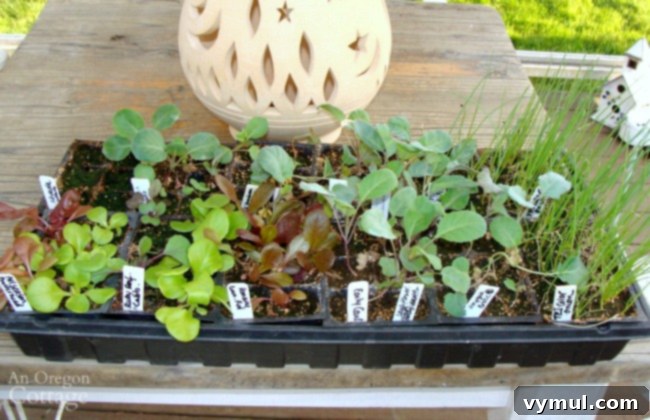
Further Resources & Advanced Seed Starting Tips
To further enhance your seed starting expertise and troubleshoot any specific challenges, here are additional reputable resources brimming with valuable insights and advanced tips:
- 10 Seed Starting Tips from Fine Gardening: A concise collection of expert advice for getting your seeds off to the best possible start.
- Best Seed Starting Tips from Mother Earth News: This well-respected publication offers organic-focused strategies for successful seed germination and growth.
- Starting Plants from Seeds by the University of Minnesota Extension: A reliable, science-backed guide from an academic institution, providing robust information on indoor seed starting.
By integrating the knowledge from this guide with these supplementary resources, you’ll be well-equipped to tackle any seed starting project, transform your winter planning into a vibrant spring garden, and enjoy the unparalleled satisfaction of growing your own plants from the ground up. Happy gardening!