Harvest Savings: The 10 Best High-Yield, Low-Cost Plants for a Budget-Friendly Garden
Is gardening to save money a realistic goal? Absolutely, if you approach it strategically! Many aspiring home growers wonder if cultivating their own produce genuinely reduces grocery expenses. While the initial investment and methods of establishing a garden can vary significantly, focusing on the right plants is key to maximizing your financial return. This comprehensive guide outlines ten high-yield, low-cost, and easy-to-grow vegetables, fruits, and herbs that promise the most bang for your buck, transforming your backyard into a valuable source of fresh, healthy food.
The question of whether vegetable gardening truly saves money is one I encounter frequently. And it’s a valid inquiry! The answer, however, isn’t always a simple yes or no, as it heavily depends on your approach. For instance, the upfront costs for setting up a garden can differ dramatically:
- You might start small, transforming a patch of lawn by covering it with plastic to kill grass, then layering a few loads of new soil and compost. This method can be incredibly cost-effective, requiring very little out of your pocket.
- Alternatively, you could opt for building one or two raised beds. This involves a slightly higher initial expense but often saves considerable time later on with reduced maintenance and weeding efforts.
- On the more ambitious end, you could design a sprawling garden area complete with permanent raised beds, decorative pathways, elegant arbors, and other elaborate features. While visually stunning and highly enjoyable, this route naturally incurs a much greater financial outlay.
Clearly, if you choose the most elaborate and expensive option for garden infrastructure, it will take many years of abundant harvests to truly offset your initial investment through produced fruits and vegetables. However, it’s important to remember that such decisions often come down to personal priorities. A more expensive garden setup can significantly enhance your home’s landscaping and property value, and it undeniably provides immense aesthetic pleasure and enjoyment.
But beyond the initial setup, a critical factor in determining your garden’s cost-saving potential lies in what specific plants you choose to grow. Thoughtfully selecting high-yield fruits, vegetables, and herbs can dramatically impact your food budget, making home gardening a truly economical endeavor.
I’ve personally discovered that growing our own food is among the most fulfilling and rewarding uses of my time. It’s not just about the monetary savings; it’s a mentally stimulating activity, a profound connection with nature, an excellent way to stay active outdoors, and, of course, it consistently provides healthy, fresh food for our family table.
However, my experience has also taught me that not all vegetables, fruits, and herbs are equally easy to grow or cost-effective. Some plants can demand significant resources—time, space, and money—only to deliver a meager return. Furthermore, certain staples like onions and potatoes are often more economical to purchase from the store, especially considering the substantial space they require to grow well and the quantities most families consume.
So, when asked if gardening saves money, my nuanced answer is, “Sometimes.”
Not incredibly helpful on its own, I know. But let’s delve into the details, because you absolutely can achieve significant savings by growing your own food – provided you engage in some thoughtful planning and smart choices upfront. If you’re just embarking on your gardening journey, I highly recommend starting small and designing for easy care to avoid feeling overwhelmed.
As you plan your food garden and aim to keep costs in check, always bear these three crucial factors in mind:
- Family Preferences: Grow what your family genuinely enjoys eating. Food waste is, after all, money waste. There’s no point in a bumper crop of kale if no one at home will touch it.
- Available Space: Consider the room you have. Selecting plants that offer the best yield for your given space is paramount. Vertical gardening or container gardening can be excellent solutions for smaller areas.
- Local Climate & Production: Choose plants that will thrive and produce abundantly in your specific geographic location and climate. Attempting to grow a single melon in a cooler northern climate might be far less cost-effective than cultivating multiple heads of resilient lettuce.
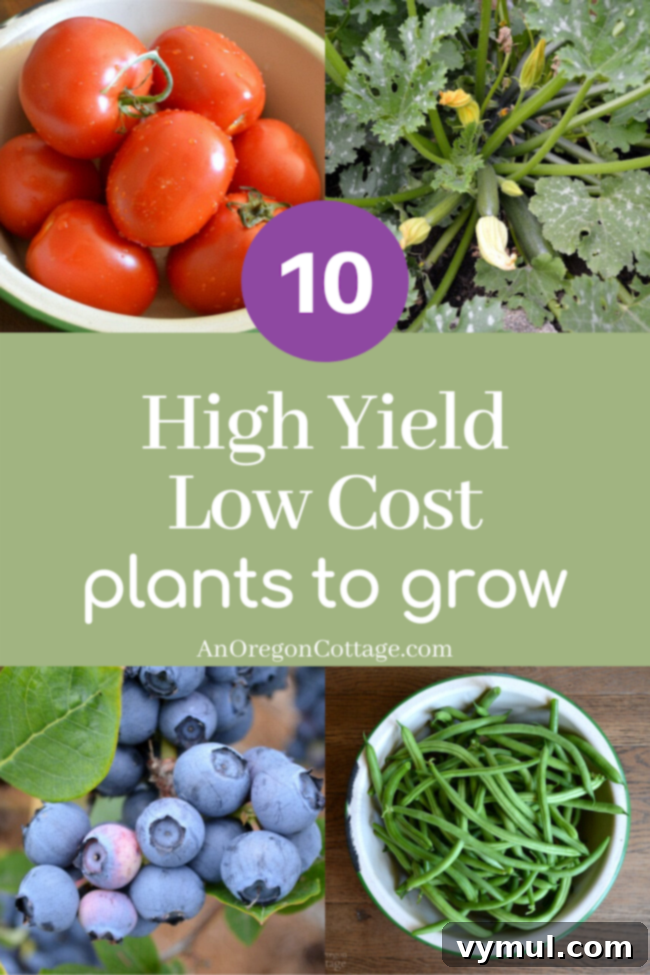
Gardening to Save Money: The 10 Best High-Yield Plants To Grow
Over years of cultivating a vegetable garden, through both flourishing seasons and challenging ones, I’ve identified ten exceptional vegetables, fruits, and herbs that consistently deliver abundant harvests with minimal fuss, resisting pests and diseases more effectively than many other options. When you commit to organic gardening practices, these 10 money-saving plants are often among the most expensive to buy organically at the grocery store. Why pay a premium when you can grow your own superior quality produce with ease?
1. Herbs
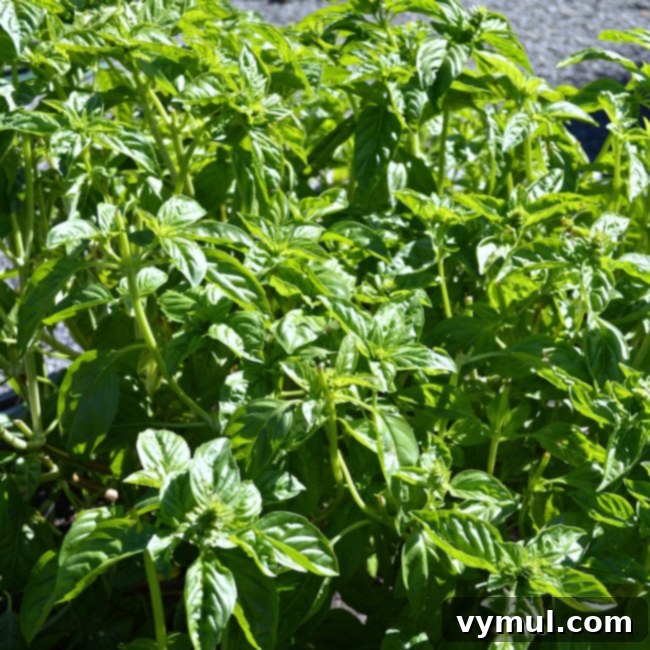
Herbs are undeniably some of the easiest plants to cultivate, making them ideal for gardeners on a budget. They are remarkably resilient, rarely bothered by common pests, and often thrive even in mediocre soil—some herbs actually perform worse with excessive fertilizer! Once established, most varieties require minimal watering, simplifying their care. Basil and parsley are my most frequently used herbs, with chives and thyme coming in as close seconds, offering versatile flavors for countless dishes.
Basil, in particular, stands out for its incredible value. It’s absolutely essential for making delicious, inexpensive homemade pesto. Beyond that, fresh basil leaves freeze exceptionally well on their own, allowing you to enjoy its vibrant flavor long after the growing season. There are also numerous other creative ways to preserve basil. Just one or two healthy basil plants can easily provide enough leaves to keep you stocked with pesto and fresh basil all summer and through the winter, paying for itself many times over. If you ever find your basil struggling with pests, don’t worry—this simple homemade spray has proven to be incredibly effective.
2. Lettuce & Greens
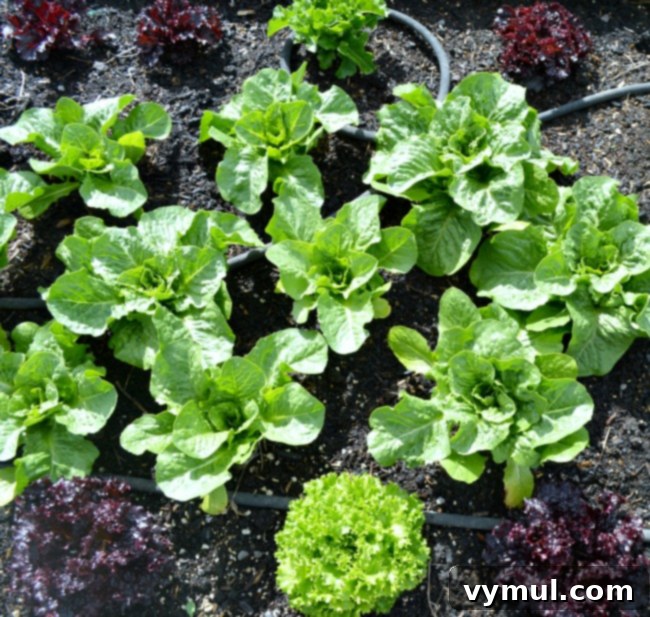
For those who enjoy a regular salad, growing your own lettuces and salad greens offers substantial savings. Leaf lettuce, in particular, is a game-changer with its “cut and come again” nature, continuously producing fresh leaves as long as mild weather persists. Romaine lettuce is an excellent choice, often yielding the highest per pound and boasting impressive health benefits—even surpassing kale in certain nutritional aspects.
Helpful Tips for Growing Lettuce & Greens:
- Instead of harvesting the entire head, try picking only the larger outer leaves. With this method, just a couple of leaf lettuce plants can provide enough for your family’s salads, and in about a week, the same plants will be ready for another harvest.
- Other greens such as arugula, Swiss chard, and spinach are just as straightforward to grow using similar techniques.
- To ensure a continuous supply of fresh greens throughout the growing season, implement succession planting: sow a small batch of seeds every two to three weeks.
Discover more valuable growing tips and inspiring recipe ideas in The Ultimate Lettuce Guide, making your leafy green cultivation even more successful and delicious.
3. Tomatoes
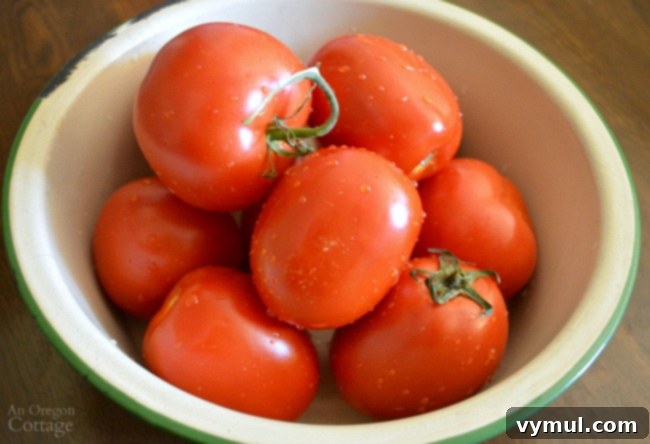
Tomatoes are a quintessential garden crop, offering incredible value and versatility. Cherry, paste, and slicing varieties all boast impressively long harvest seasons and require relatively little upkeep once planted and properly supported with caging or staking. Beyond moderate watering, your primary task will be consistent harvesting – and trust me, there will be plenty to harvest! The fresh, sun-ripened flavor of a homegrown tomato is unparalleled by anything from a grocery store.
For an even greater return on your gardening investment, consider planting heirloom varieties. These often fetch a premium price of $3-4 per pound in stores due to their unique flavors and characteristics. My personal favorites for their exceptional taste and productivity include Brandywine, Cherokee Purple, and Black Cherry. Growing these at home not only saves you money but also elevates your culinary creations. For an in-depth look at cultivating tomatoes, along with a wealth of recipe and preserving ideas, explore The Ultimate Tomato Guide.
4. Squash
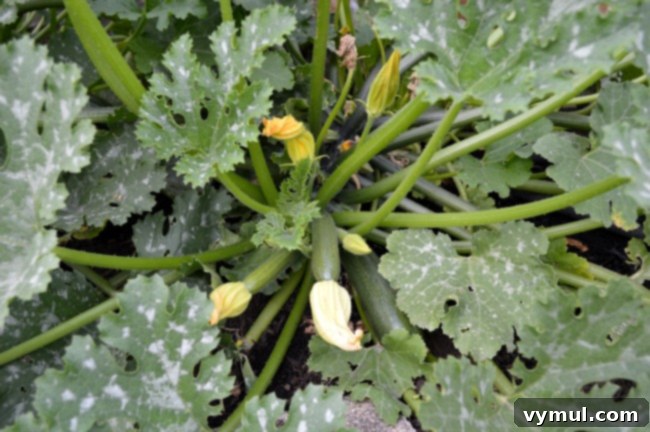
Squash varieties, including zucchini, yellow summer squash, and various winter squashes (space permitting), are famously high-yield plants that will quickly fill your kitchen and your freezer. The prolific nature of a single zucchini plant is legendary, often producing so abundantly that it can literally feed an entire neighborhood at the peak of its season! While most squashes do require a decent amount of garden space, the good news is that zucchini, at least, performs exceptionally well when grown in containers, making it an accessible option for many home gardeners, even those with limited ground area. Get ready for an endless supply of “zoodles” and don’t forget to try my recipe for no-fail zucchini bread!
For even more insights on successfully growing and creatively cooking with zucchini, be sure to check out The Ultimate Zucchini Guide, which is packed with tips and over 46 recipes.
5. Green Beans
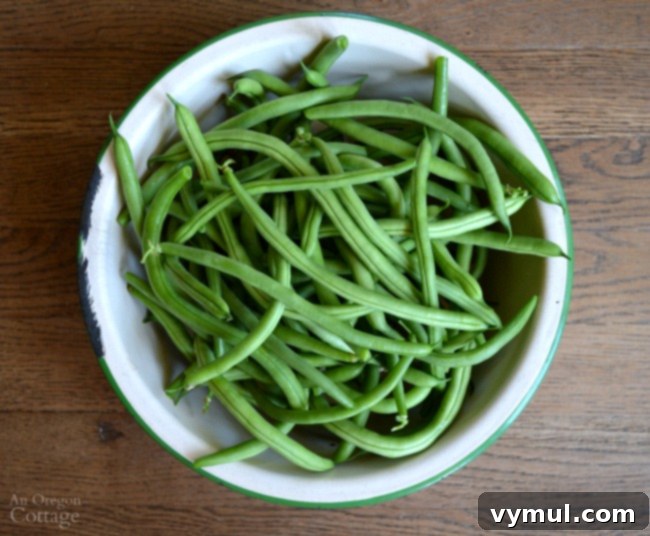
While fresh green beans might appear inexpensive at the grocery store during their peak season, they are frequently older, have traveled far, and may already be showing signs of bruising or browning. Once you’ve experienced the joy and flavor of homegrown green beans, you’ll likely find store-bought varieties consistently disappointing. Growing your own guarantees the freshest, most flavorful green beans you’ve ever tasted, significantly enhancing your meals and offering substantial savings.
Green beans are remarkably easy to grow, thriving with minimal intervention. For maximum yield in a smaller footprint, I highly recommend planting pole beans like the Emerite variety. Unlike bush beans, pole beans produce continuously over a longer period, yielding more pounds per square foot. Enjoy them fresh from the vine, and then easily freeze any surplus for later, doubling your savings and ensuring a supply of delicious green beans throughout the year. Dive deeper into growing, preserving, and cooking with green beans in The Ultimate Green Bean Guide.
6. Cucumbers
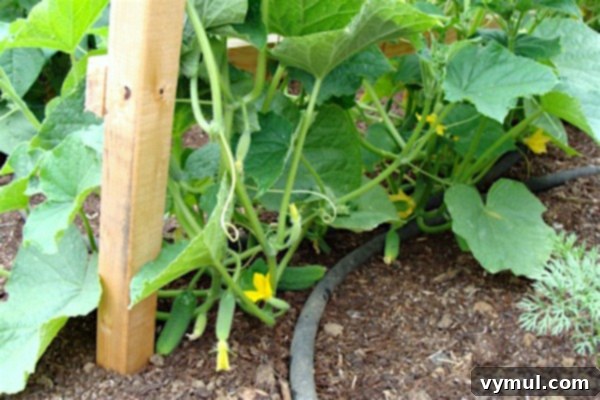
Cucumbers are a fantastic addition to any money-saving garden, especially when you utilize vertical growing techniques. When you grow cucumbers on a trellis, you can dramatically increase your harvest in a more compact space, while also enjoying additional benefits like better airflow and cleaner fruit. Whether your goal is fresh eating for crisp salads and sandwiches, or pickling for homemade preserves, cultivating your own cucumbers guarantees an abundant harvest and the freshest produce possible. This prolific yield translates directly into significant savings on your grocery bill.
I haven’t purchased pickles in years, largely because my own homemade garlic dill pickles are infinitely superior in flavor and crunch! Once you start making your own, you’ll likely never go back to store-bought. Cucumbers are simple to grow and incredibly rewarding, solidifying their spot on this list of top budget-friendly plants.
7. Hot Peppers
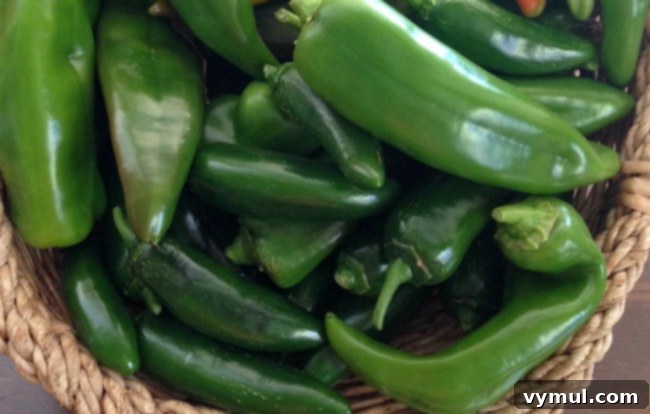
Hot peppers, including popular varieties like jalapeños, poblanos, and Anaheims, are excellent choices for the cost-conscious gardener due to their robust nature and versatility. Since these peppers are commonly harvested while still green, they can be successfully and easily grown in a wider range of climates, from warmer regions to those with slightly cooler temperatures. Once planted, they are largely a “plant-and-forget” type of vegetable (aside from regular watering, of course). They particularly thrive in a raised bed, especially when mulched with red or black plastic, which helps retain moisture and accelerates production.
A significant benefit of growing hot peppers is their harvest timing, which often coincides perfectly with that of tomatoes. This synchronicity allows you to create incredible fresh salsa and even perfect canned salsa if you cultivate enough plants. The intense flavor and heat of homegrown peppers far surpass anything you’ll find pre-packaged, making them a true culinary asset and a smart financial choice. For comprehensive guidance on growing, preserving, and cooking with hot peppers, refer to The Ultimate Hot Pepper Guide.
8. Blackberries & Raspberries
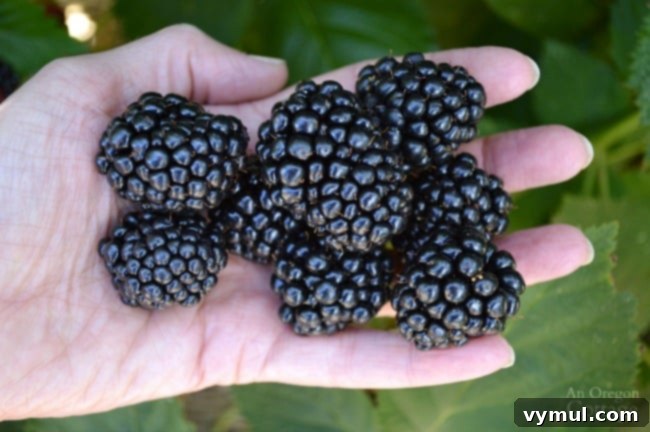
If you select the right varieties, blackberries and raspberries can be cultivated in a relatively compact area and still produce an astonishingly large crop over an extended period. This makes them an incredibly cost-effective choice, especially when compared to purchasing those small, often expensive tubs of organic berries from the store, which can cost $4-6 each. Growing your own berries is arguably the best fruit-growing decision you can make to significantly reduce your grocery bills.
My enthusiasm for blackberries wouldn’t be as strong if it weren’t for my discovery of Triple Crown Thornless Blackberries. These berries are simply exceptional in both their prolific harvest and exquisite flavor, and I’m on a mission to share their greatness with everyone. While I haven’t personally tested their suitability for containers, their growth habit is quite compact for a cane berry. I firmly believe every backyard, no matter how small, should find a corner to plant a couple of these bushes – you absolutely will not regret it. For an all-encompassing guide to growing, preserving, and cooking with these delightful caneberries, explore The Ultimate Caneberry Guide.
9. Dwarf Blueberry Bushes
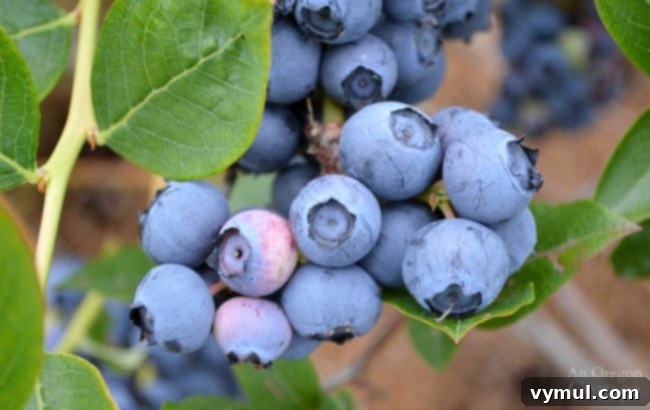
Some gardening lists might not include blueberries as a top money-saving plant, but allow me to make a compelling case. While standard blueberry bushes can reach heights of 6-8 feet, dwarf varieties typically grow to a more manageable 2-4 feet. This makes them perfectly sized for integration into existing landscape shrubbery or for cultivation in containers on patios and balconies. Despite their smaller stature, these dwarf varieties still produce a generous harvest of delicious berries. Their compact size also makes them much easier to protect from hungry birds with netting, if needed.
Blueberries remain a relatively expensive fruit to purchase, even when they are in season at the grocery store. Growing your own provides a continuous supply of fresh berries and, importantly, they freeze exceptionally well, ensuring you have homegrown blueberries available all winter long for smoothies, baking, or simply as a healthy snack. Considering you might already be planning to incorporate attractive shrubs into your landscape, why not choose fruit-producing ones that offer both beauty and bounty? If you manage to grow enough to have a surplus, The Ultimate Blueberry Guide offers a treasure trove of preserving recipes and creative ideas.
10. Rhubarb
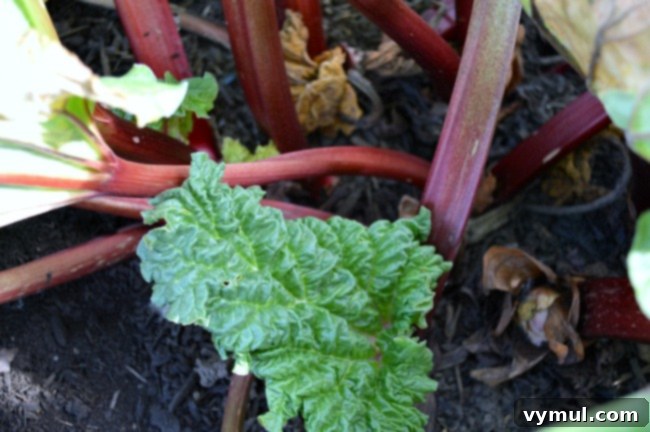
Rhubarb is an incredibly resilient and low-maintenance perennial that deserves a place in any budget-conscious garden. Once established, typically after the first year or two, rhubarb can virtually grow without any dedicated care. I’ve personally witnessed flourishing, extensive rhubarb patches at neglected homes, testament to its hardiness and self-sufficiency. Of course, proper initial placement is key; if it’s planted in an unsuitable spot, its performance will vary. However, overall, it’s a remarkably reliable perennial plant that will consistently provide fresh stalks every spring for decades to come.
Another compelling reason to grow rhubarb is its often elusive nature in grocery stores, making it one of the more expensive “fruits” to purchase when it is available. Cultivating your own ensures a steady, free supply of this unique ingredient. You’ll want to ensure you grow enough to enjoy fresh and to preserve, allowing you to make delightful rhubarb butters, scrumptious rhubarb muffins, and even savory spicy rhubarb chutney. Indeed, rhubarb isn’t just for pie anymore – discovering its versatility might completely change your perspective on this wonderful plant! For a wealth of additional tips on growing and creatively utilizing rhubarb, delve into The Ultimate Rhubarb Guide.
What about other vegetables? Are they worth growing for savings?
While many other plants are enjoyable to grow and certainly contribute to a diverse diet, they may not offer the same significant cost-saving benefits or ease of production as the ten plants listed above. These varieties might not reliably produce as much, demand considerable space, or require more intensive maintenance, making them less ideal for a strictly budget-focused gardening strategy. You can absolutely grow them for the pleasure and fresh taste, but the financial return on investment might not be as substantial. Such plants include:
- Carrots – These root vegetables need very loose, well-draining soil to develop straight, healthy roots. They are also notoriously slow to germinate and can be tedious to thin properly, impacting overall yield and effort.
- Cilantro – A beloved herb, cilantro tends to “bolt” or go to seed very quickly, often just a few weeks after reaching maturity, especially in warmer weather. To maintain a steady supply, continuous succession planting is required, demanding more consistent attention than other herbs.
- Pumpkins – While fun for fall decorations and cooking, pumpkins are notorious for needing a vast amount of garden space. A single plant can easily sprawl across many square feet, making them inefficient for smaller gardens focused on maximizing edible yield.
- Sweet Corn – There’s nothing quite like fresh, homegrown sweet corn! However, it doesn’t yield a lot of produce for the significant amount of garden space it occupies. Despite this, it remains a really fun crop to grow for the experience.
- Asparagus – I adore growing asparagus, but it requires patience and space. It needs a dedicated area to produce enough for a family and takes several years (typically 2-3) to become well-established before you can begin harvesting.
Wait, why no sweet peppers?
During my research for this list, comparing my personal gardening experiences with other “must-grow” recommendations, I frequently encountered sweet bell peppers. While I included hot peppers in my list due to their success when picked green, I deliberately excluded sweet bell peppers for several practical reasons:
- In my climate (Zone 8, maritime Pacific Northwest), I find sweet peppers to be quite finicky. They often require extensive staking, protective covering, and considerable “babying” throughout our cooler spring and fall weather to thrive.
- The fruits themselves can often be misshapen or small, and the plants sometimes struggle to support the weight of even a few full-sized peppers, leading to breakage.
- Sweet bell peppers take a considerably long time to truly mature and develop their characteristic sweetness. A green pepper is not a mature pepper; it’s an unripe fruit.
- A single sweet pepper plant might only produce a modest yield of 3-6 full-sized, ripe peppers, making the effort-to-reward ratio less favorable for budget gardeners.
While you certainly can harvest a number of green peppers from your plants, it’s crucial to understand that these aren’t ripe peppers. This is precisely why they often taste bitter, lacking the sweet, vibrant flavor of colored peppers that have been allowed to fully mature on the vine. Harvesting truly sweet, fully colored peppers requires significantly more time and patience (all green peppers will eventually turn red, yellow, or orange when fully ripe). This extended growing period and lower yield per plant make them less of a cost-saving powerhouse compared to the ten high-yield, low-maintenance plants that made our list. Contrast this with a cherry tomato seedling: you plant it, add a simple cage, water every few weeks, and then enjoy an abundant harvest from midsummer onwards—often more than you can possibly consume. This stark difference in effort and return clearly illustrates why sweet bell peppers, despite their popularity, didn’t make the cut for this money-saving guide.
So, to fully answer the question, “Is gardening to save money possible?” I would emphatically say, “Yes, it absolutely is, when you plan intelligently, cultivate what your family will genuinely use and eat, and wisely focus your efforts on the plants that promise the biggest return on your time and investment.”
But beyond the measurable financial savings, there’s an even deeper reward. You’ll be immersed in the joyful experience of growing, harvesting, cooking, and savoring the freshest, most delicious food imaginable. The unparalleled taste, the health benefits, and the satisfaction of self-sufficiency add up to a value that is truly priceless.
More Gardening Tips & Resources
- 21 Organic Gardening Tips to Make Your Life Easier
- 14 Must-Have Tools for Every Gardener
- How to Start Gardening: 10 Simple Steps To A Thriving Vegetable Garden
- The Essential Organic Vegetable Gardening Guide
- Five Smart Ways to Save Water (and Time) in Your Garden
This article has been thoroughly updated and expanded to provide the most current and comprehensive advice. It was originally published in February of 2017.