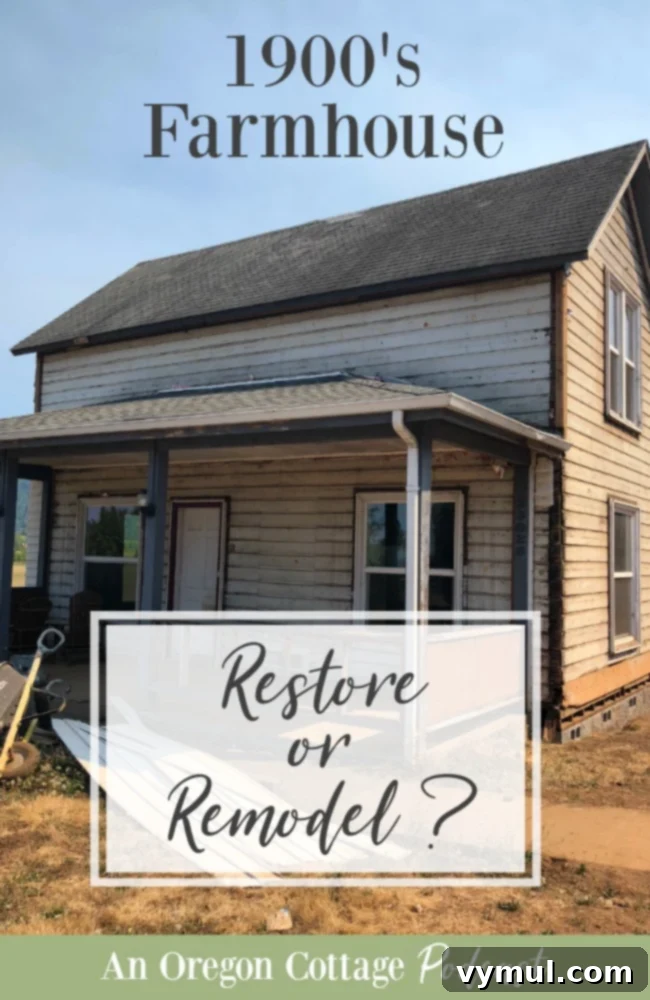
1900s Farmhouse Fixer: Uncovering Hidden Histories, Phantom Doors, and Our Authentic Remodel Vision
Embarking on the renovation of a historic home is always an adventure filled with surprises, challenges, and moments of awe. Our 1900s farmhouse fixer has certainly lived up to this expectation, especially as we peeled back the layers of its past. For weeks, we’ve been brimming with anticipation, wondering what secrets the removal of the 80s-era vinyl siding would reveal. Now, with a significant portion of that synthetic skin gone, we’re ready to share our fascinating discoveries: from the mystery of missing windows and a phantom door to the ongoing debate of authentic restoration versus modern renovation. How do we honor the home’s original character while integrating the conveniences of contemporary living?
This episode delves deep into our journey, discussing the revelations that have emerged from beneath the vinyl. We explore the intriguing question of whether to bring back a long-gone second door, or if a completely “new” approach is better. Beyond the structural insights, we also lighten the mood with a timely segment on my favorite zucchini recipes – after all, it’s August, and that means abundant zucchini! Plus, in a moment of unexpected joy, Brian spots our neighbors tackling a major eyesore on their property – a small victory for neighborhood aesthetics. Join us as we navigate the complexities and joys of breathing new life into our beloved farmhouse.

For those eager to listen, you can easily download this insightful episode from popular platforms like Apple Podcasts, Google Play, Stitcher, and TuneIn Radio. Alternatively, simply press play below to enjoy the show directly from your computer! This page also serves as your guide to all the links, notes, and photos we referenced during our discussion. Note: If you’re using a feed reader, please click through to the original post to access the audio player.
Some links included in this article are affiliate links. Should you choose to click on them and make a purchase, I may receive a small commission at no additional cost to you. Your support helps keep this content coming!
Unveiling the True Character of Our 1900s Farmhouse

The moment we began tearing off the vinyl siding that had shrouded our 1900s farmhouse for decades was filled with both anticipation and a bit of trepidation. What we found wasn’t just a myriad of wasp nests – though there were plenty of those! The true revelation was the discovery of the home’s original siding, which, to our pleasant surprise, was in remarkably good condition. It appears this historic structure had its original wood siding exposed for many years, as evidenced by the mere 1-2 coats of white paint applied over its century-long lifespan. It’s truly uncommon to find a house of this age with such minimal paint, and even more astonishingly, absolutely no flaking or peeling. This preservation significantly simplifies our approach to the lead paint issue; thankfully, we’ll only need to focus on caulking and filling rather than extensive, hazardous sanding.
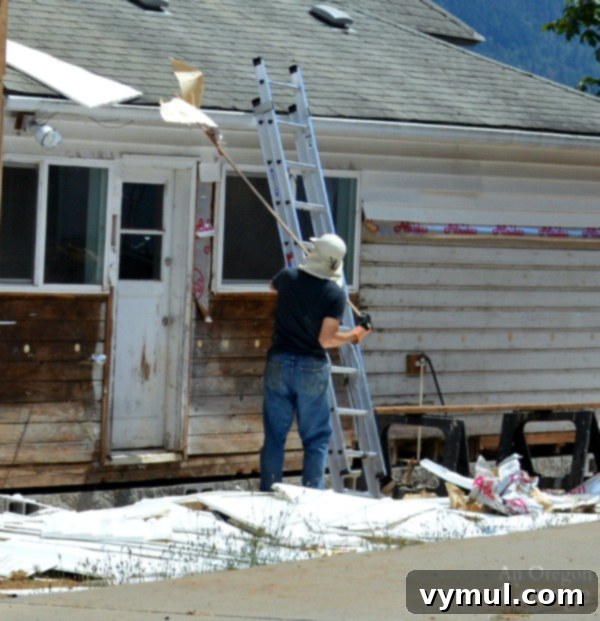
This phase of the renovation has also been an exercise in ingenuity. Brian, ever the problem-solver, devised a clever and safer technique for vinyl siding removal, minimizing the risk of falls from ladders. You can catch a glimpse of his innovative method in the video he produced, demonstrating how we’re tackling this project safely and efficiently.
The Case of the Missing Windows and Architectural Styles
Perhaps the biggest architectural surprise revealed by the siding removal was the undeniable absence of small windows above the porch. I had been absolutely convinced that they existed, based on my familiarity with similar 2-story farmhouses featuring a four-room front section and a kitchen-dormer “T” section at the back (a style whose formal name still eludes me!). Most examples of this architectural period and type typically showcase these smaller, often decorative, windows. However, the exposed structure clearly indicated they were never there.
The plot thickened when our daughter, taking an active interest in our farmhouse fixer project, conducted a Google search for “1900 house.” Her discovery was a game-changer:
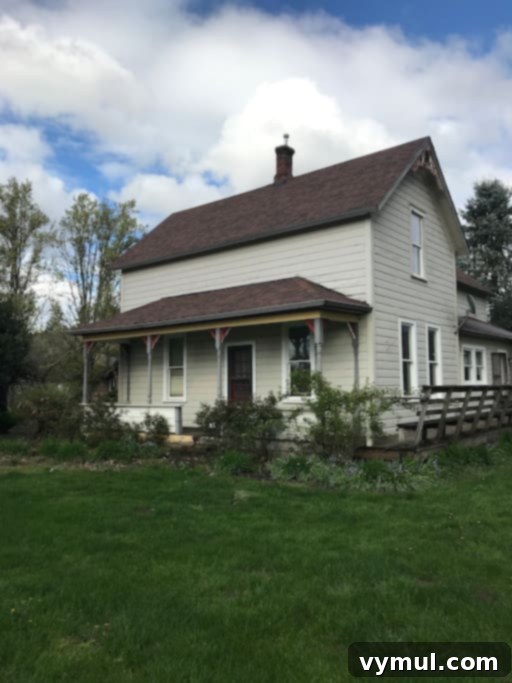
Voilà! This image perfectly captured the style of our farmhouse, minus the elaborate Victorian fretwork and posts. It provided invaluable insight, confirming that not all houses of this specific style necessarily featured the windows I had envisioned. This discovery reframes our approach, allowing us to consider adding period-appropriate windows while acknowledging the house’s original configuration.
The Enigma of the Phantom Door

Another captivating revelation upon removing the vinyl siding was the distinct evidence that our farmhouse originally boasted two front doors! This raised immediate questions about the home’s original layout and function. To gather insights, I polled my insightful newsletter readers, who offered a fascinating array of theories and historical anecdotes:
- One intriguing theory suggested that houses were initially built with a single door, but if the husband remarried after his wife’s passing, a second door would be added. It was believed to be bad luck for the new wife to use the first wife’s entrance.
- Another reader shared an experience from their Grandma’s old Sears Roebuck & Co. home, which was delivered by train. This house featured three doors off the porch, leading independently into the kitchen, dining room, and living room – a testament to functional, multi-entry designs.
- A common observation from our readers involved farmhouses with two doors: one for everyday family use, leading into a family room, and a second, more formal door that opened into a parlor, reserved for special guests or occasions.
- From Missouri, a reader noted that many old farmhouses, still inhabited or abandoned, have similar dual-door setups. In one such home, the right side (facing the house) housed the living room, while the left side was actually a bedroom – illustrating diverse functional layouts.
Considering the simple design of our farmhouse, with bedrooms situated on the second floor and just two primary rooms on the main floor, we’re leaning towards the theory that one door granted access to the family’s main living area, while the other provided a more formal entrance to a smaller front parlor. This interpretation aligns well with the practical and social conventions of the early 20th-century farmhouse design, offering distinct entry points for different purposes within the home.
Restore or Remodel? Our “Authentic Remodel” Philosophy
When faced with the choice between a strict historical restoration and a complete modern remodel, we’ve found ourselves defining a new path: what Brian aptly termed an “authentic remodel” during our recording session. This approach allows us the flexibility to modernize our home for practical real-life living, adhere to our budget, and incorporate current technology for crucial elements like weather-proofing and energy efficiency. However, it’s firmly rooted in respecting and reflecting the original, simple farmhouse style.
For example, while the discovery of the original second front door was fascinating, we won’t be reinstating it – primarily for functional and aesthetic reasons that suit our family’s needs today. Similarly, while there were no original windows above the porch, I am committed to adding some small, period-appropriate windows there. The current blank space feels incomplete, and I believe adding these will significantly enhance the home’s aesthetic appeal, making it feel more balanced and historically accurate to the general architectural feel of the era.
Our goal for this comprehensive renovation is to meticulously restore as much as we can, ensuring the farmhouse retains its authentic, unpretentious character. This involves carefully preserving some of the original 100-year-old siding where feasible, refinishing the beautiful old-growth fir floors throughout the interior, and thoughtfully incorporating period-appropriate molding, doors, and fixtures that echo the home’s original charm. We’re drawing inspiration from resources like this insightful HGTV article: The Key Elements of Farmhouse Architecture, which helps us stay true to the architectural integrity of our home’s style.
Siding Farmhouse Inspiration: Blending Old with New
One of the most exciting aspects of our “authentic remodel” involves the exterior siding. Our vision is to harmoniously blend the old with the new, creating a distinctive look that respects the home’s past while embracing a fresh aesthetic. We plan to retain the original siding on the front and upper story of the farmhouse, celebrating its historical texture and character. This will be beautifully complemented by new board-and-batten siding on the lower section and the back of the “T” part of the house, offering a modern farmhouse touch.
I’ve gathered several inspiration photos that perfectly illustrate this desired aesthetic – white farmhouses that cleverly utilize two different siding types to achieve a cohesive, yet varied, exterior. These images serve as our guide, helping us visualize how the blend of horizontal original siding and vertical board-and-batten will work together to create a stunning, timeless look for our home:
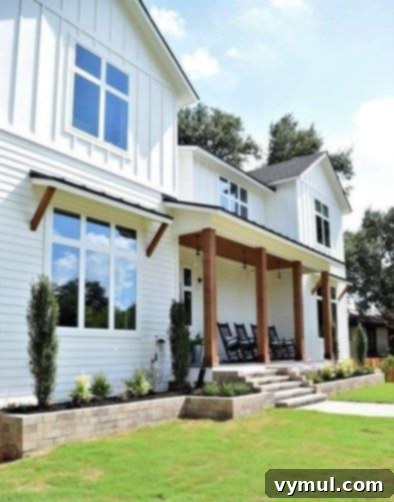
Inspiration via Houzz
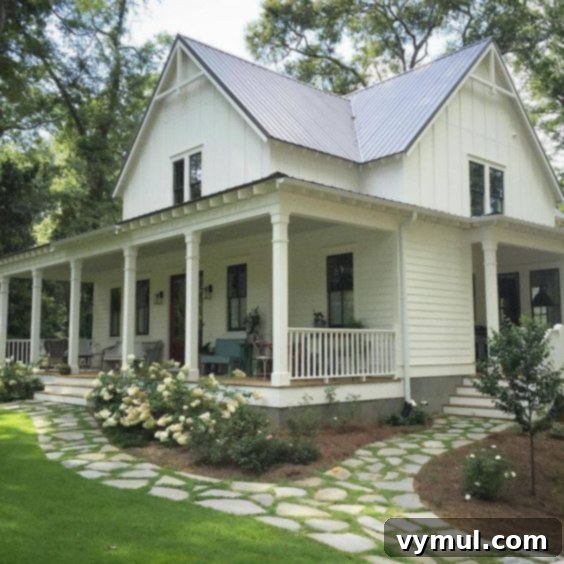
Image Source: Southern Living via Pinterest
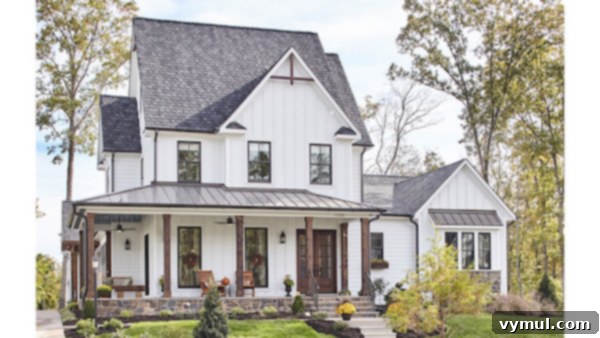
Photo Credit: Southern Living via Pinterest
Beyond the exterior, our renovation journey continues to unearth fascinating details. We also have a couple of exciting updates regarding more discoveries found beneath the house, and the ongoing, somewhat chaotic, saga of our out-of-control gopher situation! Make sure to tune into the podcast episode for all the juicy details on these unexpected developments.
What’s Cooking: A Celebration of Zucchini!

Ah, August! For anyone with a garden, this month is synonymous with an abundance of zucchini. It’s the season where this versatile squash truly shines, making its way into countless delicious dishes. If you’re anything like me, you’re constantly looking for fresh and exciting ways to use up your harvest. To help you make the most of this prolific vegetable, I’m sharing all my go-to zucchini recipes, from savory delights to sweet treats:
For the ultimate guide to growing, harvesting, cooking, and preserving zucchini, check out my newest comprehensive resource:
The newest: The Ultimate Zucchini Guide (with an incredible 46 recipes!)
Savory Zucchini Creations:
- Zucchini, Corn, and Tomato Sauté with Feta: A vibrant, fresh side dish perfect for summer evenings.
- Zucchini-Feta Fritters with Lime: Crispy, savory, and bursting with Mediterranean flavors.
- Sausage and Corn Stuffed Zucchini: A hearty and satisfying main course, ideal for a garden-fresh meal.
Sweet Zucchini Indulgences:
- Amazing White Zucchini Cake with Broiled Caramel-Nut Frosting: A wonderfully moist cake, deceptively made with zucchini, and topped with an irresistible frosting.
- Healthy, Whole Wheat No Fail Zucchini Bread: A wholesome and consistently delicious classic, perfect for breakfast or a snack.
- Dark Chocolate Zucchini Bread (Sweetened with Honey): A rich, decadent bread that’s surprisingly good for you, made with natural sweetener.
- Whole Wheat Dark Chocolate Zucchini Cupcakes: Indulgent yet healthful cupcakes, a fantastic way to enjoy your zucchini.
- Glazed Zucchini Lemon Bread: A bright and zesty bread, perfect for a refreshing treat.
- Zucchini Cinnamon Freezer Muffins: My absolute favorite way to “preserve” zucchini! You freeze the dough, allowing you to bake warm, fresh muffins whenever the craving strikes, all year round.
I also mentioned jumping on the spiralizing trend (both here and in the last Good Things List) to create “zoodles” – a fantastic, low-carb alternative to pasta. After much research, this is the spiralizer I settled on. Its versatility allows me to make various noodle shapes not just from zucchini, but from a wide range of other vegetables as well, making healthy eating both easy and fun.
This is Really Cool! Our Latest Favorite Finds
Here are a couple of things that have really impressed us lately, making life just a little bit better:
Brian’s Pick: The Werner 20 ft. ladder (300 lb. capacity). Brian was genuinely amazed by its exceptional lightness for an aluminum ladder, combined with its impressive sturdiness and excellent value for the price. It’s been an invaluable tool in our siding removal efforts, making a tough job much safer and more manageable.
Jami’s Pick: Trader Joe’s Chocolate Chip Sandwich Cookies. Sometimes, after a long day of renovation, you just need a perfect sweet treat! While I’m providing a link to them on Amazon so you can see the packaging, please note these are significantly more expensive there than at a local Trader Joe’s store. If you have a TJ’s nearby, run, don’t walk!
And speaking of good news, during the recording of this very episode, Brian spotted our neighbors making fantastic progress removing a major eyesore from their property. It’s always wonderful to see positive changes happening in our community!
Thanks for Tuning In! Engage with An Oregon Cottage
We truly appreciate you listening to our podcast and following along on our farmhouse renovation journey. If you’ve enjoyed this episode, you can significantly help us grow our community and reach more listeners by spreading the word to your friends, subscribing on iTunes, and leaving us a thoughtful review – these actions are crucial in helping others discover our show.
Do you have a burning question about old homes, sustainable living, or simple recipes? Or perhaps an idea for a future podcast topic? We’d love to hear from you! You can call us at (541) 658-0215 to leave a voicemail, and we might just discuss your input on an upcoming air segment!
For even more inspiration and updates from An Oregon Cottage, be sure to follow us on Instagram @AnOregonCottage, connect with us on Facebook, explore our ideas on Pinterest, and for exclusive content and behind-the-scenes glimpses, subscribe to the AOC newsletter.
Disclosure: Please note that affiliate links within this post are included to support our work and will earn a commission based on sales. Rest assured, this does not affect your purchase price. Click here to read my full disclaimer and advertising disclosure for more details.