Your Essential September Garden Guide: Key Chores for a Thriving Fall Harvest & Beyond
Welcome to your comprehensive guide for September garden chores! This detailed list provides actionable tasks for your fruit and vegetable patches, vibrant flower beds, and general yard maintenance to seamlessly transition into the fall season. Get ready to download and customize your printable checklist to keep your garden organized and flourishing!
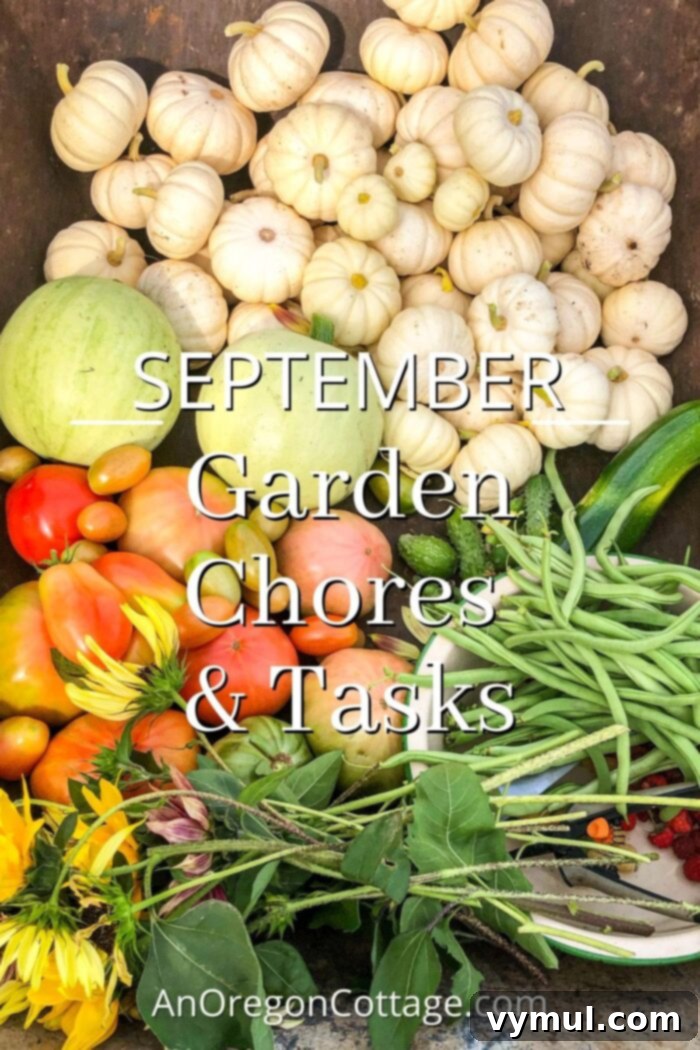
Ah, September! This beautiful month marks a pivotal transition in the gardening calendar. The days shorten, light takes on a golden hue, and the air begins to crisp, signaling the graceful shift from late summer to early fall. For many gardeners, September is a time of immense satisfaction, offering an abundant harvest that truly embodies the fruits of months of labor. It’s a period where we truly get to savor and appreciate the generous bounty of our gardens, transforming fresh produce into delicious meals and preserved goods for the colder months ahead.
Beyond harvesting, September is a strategic month for preparing your garden for cooler temperatures and even planning for the next growing season. If you reside in a region with mild autumns, September offers a prime window to plant cool-season crops such as lettuce, cabbage, kale, spinach, and other leafy greens for a continuous fall harvest. Now is the perfect time to clear out spent summer crops and make space for these new transplants, as establishing them in the first half of the month is crucial for success. While it might be too late for direct seeding, utilizing young transplants will give your fall garden a significant head start.
Unlock all my best vegetable gardening tips and techniques designed to keep your gardening simple, manageable, and highly productive! (Yes, a thriving garden CAN be easy!)
For those of us in areas like the Pacific Northwest and similar northern climates, September is particularly significant for preserving the summer’s yield. Processing and putting up garden produce becomes one of our most substantial garden chores. This is the month for canning tomatoes, freezing berries, dehydrating herbs, and making jams, jellies, and sauces. It’s also an excellent time to forage for wild fruits from trees or neighbor’s gardens (with permission, of course!), such as abundant blackberries along country roads or wild apple trees perfect for making juice, cider, and applesauce. These activities not only stock your pantry but also connect you deeply with the rhythm of the season.
Given the intense focus on harvest and preservation, I generally prioritize gathering and processing produce this month, postponing any major, deep garden clean-up for October. This approach allows you to fully capitalize on the peak of the growing season’s end, ensuring that none of your hard work goes to waste. Of course, alongside these practical tasks, September also allows for aesthetic touches, like planting cheerful mums and decorating with charming pumpkins, bringing the festive spirit of autumn to your outdoor spaces.
Desire a comprehensive year-round collection of garden tasks in an easy-to-use checklist format?
Download your free printable set of garden tasks for every single month by simply clicking the form below! This invaluable resource will help you stay on track and maximize your garden’s potential.
Remember to integrate these valuable pages into your free Gardening Notebook Journal! It’s the perfect way to organize all your garden plans and notes.
Essential Garden Chores for September: Preparing for Cooler Weather
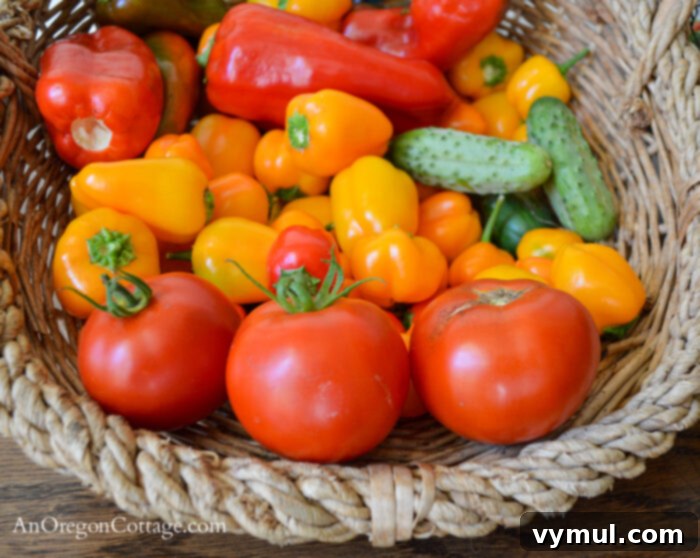
Vegetable & Fruit Garden Tasks
September is often the most productive month in the vegetable and fruit garden. Maximizing your harvest and preparing your beds for the upcoming dormant season or a new round of cool-season crops are key objectives. Here’s what you need to focus on:
- Harvest Daily & Preserve Abundantly: Continue to harvest ripe fruits and vegetables every other day. This not only encourages plants like beans and cucumbers to produce more but also ensures you catch produce at its peak flavor before it becomes overripe or falls prey to pests. This month is ideal for large-scale preservation projects. Explore various methods like freezing, canning, and drying. Consider making tomato sauce, dehydrating herbs, or freezing excess berries for winter smoothies and baking.
- Mulch Around Strawberries: Apply a fresh layer of organic mulch (such as straw, wood chips, or shredded leaves) around your strawberry plants. This protective layer will help regulate soil temperature, suppress weeds, retain essential moisture, and shield the shallow roots from the impending cool weather and potential early frosts.
- Clean Up Spent Crops: Begin tidying up your vegetable patch by pulling out any spent summer crops that have finished producing. It’s vital to gather all plant debris, including stems, leaves, and any dropped fruit bits, as these can harbor pests and diseases. Dispose of diseased or bug-infested plants in the trash or by burning, rather than composting, to prevent the spread of issues to future garden beds.
- Plant Short-Season Fall Vegetables: In areas with mild climates, continue planting short rows of quick-growing cool-season vegetables like lettuce, arugula, radishes, and spinach every two weeks until early October. This succession planting will ensure a continuous supply of fresh greens as summer crops fade.
- Enrich Soil with Organic Matter: Before planting any winter transplant crops, enrich your garden beds with a generous layer of organic matter. Incorporate well-rotted compost, aged manure, or leaf mold into the soil. This will improve soil structure, provide slow-release nutrients, and support robust growth for crops like broccoli, spinach, cauliflower, cabbage, peas, garlic, carrots, and beets.
- Plant Garlic for Spring Harvest: September through October is the optimal time to plant garlic. Break apart garlic bulbs into individual cloves. Plant each clove 2 inches deep and 4 inches apart in a sunny location with well-drained soil, ensuring the pointed end faces upwards. This will allow the garlic to establish roots through the winter and be ready for a delicious harvest next spring.
- Cure Winter Squash for Long Storage: For winter squash varieties like butternut, acorn, and pumpkin, proper curing is essential for extended storage. After harvesting, place squash on elevated screens or racks in a sunny, dry spot for approximately 7-14 days. This allows the skins to harden and minor nicks to heal, greatly improving their shelf life. If nighttime temperatures threaten frost, bring your squash indoors to protect them.
- Take a Final Herb Picking: Before the first hard frost, take a last significant picking of your favorite perennial herbs. Many herbs, such as basil, mint, and oregano, can be dried, frozen, or made into pesto to extend their use throughout the winter months.
- Plant Cover Crops: On any empty garden beds that won’t be used for fall planting, sow cover crops. Options like peas, oats, annual rye grass, crimson clover, or hairy vetch help to prevent soil erosion, suppress weeds, and enrich the soil with organic matter and nitrogen (especially legumes) over the winter. This is a crucial step for long-term soil health.
- Manage Unripened Tomatoes: As the season draws to a close, gather any green tomatoes that won’t have enough time to ripen on the vine. These can be brought indoors to finish ripening using methods like placing them in a paper bag with an apple. Alternatively, green tomatoes are excellent for cooking and canning into delicious chutneys, relishes, or fried green tomatoes. (This is the best way I’ve found to ripen tomatoes indoors).
- Start Saving Seeds: September is an ideal time to begin saving seeds from your favorite open-pollinated or heirloom varieties. Carefully select seeds from the healthiest, most vigorous plants. The absolute key to successful seed-saving and viable storage is to ensure the seeds are completely dry before storing them in airtight containers in a cool, dark place.
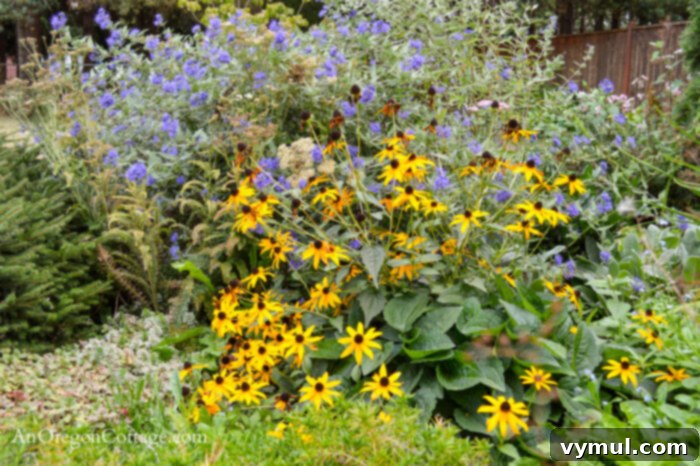
Flower Garden Maintenance
Keep your flower garden vibrant and prepare it for winter with these September tasks:
- Plant Fall Annuals & Refresh Containers: Introduce beautiful fall annuals such as pansies, violas, and ornamental kales to extend color in your beds. Replant garden containers with classic fall favorites like mums, ornamental cabbages, and decorative gourds to create stunning autumn displays.
- Purchase Spring-Blooming Bulbs: Now is the best time to purchase spring-blooming bulbs like daffodils, tulips, crocuses, and hyacinths to ensure you get the widest selection and best quality. While you should buy them now, wait for consistently cool weather (when soil temperatures drop below 60°F or 15°C) to plant them if your area is still experiencing warm temperatures. This prevents premature sprouting.
- Divide and Replant Perennials: September is an excellent window for dividing and replanting overcrowded perennials. Varieties like irises, daylilies, hostas, and peonies benefit from division every few years. This practice rejuvenates the plants, promotes healthier growth, and allows you to expand your garden or share with friends.
- Refresh Perennial Bed Mulch: Inspect your perennial beds. If the existing mulch layer has thinned, add more organic mulch to provide essential insulation for plant roots during the coming winter. This also helps suppress lingering weeds and conserves soil moisture.
- Overwinter Cuttings of Annuals: Extend the life of your favorite annuals like coleus, begonias, geraniums, and impatiens by taking cuttings to overwinter indoors. Root these cuttings in water or a light potting mix. Once roots have developed, pot them up and place them in a sunny window. These “free plants” can be transplanted outdoors again next spring, saving you money and providing an early start.
- Continue Deadheading Flowers: Persist with deadheading spent flowers from both perennials and annuals. Removing faded blooms prevents the plants from expending energy on seed production, redirecting it instead towards producing more flowers and maintaining a tidy appearance, often encouraging a final flush of blooms before winter.
General Yard & Garden Tasks for Fall Preparation
Beyond specific beds, September is also a time for overall yard maintenance to set the stage for a healthy landscape in the coming year:
- Plant Trees, Shrubs, and Perennials: Fall is an exceptional time to plant new trees, shrubs, and perennial plants. Cooler air temperatures combined with still-warm soil provide ideal conditions for root development. This allows plants to establish a strong root system before the ground freezes and before the stress of next year’s hot summer, often yielding better results than spring planting.
- Manage Fallen Leaves: Start raking fallen leaves regularly. Instead of simply discarding them, consider mowing over them with a grass catcher bag attached to your mower. This chops the leaves into small pieces, creating a ready supply of nutrient-rich material. These chopped leaves are perfect for layering into a compost pile, where they break down quickly, or for using as a natural mulch on your vegetable garden beds to enrich the soil.
- Adjust Lawn Watering Schedule: As days become shorter and daytime temperatures drop, your lawn’s water requirements significantly decrease. Reduce your sprinkler run time by at least 25% to avoid overwatering, which can lead to fungal diseases and wasted resources.
- Seed or Sod New Lawns / Overseed Existing Lawns: September is arguably the best month of the entire year for establishing new lawns from seed or sod. The cooler temperatures, increased rainfall, and reduced weed competition create optimal conditions for grass seed germination and establishment. It’s also an excellent time to overseed an old, thinning lawn with new grass seed. This practice helps fill in bare spots, improves overall lawn density, and naturally crowds out weeds and mosses, leading to a healthier, lusher turf next spring.
Explore all our detailed month-by-month garden chore lists here for year-round gardening success.
Looking for more simplified gardening tips?
Our resources are designed to help you create a beautiful and productive garden without overwhelming your schedule. Dive into these guides:
- Organic Vegetable Gardening 101: A Beginner’s Guide to Healthy Harvests
- How to Plant a Garden the Easy Care Way: Sustainable Practices for Busy Gardeners
- 5 Steps to Take Now For Your Best Garden Ever (with Free Printables!): Plan for Unprecedented Success