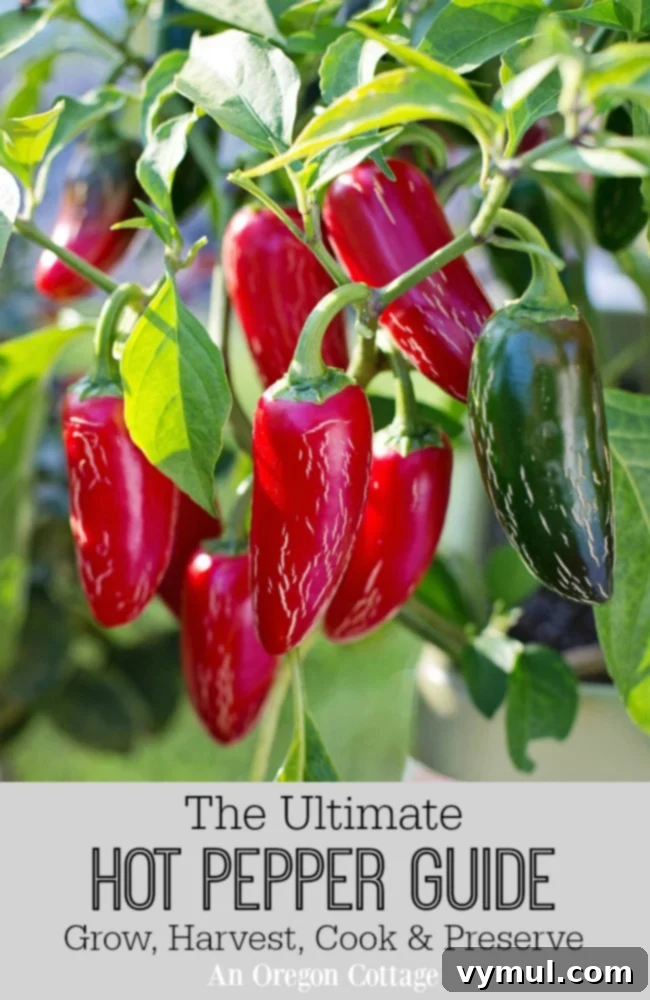
The Ultimate Hot Pepper Guide: Grow, Harvest, & Savor Spicy Delights
Welcome to your ultimate resource for all things hot peppers! This comprehensive guide provides expert tips for cultivating and caring for your hot pepper plants, highlights the best varieties to grow, and offers a treasure trove of delicious recipes to preserve and cook with your spicy harvest. Get ready to embark on a flavorful journey into the world of hot peppers.
This hot pepper guide is a proud installment in our continuing series of Ultimate Guides, designed to provide you with in-depth growing information and mouth-watering recipes for a specific fruit or vegetable, whether fresh or preserved. Discover more fruit and vegetable guides here. Please note that some links within this article are affiliate links. If you click on them and make a purchase, I may receive a small commission at no additional cost to you, helping to support this content.
Initially, I envisioned a single, all-encompassing guide for all peppers. However, as I delved into the specifics, it quickly became clear that sweet and hot peppers deserved their own dedicated resources. The differences in their cultivation, harvesting, and culinary applications were simply too significant to merge into one massive article. A combined guide would not only be excessively long, requiring endless scrolling, but it would also dilute the precise information needed for each type.
The primary distinction lies in their growth and harvesting. While sweet peppers are typically grown to full maturity and vibrant color to achieve their peak sweetness, hot peppers are often enjoyed and harvested in their green, immature stage. This key difference actually makes hot peppers somewhat easier for the home gardener. Picking the fruit from a hot pepper plant encourages it to produce even more, leading to a longer and more abundant harvest season, especially in milder climates. For instance, I can begin picking hot peppers as early as July once they reach a decent size, whereas fully colored sweet peppers often don’t ripen until late August.
Beyond cultivation, the culinary applications also vary greatly. Hot peppers require a more cautious approach when added to recipes, given their potent heat. However, their unique flavors are indispensable for many dishes, with salsa being a prime example – it simply wouldn’t be the same without the fiery kick of a hot pepper!
To quantify this heat, hot peppers are measured using the Scoville Heat Unit (SHU) scale, developed by Wilbur Scoville in the early 1900s. This scale allows us to categorize peppers from the incredibly mild, like pepperoncini and Anaheim (starting around 500 SHU), all the way to the blistering extremes, such as the infamous Carolina Reaper, which can exceed 1.5 million SHU. The name “Carolina Reaper” alone certainly tells a story, doesn’t it?
Why Grow Your Own Hot Peppers?
Cultivating your own hot peppers offers numerous advantages. Beyond the sheer satisfaction of growing your own food, you gain access to an incredible diversity of flavors and heat levels that are often unavailable in standard grocery stores. You control the growing conditions, ensuring organic practices if desired, and enjoy unparalleled freshness. Plus, a bountiful harvest provides opportunities for both immediate culinary adventures and long-term preservation, saving money and enriching your pantry with homemade goodness.
Understanding Hot Pepper Heat: The Scoville Scale Explained
The Scoville scale is more than just a number; it’s a fascinating measure of a pepper’s piquancy, or “spiciness.” This heat comes from capsaicin, a chemical compound primarily concentrated in the white pith (placenta) of the pepper, not just the seeds as commonly believed. When you eat a hot pepper, capsaicin binds to pain receptors in your mouth and throat, creating a burning sensation. The Scoville scale works by diluting an extract of the pepper with sugar water until a panel of tasters can no longer detect any heat. The degree of dilution indicates the Scoville unit. For example, a jalapeño typically ranges from 2,500 to 8,000 SHU, while a ghost pepper can hit over 1 million SHU. Understanding this scale empowers you to select peppers that perfectly match your desired heat tolerance and culinary intent.
Ultimate Hot Pepper Guide: Plant & Grow
Types and Varieties of Hot Peppers
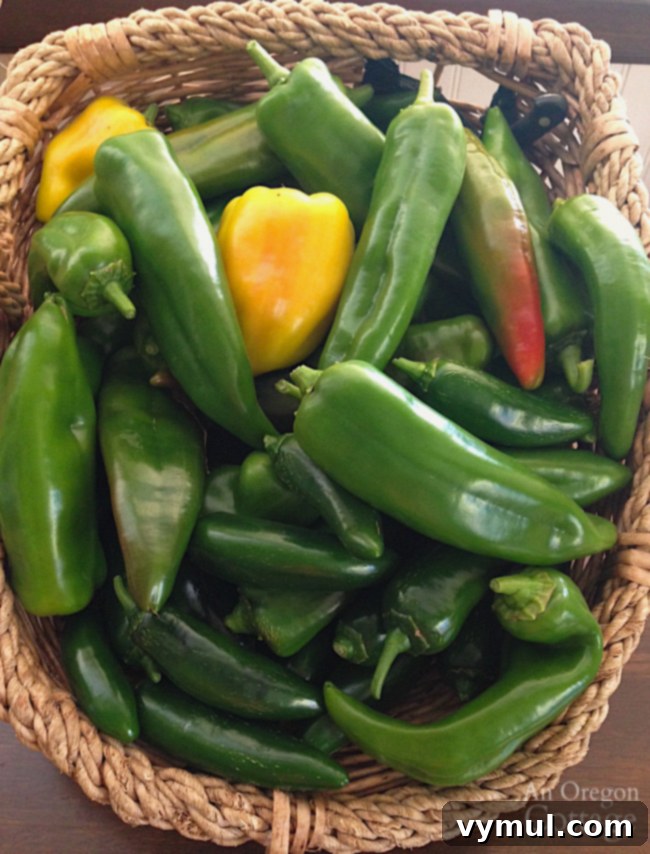
The world of hot peppers is vast and exciting, offering an incredible range of heat and flavor profiles. Below are some popular varieties that I’ve successfully grown and are widely used in a multitude of recipes. Exploring these will give you a great foundation for your spicy culinary journey.
- Pepperoncini – With a mild heat ranging from 100 to 500 Scoville Heat Units, these thin-walled, wrinkled peppers are typically pickled and found in Greek salads or on antipasto platters. They offer a slightly sweet and tangy flavor.
- Anaheim – A popular choice for stuffing and roasting, Anaheim peppers fall into the mild-to-medium range, from 500 to 2,500 Scoville Heat Units. They have a subtle sweetness and are often used when green, but ripen to red for a richer flavor.
- Poblano – Known for their rich, earthy flavor and mild heat (1,000 to 2,000 Scoville Heat Units), Poblanos are ideal for chile rellenos and Mexican sauces. They are typically dark green and turn a deep red-brown when mature. *Note: In seed catalogs, “Ancho” sometimes refers to the fresh poblano, though ancho is technically the name for the dried poblano pepper.*
- Jalapeño – One of the most recognizable hot peppers, jalapeños provide a moderate kick, typically 2,500 to 8,000 Scoville Heat Units. They are incredibly versatile, perfect for salsas, pickling, and adding a fresh bite to many dishes, often consumed while still green.
- Hungarian Wax Pepper – These vibrant yellow peppers offer a pleasant medium heat, from 5,000 to 10,000 Scoville Heat Units. They are excellent for pickling, frying, or adding color and spice to salads.
- Cayenne – A classic for hot sauces and drying into flakes or powder, Cayenne peppers are slender and pack a significant punch, ranging from 30,000 to 50,000 Scoville Heat Units.
- Thai Bird’s Eye Chile – Small but mighty, these chiles bring intense heat, from 50,000 to 100,000 Scoville Heat Units. Essential in many Asian cuisines, they are often used fresh or dried.
- Habanero – For those who truly love the heat, habaneros deliver a fruity, floral flavor along with searing spice, typically 100,000 to 350,000 Scoville Heat Units. They are fantastic in extreme hot sauces and Caribbean dishes.
Interesting fact: Some peppers undergo a name change when dried. For instance, dried jalapeño peppers are known as chipotle peppers, imparting a smoky flavor, while dried poblano peppers are called ancho peppers, prized for their rich, mild chili powder. Understanding these transformations opens up even more culinary possibilities.
In my garden, Anaheim and jalapeño plants are always in abundance, primarily to ensure a plentiful supply for my favorite thick canned salsa. I also frequently cultivate a couple of mild poblano plants, as their earthy flavor pairs beautifully with Anaheims, especially in vibrant green salsa verde. Occasionally, I branch out to grow others for fun – one year I pickled pepperoncini, another I dried cayenne for homemade flakes. However, I’ve found that varieties like habaneros and other extremely hot peppers tend to be a bit too intense for my family, even though we appreciate a good level of spice!
The beauty of hot peppers lies in their incredible diversity of heat levels and flavors, far beyond what’s listed here. This means there truly is a hot pepper out there for every palate, whether you prefer a gentle warmth or a scorching inferno.
How to Grow Hot Peppers for a Bountiful Harvest
Growing hot peppers can be a deeply rewarding experience, yielding a continuous supply of fresh, flavorful heat for your kitchen. Follow these essential tips to ensure healthy plants and an abundant harvest:
- Maximize Sunlight and Warmth: Hot peppers are sun-lovers. Plant them where they can receive at least 10 hours of direct sunlight daily. This is paramount for fruit production and proper ripening. Warmth is equally important; they thrive in consistent heat.
- Choose the Right Soil: Peppers prefer well-draining, loamy soil rich in organic matter. A slightly acidic to neutral pH (6.0-6.8) is ideal. Good drainage prevents root rot, while rich soil provides essential nutrients.
- Adequate Spacing: Leave about 18-20 inches of space between each plant. Hot pepper varieties generally require less room than their sweeter cousins, but proper spacing ensures good air circulation, reduces disease risk, and allows each plant ample light and nutrients to flourish.
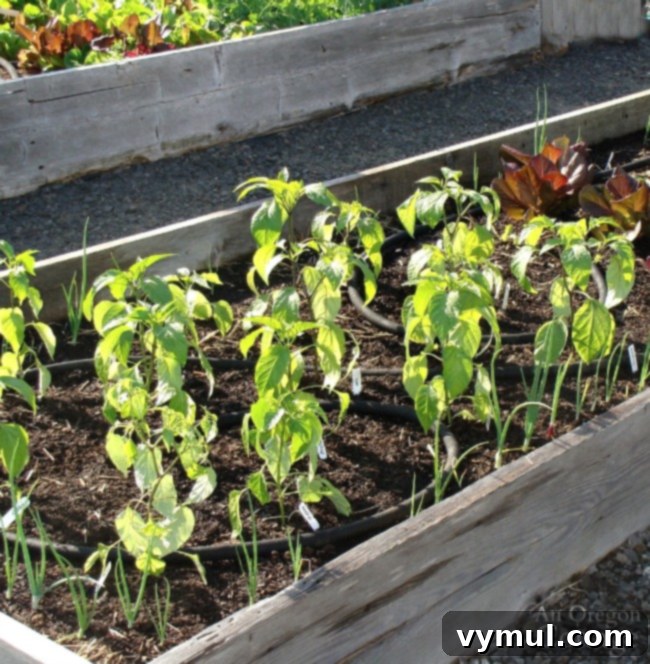
- Utilize Raised Beds: Raised beds are an excellent choice for growing peppers. They offer superior drainage, which is crucial for peppers, and allow you to easily amend the soil to meet their specific needs. Furthermore, raised beds tend to retain more heat than traditional garden beds, creating a warmer microclimate that peppers adore.
- Strategic Fertilization: Avoid over-fertilizing with nitrogen, as this promotes lush leafy growth at the expense of fruit production. Instead, focus on phosphorus and potassium. A crucial tip: when transplanting, add lime or bone meal to the soil. Peppers are heavy calcium feeders, and a calcium deficiency can lead to blossom end rot. A balanced all-around organic fertilizer at planting time is usually a safe and effective choice.
- Support Taller Varieties: Many hot pepper plants, especially those with heavy fruit loads or vigorous growth, can become top-heavy. Stake or cage taller varieties to prevent stems from breaking in strong winds or under the weight of ripening peppers. I often use single stem stakes for upright plants like jalapeño and Anaheim. For bushier varieties, grow-through supports work wonders.
- Employ Mulching Techniques: Using a black plastic mulch is highly beneficial. It helps retain soil moisture, suppresses weeds, and crucially, absorbs and retains heat, warming the soil for vigorous early growth. If plastic mulch isn’t an option, apply about 1 inch of organic mulch (like straw or wood chips) around the base of the plant to achieve similar benefits in moisture retention and soil temperature regulation.
- Consistent Watering: Pepper plants require consistent moisture. Ensure your plants receive at least an inch of water per week, either from rainfall or irrigation. Soaker hoses or drip systems are excellent for deep, efficient watering, especially when layered under plastic mulch. Avoid overhead watering, which can encourage fungal diseases.
- Pinch Off Early Blossoms: This is a challenging step for new gardeners, but it’s incredibly effective. Pinching off the first few blossoms that appear on young plants redirects the plant’s energy from early fruit production to developing a stronger root system and more robust foliage. This initial sacrifice will result in larger peppers and a significantly higher overall yield later in the season.
- Starting Seeds Indoors: For gardeners in cooler climates or those aiming for an early harvest, starting hot pepper seeds indoors 8-10 weeks before the last frost date is highly recommended. This gives plants a crucial head start, allowing them to establish well before transplanting them outdoors after all danger of frost has passed.
- Pest and Disease Management: Keep an eye out for common pests like aphids or spider mites. A strong spray of water or organic insecticidal soap can often manage minor infestations. Ensure good air circulation to prevent fungal diseases, and remove any affected leaves promptly. Healthy, well-fed plants are naturally more resistant to issues.
For even more in-depth hot pepper growing information, explore resources like the Gardener’s Supply Company here and Growing Organic here. This comprehensive book also offers a wealth of knowledge on cultivating and utilizing hot peppers: The Complete Chile Pepper Book.
Hot Pepper Guide: Harvesting & Storage
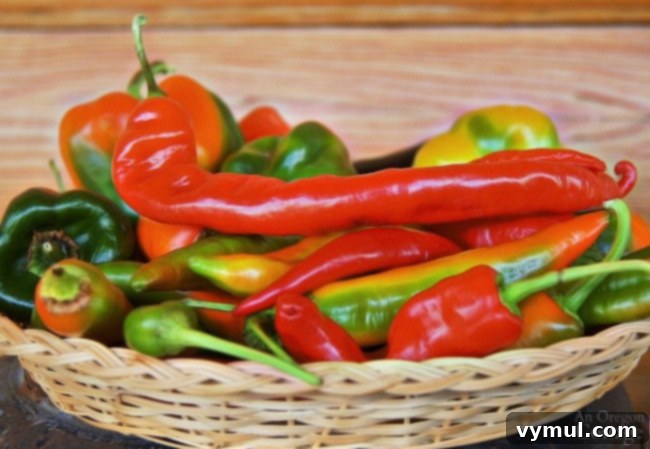
The timing of your hot pepper harvest significantly impacts their heat and flavor. Most hot pepper varieties take anywhere from 70 to 130 days to produce ripe fruit after planting, with the majority typically ready within 70 to 85 days of growth. A fascinating aspect of hot peppers is that they tend to be milder when picked early (green) and become progressively hotter as they are left on the plant to fully ripen and change color. This phenomenon might explain why many popular varieties, like jalapeños and Anaheims, are commonly consumed in their green, immature stage.
Just as with sweet peppers, always use sharp scissors or a garden knife to cut peppers from the plant. Never pull them, as this can severely damage the plant and compromise future yields.
You have the flexibility to harvest hot peppers when they are green and immature – as mentioned, many varieties like jalapeños and Anaheims are delicious at this stage. However, allowing them to ripen further on the plant, transforming from green to their mature color (often red, orange, or yellow), will intensify their flavors and increase their vitamin content. Experiment with different stages of ripeness to discover your preferred taste and heat profile.
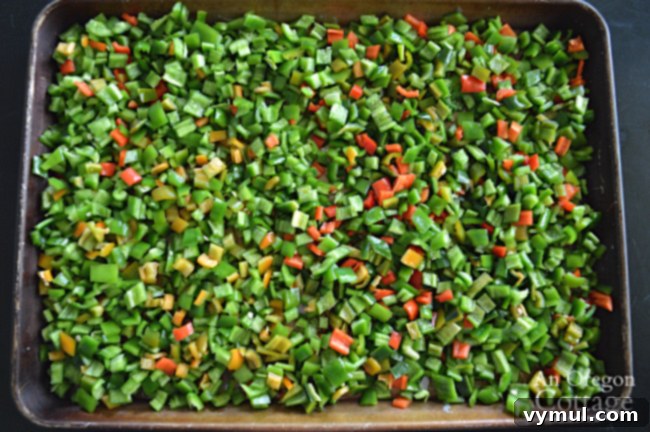
For short-term storage, unwashed hot peppers will keep well in a ziplock bag in the refrigerator for up to two weeks. If you wish to encourage further ripening, simply leave them on the kitchen counter for a few days. For longer-term preservation, freezing is an excellent method. Whole or sliced peppers can be frozen on a baking sheet until solid, then transferred to freezer bags, allowing you to enjoy your harvest year-round.
Handling Hot Peppers Safely
When working with hot peppers, especially the hotter varieties, it’s crucial to prioritize safety. The capsaicin that gives peppers their heat can cause severe irritation to skin and eyes. Always wear gloves, such as latex or nitrile, when handling and cutting hot peppers. Avoid touching your face, especially your eyes, nose, and mouth, until you have thoroughly washed your hands and any utensils or cutting boards used. A quick tip for reducing any lingering heat on your hands is to wash them with dish soap and then rub them with rubbing alcohol or a dilute bleach solution (and then rinse thoroughly). This extra precaution ensures a pleasant and safe culinary experience.
Hot Pepper Guide: Cook & Preserve Recipes
With a thriving hot pepper harvest, the possibilities are endless! From vibrant fresh salsas to tangy pickled treats and deeply flavorful preserved sauces, hot peppers offer incredible versatility in the kitchen. Whether you’re looking to extend your harvest through canning and freezing or integrate that spicy kick into everyday meals, these recipes will guide you.
Hot Pepper Preserving Recipes
Preserving hot peppers is an excellent way to enjoy their unique flavors and heat long after the growing season has ended. These recipes cover a range of methods, ensuring you have delicious options throughout the year.
How to Freeze Peppers (Freezer)
Pickled Sliced Jalapeño Peppers (Fridge)
Super Easy Fermented Pickled Jalapeños Recipe (Fridge)
Favorite Thick & Flavorful Salsa (Boiling Water Canned or freeze)
Tomatoes & Chilies {a Rotel copycat recipe} (Boiling Water Canned)
Honey Sweetened Jalapeño JellyJam (Boiling Water Canned)
Roasted Tomatillo or Green Tomato Salsa (Boiling Water Canned or freeze)
Fermented Hot Sauce @ Mountain Feed (Fridge)
Candied Jalapeños @ Brooklyn Farm Girl (Fridge)
Homemade “Frank’s” Hot Sauce @ Kitchen Stewardship (Fridge)
Smoky Homemade Hot Sauce @ Attainable-Sustainable (Fridge)
Pickled Hot Pepper Rings @ Serious Eats (Boiling Water Canned)
Southern Hot Pepper Sauce @ Home. Made. Interest (Shelf-stable vinegar)
Pickled Hot Peppers @ All Recipes (Boiling Water Canned)
Jalapeño Jelly Recipe @ Fresh Preserving (Boiling Water Canned)
Zesty Salsa Recipe @ Fresh Preserving (Boiling Water Canned)
Jalapeño Pepper Salt @ Instructables (Drying)
How to Dry Peppers @ Grow A Good Life (Drying)
Make Your Own Hot Pepper Flakes @ Old World Gardens (Drying)
Chili Powder Recipe @ Brooklyn Farm Girl (Drying)
Zesty Pickled Jalapeno Relish Recipe @ Reformation Acres (Boiling Water Canned)
Hot Homemade Giardiniera @ Daring Gourmet (Boiling Water Canned)
How to Can Peppers @ Simply Canning (Pressure Canning)
Hot Pepper Cooking Recipes
From appetizers to main courses, hot peppers can elevate almost any dish with their vibrant flavors and invigorating heat. Explore these recipes to incorporate your fresh or preserved peppers into exciting culinary creations.
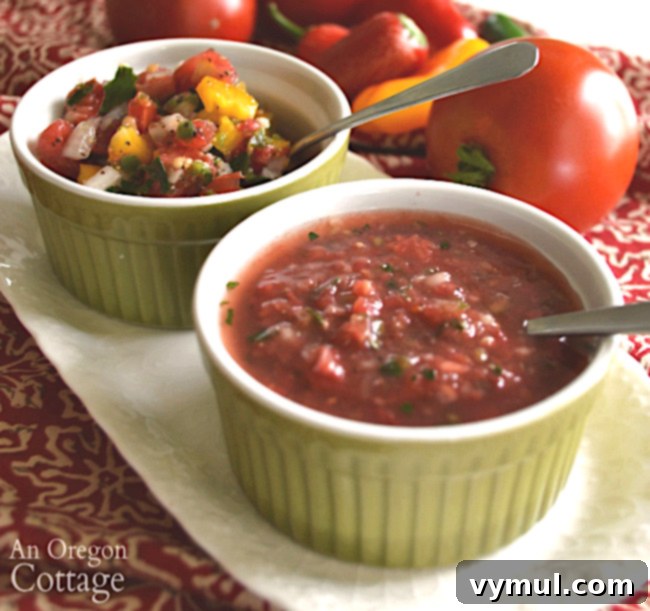
Two Garden Fresh Salsas: Salsa Cruda & Pico de Gallo
Smashed Garlic Burgers with Jalapeños
Slow Cooker Chicken Chili
Spicy Beef, Tomato, and Corn Stew
Quick & Easy Roasted Corn Salsa
Bob Armstrong Chile con Queso @ Bon Appetit
Habanero Salsa @ Chili Pepper Madness
Hot Sausage Stuffed Banana Peppers @ No Bun Please
Baked Feta with Hot Peppers @ Olive Tomato
How to Roast Green Chilies @ The Pioneer Woman
Sweet and Hot Pepper Chicken, Asian-Style @ Food Network
Jalapeño Chicken Recipe @ Cake Whiz
Chili Relleno Casserole @ Anns Entitled Life
Jalapeño Ranch Dip – Chuys Copycat Recipe @ Yellow Bliss Road
Slow Cooker Jalapeño Cheddar Cheese Soup @ Well Plated
Anaheim Chicken Tortilla Soup @ Taste of Home
Shakshouka: Poached Eggs in Spicy Tomato Sauce @ Love and Olive Oil
Jalapeño Popper Chicken Casserole @ Eating on a Dime
No Knead Jalapeño Cheddar Artisan Recipe @ Chef In Training
Honey Jalapeño Cheddar Cornbread Biscuits @ Half Baked Harvest
Cheesy Bacon Jalapeño Corn Dip @ Thrillist
Bacon Jalapeño Deviled Eggs @ Real Housemoms
Bacon Pepper Jack and Jalapeño Scones @ Baker By Nature
Grilled Jalapeño Popper Chicken @ Slender Kitchen
Chicken and Cheese Stuffed Anaheim Peppers @ Chili Pepper Madness
Bacon Wrapped Cheesy Stuffed Jalapeños @ Sally’s Baking Addiction
Honey Jalapeño Salad Dressing @ Chef Savvy
Slow Cooker Creamy Potato, Corn & Jalapeño Soup @ Sweet Peas & Saffron
Crockpot Jalapeño Popper White Chicken Chili @ Show Me the Yummy
Jalapeño Popper Stuffed Spaghetti Squash @ Premeditated Leftovers
Roasted Jalapeño Hummus @ Minimalist Baker
Roasted Shrimp Enchiladas With Jalapeño Cream Sauce @ Damn Delicious
Jalapeño Popper Grilled Cheese Sandwich @ Simply Stacie
Jalapeño Shrimp Nachos @ Will Cook For Smiles
Shrimp Cobb Salad with Jalapeño Corn Vinaigrette @ Half Baked Harvest
We hope this Ultimate Hot Pepper Guide has ignited your passion for growing and cooking with these incredible spicy fruits. Whether you’re a seasoned gardener or just starting, the joy of harvesting your own hot peppers and transforming them into delicious meals and preserves is immensely satisfying. Embrace the heat and the flavor!
Don’t forget to explore our other Ultimate Guides for more gardening and culinary inspiration:
- Ultimate Sweet Pepper Guide
- Ultimate Zucchini Guide
- Ultimate Blueberry Guide
Disclosure: Affiliate links in this article may earn commission based on sales, but this does not alter your purchase price. Click here to read my full disclaimer and advertising disclosure for more information.